Overview
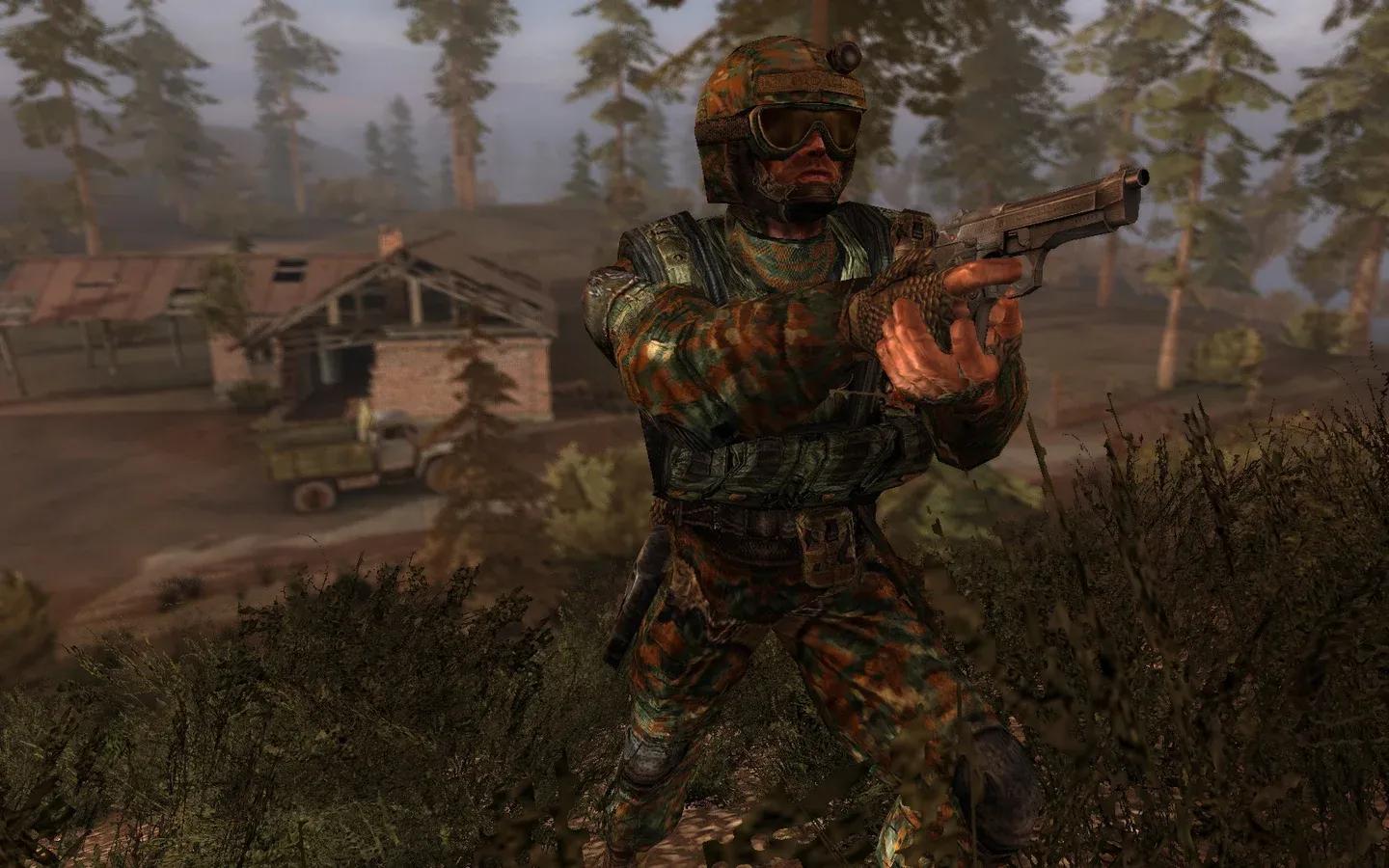
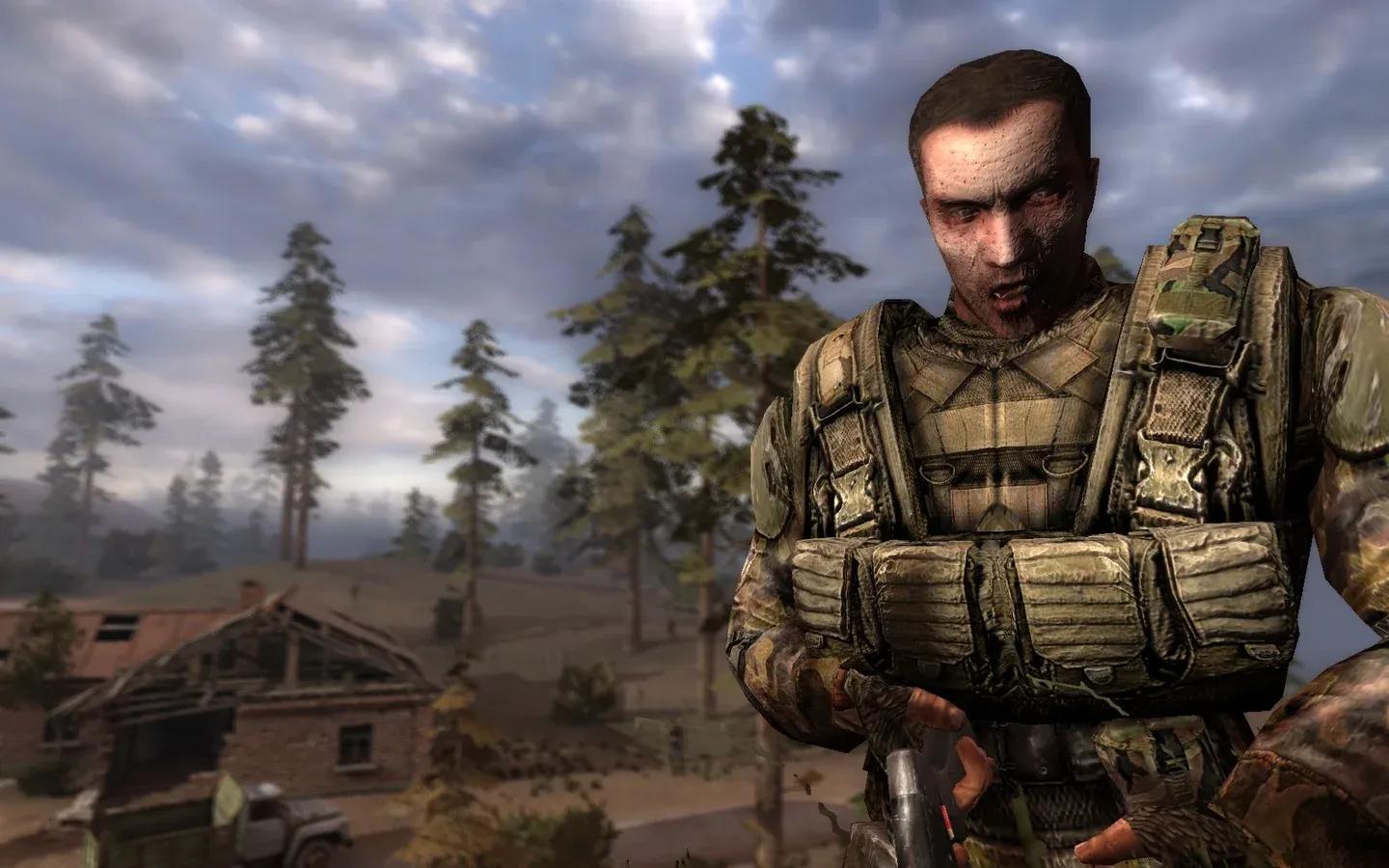
Released by GSC Game World in February 2010, S.T.A.L.K.E.R.: Call of Pripyat is the third entry in the S.T.A.L.K.E.R. series and the direct follow-up to Shadow of Chernobyl. You play as Major Degtyarev, a Security Service of Ukraine operative sent undercover into the Zone after a large-scale military operation, codenamed Fairway, goes catastrophically wrong. Most of the avant-garde helicopters crash before the main forces can be deployed, and it falls to Degtyarev alone to piece together what happened.
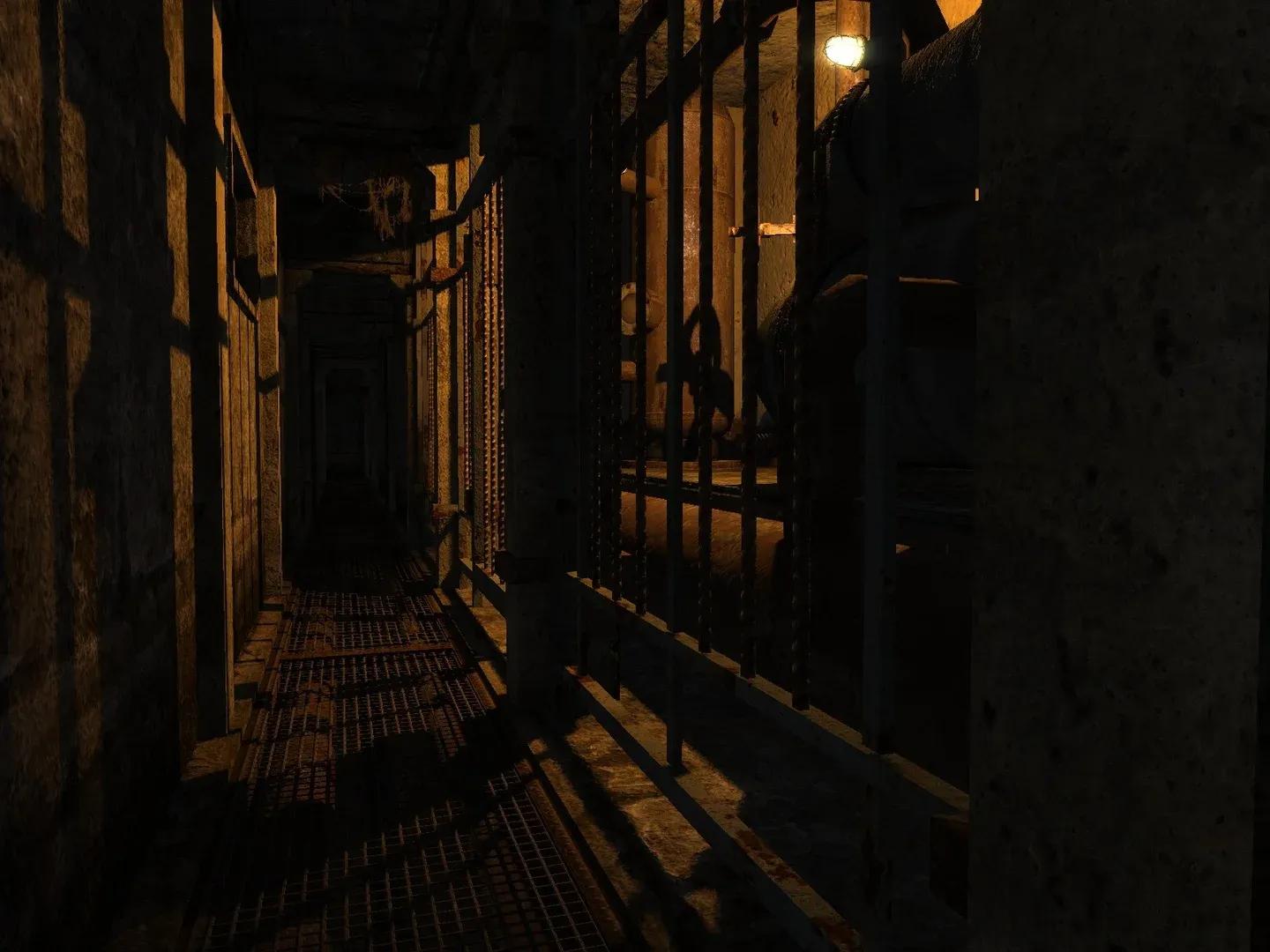
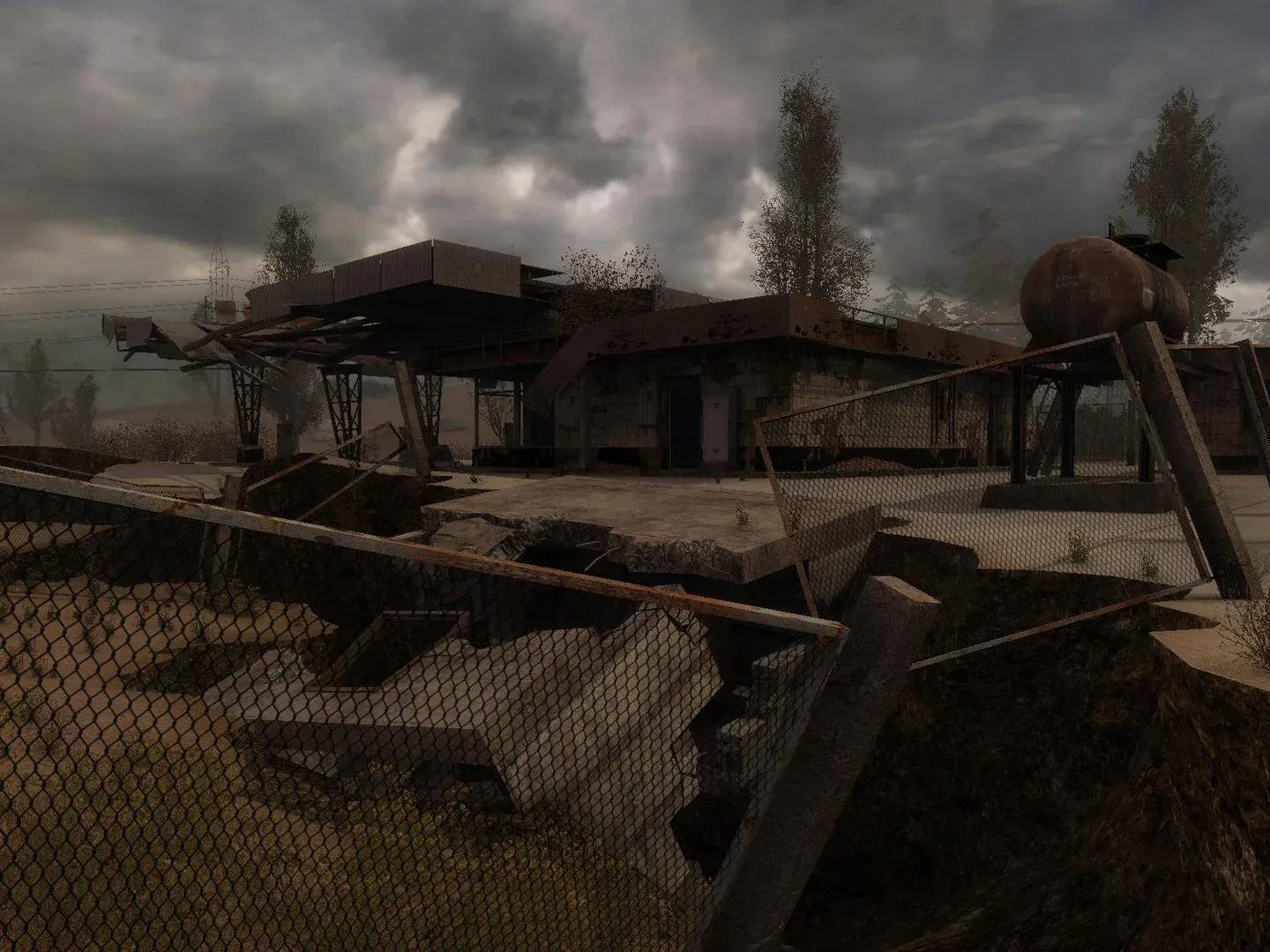
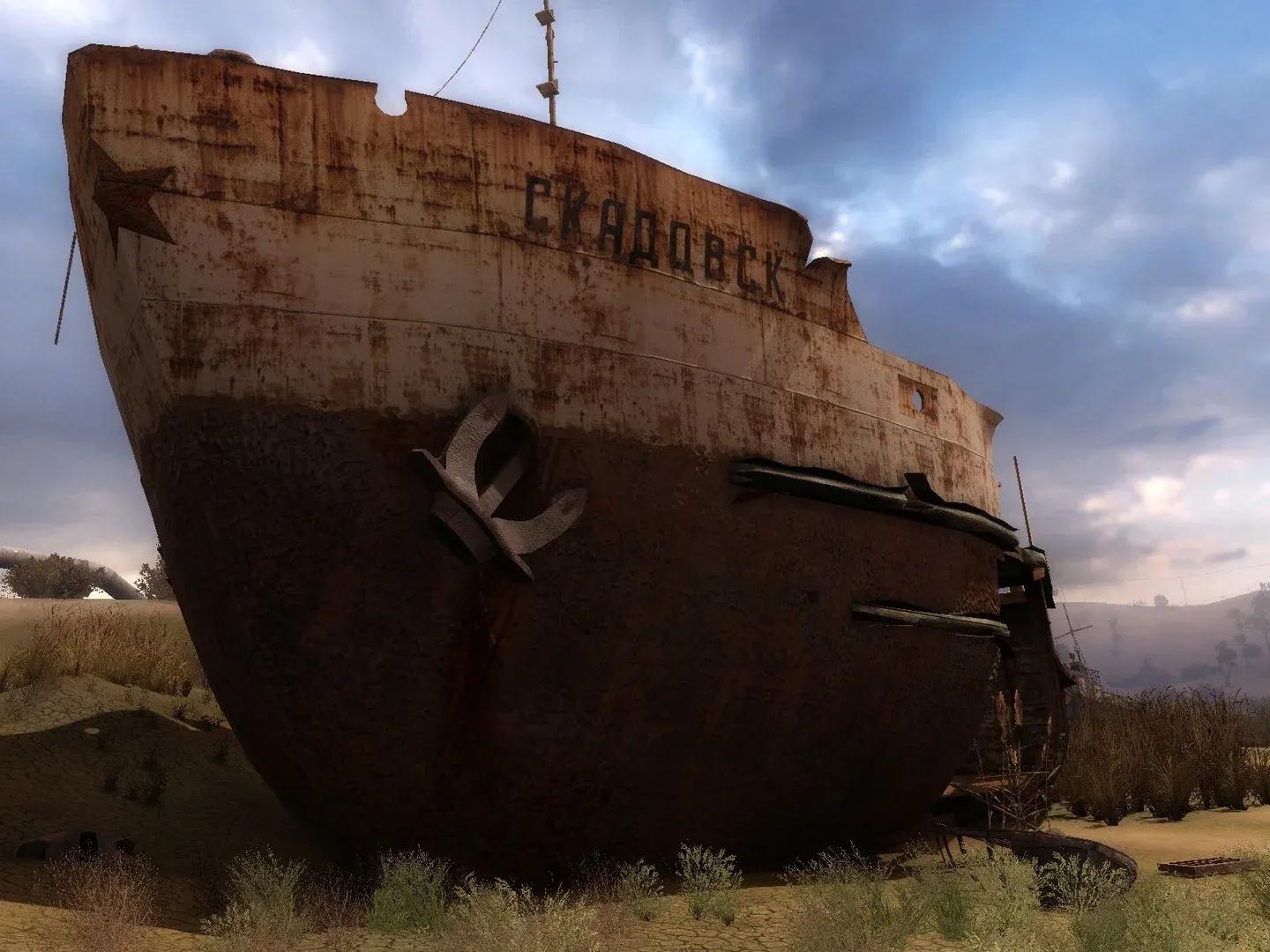
The game spreads across three large, distinct locations: the swampy wetlands of Zaton, the decayed industrial sprawl around the Jupiter factory, and the ghost town of Pripyat itself, recreated from real-world reference. Each zone feels genuinely different in tone and threat level, and the catacombs beneath them represent some of the most tense, claustrophobic space in the entire series.
S.T.A.L.K.E.R.: Call of Pripyat content image
Gameplay and mechanics
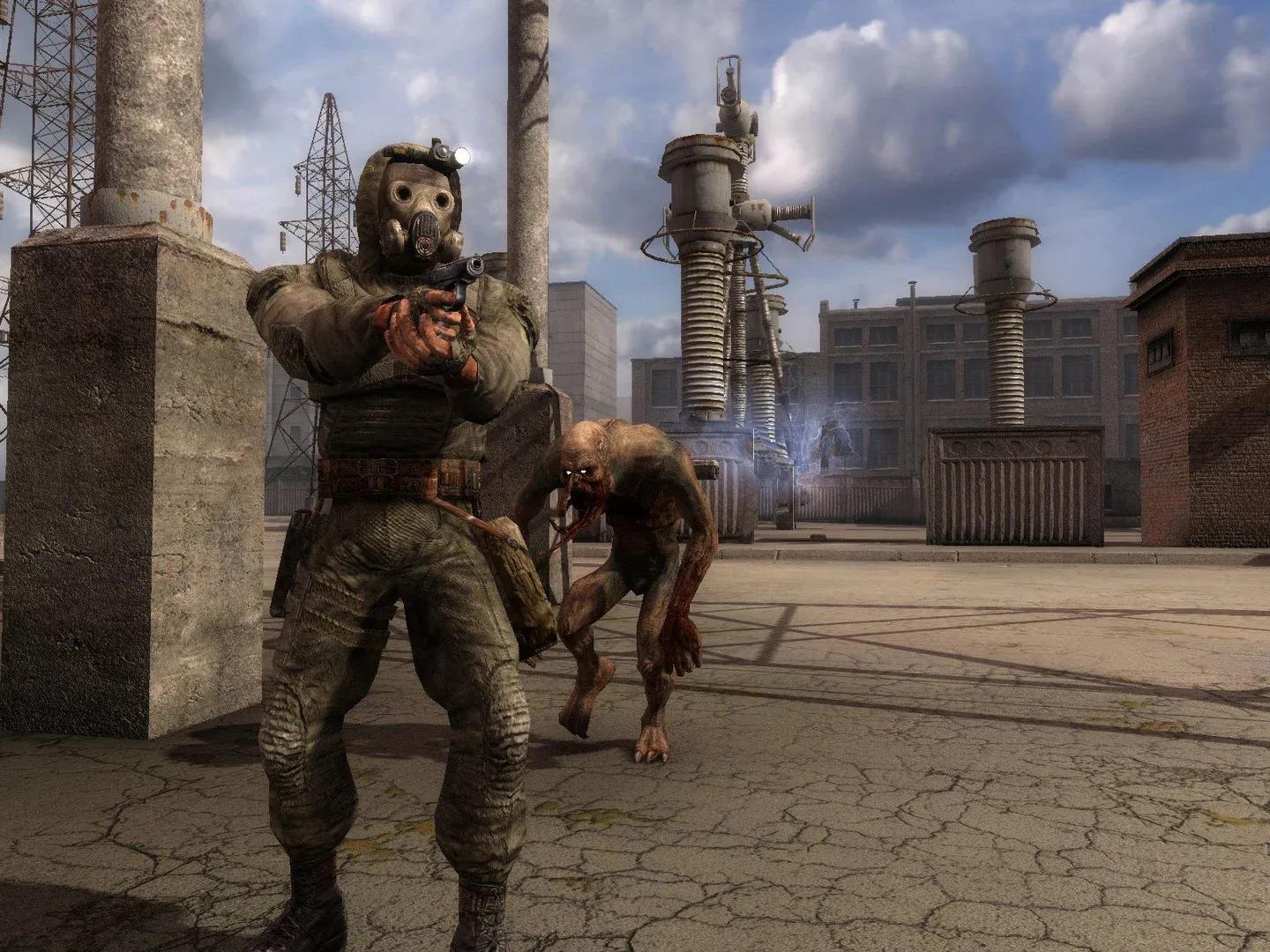
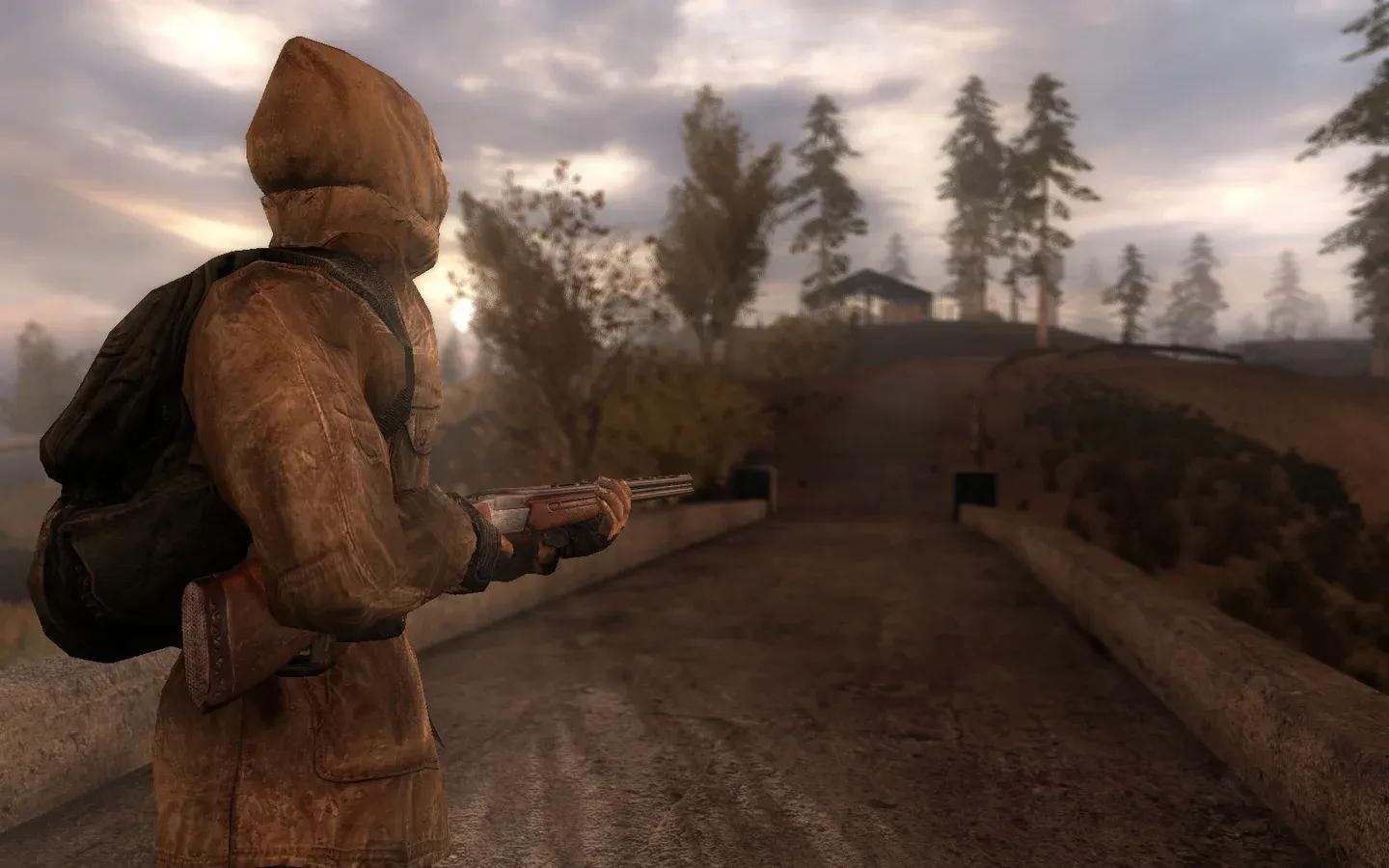
Call of Pripyat refines the survival shooter formula the series established while fixing several rough edges from earlier entries. The A-Life simulation system, which governs how stalker factions and mutants behave independently of the player, received a significant rework here. NPCs move between locations, fight over territory, and react to emissions without any scripted prompting, which gives the Zone a genuine sense of life running parallel to your own objectives.
S.T.A.L.K.E.R.: Call of Pripyat content image
Key mechanics that define the experience:
- Random emission events that force you to find shelter fast
- Weapon and armor upgrade trees with meaningful tradeoffs
- Artifact hunting inside anomaly fields for stat bonuses
- Branching side quests tied to named characters
- Multiple endings shaped by your decisions throughout
The upgrade system for weapons and armor is noticeably deeper than in previous entries, requiring specific technicians and components rather than just money.
World and setting
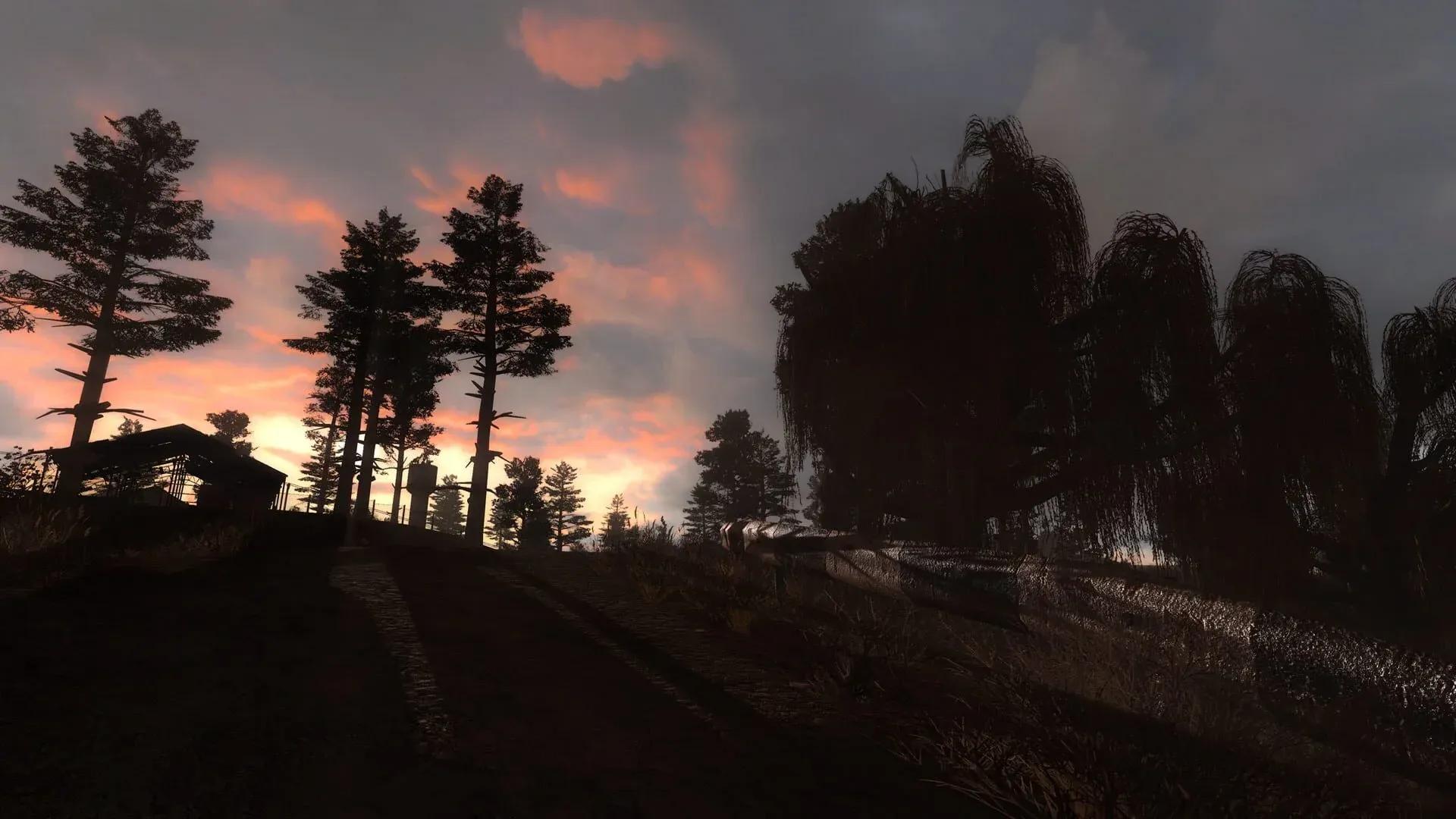
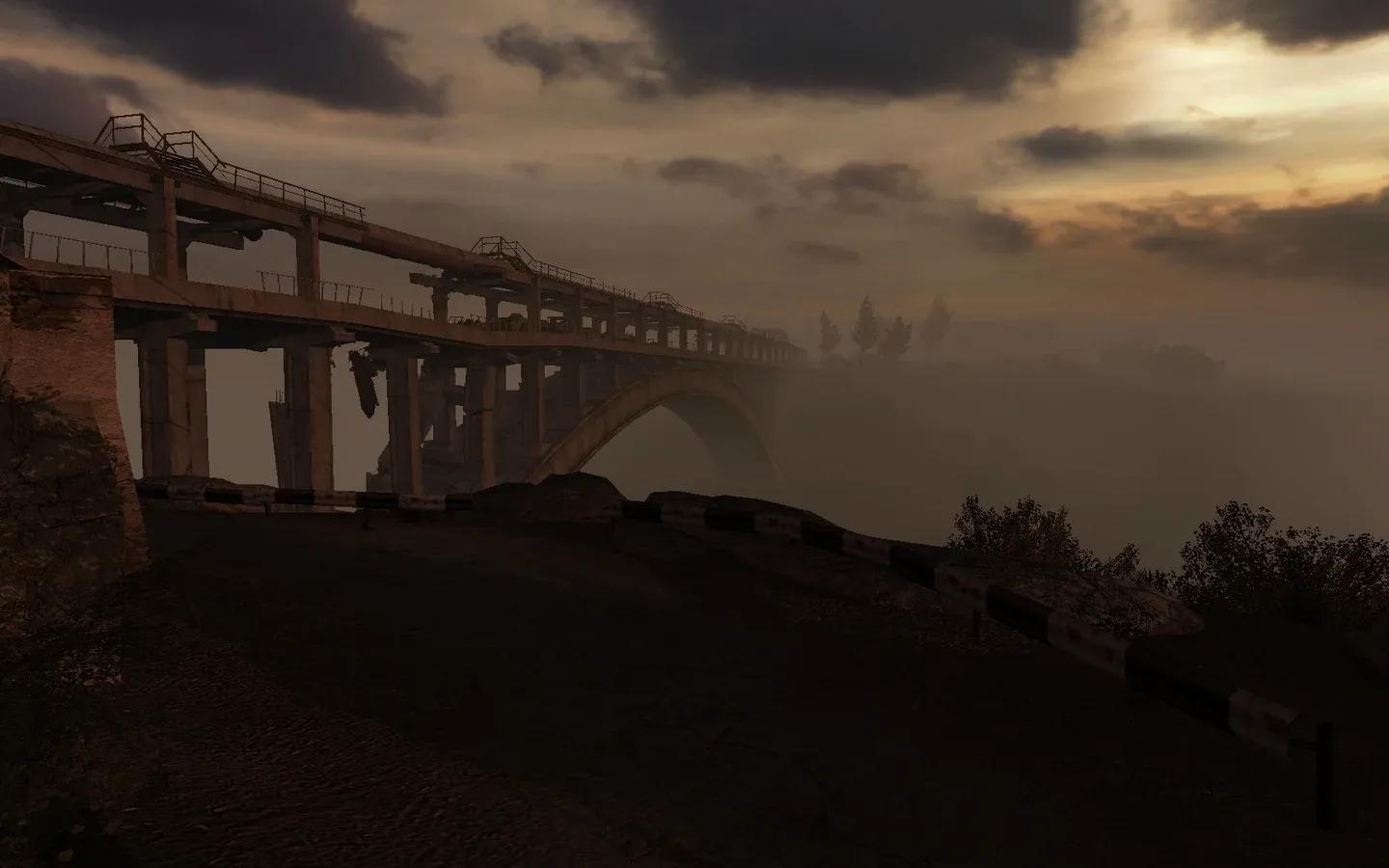
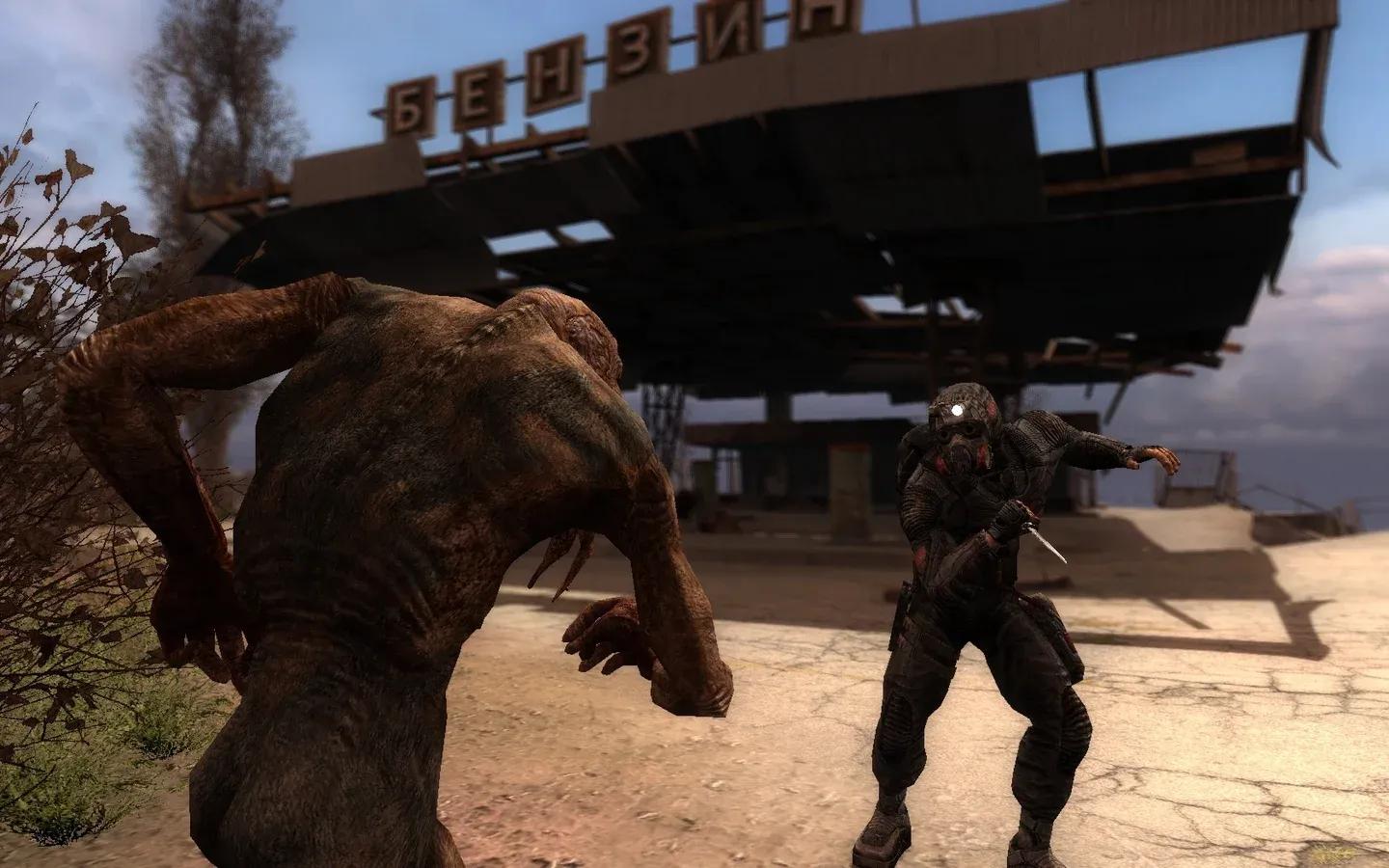
The Exclusion Zone in Call of Pripyat carries a specific kind of dread that comes from restraint. The environments are quiet, broken, and almost entirely devoid of anything comfortable. Pripyat's abandoned apartment blocks and rusted fairground sit exactly as they did after the 1986 disaster, and GSC Game World leaned hard into that real-world source material. The result is a setting that feels less like a designed game space and more like somewhere that actually exists.
S.T.A.L.K.E.R.: Call of Pripyat content image
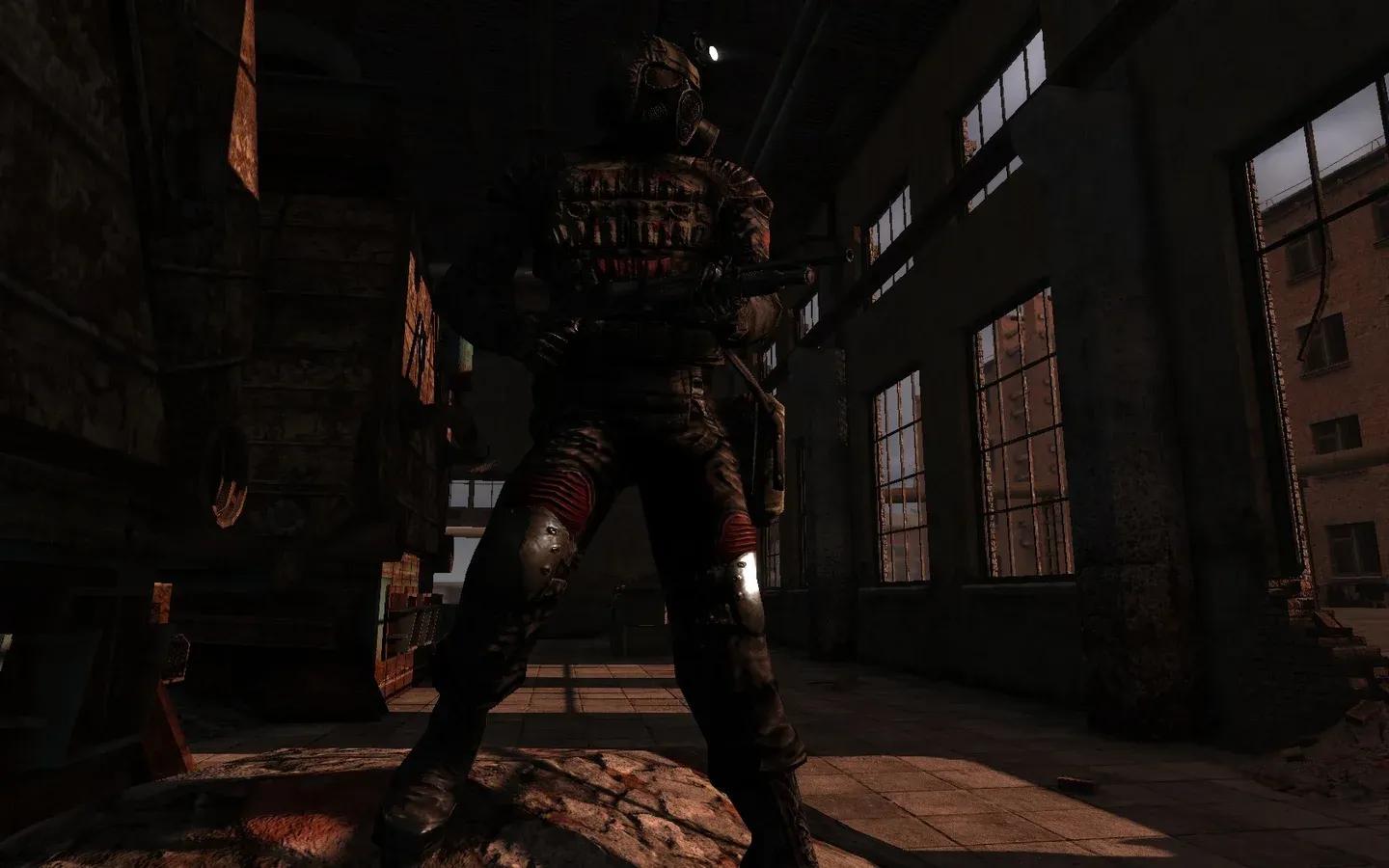
Two new mutants join the roster here. The Chimera is a fast, aggressive predator that hunts at night and hits hard enough to end a careless run in seconds. The Burer is a telepathic creature found in dark, enclosed spaces, capable of flinging objects and disarming you from a distance. Both are genuinely threatening in ways that feel specific to the Zone's internal logic rather than generic enemy design.
What makes Call of Pripyat worth playing today?
For players who want an open-world survival RPG that takes atmosphere seriously, Call of Pripyat holds up. The nonlinear story structure means different playthroughs surface different information and outcomes, and the expanded side quest system gives supporting characters enough depth to make your choices feel consequential. The game also supports four multiplayer modes for up to 32 players, though the single-player campaign remains the reason most players return to it.
S.T.A.L.K.E.R.: Call of Pripyat content image
The combination of action, horror, and role-playing elements inside a dark Eastern European science-fiction setting is still rare. S.T.A.L.K.E.R.: Call of Pripyat doesn't hand you a hero's journey. It hands you a broken radio, a pistol with two magazines, and a Zone full of things that want you dead.