
Biggest discounts, free games, and limited-time offers across every major gaming store.
Never pay full price again.
Overview
Pro Evolution Soccer 2017 is a football simulation developed by PES Productions and published by Konami, released on September 13, 2016 for PlayStation 3, PlayStation 4, Xbox 360, Xbox One, and Windows PC. As the sixteenth installment in the PES series, it builds on the foundation of its predecessors with a focus on physical realism, smarter opposition, and more expressive player movement. The result is a simulation that rewards patience and pattern recognition more than button-mashing reflexes.
The game's headline features center on making football feel less scripted and more reactive. Where earlier entries could feel predictable after enough hours, PES 2017 introduces systems designed to break those patterns and keep matches feeling competitive from the first minute to the last.
Pro Evolution Soccer 2017 content image
Gameplay and mechanics
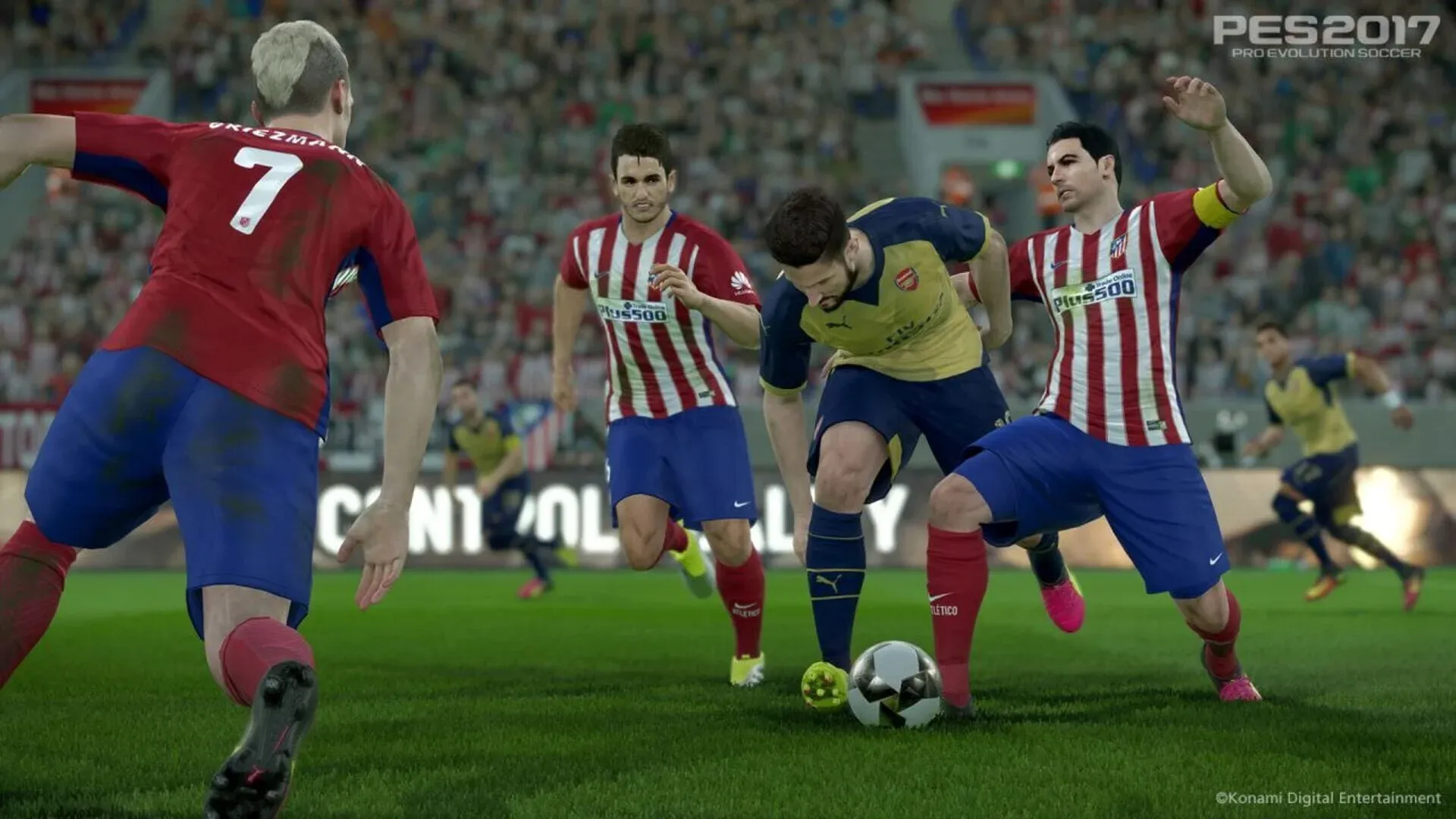
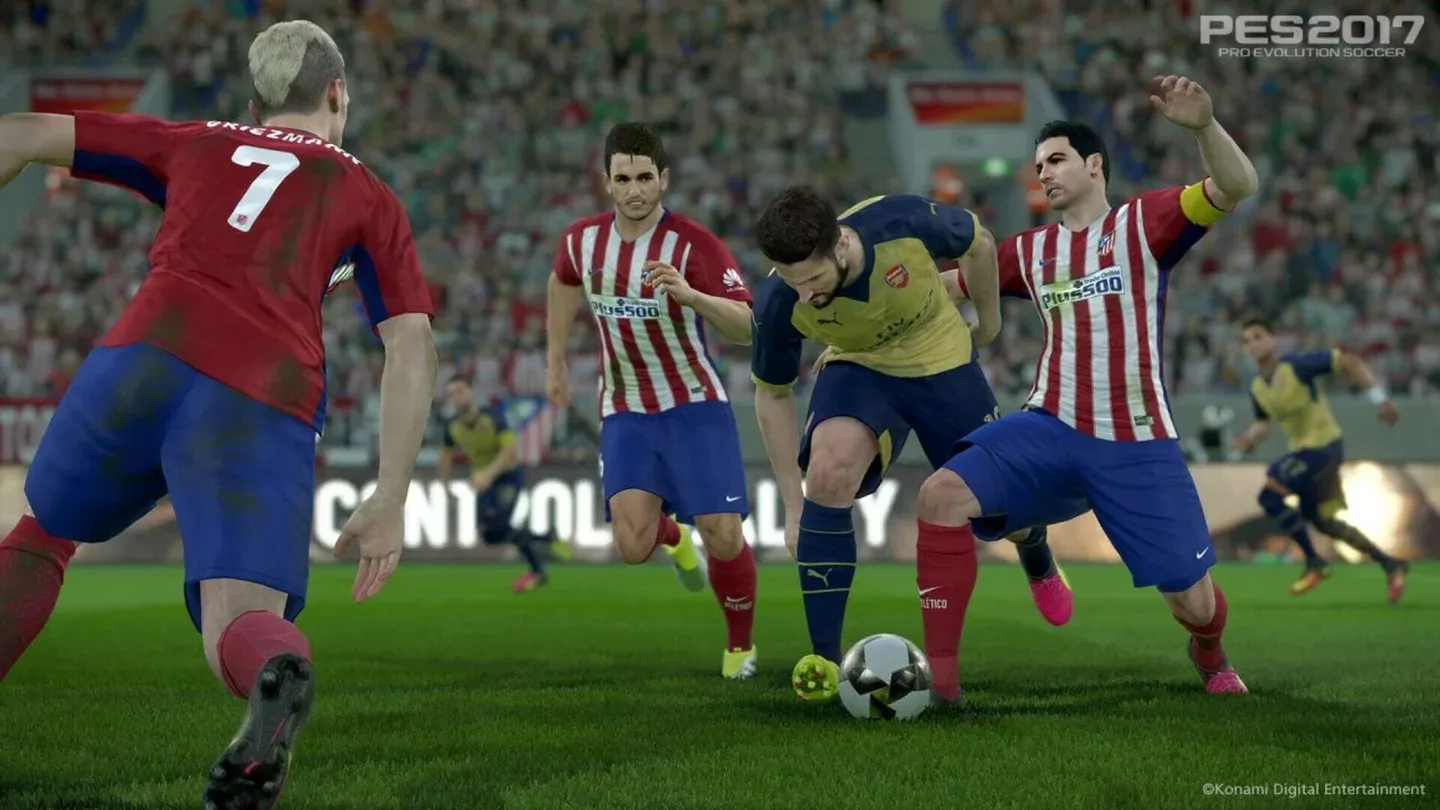
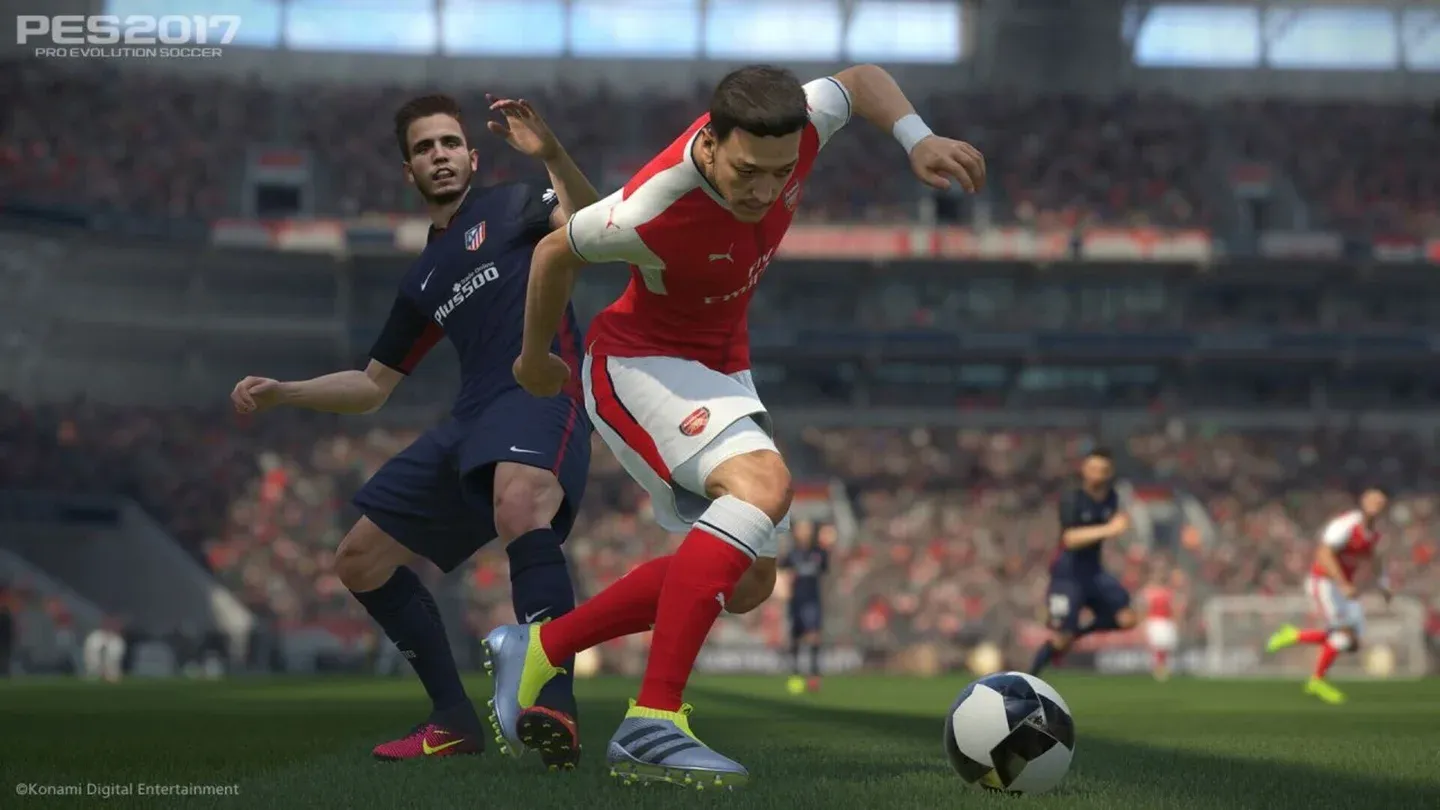
The standout addition in PES 2017 is the Real Touch system, which changes how players receive the ball based on body position, trajectory, and input timing. A chest trap on the run plays differently from a stationary first touch, and that contextual variation adds genuine depth to buildup play. Key mechanics include:
Pro Evolution Soccer 2017 content image
- Real Touch ball reception system
- Adaptive AI opponent behavior
- Revised goalkeeper animations and positioning
- Natural Player Movement with expanded animation sets
- myClub Scout and Auction features
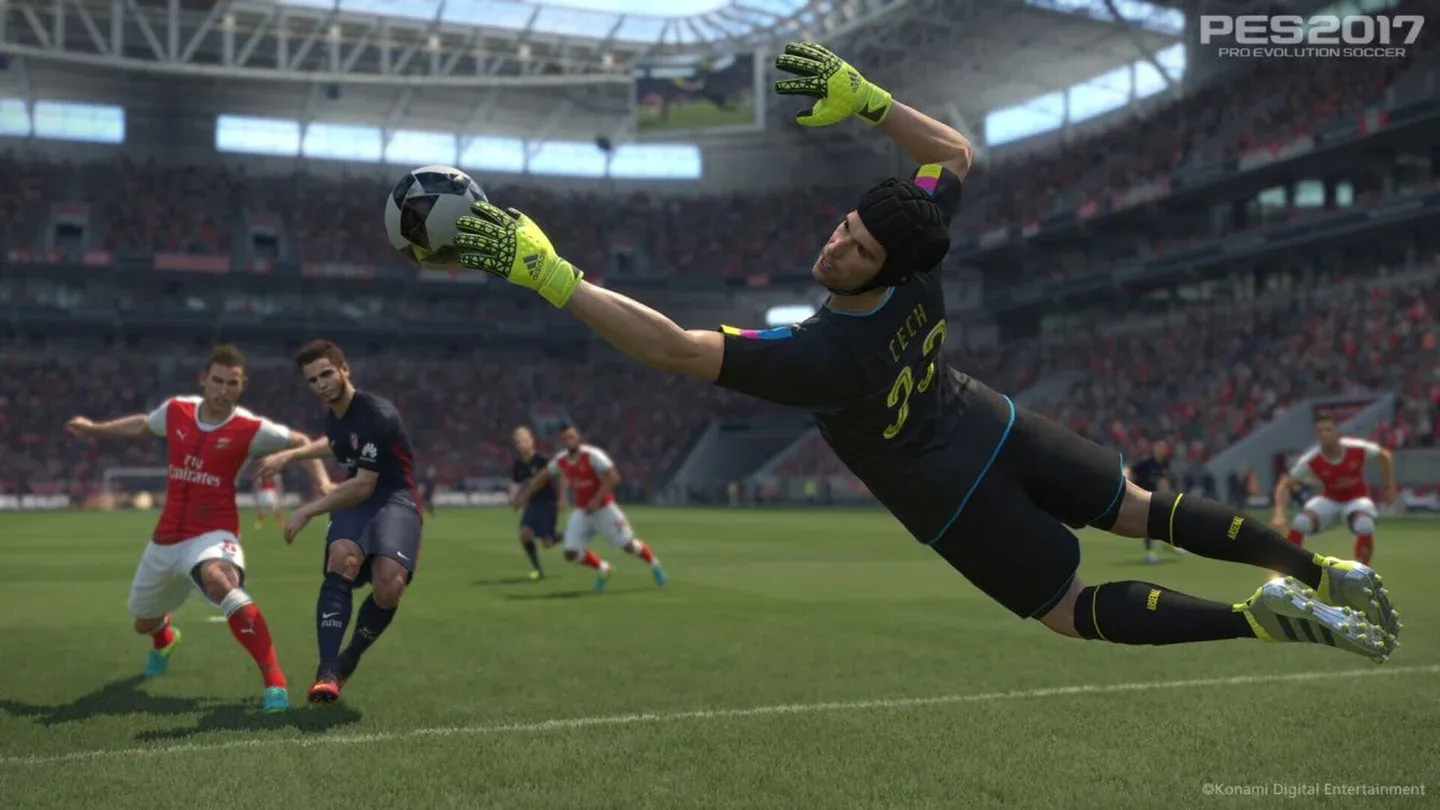
Goalkeepers received a significant overhaul here. The added motion capture and new animations address one of the most persistent criticisms of previous PES titles, where keepers would occasionally behave in ways that broke immersion entirely. The improvements are noticeable, particularly on low shots and crosses into the box.
What makes the Adaptive AI different?
For the first time in a football simulation, PES 2017's AI actively tracks how you play and adjusts its tactics accordingly. If you consistently exploit the wings, the CPU defense shifts to cut off that space. If you favor through balls over the top, the defensive line drops to compensate. This creates a feedback loop that pushes players to vary their approach rather than grinding the same strategy across every match.
The system works best in longer game modes where the AI has time to accumulate data on your tendencies. In quick exhibition matches, the effect is subtler, but in Master League or myClub campaigns, it becomes a genuine tactical consideration that changes how matches develop over time.
Pro Evolution Soccer 2017 content image
Visual and audio design
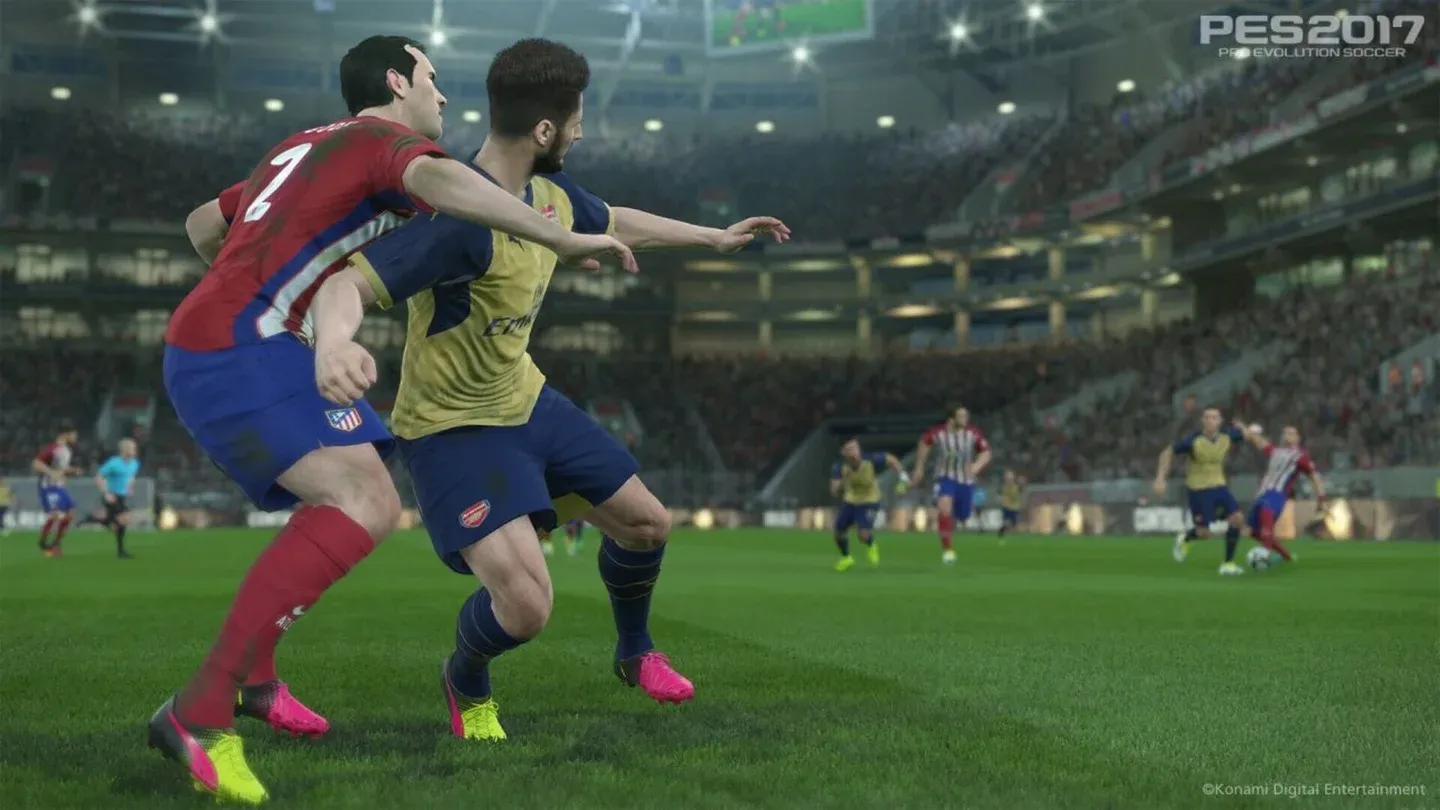
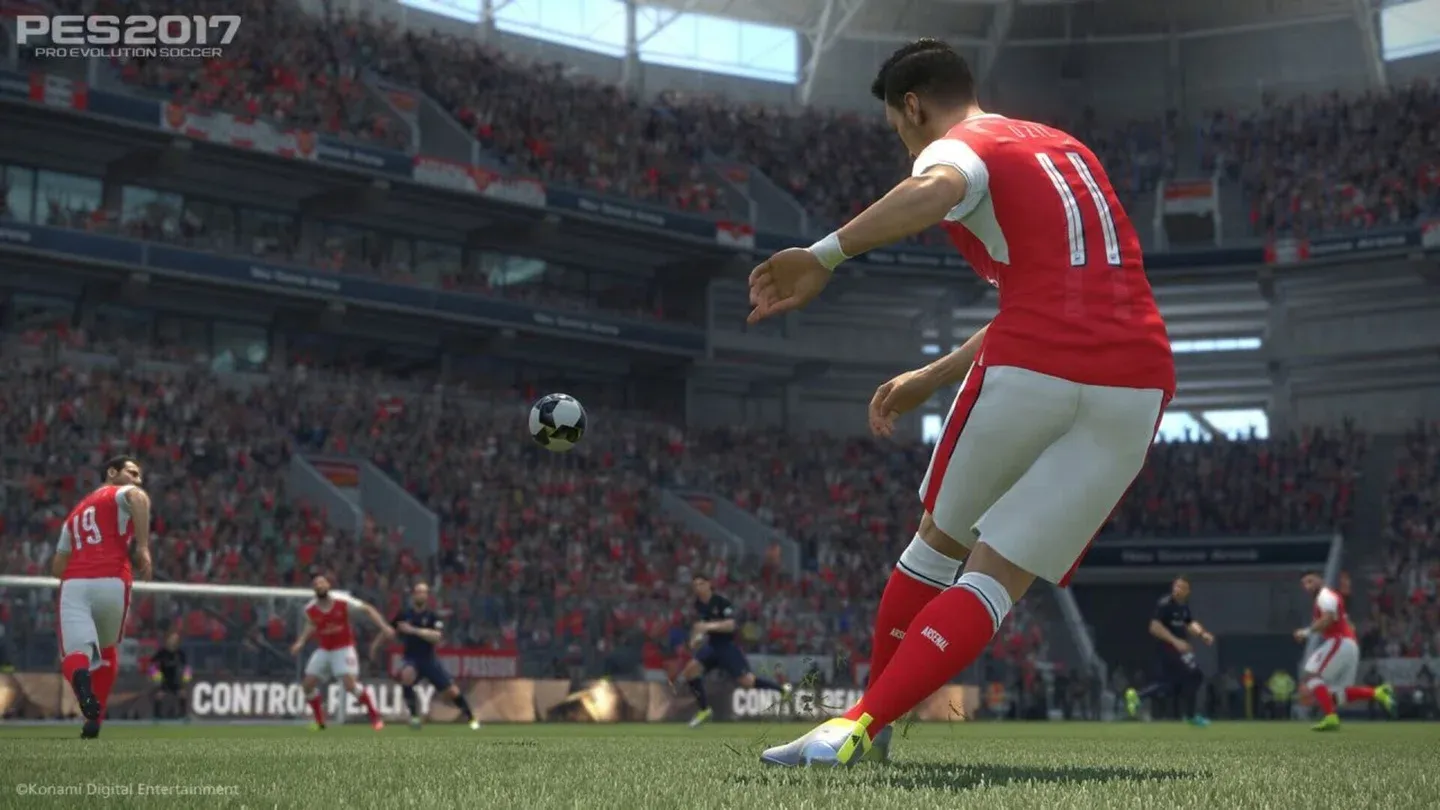
Konami overhauled player models, stadium lighting, pitch textures, and crowd rendering for PES 2017. The changes are most visible in close-up replays and cutscenes, where the improved lighting model gives faces and kits a more grounded look compared to the flatter presentation of PES 2016. Pitch surfaces show wear over the course of a match, and weather effects interact with the ball physics in ways that affect gameplay rather than just aesthetics.
The animation count increase translates directly to how matches look in motion. Transitions between running, turning, and striking feel less mechanical, and the expanded goalkeeper animations mean saves look more varied and believable across a full ninety minutes.
Pro Evolution Soccer 2017 content image
Content and replayability
MyClub returns as the card-collecting mode, updated with a Scout and Auction system that gives players more direct control over squad building. Rather than relying purely on random pack pulls, the Scout feature lets you target specific player types, and the Auction mechanic introduces a secondary market element that adds longevity to the mode. Master League and Become a Legend round out the single-player offering, providing long-form career experiences that give the Adaptive AI system room to demonstrate its depth across hundreds of matches.