Overview
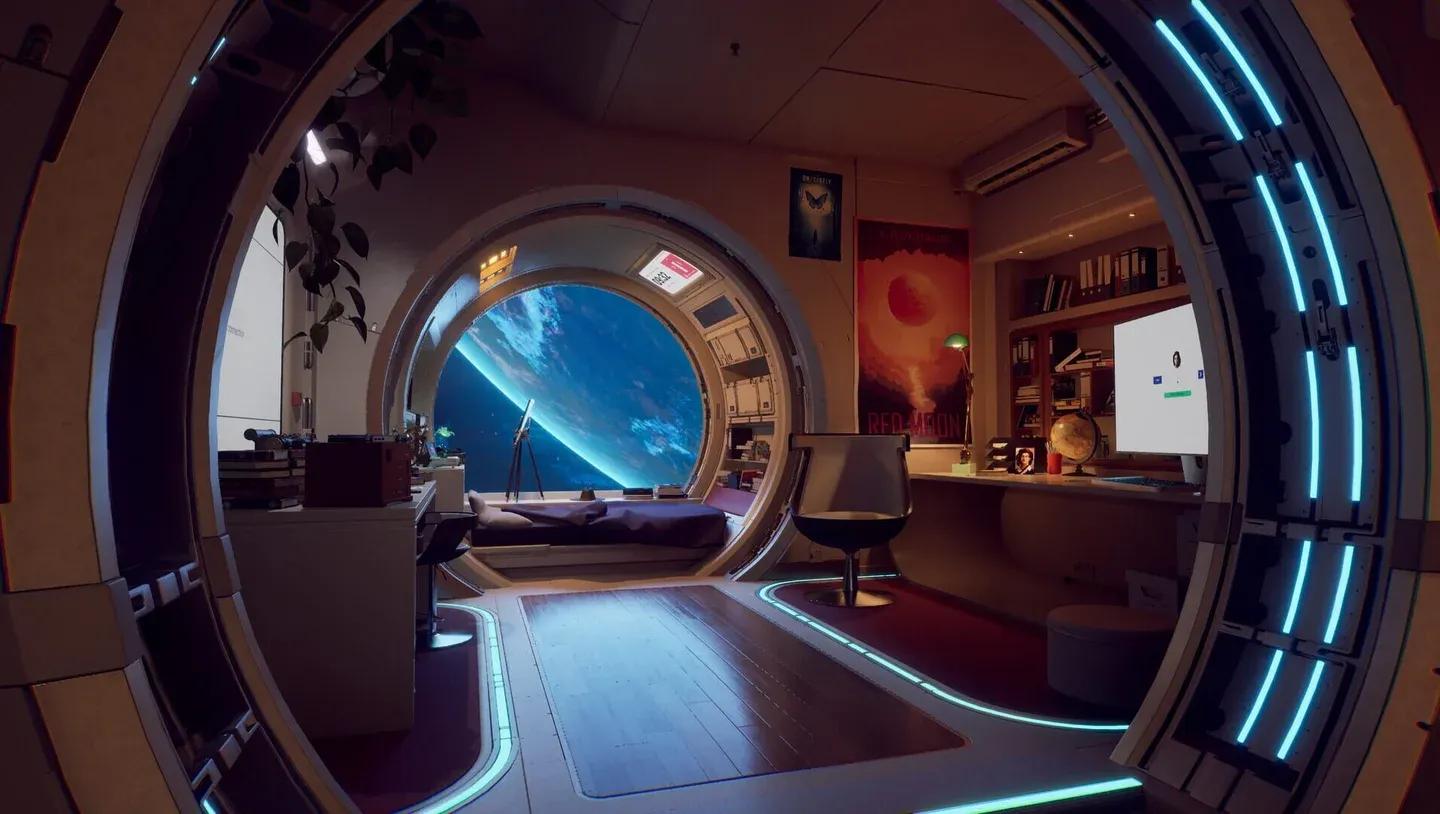
Rivage drops players into the 25th century, aboard the A.R.E.S. space station hanging in orbit above VESTA, a distant planet humanity hoped could serve as a second home. The station was sent to study VESTA's potential, but something went wrong. A space phenomenon swallowed the crew, and now Miranda wakes up alone, surrounded by a station that feels both familiar and deeply wrong.
The setup borrows from the best of sci-fi isolation fiction, but Rivage earns its premise by making the environment itself the storyteller. Objects sit in the wrong places. Doors that should be locked swing open. Messages appear that couldn't have been left for Miranda, yet somehow were. The station doesn't just hold answers; it asks questions.

Exnilo Studio has crafted a fully interactable environment across the A.R.E.S. station, where picking up an artifact or reading a scrawled note on an abandoned workstation can reframe everything you thought you understood. Research data, personal journals, encrypted crew communications: the station is saturated with fragments of lives interrupted.
Gameplay and mechanics
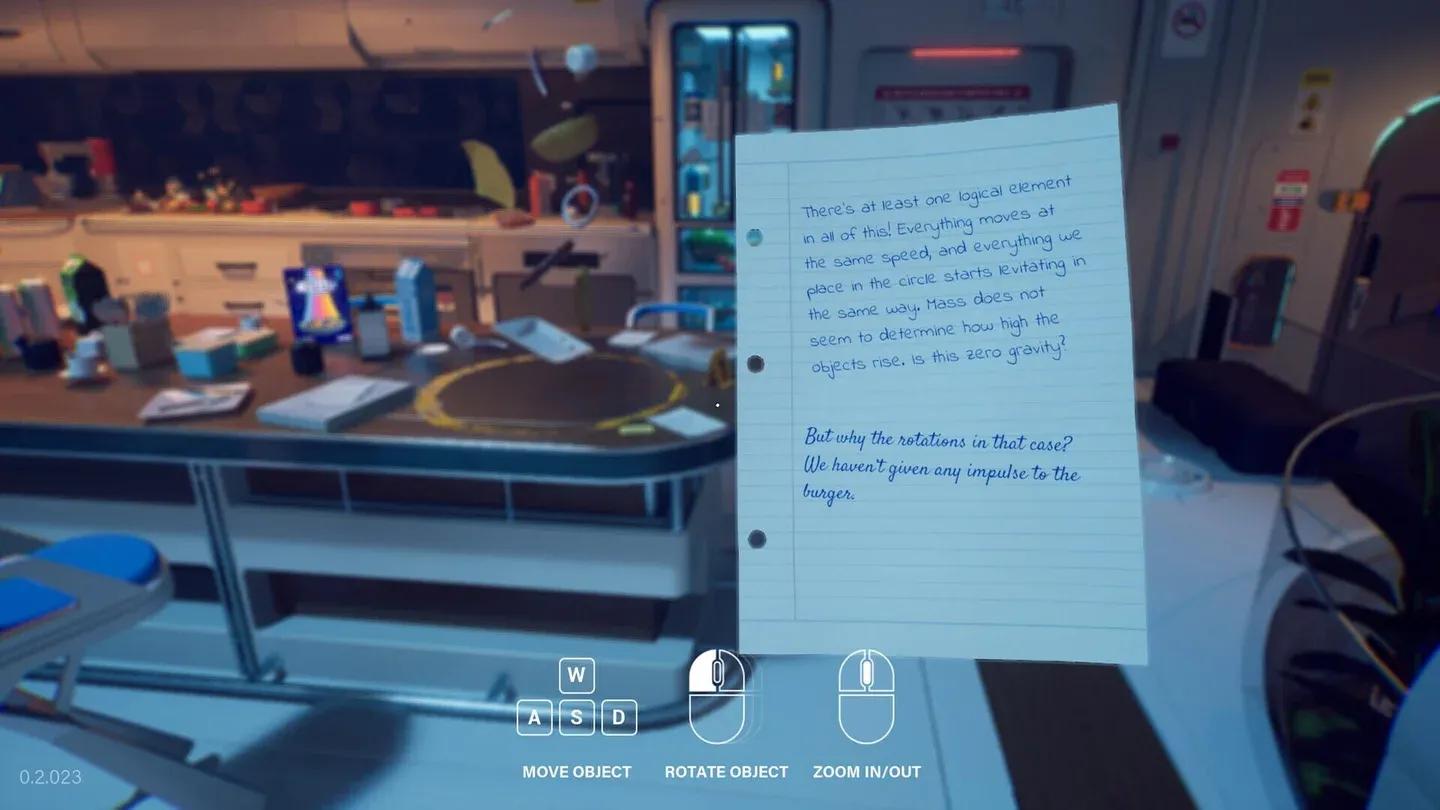
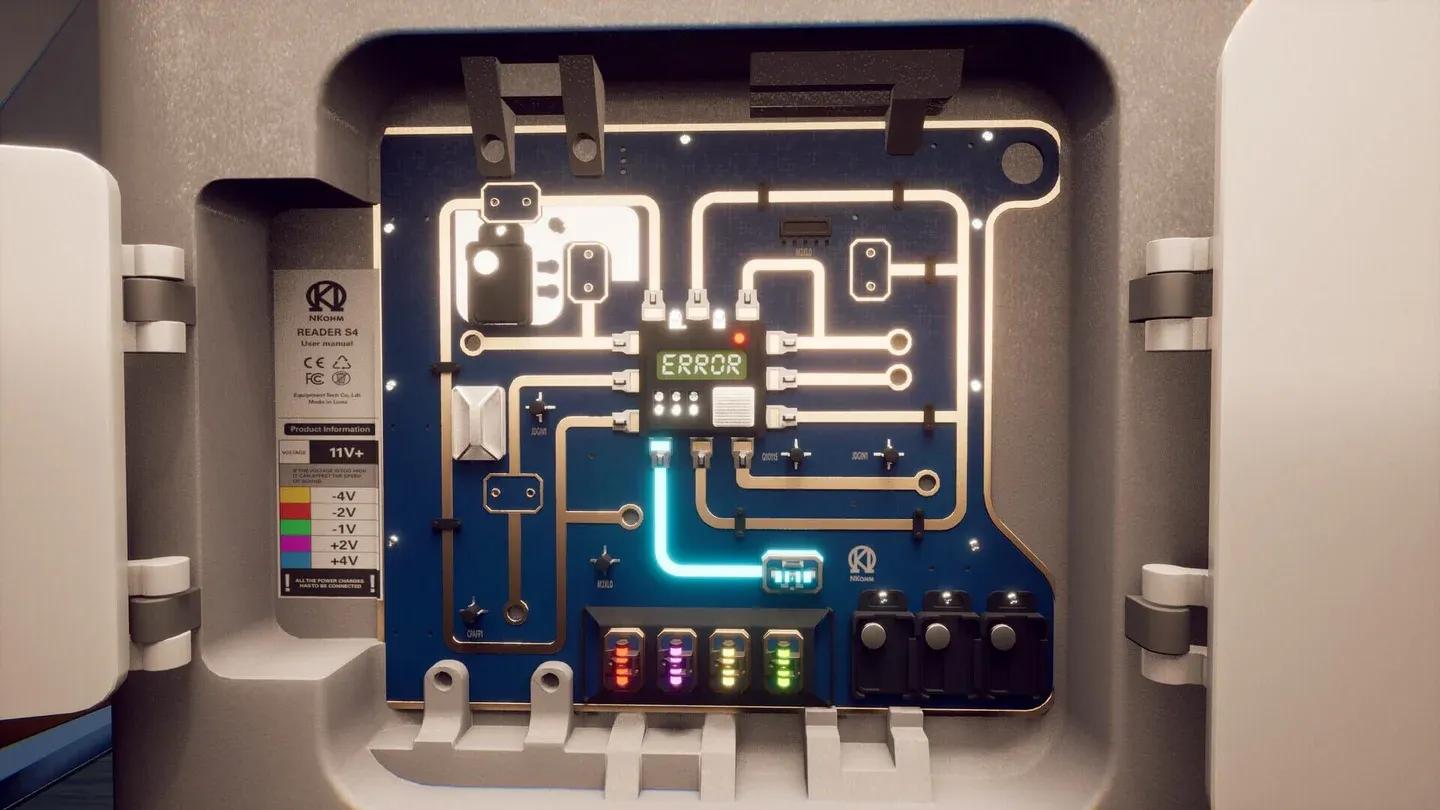
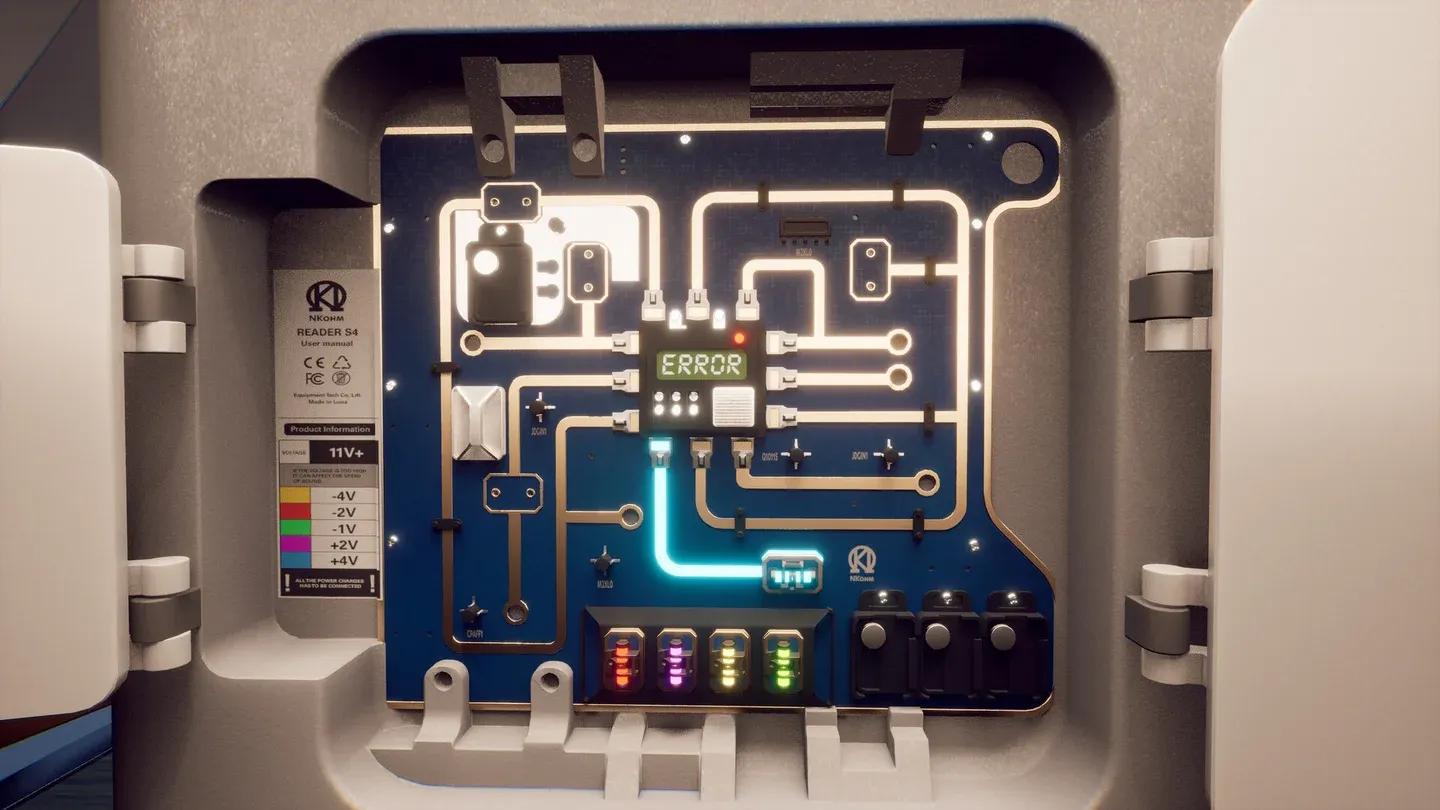
At its core, Rivage is an environmental puzzle game with a strong emphasis on logic and experimentation. Puzzles are built into the station's systems rather than dropped in as obstacles, so repairing a broken mechanism or realigning a malfunctioning component feels like genuine survival work rather than a detour from the story.

Key puzzle mechanics include:
- Gravity manipulation challenges
- Magnetism-based environmental interactions
- Time-flow distortion puzzles
- System repair sequences
- Object experimentation with found items
The K9 System handles the friction that can kill puzzle games. Miranda uses it to log discoveries and carry forward certain solutions, which means players spend their energy on new problems rather than re-solving ones they've already cracked. It's a clean design choice that keeps momentum without removing the satisfaction of working things out.
What makes Rivage's story worth paying attention to?
The crew of the A.R.E.S. station are gone, but they left traces everywhere. Journals reveal personal conflicts. Encrypted logs document the slow fracture of relationships under the pressure of isolation. The narrative isn't delivered through cutscenes; it's assembled piece by piece from what the crew left behind, and that assembly process is half the game.
Rivage treats scientific mystery and human vulnerability as equally important threads. The distortion phenomenon that consumed the station has a technical explanation Miranda works toward, but the emotional weight comes from understanding who these people were and what the mission cost them. Progress, as the game puts it directly, always has a cost.
Visual and audio design
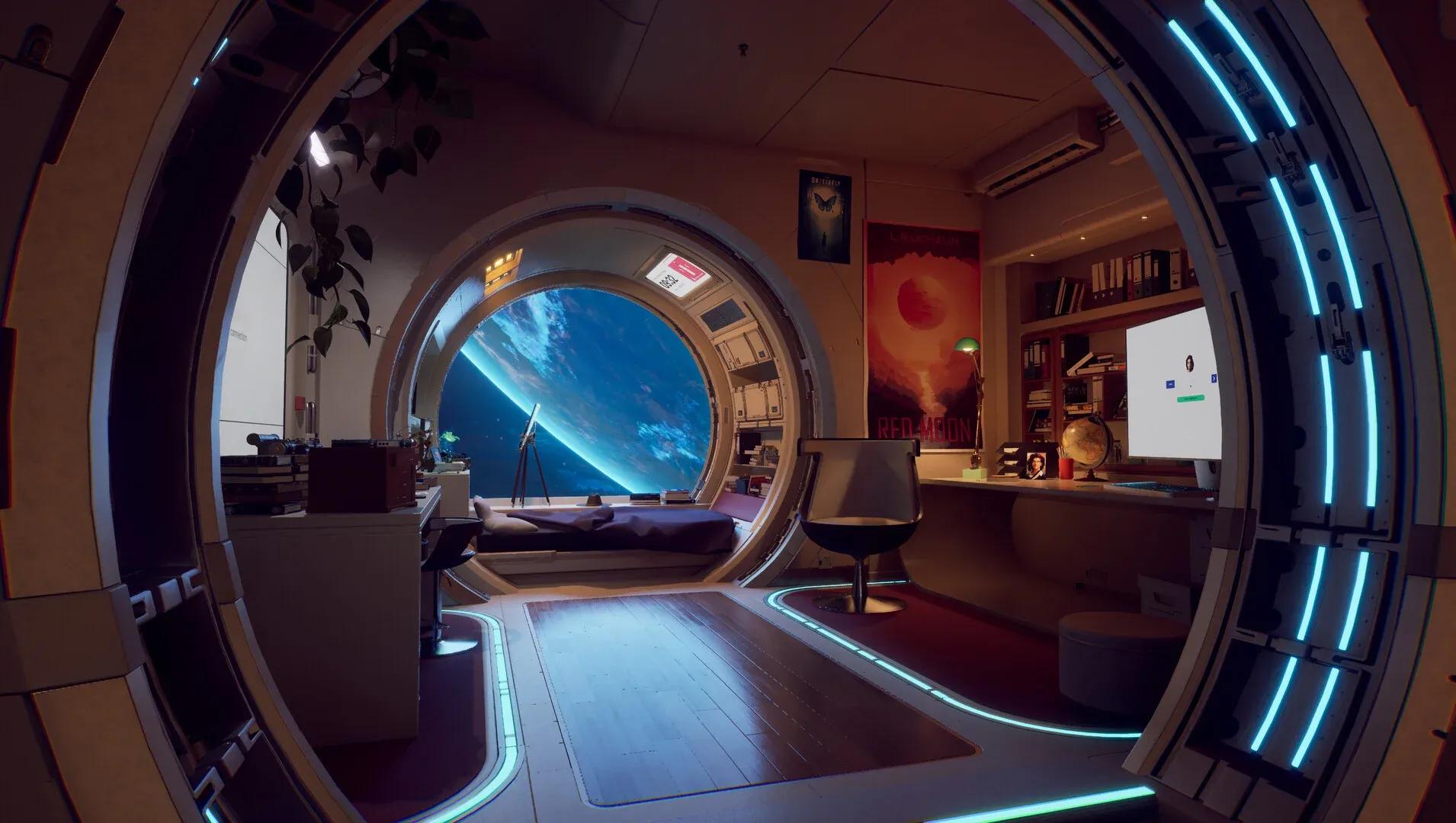
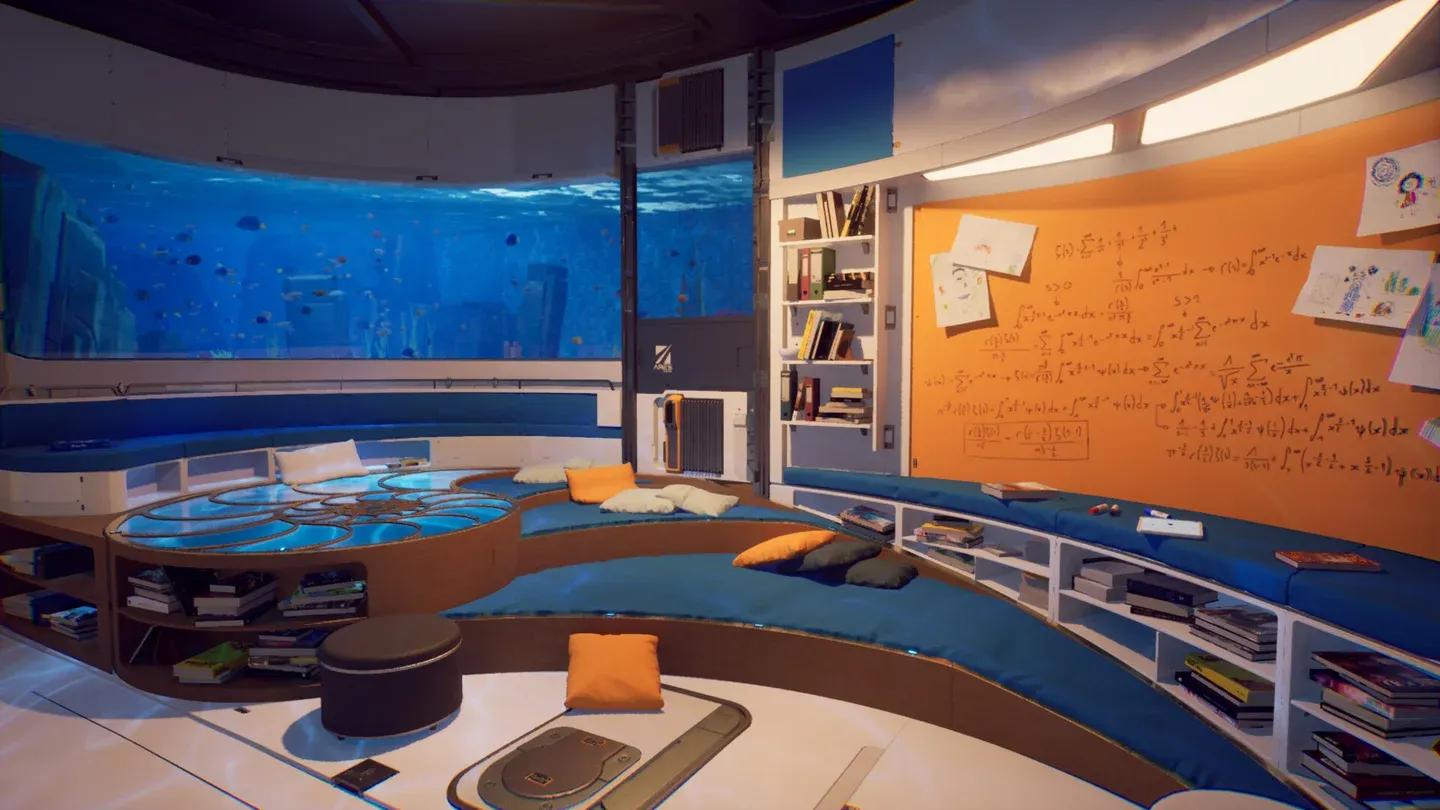
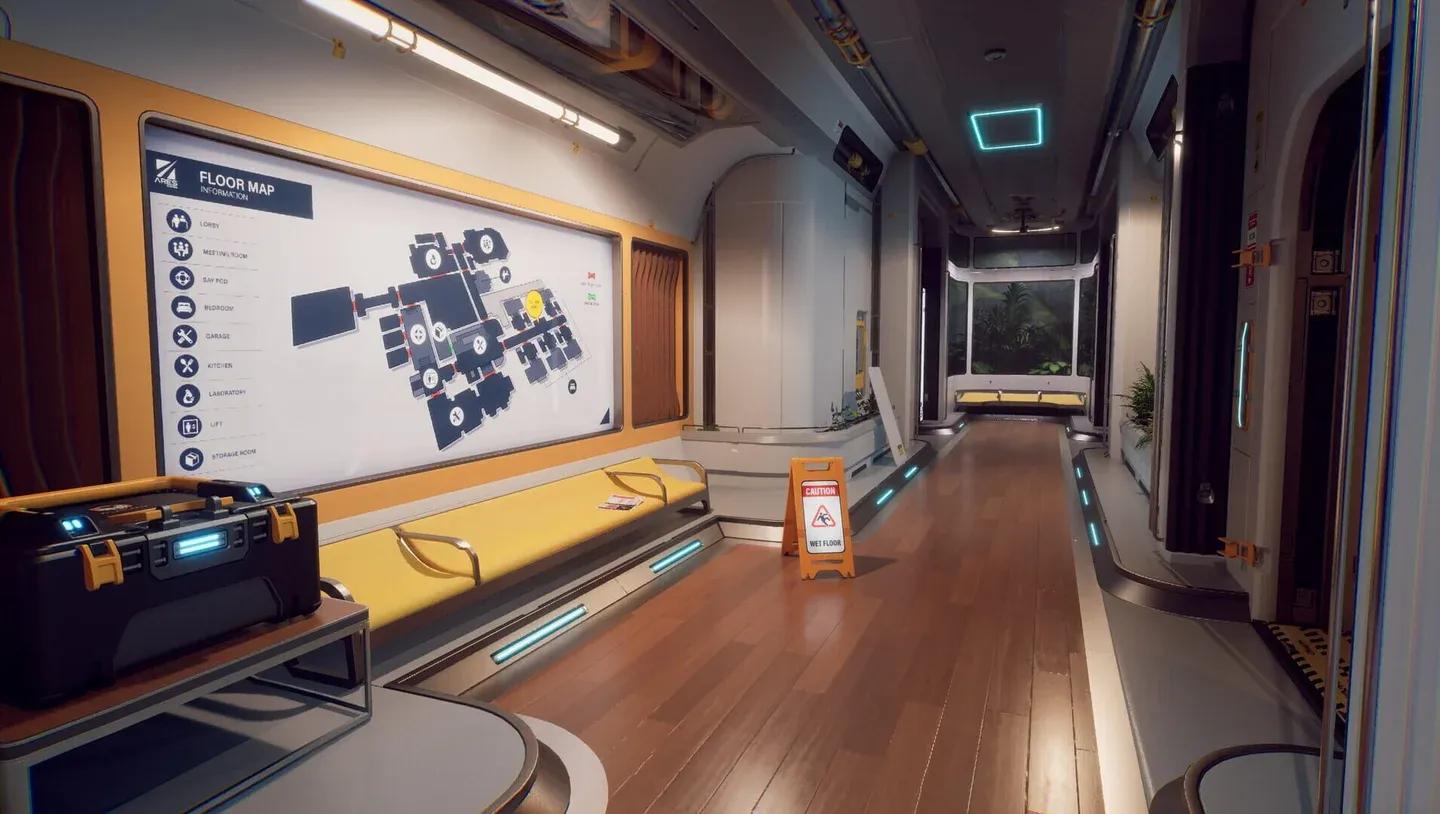
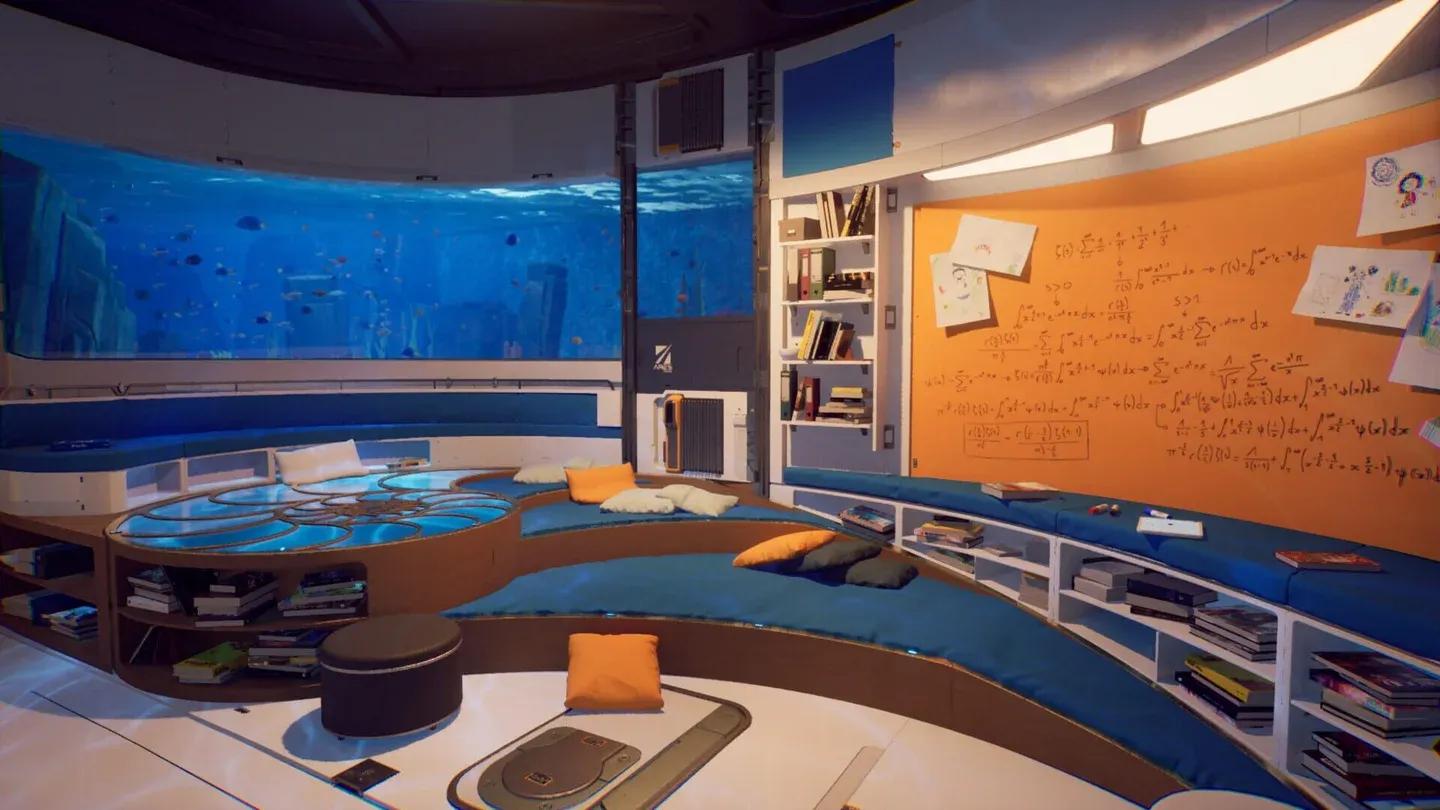
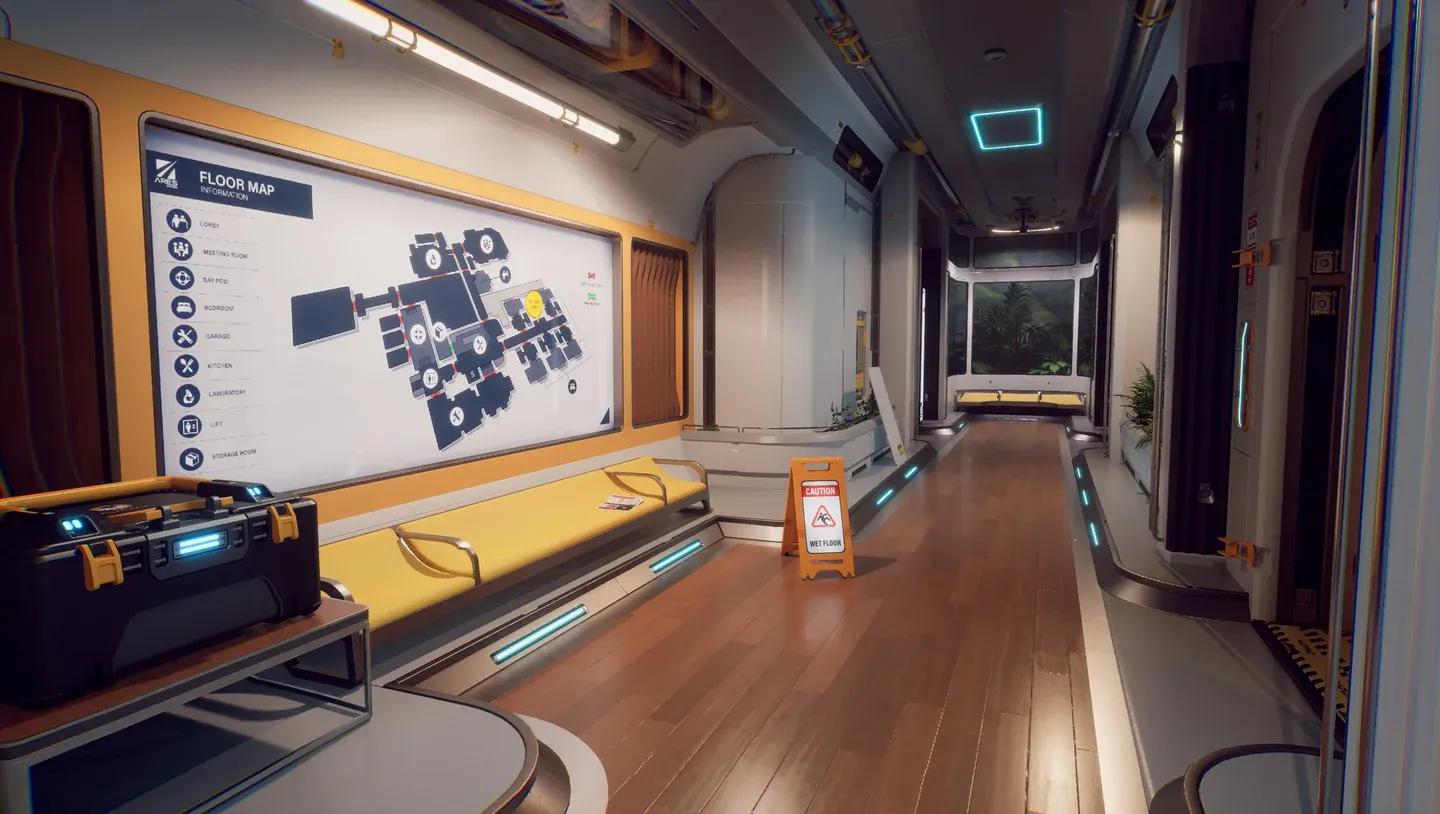
The A.R.E.S. station reads as a place that was once lived in. Workstations carry personal effects alongside research equipment. Corridors feel like they had foot traffic before the silence set in. Exnilo Studio has built an atmosphere that rewards slow exploration, where the detail density of each room justifies taking time to look at everything rather than rushing toward the next puzzle.
Rivage arrives on PC via Steam, Xbox, and PlayStation on September 22, 2026. For fans of atmospheric sci-fi puzzle adventures that prioritize narrative discovery alongside genuine mechanical challenge, it sits in a space occupied by very few games that manage both with equal care.
| Requirement | Minimum | Recommended |
|---|---|---|
| OS | Windows 10 | Windows 11 |
| Processor | Intel Core i5-9400F / AMD Ryzen 5 3600 | Intel Core i5-11400F / AMD Ryzen 5 5600X |
| Memory | 16 GB RAM | 32 GB RAM |
| Graphics | NVIDIA GTX 1070 Ti / AMD RX Vega 56 | NVIDIA RTX 3060 12 GB / AMD RX 6700 XT |
| DirectX | Version 12 | Version 12 |