Overview
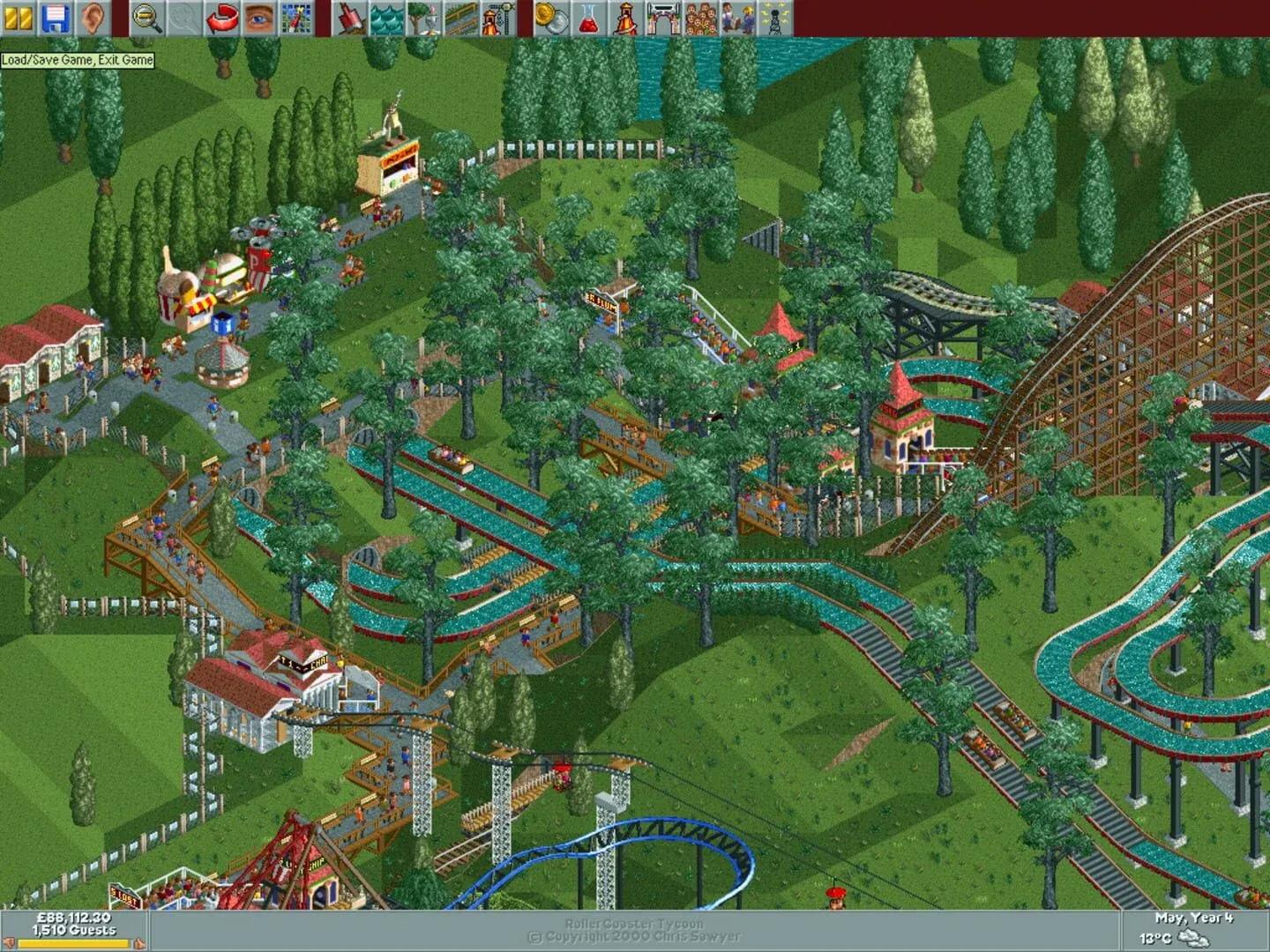
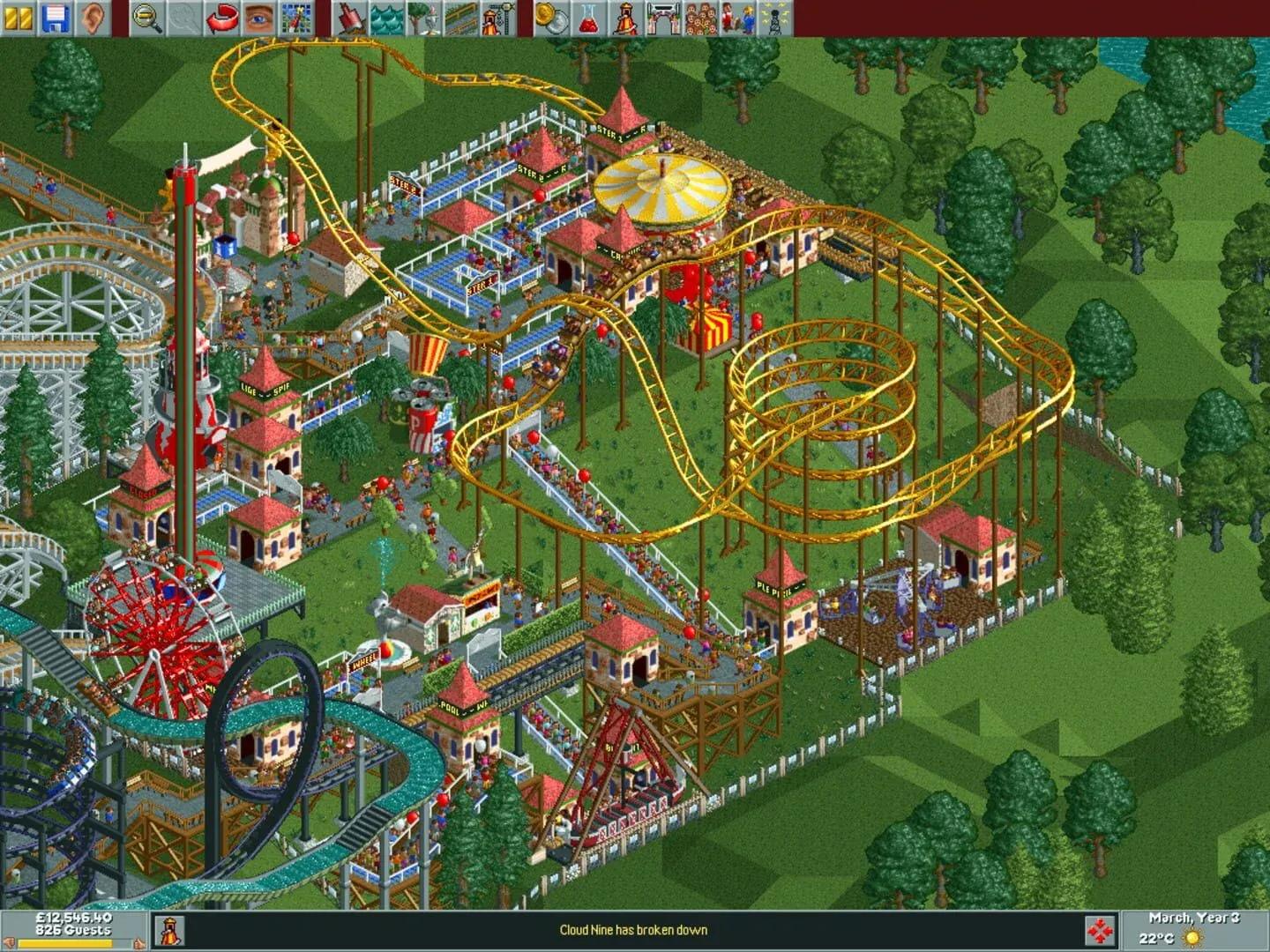
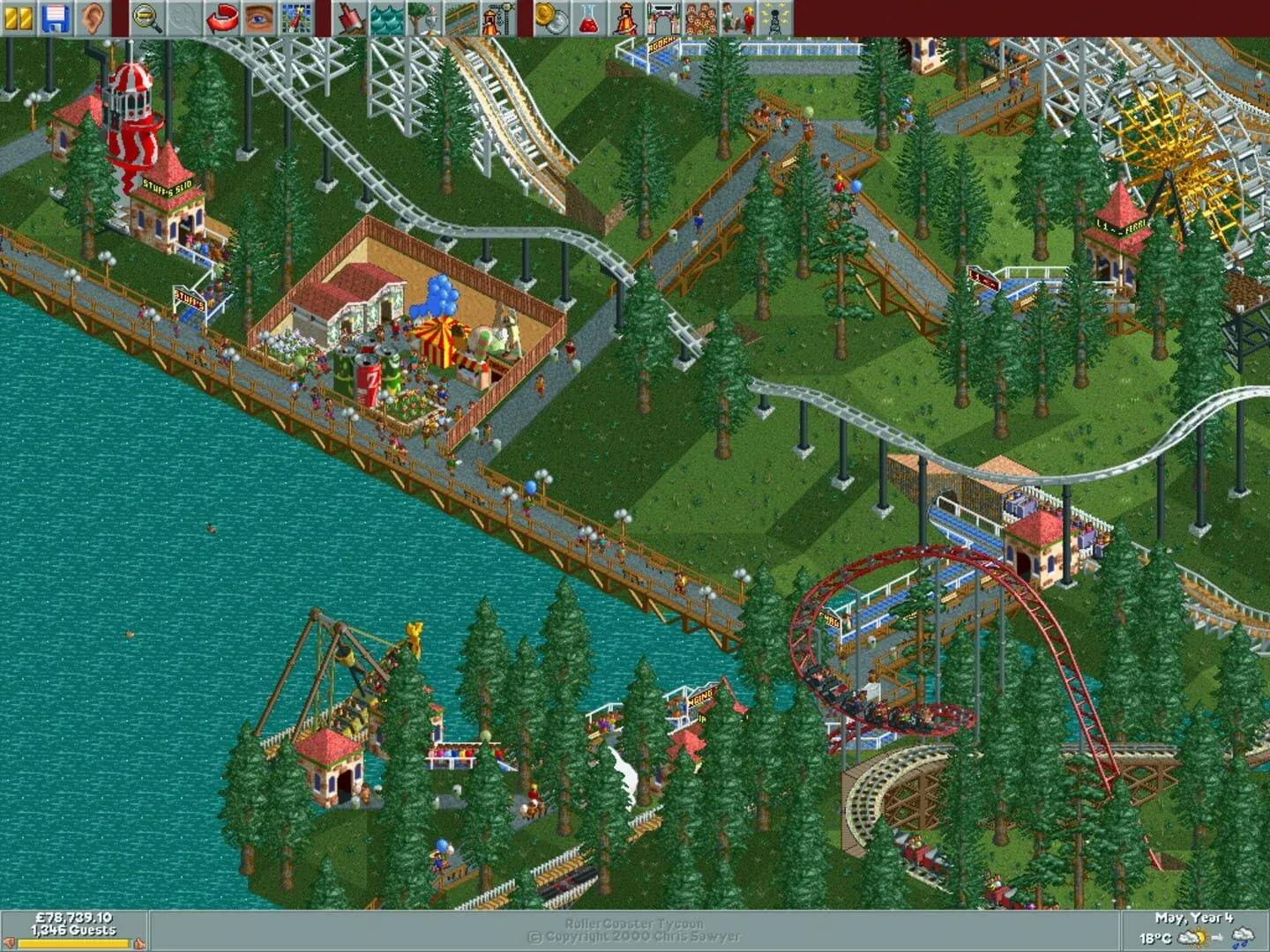
RollerCoaster Tycoon is a simulation and strategy game developed by Frontier Developments and published by Hasbro Interactive, originally released on March 31, 1999. The goal is straightforward: complete a series of preset scenarios by building and running a successful theme park. Players take on the role of a park entrepreneur, balancing creative construction with the financial and logistical demands of keeping a business afloat.
Each scenario drops players into a different park setup with specific objectives to hit, usually tied to attendance figures or park value within a time limit. The constraints are tight enough to feel meaningful without being punishing, which is part of why the game has remained so playable across decades. Success requires more than just building the flashiest coaster; it demands attention to guest flow, ride variety, staff placement, and park finances.
RollerCoaster Tycoon content image
Gameplay and mechanics
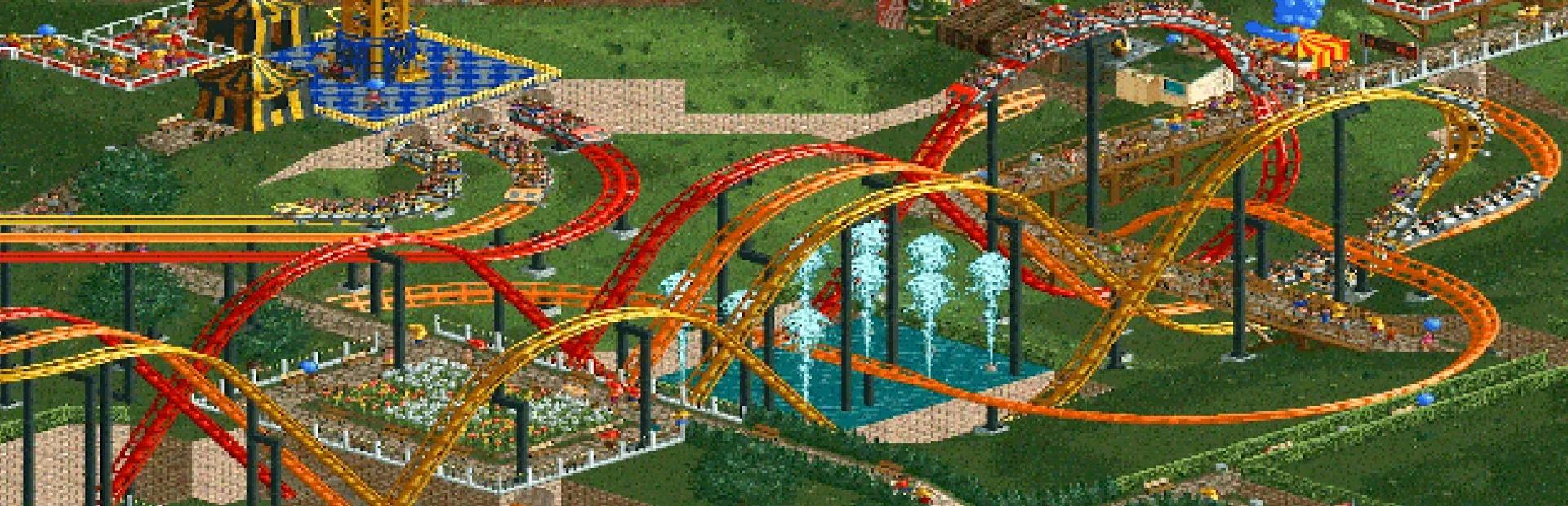
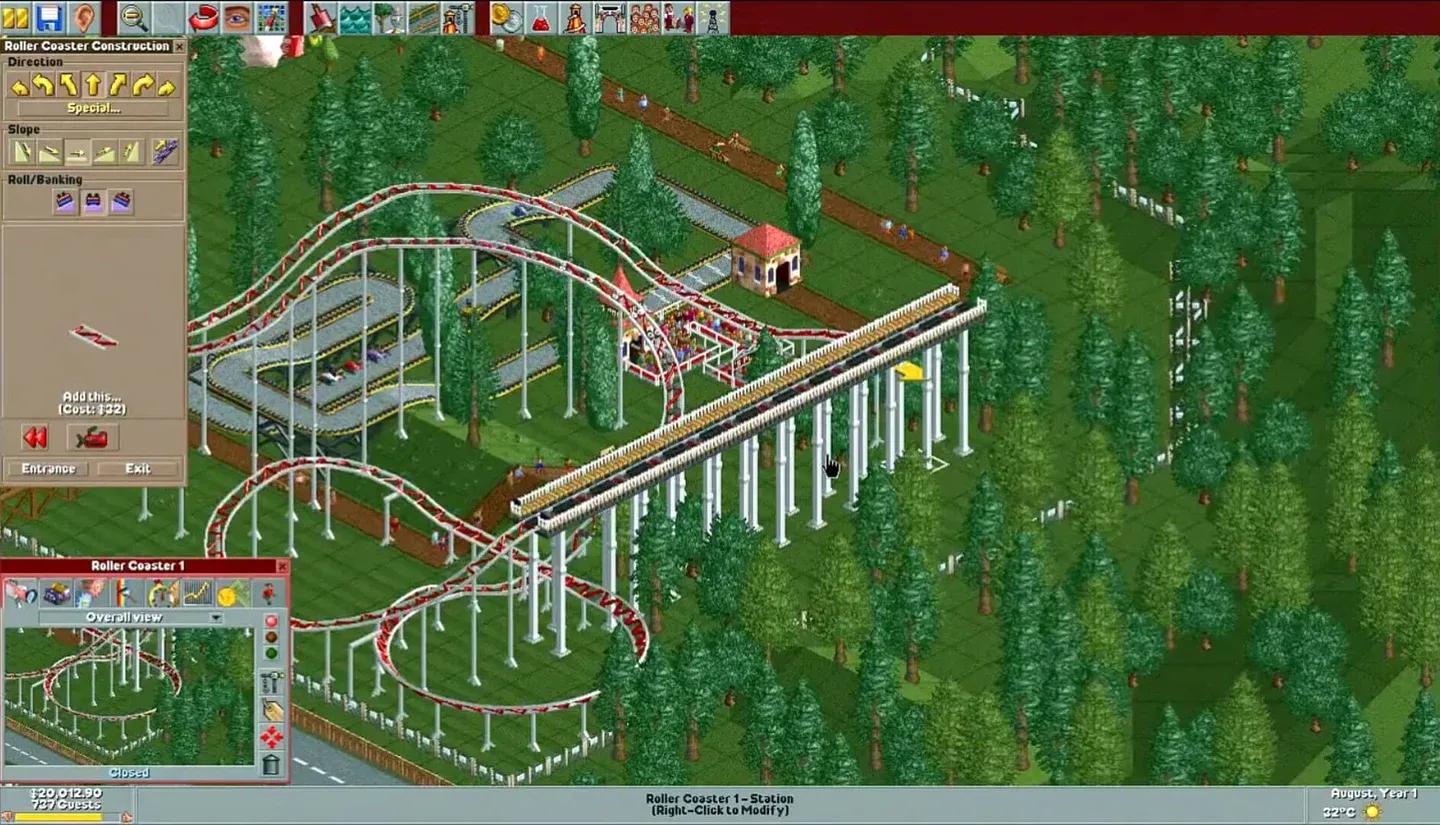
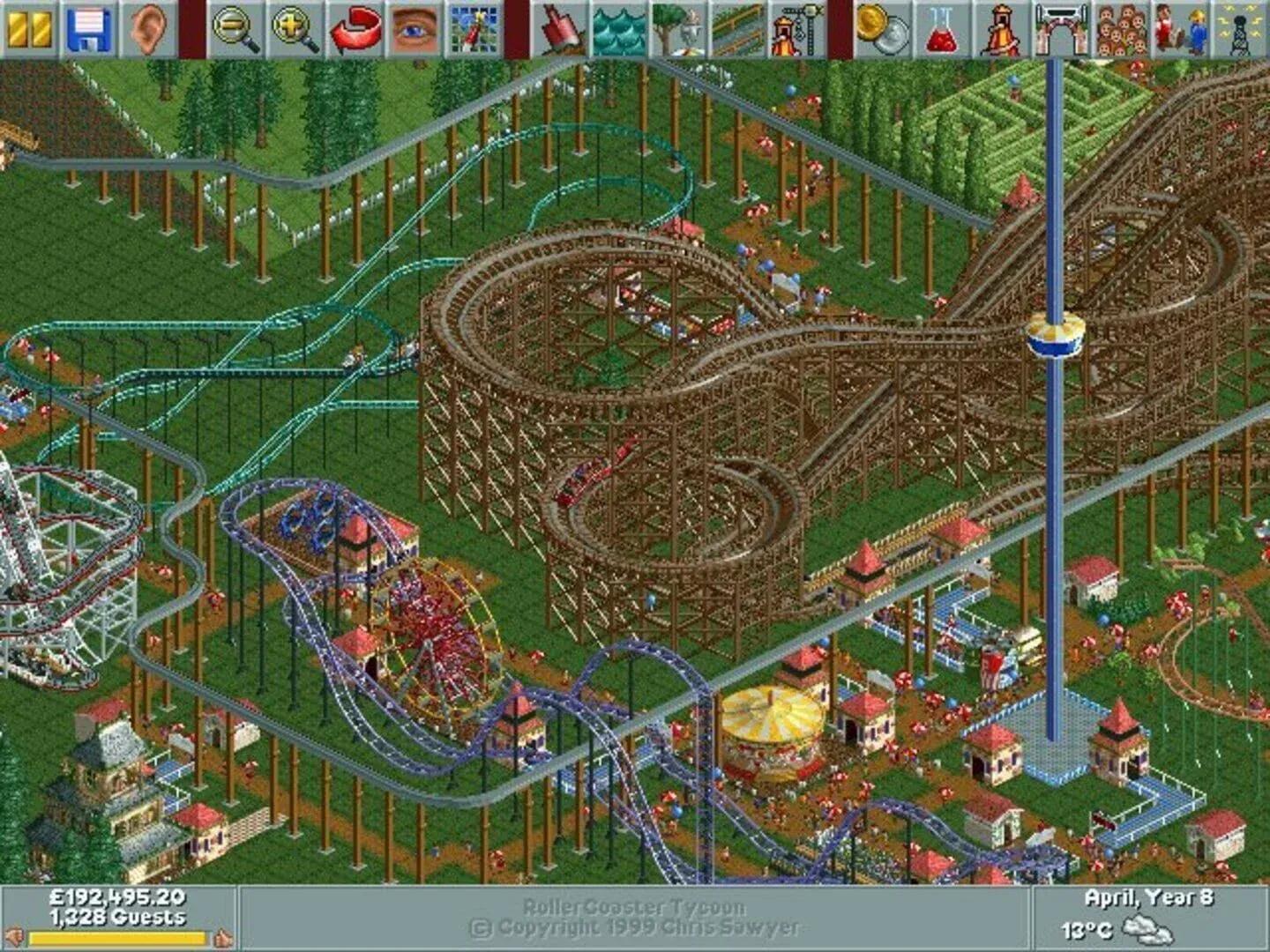
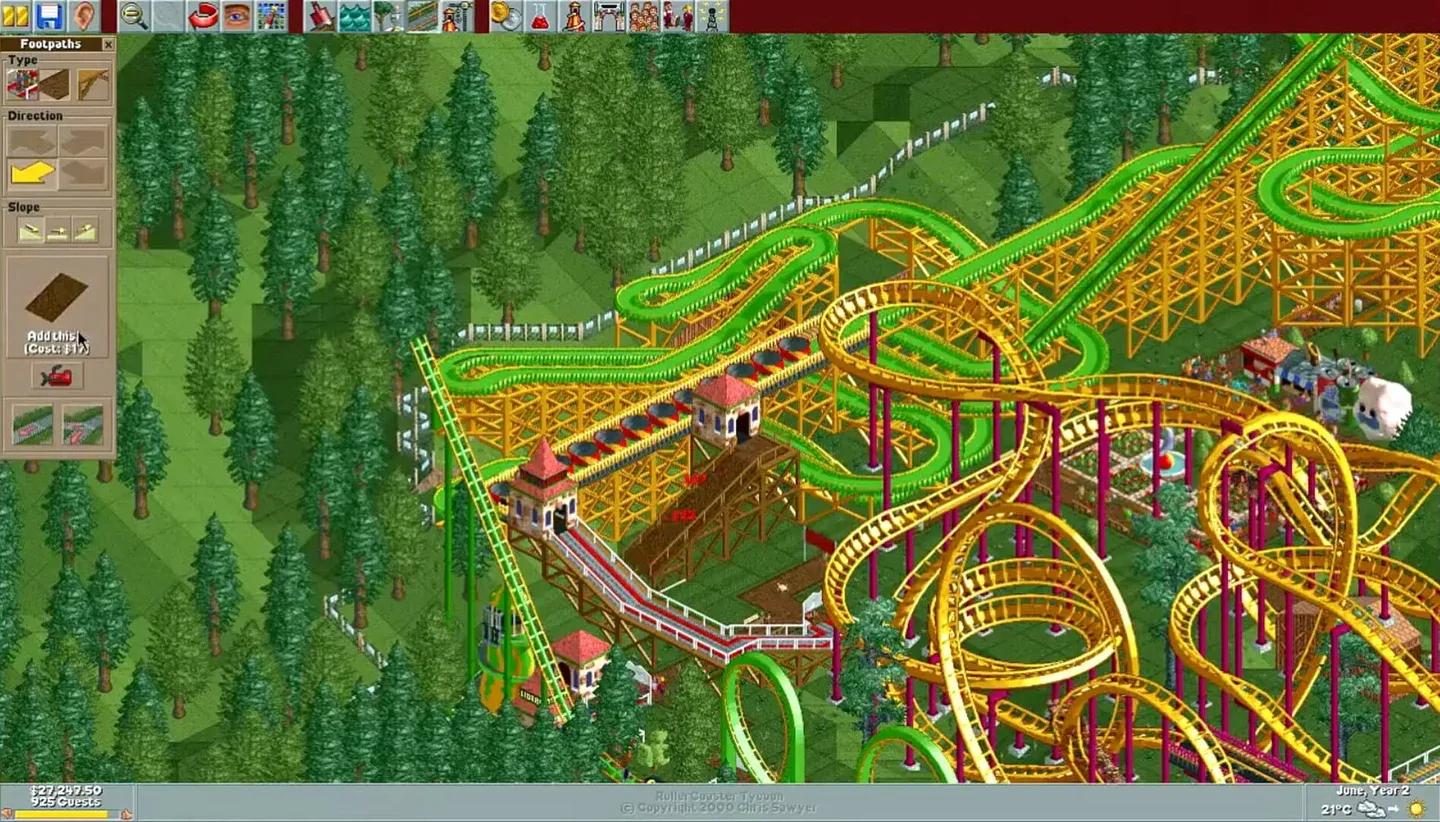
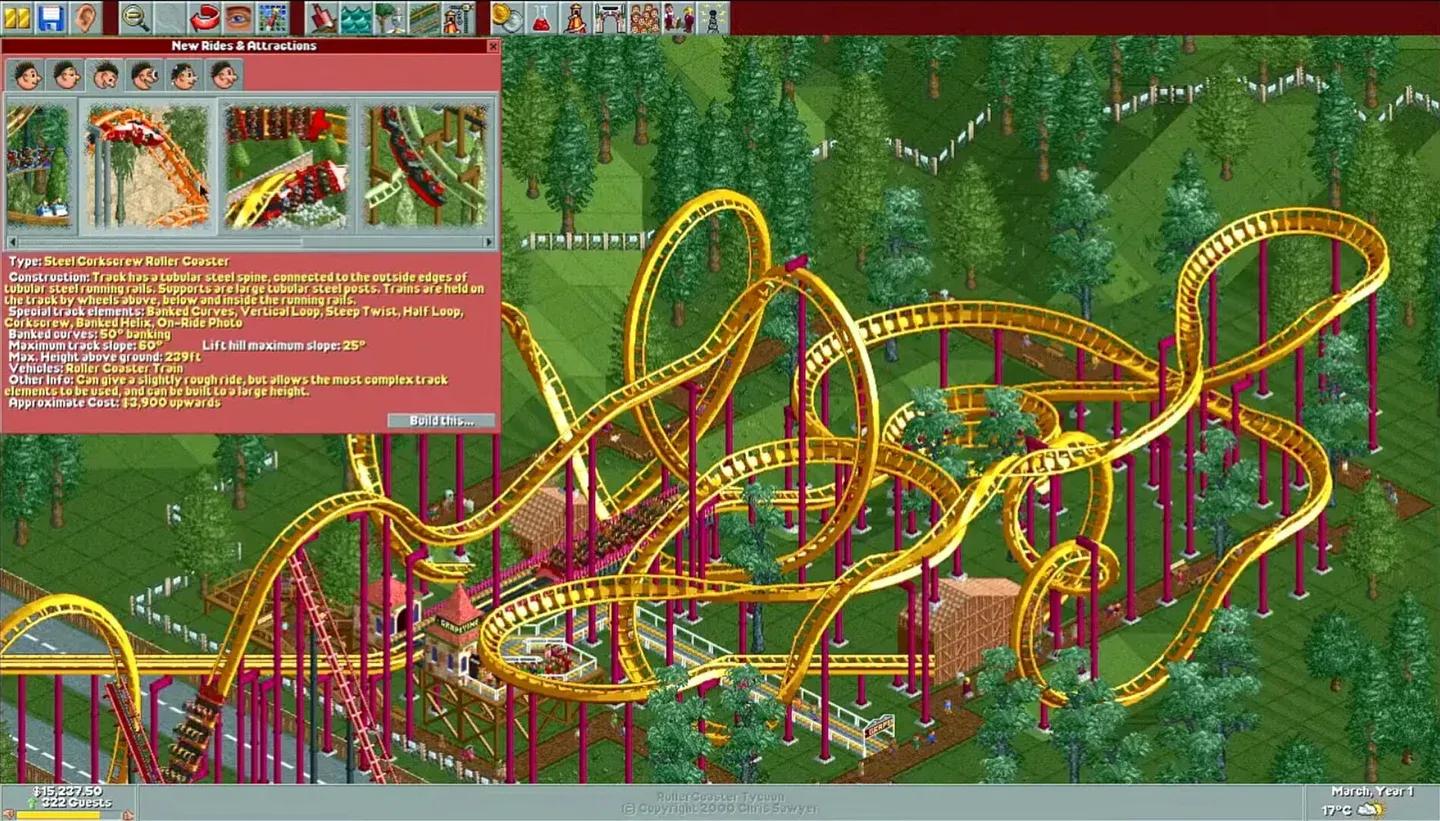
At the heart of RollerCoaster Tycoon is the ride-building system, and it remains one of the most satisfying in the genre. Players can choose from dozens of roller coaster types, each with its own track-laying tool that lets you design custom layouts piece by piece. Beyond coasters, the game offers log flumes, carousels, bumper cars, haunted houses, go-karts, ferris wheels, and swinging ships, among others.
RollerCoaster Tycoon content image
Key mechanics to understand:
- Guest preference simulation
- Ride intensity and nausea ratings
- Staff hiring and pathing
- Park finances and pricing
- Scenario-based objectives
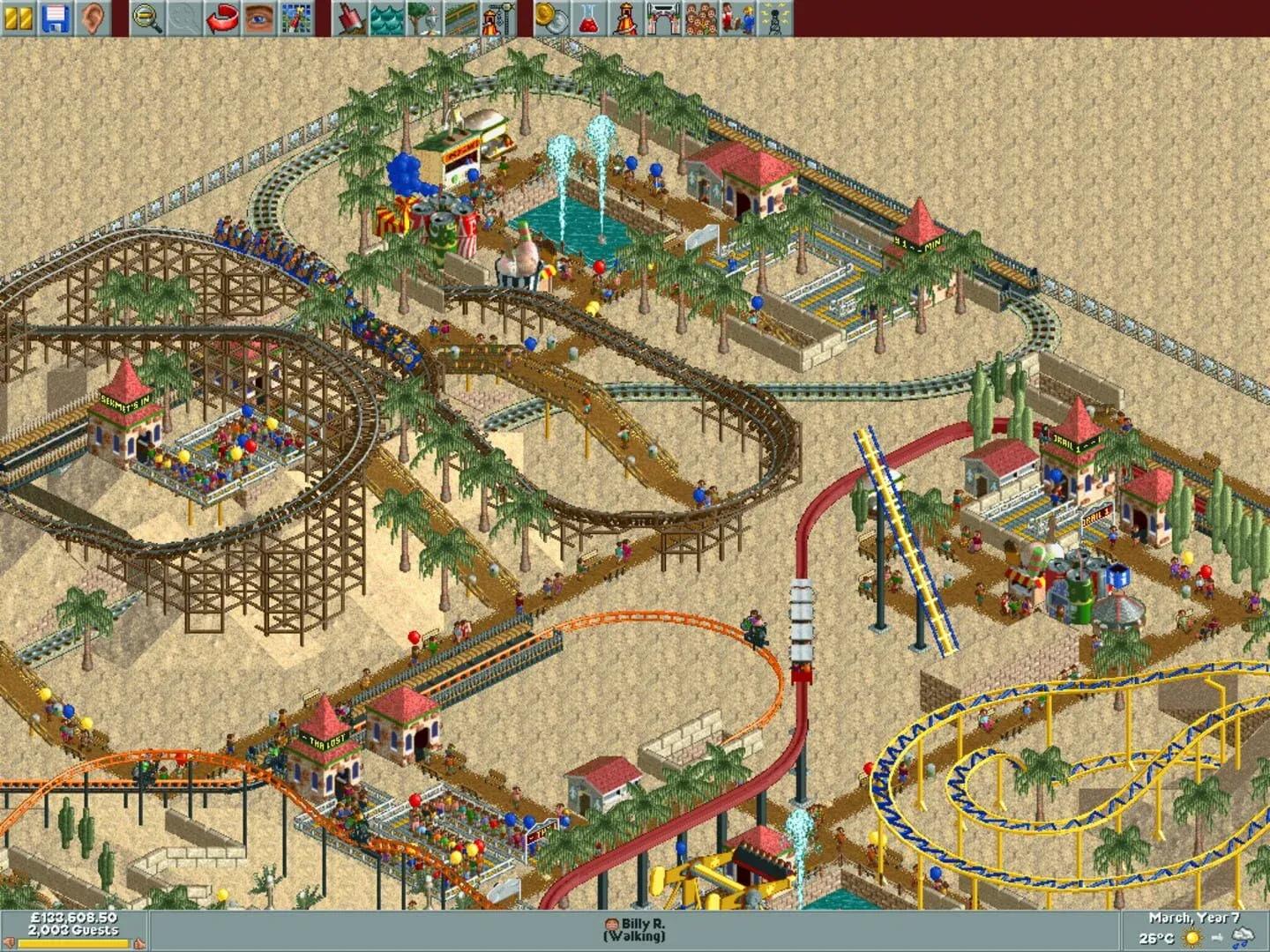
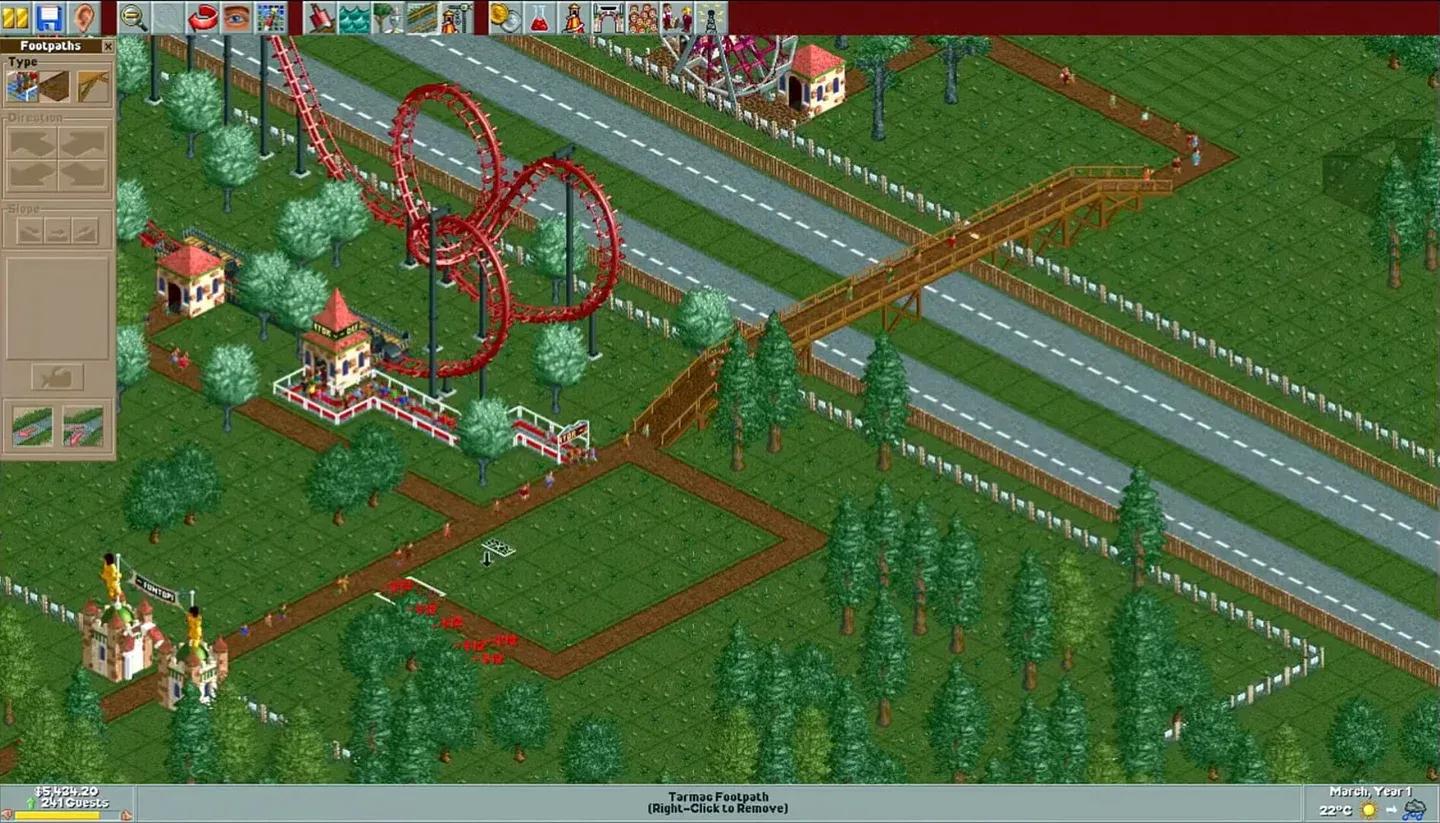
Guest behavior is modeled in a way that actually matters. Some visitors want intense, high-thrill rides; others prefer gentle attractions and have low nausea tolerance. Getting the balance right across your park is what separates a mediocre layout from one that keeps attendance climbing. Ride ratings, which cover excitement, intensity, and nausea, feed directly into how many guests want to queue up.
RollerCoaster Tycoon content image
What makes the scenario structure work?
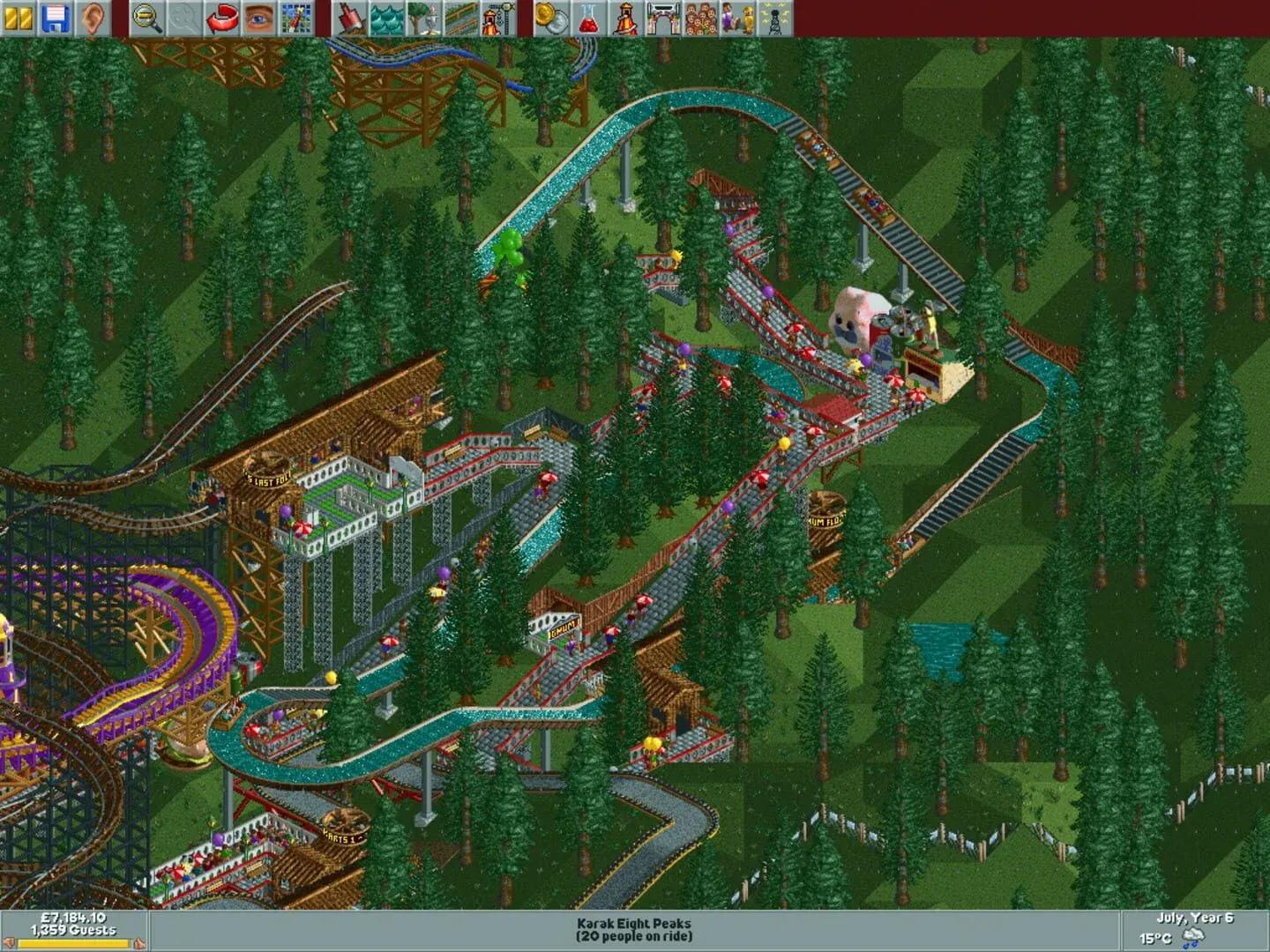
RollerCoaster Tycoon uses a scenario-based progression model rather than a freeform sandbox, and that structure is a genuine strength. Each scenario presents a unique challenge: some give you an undeveloped field with generous funds, others hand you a struggling park with debt and an unhappy guest base. The variety keeps the game from feeling repetitive even after many hours.
RollerCoaster Tycoon content image
The objectives also push players to engage with systems they might otherwise ignore. Hitting a target park value forces attention to ride quality and aesthetics. A guest-count target demands efficient layout design and smart pricing. There is always a reason to think beyond just building the next big coaster.
Impact and legacy
RollerCoaster Tycoon defined what theme park management games could be. The original release won multiple awards in 1999 and sparked a franchise that has produced sequels, mobile spinoffs, and remastered versions across PC, Nintendo Switch, PlayStation, Xbox, iOS, and Android. RollerCoaster Tycoon Classic, a compilation drawing from the first two games, brought the experience to modern platforms and has logged over 35 million downloads in its mobile form alone.
The game's staying power comes from a design philosophy that respects the player's time and intelligence. The tools are deep enough for creative expression, the management layer is complex enough to be genuinely challenging, and the scenario format gives every session a clear purpose. For a theme park simulation built in 1999, that combination has aged remarkably well.