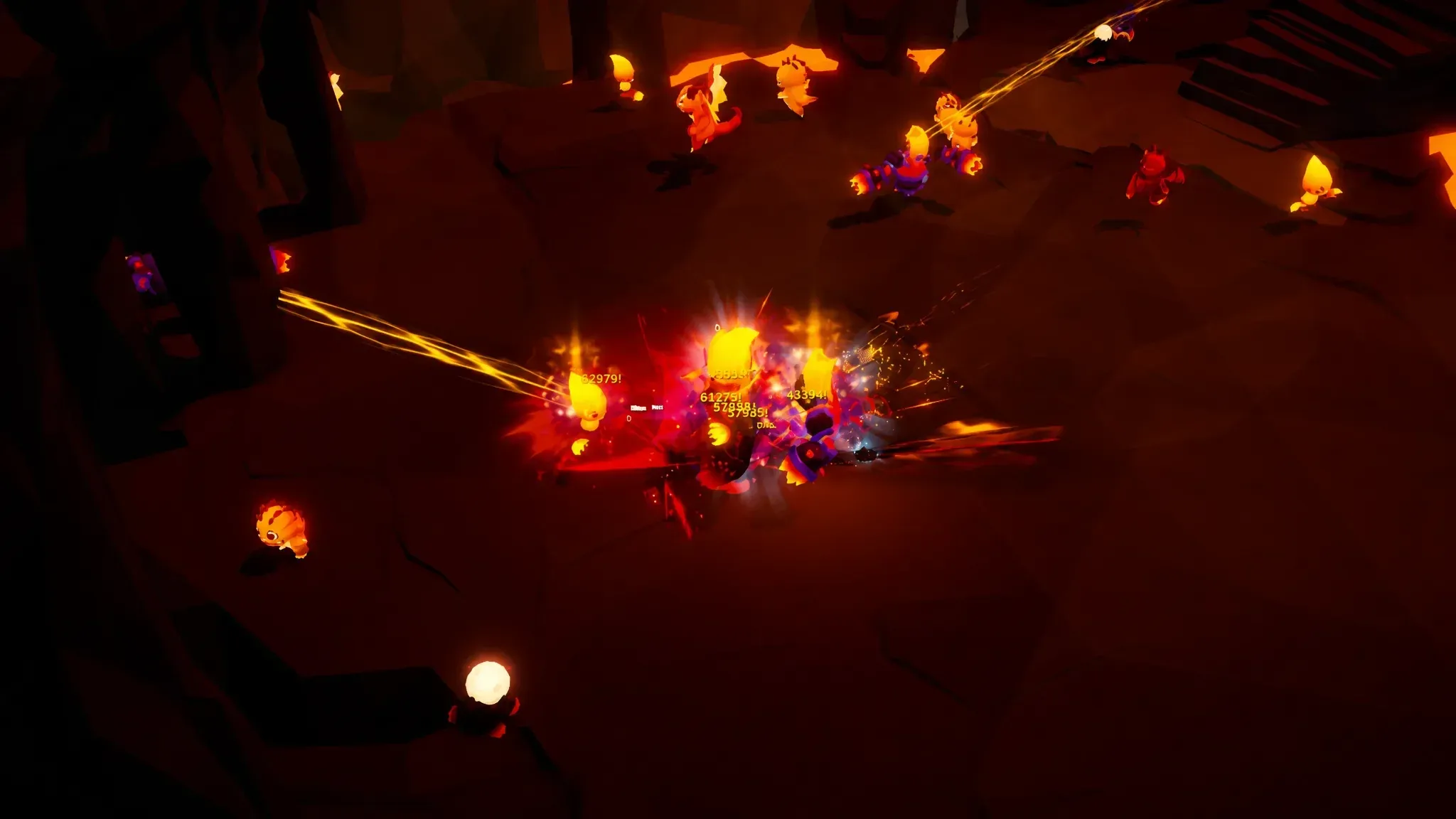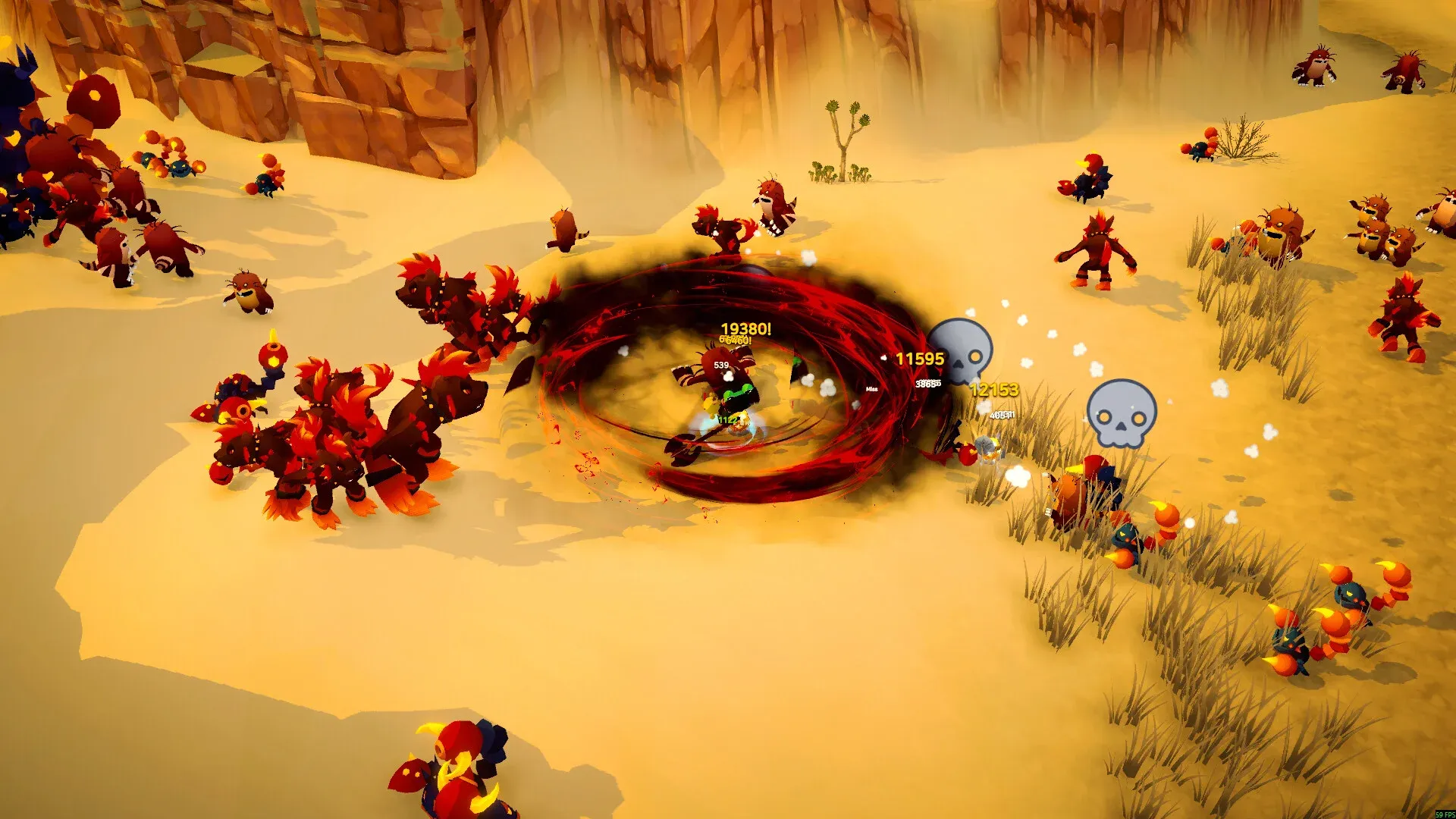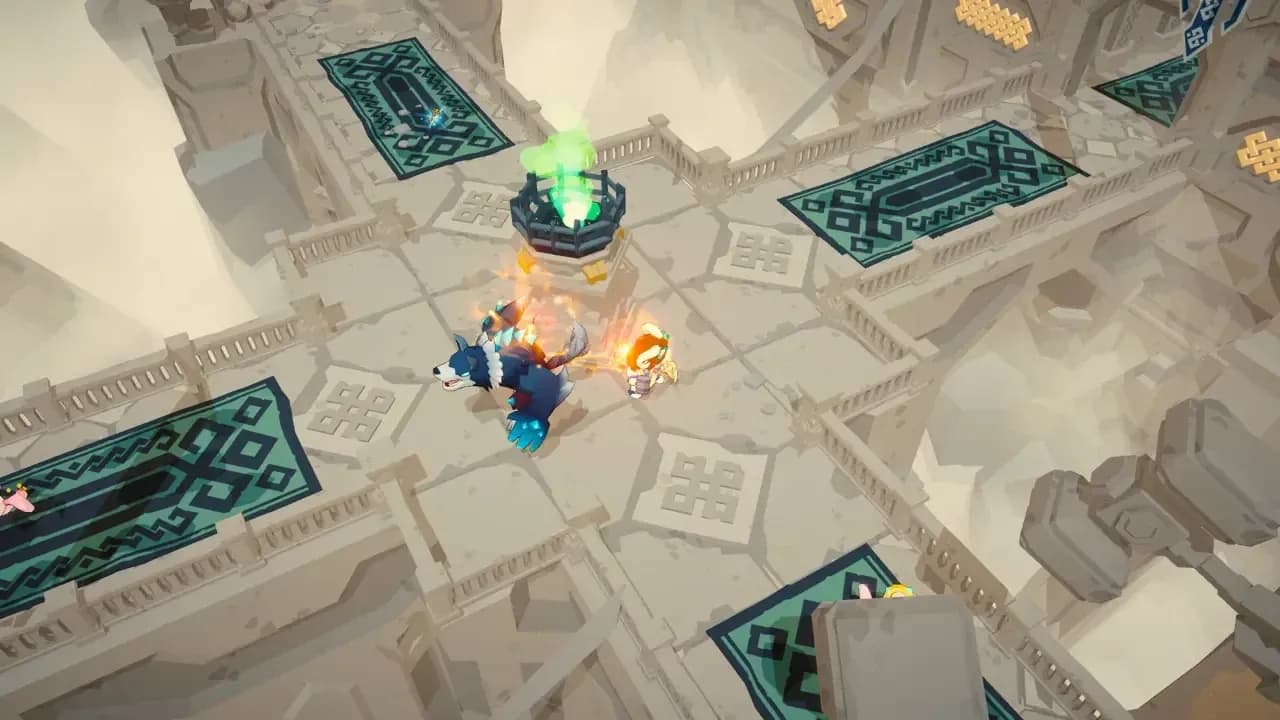

The SpiritVale Summoner stands apart from every other class in the game. You do not need to be the one landing every hit. Your job is to build an army, keep it alive, and let your companions do the heavy lifting. Once you hit level 50 and unlock the Necromancer promotion, that army gets a serious undead upgrade.
After testing all the major class paths in SpiritVale, the Necromancer is the most satisfying endgame experience available. The learning curve is real: you have to stop thinking like a solo fighter and start thinking like a general. Get that mindset right and this build clears everything the game throws at you.
How does the Summoner/Necromancer build work?
The core philosophy is simple: maximize the number of active summons at all times and make each one as powerful as possible. Every gear choice, every skill point, and every accessory slot feeds into that goal. You are not building a character who can fight independently. You are building a platform that generates and empowers minions.
The promotion to Necromancer at level 50 adds undead-specific summons to your roster, which are stronger than the base Summoner companions. The skills and gear that boosted your early summons carry forward and stack with the new Necromancer abilities, so nothing you invest early goes to waste.
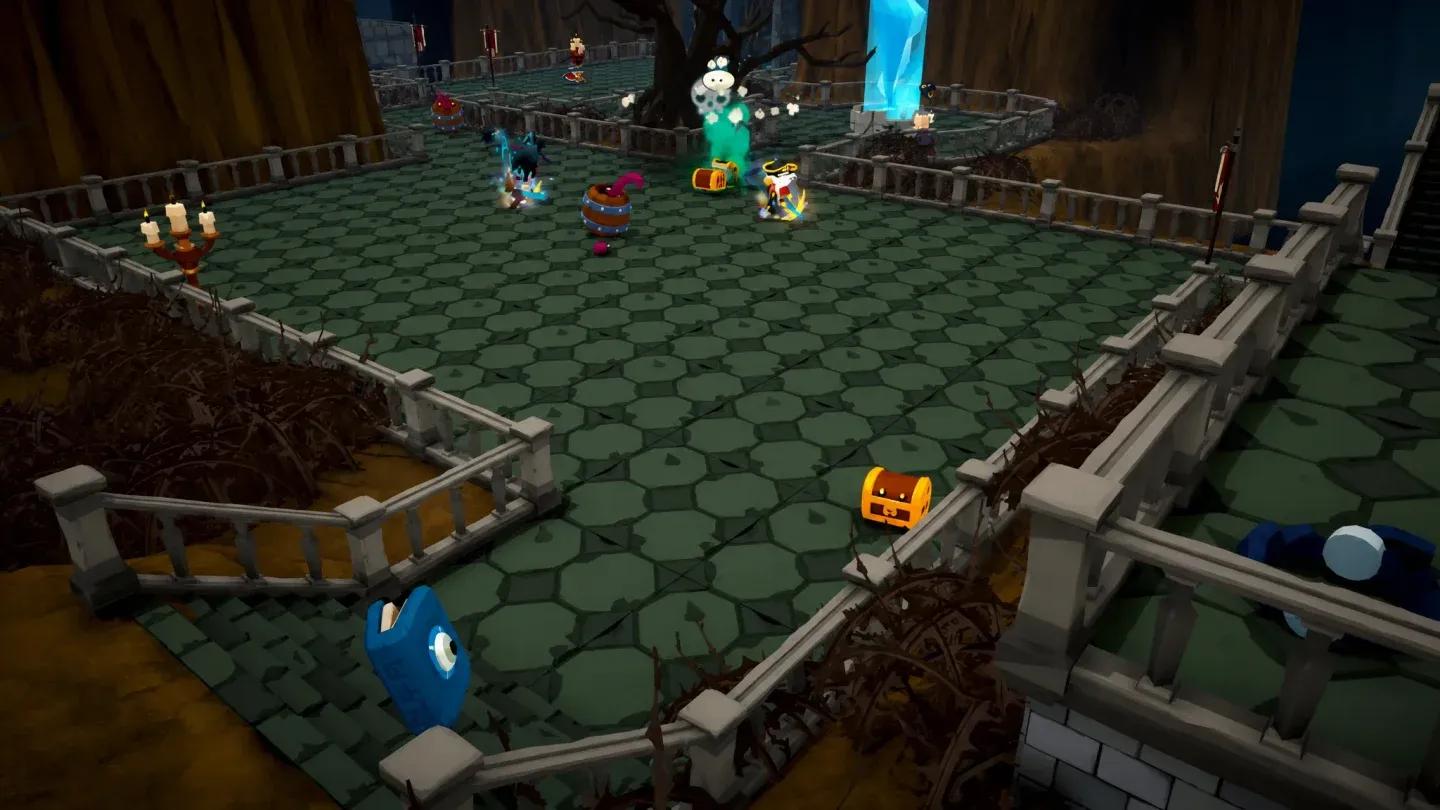
Necromancer minion roster overview
What gear should you use for Summoner/Necromancer?
Gear selection for this build ignores personal offense entirely. Every slot exists to make your summons harder to kill and more dangerous.
Headgear
The Jack-o'Lantern is the only helmet worth using here. It provides an all-round defense buff refinement bonus and, more usefully, has a chance to autocast Death Coil. That autocasting proc means free damage without you spending any actions.
Armor set
Equip the Soulbinder Set across your chest, leg gear, and shoes. The set raises both Physical and Magic Defense simultaneously while also boosting your HP, Summon HP, and MP. The Summon HP bonus is what makes this set mandatory: your minions surviving longer means more sustained damage and fewer re-summoning interruptions.
Soulbinder Set equip screen
Face slot and accessories
For the face slot, prioritize any item that raises magic defense, base defense, and casting speed. Casting speed directly affects how quickly you can get your full minion roster deployed at the start of a fight.
For accessories, run Bronze Crescent and Iron Ankh together. Both items complement this build's stat priorities, and you should socket them with the Grim Reaper card to push their effectiveness further.
Utility and Artifact
The utility slot is flexible. The Fruit Bowl is a solid pick because it raises your weight limit and healing, but any utility item works here since this slot does not directly affect summon power.
For your Artifact, the Corporeal Set is the clear best choice. It directly raises the ability of your summons, which is the entire point of this build. Do not compromise on this slot.
| Gear Slot | Recommended Item | Key Benefit |
|---|---|---|
| Headgear | Jack-o'Lantern | Defense buff + Death Coil autocast |
| Chest / Legs / Shoes | Soulbinder Set | Summon HP, Physical & Magic Defense |
| Face | Magic/Defense/Cast Speed item | Faster deployment |
| Accessories | Bronze Crescent + Iron Ankh | Stat synergy with Grim Reaper card |
| Utility | Fruit Bowl (or preferred item) | Weight limit + healing |
| Artifact | Corporeal Set | Direct summon ability boost |
What skills should you invest in for Summoner/Necromancer?
Skill points go toward abilities that amplify your summons or protect you long enough to keep them active. Several skills carry over from Summoner into the Necromancer promotion, so invest in them early.
Core Summoner skills
- Summon Mastery: The foundation of the entire build. Every skill point here raises the power of all your summons, making it the highest-priority investment at every stage.
- Soul Strike: Forms a protective bond with your active summon. This bond is what keeps you alive in situations where enemies redirect their attention to you.
- Dissonance Well: Slows all enemies caught in its radius and debuffs their attacks. This gives your minions more time to deal damage without taking as much in return.
- Guardian Bond: Creates a protective link with your summon and regenerates a portion of your lost health. Passive sustain without needing to slot healing items.
Necromancer promotion skills
- Skeleton Mastery: Mandatory once you promote. It raises the ceiling on all undead summons, which are your primary damage dealers post-promotion.
- Bone Spear: A single-target projectile that hits for significant damage. Use this when a priority target needs to go down fast and your minions need help focusing.
- Bone Spikes: An AoE attack that damages every enemy standing inside the spike radius. Useful for clearing grouped enemies that your minions have already surrounded.
Which minions should you summon as a Necromancer?
Once you reach the Necromancer stage, four specific summons form the backbone of your roster: the Abomination, the Skeleton, the Mage, and the Wraith. Each fills a distinct role and you want all four active in serious fights.
Summon order matters here. The Wraith has the longest cooldown of the four, so call it last. If you summon the Wraith first and then get interrupted before finishing your roster, you will be waiting on that cooldown while the rest of your army is already engaged.
Is the Necromancer good for endgame content?
Yes, and it is not particularly close once the build is fully assembled. The combination of the Corporeal Set Artifact, maxed Summon Mastery, and Skeleton Mastery creates a minion army that scales well into endgame encounters. The Soulbinder Set keeping your summons alive longer compounds this further.
The adjustment period is the only real barrier. Players coming from direct-damage classes will instinctively try to deal damage themselves, which pulls focus away from maintaining and positioning the minion roster. Once you commit to the general role and trust your army, the build handles endgame content reliably.
For more strategies across every class in the game, the SpiritVale guides collection covers the full roster. SpiritVale sits firmly in the action games genre, and the Necromancer's minion-army style is one of the more distinctive takes on that formula available right now.