Overview
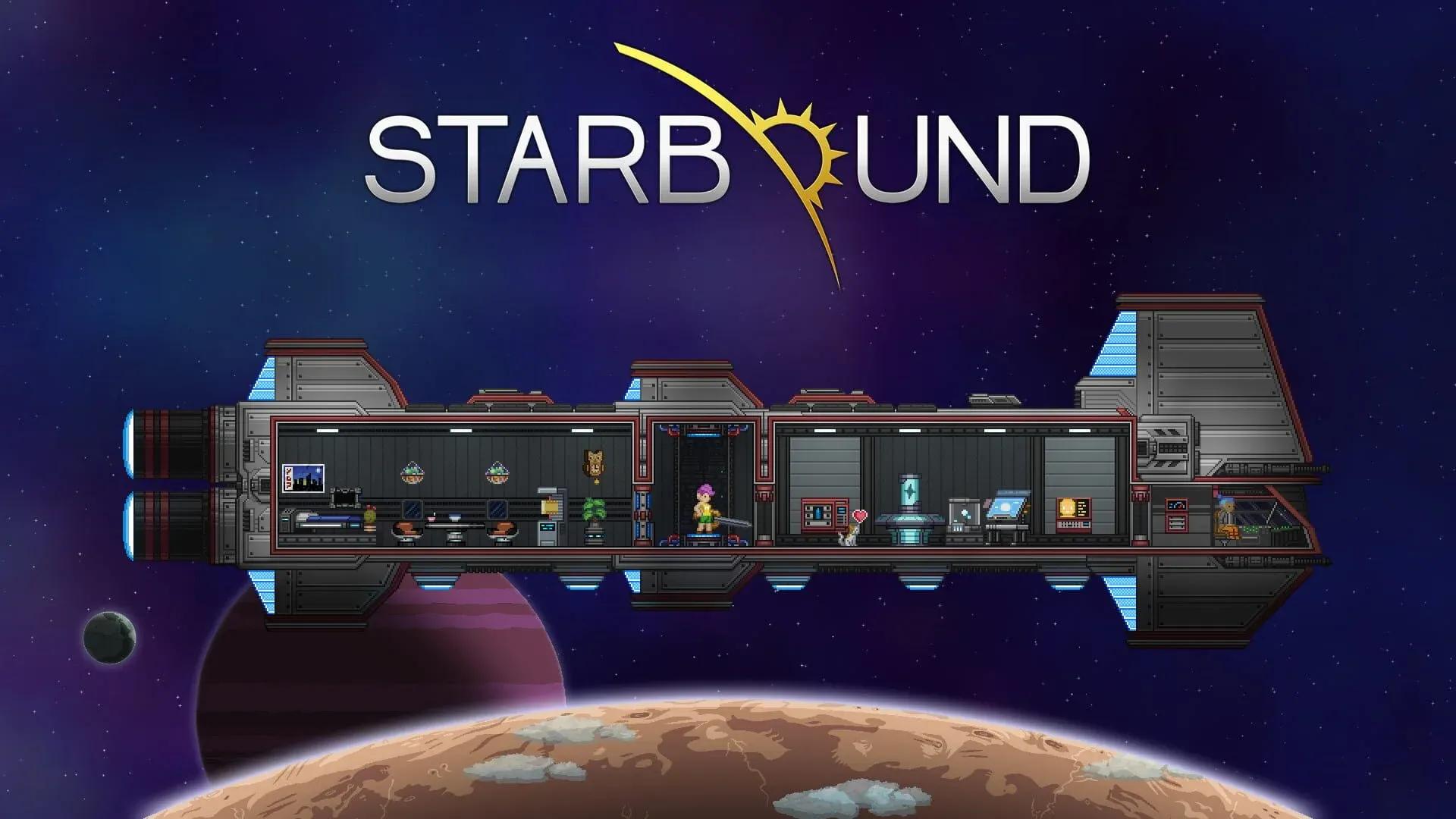
Starbound starts with a simple premise: your home is gone, your ship is damaged, and the nearest planet is the only option. From that opening moment, the game opens up into a sprawling sandbox RPG where the direction you take is entirely your call. You can follow the main story, hunting down the cosmic threat that destroyed your homeworld, or ignore it entirely and spend hundreds of hours building, farming, and cataloguing alien wildlife.
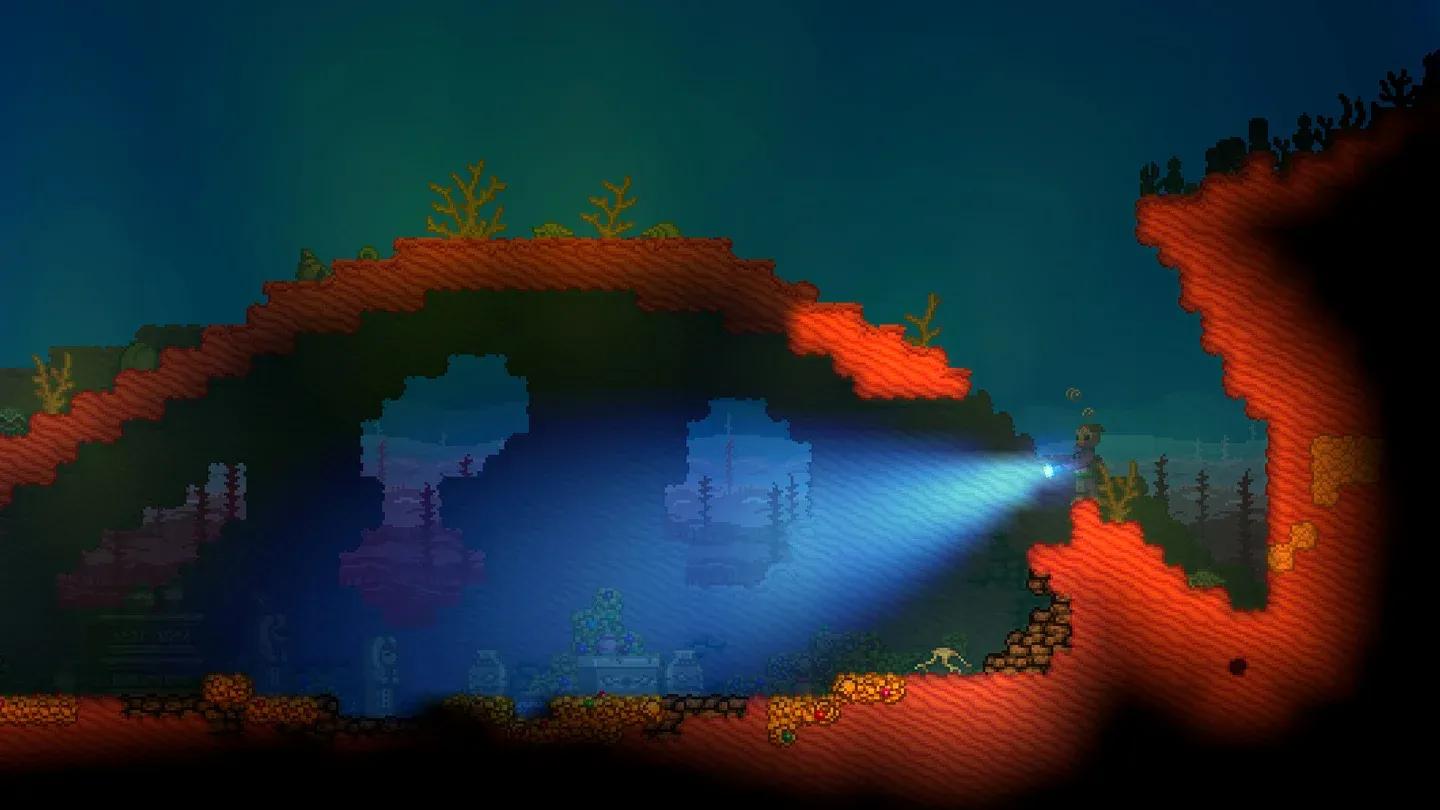
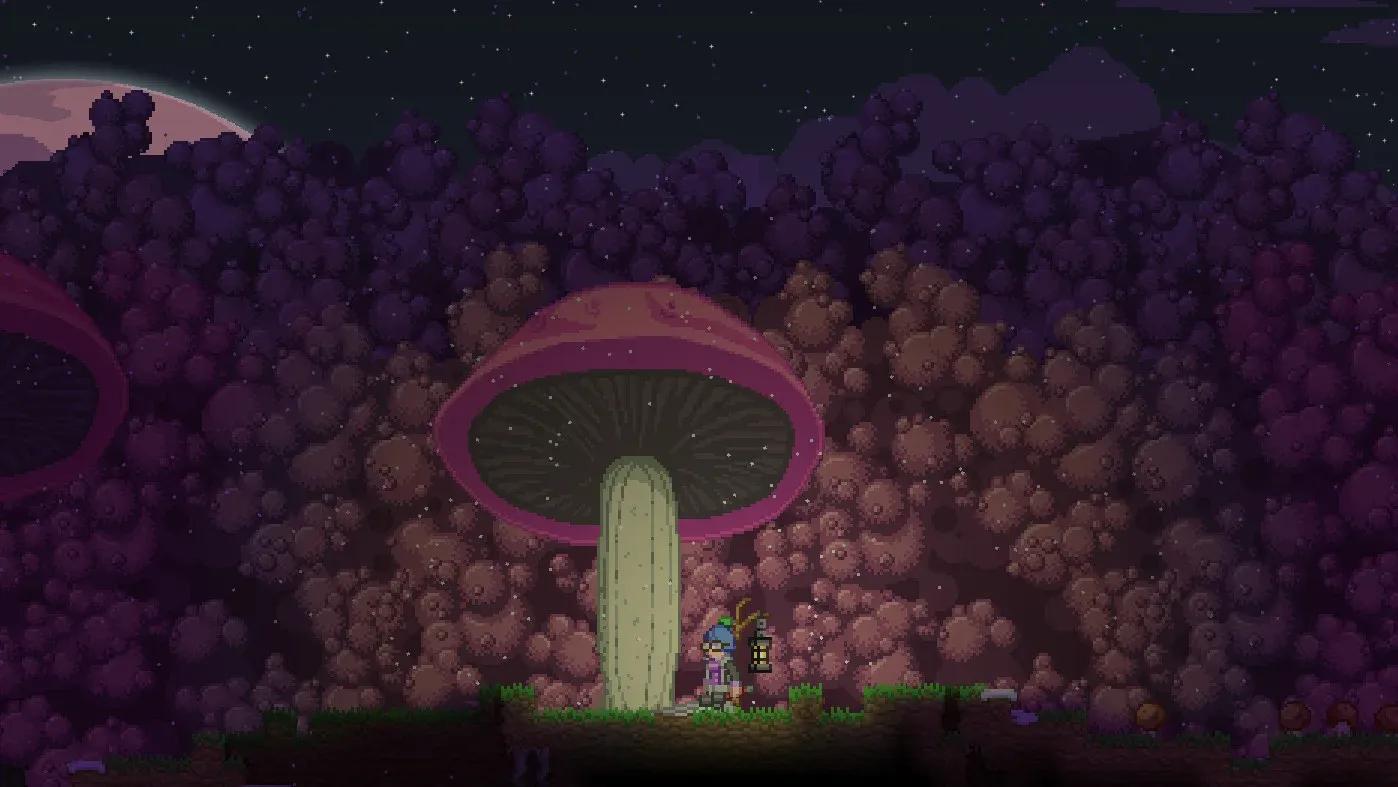
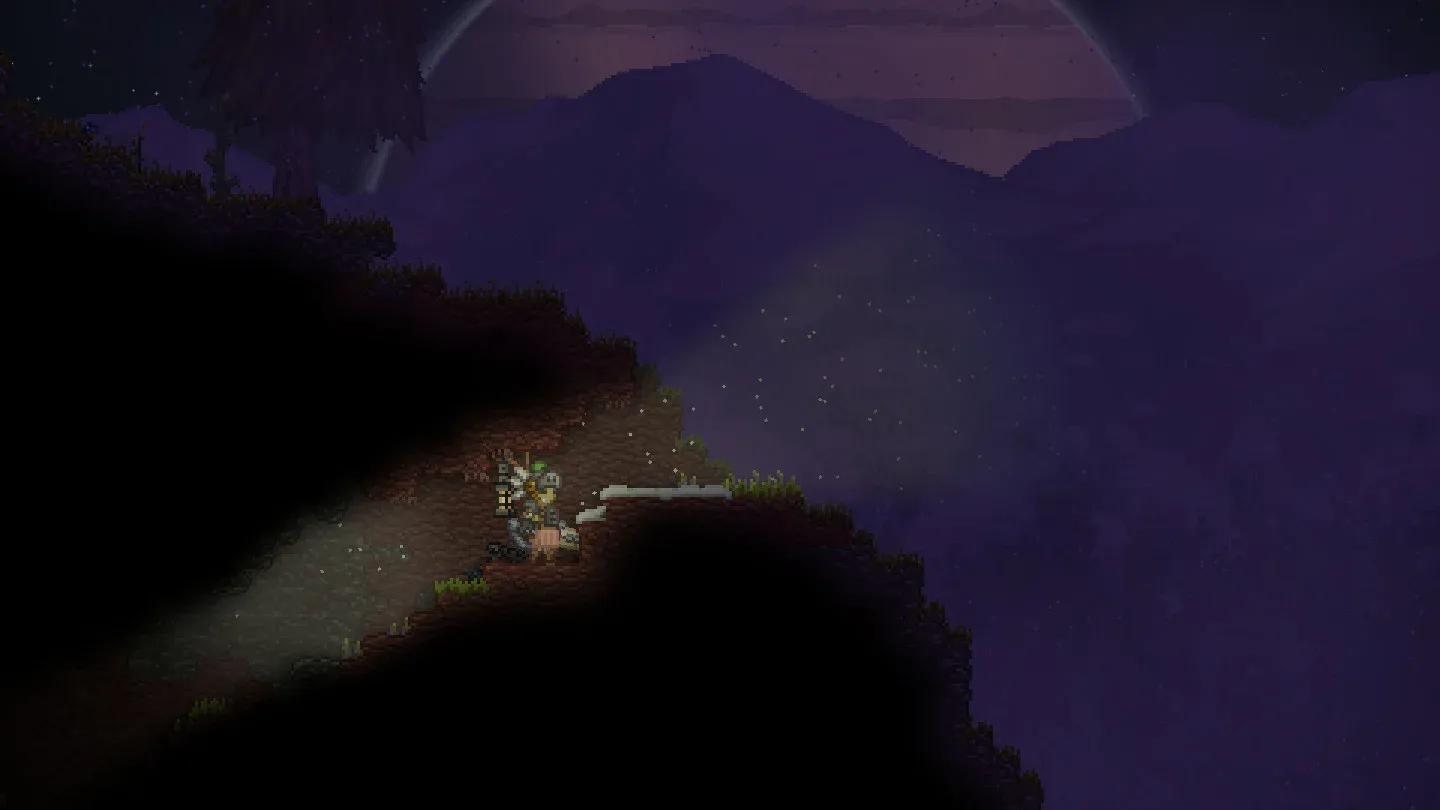
Chucklefish built Starbound around procedural generation, meaning no two planets are identical. Biomes, dungeons, enemy types, and loot all shift across billions of possible worlds. The sheer variety keeps exploration feeling fresh long after the early hours, especially once your ship is repaired and star-hopping becomes routine.
Starbound content image
Gameplay and mechanics
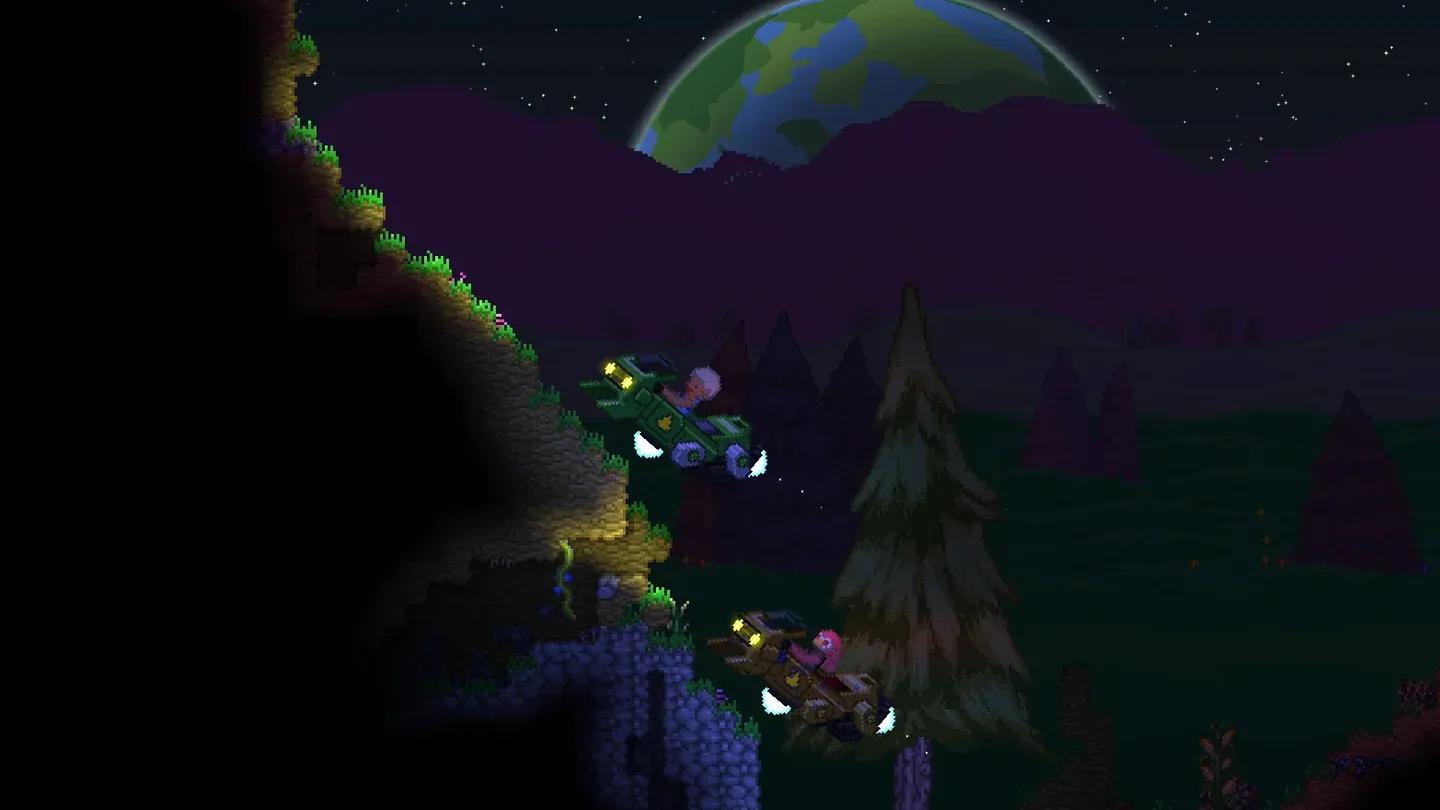
The core loop in Starbound is familiar to anyone who has spent time with survival crafting games, but it layers on enough RPG structure to feel distinct. You gather materials, craft tools and weapons, upgrade your ship, and push into increasingly dangerous star systems. Combat is real-time and side-scrolling, with a weapon system that generates randomized stats across melee, ranged, and energy types.
Starbound content image
Key mechanics at a glance:
- Procedurally generated planets and dungeons
- Randomized weapon and armor crafting
- Colony building with NPC tenant system
- Multi-race character selection with unique lore
- Co-op multiplayer support
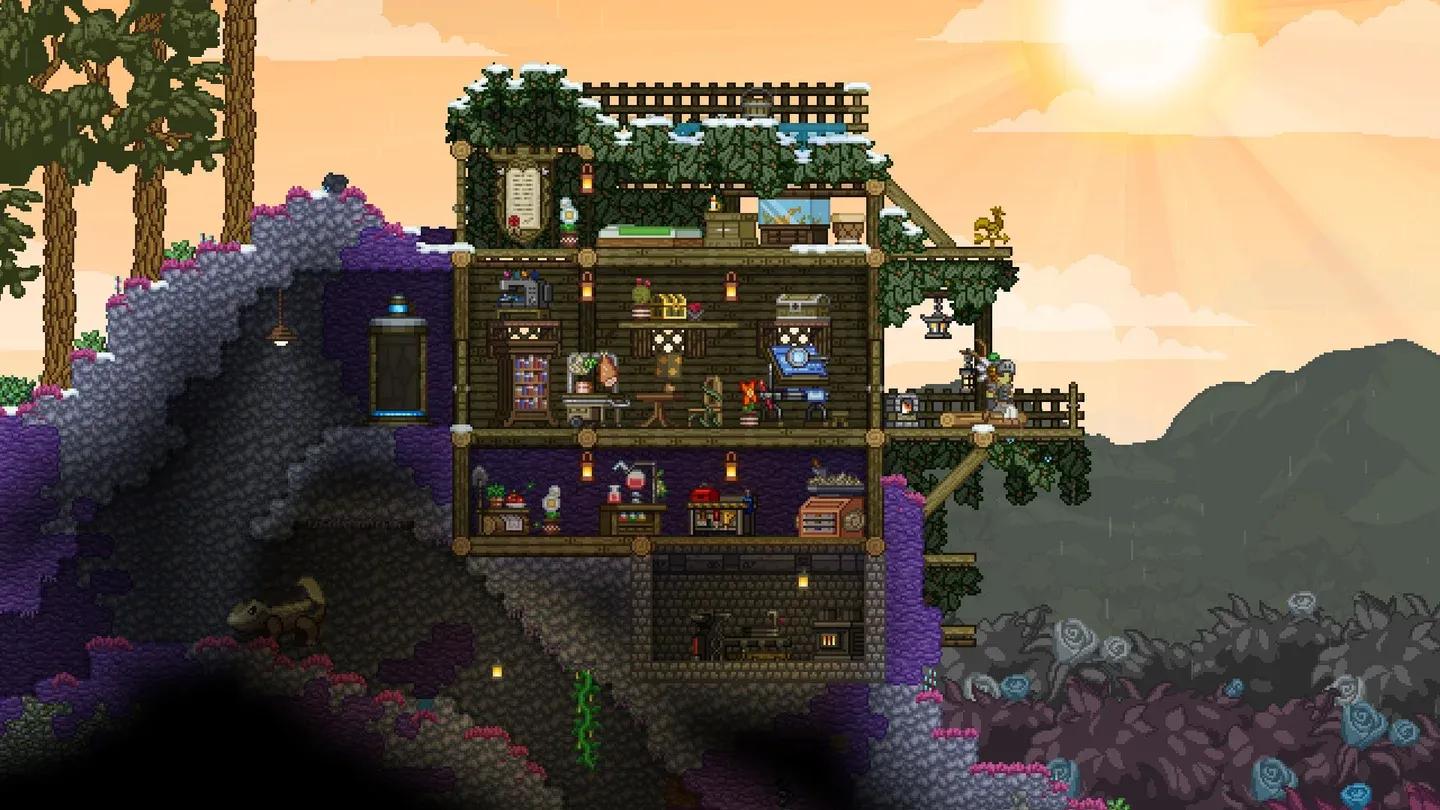
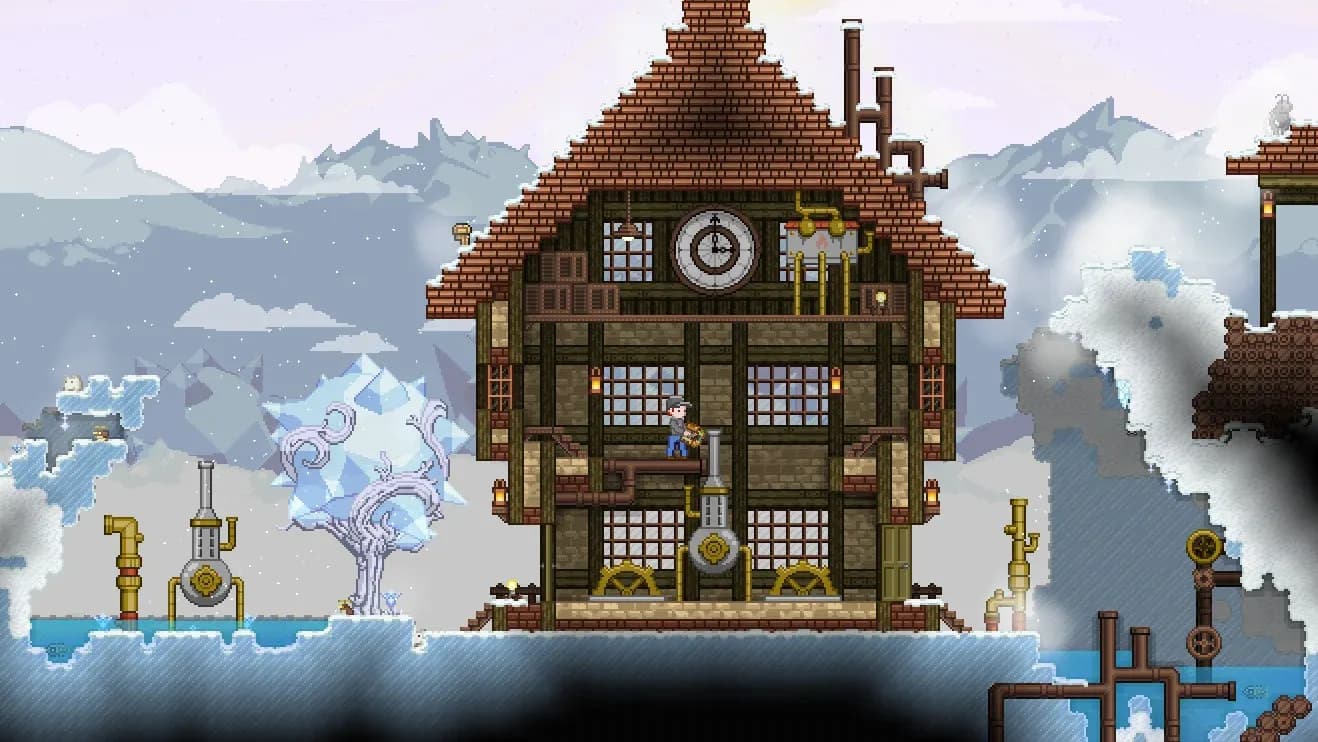
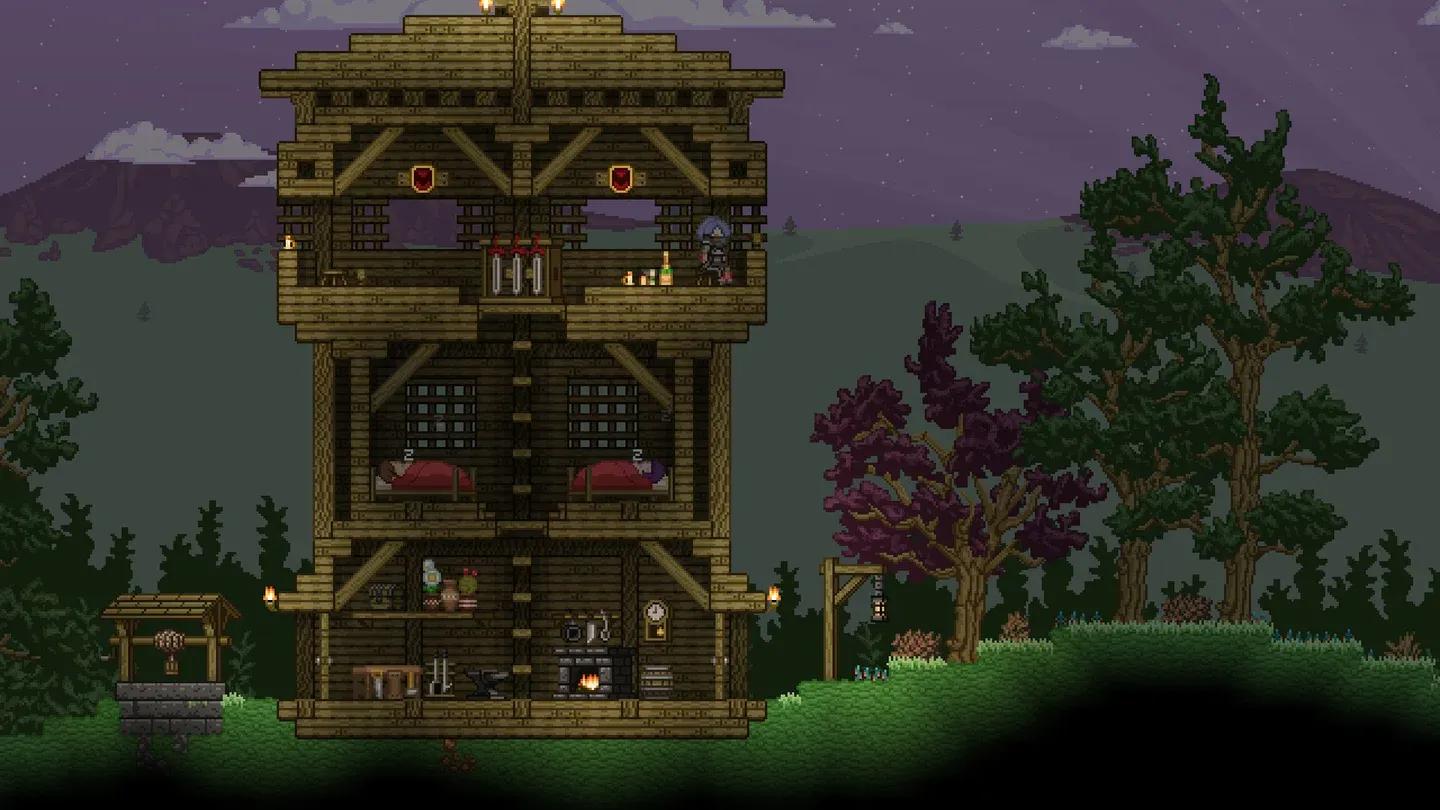
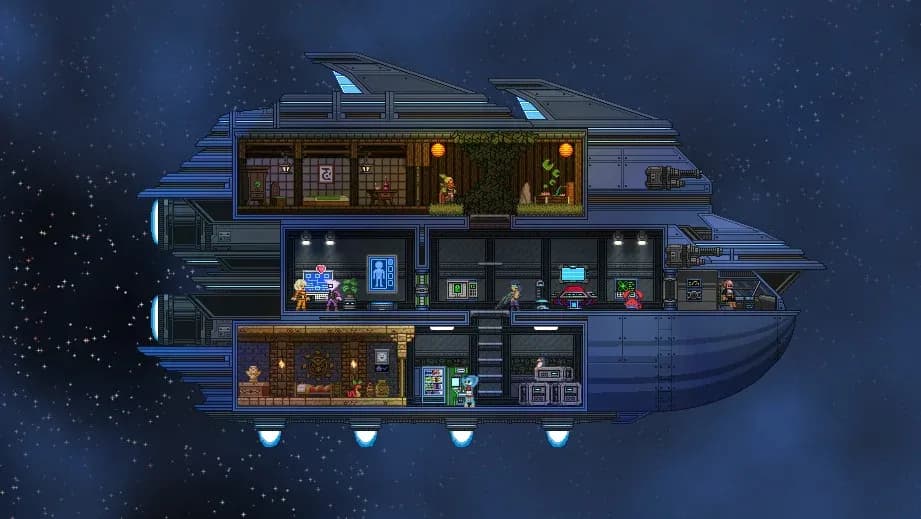
The tenant system is one of Starbound's more distinctive ideas. Build and furnish structures on a planet, and NPCs will move in based on the furniture and objects you place. Get it right and they pay rent in items or pixels (the in-game currency). It turns base-building into something with actual mechanical payoff rather than pure aesthetics.
How many playable races are in Starbound?
Starbound launches with 7 playable races: Human, Apex, Avian, Floran, Glitch, Hylotl, and Novakid. Each comes with its own visual style, ship design, and lore background, though they share the same core mechanics. The Novakid in particular, a race of plasma-beings with Wild West aesthetics, stands out as one of the more creative alien designs in the genre.
Starbound content image
The racial diversity feeds into the world-building in a real way. Planets are dotted with ruins, villages, and dungeons tied to specific races, so exploring feels like piecing together a broader galactic history rather than just looting identical caves.
World and setting
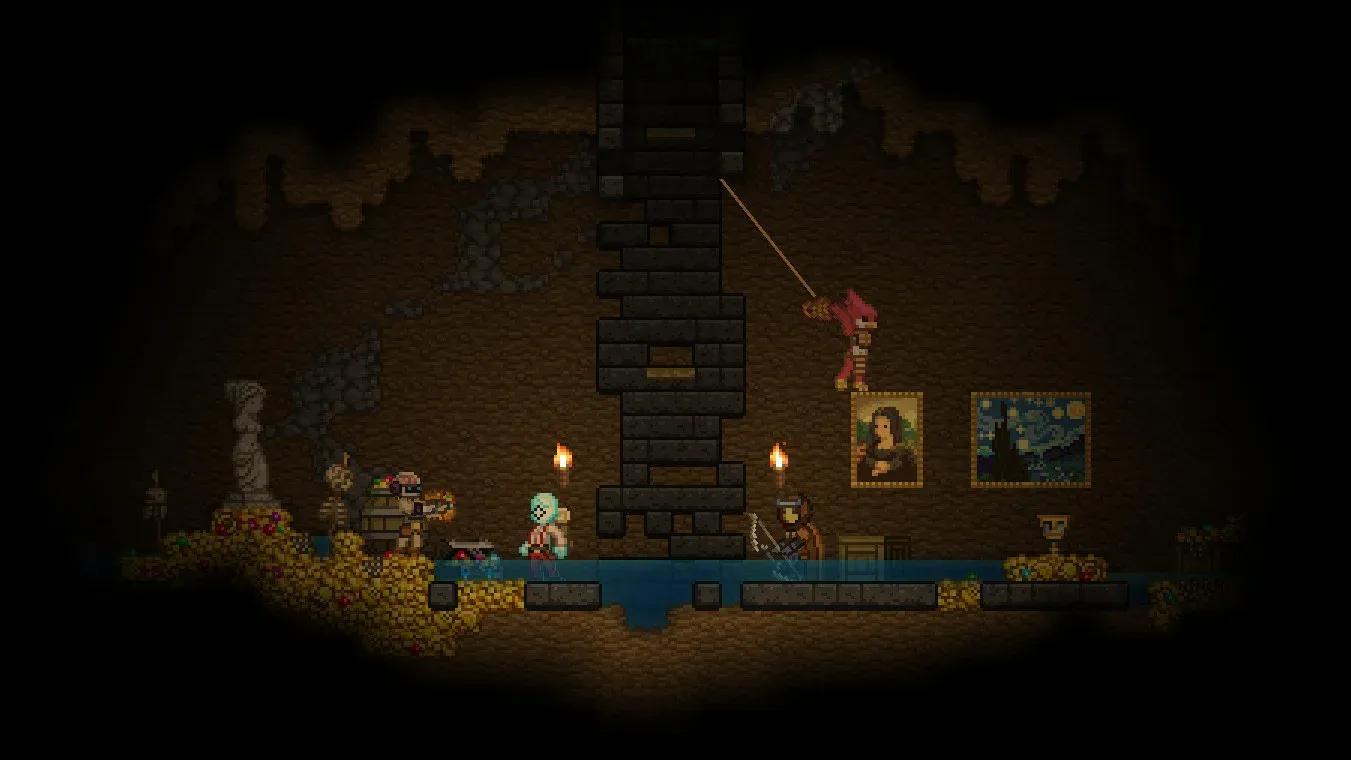
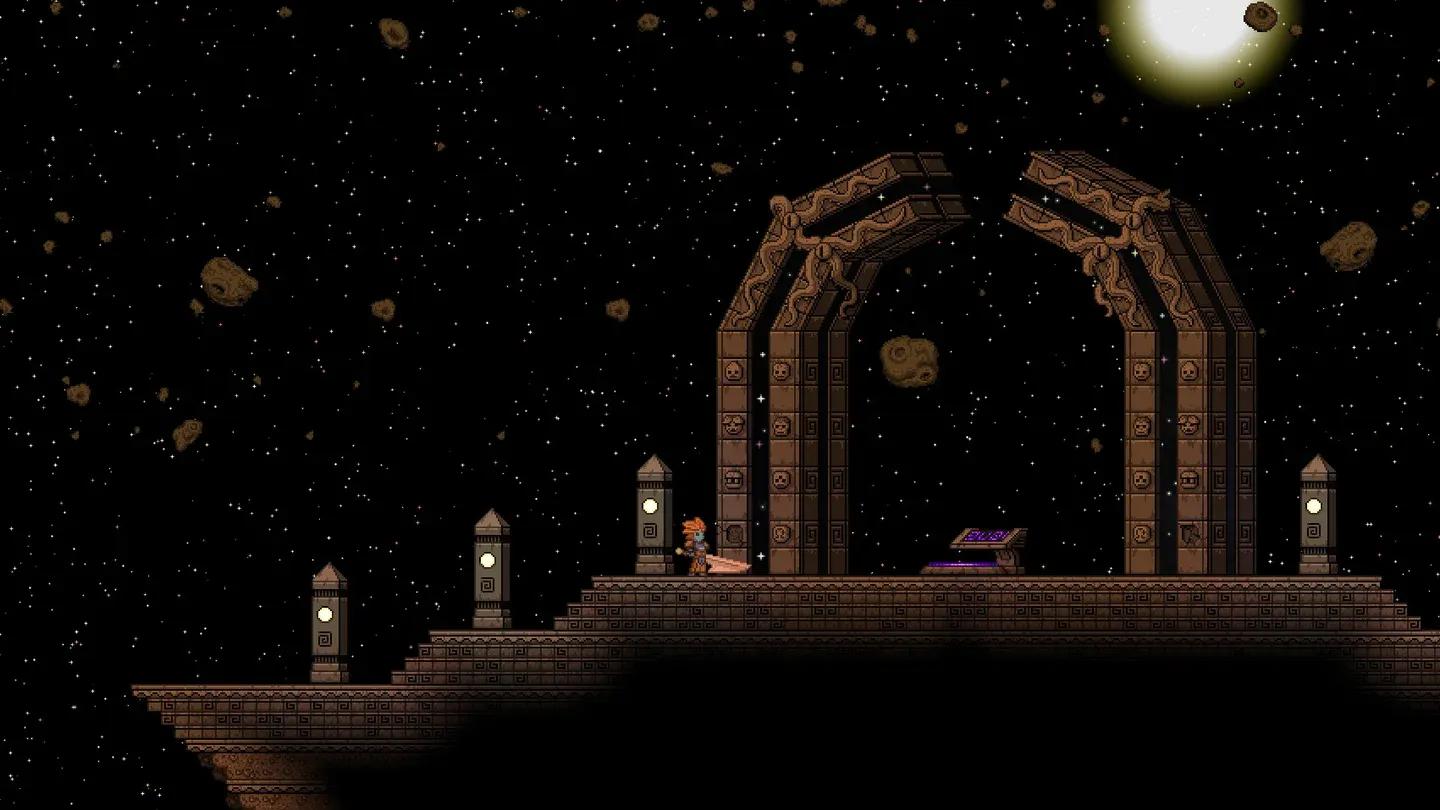
The universe in Starbound has genuine personality. Every race has a distinct architectural style, mythology, and cultural aesthetic that shows up in the structures you find planetside. Glitch castles look like medieval fortresses run by malfunctioning robots. Avian temples carry a ritualistic, pre-Columbian feel. Floran hunting grounds are chaotic and overgrown. The art direction is consistent enough that the pixel art reads clearly even at small scales.
The soundtrack, composed by Curtis Schweitzer and Soule Demise, covers a lot of tonal ground. Ambient tracks shift to match the biome and time of day, and combat music ramps up without feeling jarring. For a game spent mostly in quiet exploration, the audio design does real work.
Starbound content image
Multiplayer and replayability
Starbound supports online co-op, letting players share a server and explore the same procedurally generated universe together. The colony and building systems translate well to multiplayer, with groups splitting responsibilities between combat, farming, and construction. The Steam Workshop integration adds another layer, with a massive catalog of player-made mods that extend content, add races, overhaul progression, and introduce entirely new mechanics. The mod support alone has kept the game's community active years past its 2016 launch, which says something about how well the base game holds up as a foundation.
| Requirement | Minimum | Recommended |
|---|---|---|
| Processor | Core 2 Duo | Core i3 |
| Memory | 2 GB RAM | 4 GB RAM |
| Graphics | 256 MB graphics memory and directx 9.0c compatible gpu | Discrete GPU capable of directx 9.0c |
| DirectX | Version 9.0c | Version 9.0c |
| Network | Broadband Internet connection | Broadband Internet connection |