Overview
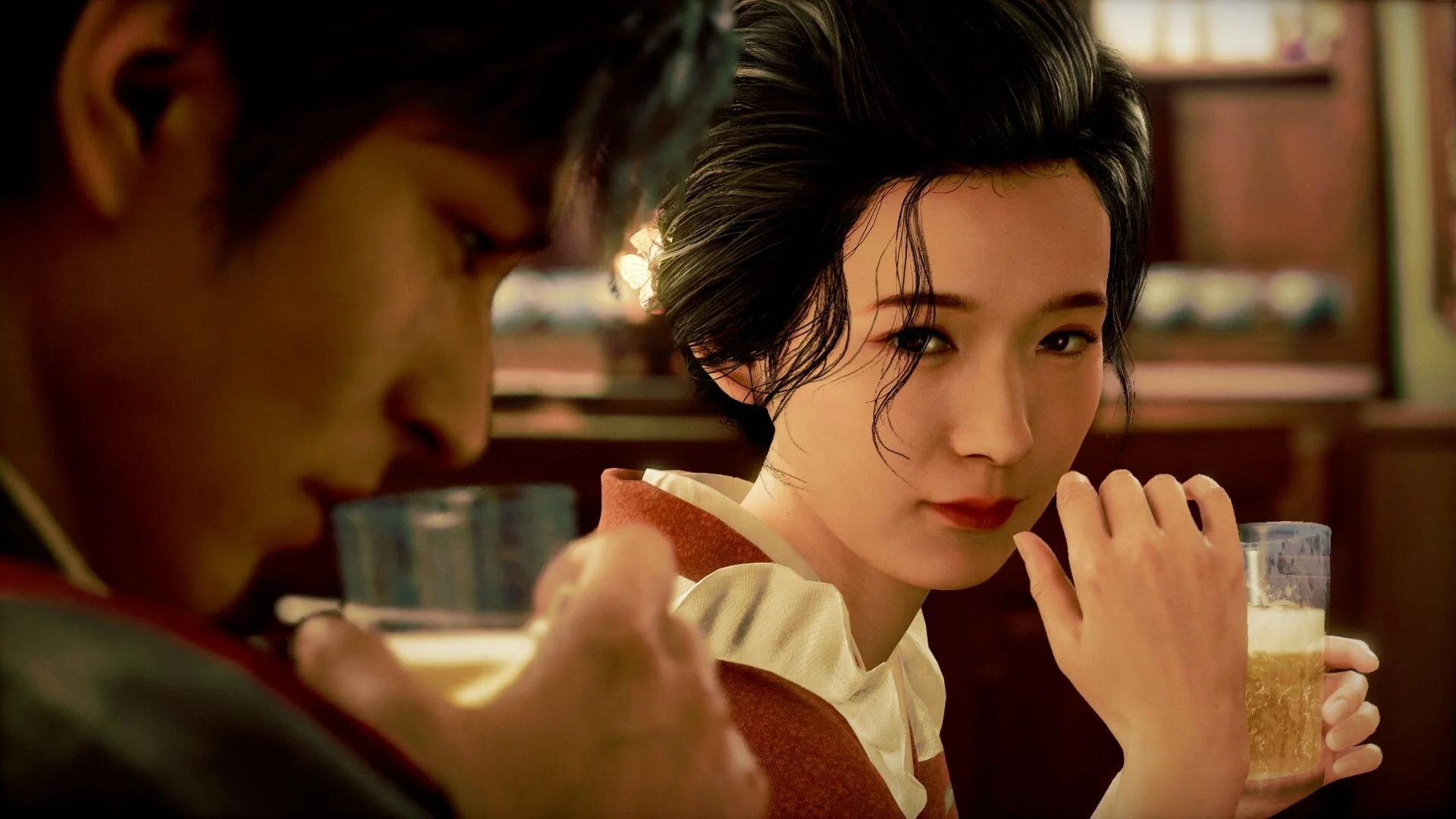
Stranger Than Heaven is an action-adventure RPG from RGG Studio, the team behind the Yakuza and Like a Dragon series, published by SEGA. The game follows Makoto Daito, born to an American father and a Japanese mother in San Francisco, 1915. Rejected by the country of his birth because of his Asian heritage, Makoto stows away on a ship bound for Japan, setting off a fifty-year journey across five cities and five distinct historical eras.
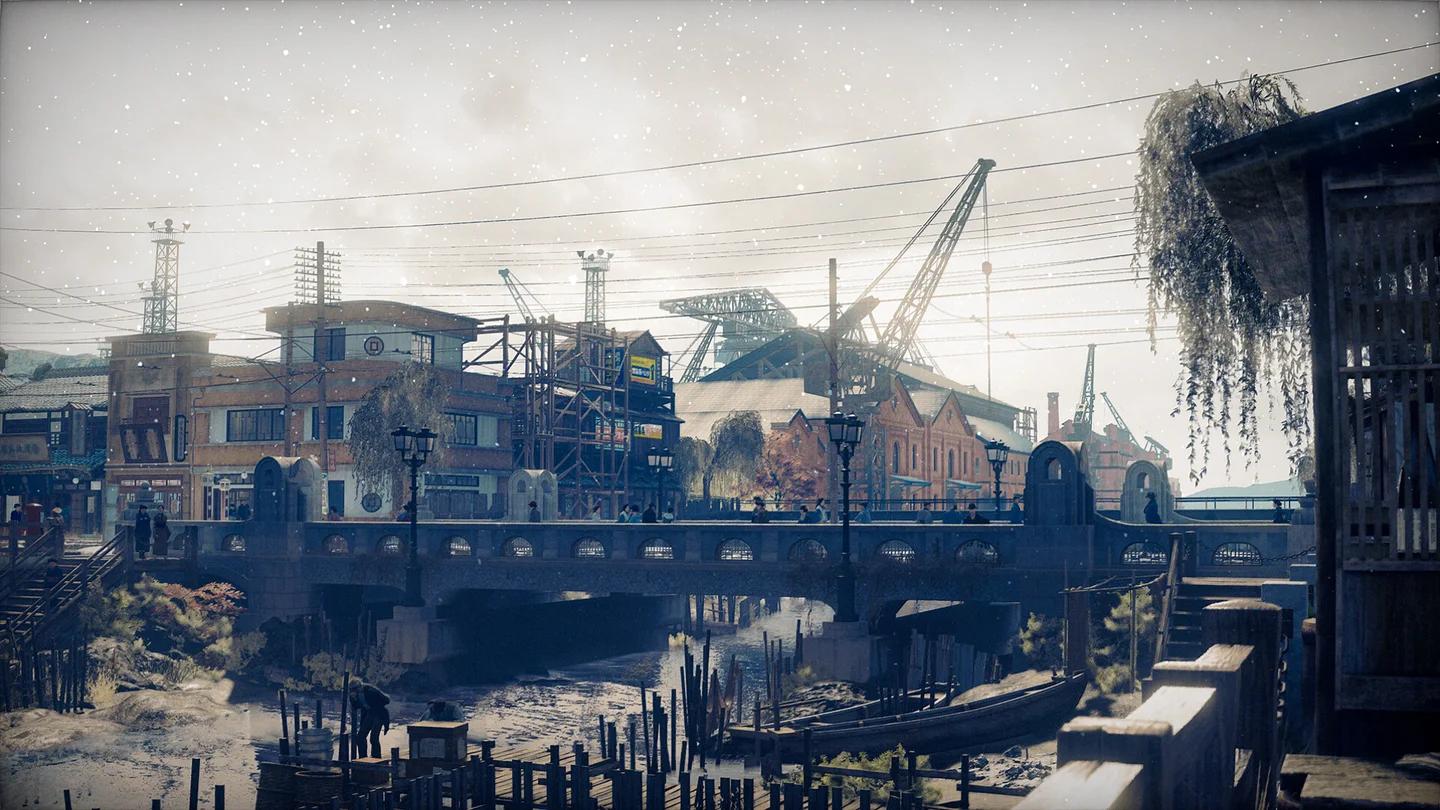
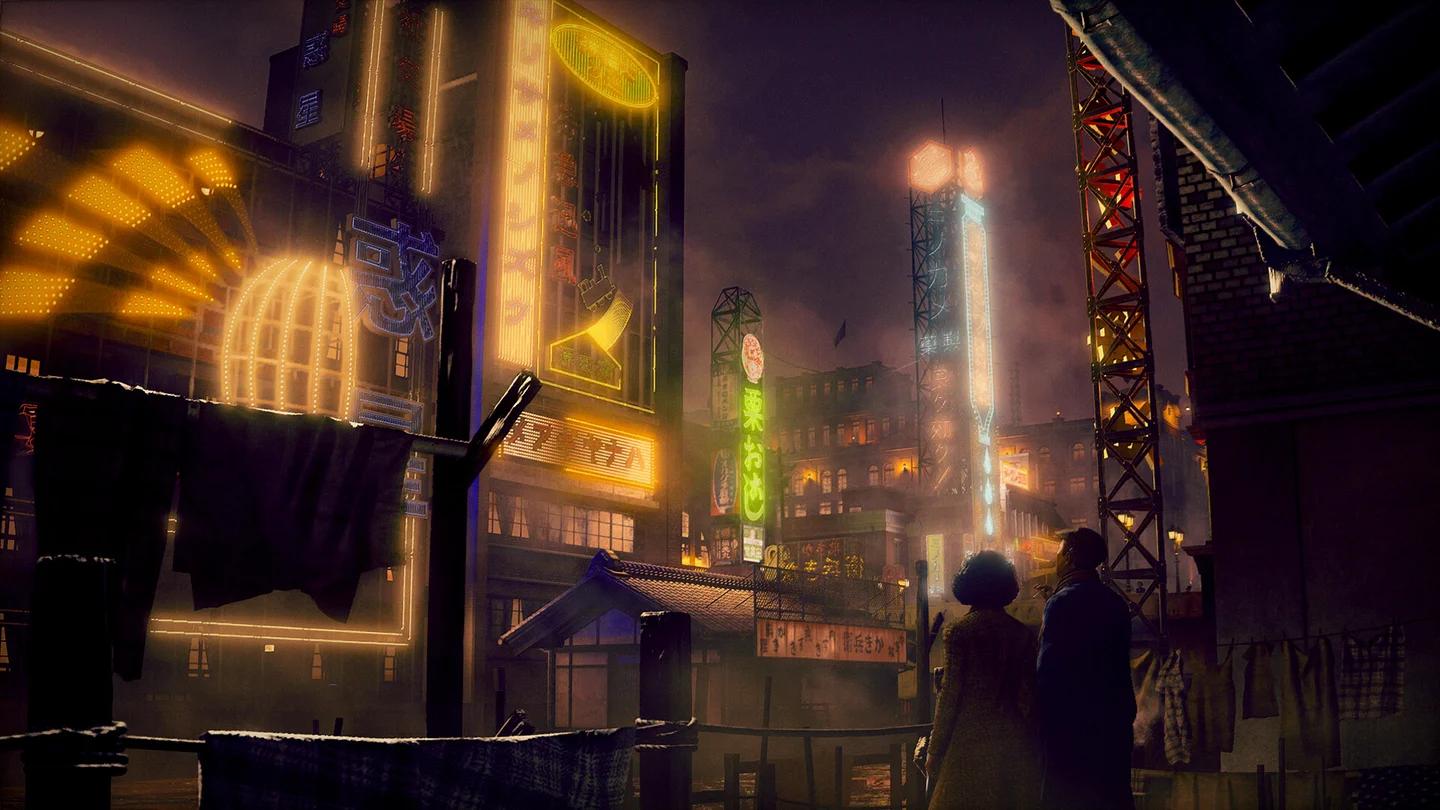
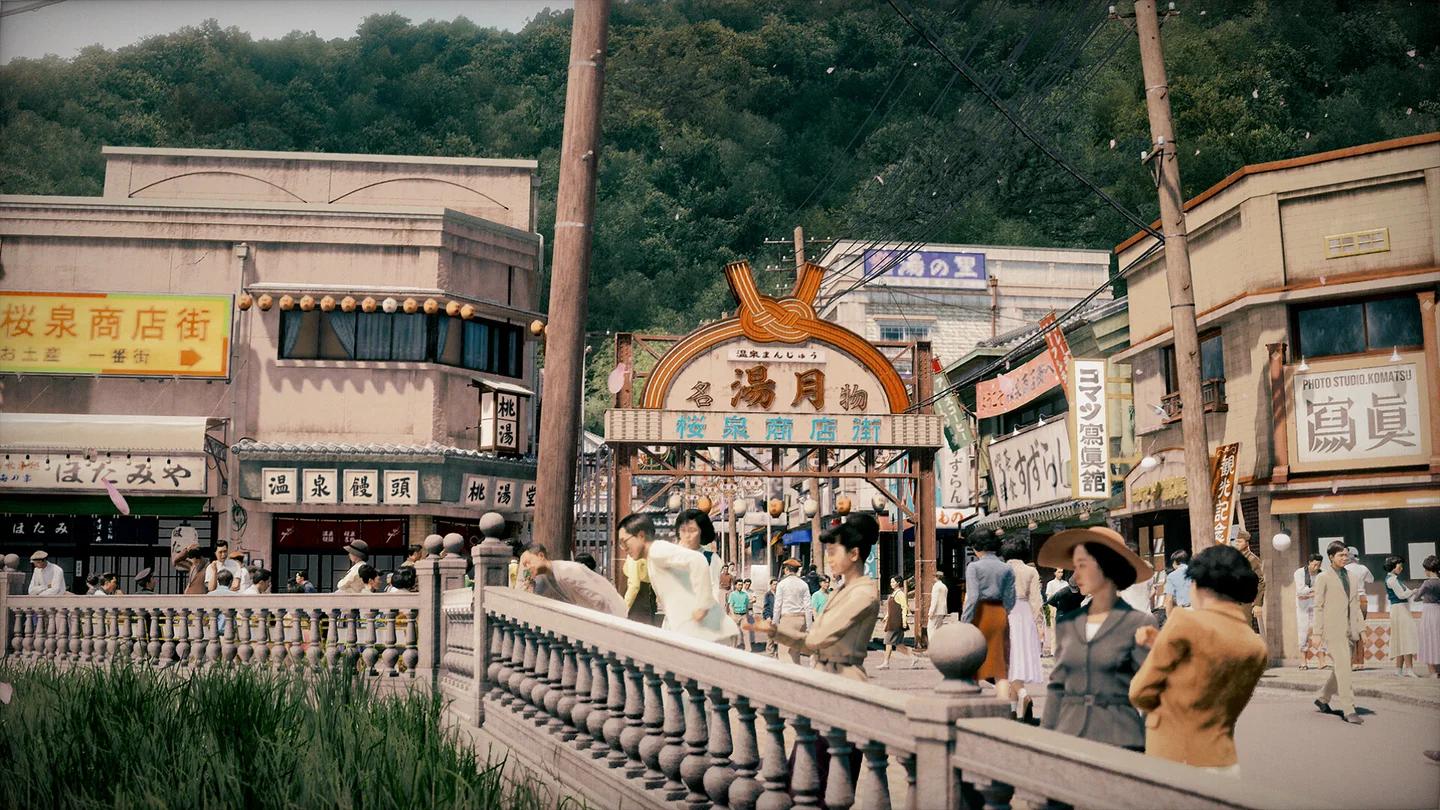
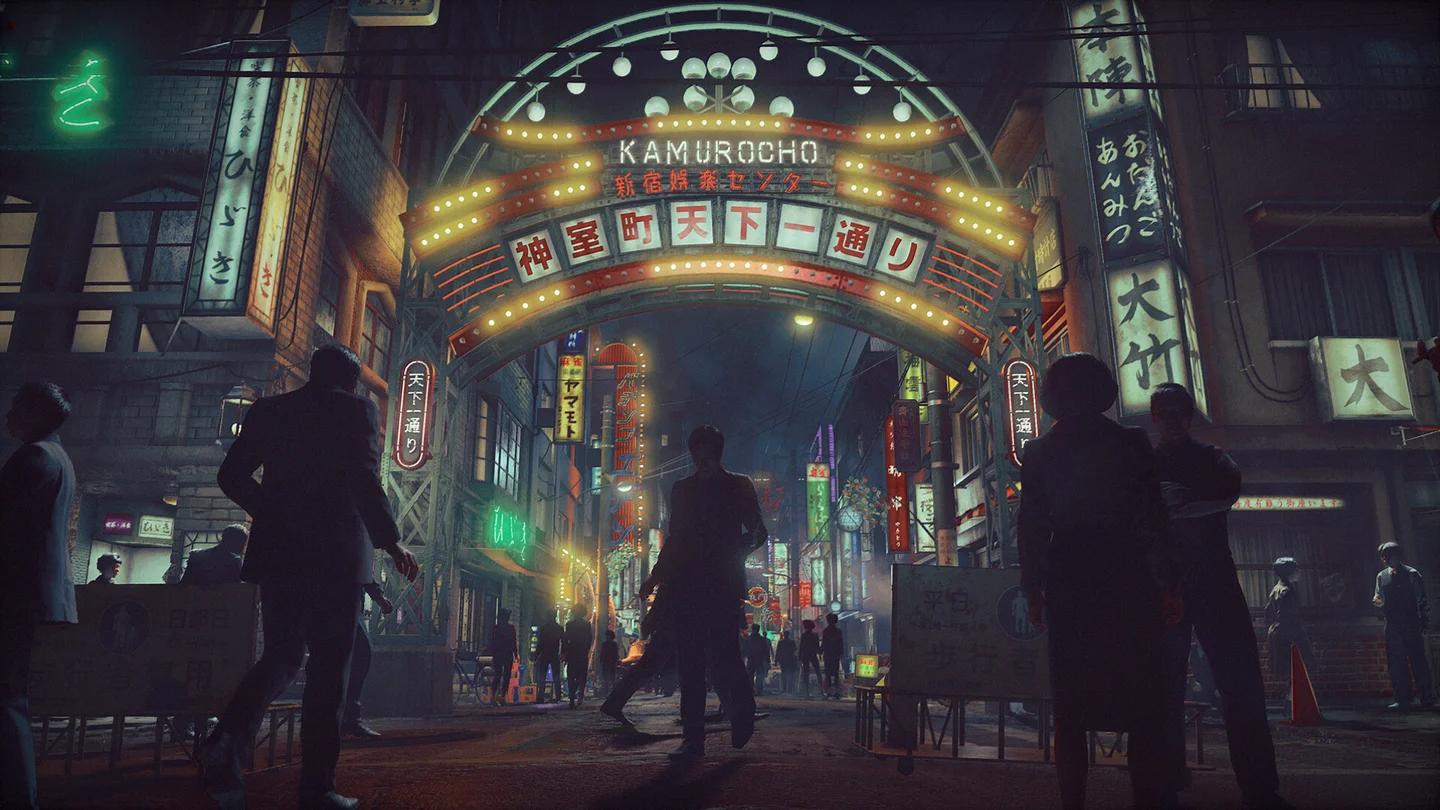
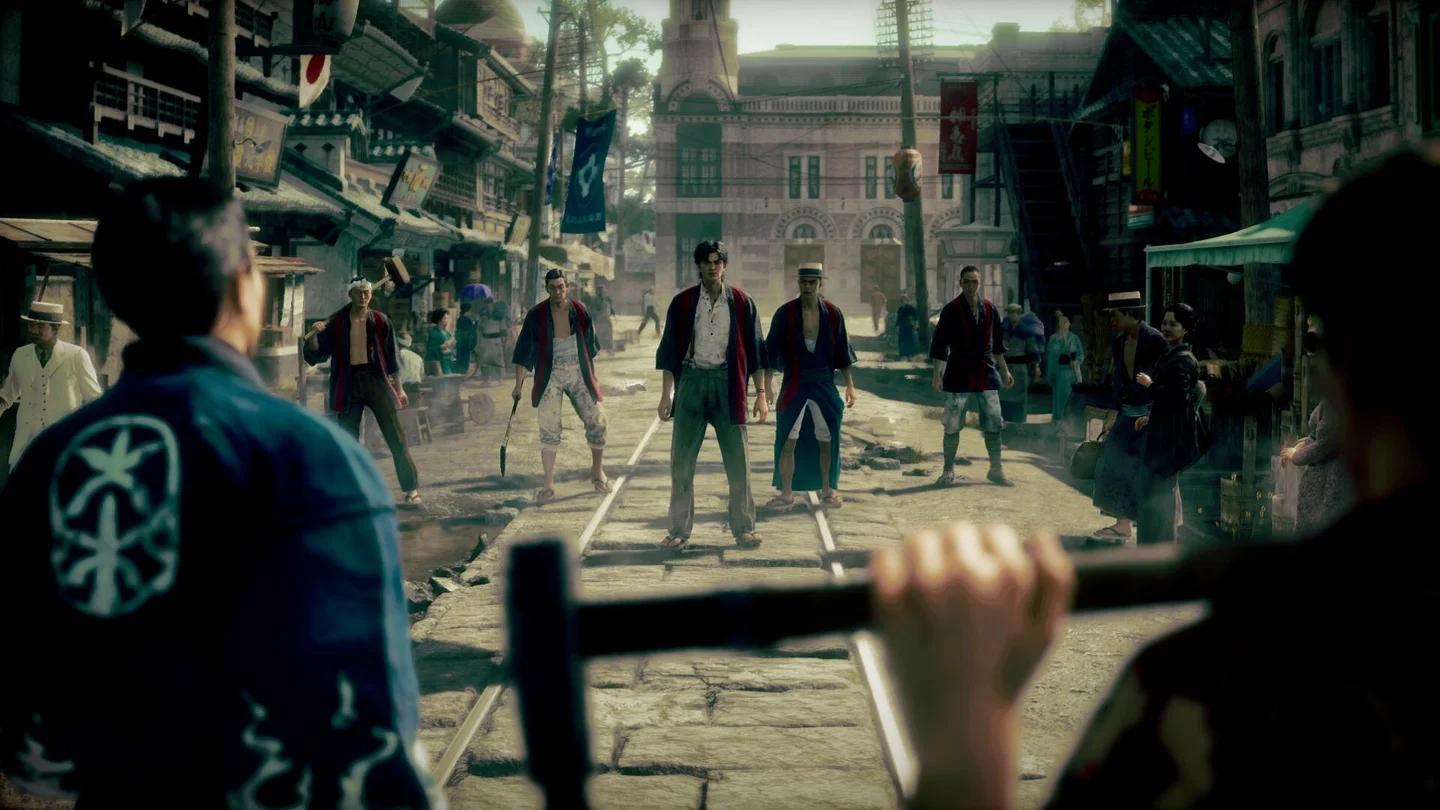
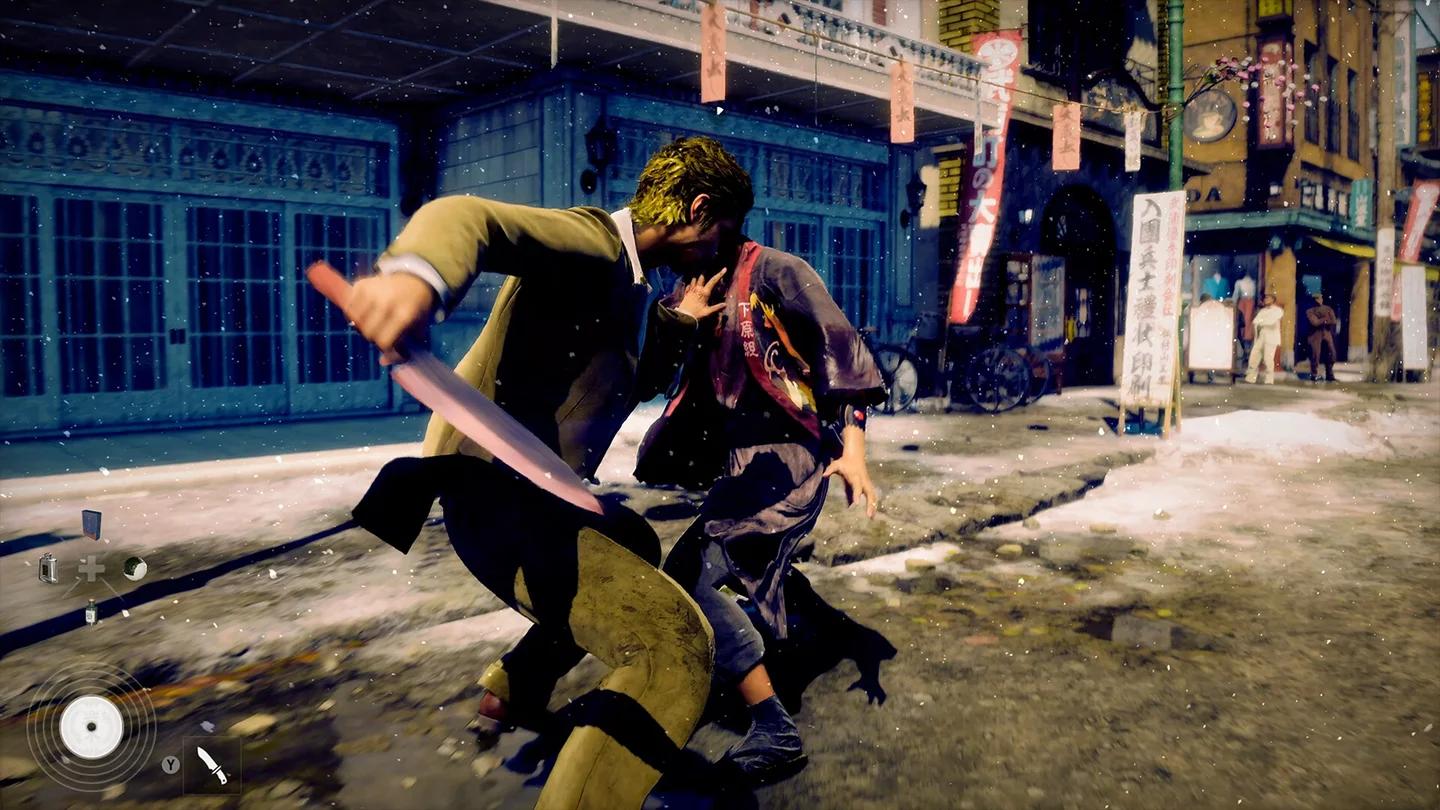
The scope here is genuinely ambitious. Rather than a single city sandbox, Stranger Than Heaven builds five separate urban environments, each modeled on a real Japanese location: Kokura in 1915, Kure in 1929, Minami Osaka in 1943, Atami in 1951, and Shinjuku in 1965. Every city carries the weight of its era, from the industrial smoke of a Fukuoka foundry town to the post-war tourist bustle of a Shizuoka seaside resort.
What does the combat system actually feel like?
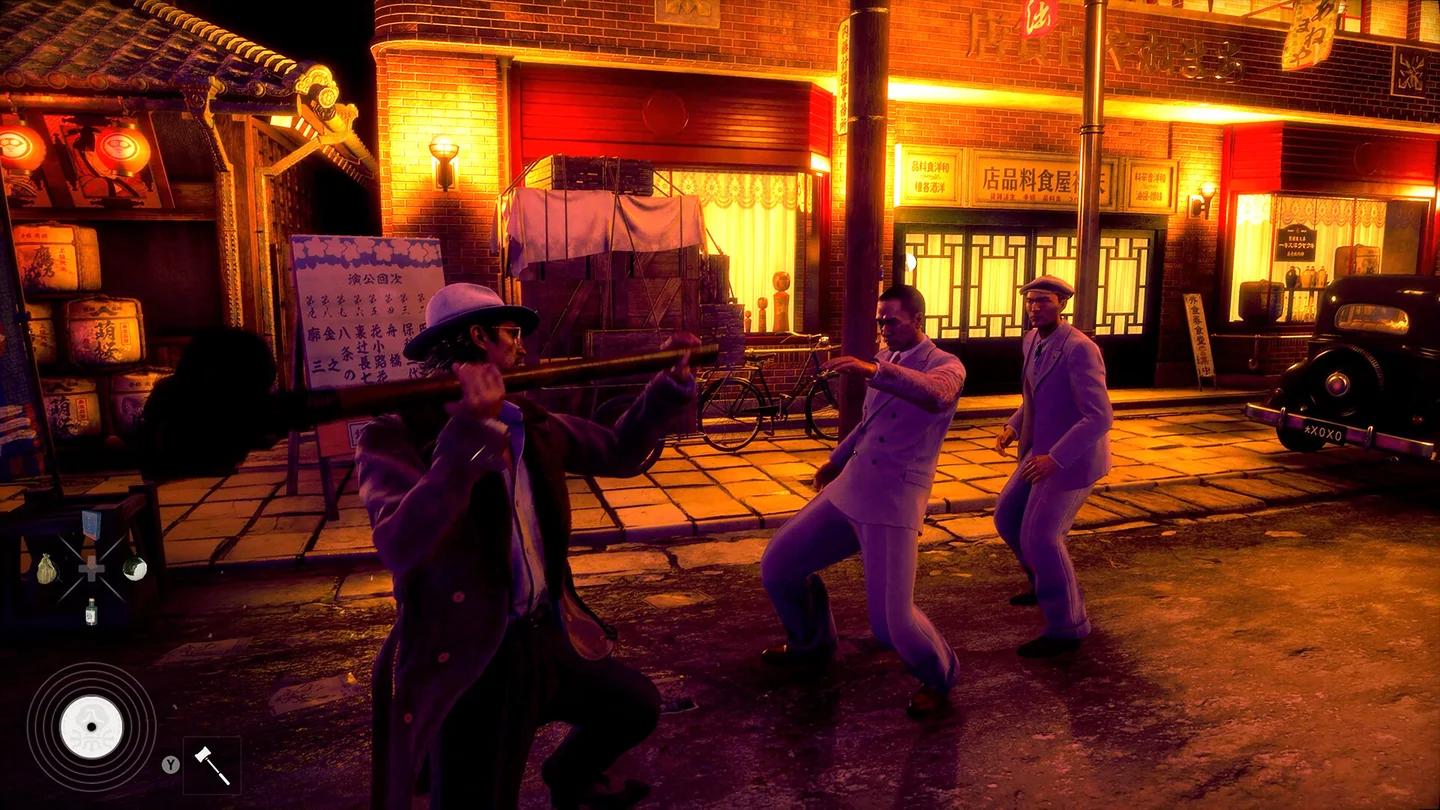
The combat in Stranger Than Heaven is built around independent left- and right-side control, letting players move each of Makoto's hands separately to attack, block, and counter in real time. That means blocking an incoming strike with one hand while immediately countering with the other, or following a jab with a charged blow to send enemies staggering to the ground.
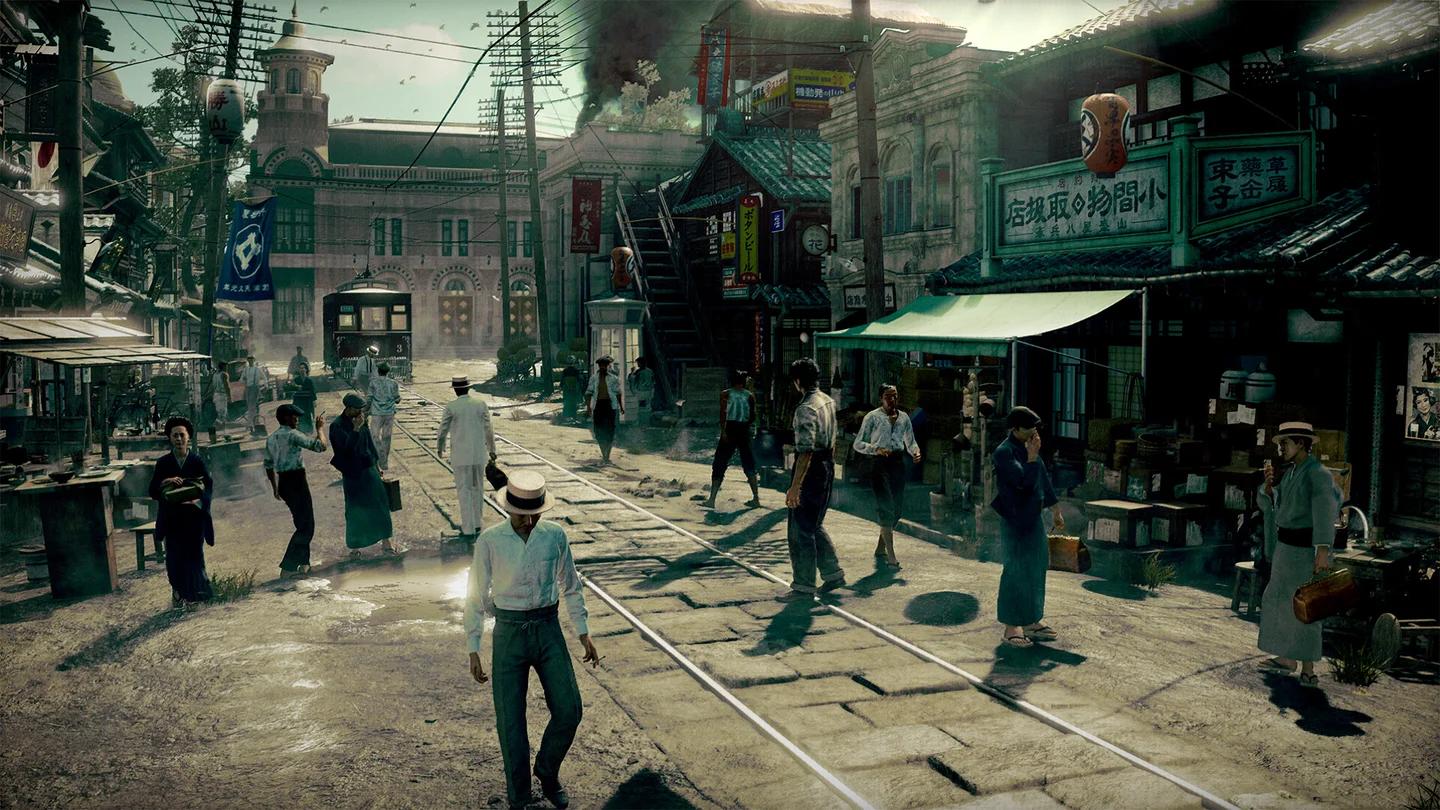
Key combat mechanics include:
- Independent left/right limb control
- Block-and-instant-counter system
- Charged attacks and ground grapples
- Weapon mastery across knives, hammers, and katanas
- Upgradeable arsenal across each era
The weapon variety spans the full fifty-year timeline, with players mastering and enhancing tools of violence that fit each period. The system is designed to feel reactive rather than menu-driven, rewarding players who read enemy patterns and create openings rather than button-mash through encounters.
World and setting: five cities, fifty years
Each of the five cities serves a distinct narrative and tonal purpose. Kure in 1929 sits under the shadow of Japan's largest naval arsenal, with yakuza organizations already threading through the port town's social fabric. By 1943, Minami Osaka is the biggest entertainment district in western Japan, operating against the tension of a country at war. Shinjuku in 1965 closes the story in Japan's most chaotic pleasure district.
RGG Studio has described this as a version of Japan that may have existed in another life, suggesting the cities are inspired by real history rather than strictly bound to it. That framing gives the studio room to build dramatic scenarios while keeping the period atmosphere grounded enough to feel authentic.
Life of a showman: the music production system
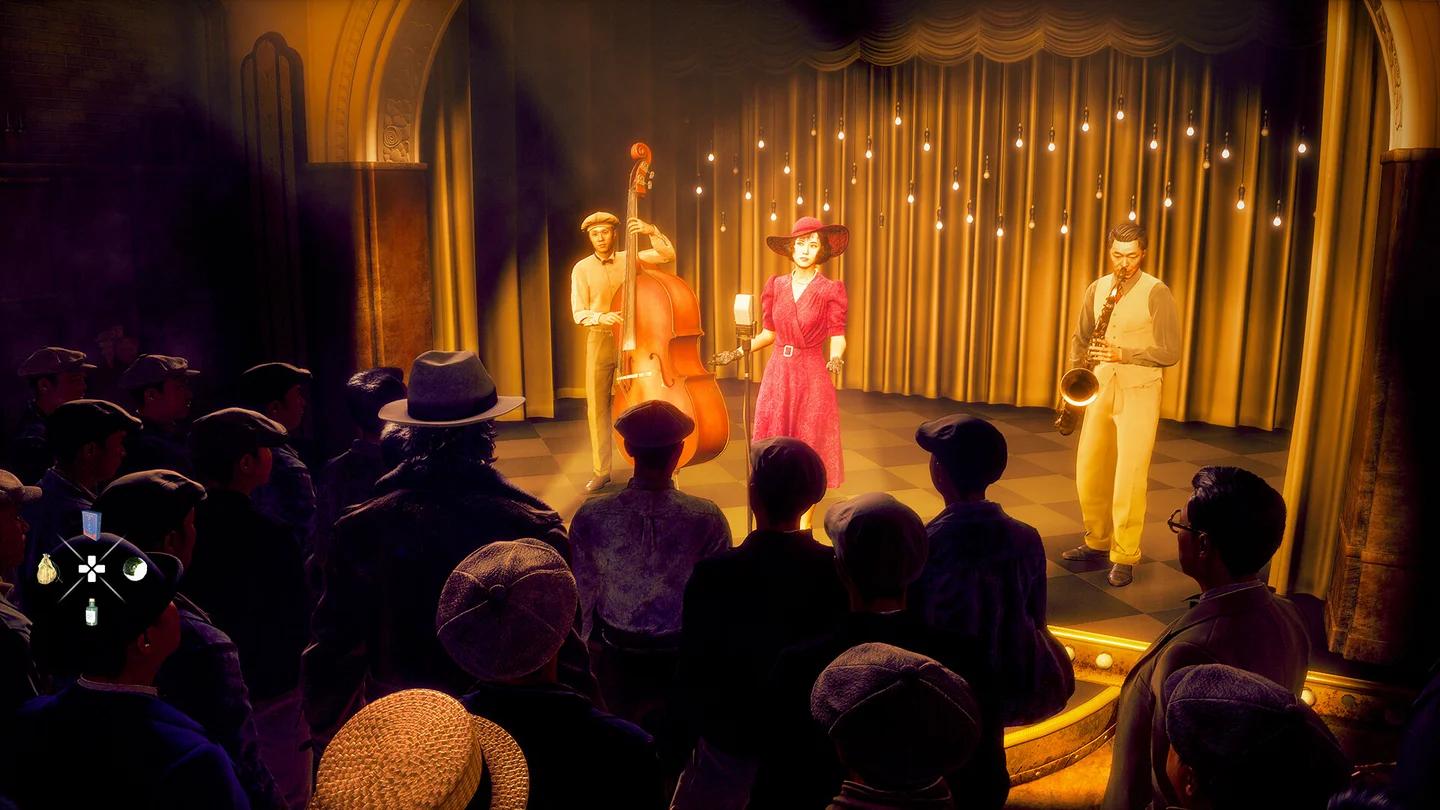
The game's most unexpected system sits alongside the combat: Makoto's career as a showman. After a mentor recognizes his musical talent early in the story, Makoto starts producing live performances across Japan. To build a show, players gather street rumors to scout singers and performers, then head out into each city to collect sounds, literally recording ambient noise like train rumbles, animal calls, broom swishes, and even the grunts of enemies during fights.
Those sounds get combined into original tracks, which Makoto then builds into full stage productions. Players control the setlist, band arrangement, cast assignments, and production design down to lighting colors and staging. It's a minigame suite with genuine depth, and it sits at the center of Makoto's rags-to-riches arc across the game's fifty-year timeline.
Content and replayability
The Deluxe Edition of Stranger Than Heaven adds an original outfit for Makoto, 4 new weapons, 4 new skilled performers, 3 new stage production items, a record player for listening to era-specific music at the home base, and an electronic camera that expands photography options. Pre-purchasing the base game adds the Dosu: Kagekiri weapon. The combination of era-hopping open environments, a deeply customizable show production system, and RGG Studio's track record for dense side content suggests Stranger Than Heaven is built to hold attention well past its main story credits.