

Biggest discounts, free games, and limited-time offers across every major gaming store.
Never pay full price again.
Overview
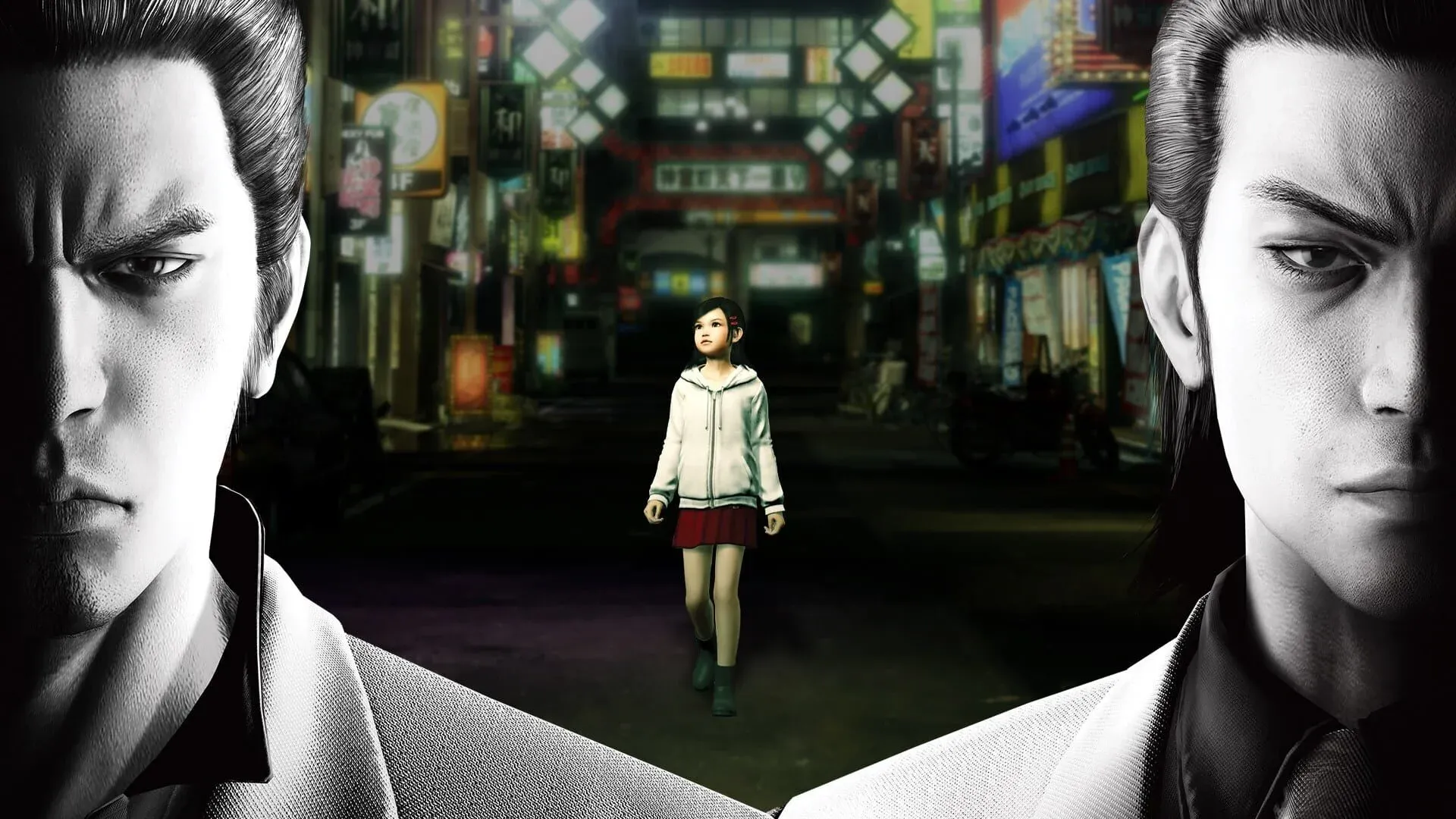
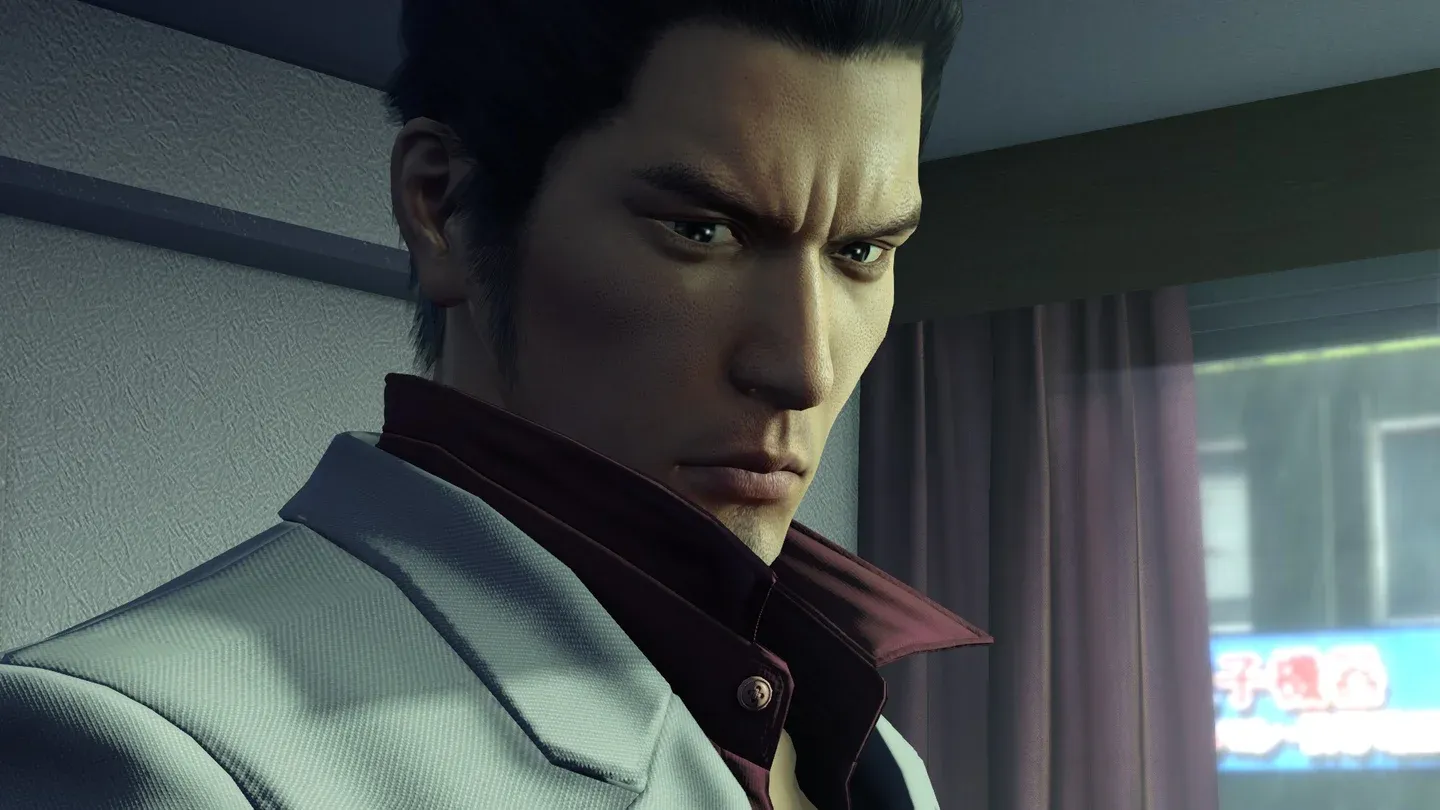
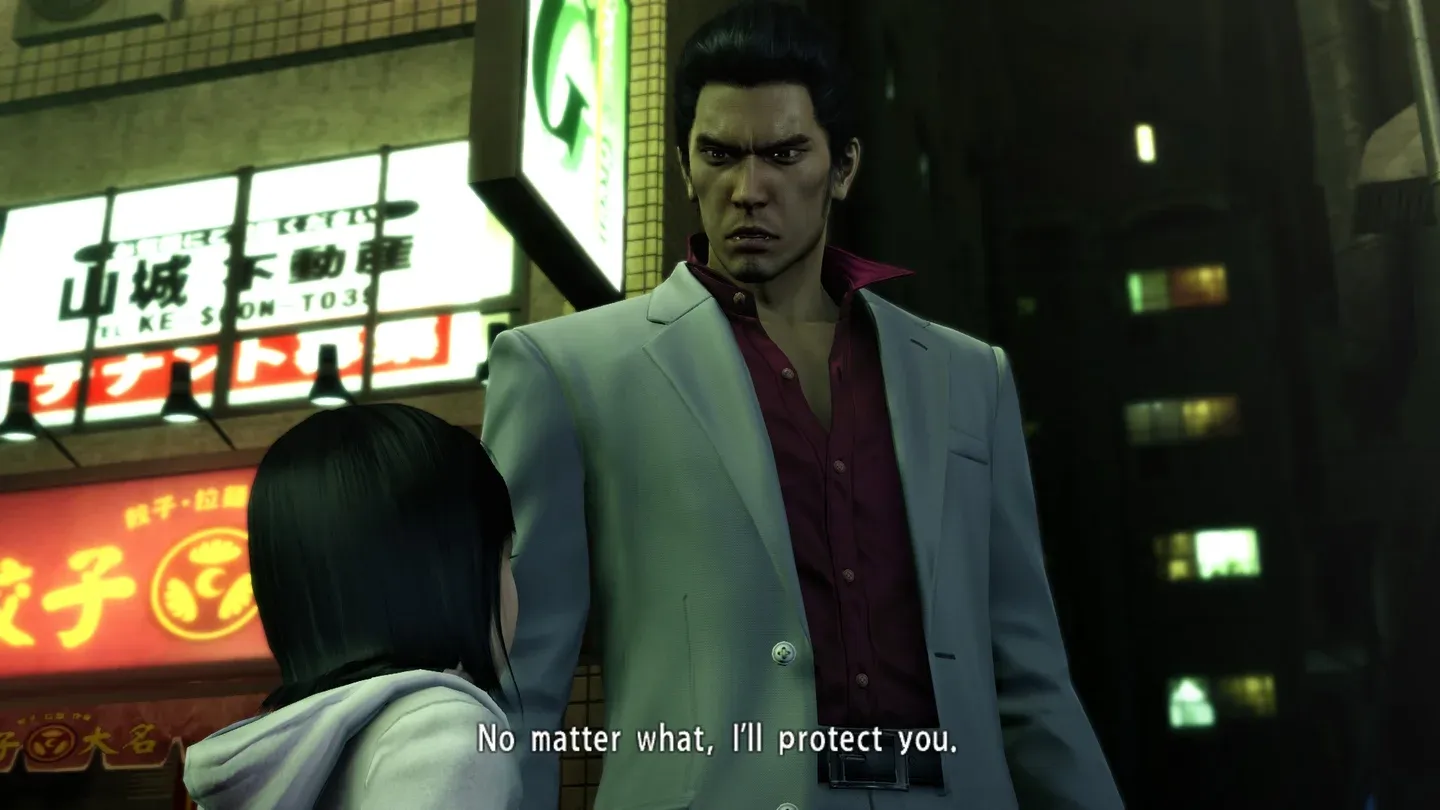
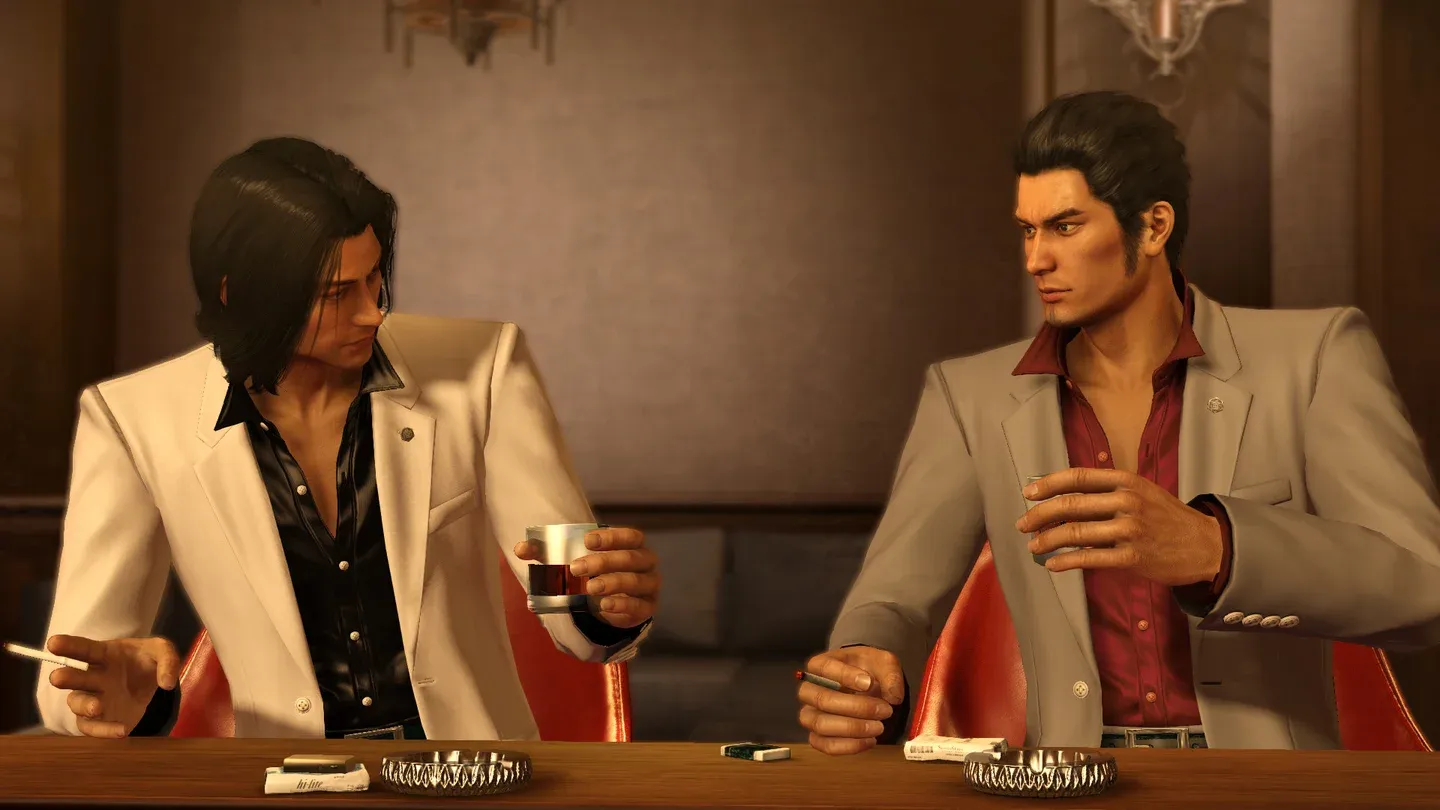
Yakuza Kiwami drops players into 1995 Kamurocho, a fictional recreation of Shinjuku's Kabukicho red-light district, then jumps forward a decade to find Kazuma Kiryu walking out of prison into a yakuza power struggle that's been building without him. The story threads together loyalty, betrayal, and the cost of protecting people who may not deserve it. It's melodramatic in the best possible way, the kind of crime narrative that earns its emotional gut-punches because it takes its characters seriously.
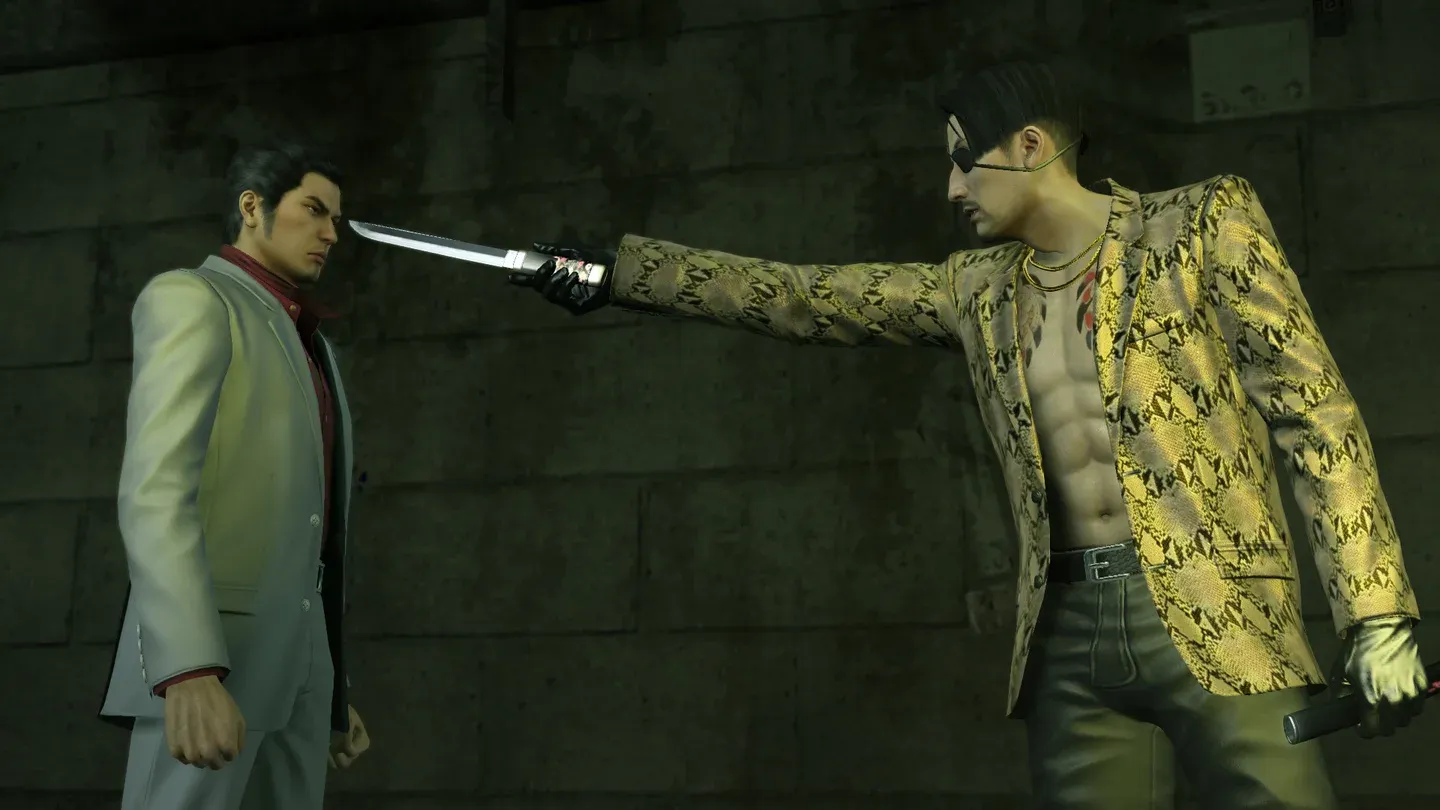
This is not a remaster or an HD port. Ryu Ga Gotoku Studio rebuilt Yakuza Kiwami as a full remake, replacing the original PS2 game's engine with the Dragon Engine's predecessor and expanding the story with new scenes, including the Majima Everywhere system that transforms rival Goro Majima into a persistent presence across the entire game. Players who know the series will find new context woven into familiar beats. New players get a clean entry point into one of gaming's most distinctive franchises.
Gameplay and mechanics
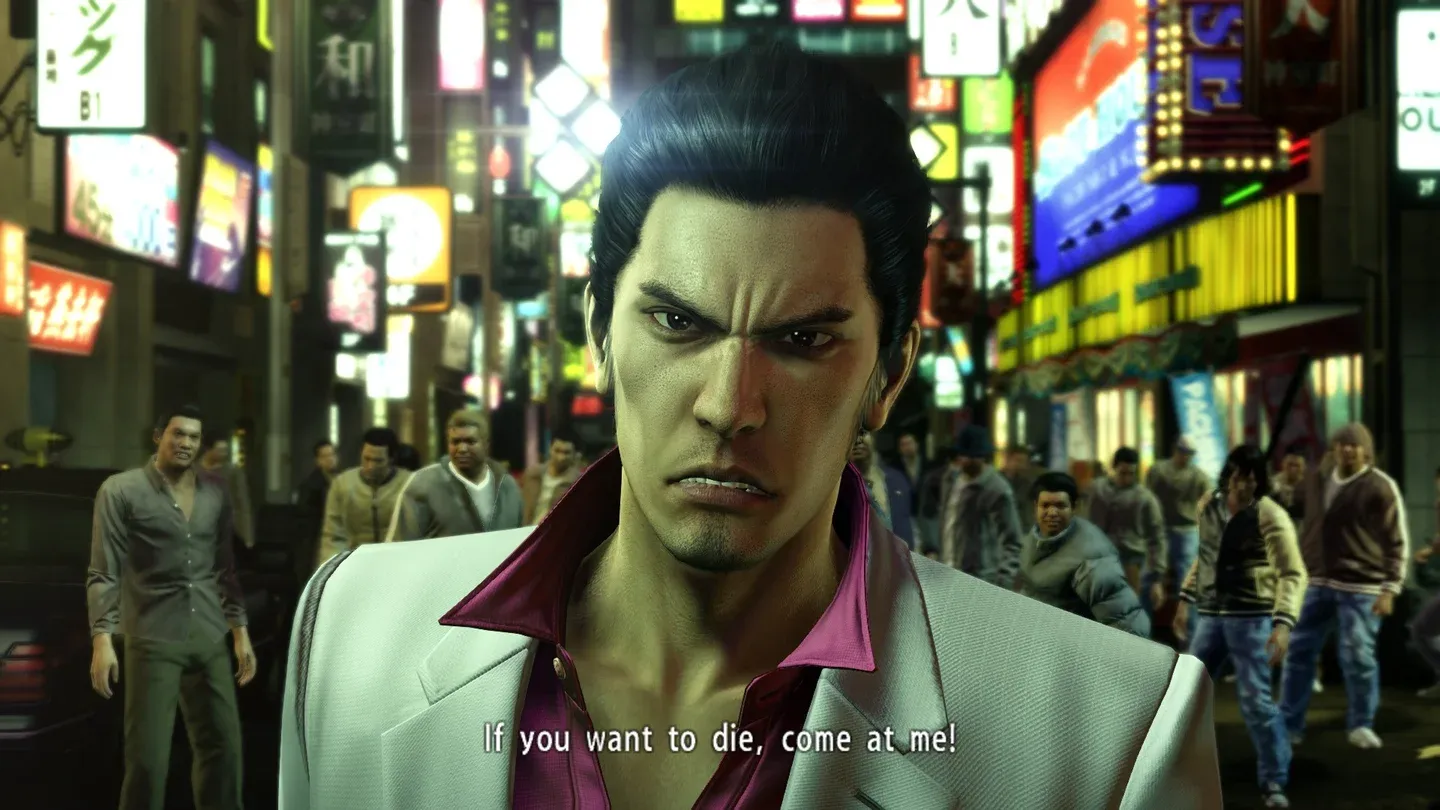
The combat system is the spine of Yakuza Kiwami, and it holds up. Kiryu cycles between four fighting styles on the fly:
Yakuza Kiwami (Legacy) content image
- Brawler: balanced, hard-hitting street fighting
- Rush: fast footwork and quick jabs built for dodging
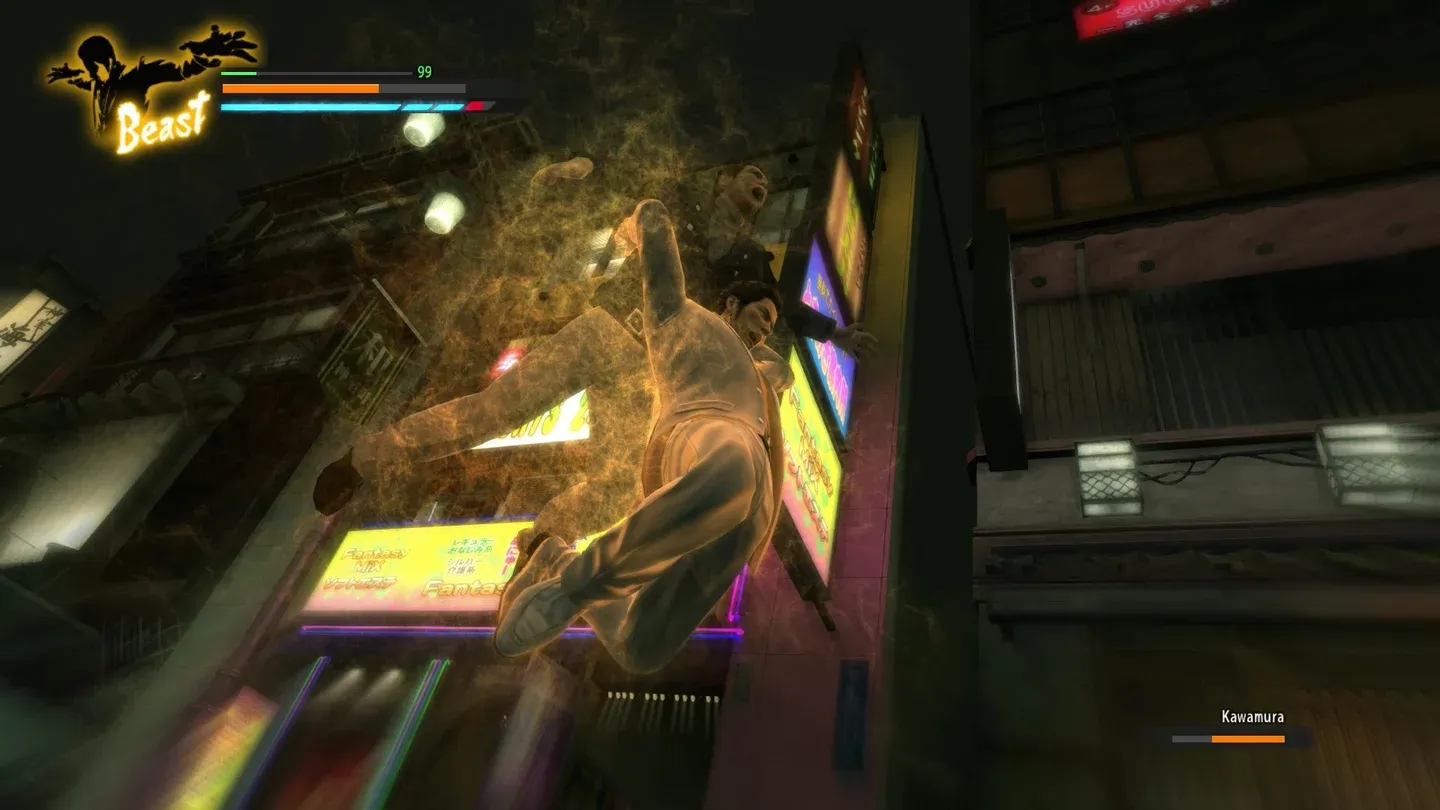
- Beast: slow, overpowering attacks that turn environmental objects into weapons
- Dragon: Kiryu's signature style, unlocked progressively through the story
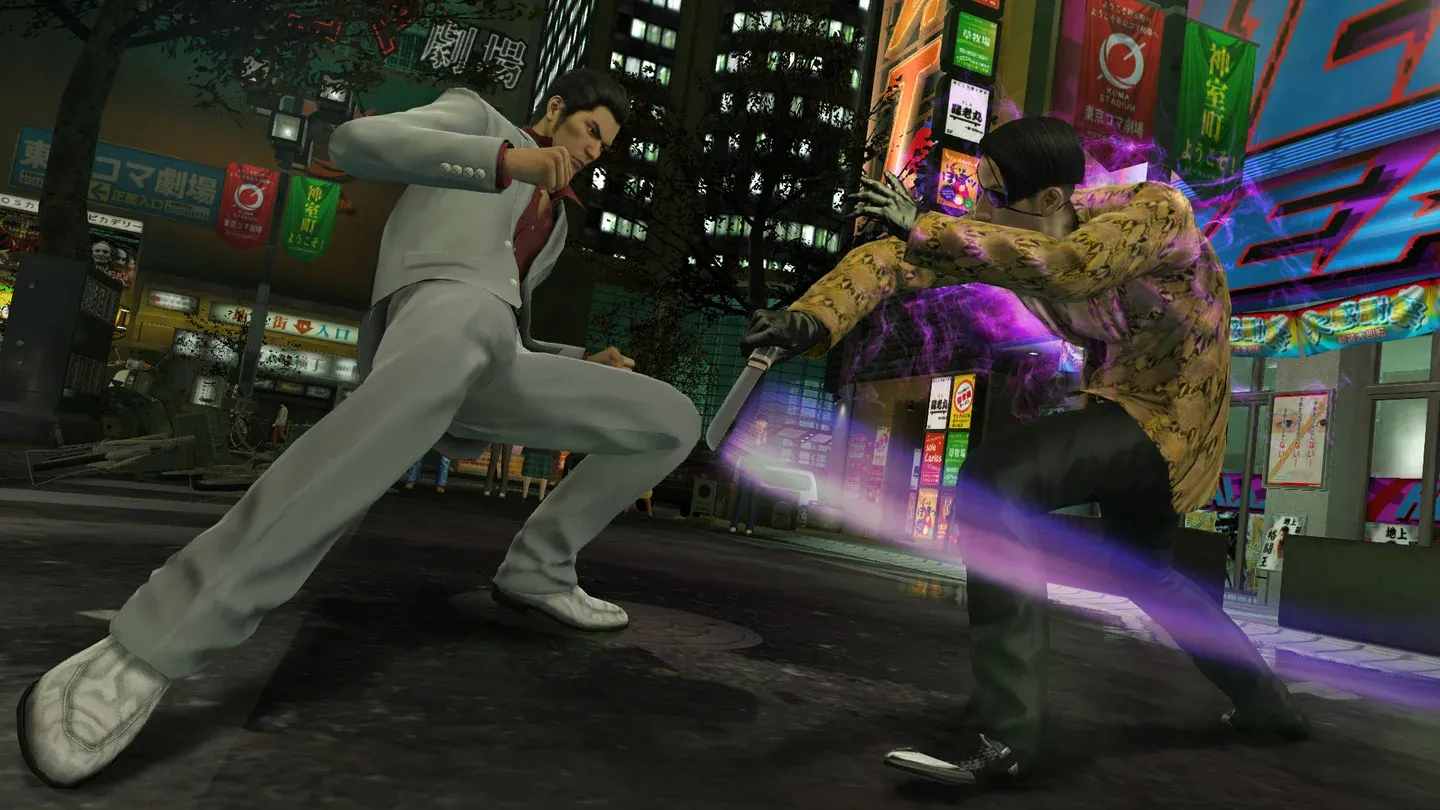
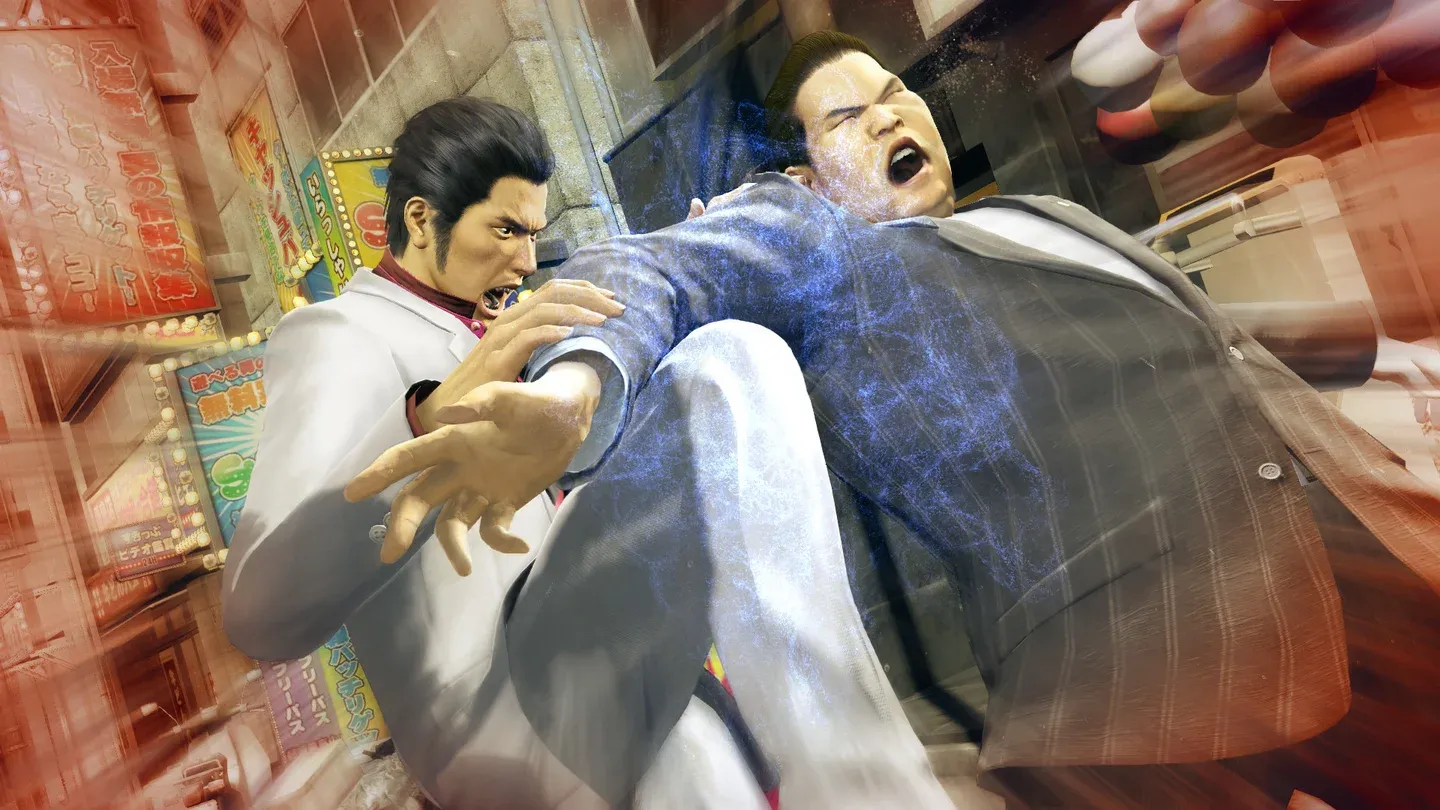
Each style has its own skill tree, and switching mid-fight isn't just cosmetic. Certain enemies respond better to specific approaches, so reading the room matters. Environmental weapons, from bicycles to traffic cones, are everywhere and the game actively encourages using them.
Yakuza Kiwami (Legacy) content image
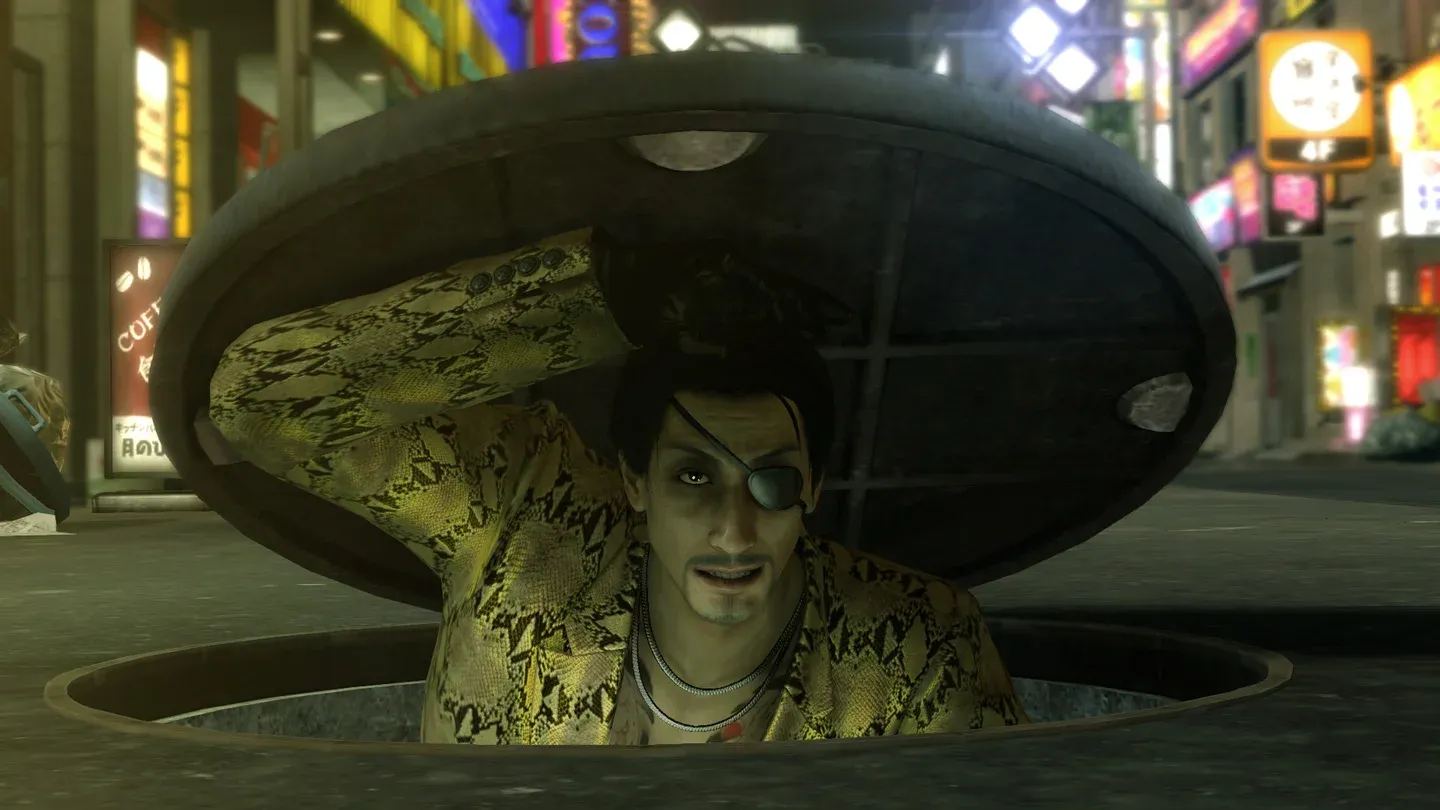
Heat Actions sit on top of the combat system as context-sensitive finishing moves that trigger when Kiryu's Heat Gauge fills. They range from satisfying to absurd, and the absurd ones are often the most memorable. The Majima Everywhere system feeds directly into this, as Majima can ambush Kiryu anywhere in the city at almost any time, turning random encounters into a side-game of their own.
World and setting
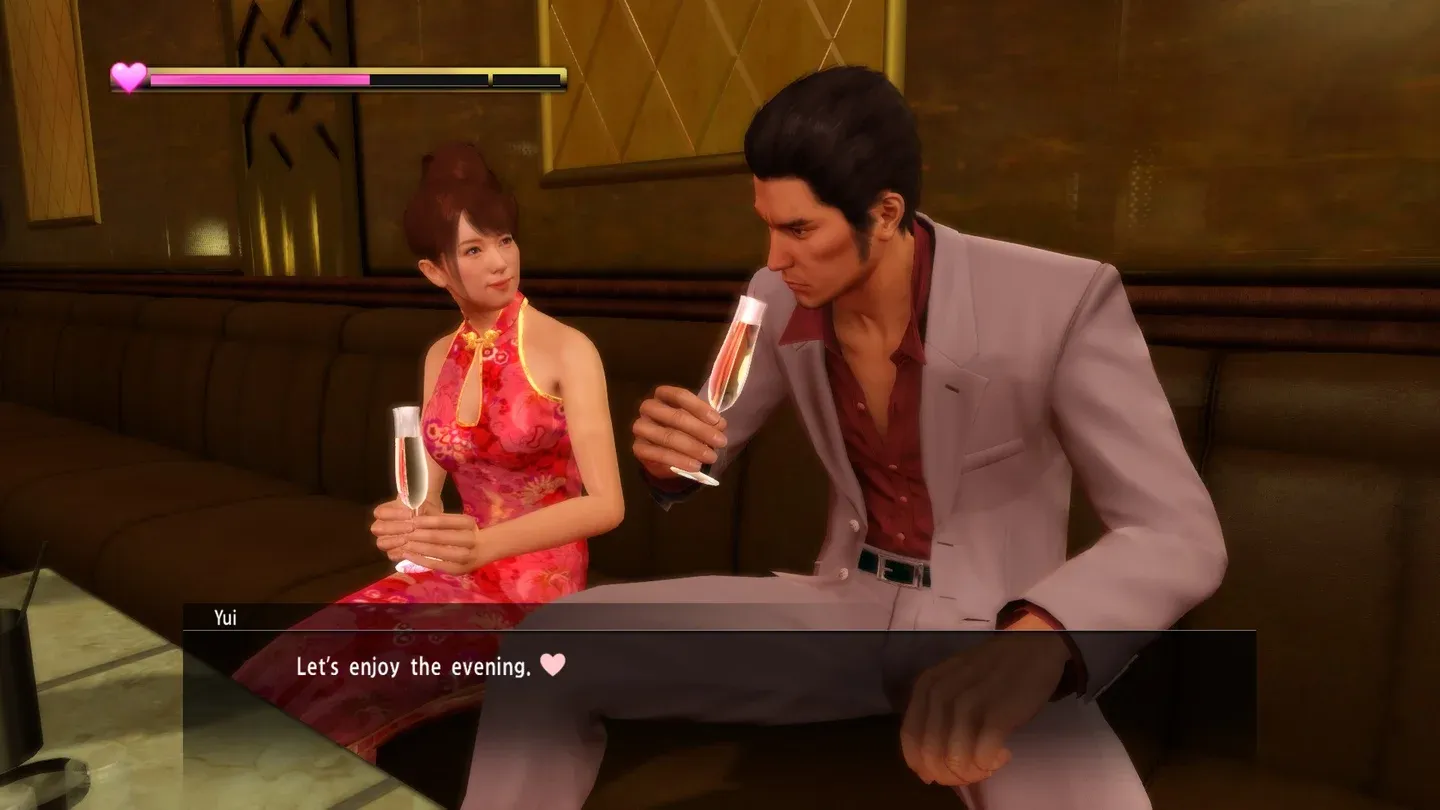
Kamurocho is a small district by open-world standards, but density beats size here. The streets are packed with hostess clubs, arcades running actual classic SEGA titles, karaoke bars, batting cages, and a casino. Substories, the game's side missions, range from genuinely touching to flat-out bizarre, and they're among the best reasons to slow down and explore.
Yakuza Kiwami (Legacy) content image
The city is modeled closely enough after the real Kabukicho that players familiar with Shinjuku will recognize specific streets and storefronts. Licensed locations appear alongside fictional recreations, and the attention to detail in signage, ambient sound, and foot traffic makes Kamurocho feel like a real place with a pulse.
Impact and legacy
Yakuza Kiwami holds a 4.43 out of 5 rating from over 24,000 PlayStation Store ratings, which reflects how well the remake translated the original game's appeal to modern audiences. For many Western players, Kiwami served as the actual introduction to the Yakuza series, arriving alongside Yakuza 0 during the franchise's mainstream breakthrough period outside Japan.
Yakuza Kiwami (Legacy) content image
The game runs on PC via Steam, PlayStation 4, PlayStation 5, Xbox, and Nintendo Switch, carries a Mature 17+ ESRB rating, and retains the original Japanese voice cast with subtitles rather than an English dub. That decision preserves the performances that define characters like Kiryu and Majima in ways that translation can't fully replicate. For anyone who wants to understand why this series built such a dedicated following, Yakuza Kiwami is where the story starts.