

Overview
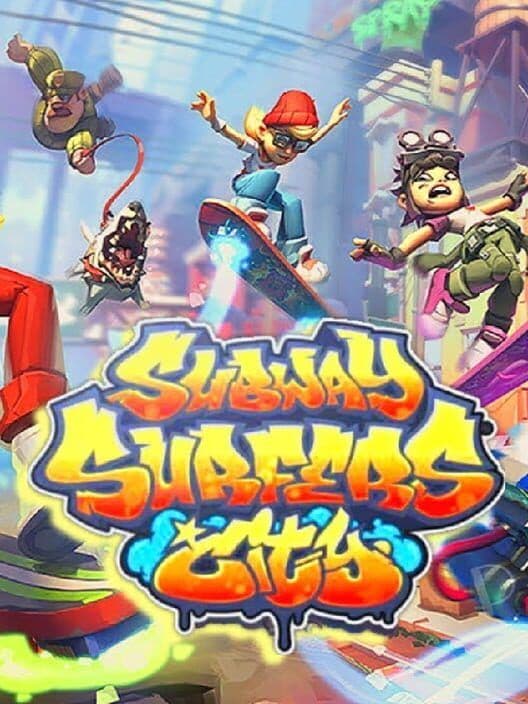
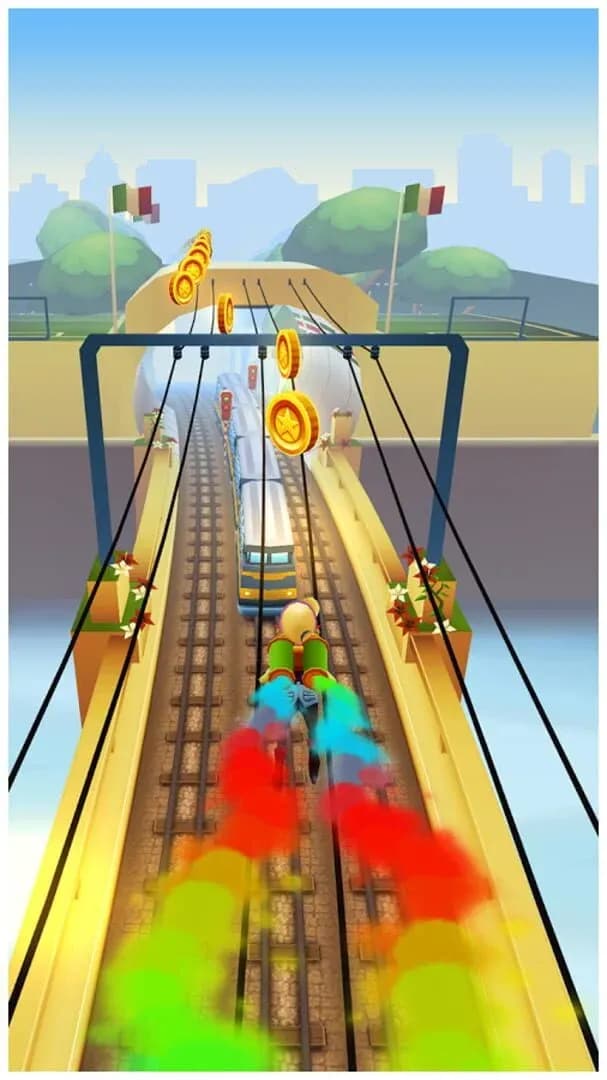
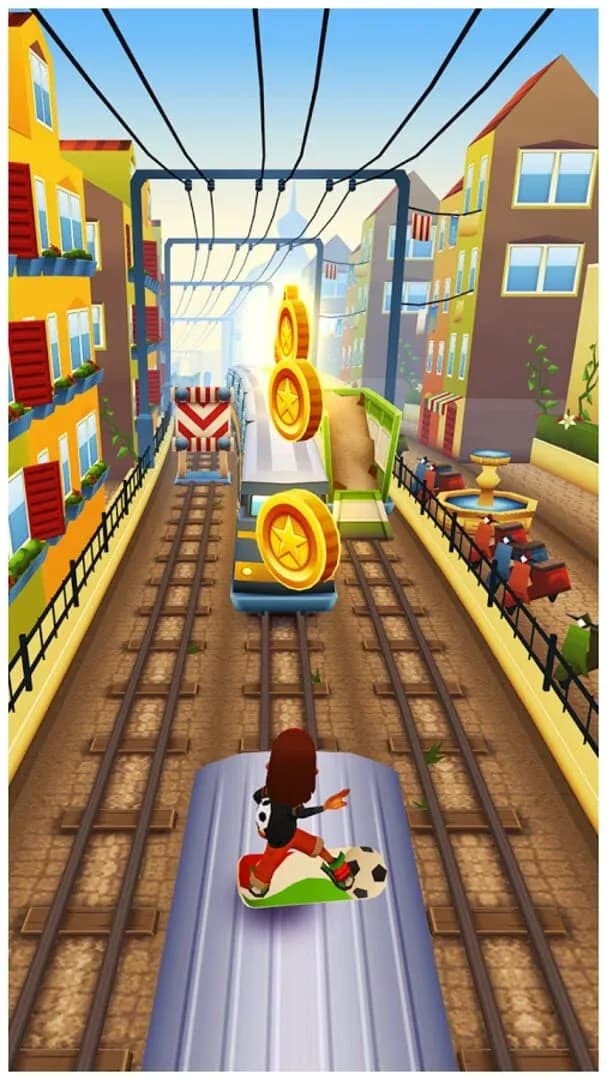
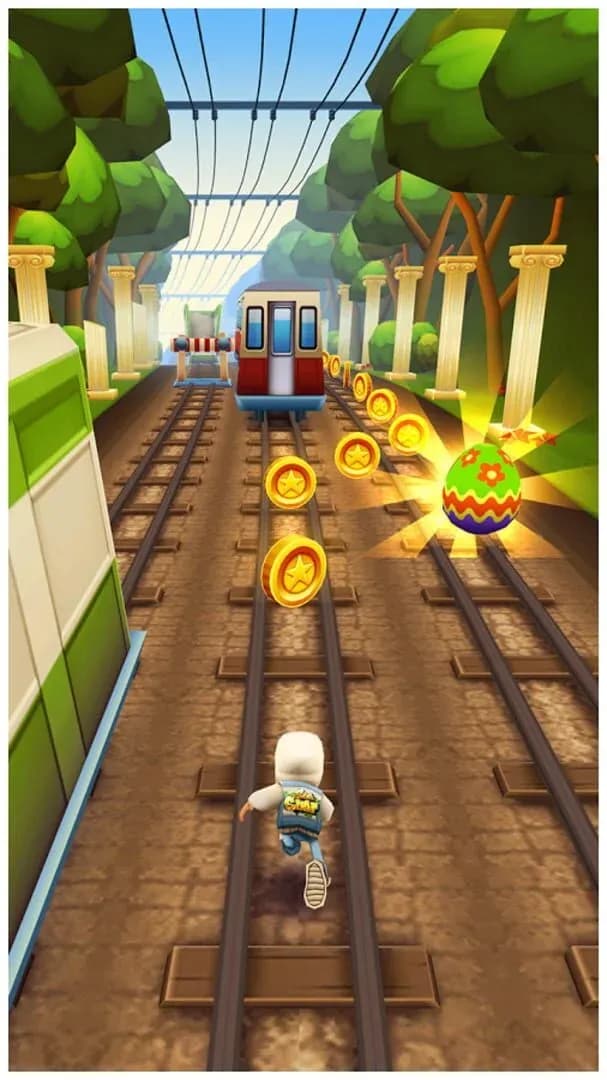
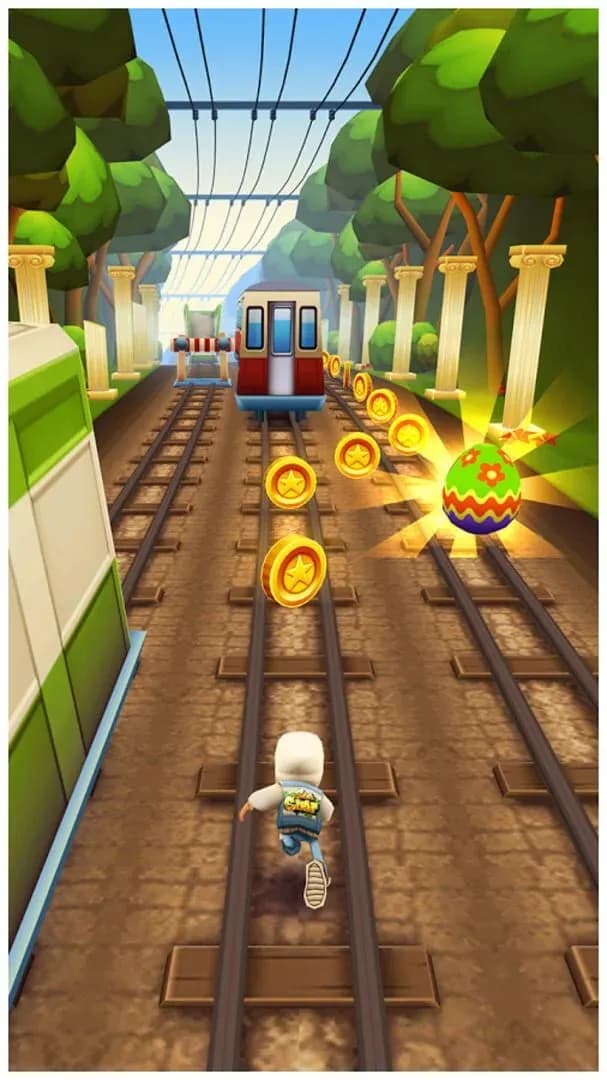
Subway Surfers is an endless runner developed by SYBO Games and published by Kiloo Games, originally launched on May 24, 2012. The premise is simple: Jake, Tricky, and Fresh get caught tagging trains by an inspector, and the only way out is to run. What follows is a relentless sprint through subway systems packed with oncoming trains, barriers, and tight gaps that demand sharp, split-second decisions.
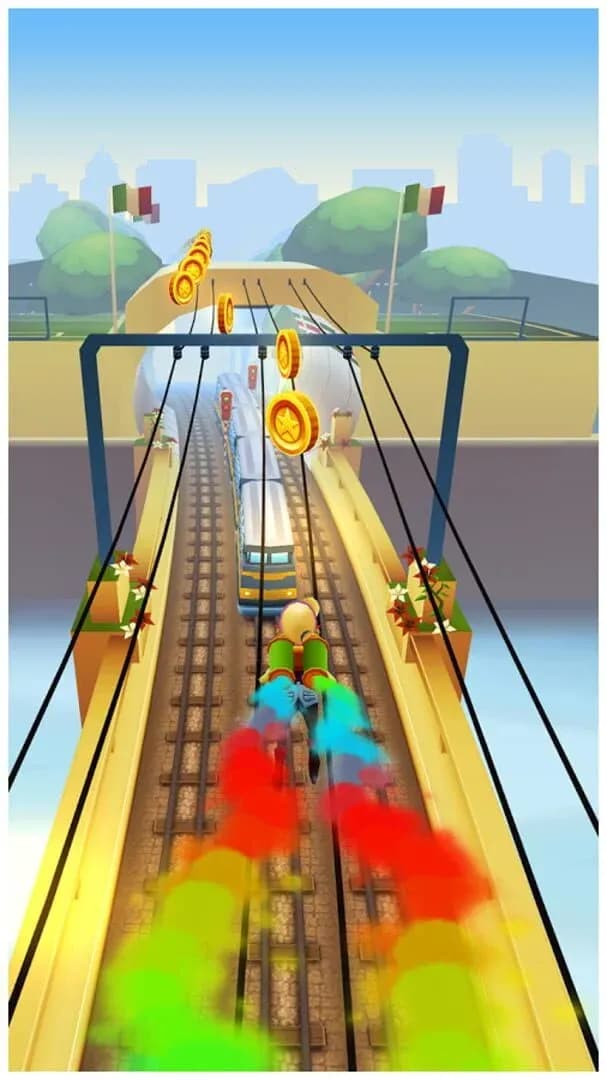
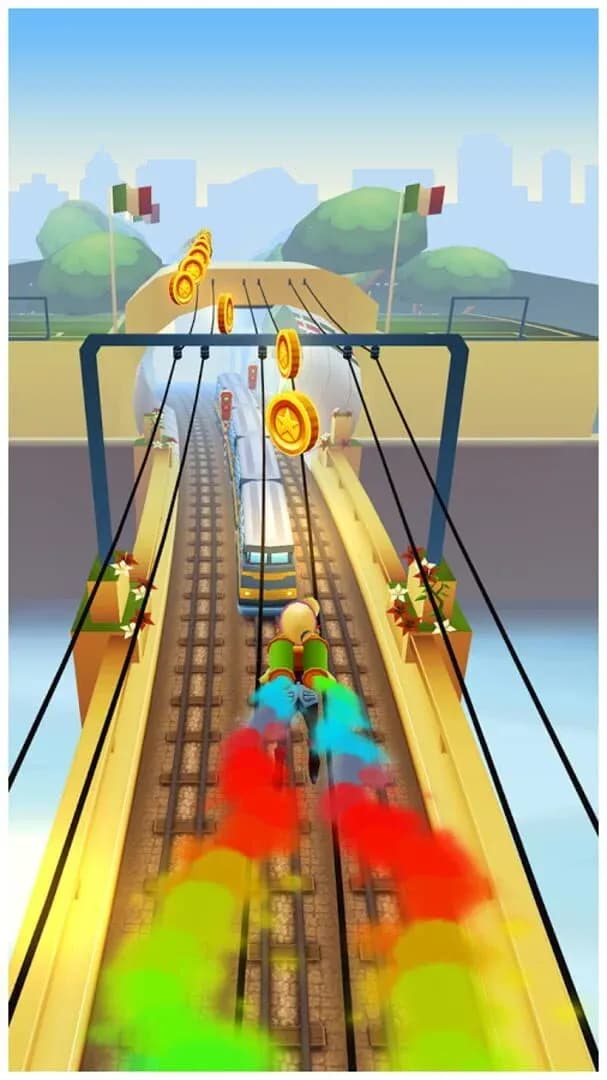
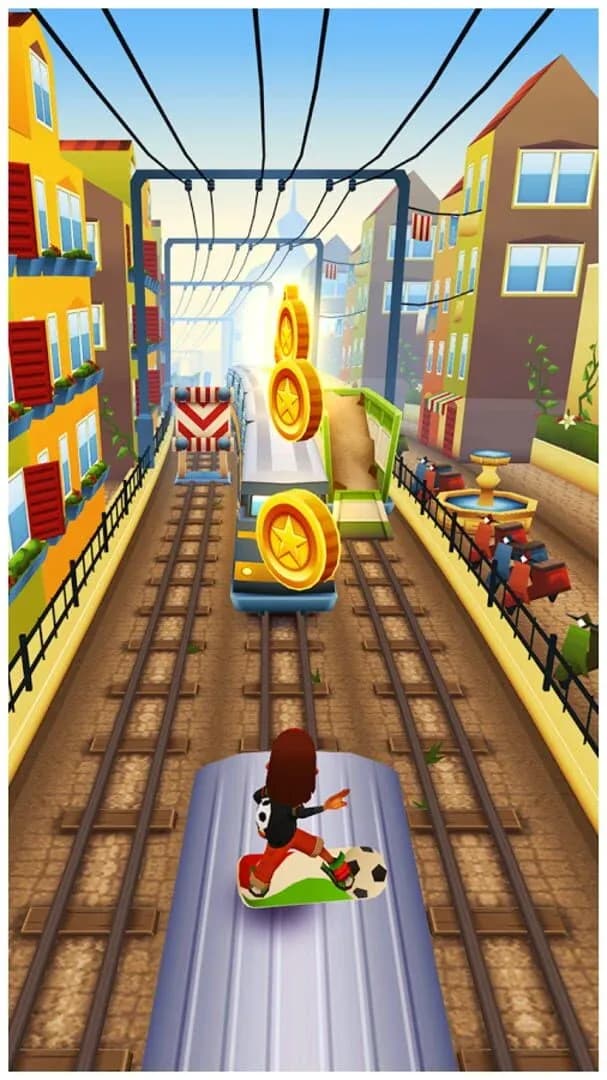
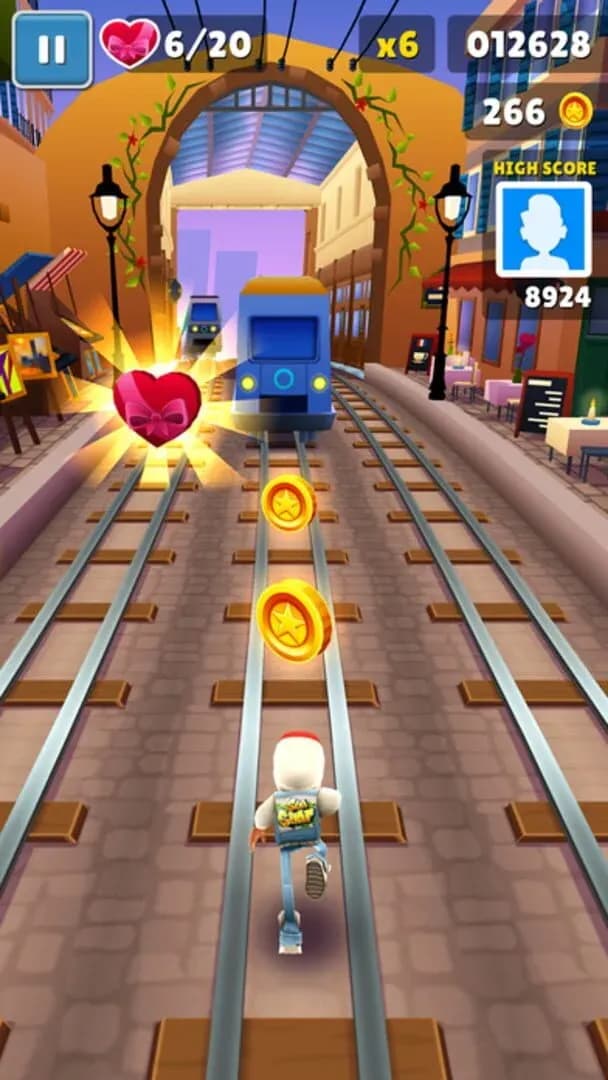
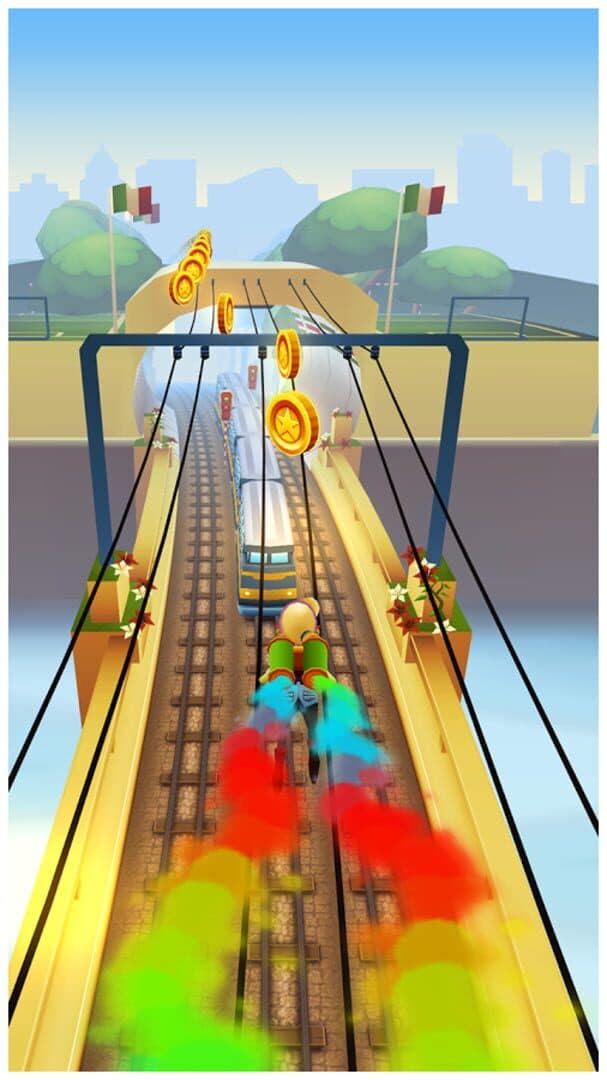
The game runs on a three-lane system where you swipe left or right to change lanes, swipe up to jump, and swipe down to roll under obstacles. It sounds straightforward, but the speed ramps up fast, and the track layouts get aggressive enough that muscle memory only gets you so far. Powerups like the Jetpack, Super Sneakers, and Coin Magnet add a layer of short-term strategy to each run.
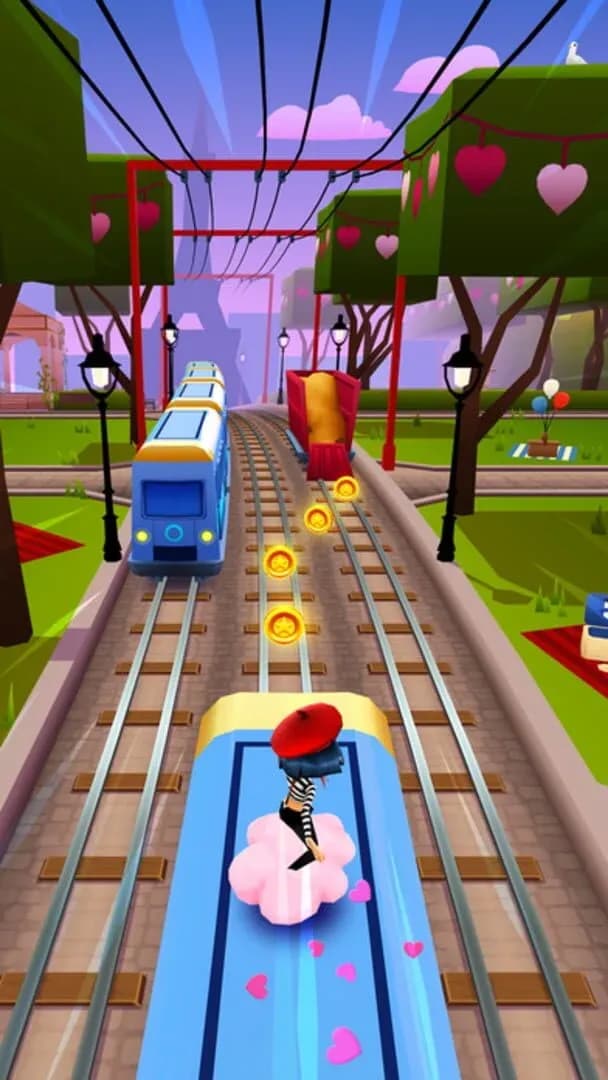
Over the years, SYBO has kept the game fresh through its World Tour format, rotating the setting to a new real-world city every few weeks. Paris, Tokyo, New York, Mumbai, the list is long. Each location brings reskinned environments and limited-time characters tied to that city, giving returning players a reason to check back in regularly.
Gameplay and mechanics
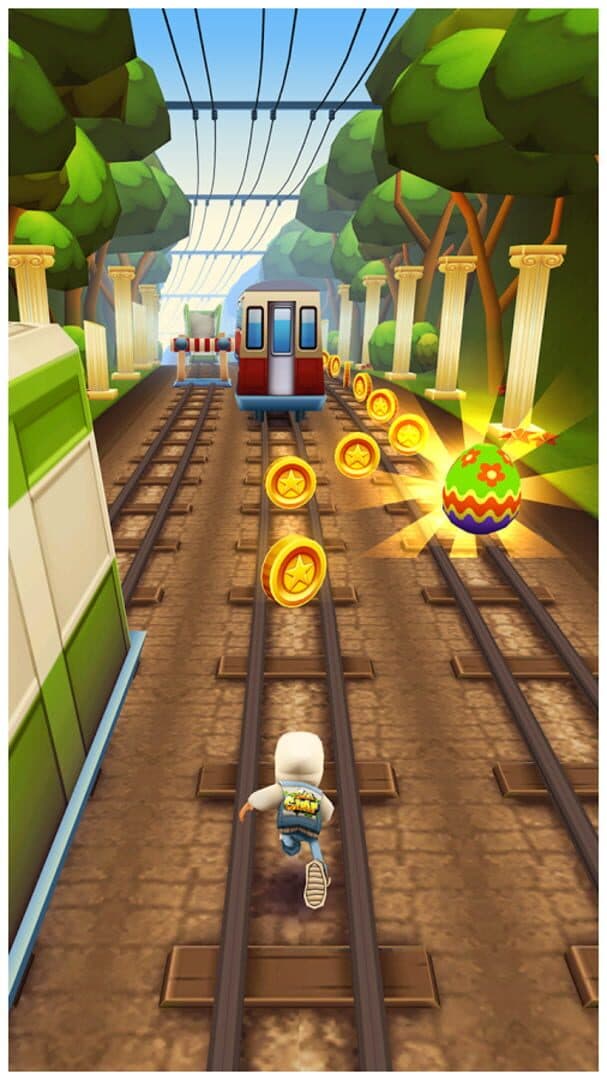
The core gameplay loop in Subway Surfers is built around three things: survival, score multipliers, and coin collection. Every run ends eventually, but the goal is always to push further than the last attempt.
Key mechanics include:
- Lane-swiping movement across three tracks
- Hoverboard pickups that absorb one crash
- Score multiplier upgrades tied to mission completion
- Weekly Hunt challenges with exclusive rewards
- Character and board unlocks through coins and keys
Missions are the backbone of progression. Completing three missions per set bumps your score multiplier, which is the fastest way to climb the leaderboards. The system gives each run a secondary objective beyond pure survival, which keeps the loop from going stale too quickly.

What makes Subway Surfers worth coming back to?
The honest answer is the combination of low entry cost and high skill ceiling. A new player can pick it up in seconds, but shaving time off a high score run or pushing deep into a high-multiplier session takes real practice. The hoverboard mechanic adds a small safety net without removing the tension, since boards are a finite resource.
The World Tour rotation is the other major hook. Limited-time characters tied to specific city events create a mild collection pressure that keeps the active playerbase engaged between major updates. It's a live-service structure that doesn't demand daily hours, which suits mobile play patterns well.

Impact and legacy
Subway Surfers crossed 1 billion downloads faster than almost any mobile game before it, and it held the top spot as the most downloaded mobile game globally for extended stretches through the 2010s. The character designs and color palette are recognizable enough that Jake's orange hoodie reads as a gaming icon in the same way that simpler symbols do for older arcade franchises.
The game is available on Android, iOS, and Windows, making it accessible across nearly every common device. For an arcade runner built over a decade ago, Subway Surfers holds up because the core mechanic is genuinely well-tuned. Fast, readable, punishing when it needs to be, and always ready for one more run.