


Tekken 8's ranked mode is one of the most structured and demanding competitive ladders in modern fighting games. From your first Bronze match to the rarefied air of Exalted Grand Master, every tier tests a different layer of your skills, from raw input accuracy at the bottom to psychological endurance at the top. Whether you're stuck in Silver or pushing past Diamond, this guide breaks down exactly what each rank demands and how to get there faster.
How Does Tekken 8's Rank System Work?
The ranking structure in Tekken 8 is built around incremental mastery rather than simple win accumulation. You move through tiers by demonstrating consistent performance across a range of conditions, including the quality of opponents you beat, your adaptability across matchups, and how reliably you perform under pressure.
The system tracks more than just your win-loss record. Beating higher-ranked opponents carries more weight, and the algorithm is designed to distinguish disciplined, principled play from exploitative tactics. That means shortcuts rarely hold up for long.
Here's the full tier ladder at a glance:
What Does Each Rank Tier Actually Demand?
Bronze to Gold: Building the Foundation
At the entry tiers, Tekken 8 is testing one thing above everything else: whether your inputs are reliable. Bronze and Silver players who stall out here almost always share the same problem, inconsistent button execution and no muscle memory for punishing whiffed attacks.
The fix is deliberate practice in training mode. Pick a character with clear, well-documented punish windows (characters like Kazuya reward players who commit to learning fundamentals) and run the same drills until your hands stop thinking. Focus on:
- Landing your key punishers consistently from both sides
- Confirming basic combos without dropping them under pressure
- Understanding when to block versus when to interrupt
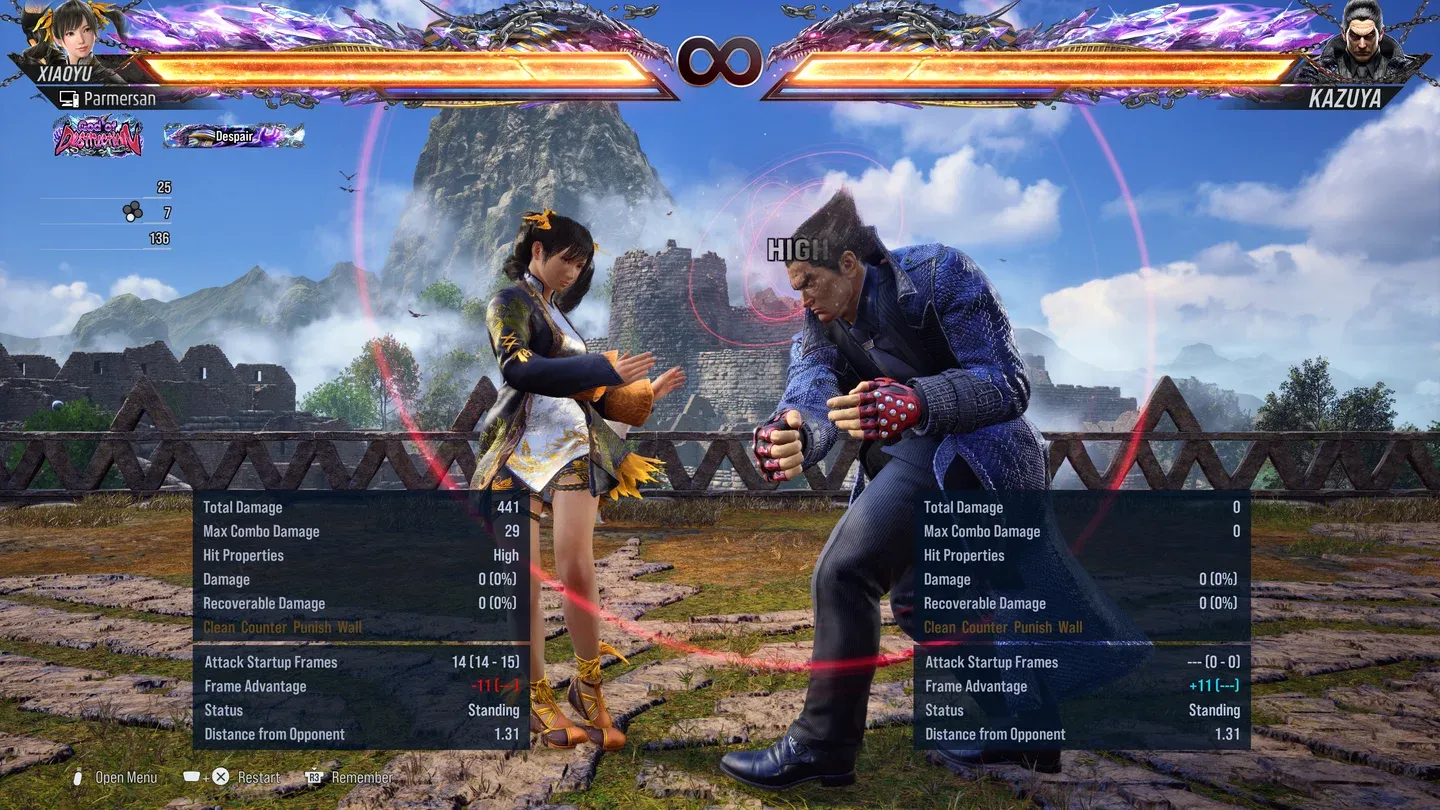
Training mode combo execution
Platinum to Diamond: Reading the Opponent
Once your mechanics are stable, the game shifts into a mental battle. Platinum is where players start losing not because they can't execute, but because they can't read their opponent. You'll face people who have patterns, and your job is to identify and exploit them.
At this level, start paying attention to:
- Wake-up habits: Does your opponent always press buttons on the ground? Start timing your stomps and delayed pressure accordingly.
- Whiff patterns: Many Platinum players over-extend on offense. Staying just outside their range and punishing whiffs is one of the fastest ways to win sets at this tier.
- Defensive tendencies: Heavy sidestep users, back-dashers, and parry-reliant players all have exploitable counters once you recognize the pattern.
Matchup knowledge becomes critical here. You don't need to master every character, but you should know the dangerous moves from the characters you see most often.
Diamond to Grand Master: The Strategic Layer
This is where most players plateau. Diamond is genuinely hard to escape because it demands that you hold multiple layers of the game in your head simultaneously: your offense, your opponent's tendencies, the current momentum of the match, and what adjustments you need to make mid-set.
Grand Master players are distinguished by their ability to apply pressure intelligently, not just relentlessly. They know when to slow down, when to bait, and when to commit. Key skills to develop:
- Frame-perfect punishes on the moves that matter most in your common matchups
- Understanding heat mechanics and how to use or deny them at critical moments
- Mental reset between rounds, not carrying frustration from a lost round into the next
How to Break Through Rank Plateaus
Every player hits a wall. The tier where you stop improving despite playing regularly is one of the most frustrating experiences in ranked mode, but it's almost always fixable with the right approach.
Review your losses with intent. After a losing set, watch the replay and ask a specific question: what one habit did my opponent exploit repeatedly? That single answer is more valuable than 10 more ranked games played on autopilot.
Seek out players slightly above your rank. Playing against people who are better than you in a controlled way (casual lobbies, Discord fight clubs) accelerates adaptation faster than ranked grinding alone.
Take deliberate breaks. Mental fatigue is real. Extended sessions where you're tilted produce negative reinforcement, not learning. Stepping away for a day resets your focus and often leads to noticeably cleaner play on return.
What Separates Ceremonial Grand Master and Exalted Grand Master Players?
The gap between Grand Master and Exalted Grand Master is almost entirely psychological and adaptive. At this level, everyone has clean mechanics and solid matchup knowledge. What separates the best is how they respond to adversity mid-match.
Exalted Grand Master players consistently:
- Adjust their game plan between rounds based on what they learned in the previous one
- Maintain emotional neutrality after losing a round or a set
- Have deep knowledge of multiple characters, allowing them to recognize and counter specific setups instinctively
- Perform at the same level in high-stakes situations as they do in casual matches
Reaching this tier requires treating every loss as a data point rather than a failure. The players who make it to Exalted are the ones who stay curious about the game even after hundreds of hours.
Exalted Grand Master stats view
Season 3 Changes: What You Need to Know Before Climbing
Season 3 brought meaningful balance adjustments that shifted the meta at multiple rank tiers. Some characters received significant changes to their frame data and combo routes, which affects both how you play them and how you fight against them. The official Bandai Namco patch notes for version 3.00 detail every character change, and reviewing them before your next ranked session is worth your time.
Key areas affected by Season 3 updates include:
- Adjustments to specific character heat burst timings
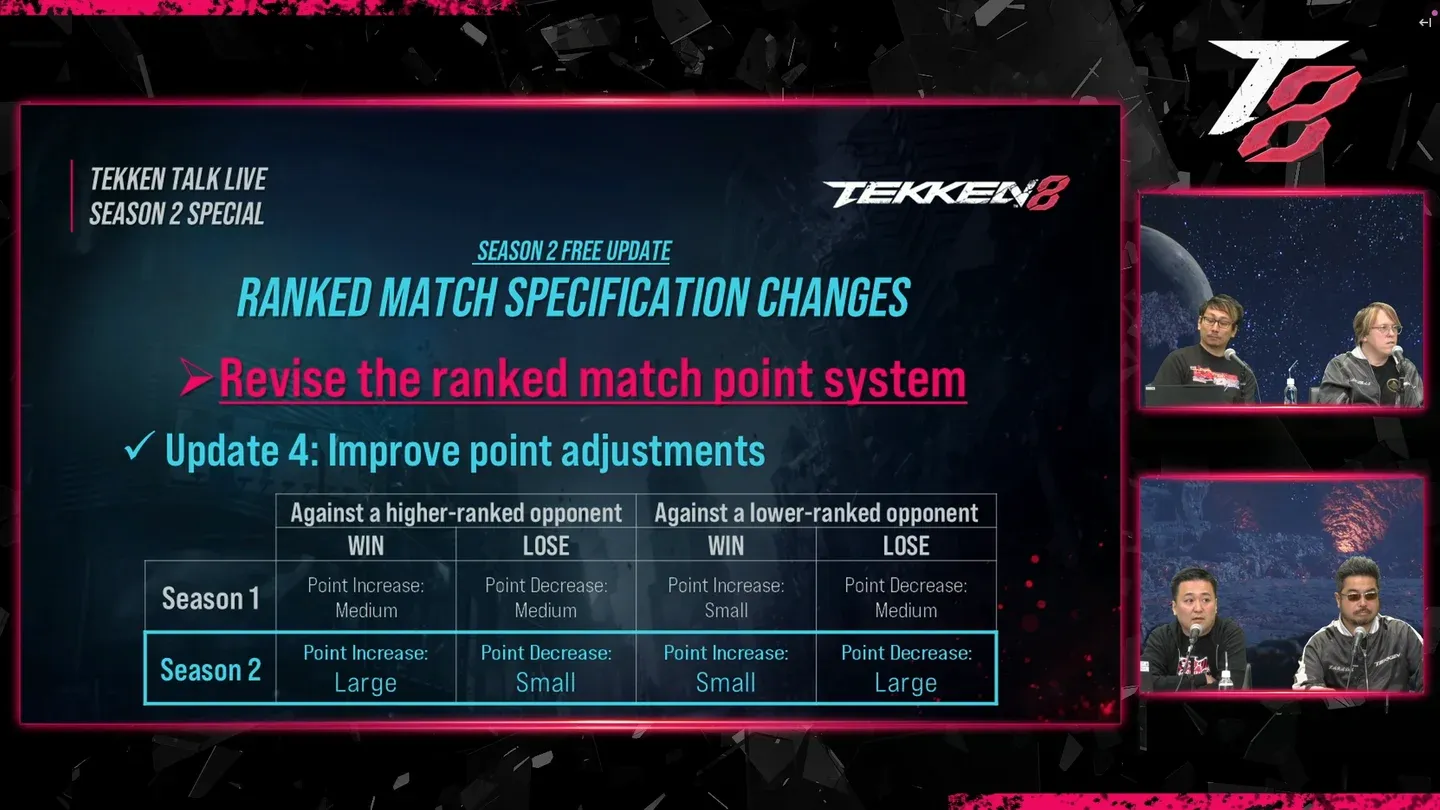
- Ranked system tweaks that influence how rating points are distributed
- New items and TEKKEN COINS integration in the Tekken Shop
Staying current with patch changes is part of competing at higher ranks. The players who adapt fastest to meta shifts are the ones who gain the most ground after each update.
Final Tips for Consistent Ranked Climbing
Climbing Tekken 8's ranked ladder comes down to a few principles applied consistently:
- Master one character before branching out. Character depth rewards specialization, especially below Diamond.
- Play in focused sessions, not marathon grinds. Two hours of intentional play beats six hours of autopilot every time.
- Use training mode between sessions to patch specific weaknesses you identified in ranked matches.
- Track your common losses. If you keep losing to the same character or the same situation, that's your next training priority.
For more strategies across all types of games, browse the latest guides on GAMES.GG to keep building your competitive edge.