


Biggest discounts, free games, and limited-time offers across every major gaming store.
Never pay full price again.
Overview
The Alighieri Circle: Dante's Bloodline is a first-person psychological horror adventure developed by ONE-O-ONE GAMES and published by Entalto Publishing. Released on September 10, 2026, it casts players as Gabriele Alighieri, a reluctant heir forced to return to his family's Italian manor to perform a ritual that reseals the gates of Hell. The game draws directly from Dante's Divine Comedy, reframing the medieval poem as a literal, inherited burden rather than allegory.
There is no combat. No weapons, no health bar, no fight-or-flight mechanic to fall back on. The tension comes entirely from atmosphere, sound design, and the psychological weight of Gabriele's predicament. That design choice is a deliberate statement about what horror can be when it strips away the safety net of player agency over violence.
Two worlds, one ritual
The game's structure revolves around two distinct environments that players move between throughout the experience:
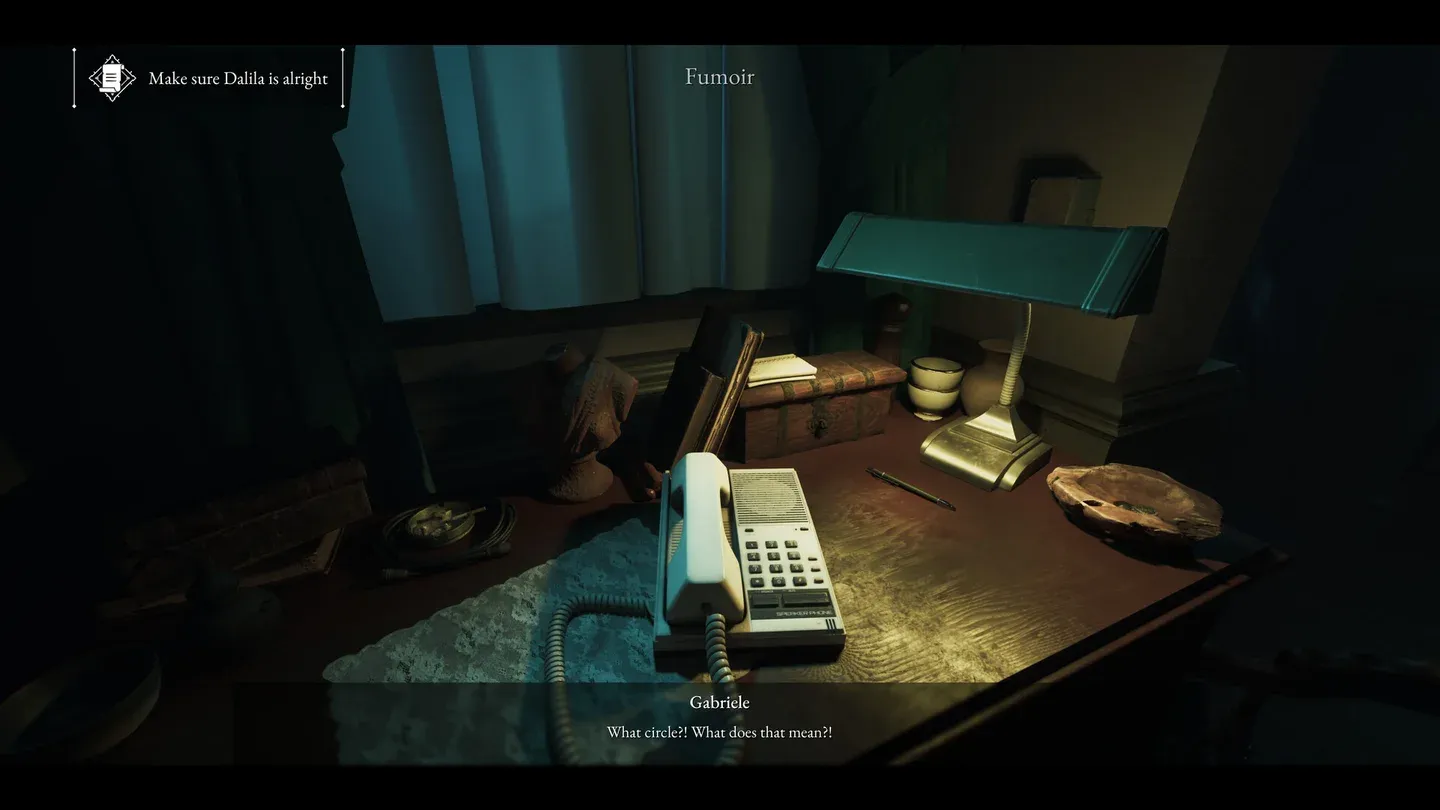
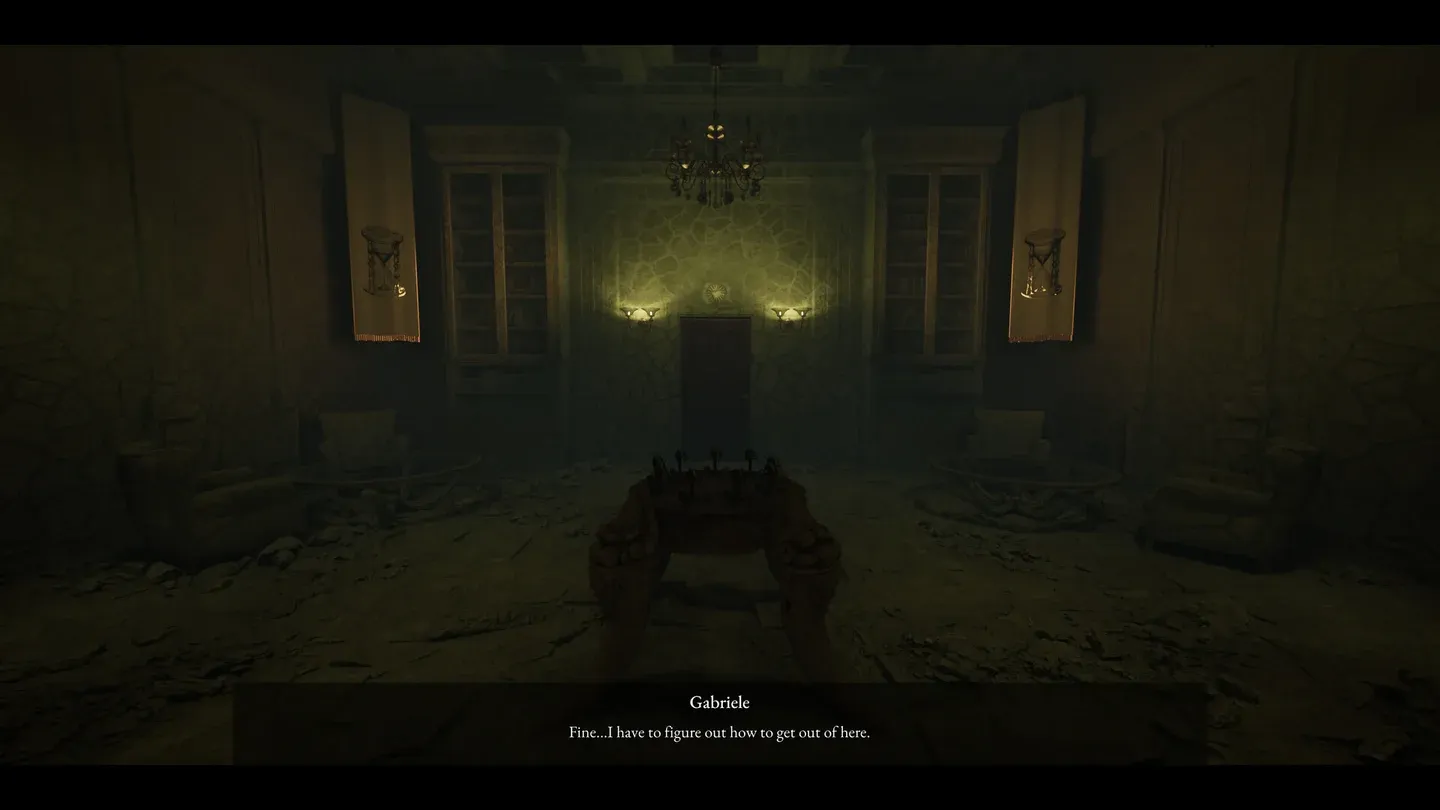
- The Villa: the Alighieri ancestral manor, quiet and heavy with grief
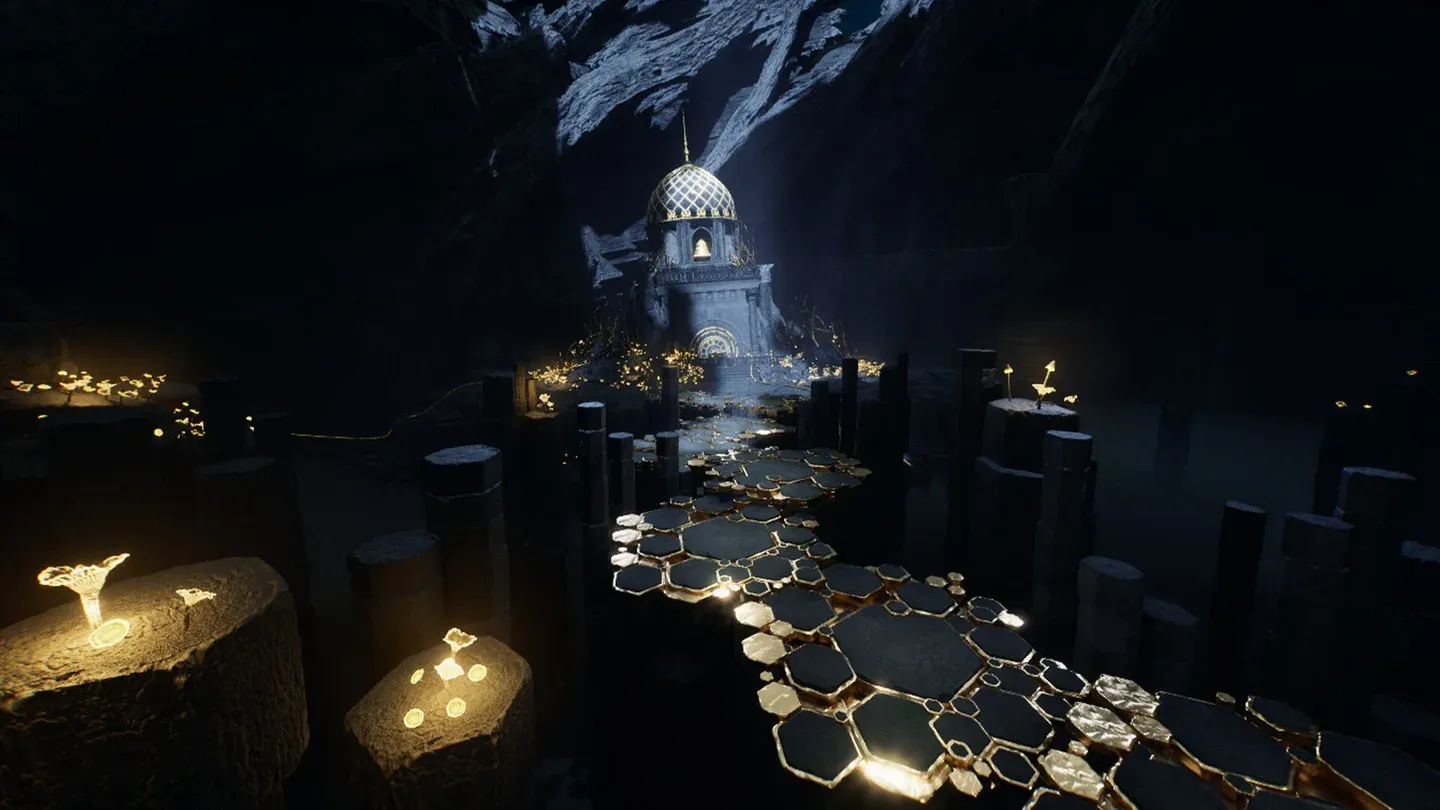
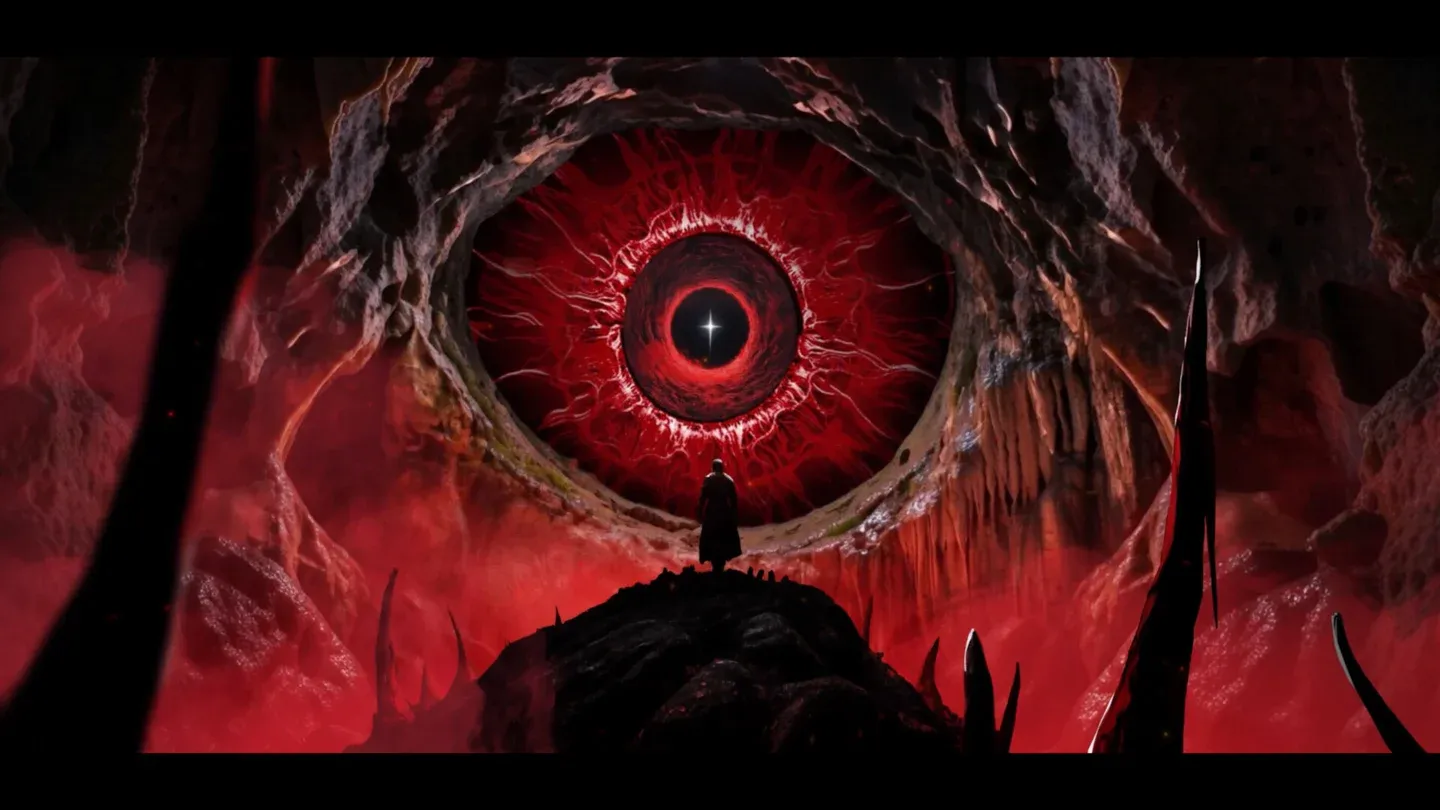
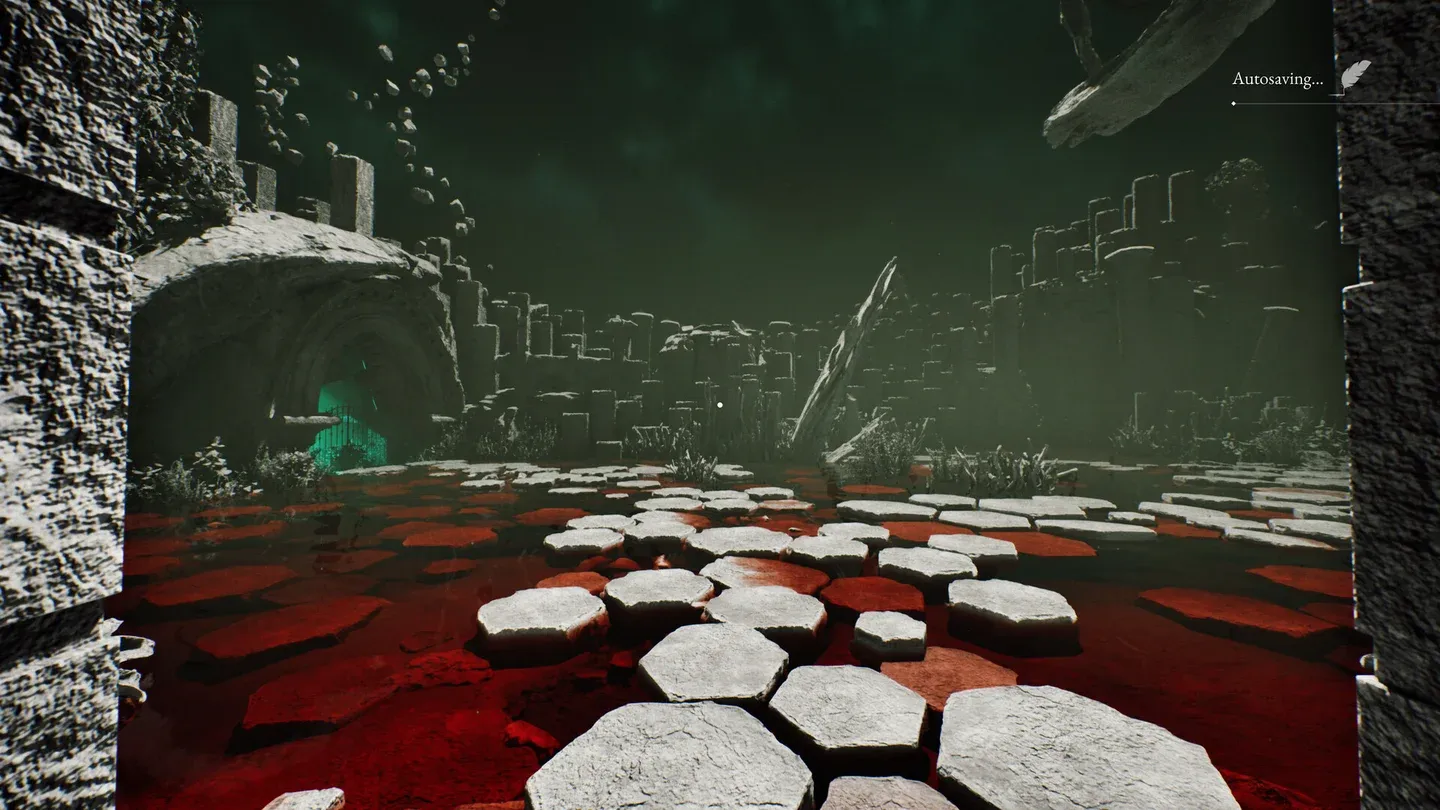
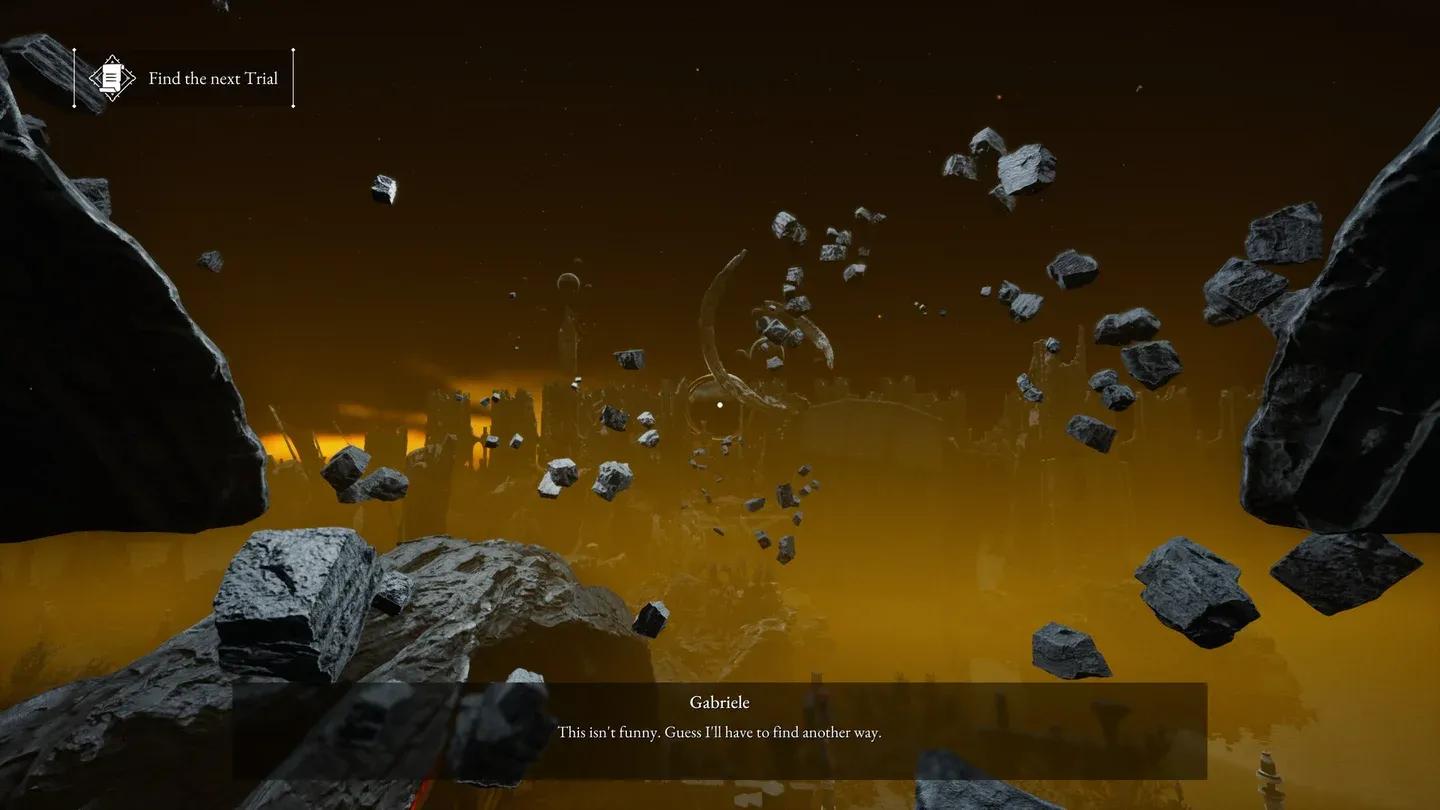
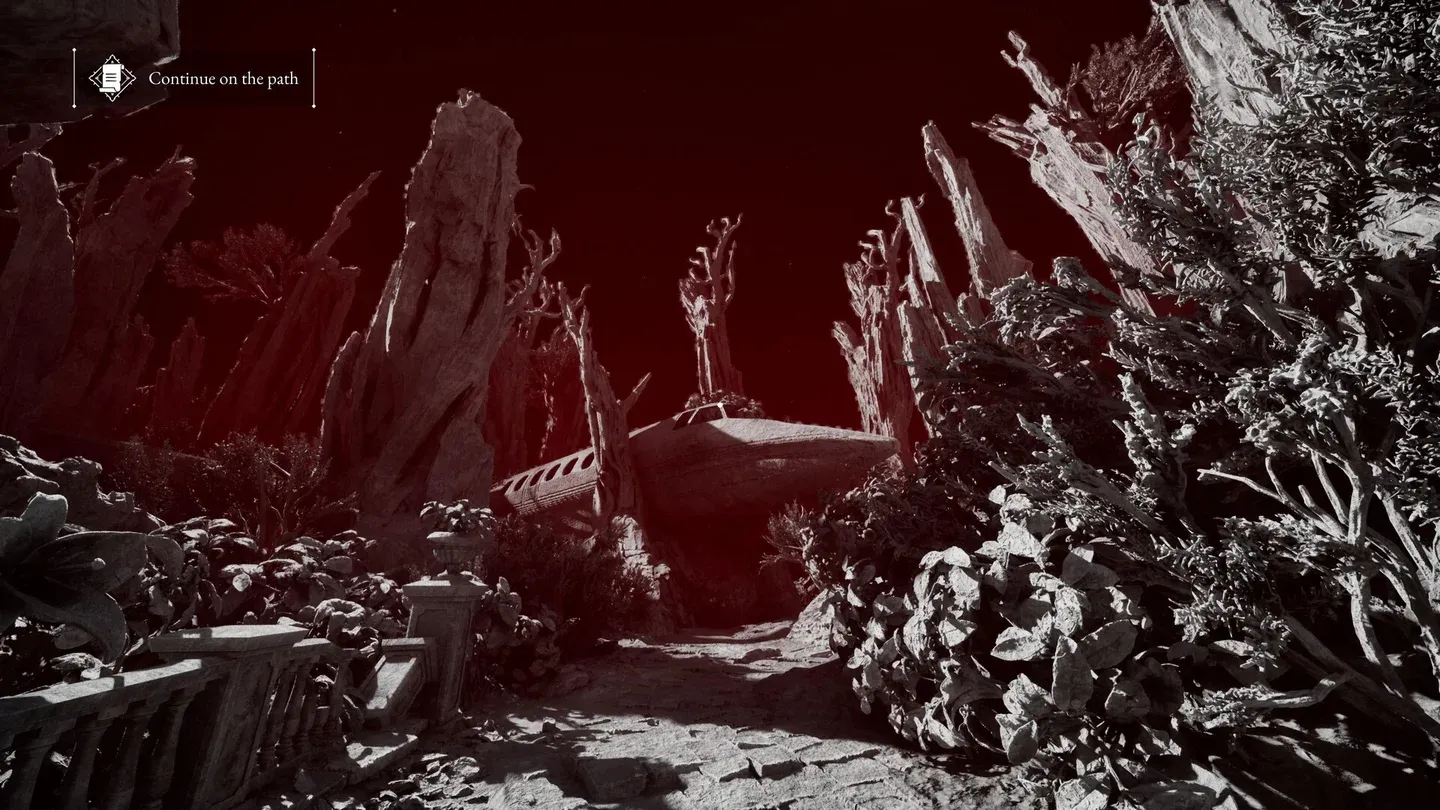
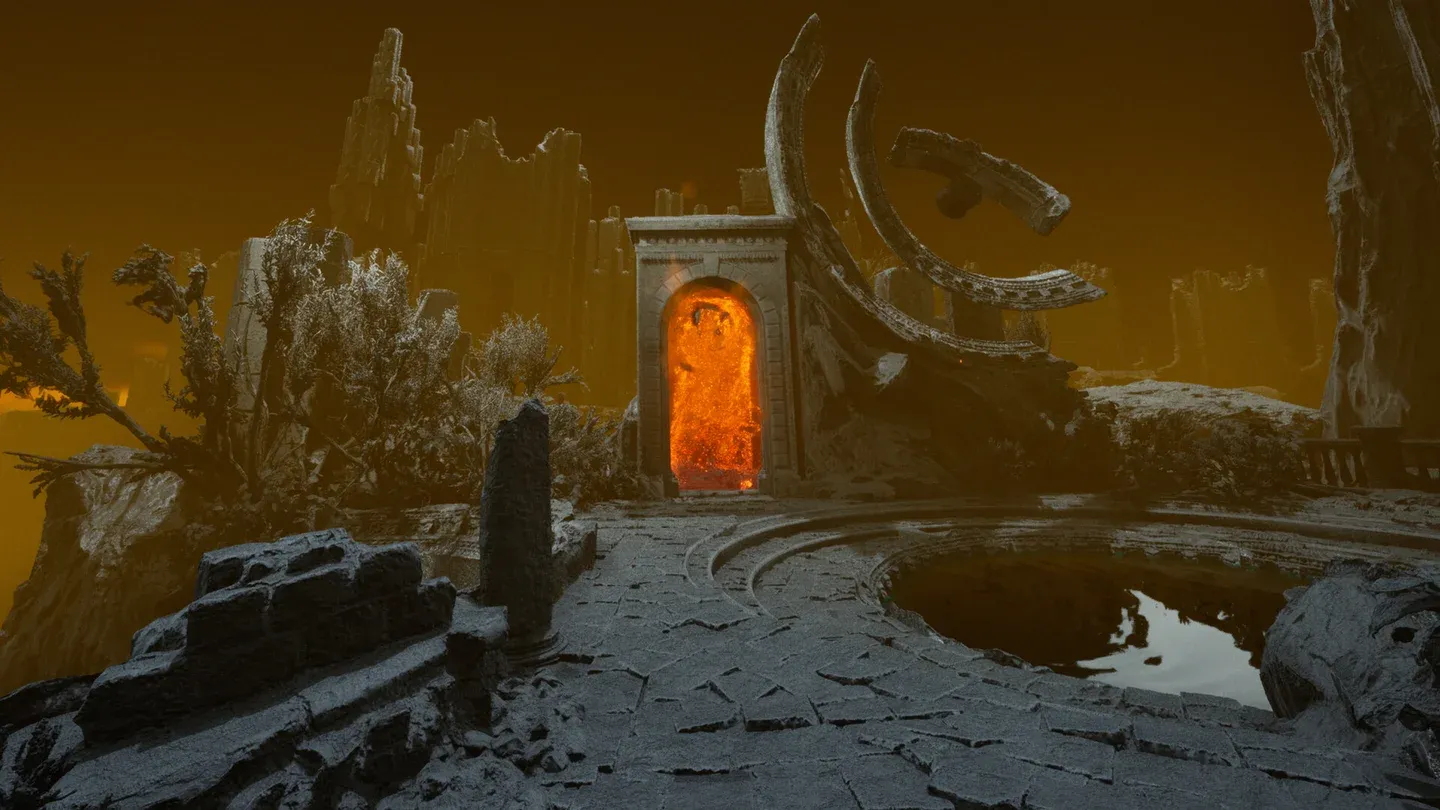
- The Dive: a distorted, infernal reflection of the villa's depths
- Lost pages of the Divine Comedy scattered across both spaces
- Diary entries and collectibles that reconstruct Gabriele's fractured memory
- Esoteric puzzles rooted in the poem's thematic language
The Alighieri Circle: Dante’s Bloodline content image
The Villa plays like a traditional exploration horror setting, slow walks through melancholic Italian architecture, objects that carry narrative weight, rooms that feel wrong without being visibly monstrous. The Dive inverts that. It takes familiar geometry and corrupts it, pulling the player into something that mirrors Hell not as a physical place but as a psychological state.
What kind of puzzles does The Alighieri Circle use?
The puzzle design leans heavily on thematic interpretation rather than mechanical logic. Riddles connect to specific cantos and imagery from the Divine Comedy, meaning players who know Dante's source material will find layers of meaning that others might miss entirely. These aren't inventory puzzles or combination locks. They're closer to the kind of environmental storytelling that demands attention to context.
Gabriele's journey to gather the lost pages of the Divine Comedy and reunite them drives the central loop. Each recovered page brings the ritual closer to completion, but also forces a deeper confrontation with the Alighieri family's history and the personal cost Gabriele has been avoiding his entire life.
The Alighieri Circle: Dante’s Bloodline content image
World, atmosphere, and psychological depth
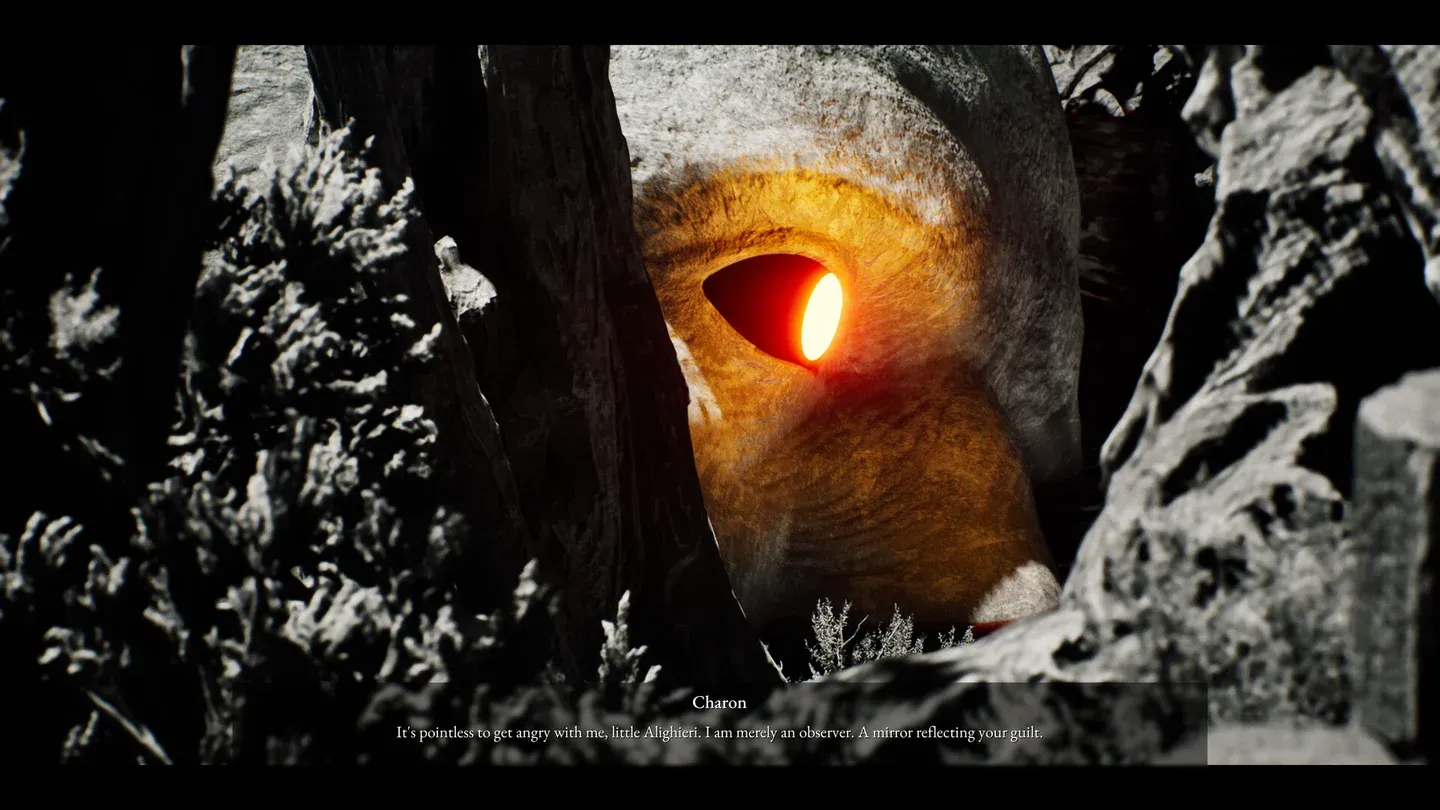
The modern interpretation of Dante's Inferno is where the game makes its most distinctive argument. Hell here isn't fire and brimstone. It's a mirror, specifically Gabriele's mirror, reflecting his fears, his guilt, and the trauma buried under years of running from his family name. That framing gives the horror a personal quality that generic monster-chase games rarely achieve.
The 33-year cycle adds a mythological rhythm to the lore. This isn't the first time a member of the bloodline has stood in that villa, and the diary pages and hidden collectibles exist precisely to show players what happened to those who came before. Piecing together that history is the game's secondary loop, and it rewards thorough exploration with context that reframes everything seen in the Dive.
The Alighieri Circle: Dante’s Bloodline content image
Story-driven horror without a safety net
For players drawn to narrative-first horror games, story-driven walking simulators, and psychological thrillers that take their source material seriously, The Alighieri Circle occupies a specific and confident niche. The absence of combat isn't a limitation. It's the whole point. Gabriele survives by understanding, not by fighting, and the game builds its tension around that distinction from the first moment you step inside the villa's front door.
The Alighieri Circle: Dante’s Bloodline content image