Overview
The Legend of Heroes: Trails into Reverie is the tenth mainline entry in Nihon Falcom's long-running Trails series, and it functions as a direct sequel to both Trails of Cold Steel IV and the Crossbell arc. Released on PC via Steam in August 2021, it arrives carrying the weight of 15 years of Kiseki lore, and that weight is very much the point. This is the game that starts pulling threads together.
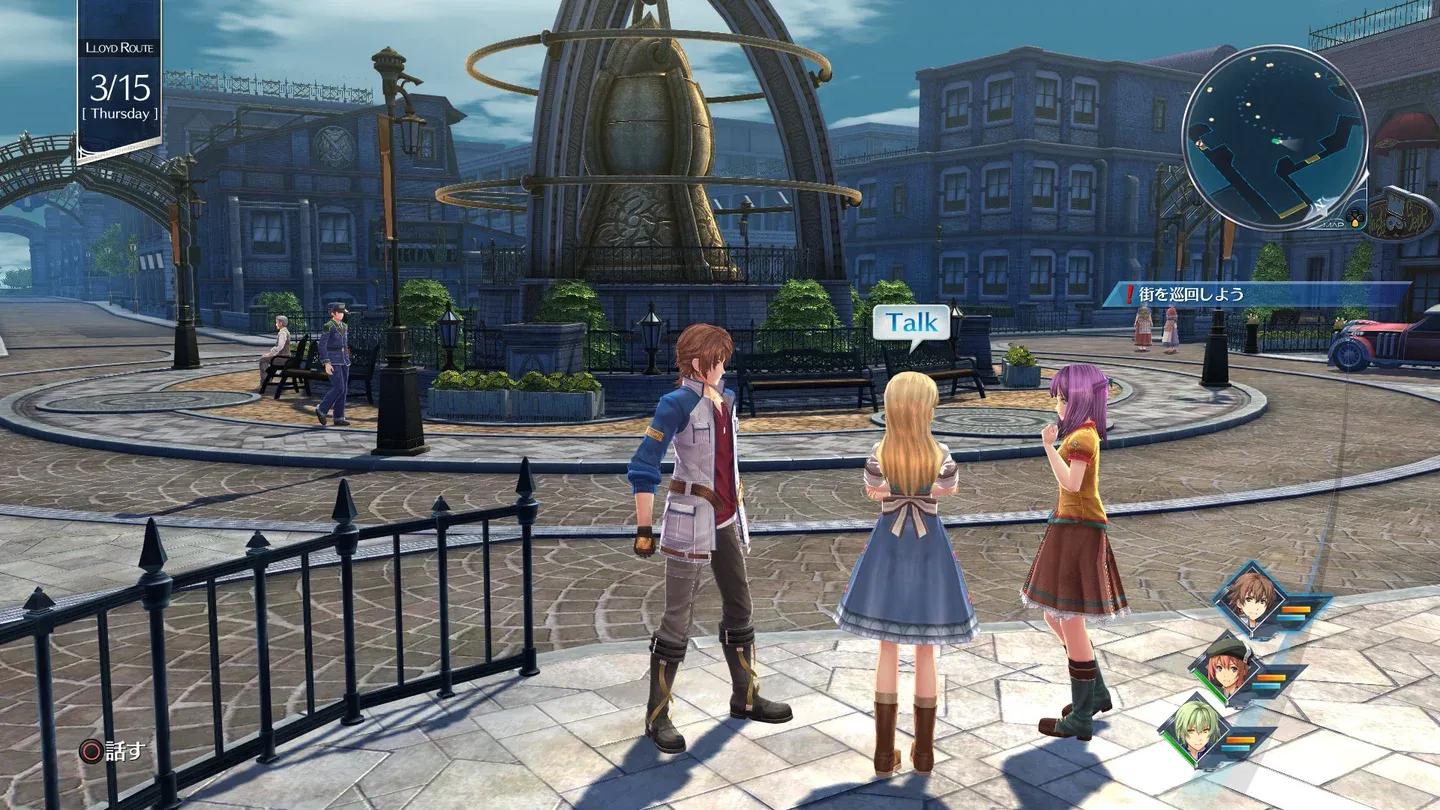
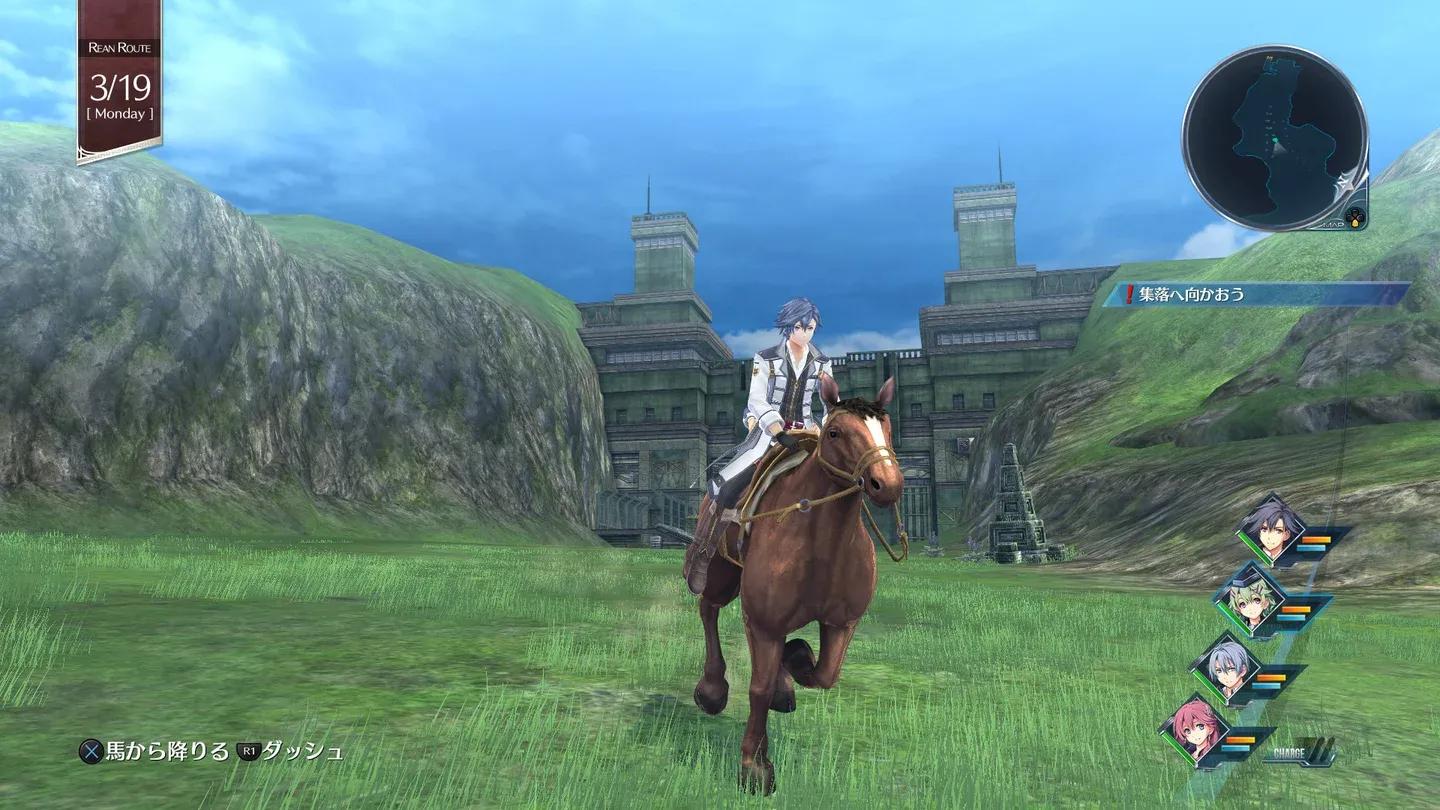
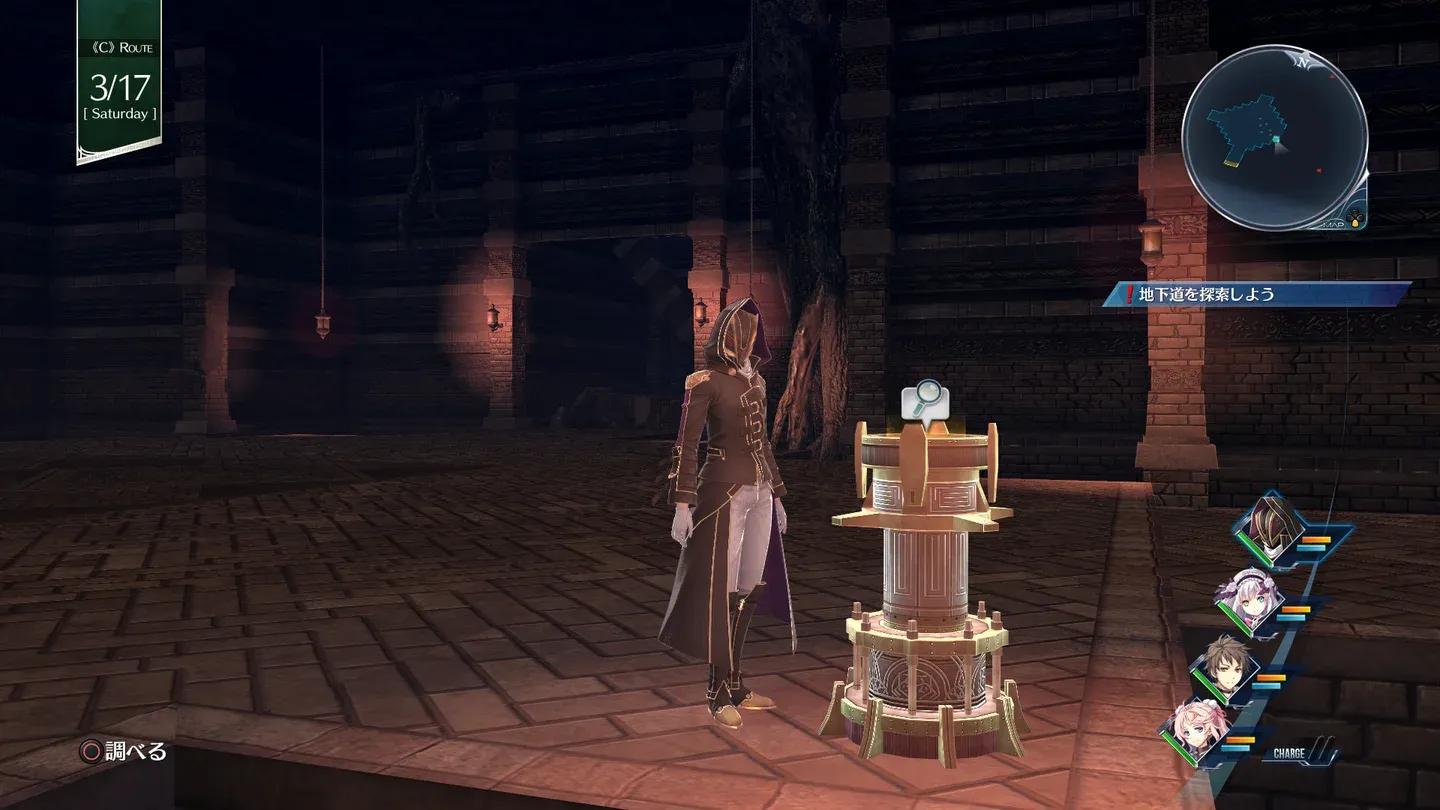
The premise is straightforward: the Great Twilight has passed, but its aftermath has destabilized Zemuria in ways that three very different people have to navigate separately. Lloyd Bannings is fighting for Crossbell's independence all over again. Rean Schwarzer is back at the branch campus trying to hold onto a fragile peace. And 'C', a masked figure using the same codename as the old Imperial Liberation Front leader, is running a covert operation whose true purpose stays murky for a long time. Each of their stories feels distinct in tone.
How does the Crossroads system actually work?
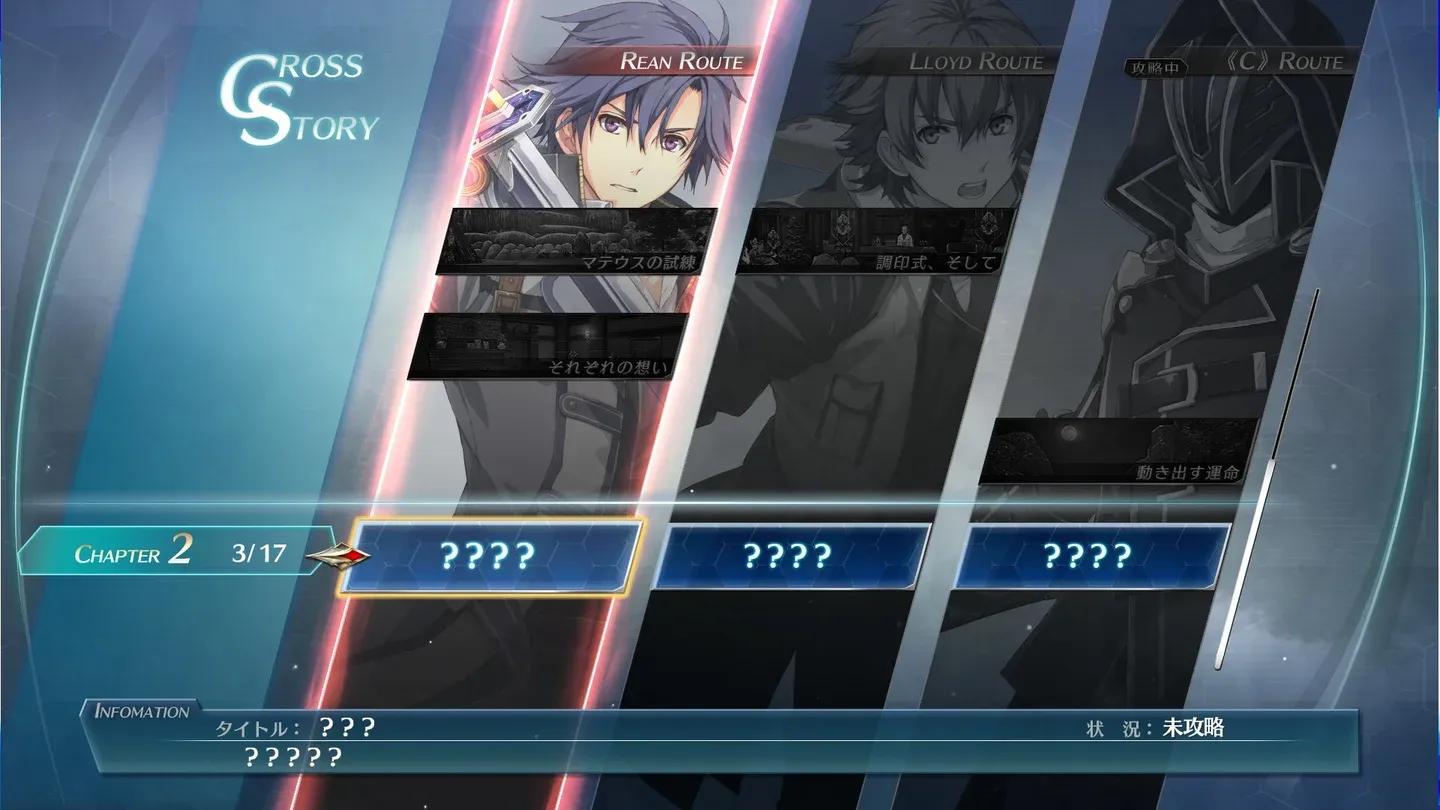
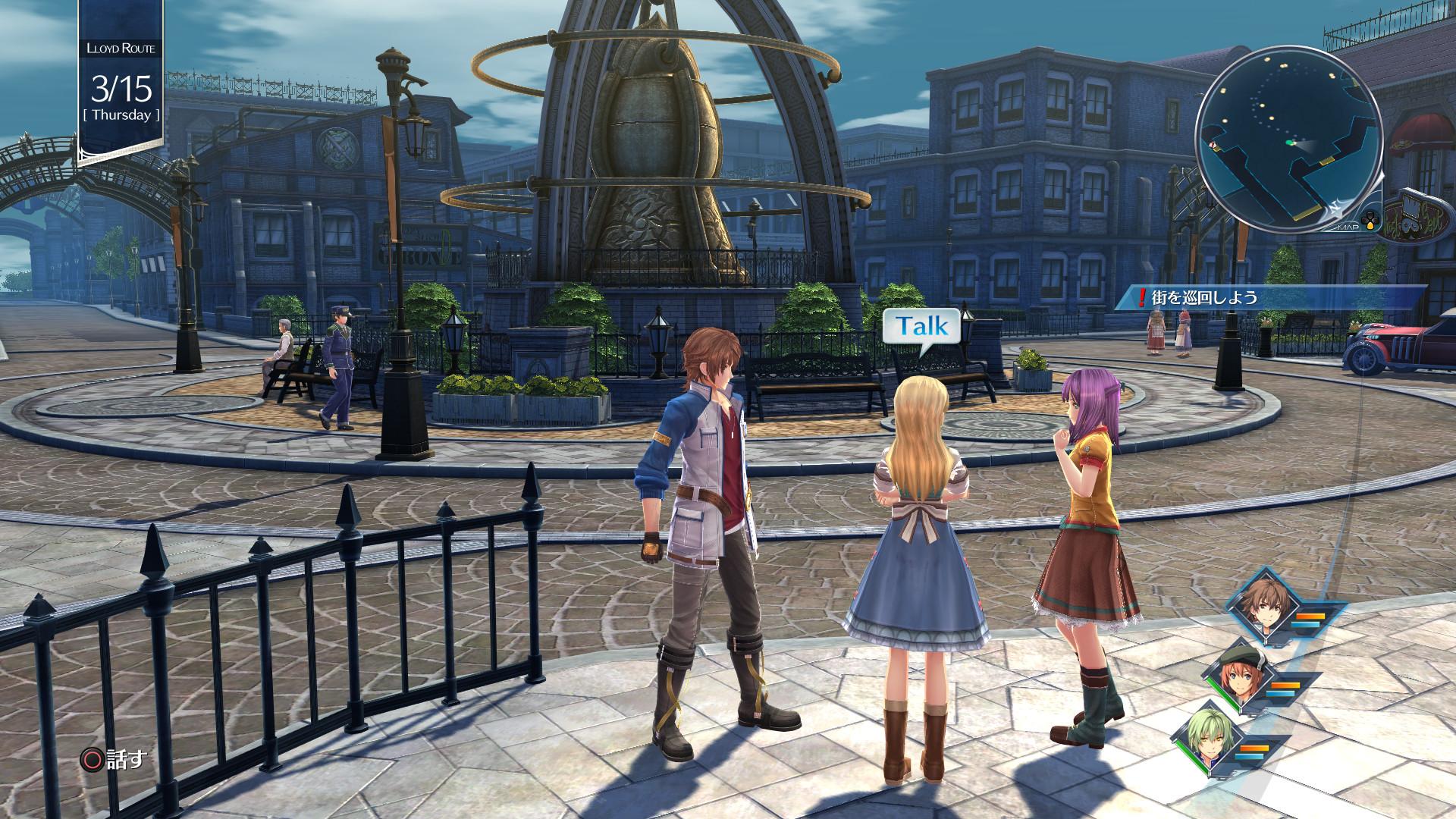
The Crossroads system (called Trails to Walk in some versions) is the mechanical backbone of the game. At designated points in the story, players can freely switch between the three protagonists' routes. All three storylines exist within the same timeline, so events in one route can cast shadows over another.
Key features of the Crossroads system:
- Switch freely between Rean, Lloyd, and 'C' routes
- Each route has its own supporting cast and tone
- Story events in one path connect to others
- Progress carries across all three timelines
- Certain story beats only make sense after seeing multiple perspectives
This structure rewards players who resist the urge to rush through a single path. The mystery around 'C' in particular is built to pay off only once you've spent time with the other two routes.
Tactical combat and the True Reverie Corridor
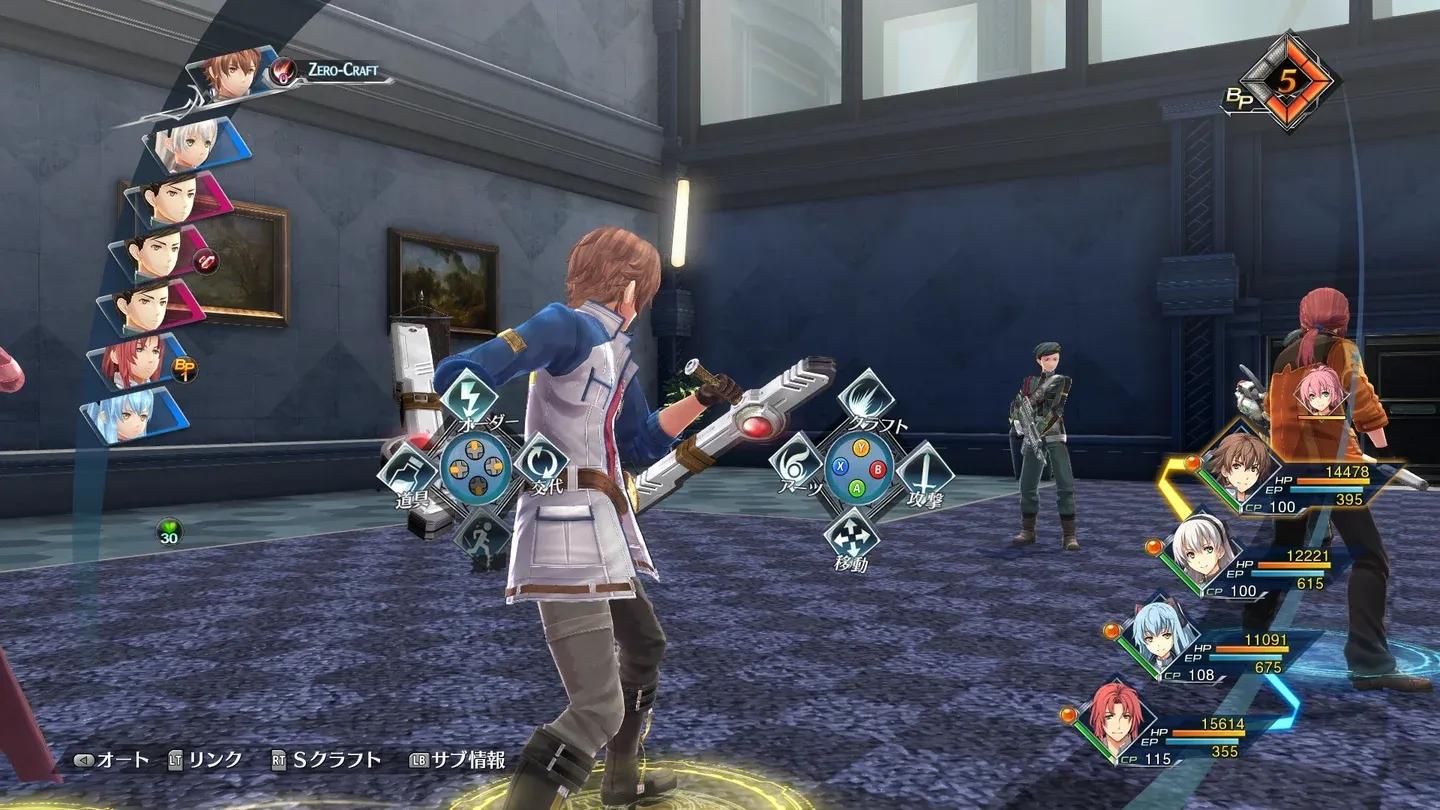
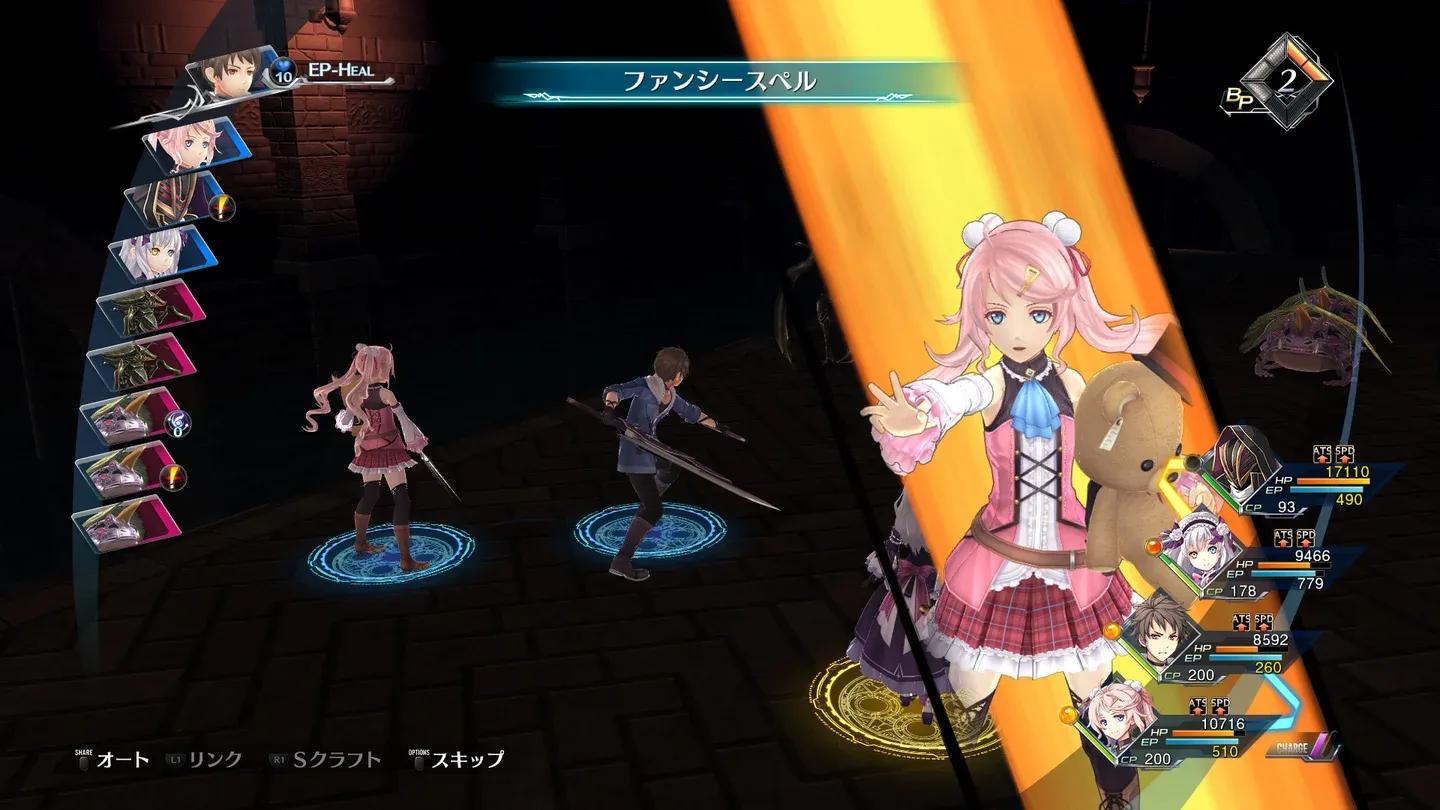
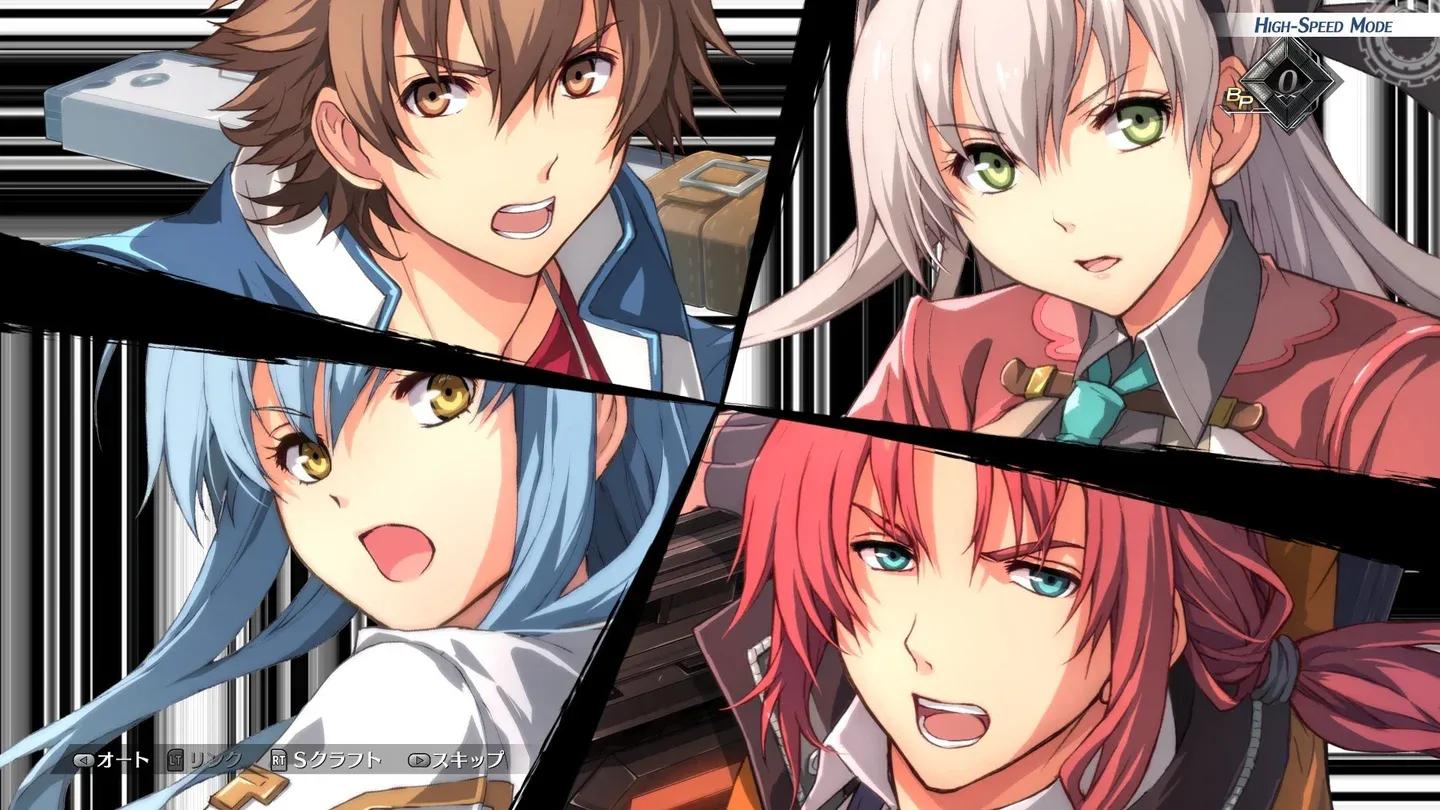
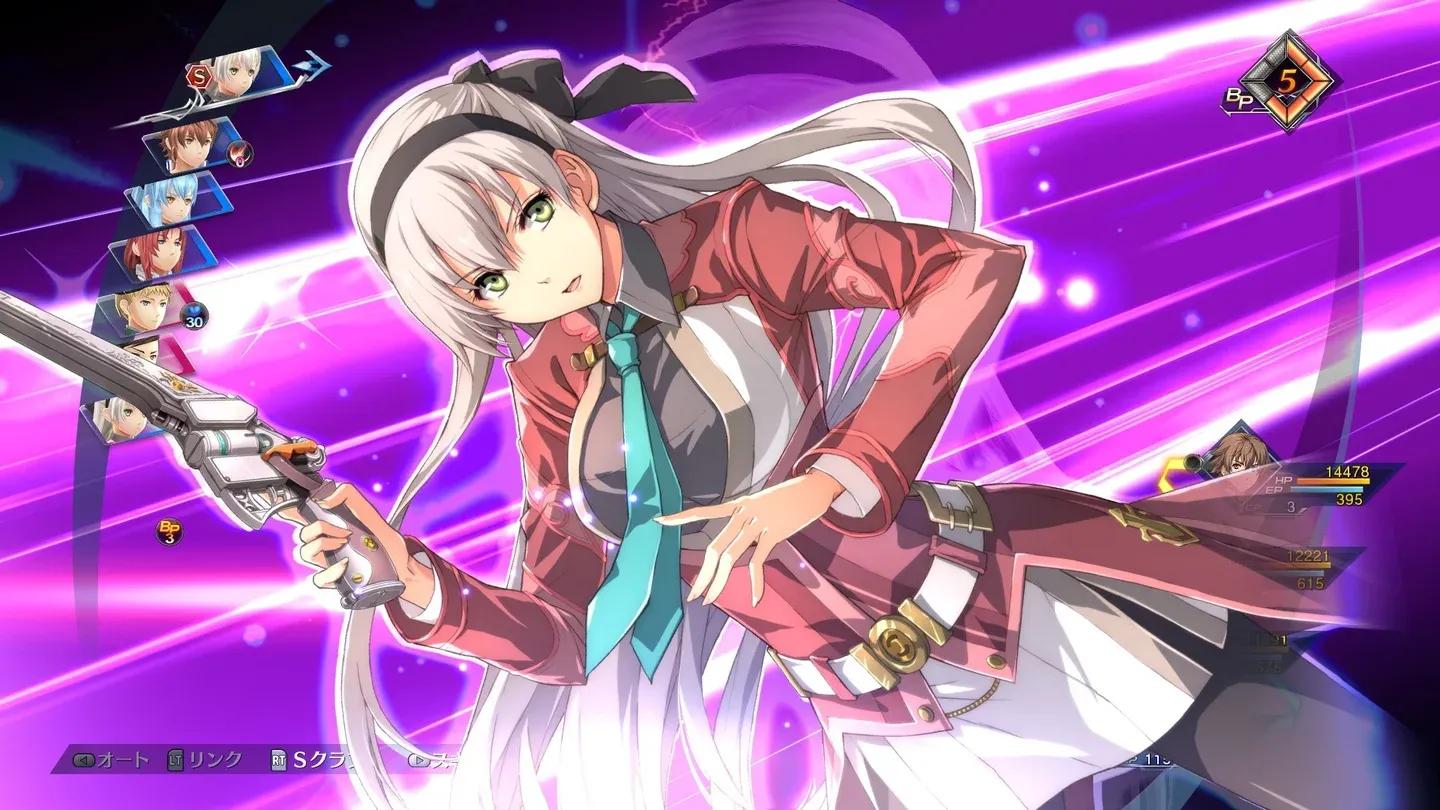
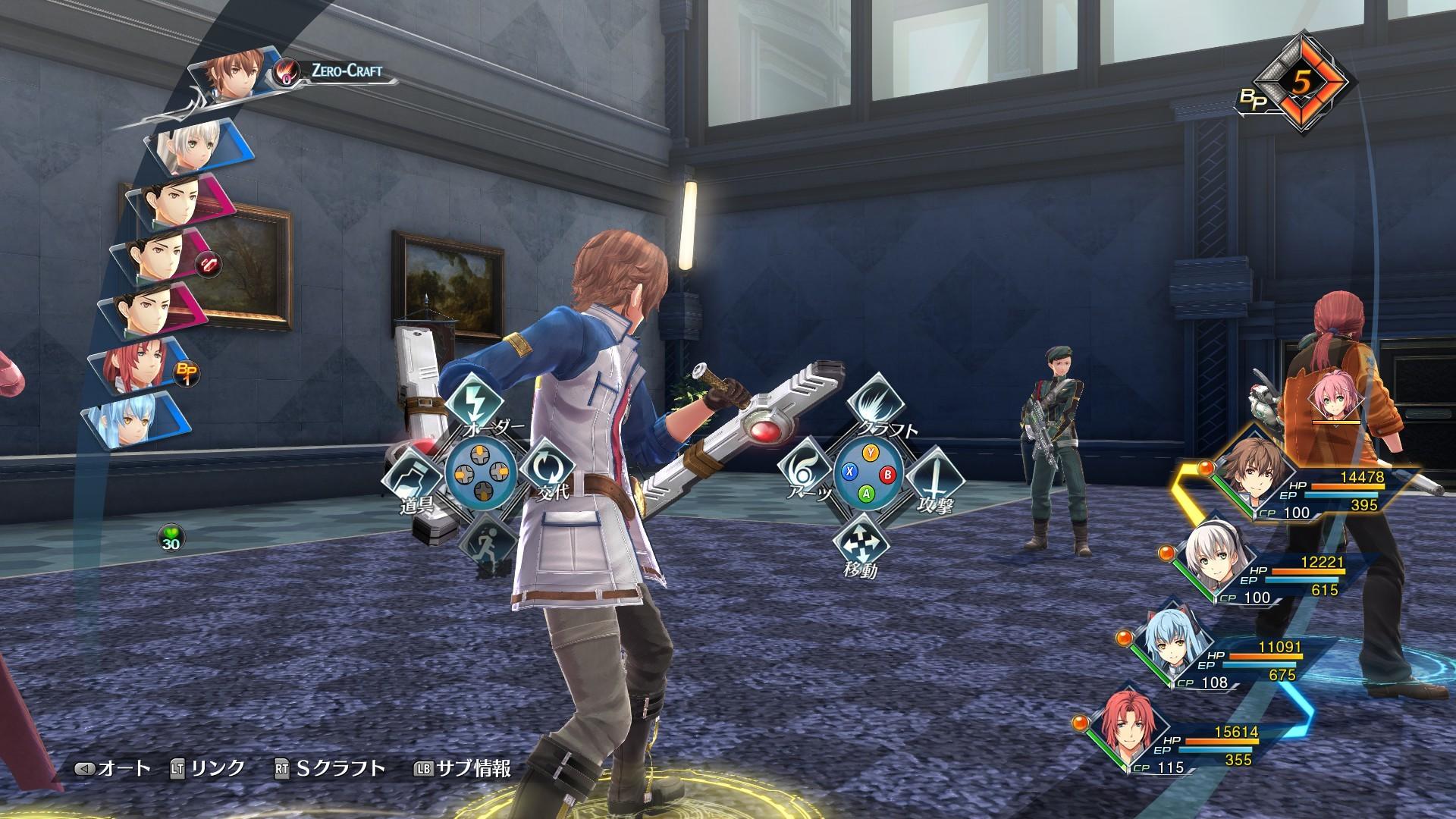
The turn-based combat system follows the established Kiseki formula, with orbment customization, Crafts, and Arts forming the core toolkit. Trails into Reverie adds United Front, a mechanic that lets characters from different routes team up for joint attacks, which is both a narrative statement and a practical combat tool.
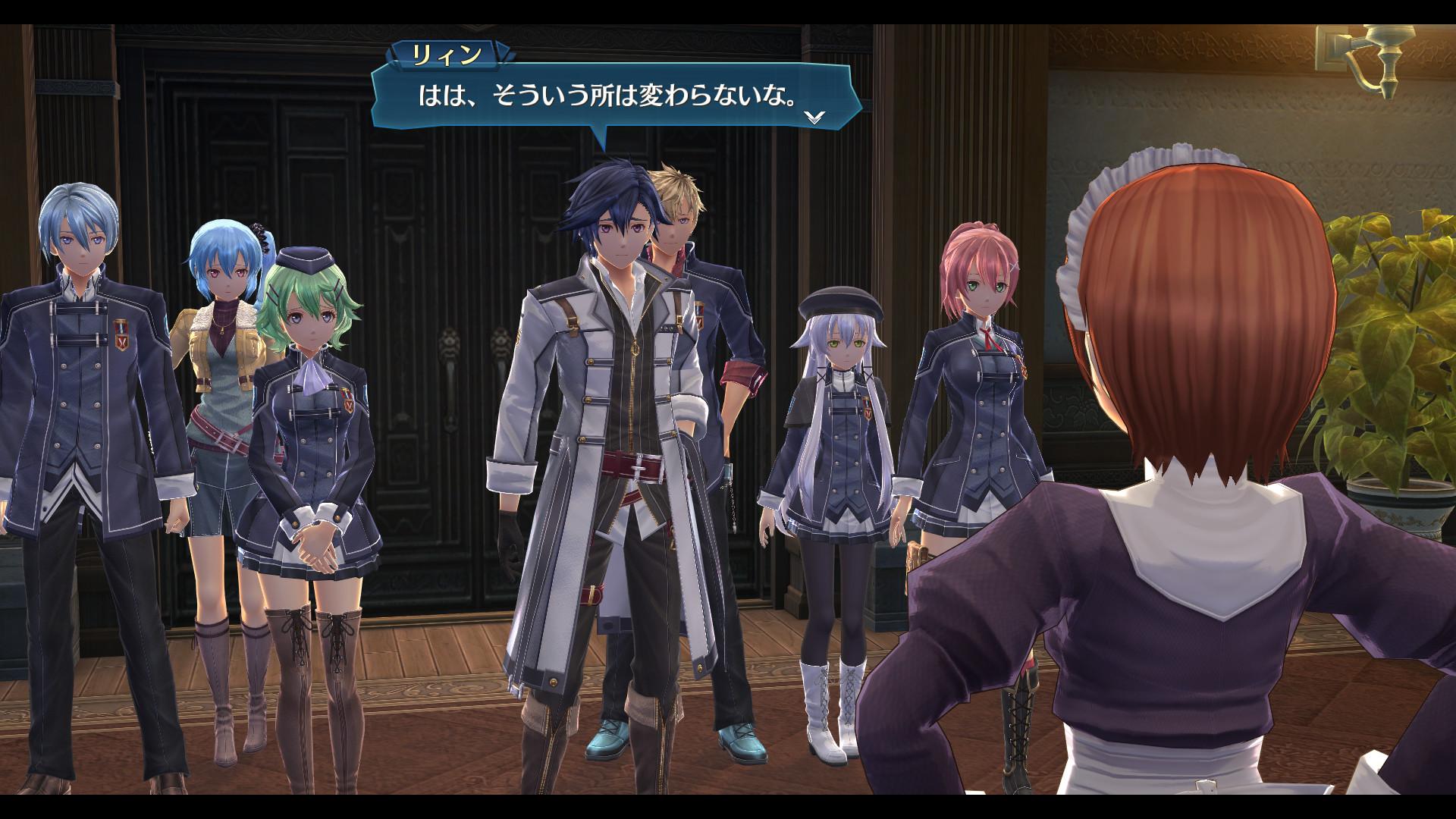
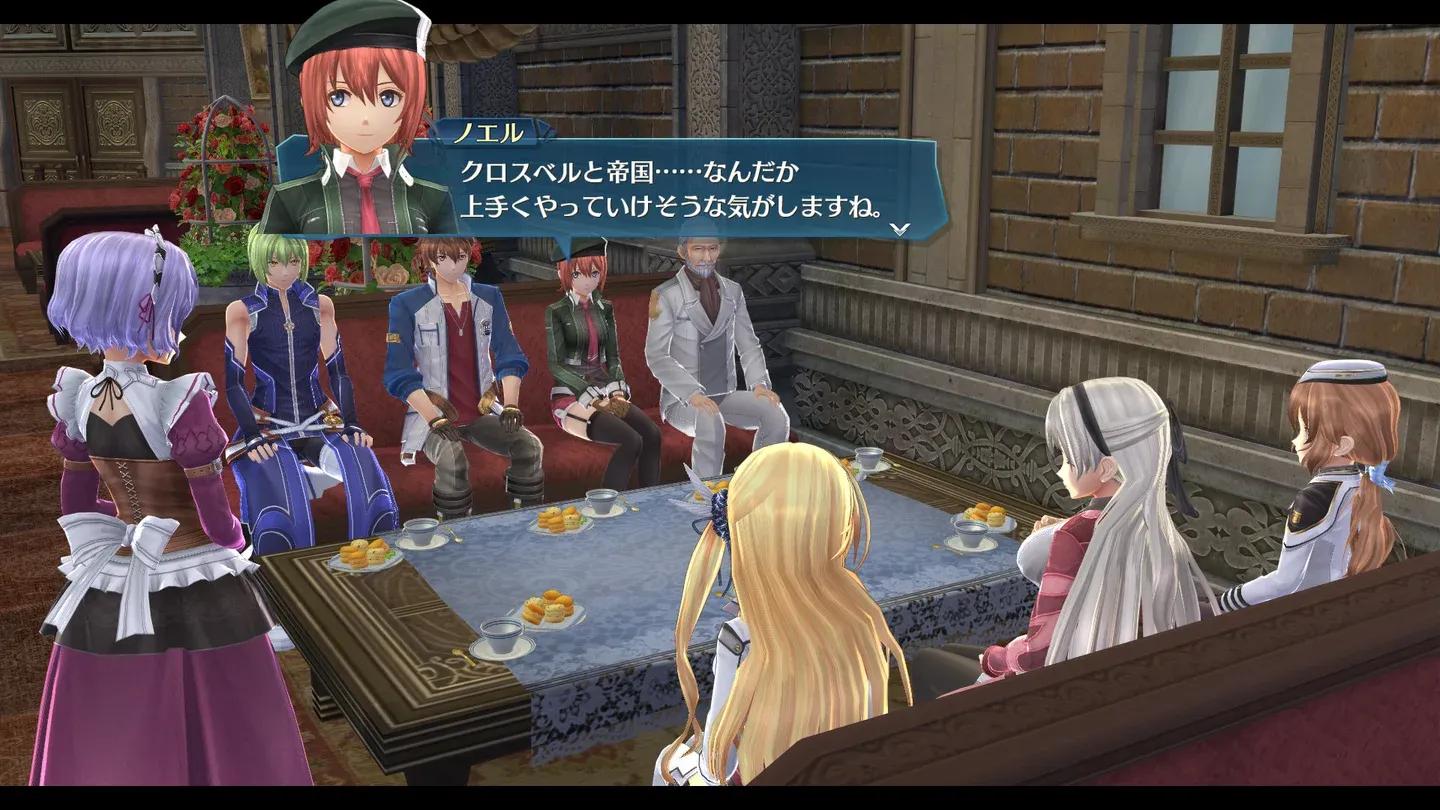
The True Reverie Corridor is the game's major optional content hub, a mysterious dungeon space that sits outside the main narrative and lets characters from all three routes interact freely. It functions as the game's primary endgame grind space, offering randomized floors, rare equipment, and character-specific scenes that don't appear elsewhere. For fans of the series, it's where a lot of the fan-service moments live.
Content and what the Steam version includes
The Steam release includes over 30 pieces of additional content from the start: head, arm, and back attachment items for character customization, original costumes, and the full Support Section Summer Vacation DLC. That DLC alone is a notable inclusion, adding a substantial side story focused on Lloyd's crew that would have been a separate purchase on console.
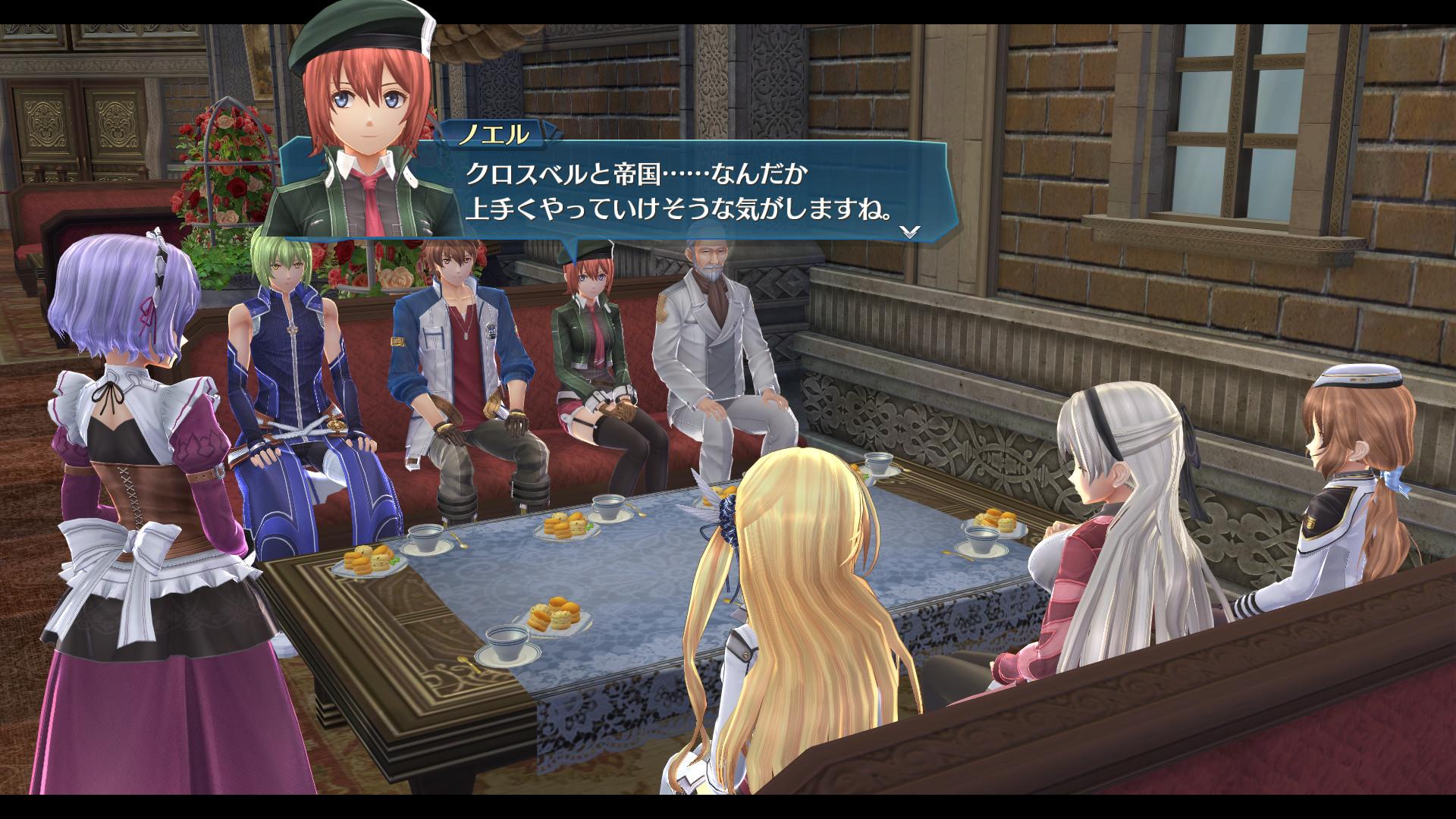
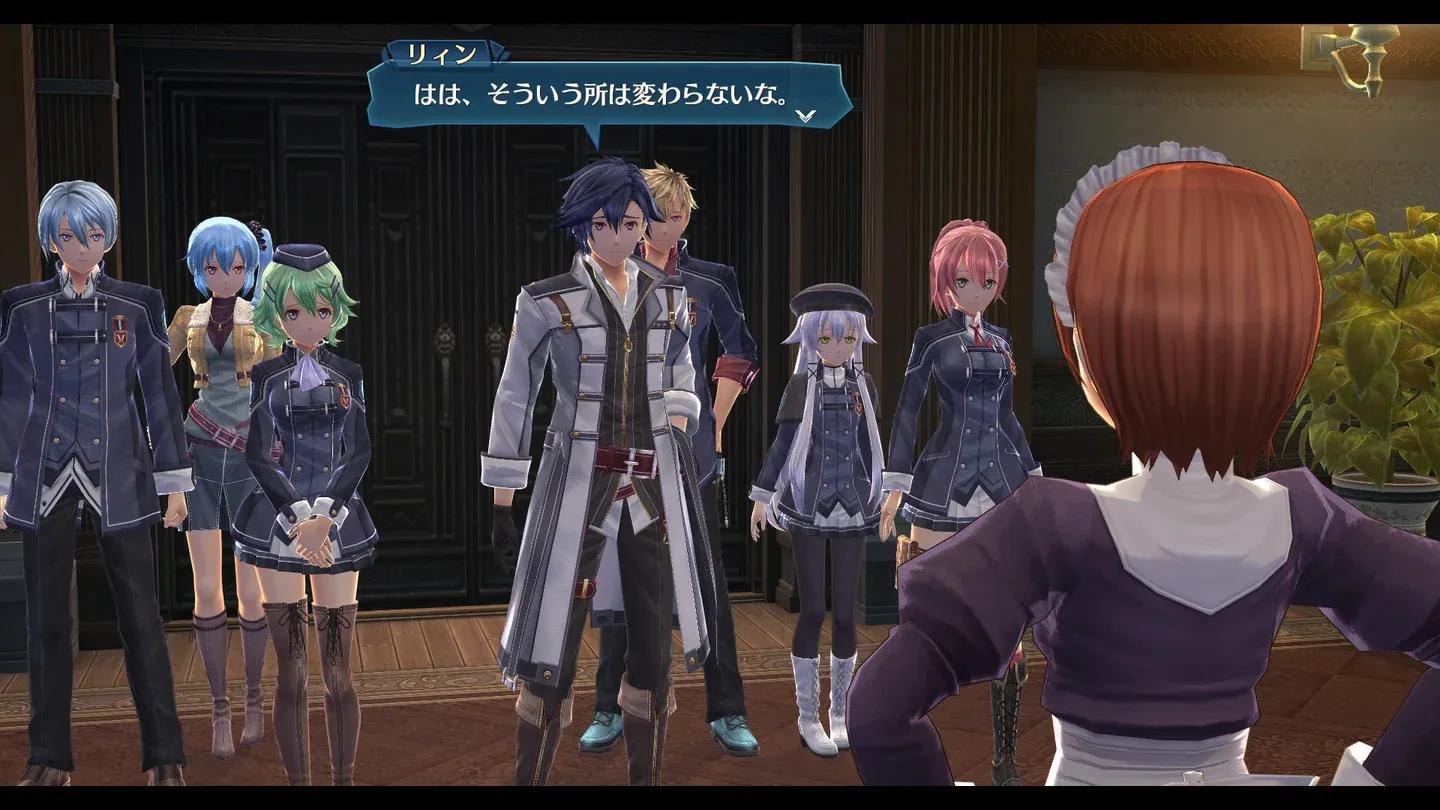
Trails into Reverie is explicitly designed for players who have already put time into the Cold Steel and Crossbell arcs. Newcomers will find the story nearly incomprehensible without that background, and the game makes no apologies for that. For series veterans, though, seeing characters from arcs that never previously shared a game finally occupying the same space is genuinely satisfying. The cross-arc United Front attacks alone make that point without saying a word.
System Requirements
| Requirement | Minimum |
|---|---|
| OS | Windows 10 |
| Processor | Core i3-3220 |
| Memory | 16 GB RAM |
| Graphics | GeForce GTX 1050 |
| DirectX | Version 11 |
| Storage | 50 GB available space |