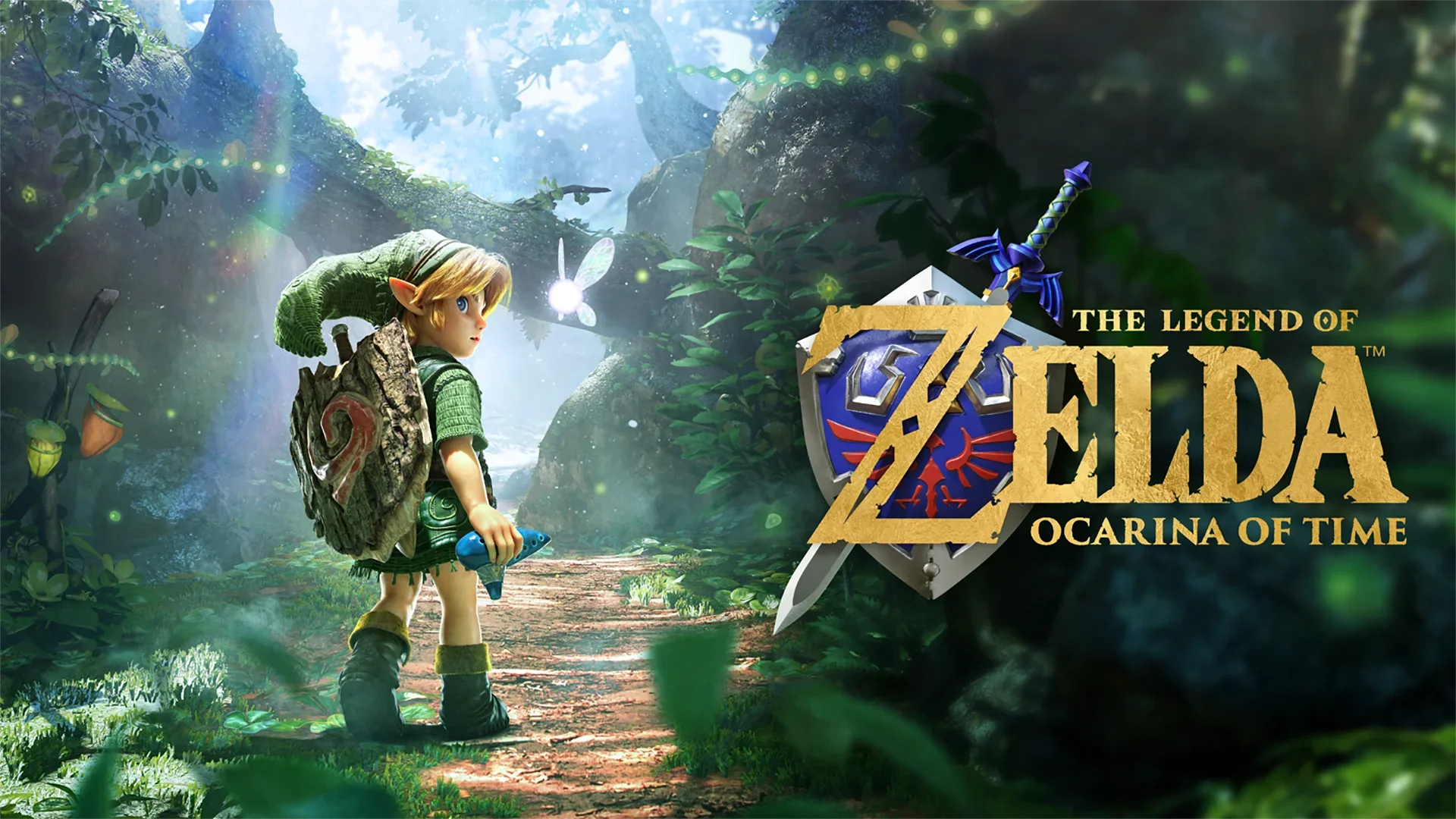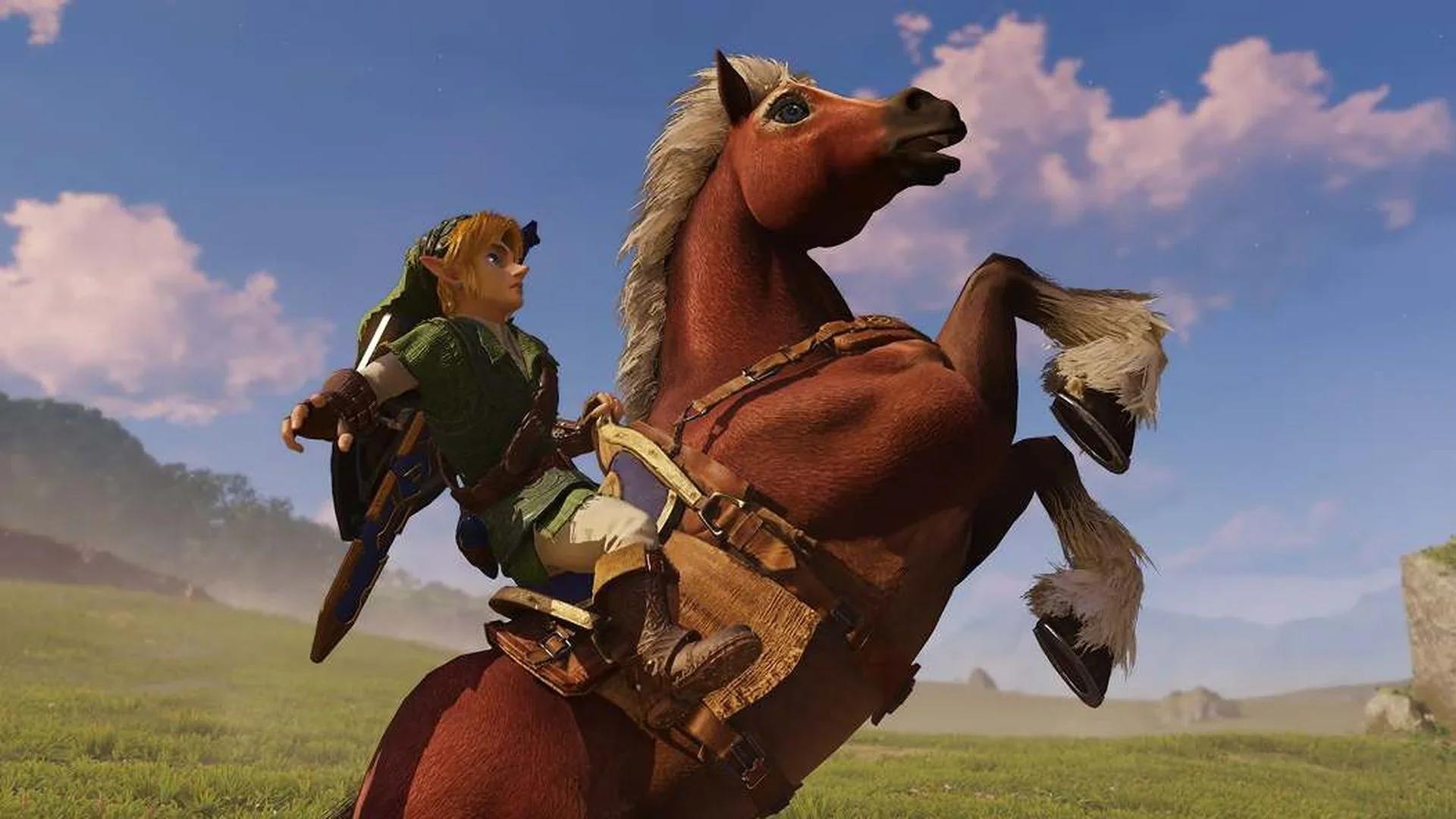

The Ocarina of Time remake keeps the same adventure but adds a jump button, free camera, voice acting, orchestral music and a clock that runs in towns too. I played all the original Zeldas, I grew up on these games, and I’m 38 years old now. Ocarina of Time was a good one, so here’s what’s actually changing when it comes out on November 5, on Switch 2 only.
Key takeaways
- The remake launches on November 5 for Switch 2 only, at $59.99 digital, with an estimated 27 GB download.
- Nintendo confirms jump and run buttons, Right Stick camera control, voice acting and a day and night cycle that keeps going in towns.
- The Water Temple details come from footage reports rather than from Nintendo, and reviews aren’t out yet.
What are the biggest changes in the Ocarina of Time remake?
Nintendo calls it “a classic tale, built from the ground up” on its store page. These are the changes Nintendo has confirmed itself, from that page and the feature list Gematsu ran after the Zelda 40th Anniversary Direct on September 8.
| What changed | What Nintendo says |
|---|---|
| Visuals | Completely overhauled, with fully remodeled locations |
| Movement | Jump and run freely with newly added button commands |
| Camera | Improved control on the Right Stick, and modern camera movement |
| Voice and music | Voice acting, expanded cutscenes and orchestral music |
| Day and night | The cycle now continues wherever you are, even in towns |
| Threads of Time | Check your story progress and next objective at any point |
| Ocarina | Hum a song Link has learned and he plays it in the game |
That’s a long list for a game telling the same story. Nintendo hasn’t published a list of story or dungeon changes, so anything beyond this table is reported rather than confirmed until people have the game in their hands.
Can you jump in the Ocarina of Time remake?
Yes, you can jump in the Ocarina of Time remake. The original jumped for you when you ran off a ledge, and the remake gives Link a proper button for it. Nintendo confirms the jump and run commands but doesn’t list the buttons on its store page.
GamingHQ’s breakdown of about 20 minutes of Switch 2 footage puts the jump on X. It also says holding the button after a roll sends Link into a dash, with no stamina meter showing while he leaps during climbs. Those details are from footage, so the final game could differ.
Did the Ocarina of Time remake fix the Water Temple?
My first reaction to this one: that wasn’t the one that had the annoying Water Temple, right? It was. And it looks like it’s getting easier, although Nintendo hasn’t said so on its store page.
On the N64 you went into the menu every time you wanted to put the Iron Boots on or take them off. GamingHQ’s footage breakdown says the remake has four directional shortcuts and the Iron Boots can go on one of them, so you can swap without opening the menu. It also says the visual guidance for the water level switches from the 3DS version is back.
The 3DS version got there first. Kotaku’s June piece on the temple points out that the 3DS let you map the boots to a button and held the camera longer on a hidden Small Key when the water level changed. If you never had a problem with the Water Temple, none of this takes anything away. If you did, you just need to put the boots on a shortcut.
What other changes has footage shown?
GamingHQ’s breakdown lists a load of smaller changes from the same footage. None of these are on Nintendo’s store page, so treat them as reported:
- The starting wallet holds 200 Rupees instead of 99.
- The Lens of Truth is now a pair of glasses and can go on a shortcut.
- Bows and other aimed weapons get gyro aiming.
- Jabu-Jabu’s Belly has color-coded tunnels to make it easier to follow.
- A floating platform in the Great Deku Tree is now a wooden bridge that collapses when you step on it.
- Doors get pushed or lifted instead of opening by themselves.
Most of that is the same idea as the jump button and the shortcuts: fewer trips to the menu and less time wondering where to go. Footage only shows so much, so a longer list should turn up once the game is out on November 5.
What is the Hall of Fallen Foes?
The Hall of Fallen Foes is a new feature where, in Nintendo’s words, players “can discover more about enemies they’ve defeated”. Nintendo files it under story and local lore. Some coverage calls it a boss rematch room, but Nintendo’s wording doesn’t mention rematches, so I wouldn’t count on that until the game is out.
What do amiibo and Zelda Notes add?
Tapping any Legend of Zelda series amiibo gets you in-game extras, according to Nintendo. New Young Link and Young Zelda figures unlock masks with a retro graphical style, but those figures aren’t coming until 2027, so nobody’s getting them at launch.
Zelda Notes, the game’s service in the Nintendo Switch App, gets new features too. GamingTrend’s rundown lists a daily record of what you’ve done, a Gossip Quest where you find places from hint images, a virtual ocarina on your phone, and a quiz with more than 2,000 questions.
Is the remake a good place to start with Zelda?
Nintendo pitches it as “a great entry point” into the series. Threads of Time is the feature that backs that up, because you can check your next objective at any point instead of wandering around Hyrule wondering what you’ve missed. If you’re after the exact unlock time for your region, the Ocarina of Time remake release date guide has it.
FAQ
Is the Ocarina of Time remake on Switch 1?
No. Nintendo lists it as a Nintendo Switch 2 exclusive, out on November 5, 2026.
How much does the Ocarina of Time remake cost?
Nintendo’s store links the digital version at $59.99. Retail listings put the physical version at $69.99.
How big is the Ocarina of Time remake?
Nintendo’s store page estimates 27 GB.
Does the Ocarina of Time remake change the story?
Nintendo describes the same story of Link stopping Ganondorf, with expanded cutscenes and more dialog. It hasn’t announced any story changes.