
Biggest discounts, free games, and limited-time offers across every major gaming store.
Never pay full price again.
Overview
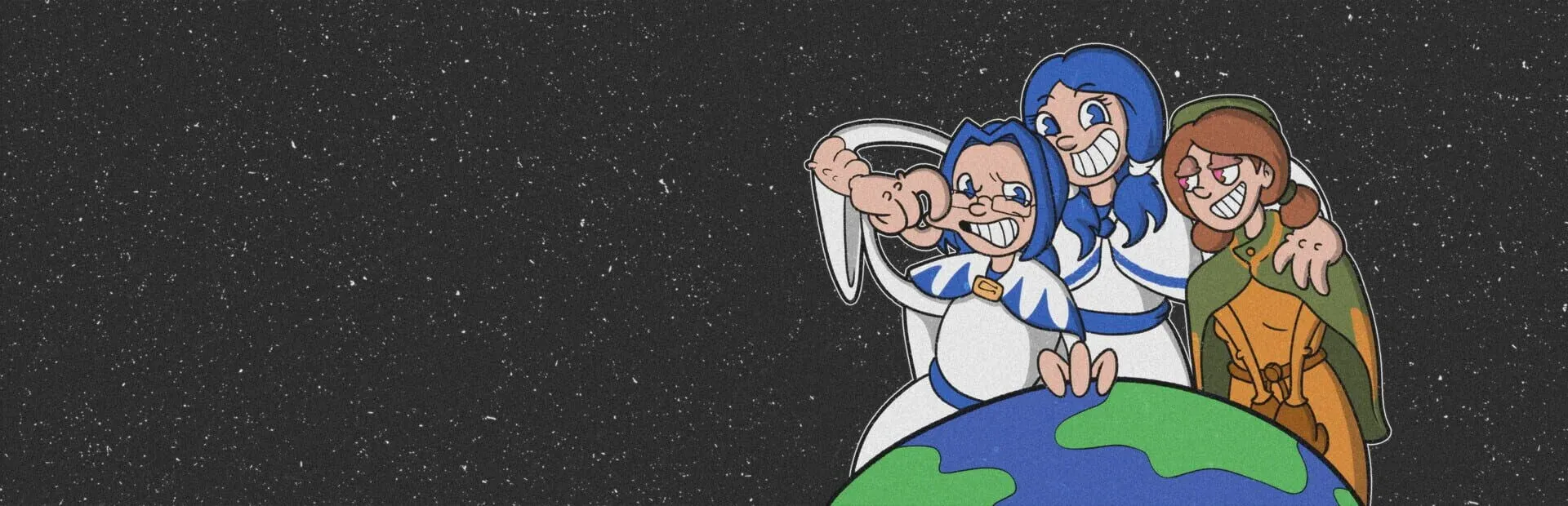
To Aerthen is a turn-based RPG developed and published solo by Ephiam, released on Steam in August 2023. Built in an 8-bit style that directly evokes the early NES Final Fantasy games, it follows Zephyr, a young man born from the power of a fallen star, on a mission to bring down the Ilvoryan Empire and its god XORMOTH. The game is a deliberate love letter to a very specific era of Japanese RPG design, and it commits to that vision completely.
The story begins with two stars falling onto the world of Aerthen. The first is claimed by Valorkis, lord of Telruse, who uses its power to forge the empire of Ilvorya and spread the doctrine of his god XORMOTH through an elite military order called the RaLune Knights. The second star lands quietly in an unnamed forest, discovered by an ordinary woman who draws from it the ability to have a child. That child is Zephyr. The setup is classic high fantasy, but the execution has the kind of earnest weight that made 1980s RPG storytelling stick with people for decades.
Gameplay and mechanics
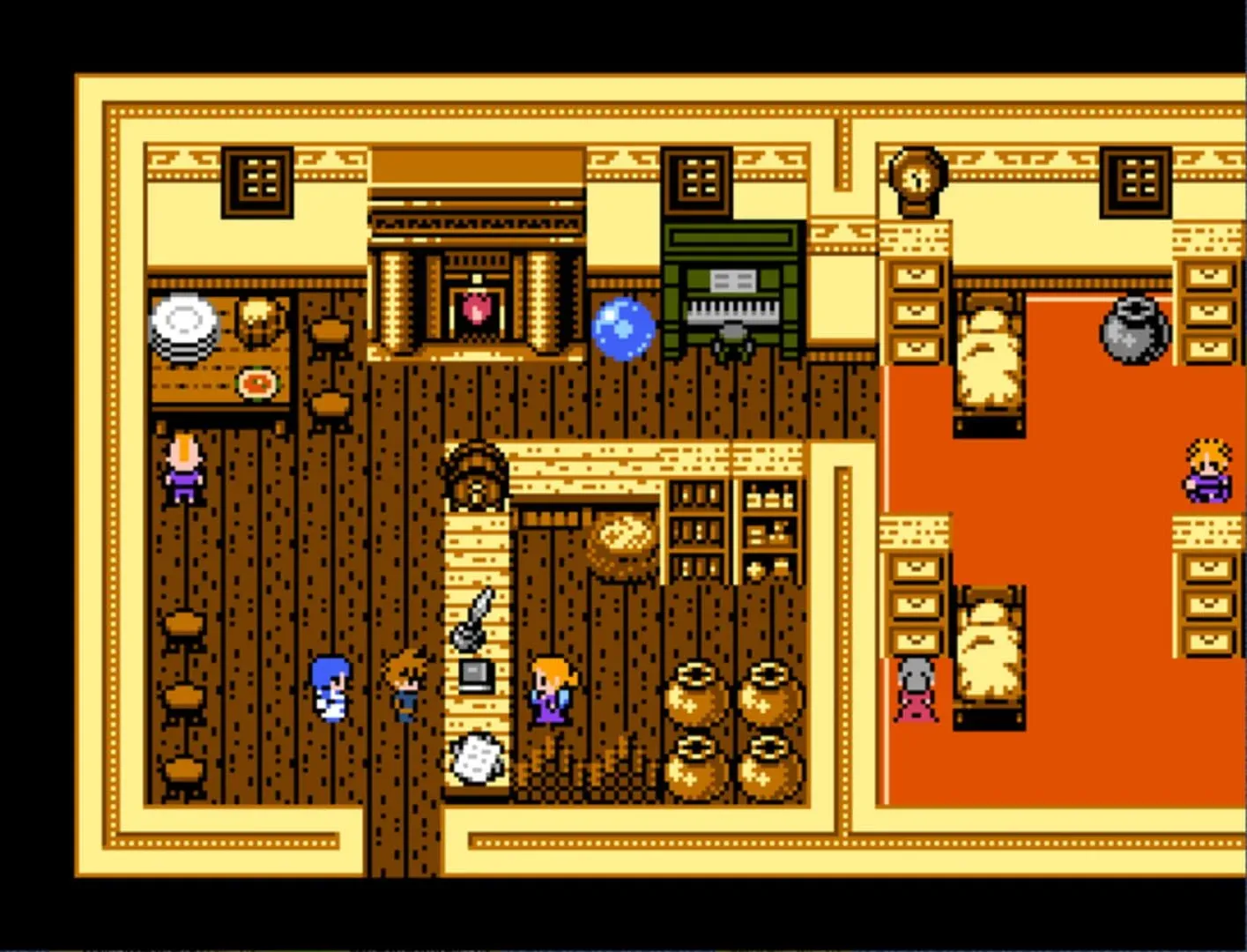
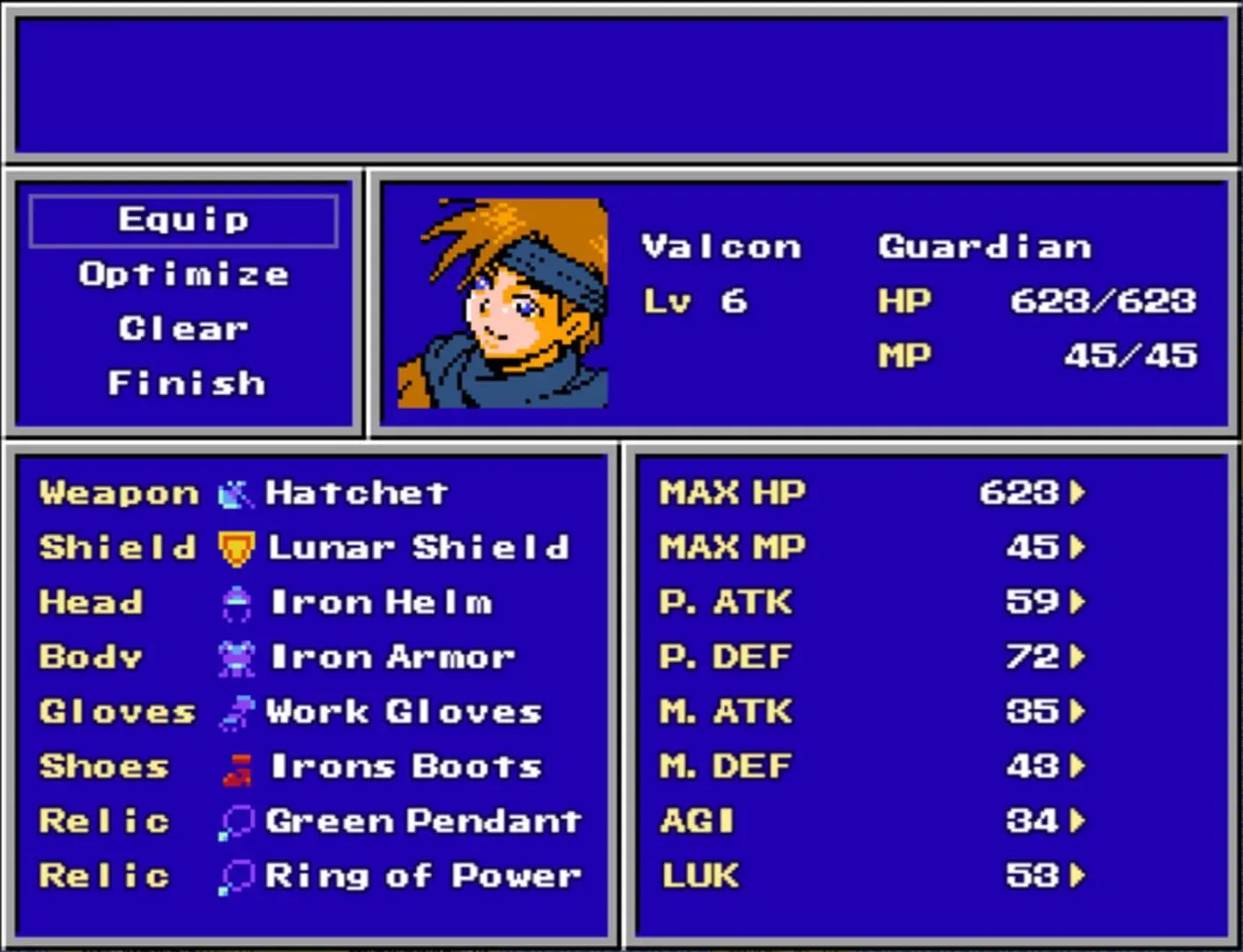
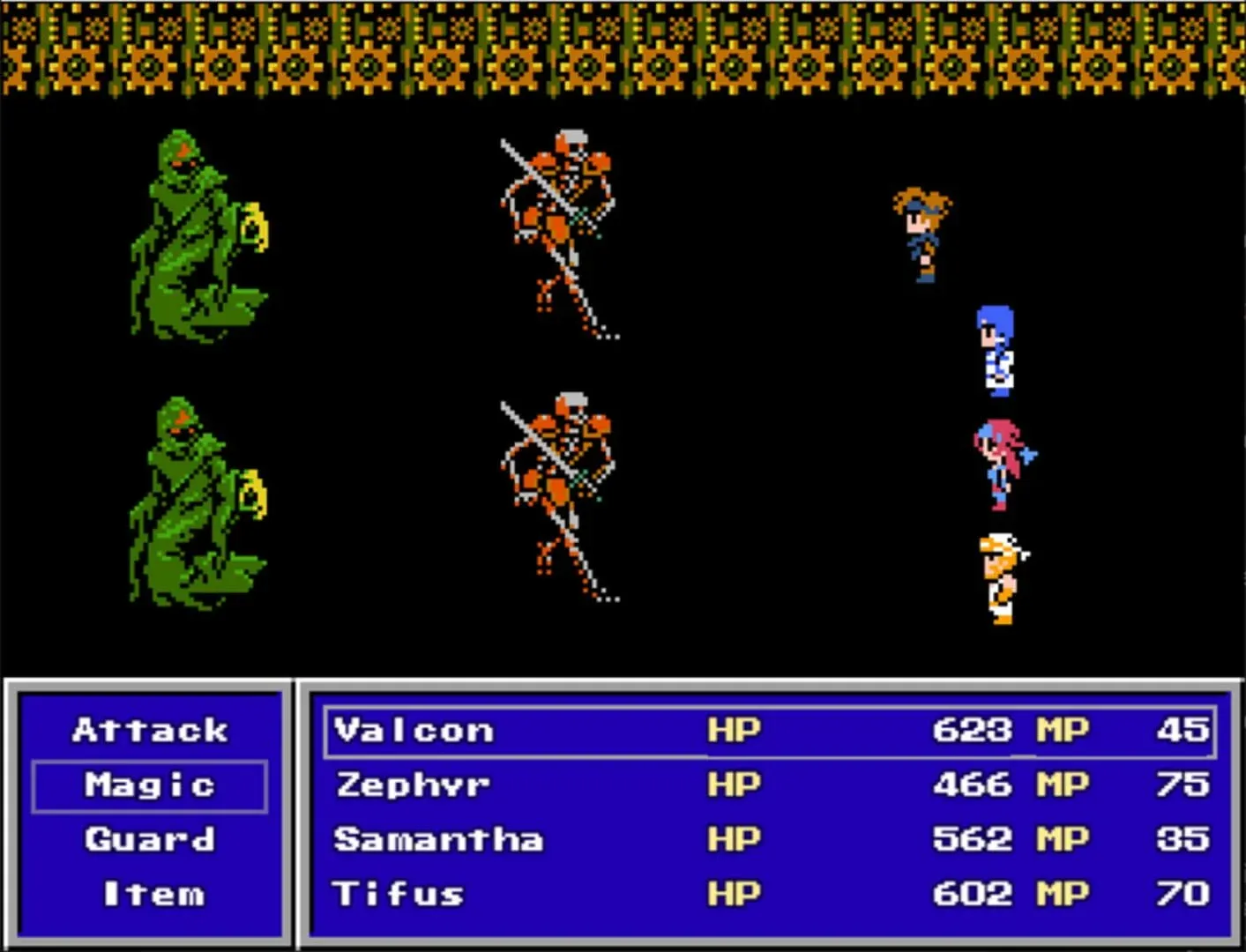
At its core, To Aerthen is a traditional turn-based RPG with the kinds of systems that defined the genre in its earliest form. Battles play out in menu-driven combat, exploration happens across an overworld and dungeon environments, and progression is tied to leveling up and managing party resources. Key features include:
To Aerthen content image
- Turn-based menu combat
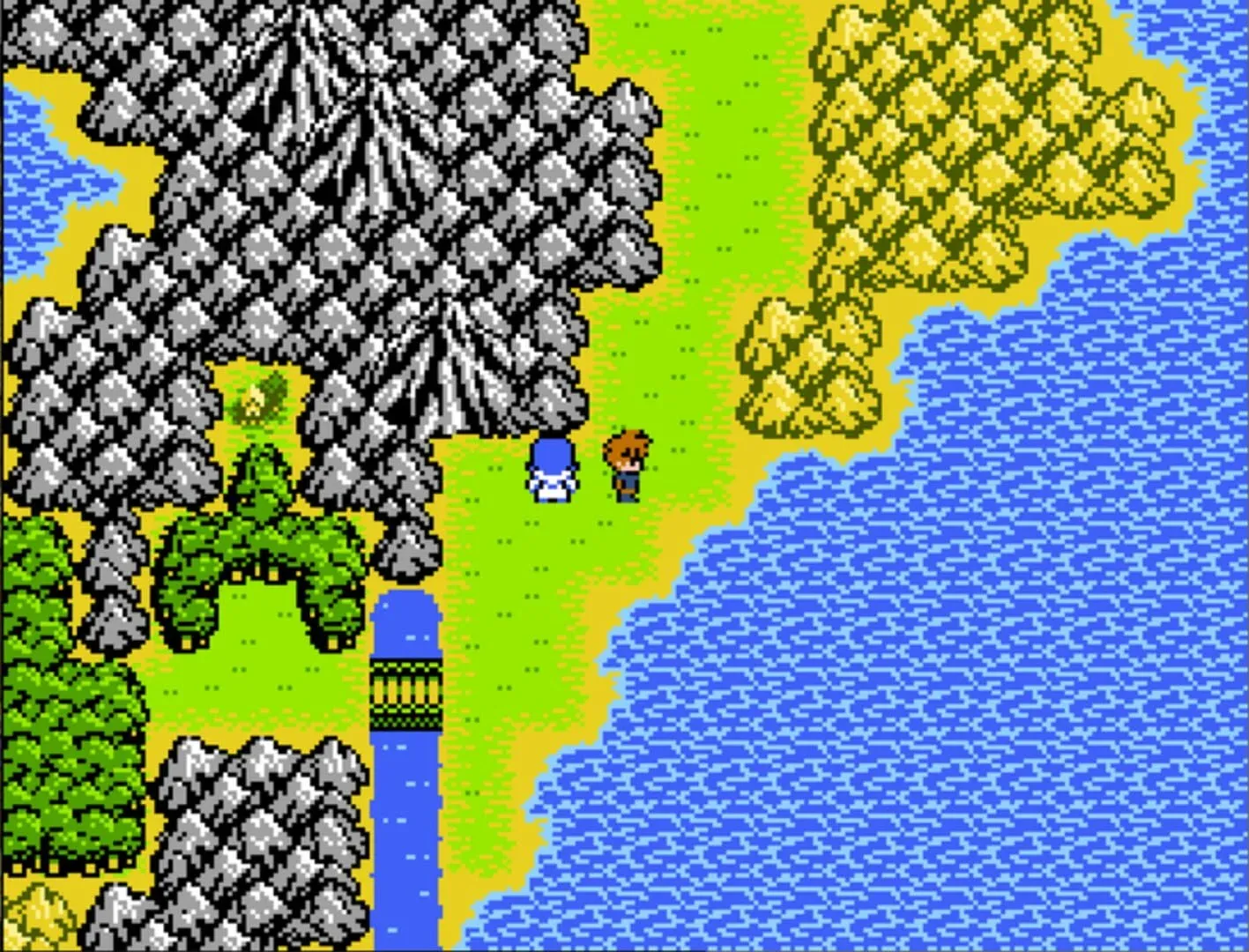
- Overworld and dungeon exploration
- Party-based progression
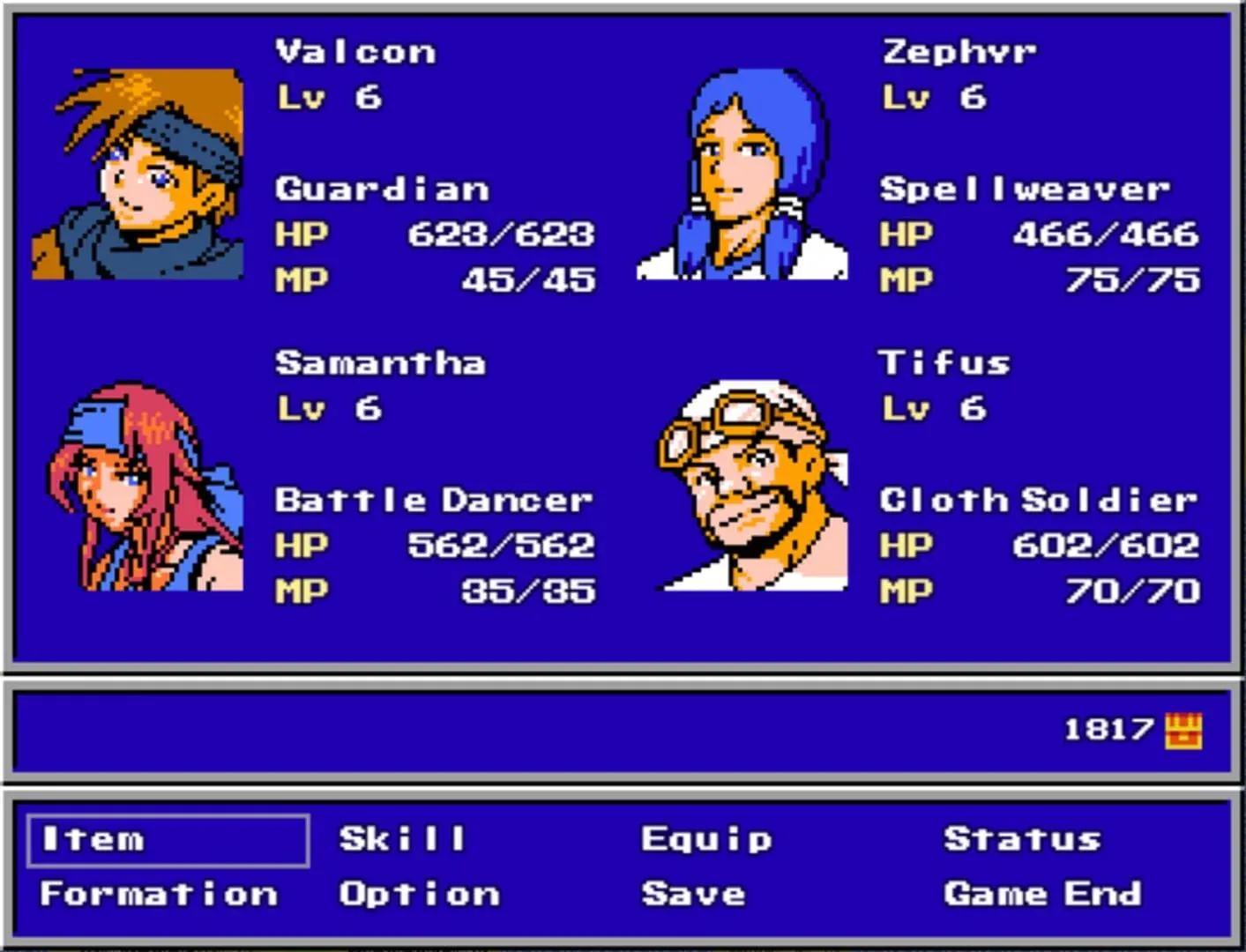
- Classic RPG stat and leveling systems
- Story-driven quest structure
Ephiam built the game as a single developer, which gives it a focused, uncluttered design. There are no systems fighting for your attention. The combat is straightforward by intent, not by limitation, and players who grew up on early Final Fantasy titles will recognize the rhythm immediately.
To Aerthen content image
World and setting: what is Aerthen?
Aerthen is a world defined by the tension between cosmic power and ordinary people. The empire of Ilvorya has dominated the continent through religious authority and military force, with the RaLune Knights serving as the physical expression of XORMOTH's reach. Against this backdrop, Zephyr and his childhood friend set out to infiltrate and dismantle Ilvorya from within, not through brute force alone but by understanding the truth behind the fallen stars and the god they supposedly empowered.
The world-building leans on classic fantasy archetypes but gives them specific names and histories that make Aerthen feel like a place with its own logic. Telruse, Ilvorya, XORMOTH, and the RaLune Knights all feel like pieces of a mythology that existed before the game starts, which is exactly the kind of texture that separates good RPG writing from generic placeholder lore.
To Aerthen content image
Visual and audio design
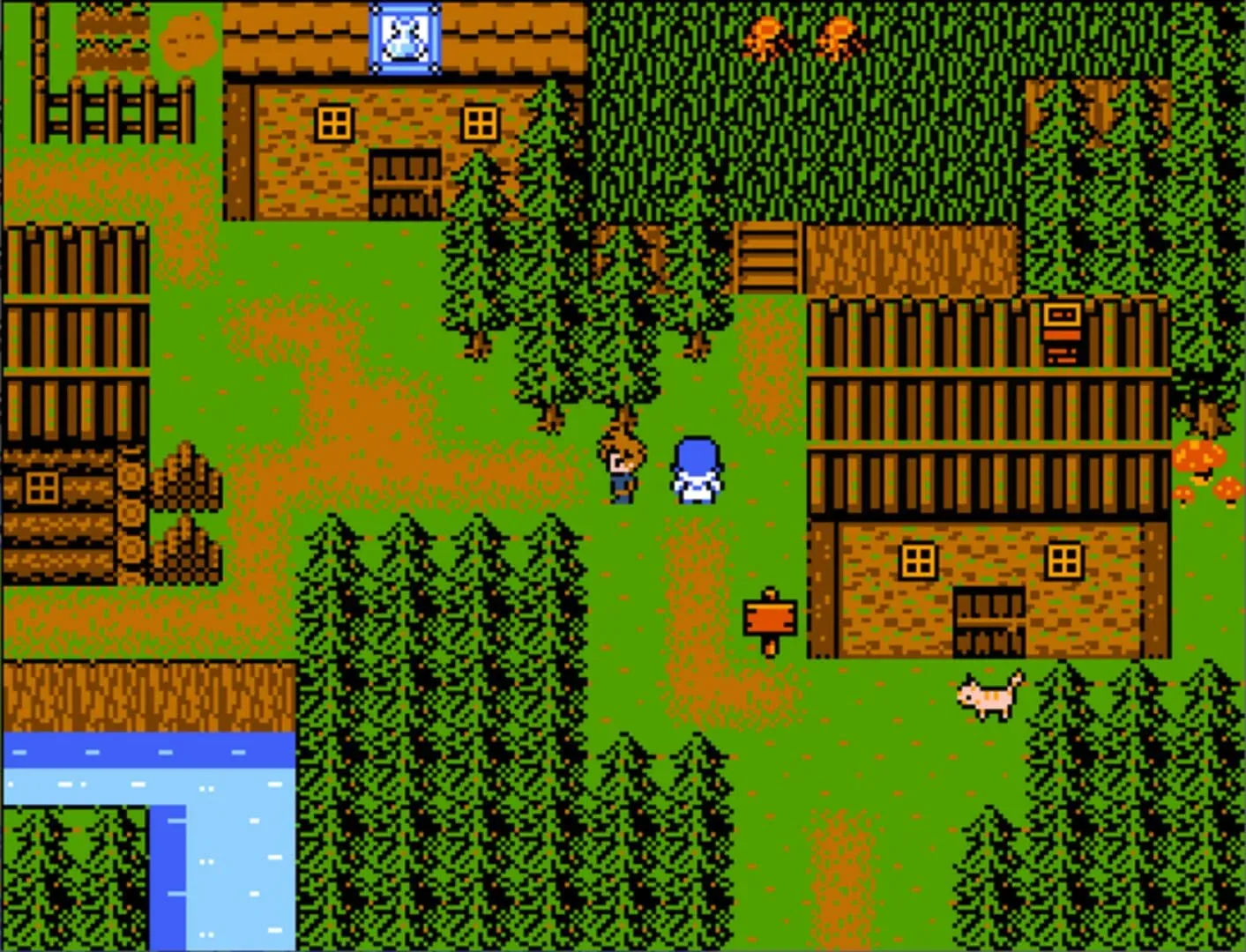
The 8-bit art style is not a shortcut here. Ephiam's pixel work draws directly from the NES Final Fantasy template, with the kind of sprite-based characters and tile-built environments that defined the genre before the Super Nintendo era changed everything. The visual choices reinforce the game's identity as a period-accurate throwback rather than a modern game wearing a retro costume.
For players who want their indie RPGs to feel genuinely old-school rather than just aesthetically nostalgic, To Aerthen delivers on that premise. The 8-bit presentation keeps the focus on the story and the turn-based systems, which is exactly where Ephiam's attention went during development. The result is a game that knows what it is and executes it without distraction.
To Aerthen content image