Overview
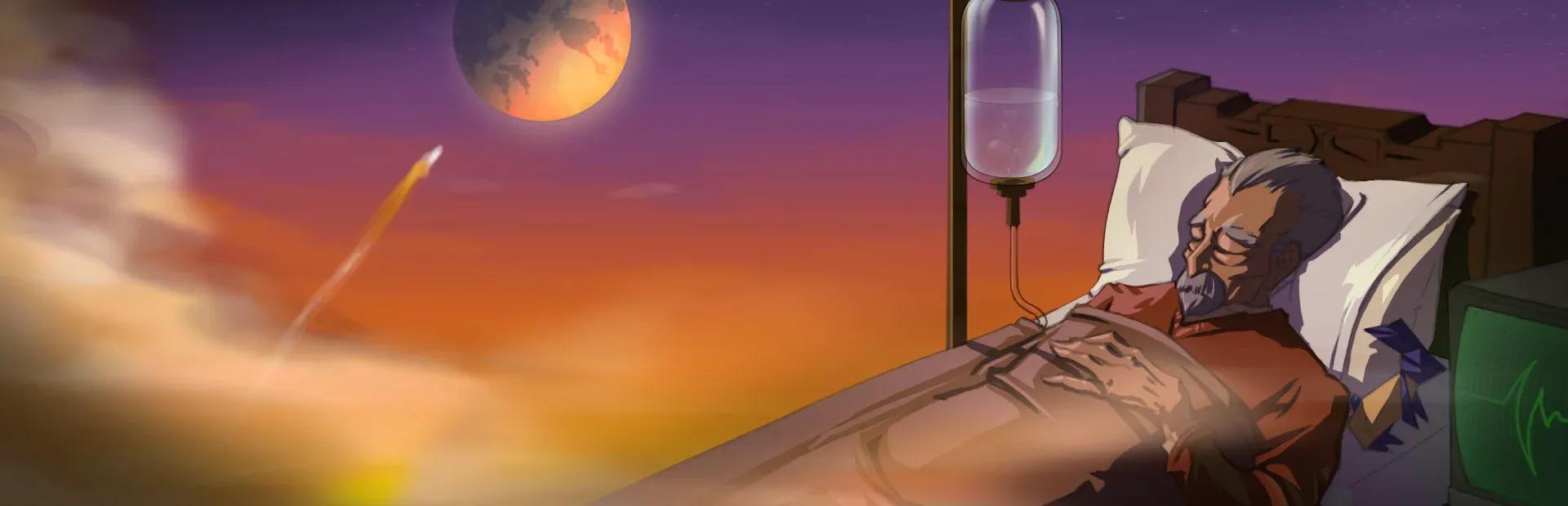
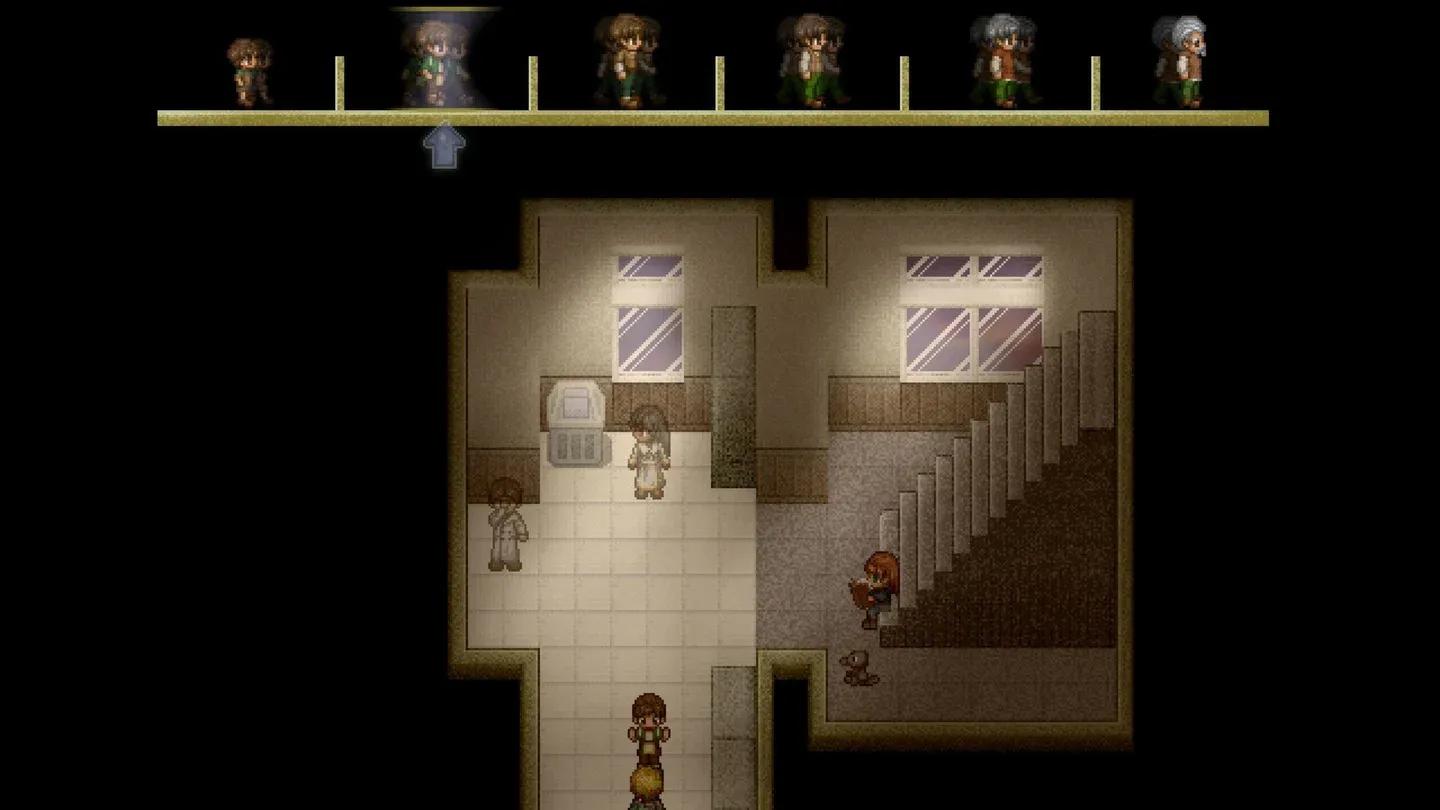
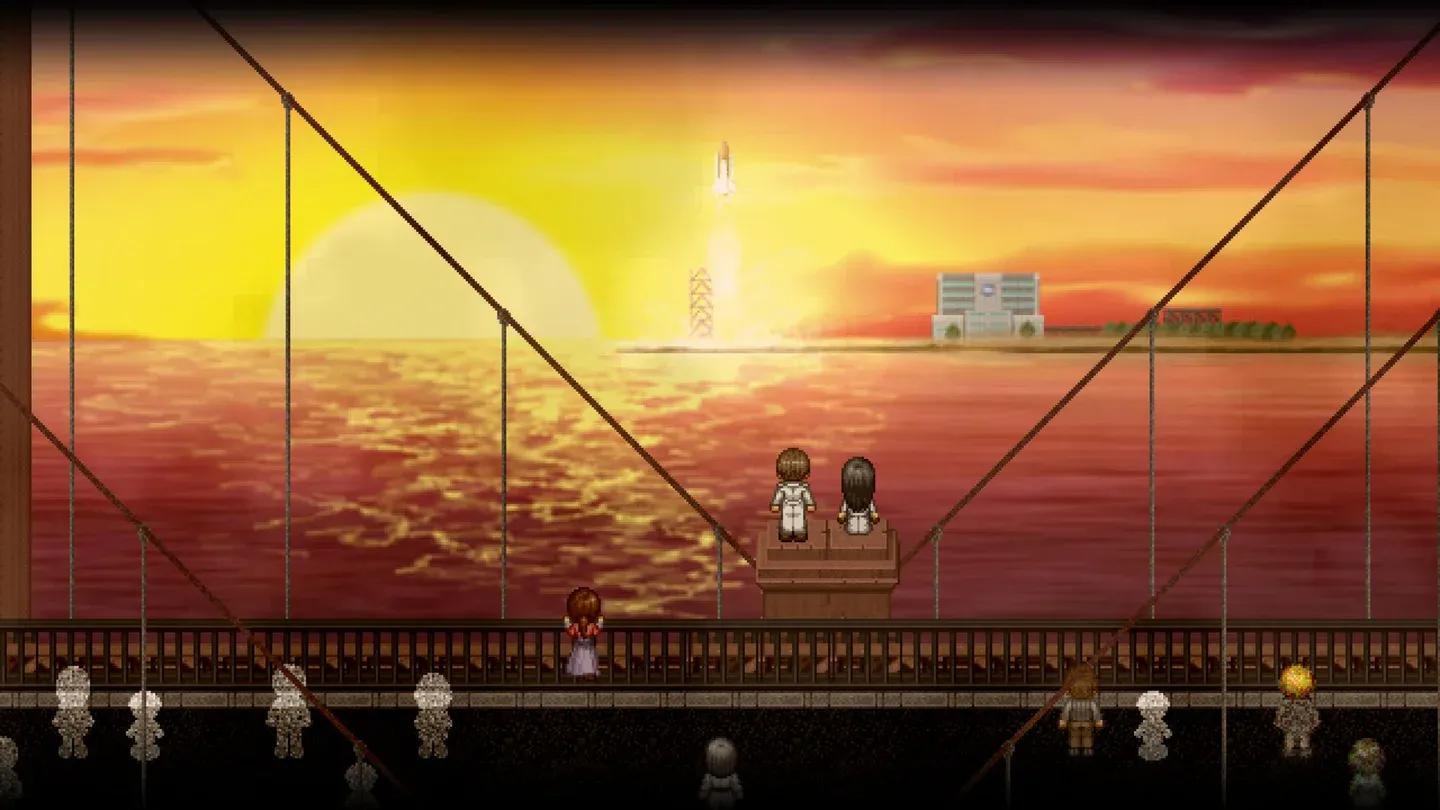
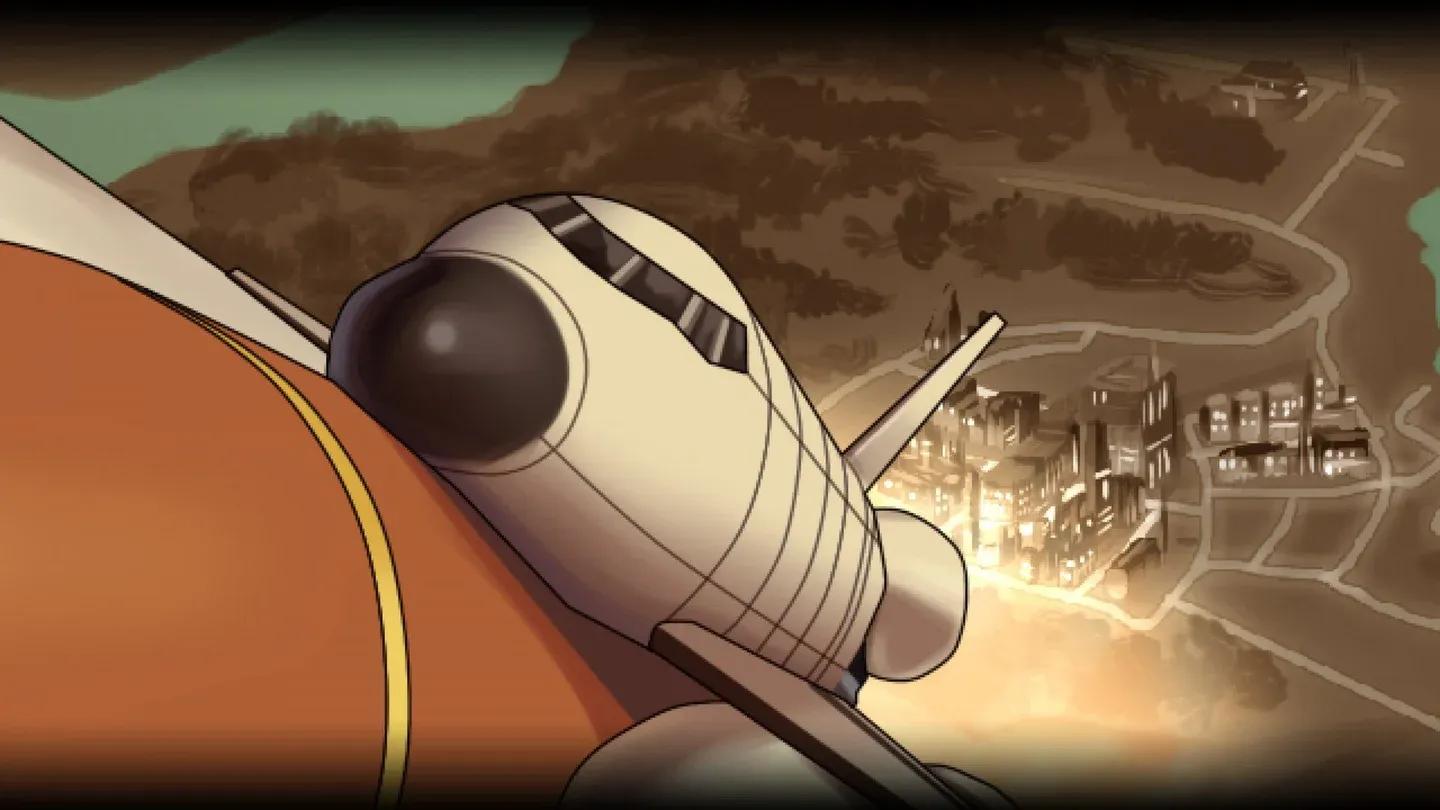
To the Moon puts players in the roles of Dr. Eva Rosalene and Dr. Neil Watts, employees of the mysterious Sigmund Corp., a company that implants artificial memories into dying patients to fulfill lifelong wishes. Their latest patient, an elderly man named Johnny Wyles, has one request: go to the moon. The catch is that Johnny himself doesn't know why.
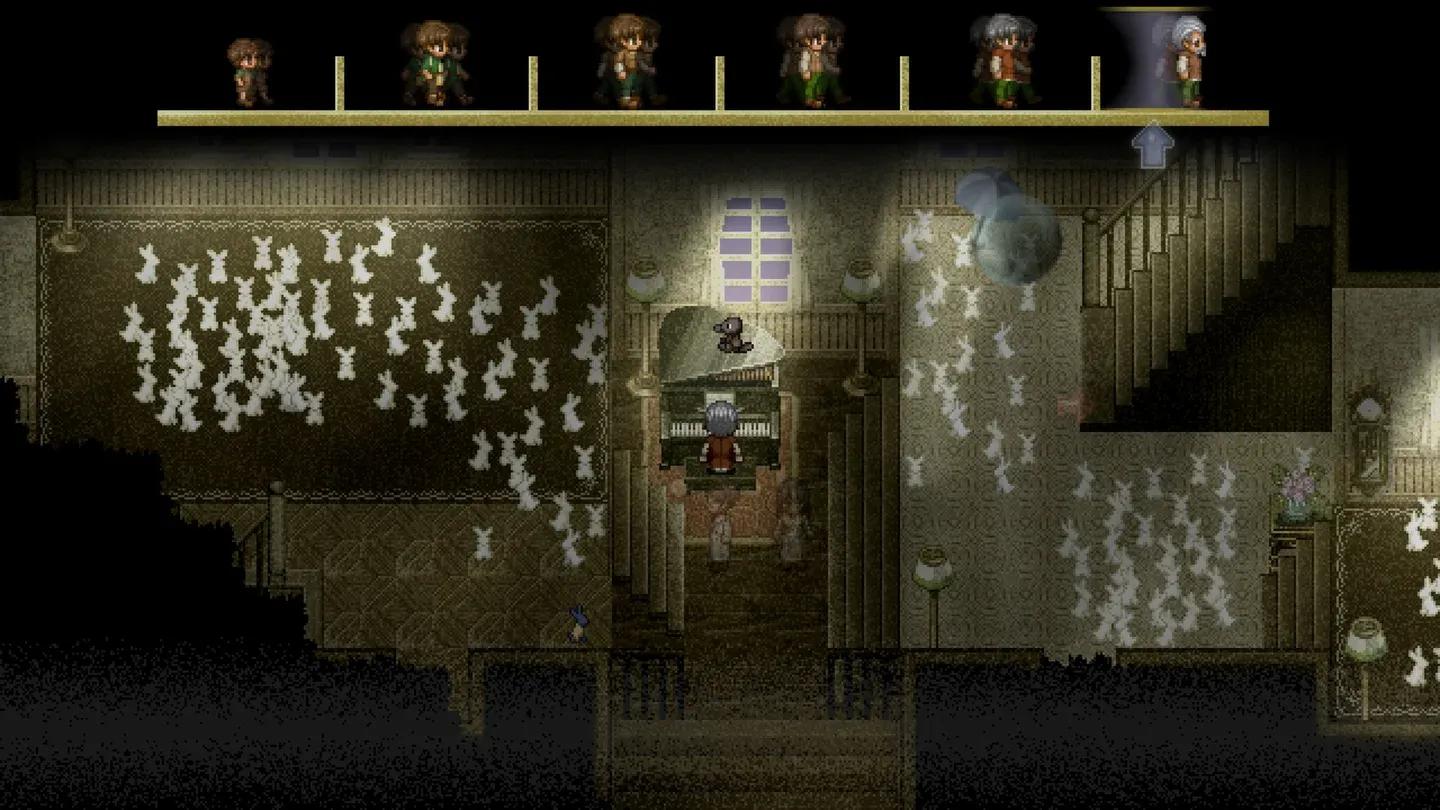
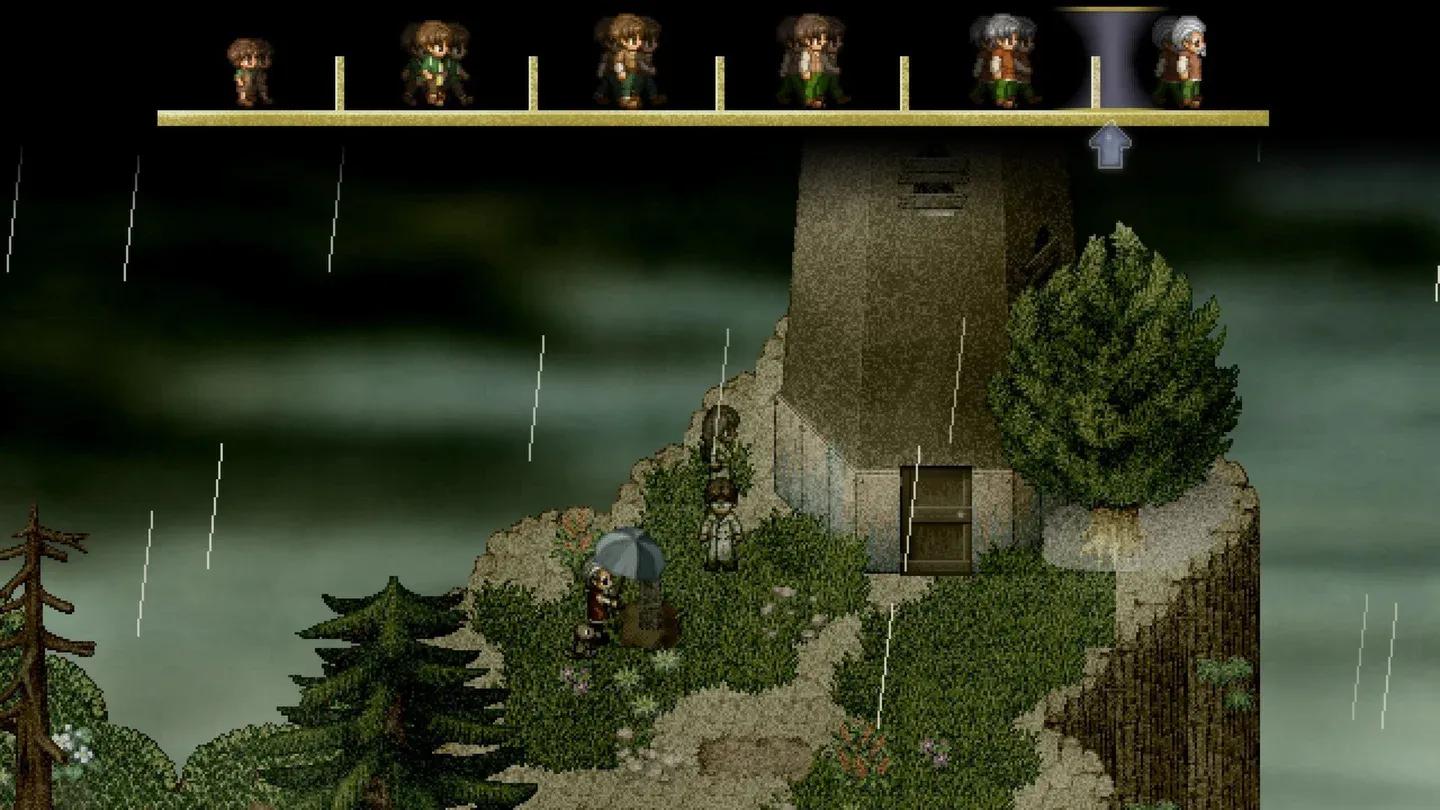
The game unfolds as the two doctors navigate backwards through Johnny's memories, using physical mementos as anchors to leap further into his past. Each memory reveals another layer of a life lived with quiet tragedy at its center, including Johnny's complicated marriage to River, a woman whose unspoken love and unconventional behavior hid a secret that reshapes everything the player thinks they understand. The gameplay is minimal by design: light puzzle-solving, exploration, and dialogue choices move the story forward without demanding mechanical skill. The focus is entirely on narrative.
To the Moon content image
What kind of game is To the Moon?
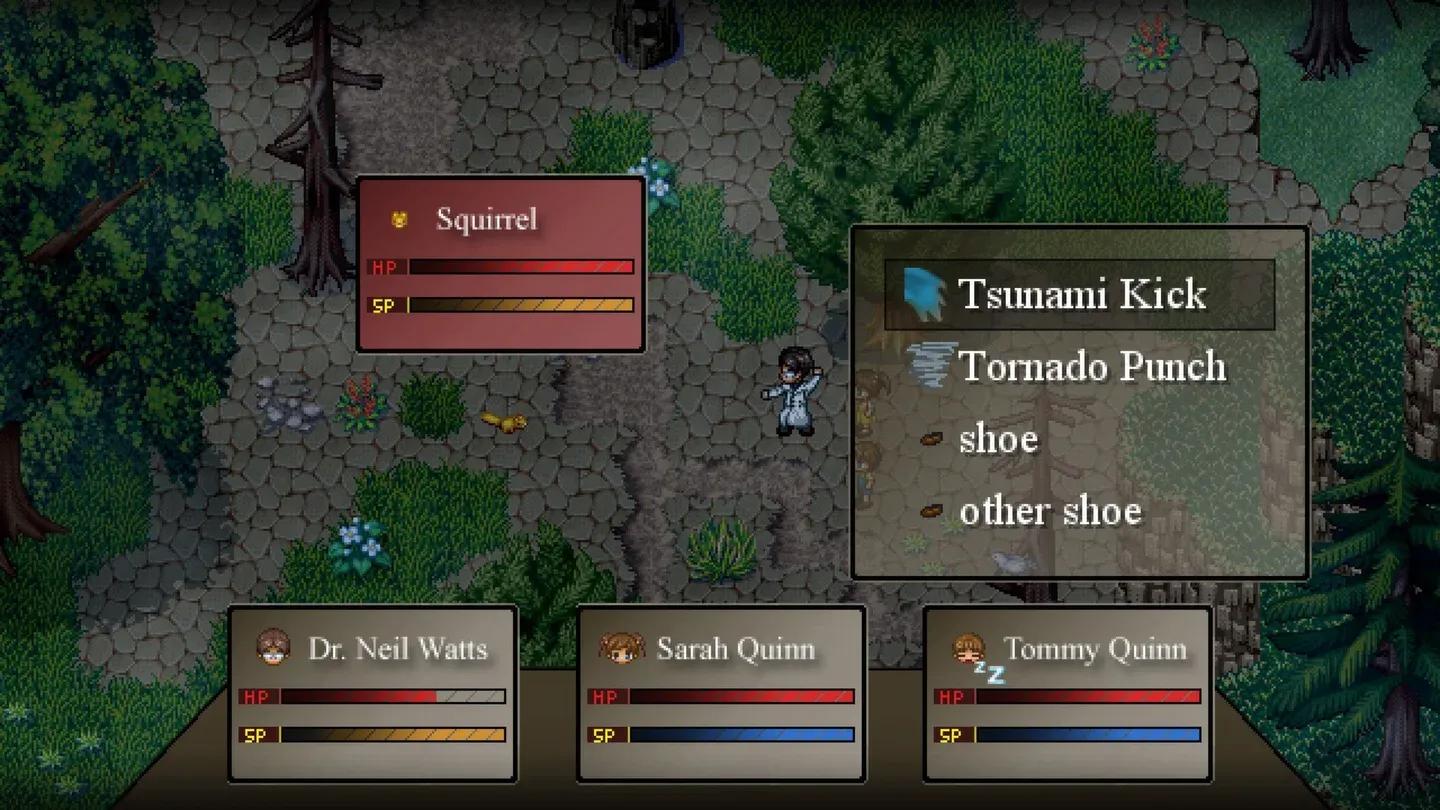
To the Moon sits in an unusual space. It carries RPG trappings, a retro pixel art style, and a top-down perspective borrowed from classic JRPGs, but combat is almost entirely absent. The experience runs roughly 4 to 5 hours, which makes it closer to an interactive story than a traditional game. Key features include:
To the Moon content image
- Memory-traversal puzzle mechanics
- Point-and-click exploration
- Dialogue-driven character development
- A fully original piano-led soundtrack
- No game-over states or fail conditions
For players who bounced off slow-burn narrative games before, To the Moon is the argument that the format can carry genuine emotional weight. The absence of mechanical friction is intentional: every design choice strips away anything that might distance the player from Johnny's story.
To the Moon content image
World and atmosphere
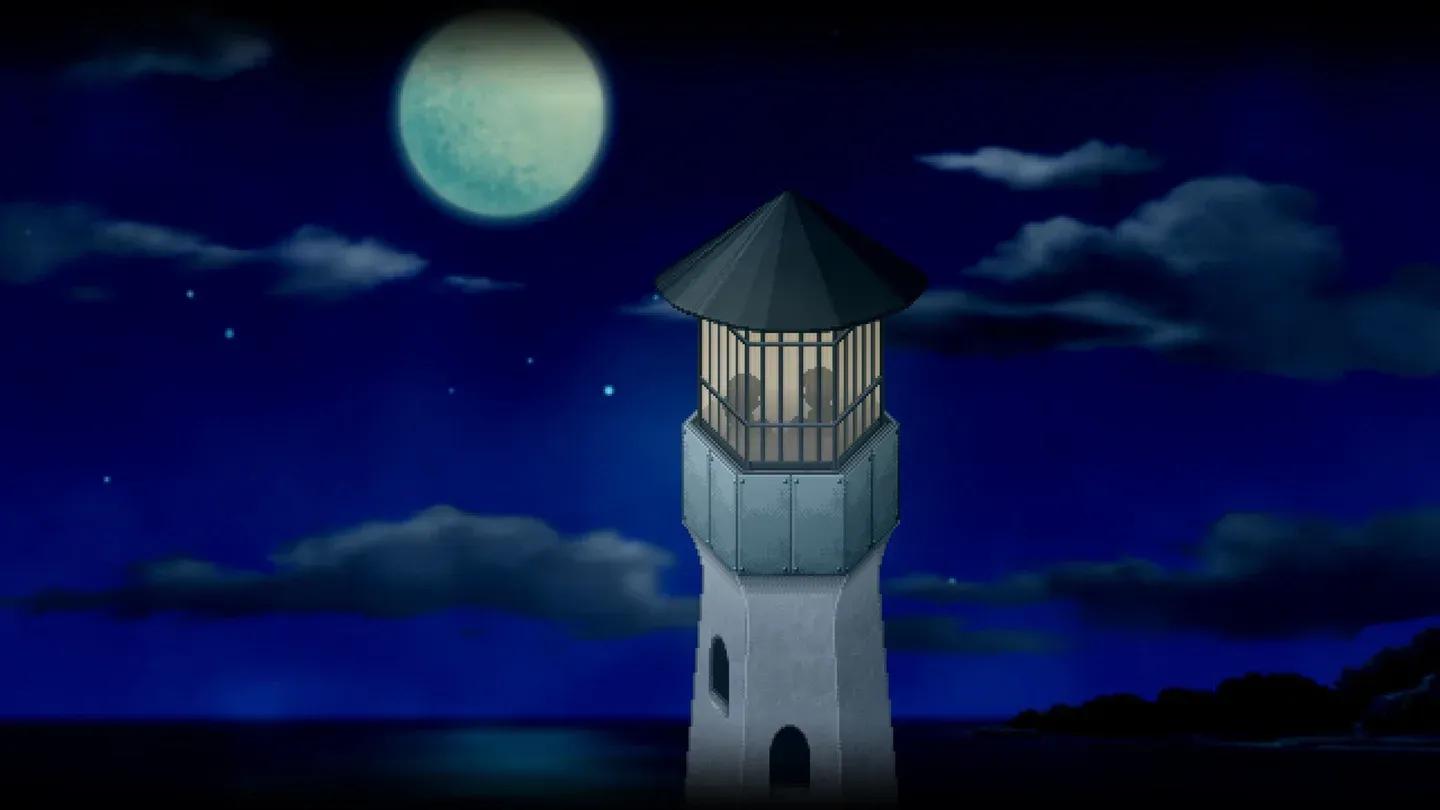
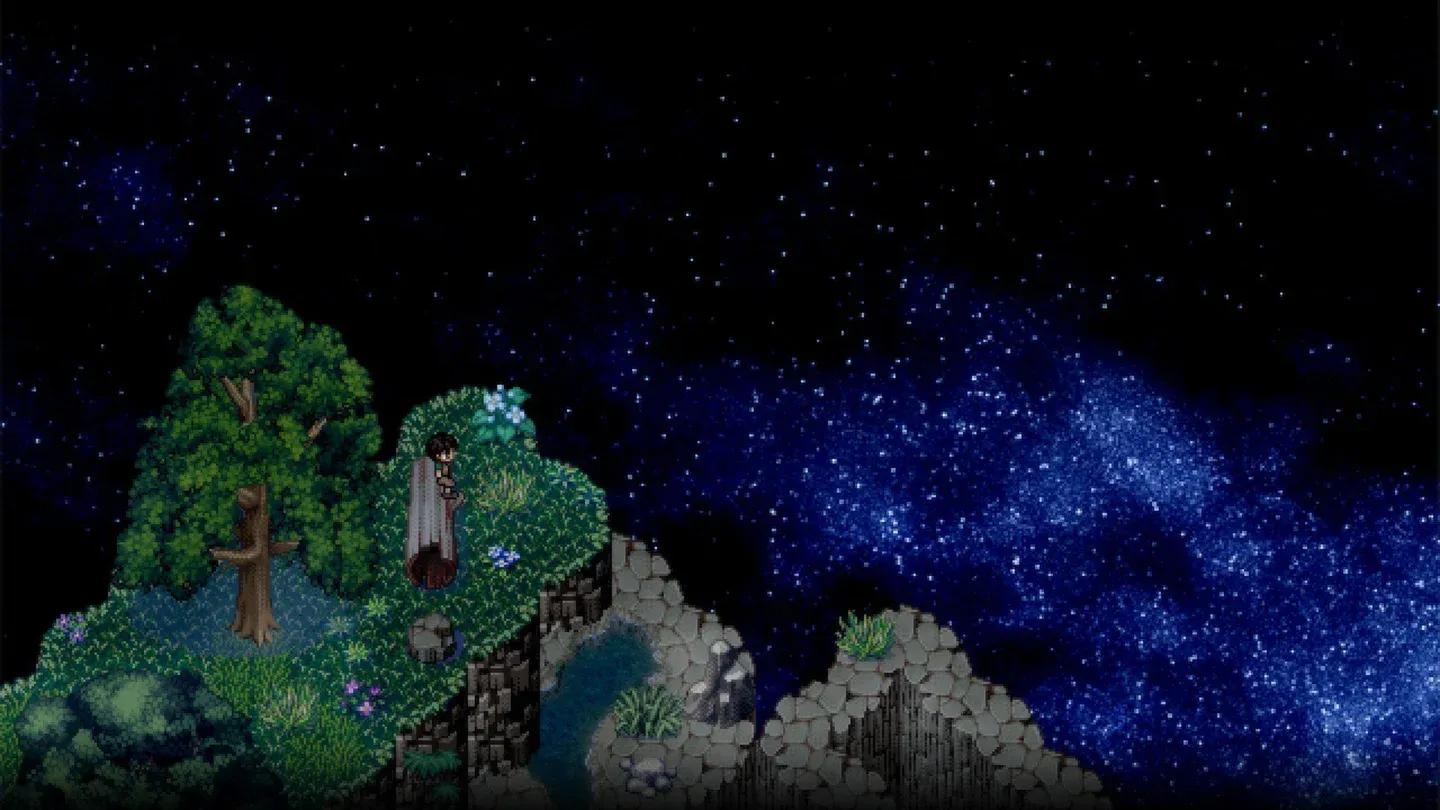
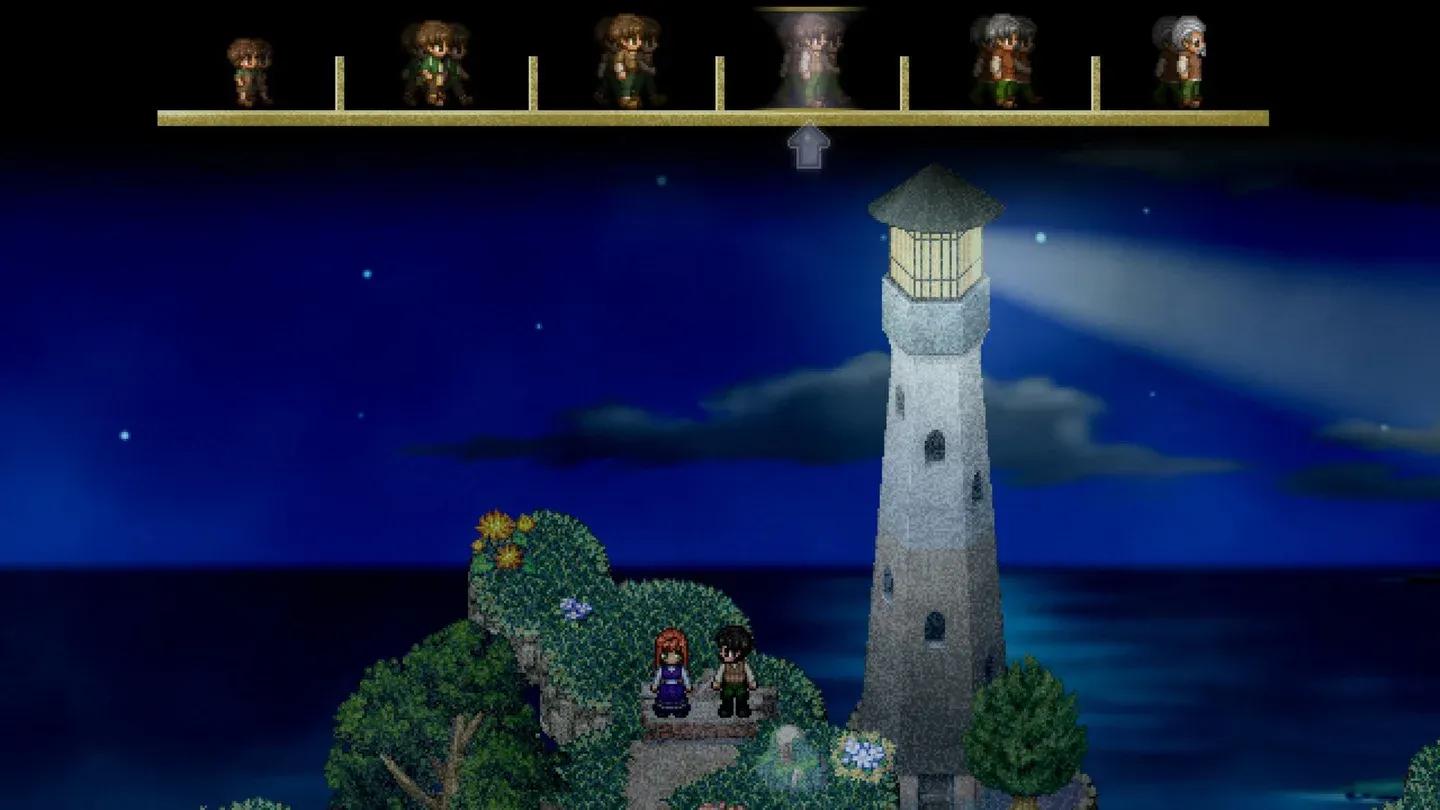
The pixel art style, composed almost entirely by developer Kan Gao, carries a surprising amount of emotional range. Quiet lighthouse cliffs, a cluttered family home, and the vast cold blue of a remembered carnival night all communicate mood in ways that bigger-budget art styles sometimes miss. The restraint is the point.
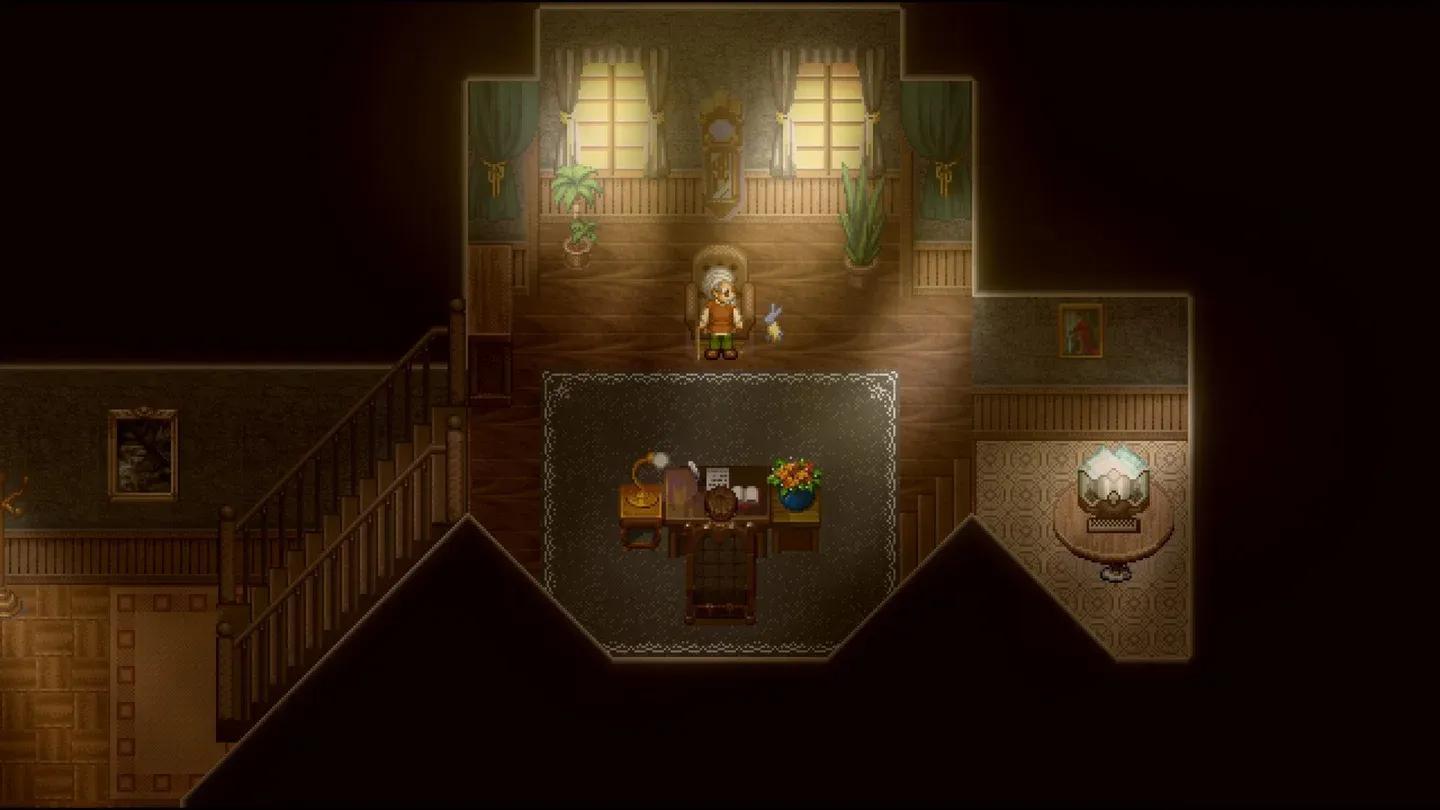
To the Moon content image
The soundtrack, also composed by Gao, is one of the most recognized in indie gaming. The piano theme that carries through Johnny and River's story has become synonymous with the game itself, and it earns that association. Music in To the Moon doesn't underscore scenes so much as carry them.
Impact and legacy
Released in September 2012, To the Moon built its reputation slowly through word of mouth before landing on virtually every major platform, including PC, Mac, PlayStation, Xbox, Nintendo Switch, Android, and iOS. The PS5 version, published by Serenity Forge, holds a 4.79 out of 5 rating from over 515 player reviews, a number that has stayed remarkably stable over time.
The game sits at the head of Freebird Games' ongoing series, which continues with Finding Paradise and Impostor Factory, and the standalone spin-off Just a To the Moon Series Beach Episode. Each entry follows Rosalene and Watts into a new patient's memories, but To the Moon remains the entry point that defines what the series is: a story-driven adventure that treats its characters as real people with complicated, unresolvable pasts. The question it asks, whether a life can be made whole by changing what you remember of it, doesn't resolve cleanly. That's exactly why it stays with you.