Advertisement

Overview
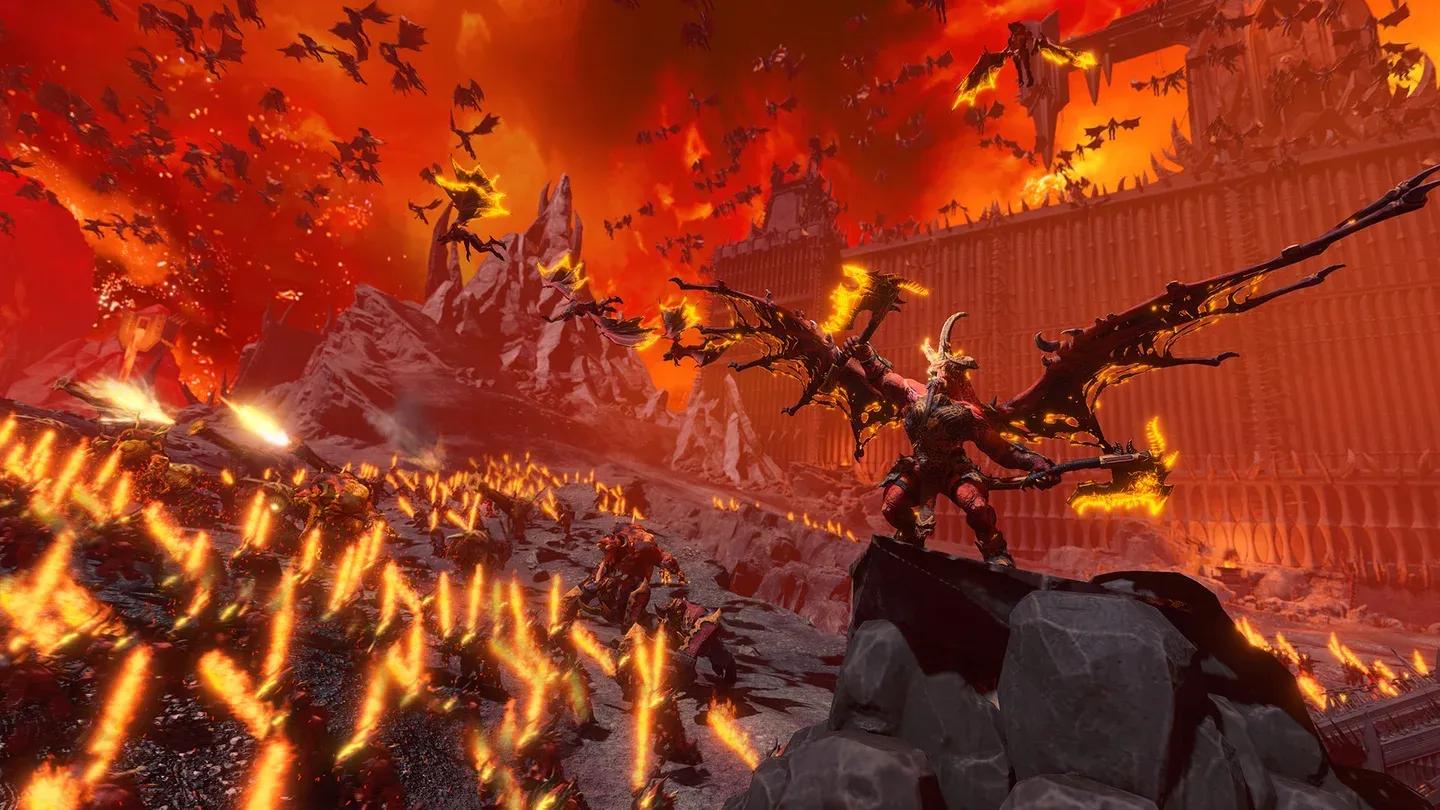
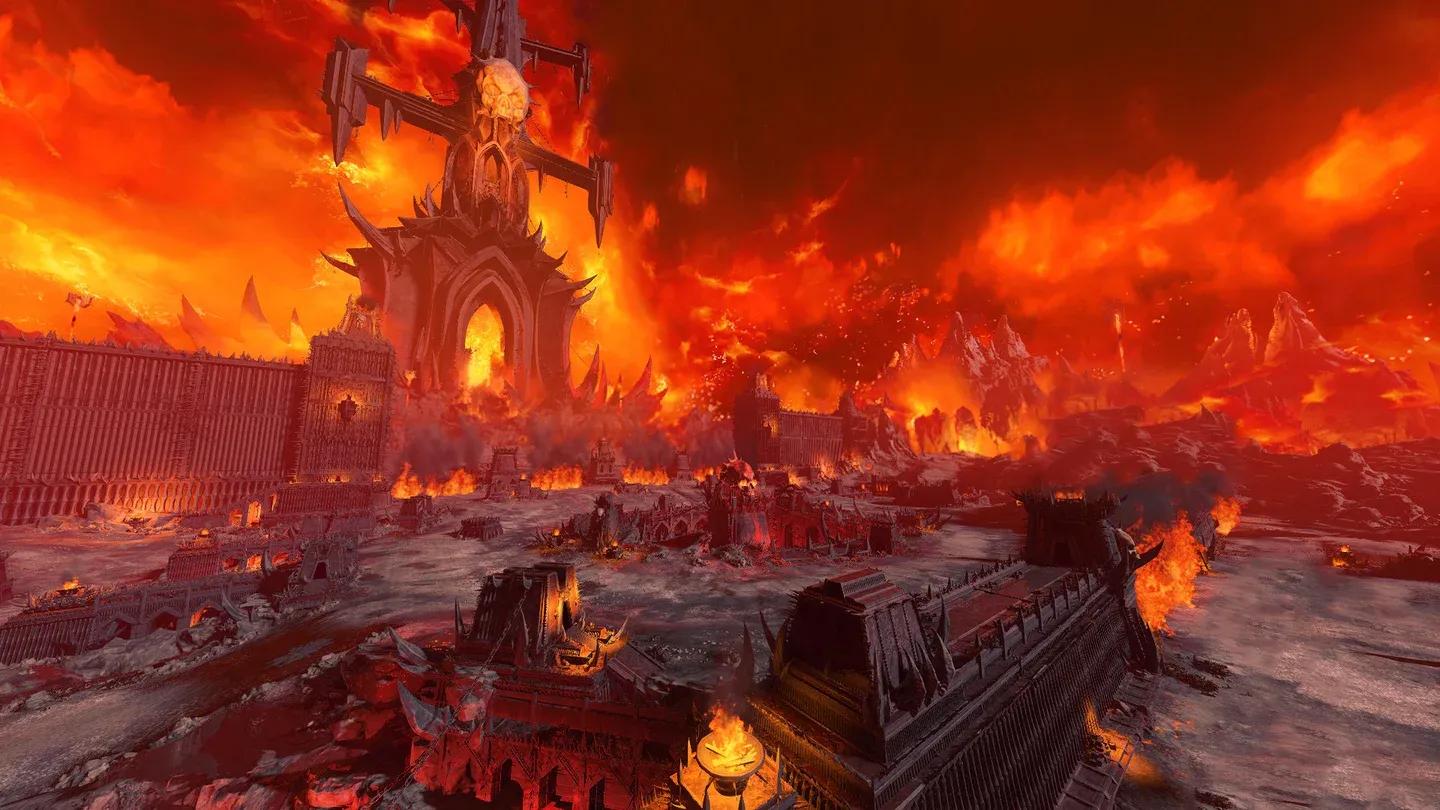
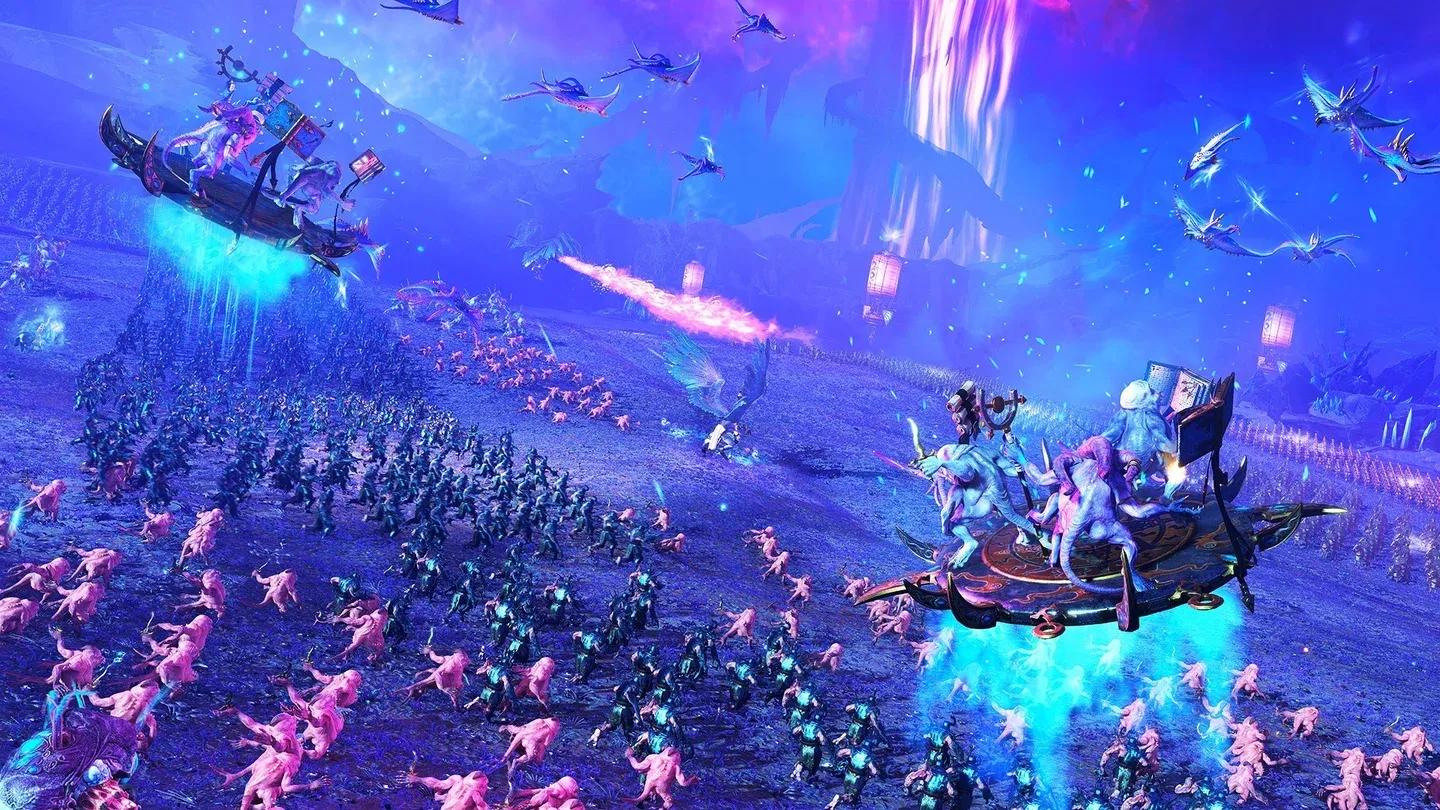
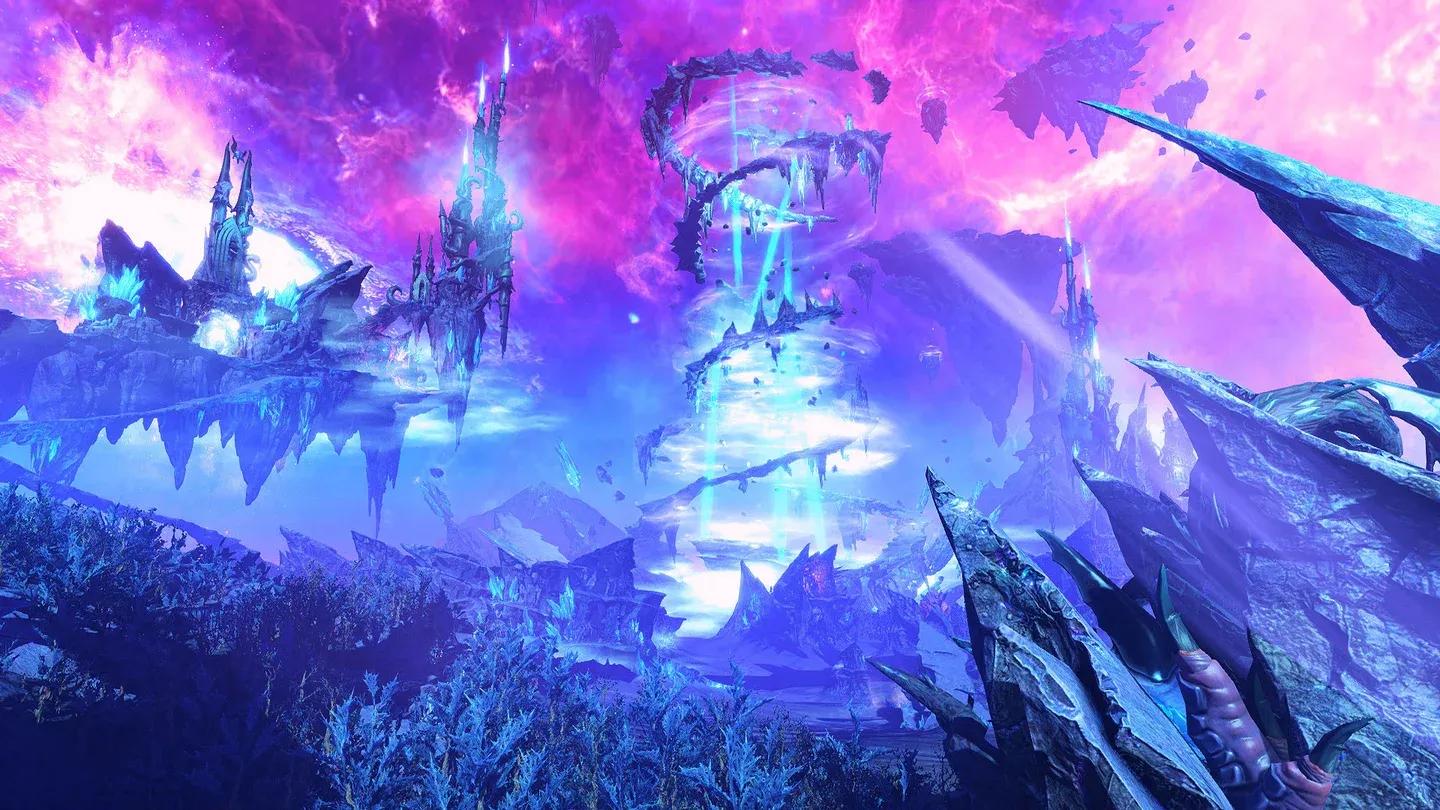
Total War: WARHAMMER III is the final chapter in Creative Assembly's Warhammer Fantasy strategy trilogy, released on February 16, 2022. The game drops players into the Realm of Chaos, a dimension ruled by four Ruinous Powers: Nurgle, Slaanesh, Tzeentch, and Khorne. Two mortal kingdoms, Kislev and Grand Cathay, stand as the last line of defense against daemonic corruption spilling into the world. The central campaign tasks players with navigating this conflict, with an ancient schemer pulling strings behind the scenes.
The trilogy's signature formula returns in full: a turn-based campaign map where you build settlements, manage diplomacy, and maneuver armies, followed by real-time battles that can involve thousands of units clashing across detailed terrain. WARHAMMER III refines the formula with soul-collection mechanics during the Realm of Chaos campaign, where pushing into daemonic territory requires managing your forces carefully or risk losing them to corruption.
Immortal Empires: what does it add?
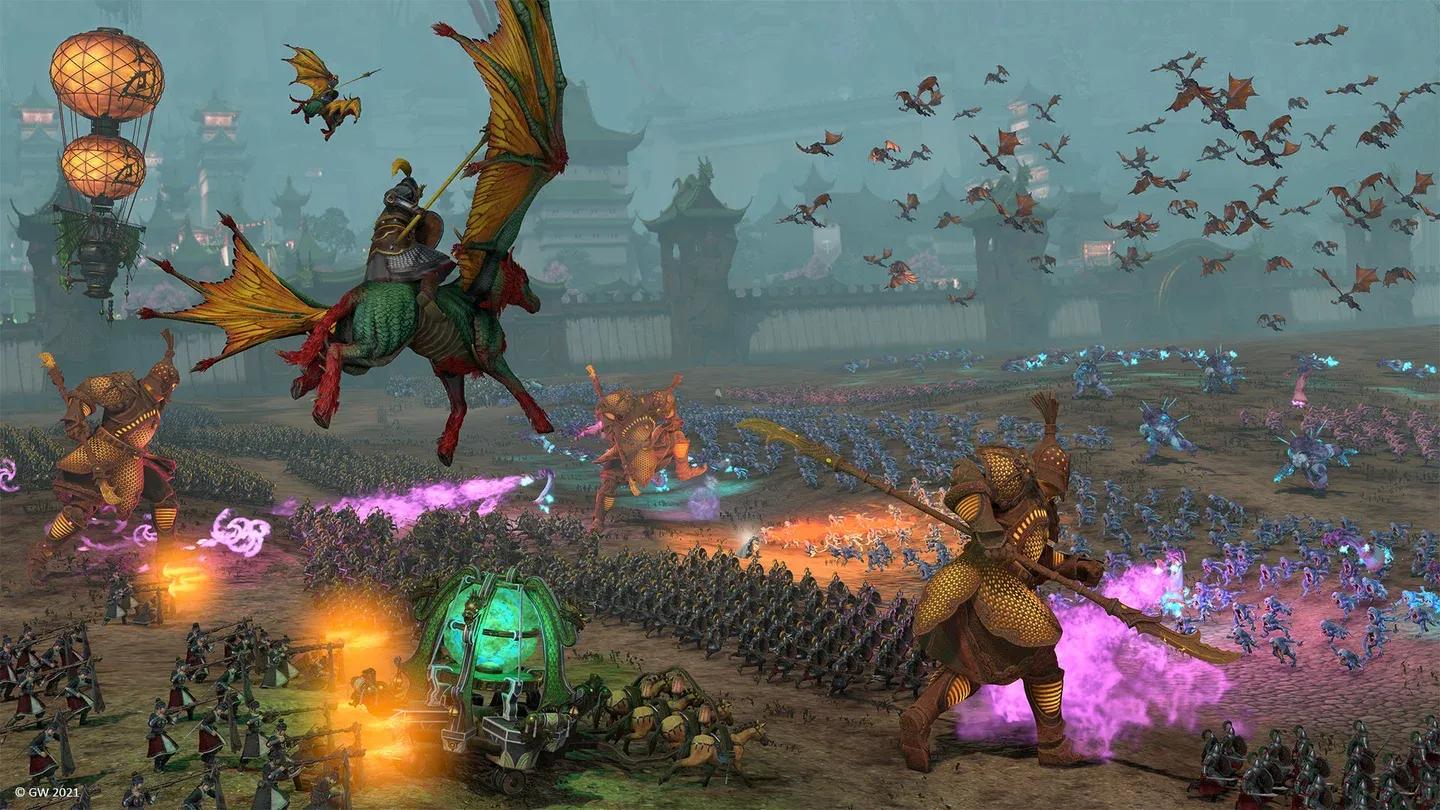
Immoral Empires is the mode that defines WARHAMMER III's long-term value. It merges the campaign maps, races, and factions from all three games into one enormous sandbox, making it the largest Total War campaign ever constructed. Every owner of WARHAMMER III gets access to the base Immortal Empires experience, though several factions remain locked behind ownership of the first two games or their DLC.
Total War: WARHAMMER III content image
Key features of Immortal Empires:
- Combined map spanning all three games' territories
- Dozens of playable Legendary Lords with unique mechanics
- Full diplomacy and faction interactions across races
- Supports both solo and multiplayer campaigns
- Persistent cross-trilogy army roster access
Total War: WARHAMMER III content image
The sheer scope of Immortal Empires turns WARHAMMER III into a platform for the entire trilogy rather than just a standalone entry. Players who own all three games and their DLC are looking at one of the deepest strategy sandboxes available on PC.
Factions and campaign variety
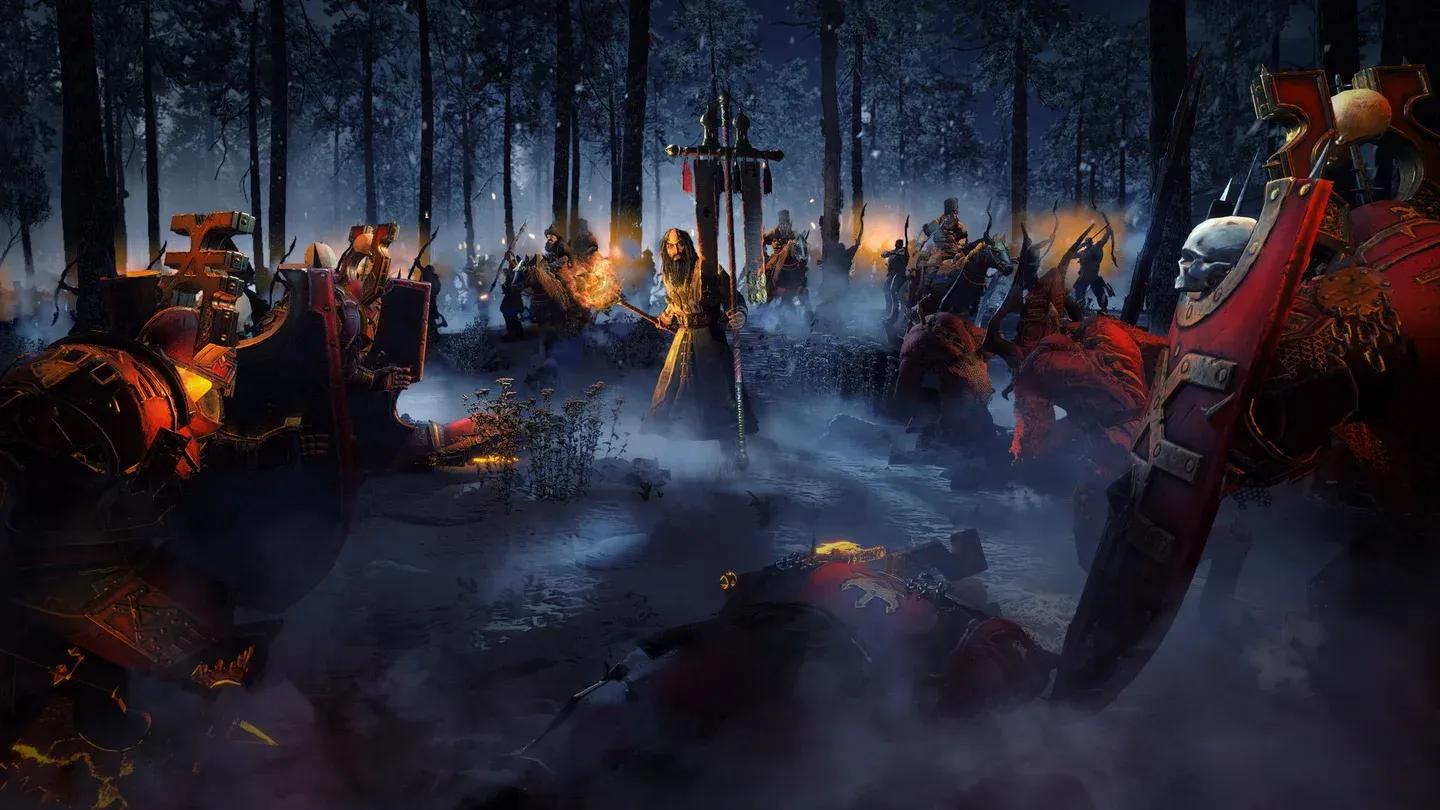
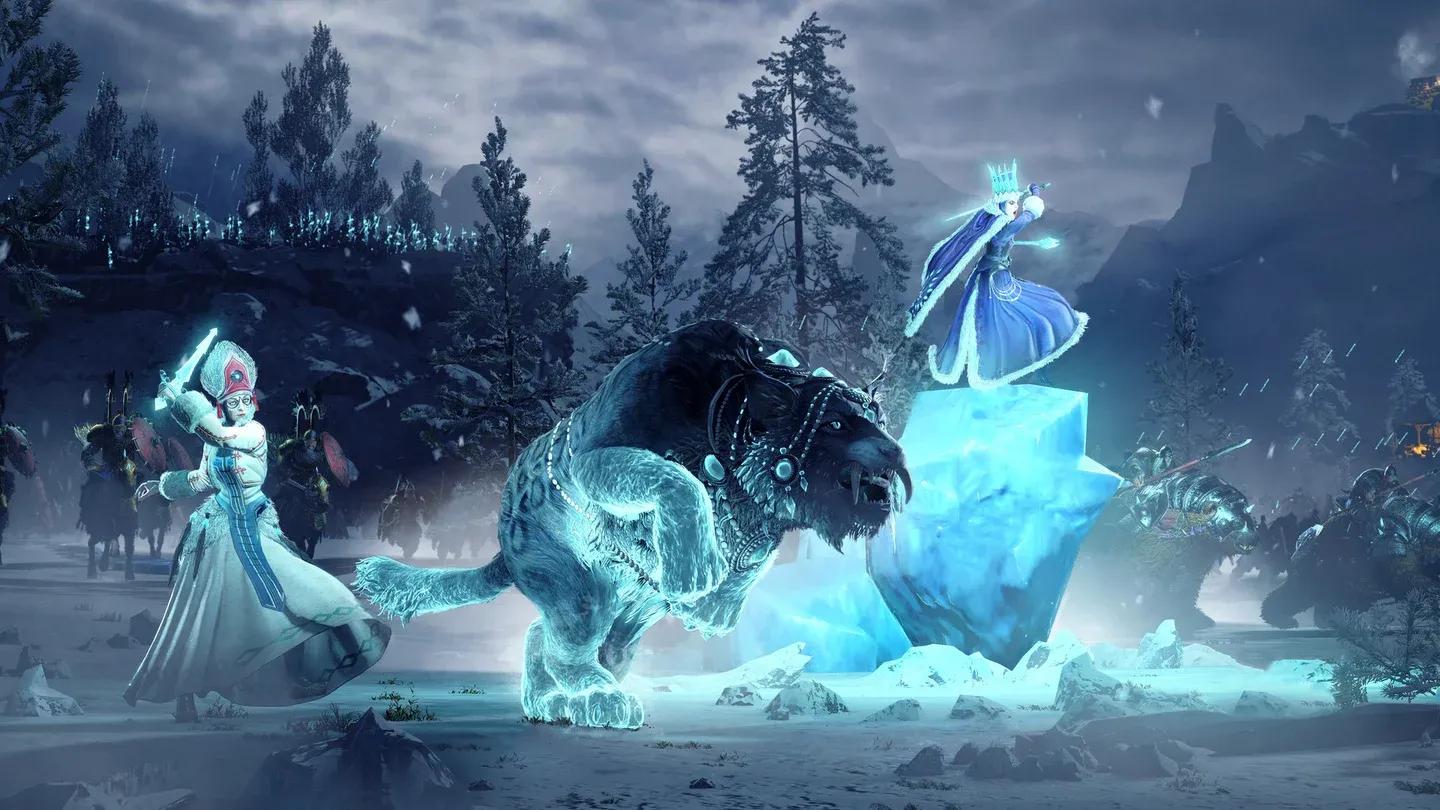
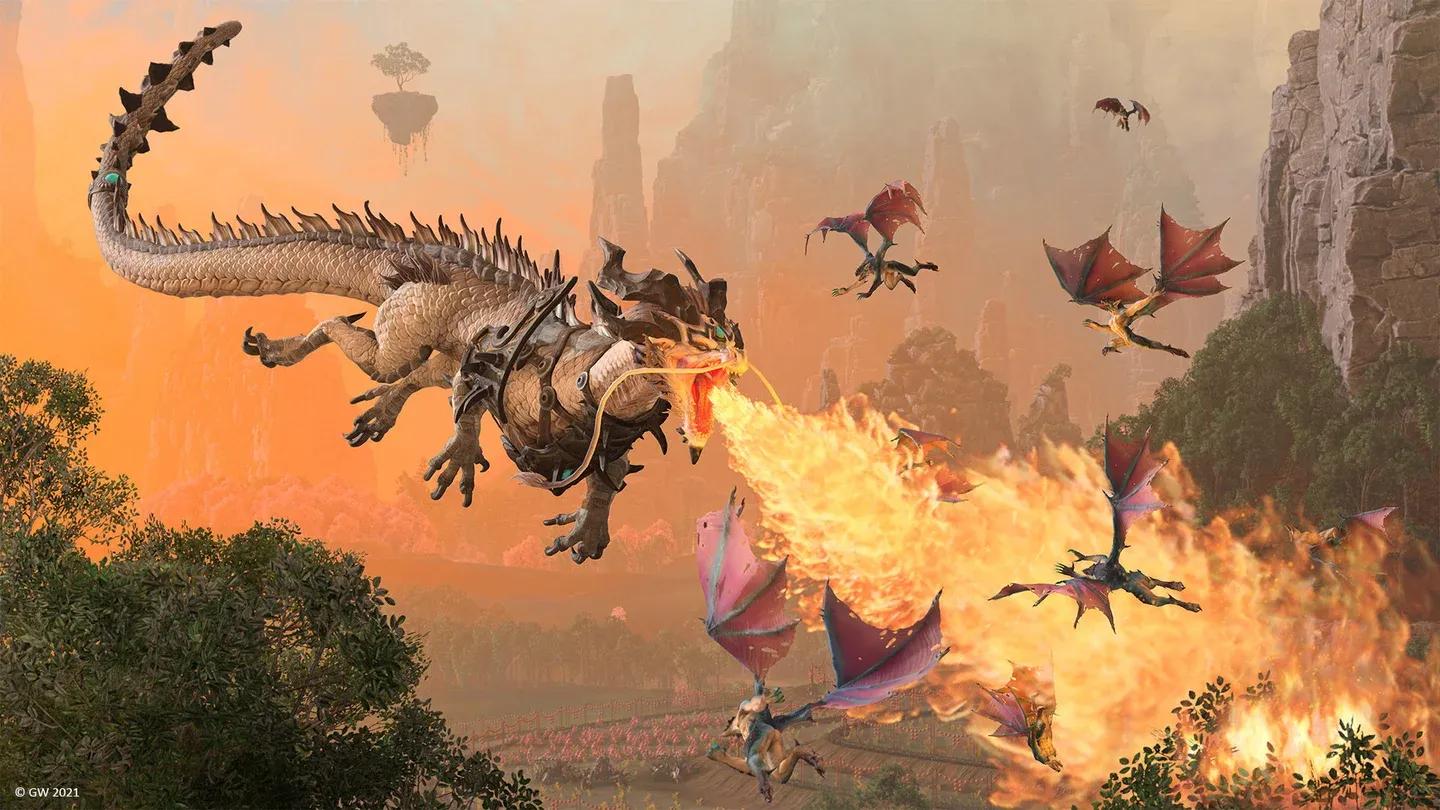
The base game introduces Kislev and Grand Cathay as new playable factions alongside the four Chaos god factions. Kislev plays like a defensive empire built around ice magic and bear cavalry, while Grand Cathay leans on harmony mechanics that reward balancing Yin and Yang across your army composition. The daemon factions each carry wildly different playstyles: Nurgle floods the map with attrition and disease, Tzeentch plays a magic-heavy glass cannon game, Khorne ignores magic entirely in favor of raw combat power, and Slaanesh punishes enemies through charm and speed.
Total War: WARHAMMER III content image
This variety means no two campaigns feel the same, and that's before accounting for the dozens of additional factions available through Immortal Empires and DLC. Creative Assembly has continued expanding the roster post-launch, with additional Legendary Lords and reworks to older factions bringing them in line with the trilogy's final-generation design standards.
Visual and audio design
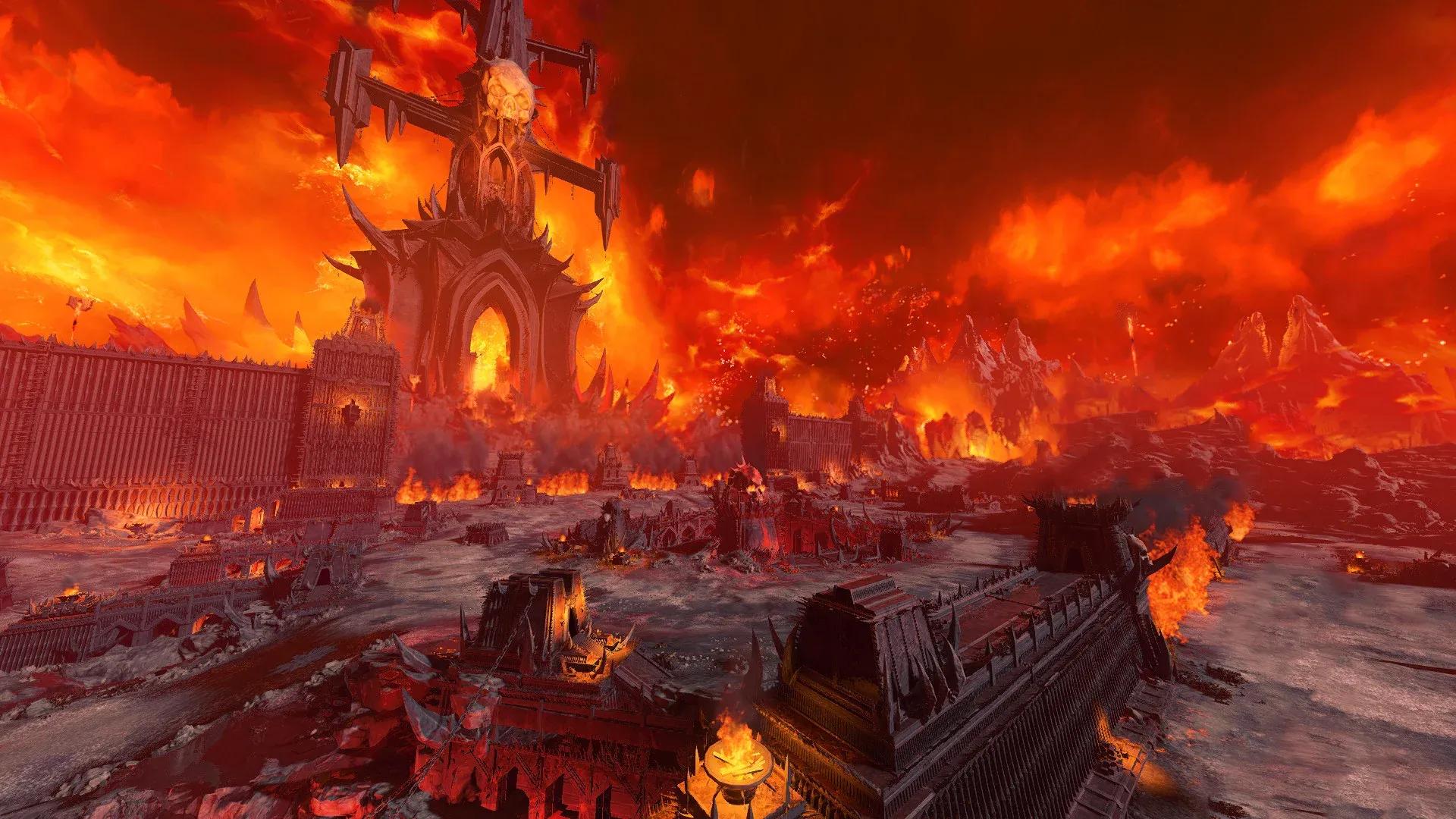
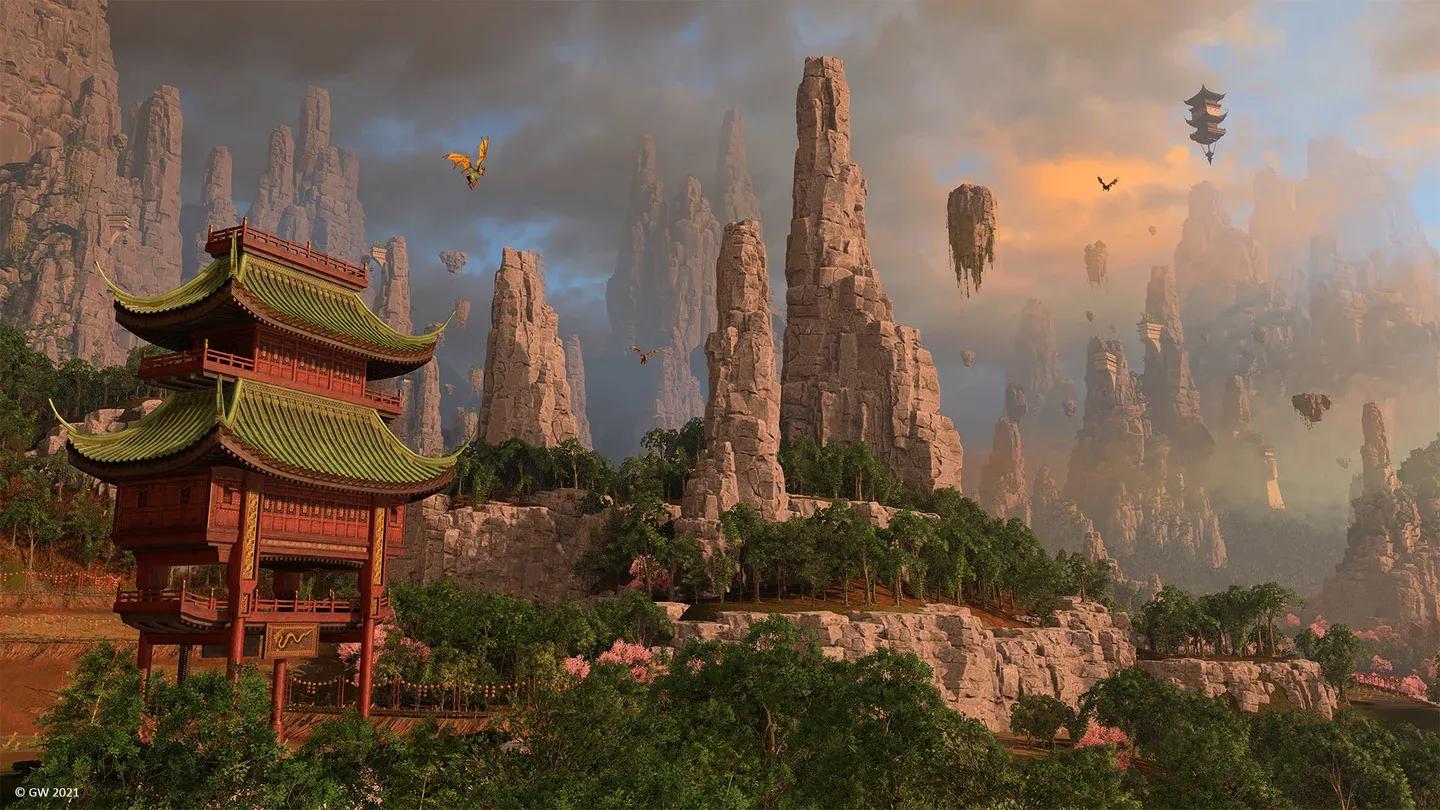
The Realm of Chaos environments are some of the most distinctive settings Creative Assembly has built. Each god's domain has its own visual logic: Nurgle's Garden is a rotting, diseased swamp; Tzeentch's realm twists geometry into impossible shapes. The contrast between these hellscapes and the grounded architecture of Kislev or Cathay gives the campaign a strong visual identity.
Battle audio holds up the atmosphere on the ground level. The crack of Kislev's ranged volleys, the wet thud of Nurgle's plaguebearer hordes, and the sharp rattle of Cathay's halberdiers all carry distinct sound signatures that make large-scale battles feel chaotic without becoming noise.
Total War: WARHAMMER III content image