Overview
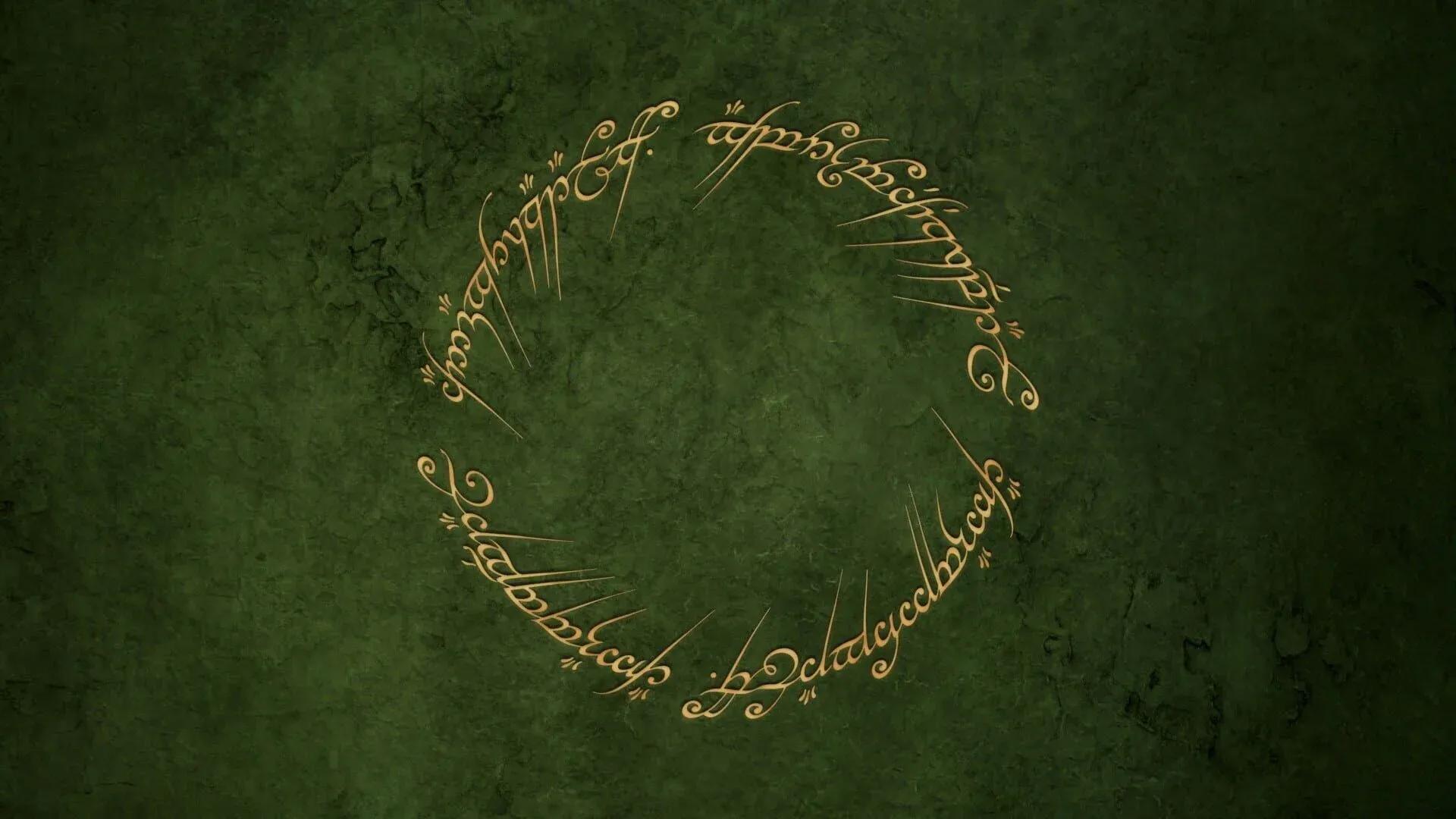
Released in December 2004, The Lord of the Rings: The Battle for Middle-earth is a real-time strategy game developed by EA Los Angeles that puts players in command of the armies, heroes, and iconic battles from Peter Jackson's film trilogy. The game covers both sides of the conflict, letting players fight through the Fellowship's journey as the forces of good or crush Middle-earth under the banner of Sauron in a separate evil campaign. Few RTS games of that era committed so fully to their source material.
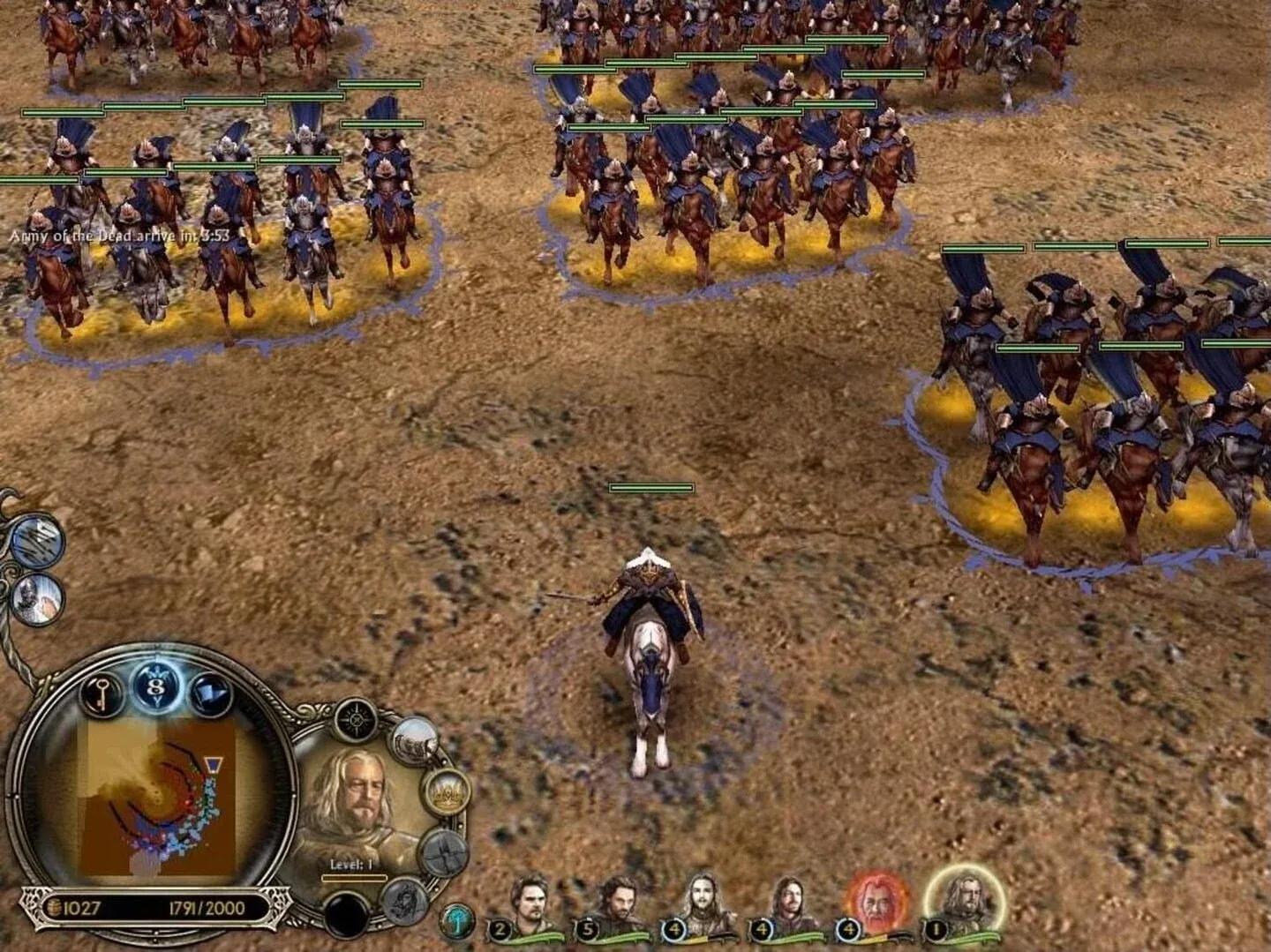
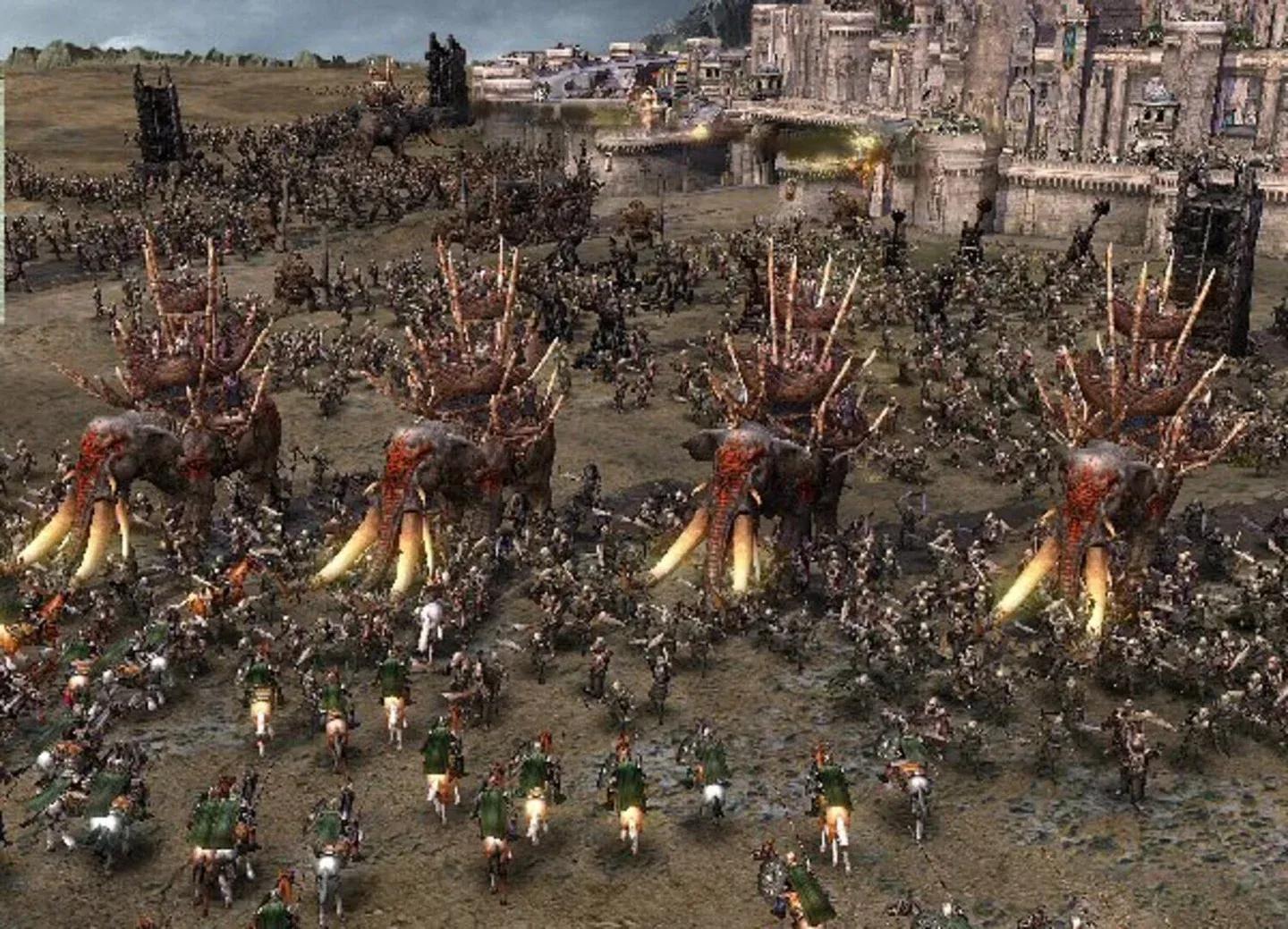
The game draws directly from the films, pulling in cutscene footage and recreating key moments from all three movies. Helm's Deep, Pelennor Fields, and the Black Gate are all here, rendered with the visual fidelity that EA's licensing deal made possible. The level of detail in matching the films' look and feel set it apart from most licensed games of the time, which typically used IP as a skin over generic mechanics.
The Lord of the Rings: The Battle for Middle-earth content image
Gameplay and mechanics
At its core, Battle for Middle-earth follows the base-building and army management loop familiar to RTS fans, but EA Los Angeles put a distinct twist on the formula. Base construction is locked to pre-defined building plots, which keeps matches focused on expansion and combat rather than optimal grid placement. It's a small change that speeds up early-game decision-making considerably.
Key gameplay features include:
- Hero units with unique abilities
- Good and evil faction campaigns
- Pre-defined base building plots
- A customizable spell tree system
- Multiple playable races from Middle-earth
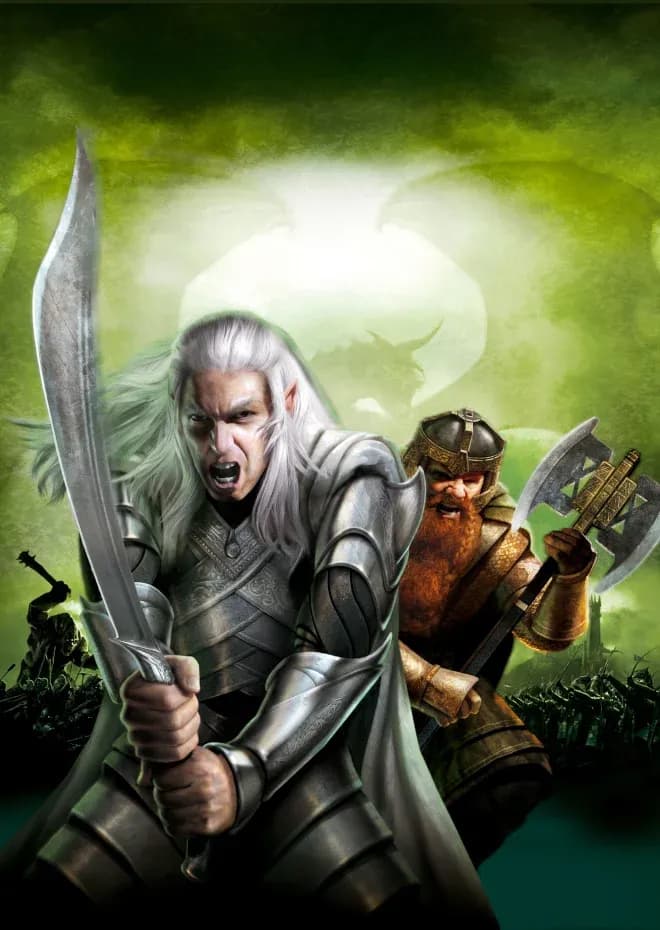
The hero system is where the game most resembles Warcraft III. Characters like Aragorn, Gandalf, Legolas, Saruman, and the Witch-king level up through combat, gaining new abilities as battles progress. Losing a hero mid-fight carries real consequences, and protecting them while still pushing forward creates most of the game's tension.
The Lord of the Rings: The Battle for Middle-earth content image
What makes the evil campaign worth playing?
The good campaign follows the film trilogy's events closely, but the evil campaign is where Battle for Middle-earth earns its replay value. Playing as Mordor, Isengard, or the forces of darkness flips the narrative entirely. Players raze the Shire, crush Rohan, and push into Gondor from the other side of the siege lines. The evil campaign doesn't just mirror the good side's mission structure; it tells its own version of events with objectives that reward aggression over defense.
The spell tree adds another layer of customization. Earning points through combat lets players unlock powers ranging from summoning Eagles to calling down Shelob or triggering Sauron's eye, each faction having its own set of abilities that change how armies are supported in the field.
Impact and legacy
Battle for Middle-earth arrived at a moment when licensed RTS games rarely delivered on their promise. EA Los Angeles built something that held up as a genuine strategy game, not just a piece of film merchandise. The game's blend of movie fidelity and accessible RTS mechanics found a wide audience, and it remains one of the most fondly remembered Lord of the Rings games two decades later.
The Lord of the Rings: The Battle for Middle-earth content image
The game's success spawned a direct sequel, The Rise of the Witch-king, and helped establish a template for how licensed strategy games could respect both the source material and the genre's mechanical demands. For fans of classic RTS games or Tolkien's world, Battle for Middle-earth still holds up as a product of its era that got the balance right.