Advertisement

Overview
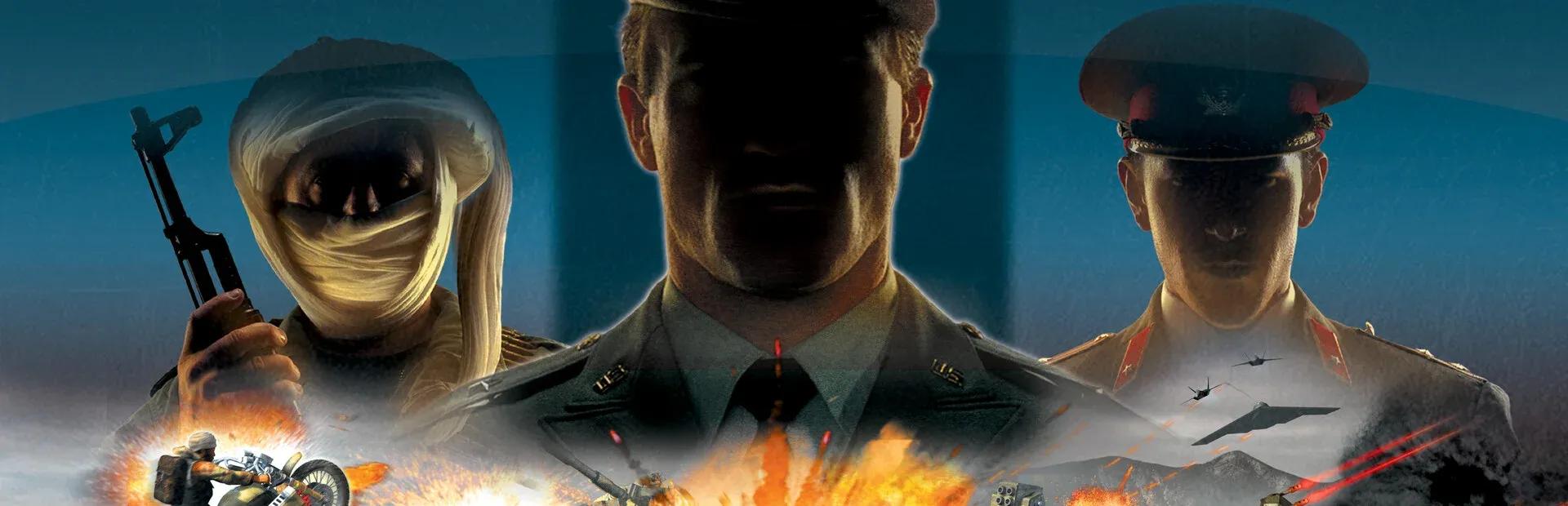
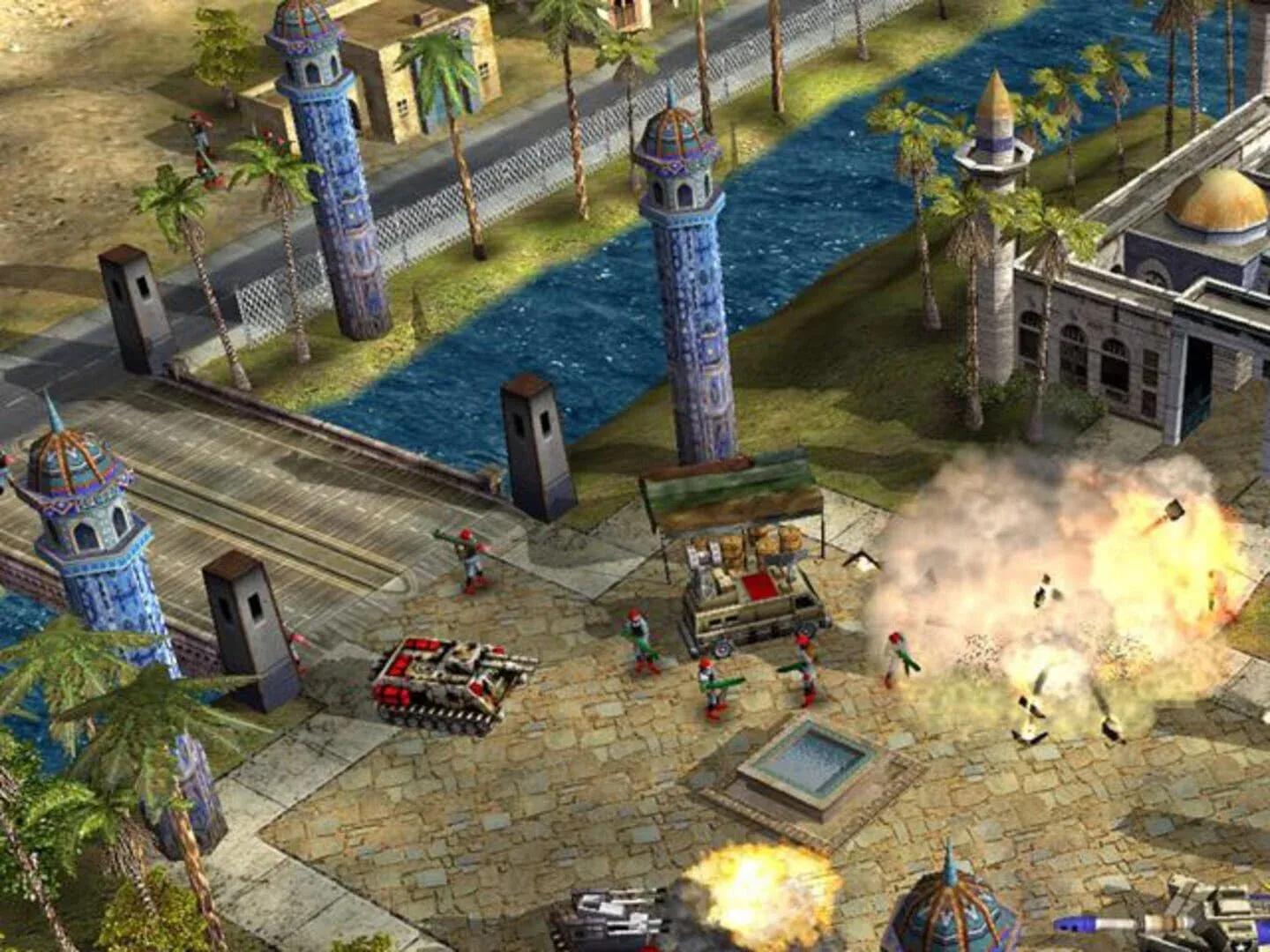
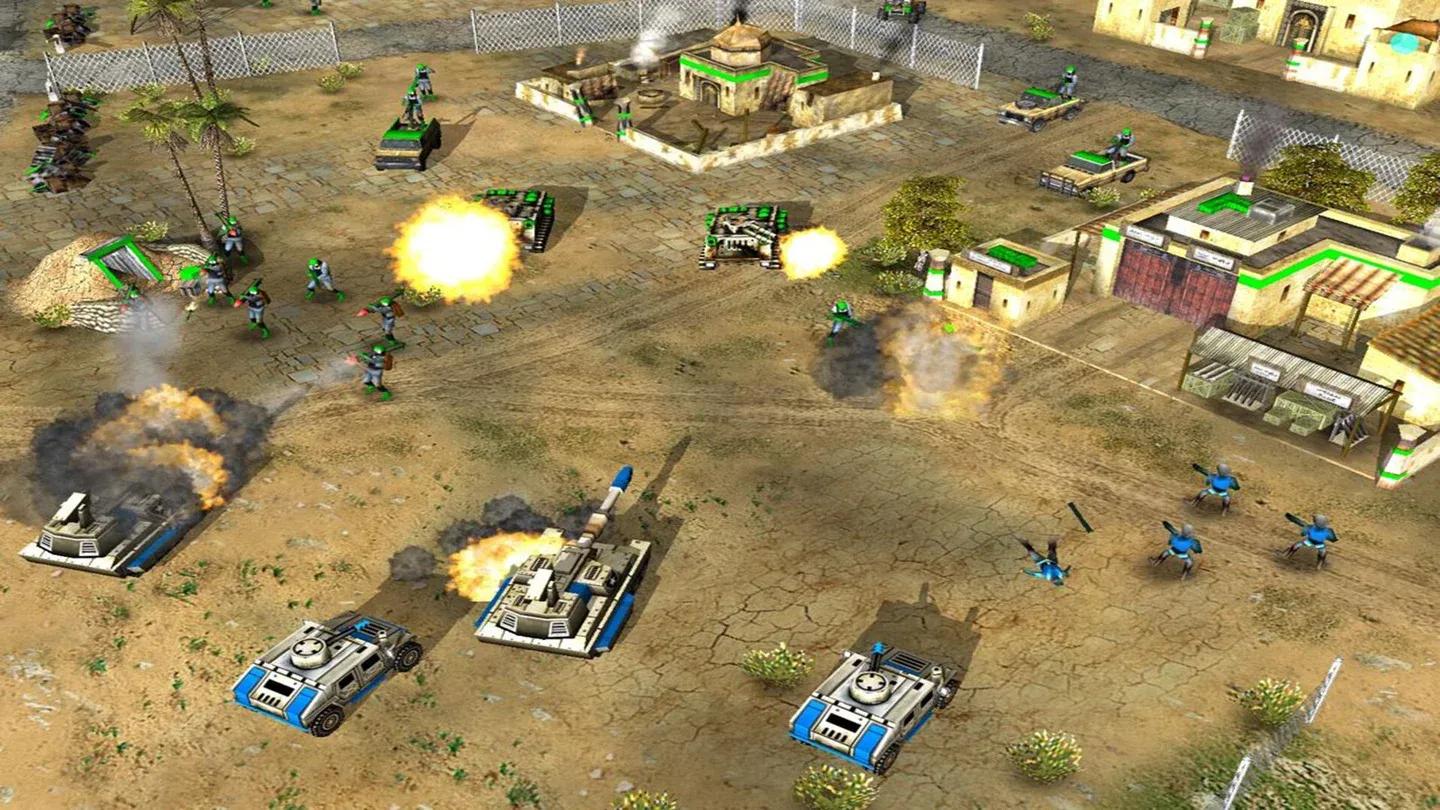
Command & Conquer Generals is a real-time strategy game developed by EA Pacific and published by Electronic Arts, set in a near-future conflict between three playable factions: the United States, China, and the Global Liberation Army (GLA). Each side fights with a distinct philosophy, from the USA's air superiority and precision strikes to China's overwhelming ground forces and the GLA's guerrilla tactics and toxin weapons. The game arrived on Steam on March 7, 2024, giving a new generation of PC players direct access to one of the most mechanically distinct entries in the long-running Command & Conquer franchise.
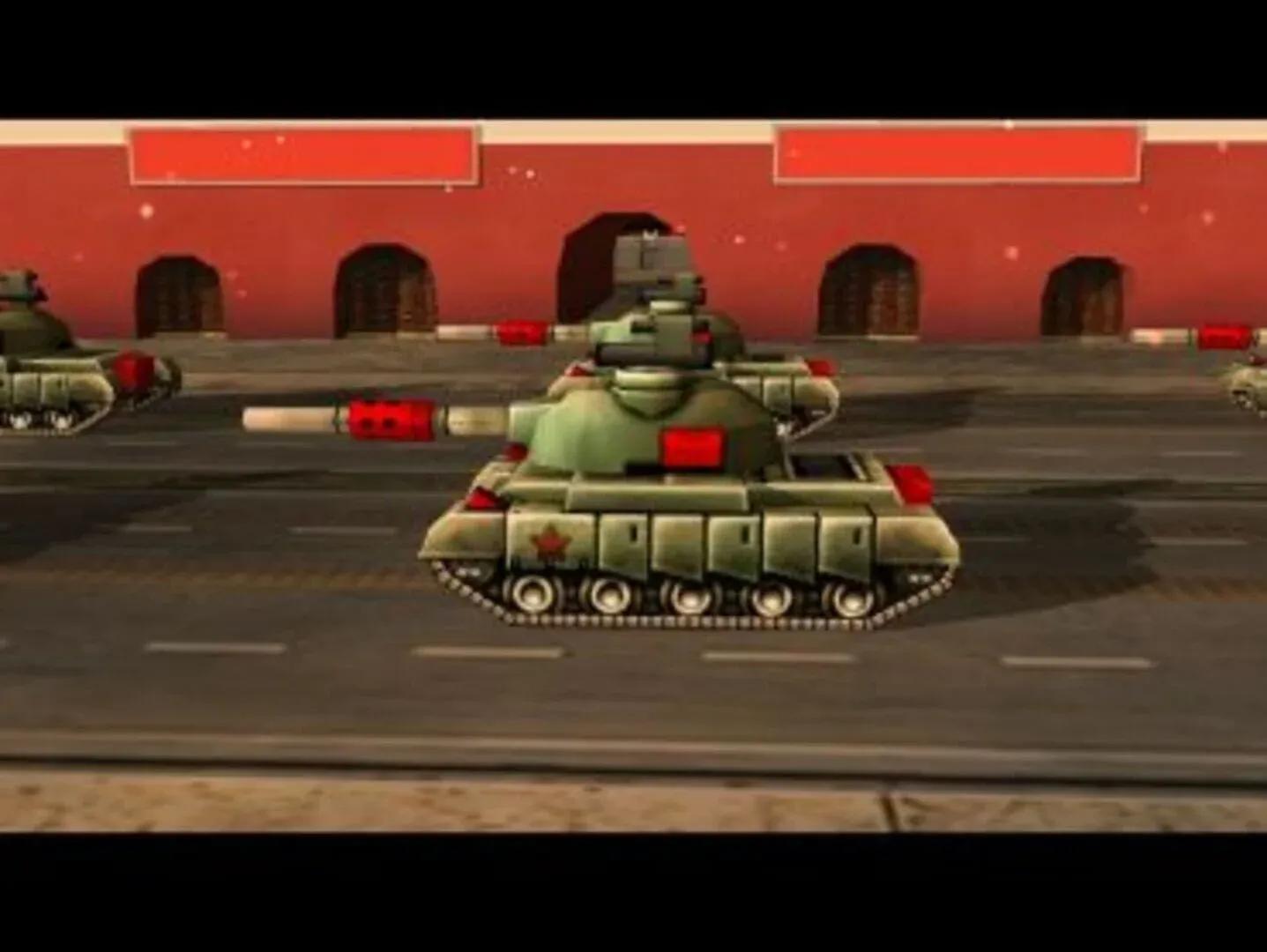
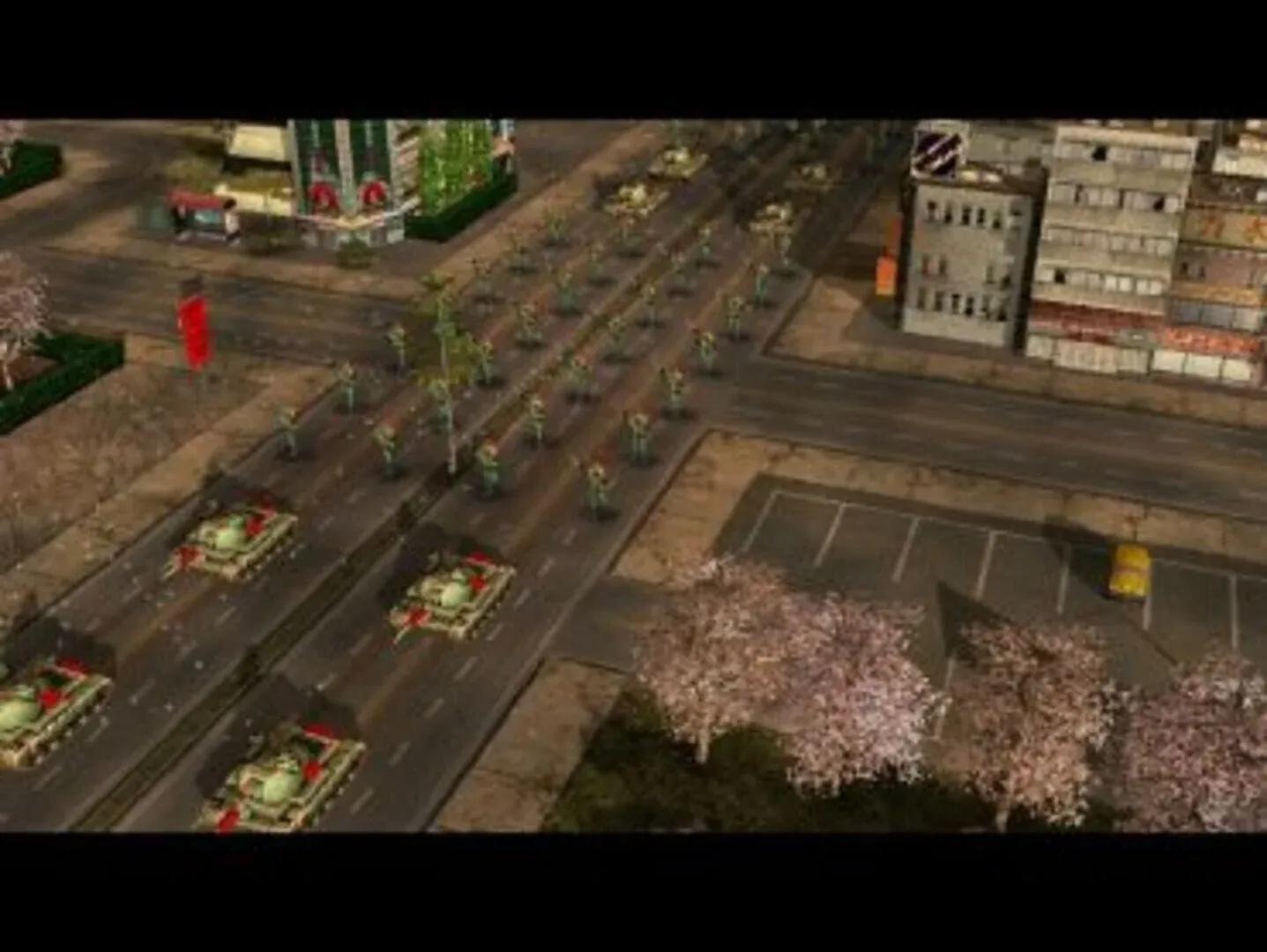
The campaign runs through all three factions in sequence, starting with China, then the GLA, then the USA, for a total of 27 missions. Each arc tells its side of the same conflict, so you watch the same war unfold from three different angles. China fights to contain a GLA nuclear attack and push back to Dushanbe. The GLA survives, raids UN convoys, and launches toxin strikes from the Baikonur Cosmodrome. The USA finally closes the war in Kazakhstan with Chinese support. The story is functional rather than cinematic, but the three-perspective structure gives it more depth than most RTS campaigns attempt.
Command & Conquer™ Generals content image
Gameplay and mechanics
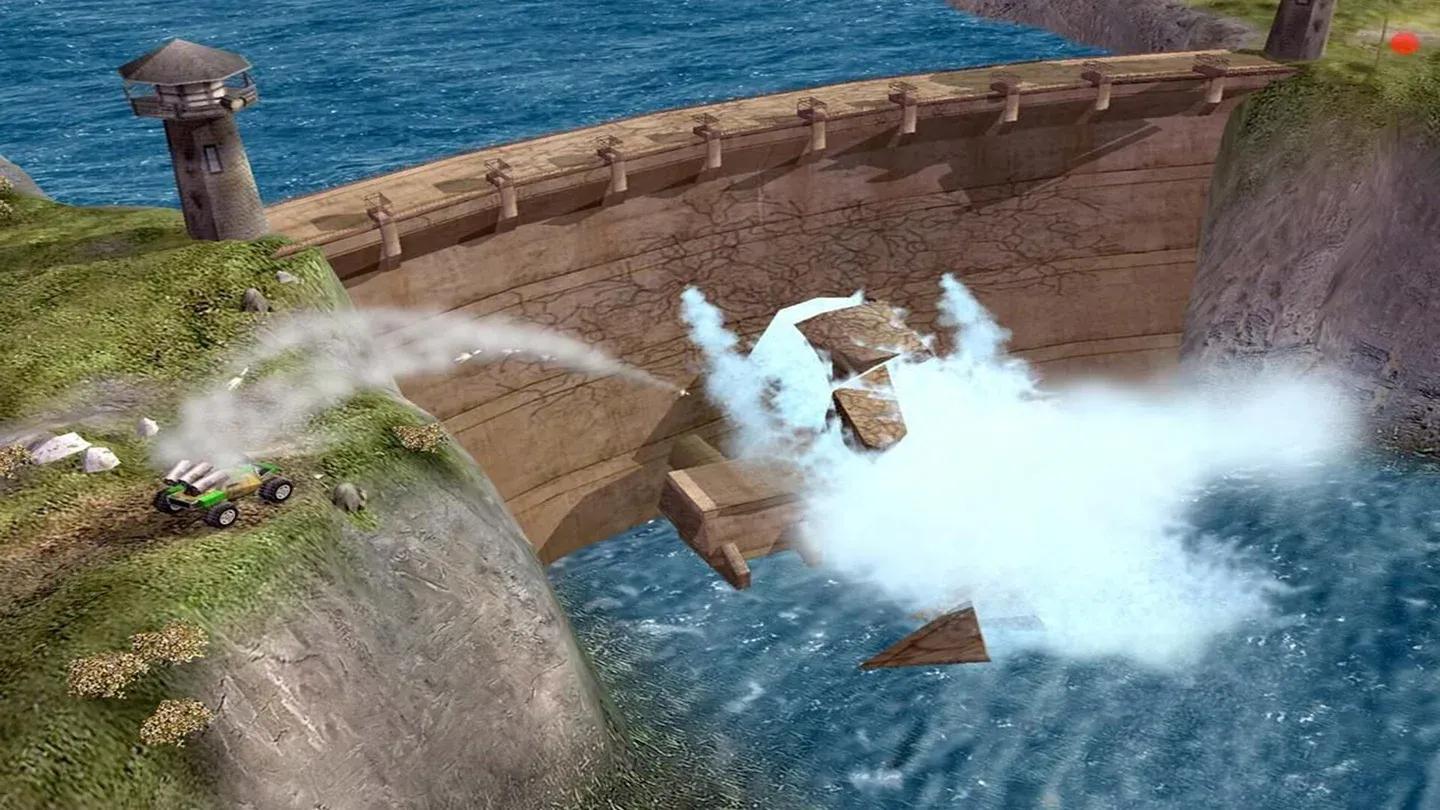
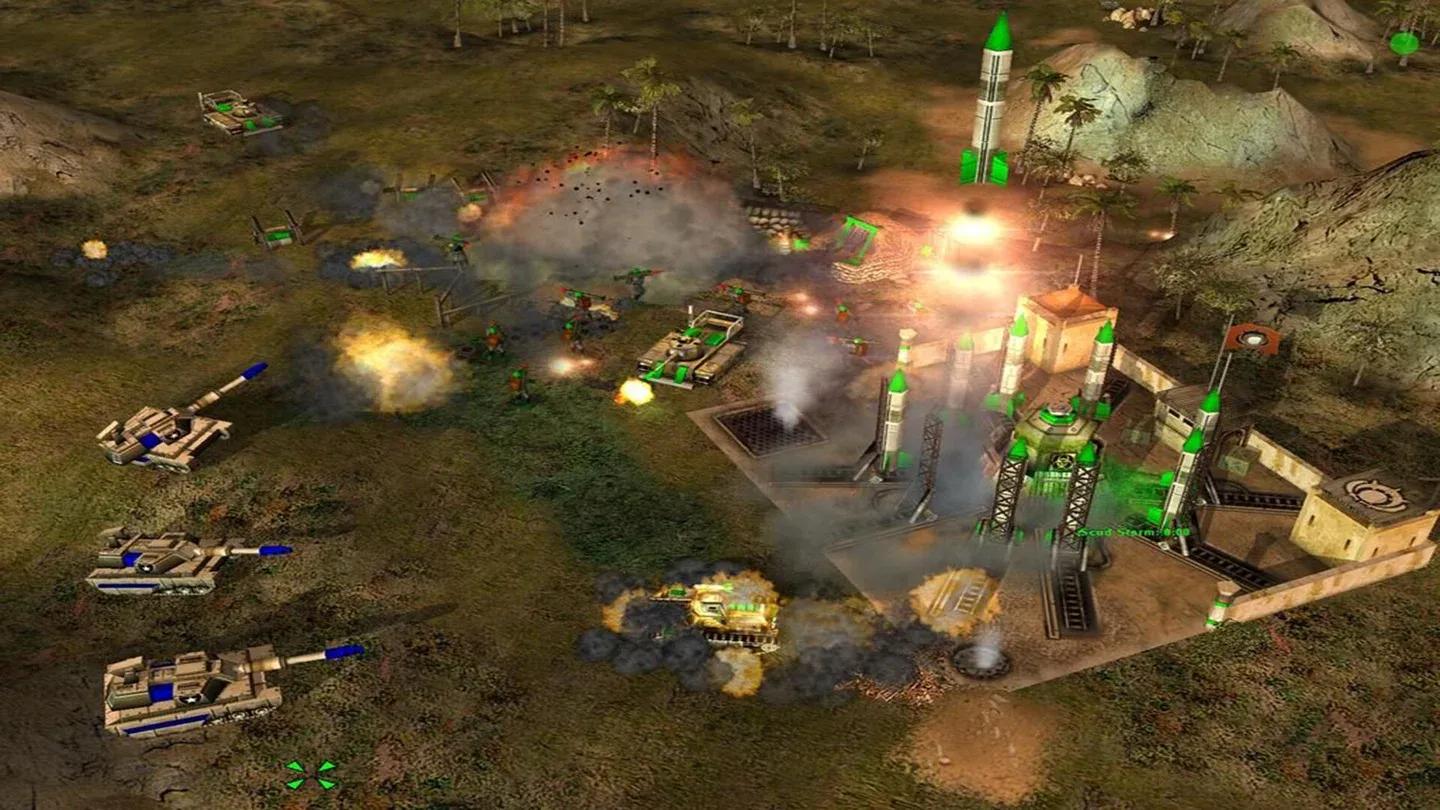
The core loop in Generals is faster and more aggressive than earlier C&C titles. Resource collection runs on Supply Centers rather than Tiberium harvesting, which keeps the economy ticking steadily without requiring players to babysit harvesters constantly. The General's Powers system adds a progression layer mid-match: as you earn points through combat, you unlock abilities ranging from carpet bombing runs to propaganda drops to anthrax bombs, depending on your faction. Key mechanics include:
Command & Conquer™ Generals content image
- Three asymmetric factions with distinct unit rosters
- General's Powers upgrade tree active during matches
- Air, ground, and superweapon-focused strategies per side
- Customizable sub-general specializations
- Supply-based economy replacing Tiberium harvesting
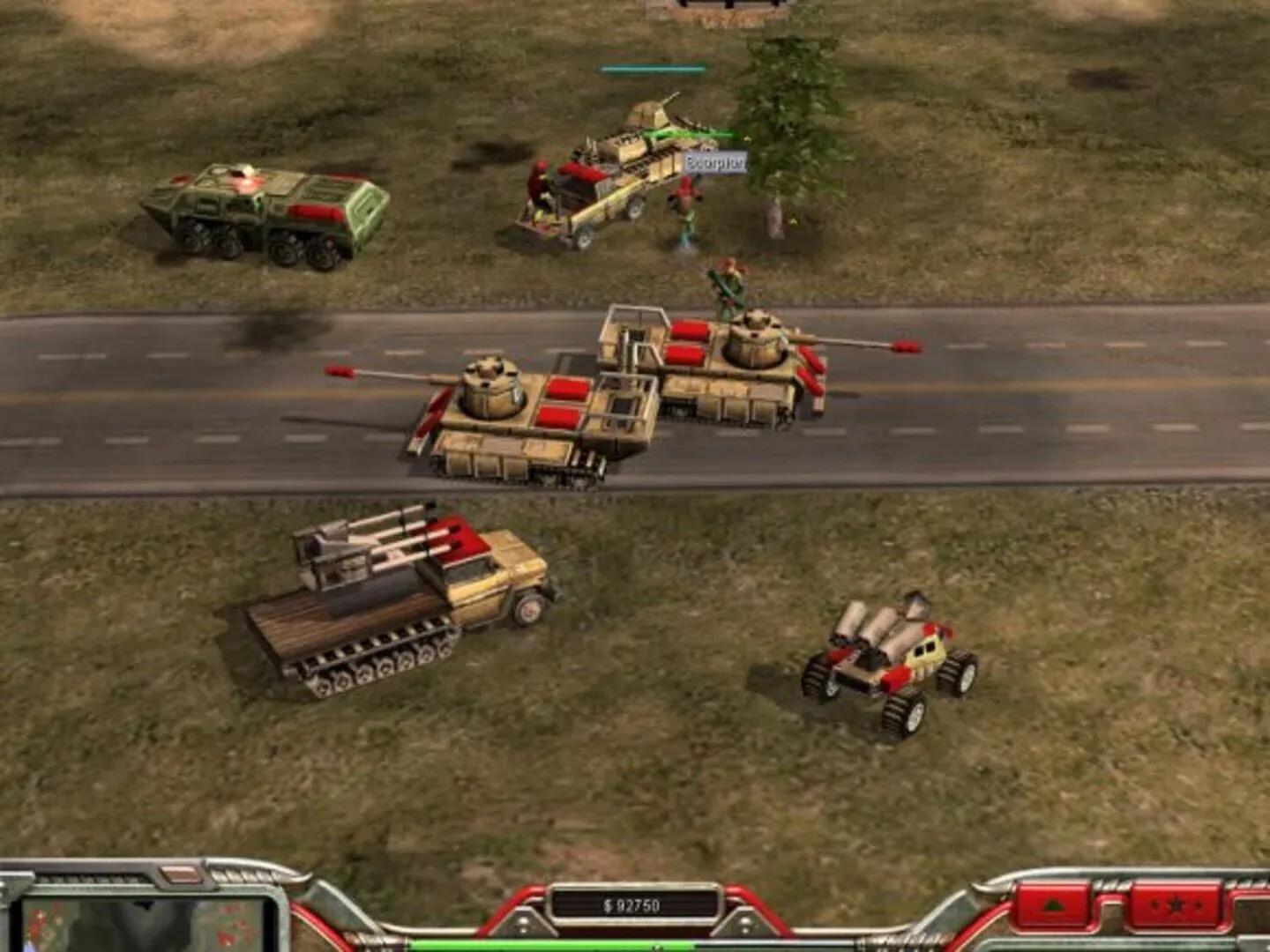
The GLA plays the most differently of the three. With no air force and no traditional base defenses, GLA players rely on tunnels, ambushes, and cheap-but-effective infantry swarms. This asymmetry makes the faction matchups genuinely interesting at a competitive level, since the same map plays out completely differently depending on who you pick.
Command & Conquer™ Generals content image
What makes each faction worth playing?
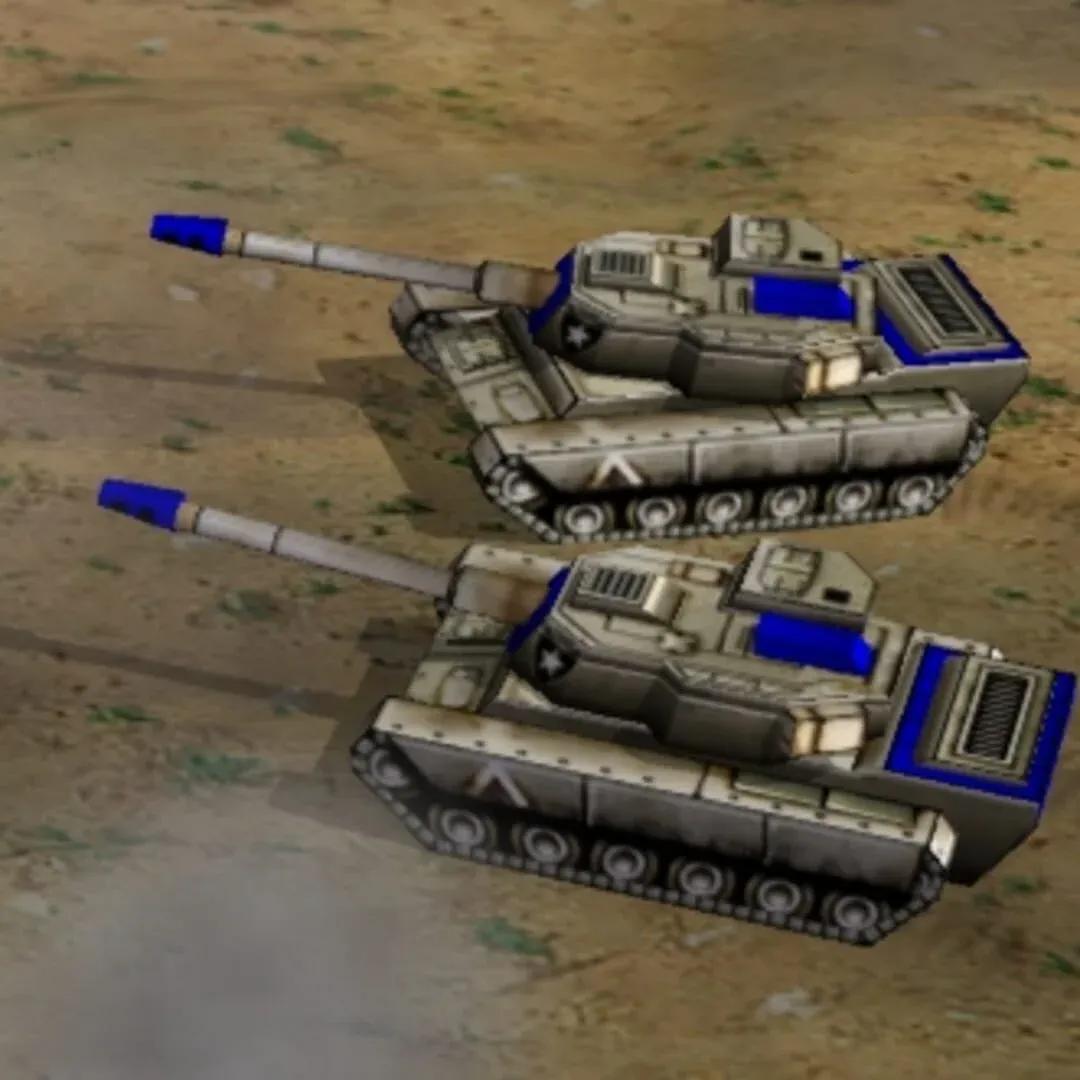
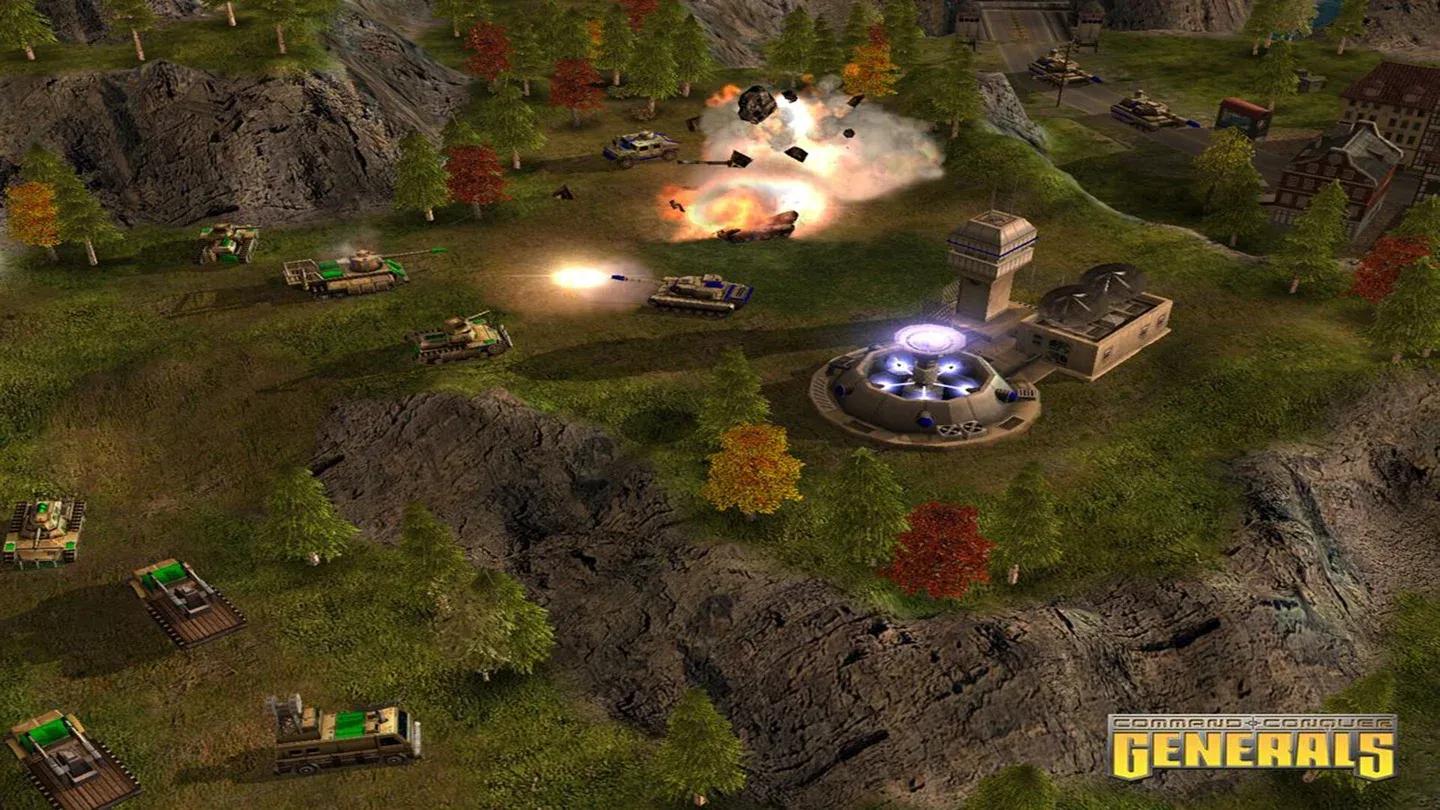
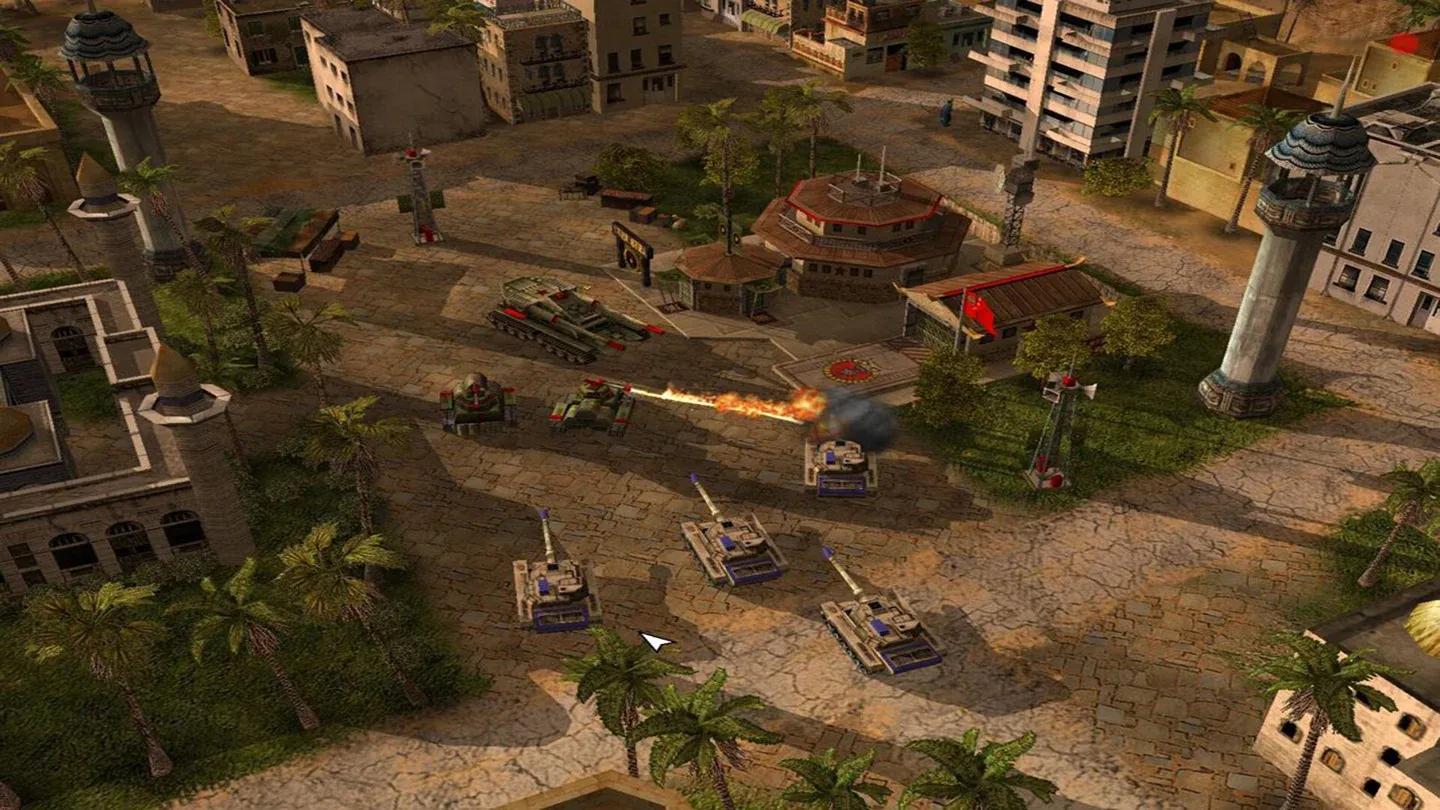
The USA specializes in expensive, high-tech units that hit hard from range. Comanche helicopters, Paladin tanks, and the Particle Cannon superweapon define a playstyle built around precision and air control. China leans on numbers and nuclear firepower, with Overlord tanks and the Nuclear Missile as its endgame threat. The GLA compensates for weaker individual units with the Tunnel Network, which lets infantry move across the map instantly, and the SCUD Storm, one of the most satisfying superweapons in any RTS.
Command & Conquer™ Generals content image
Each faction also has sub-general specializations that let you double down on a particular strategy, whether that's a USA Air Force General who gets even stronger air units or a GLA Toxin General whose chemical weapons hit harder. These specializations shift the meta enough that two players running the same faction can play very differently.
Multiplayer and community
The Steam release brought Generals back into an active online ecosystem. Multiplayer supports direct matches across the game's map pool, and the skirmish mode against AI lets players practice faction matchups without going online. The community around Generals has maintained unofficial balance patches and mods for years, with projects like Shockwave and Rise of the Reds extending the game's unit rosters well beyond the base game's content. The Steam platform makes finding and installing community content more straightforward than it was through older disc-based installs.
For an RTS that first shipped in 2003, Generals holds up in multiplayer because the faction asymmetry creates genuine strategic variety. No two matches play out the same way, and the General's Powers system ensures that even extended games keep escalating toward bigger and more destructive finales.
| Requirement | Minimum | Recommended |
|---|---|---|
| OS | Windows 10 | Windows 10 |
| Processor | 2.2 GHz Intel or AMD CPU | 2.2 GHz Intel or AMD CPU |
| Memory | 1 GB RAM | 1 GB RAM |
| Graphics | GeForce 4+/ Radeon 8500 | GeForce 4+/ Radeon 8500 |