Overview
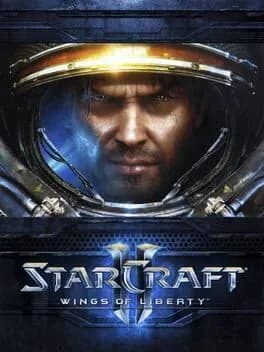
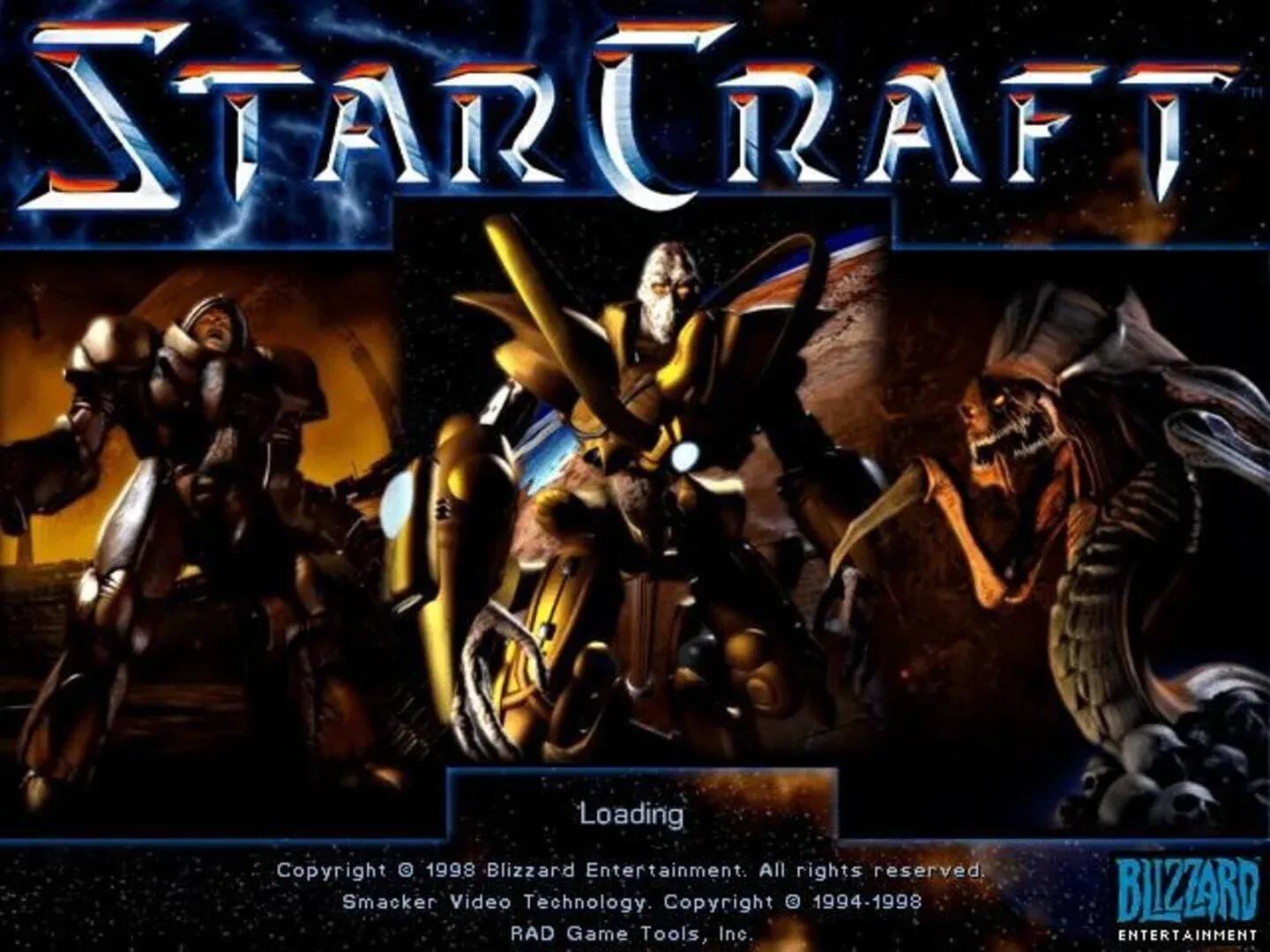
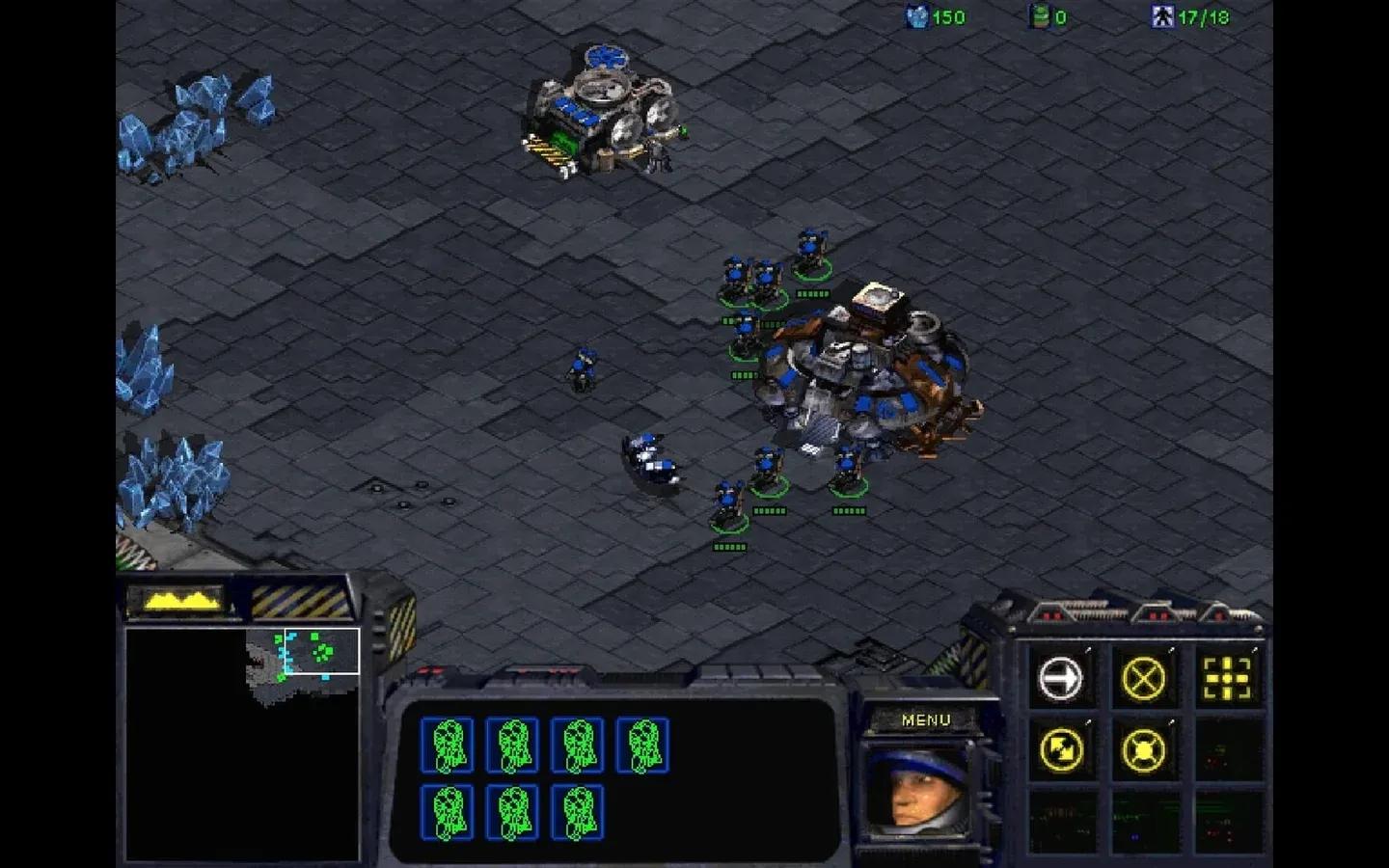
StarCraft is a real-time strategy game developed and published by Blizzard Entertainment, released in 1998 for Windows and macOS. Set in the 26th century Koprulu Sector, a distant corner of the Milky Way populated by human colonists and two hostile alien species, the game tasks players with building bases, managing resources, and commanding armies across three separate single-player campaigns and competitive multiplayer via Battle.net.
What separates StarCraft from other RTS games of its era is the asymmetric design at its core. The three factions, Terrans, Zerg, and Protoss, share no units, no buildings, and no strategic overlap. Playing one faction feels nothing like playing another, and mastering all three is a serious long-term commitment.

Gameplay and mechanics
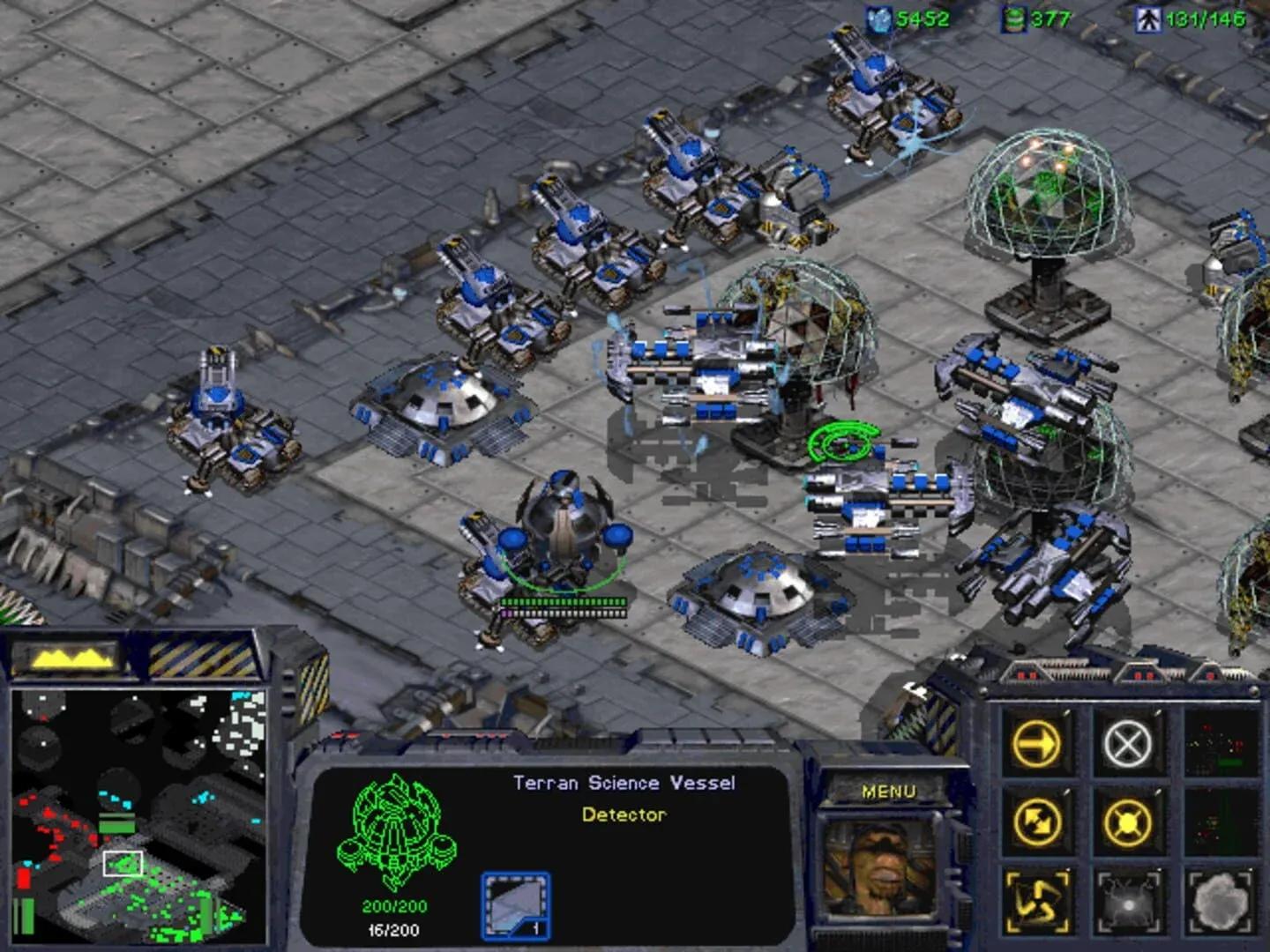
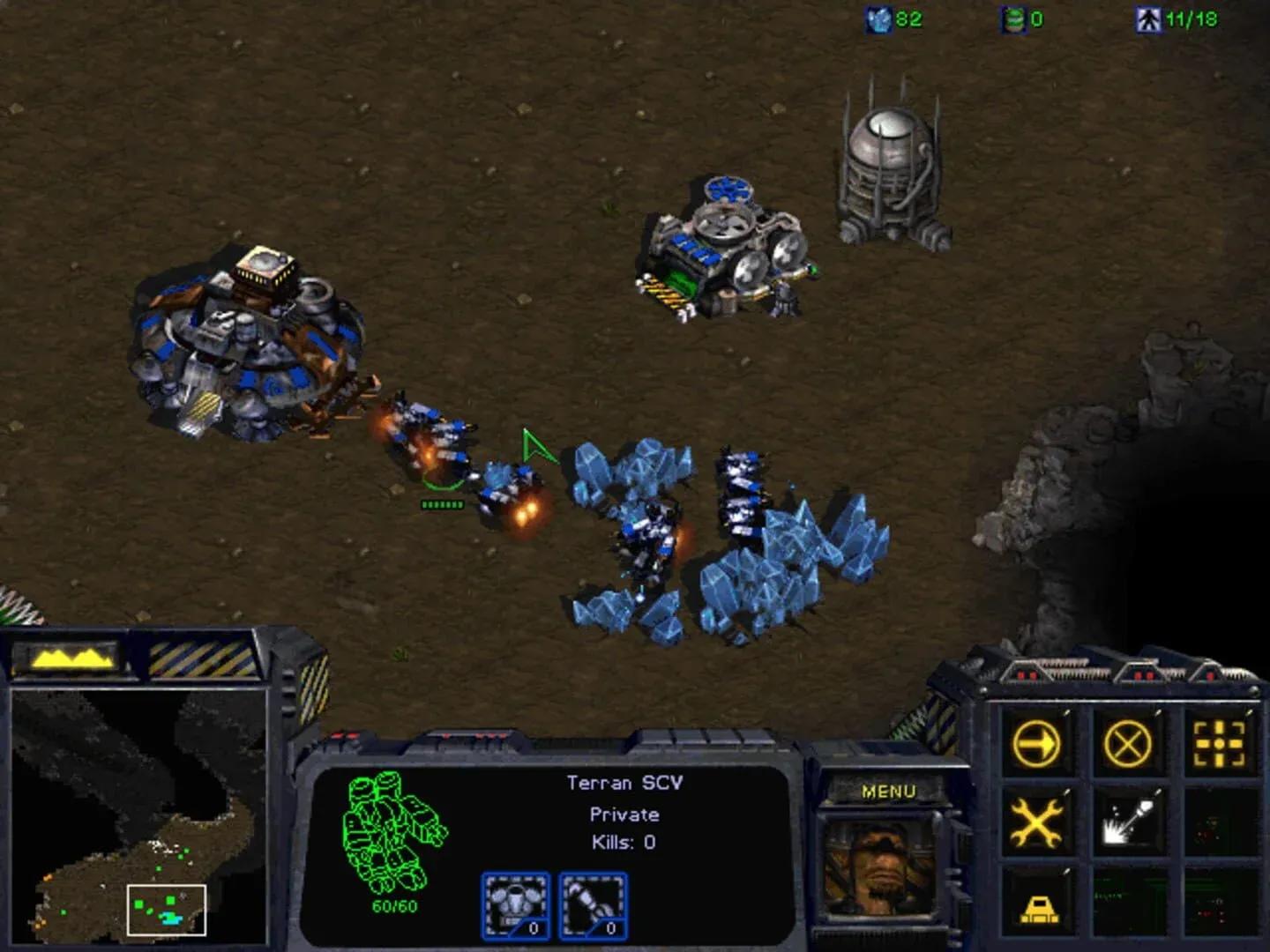
The foundation of StarCraft's gameplay is resource gathering and base building, but the real depth lives in unit micro-management and macro-level decision-making. Every match demands constant attention across multiple fronts.

Key gameplay mechanics include:
- Asymmetric faction design across all three races
- Resource collection via minerals and vespene gas
- Fog of war that rewards scouting and map control
- Tech trees unique to each faction
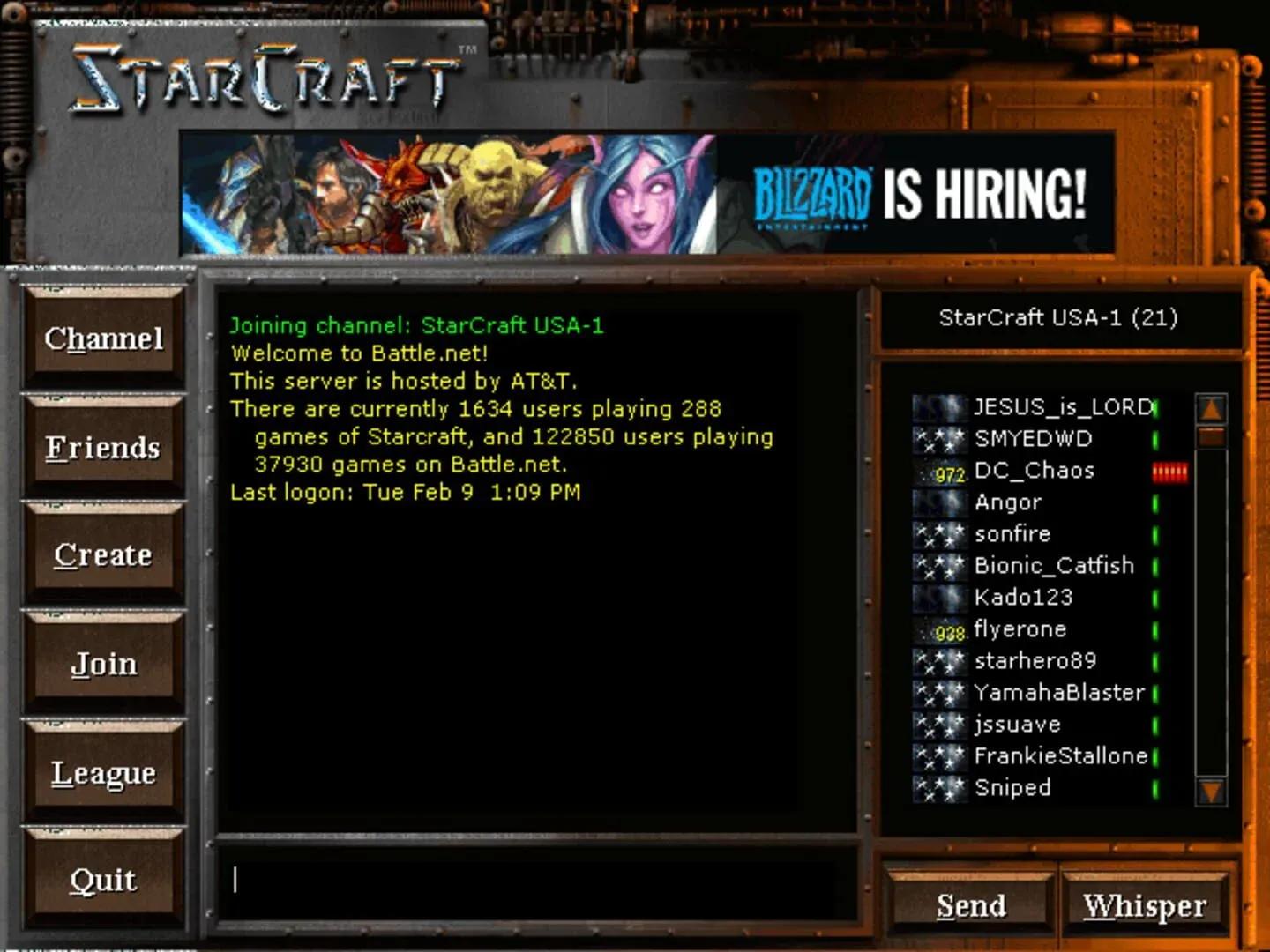
- Battle.net multiplayer matchmaking
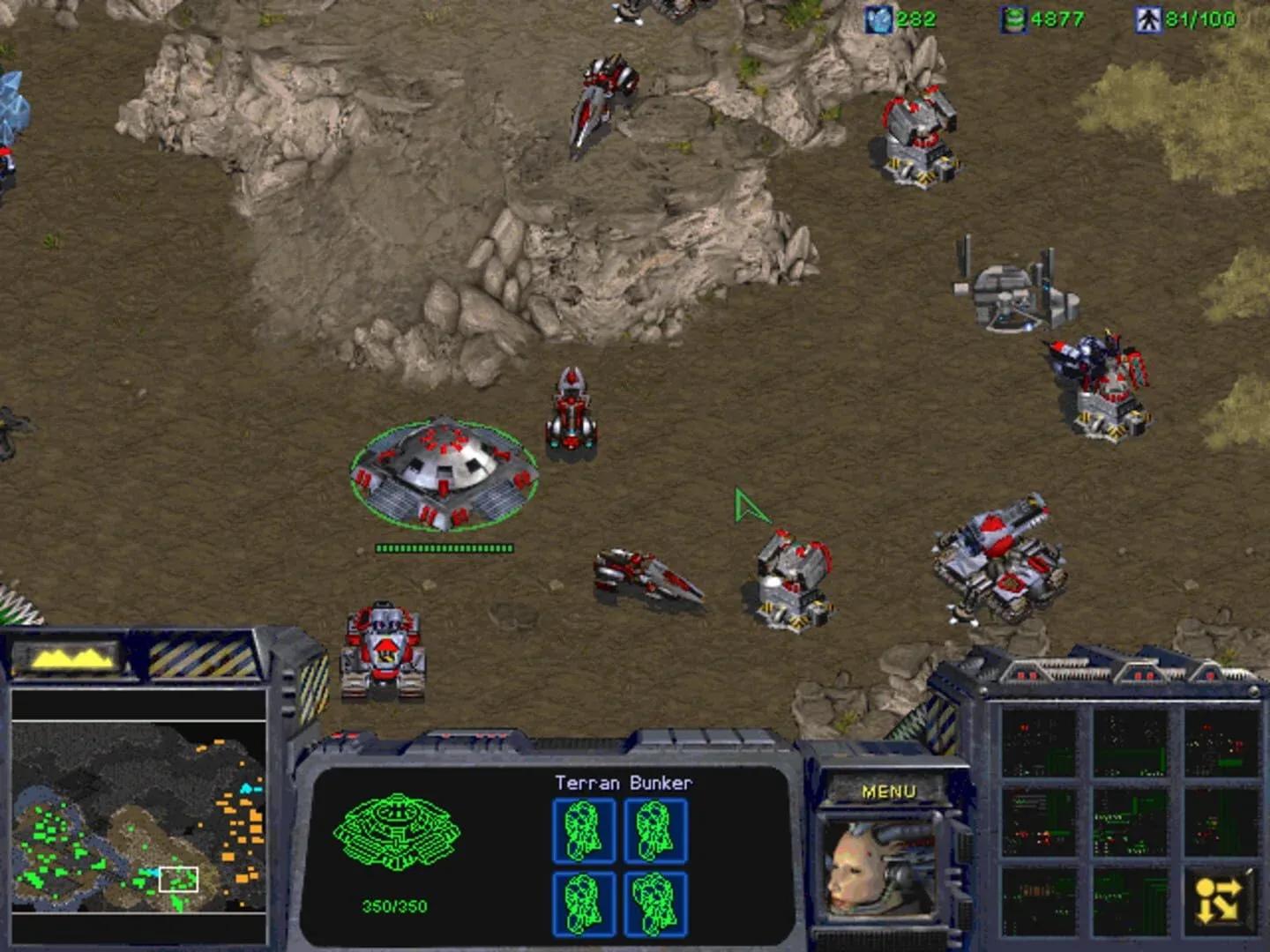
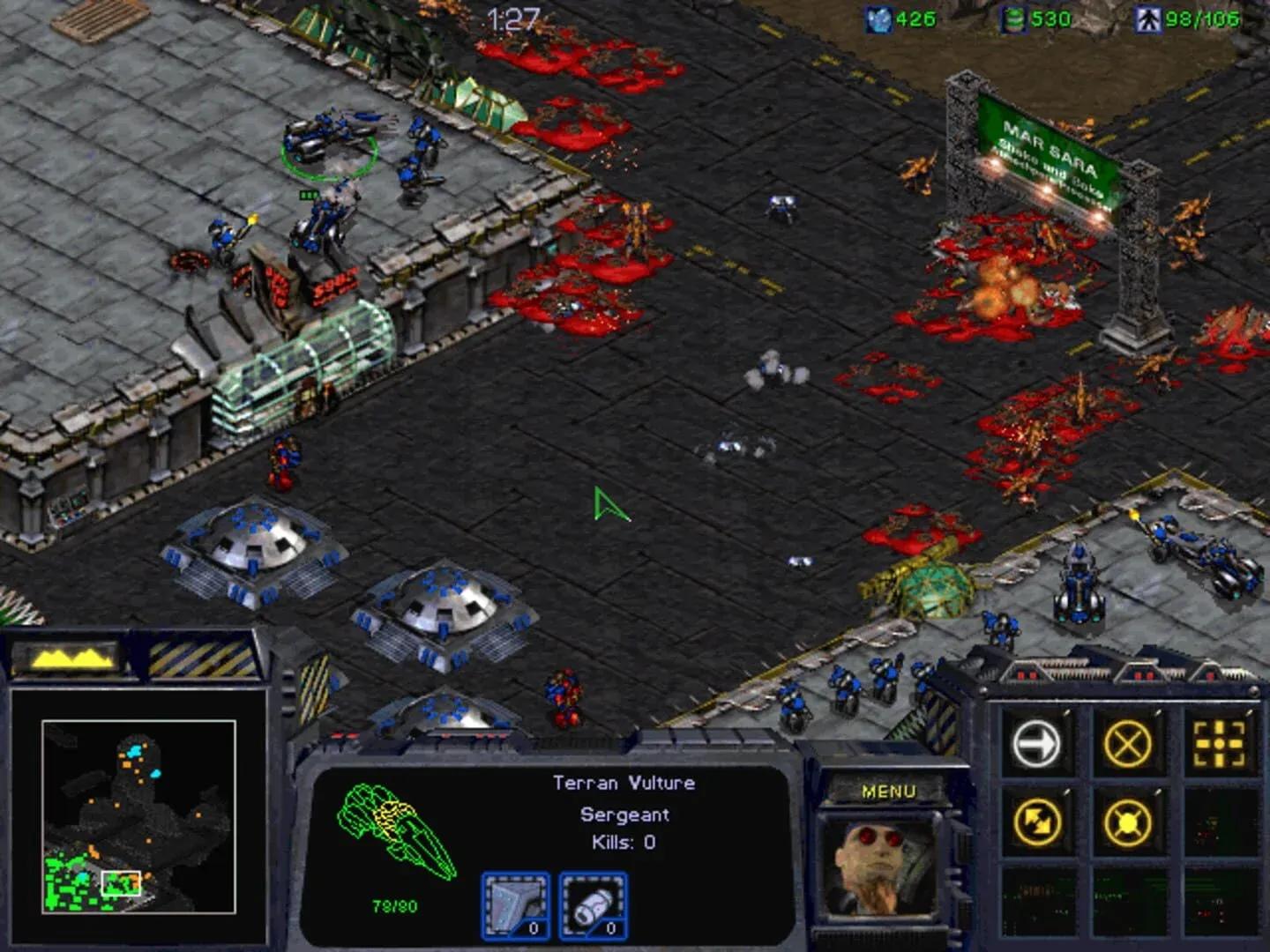
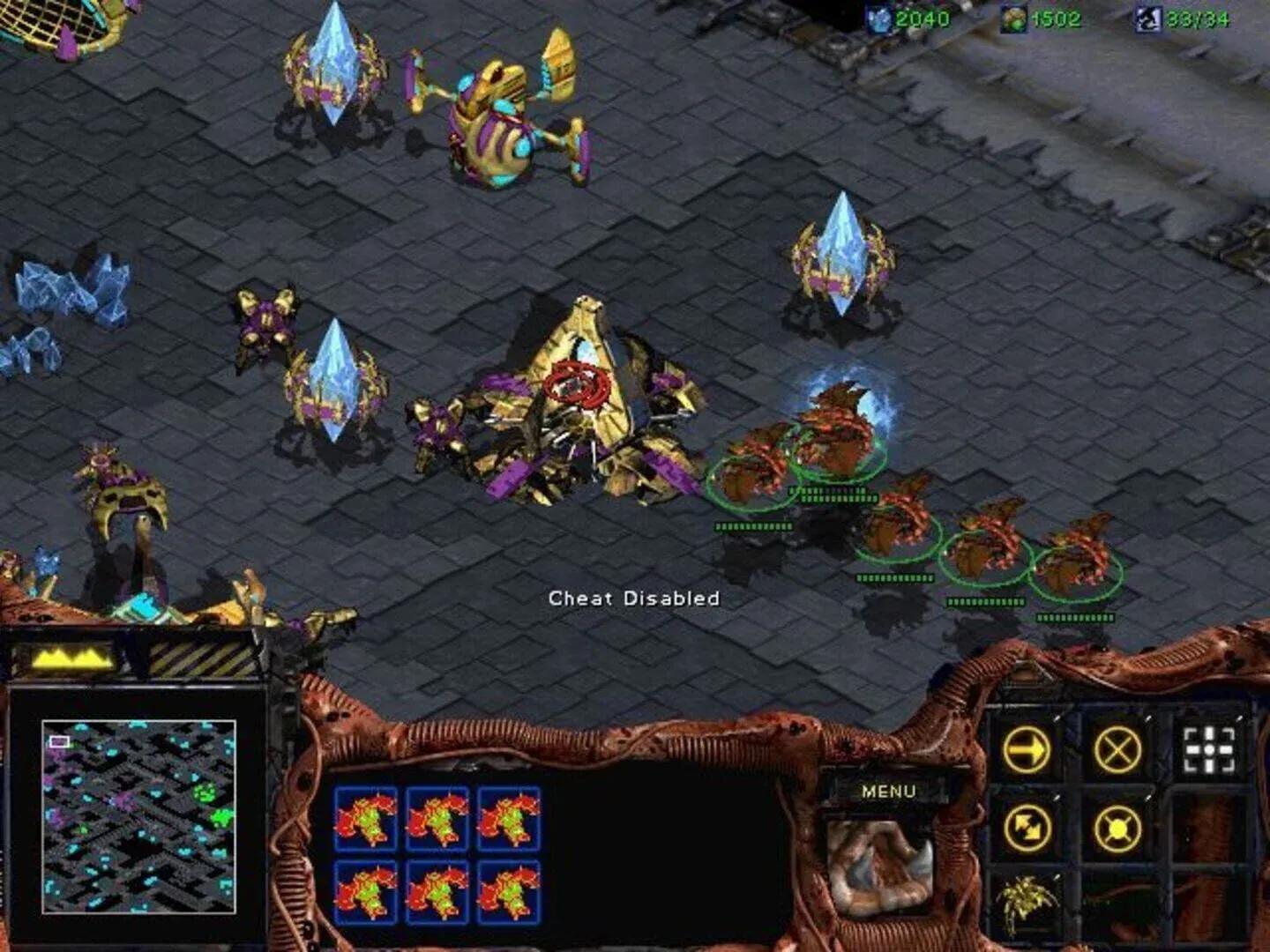
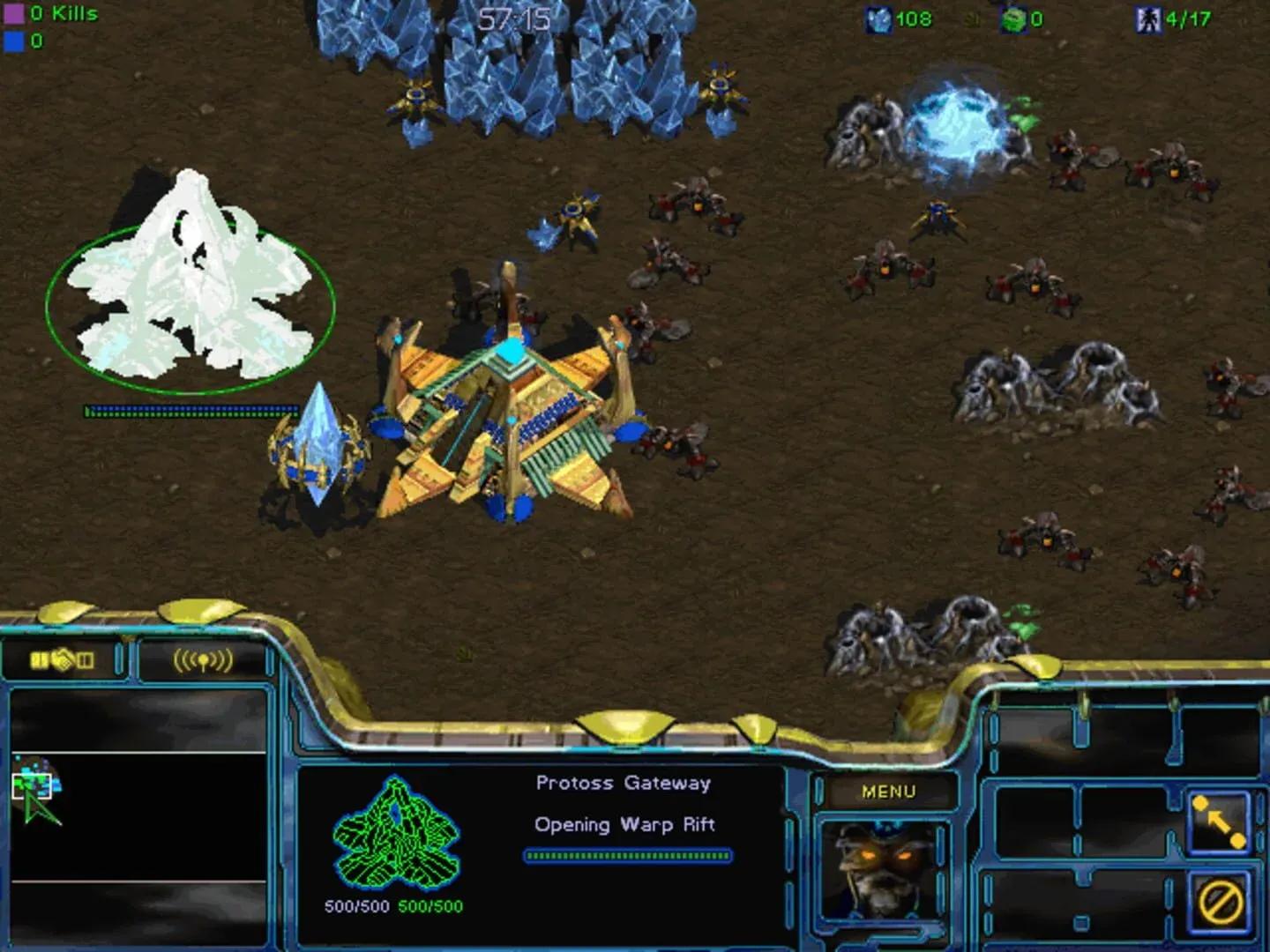
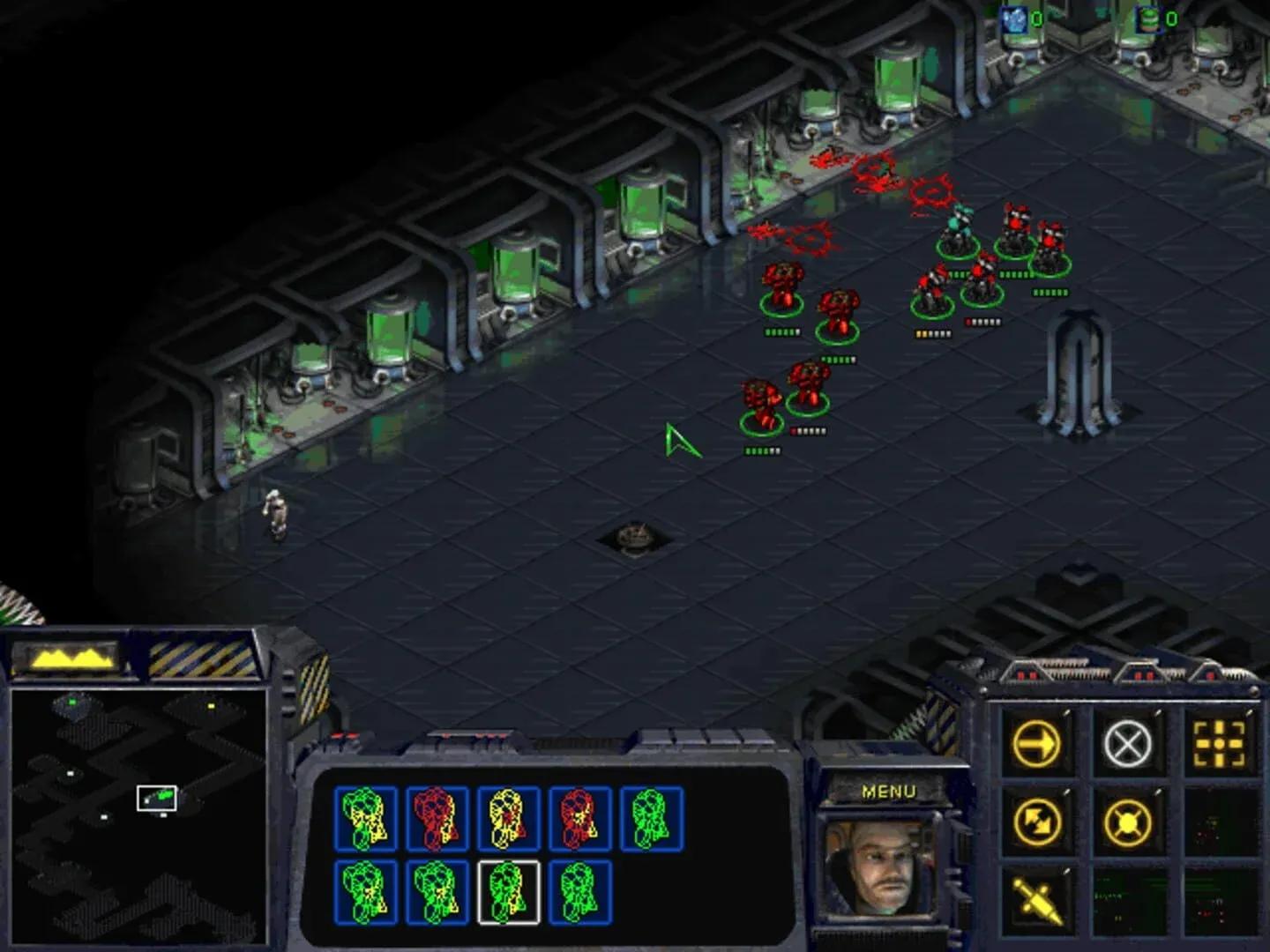
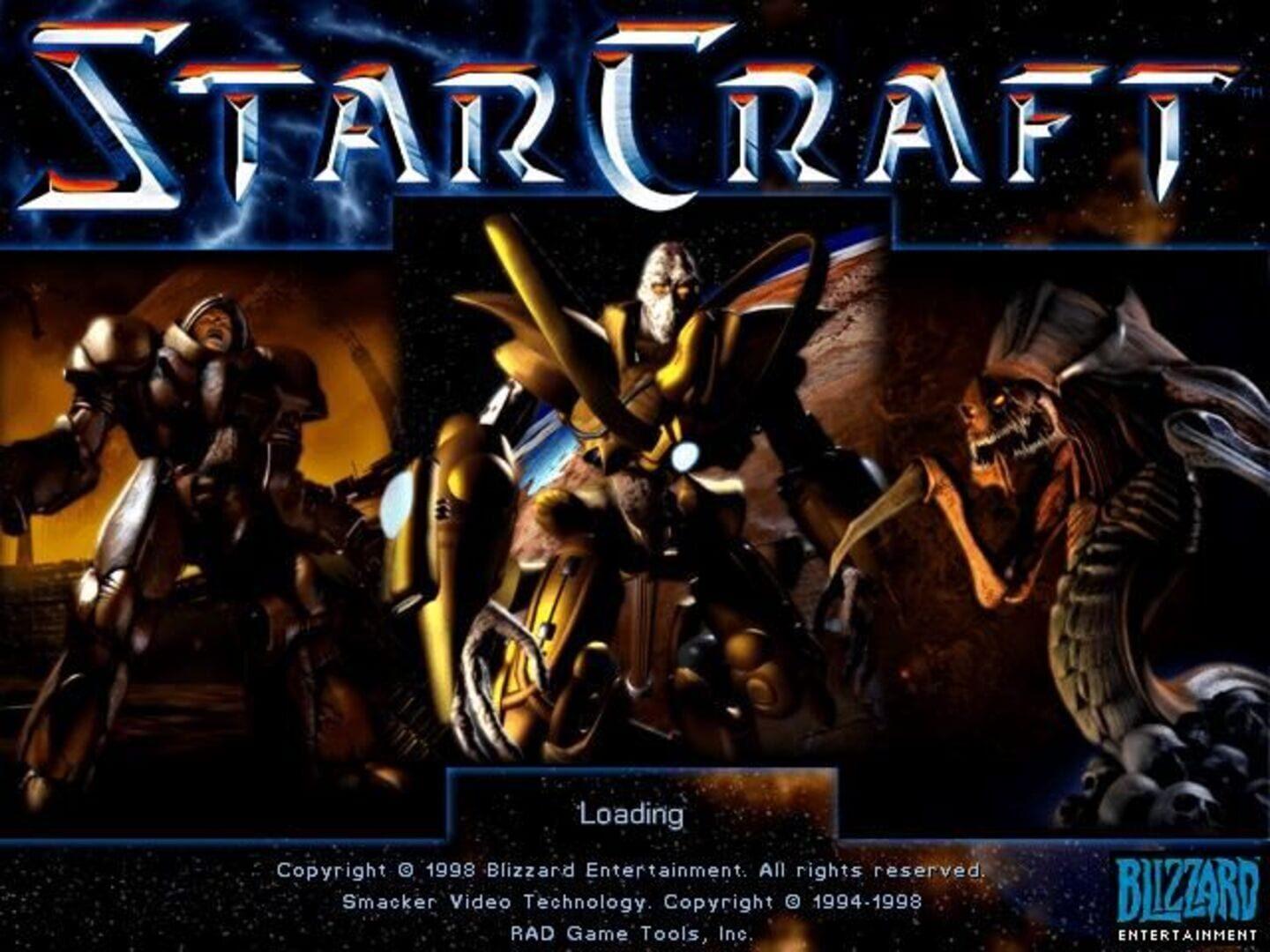
The Terrans rely on flexible infantry and mechanical units that can be repositioned and repaired mid-fight. The Zerg overwhelm opponents with fast, cheap swarms that regenerate and evolve. The Protoss field fewer but individually powerful units backed by energy shields. Each approach demands a completely different playstyle, which is why the competitive scene that grew around the game became so technically demanding.
World and setting
The Koprulu Sector is one of gaming's more memorable sci-fi settings, built from a conflict that feels genuinely three-sided rather than a simple good-versus-evil structure. The Terrans are fractured between a crumbling Confederate government, rebel factions, and opportunistic warlords. The Zerg are driven by a singular, terrifying intelligence called the Overmind, consuming entire species to achieve genetic perfection. The Protoss, ancient and technologically advanced, operate with psionic abilities and a warrior code that puts them at odds with both other factions.
The story campaigns play out in sequence across all three factions, with each perspective adding context to events the others could only partially see. The Zerg campaign's shift in protagonist is one of the more unexpected narrative moves in RTS history.
Impact and legacy
StarCraft's competitive legacy is difficult to overstate. In South Korea, it became a national phenomenon with televised professional leagues, dedicated broadcast channels, and players treated as mainstream celebrities throughout the 2000s. The game's balance, particularly at the highest levels of play, was studied and debated for years, and the skill ceiling proved high enough to sustain professional competition for over a decade.

Blizzard made StarCraft free to download in 2017, and StarCraft: Remastered brought updated visuals and audio while preserving the original gameplay exactly. The original game remains playable and the competitive real-time strategy community around it, though smaller than its peak, is still active. For anyone interested in the history of competitive gaming or the foundations of the RTS genre, StarCraft is the starting point every serious conversation eventually returns to.