Overview
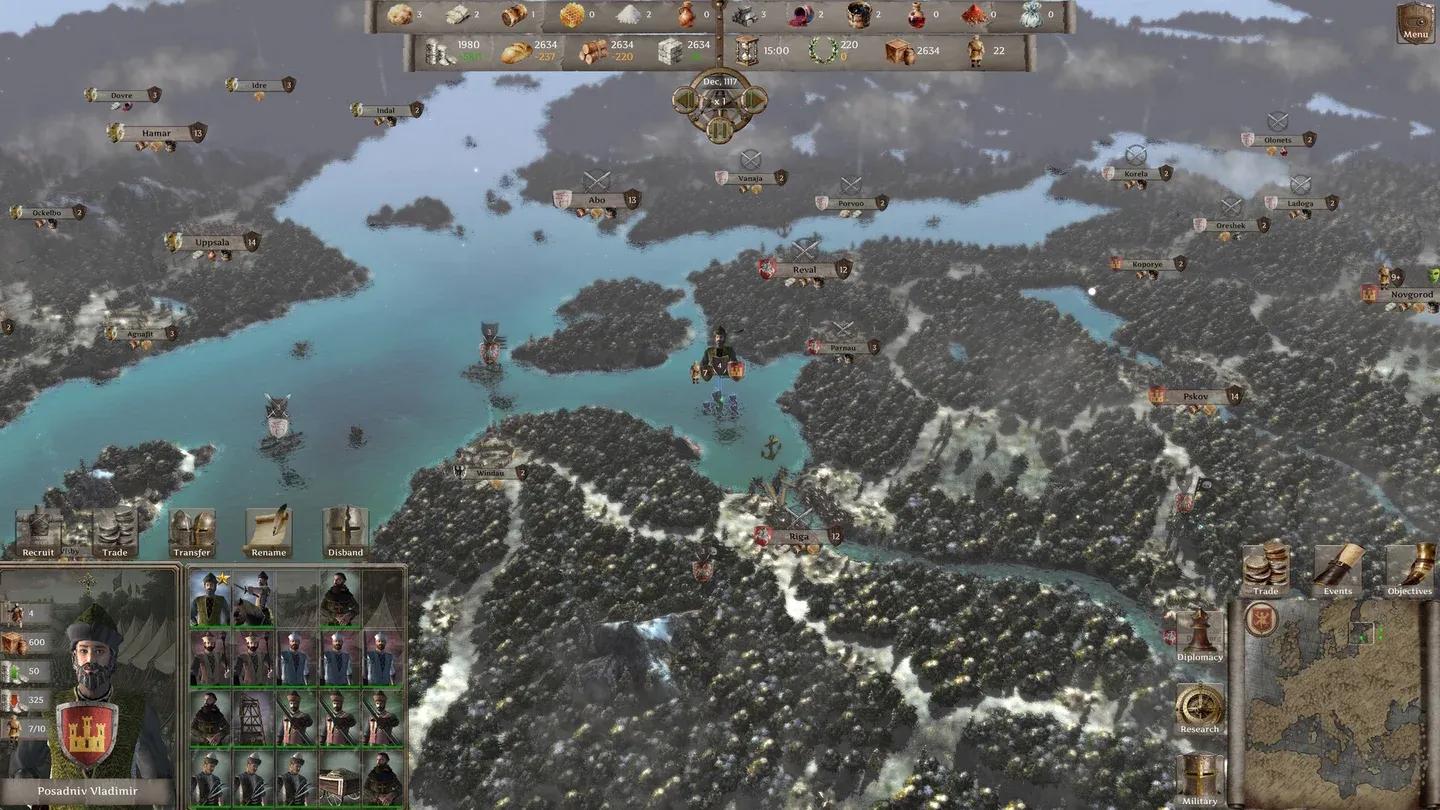
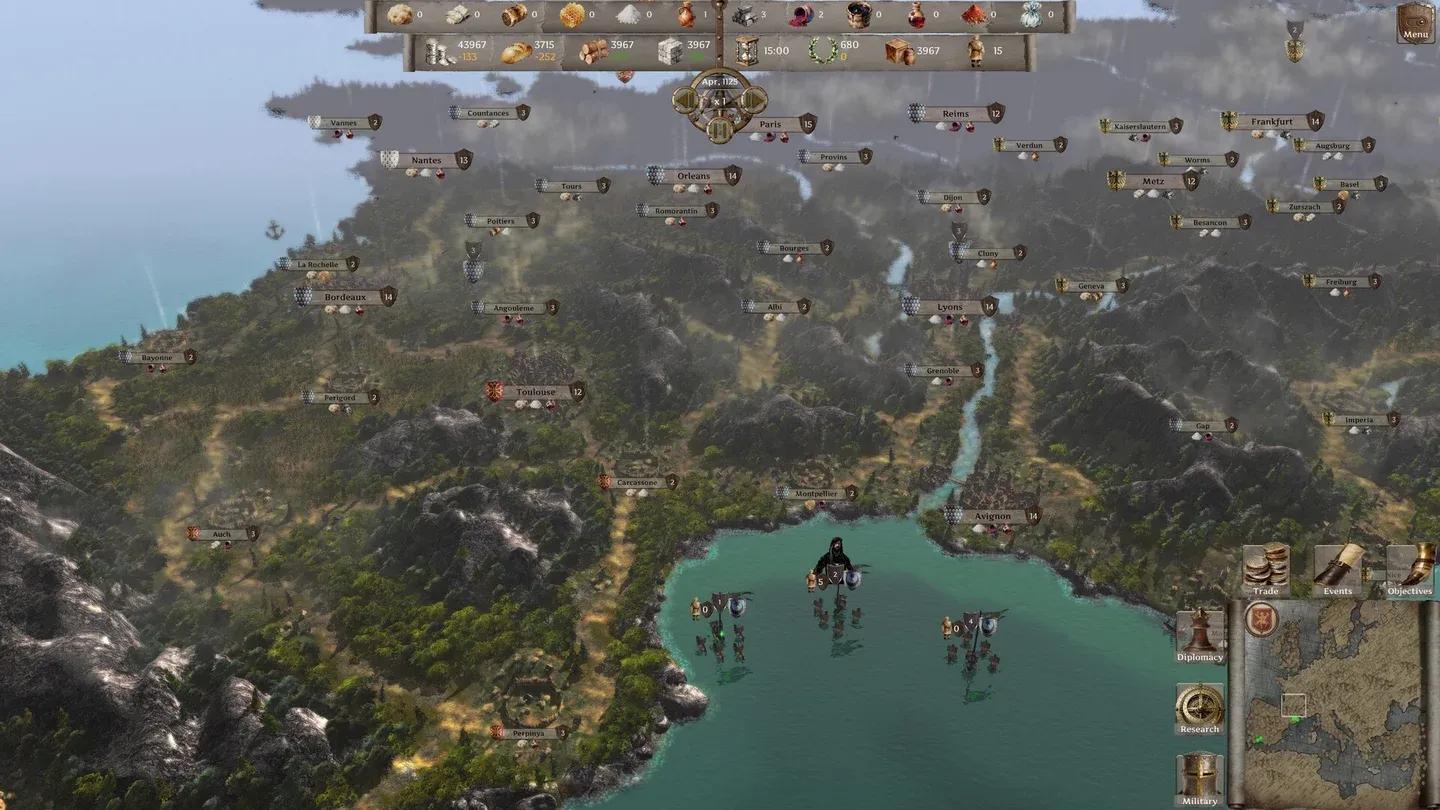
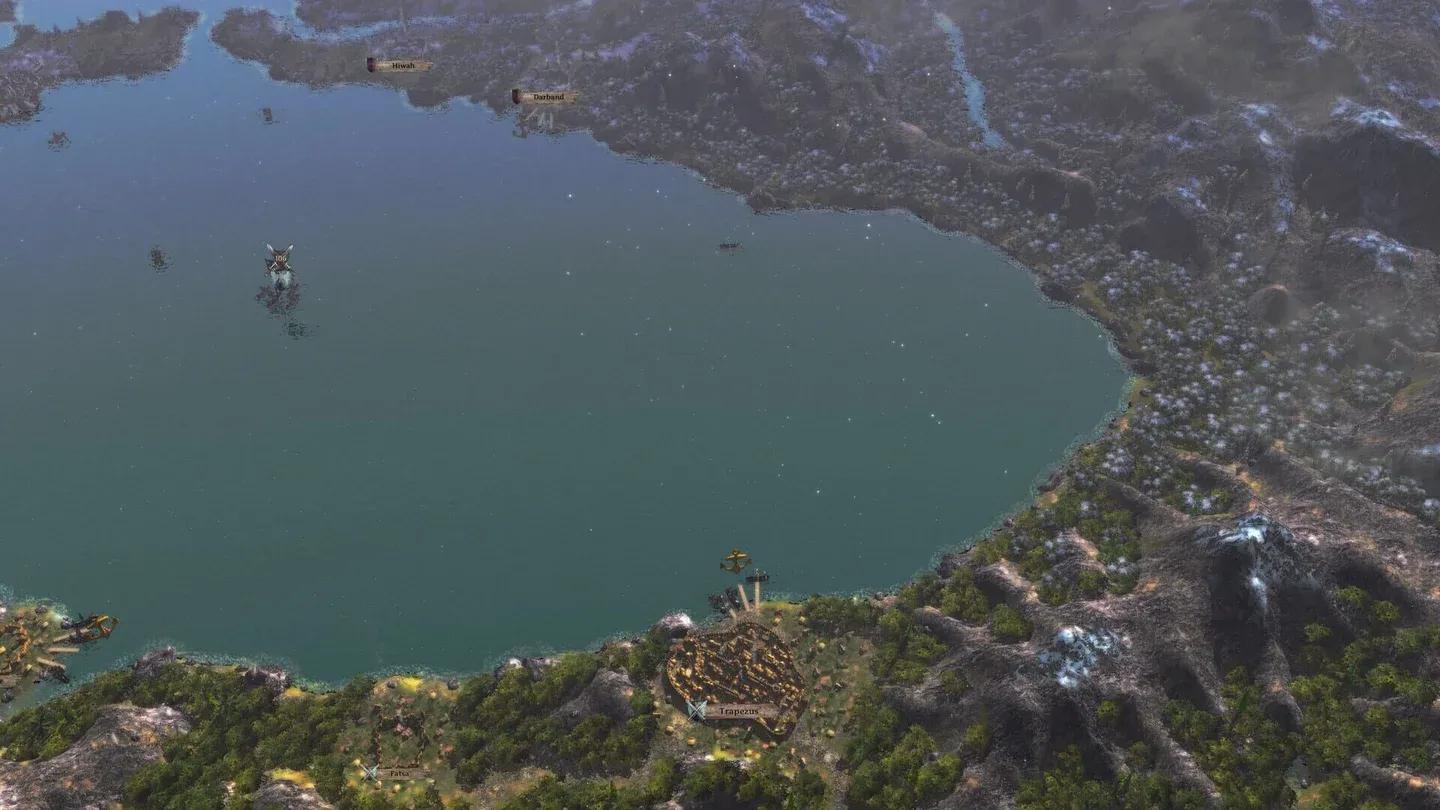
City States: Medieval, developed by Reverie World Studios and published by indie.io, launched into Steam Early Access on April 20, 2026. The premise is direct: you lead a medieval city-state, grow it through layered building systems, connect it to distant markets through trade, and then defend those connections when rival forces come knocking. What makes the game stand out in a crowded strategy genre is how it threads city-building, global trade management, and real-time tower defense combat into a single connected loop rather than treating them as separate modes.
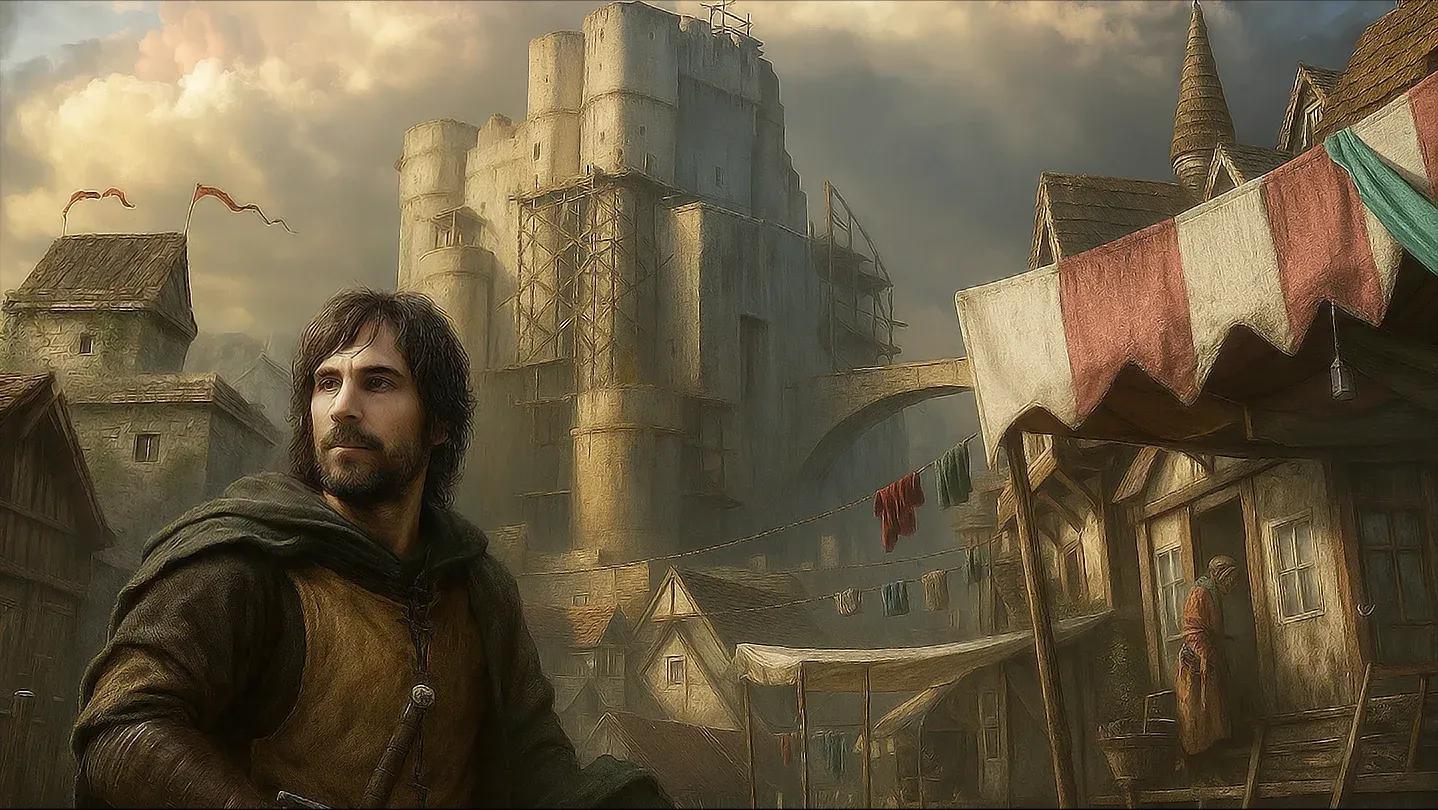
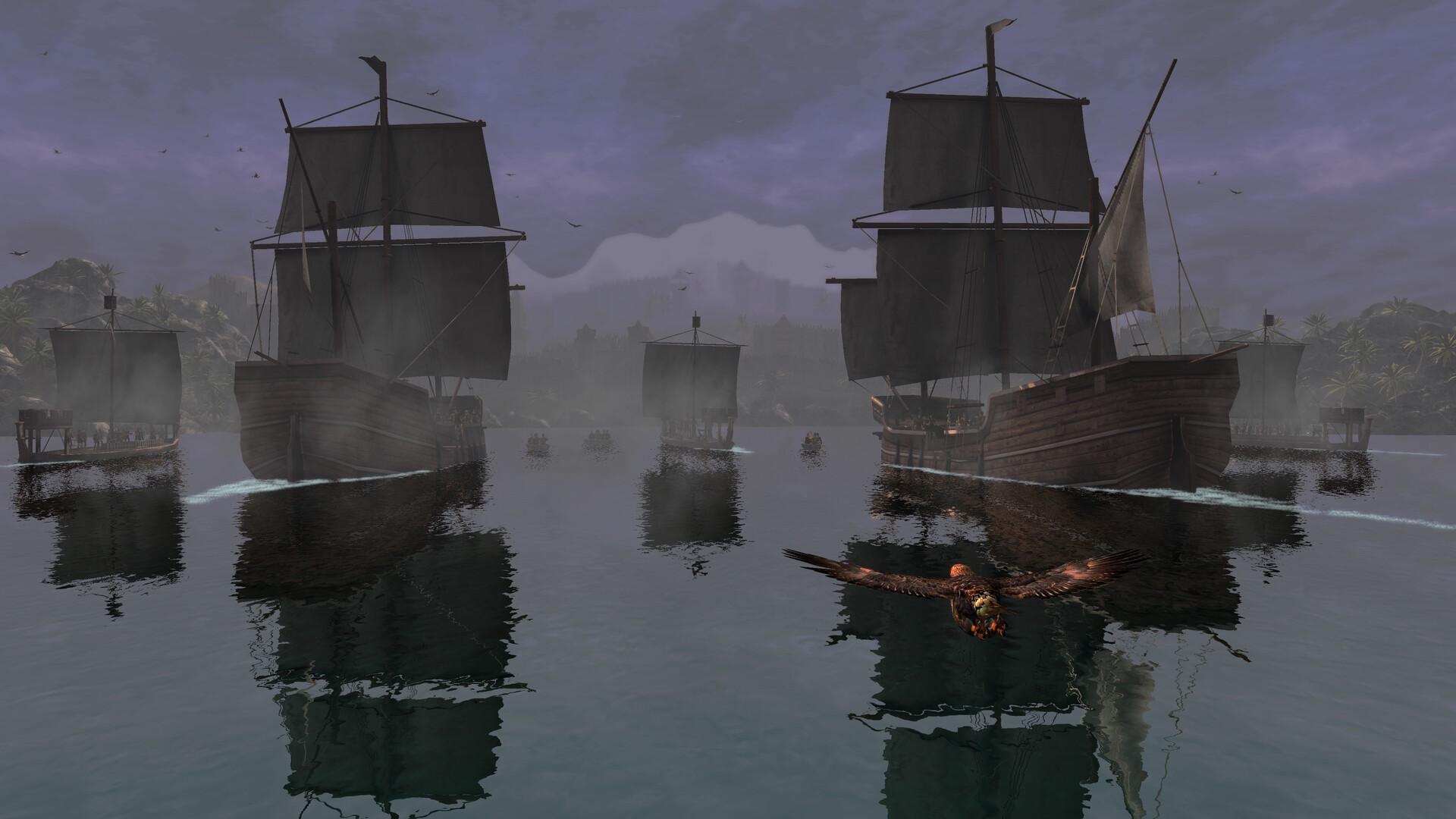
The setting is high medieval Europe, a period rich with merchant republics, contested trade roads, and the constant threat of siege. City States: Medieval leans into all of that. Your decisions as a ruler ripple outward: expand too fast without fortifying your routes and you'll find your caravans picked apart; focus only on walls and your economy stagnates. The tension between growth and security sits at the heart of every session.
Gameplay and mechanics: how does the city-building work?
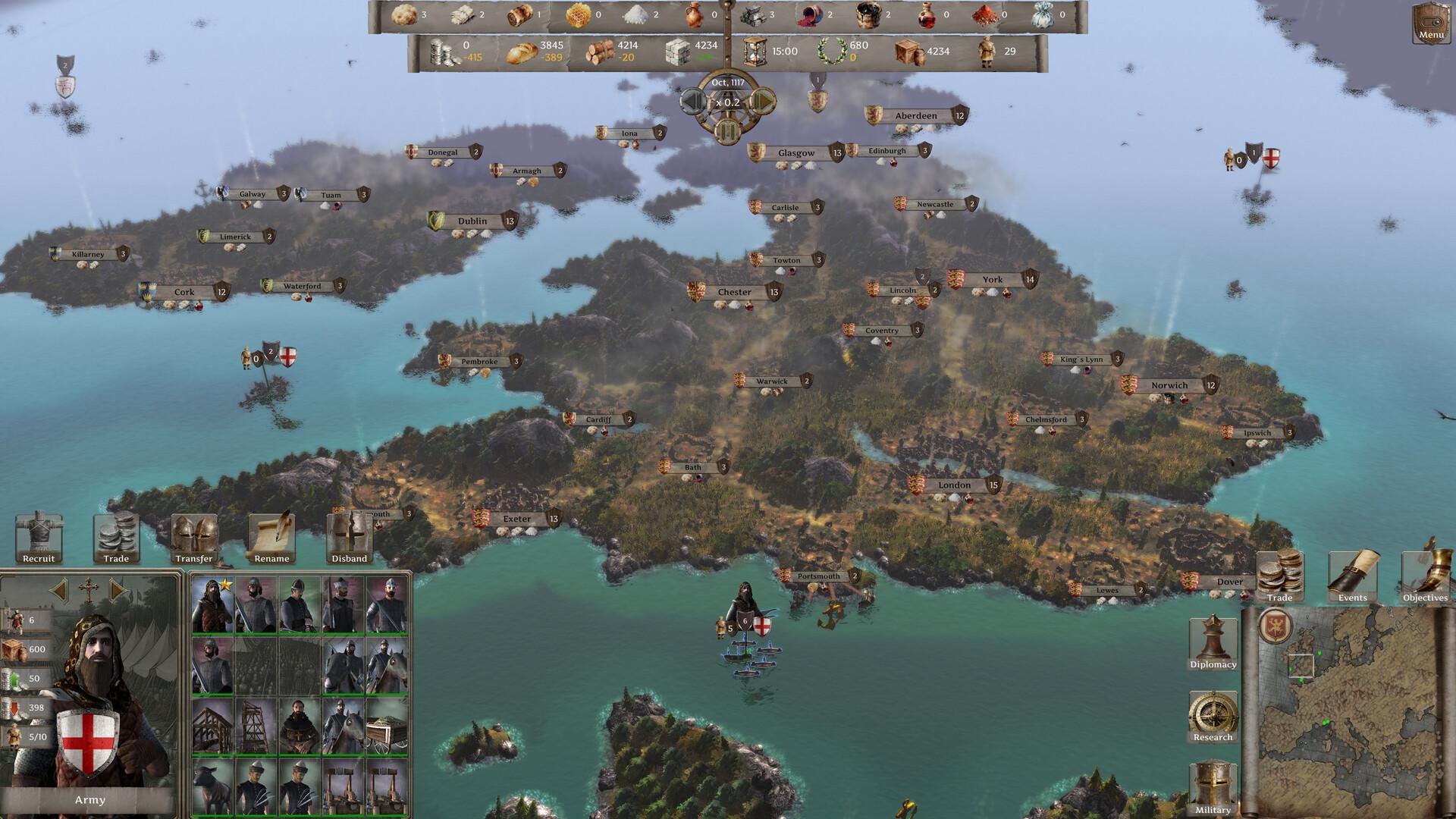
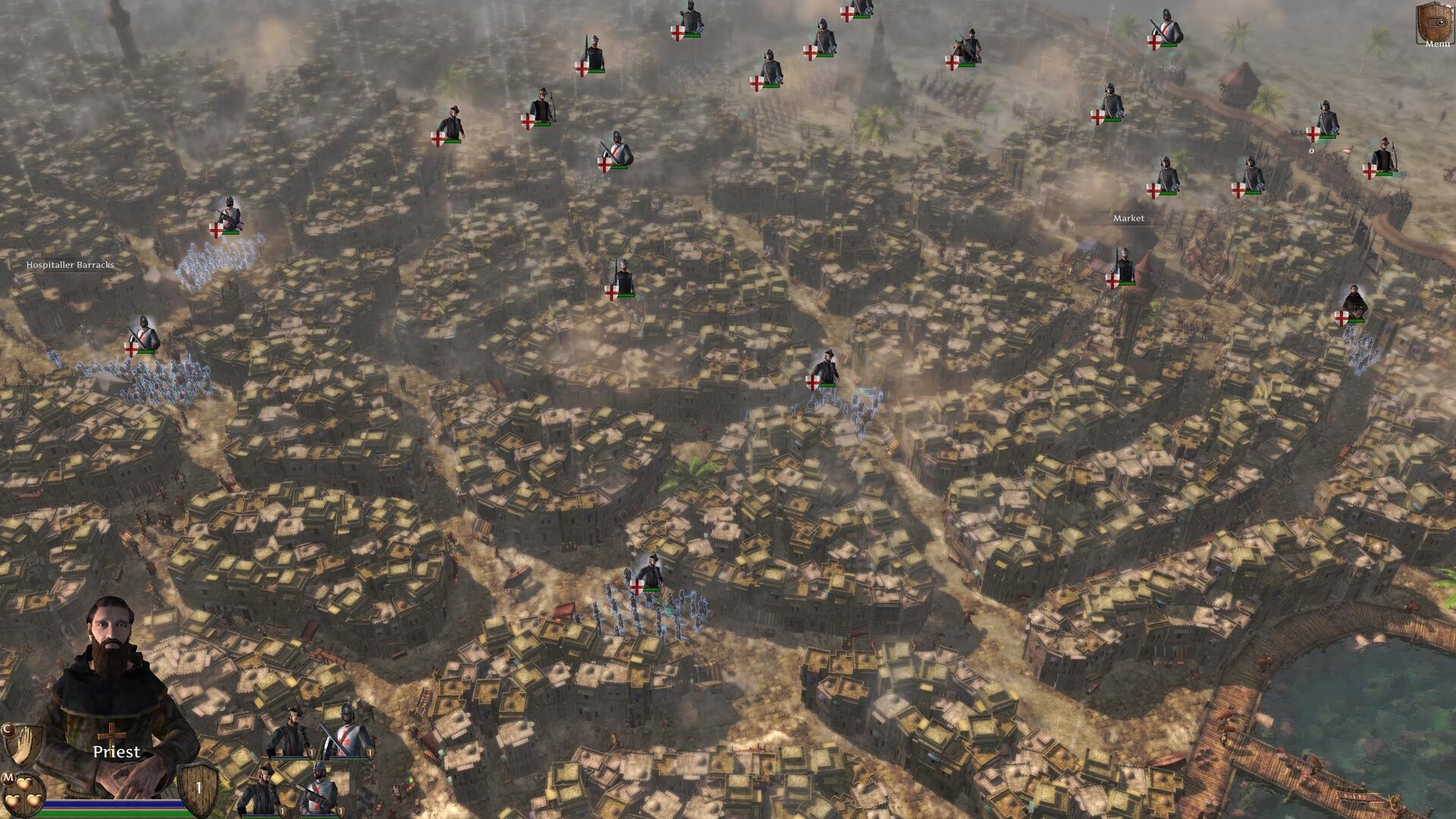
City States: Medieval is built around deep city-building systems that govern how your settlement grows. You're not just placing buildings on a grid; you're managing the economic and logistical infrastructure of a medieval city-state. Resources flow through the city, trade goods need to reach distant markets, and your population's needs shape what you prioritize next.
Key mechanics include:
- City expansion and building placement
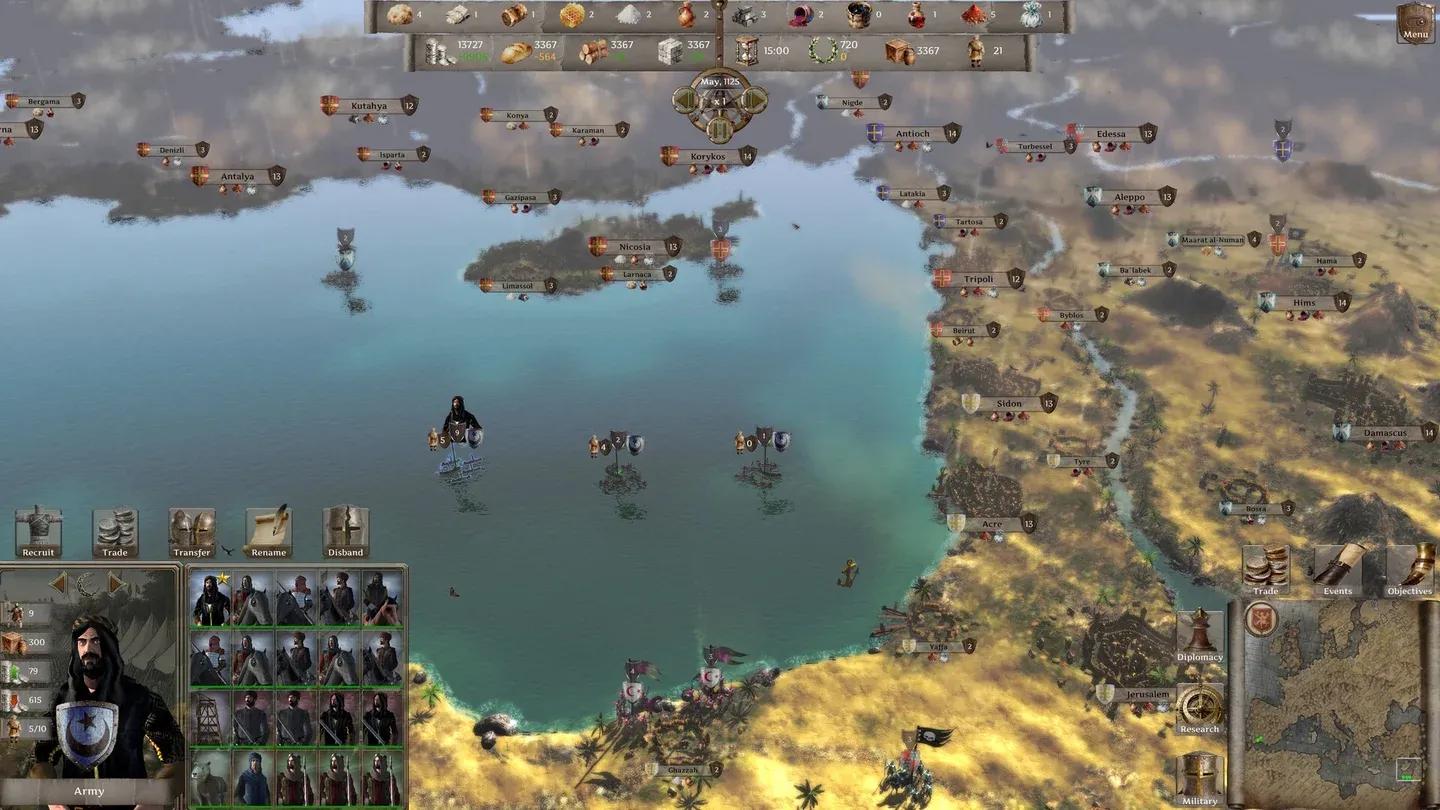
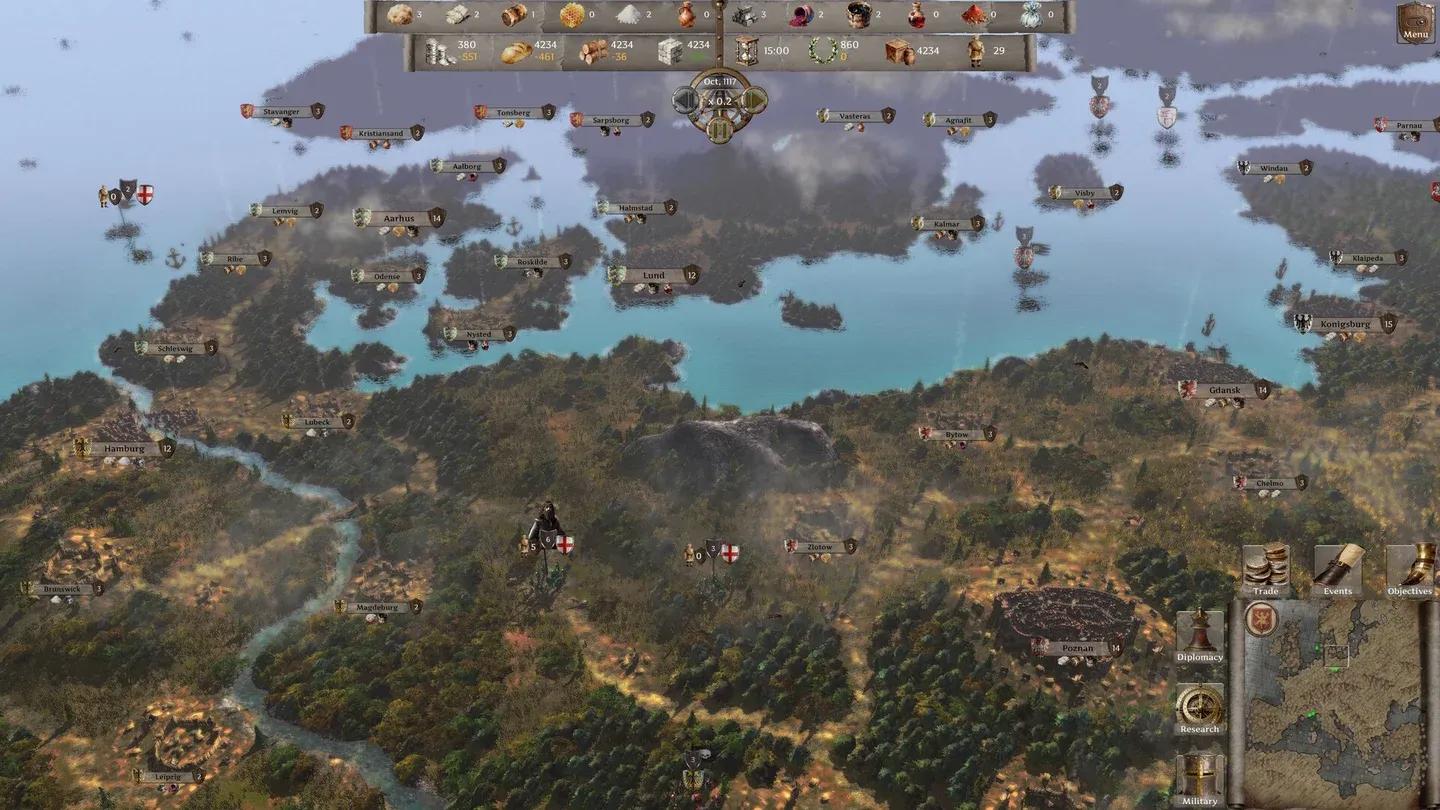
- Trade route management across the known world
- Resource production and economic chains
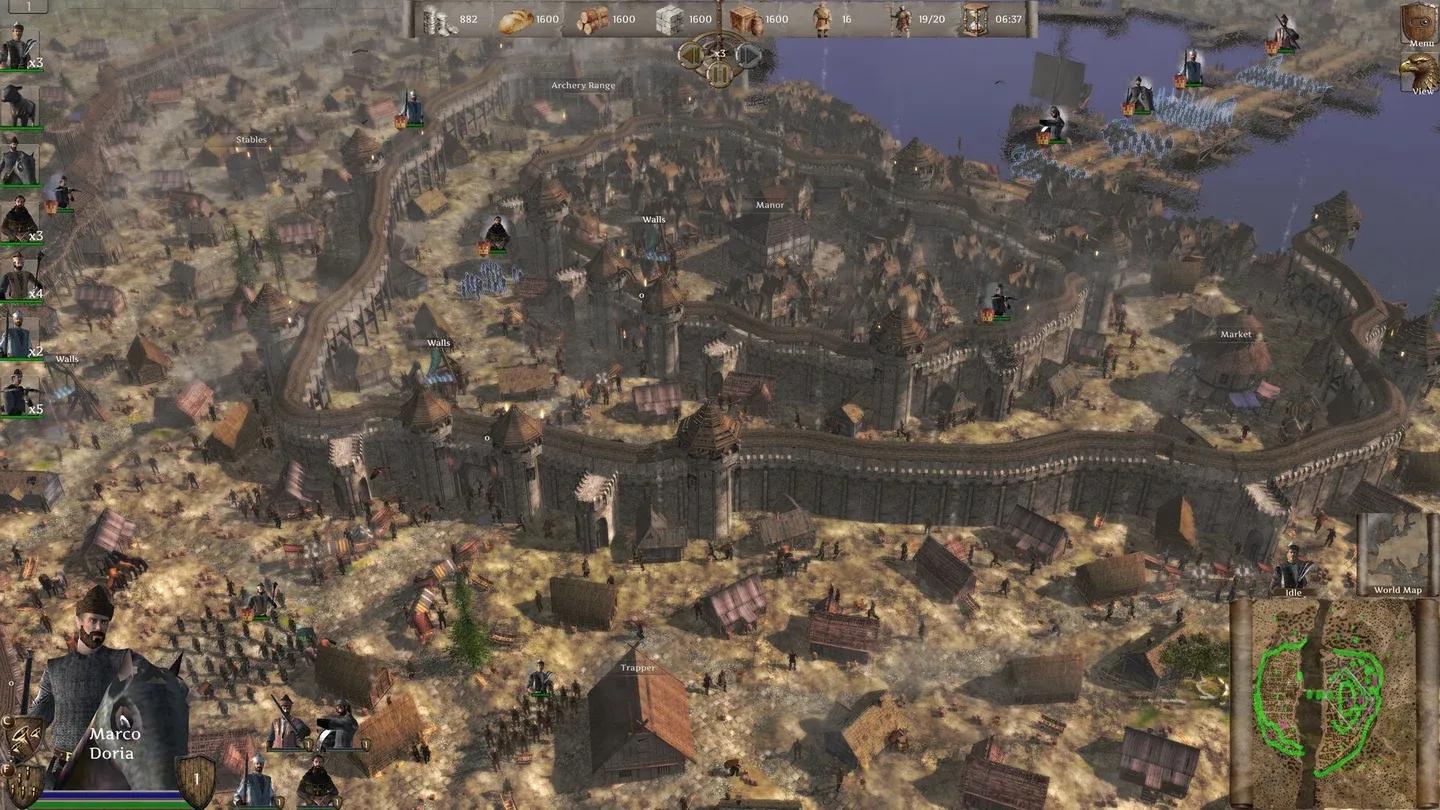
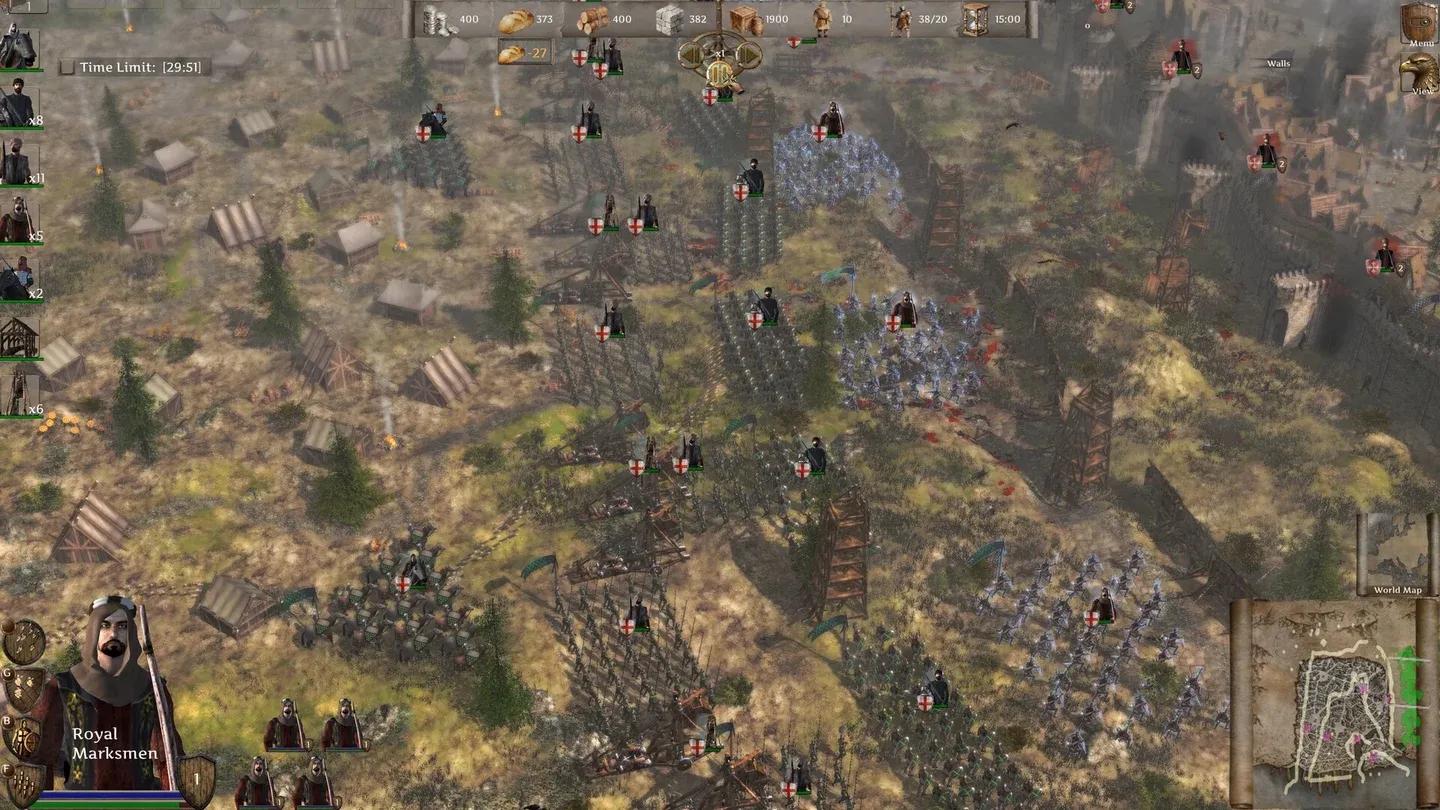
- Tower defense combat along supply lines
- Military unit recruitment and deployment
The city-building layer feeds directly into the trade layer. Goods you produce at home become the currency of your wider empire, which means a weak production base translates to weak leverage on the world map.
Tower defense warfare: what does combat look like?
Combat in City States: Medieval takes the form of high-stakes tower defense warfare rather than traditional RTS unit skirmishes. When your trade routes come under threat, you defend them in real time, positioning units and structures to hold off attackers. This isn't a passive minigame bolted onto the side of a city-builder; it's described as brutal and consequential, with real losses hitting your broader economic operation.
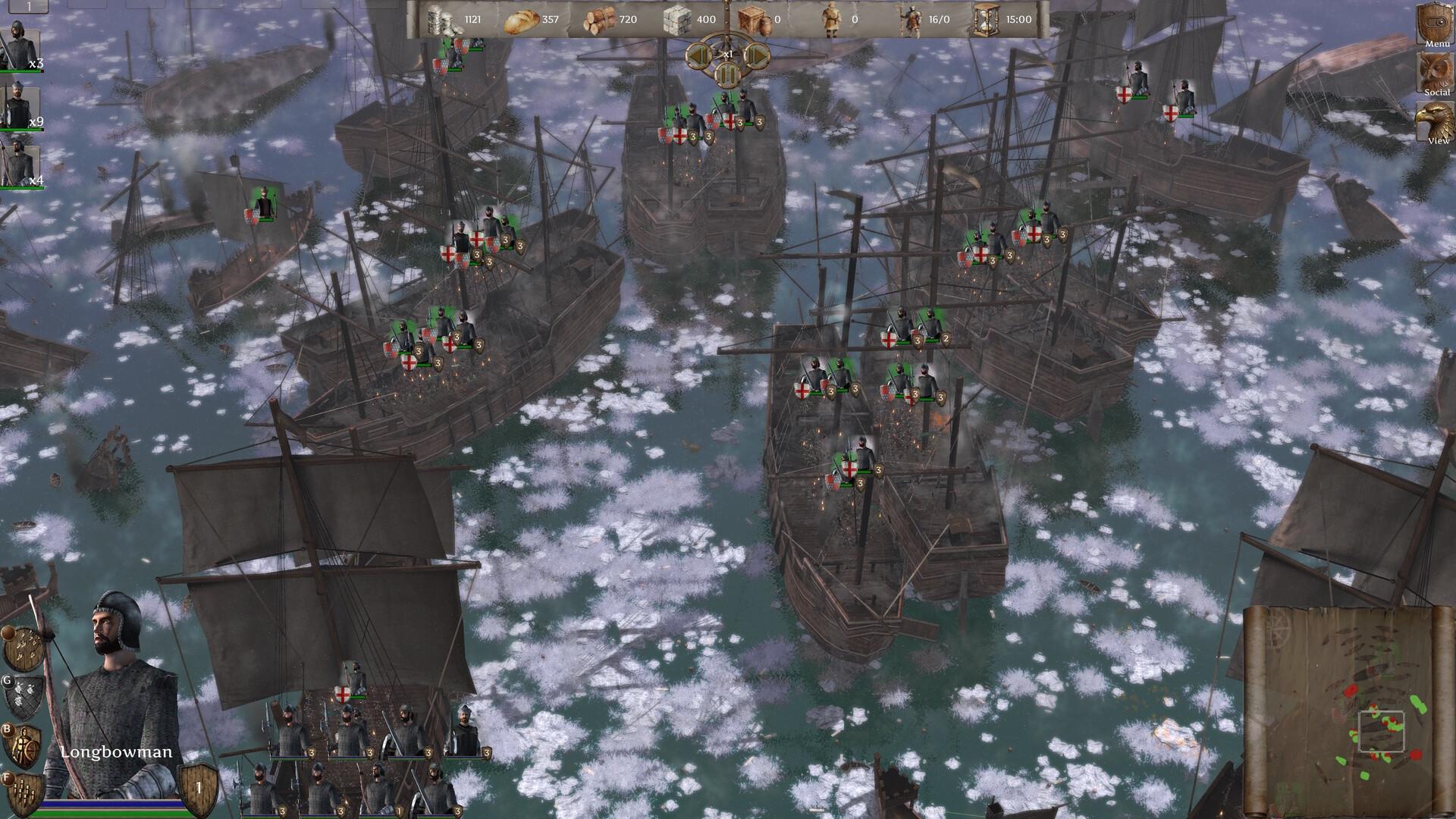
The combination of macro-level trade strategy and micro-level defensive combat gives the game a distinct rhythm. You spend time building and expanding on the world map, then shift gears entirely when a route needs defending. Players who enjoy both 4X-style empire management and tower defense games will find the loop familiar but the combination genuinely uncommon.
Content and replayability
As an Early Access title, City States: Medieval presents a foundation that rewards strategic experimentation. The global trade map offers multiple routes and markets, meaning no two campaigns need to follow the same economic path. Defensive engagements vary based on which routes you've prioritized and how well you've fortified them, so your city-building choices directly shape the difficulty of your combat encounters.
| Requirement | Minimum | Recommended |
|---|---|---|
| OS | - | Windows 10 |
| Processor | 2.4 GHz Dual Core | 2.4 GHz Dual Core |
| Memory | 3 GB RAM | 5 GB RAM |
| Graphics | NVIDIA GeForce GTX 1070 / AMD Radeon RX Vega 56 | NVIDIA GeForce RTX 2060 / AMD Radeon RX Vega 64 |
| DirectX | Version 11 | Version 11 |
| Storage | 5 GB available space | 7 GB available space |
Conclusion
City States: Medieval is a focused strategy game that combines city-building, trade empire management, and tower defense combat in a medieval setting. Reverie World Studios has built something with a clear identity: a game where economic decisions and military defense are genuinely inseparable. RTS fans looking for a strategy game with more systemic depth than a typical tower defense, and more action than a pure city-builder, have a legitimate reason to pay attention to this one.