

Biggest discounts, free games, and limited-time offers across every major gaming store.
Never pay full price again.
Overview
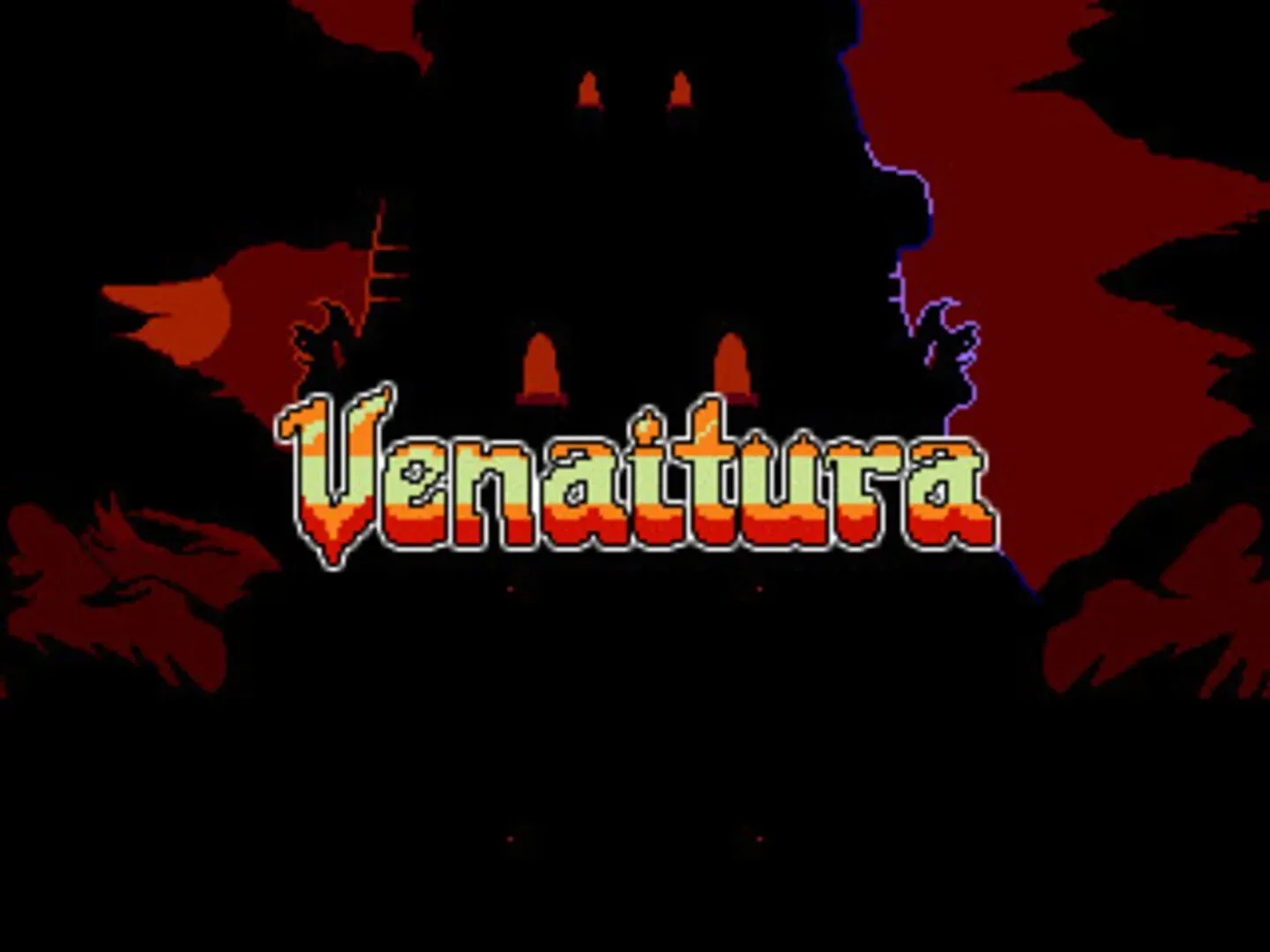
Venaitura is a turn-based RPG developed and published by Ephiam, released on August 2, 2021, for Windows via Steam. The game centers on assembling a party of 4 heroes drawn from a pool of 12 distinct classes, then sending them into battle against the corruption spreading from the tower of Tsufana. The premise is lean and purposeful, the kind of setup that lets the mechanics do the talking rather than burying the player in lore dumps.
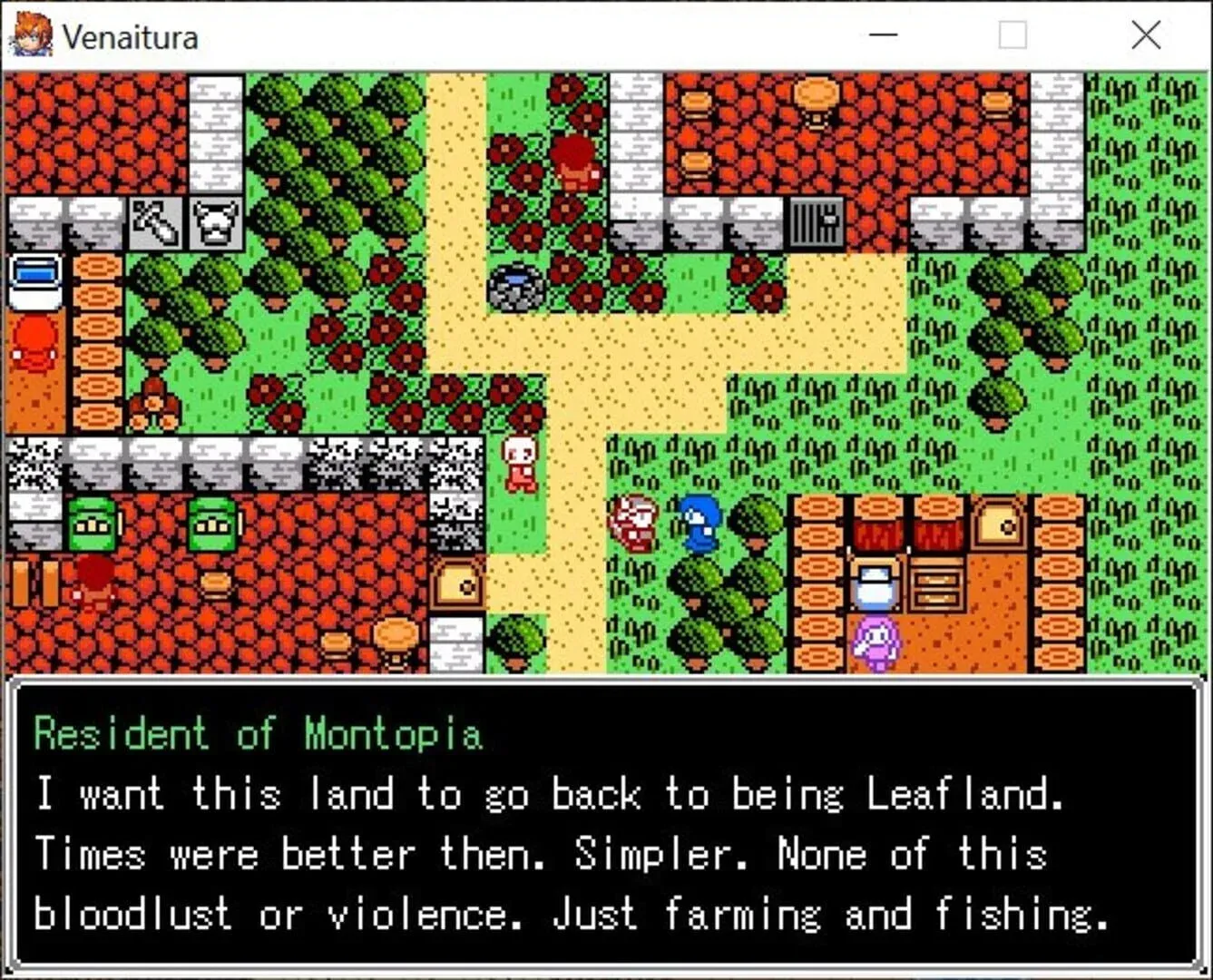
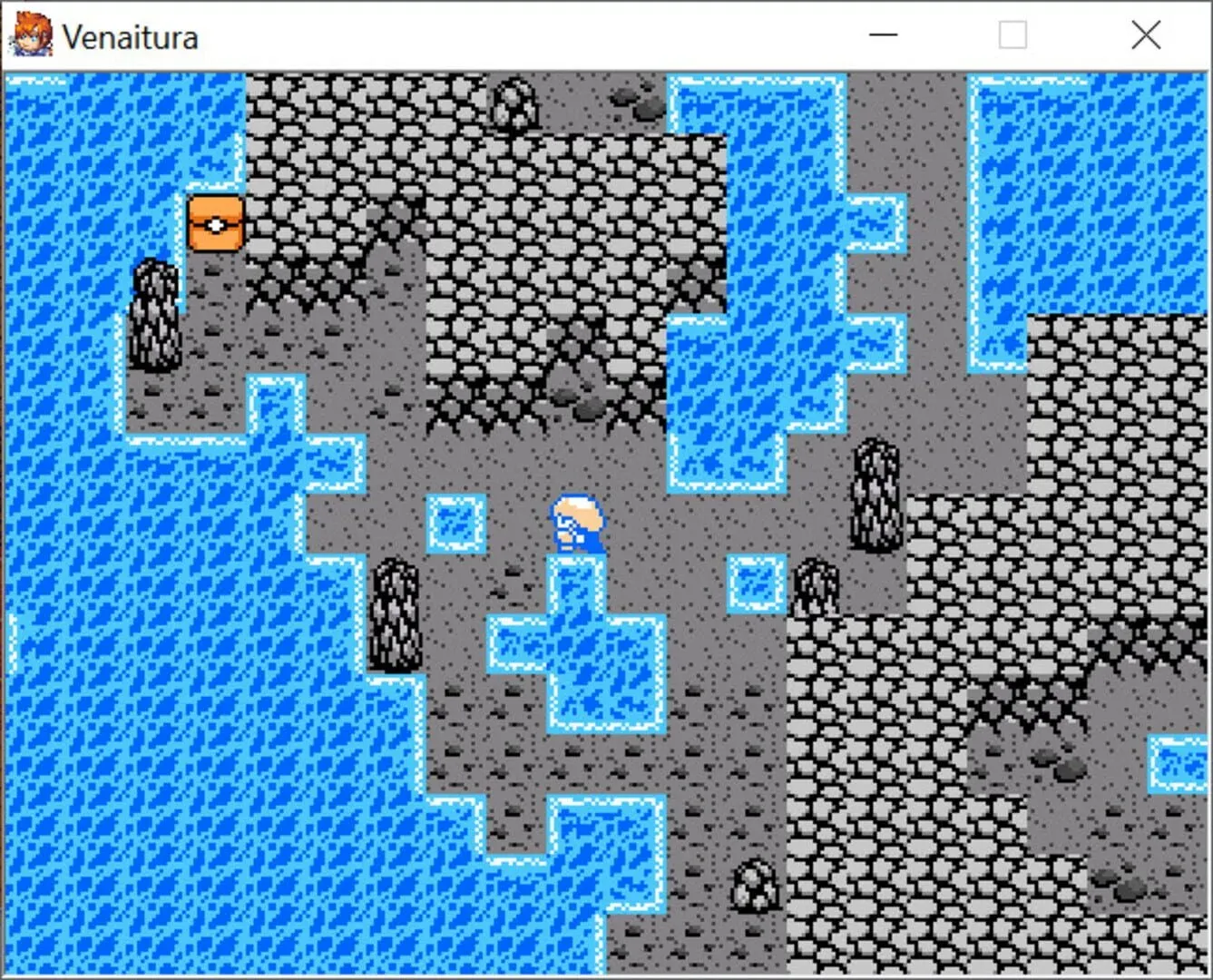
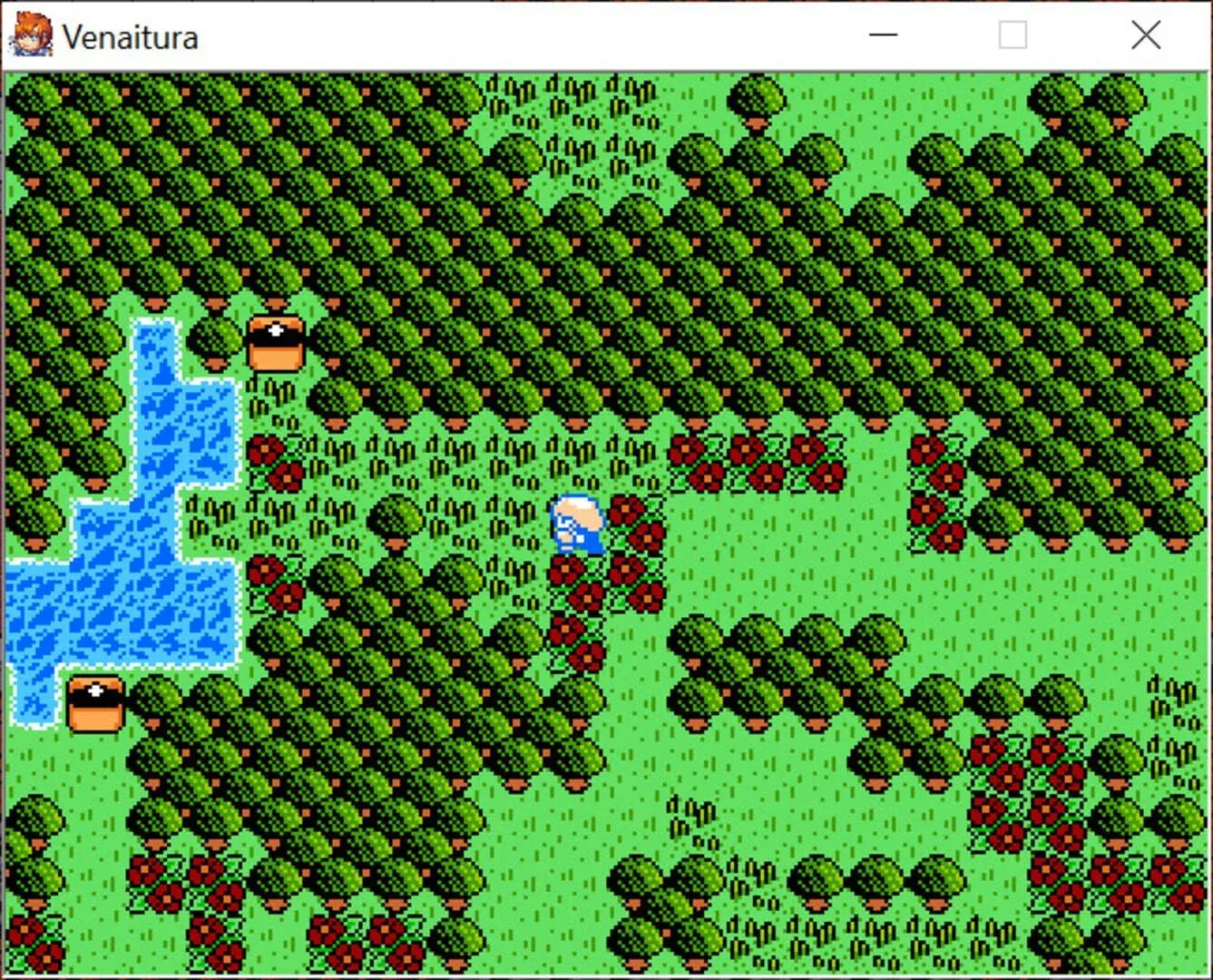
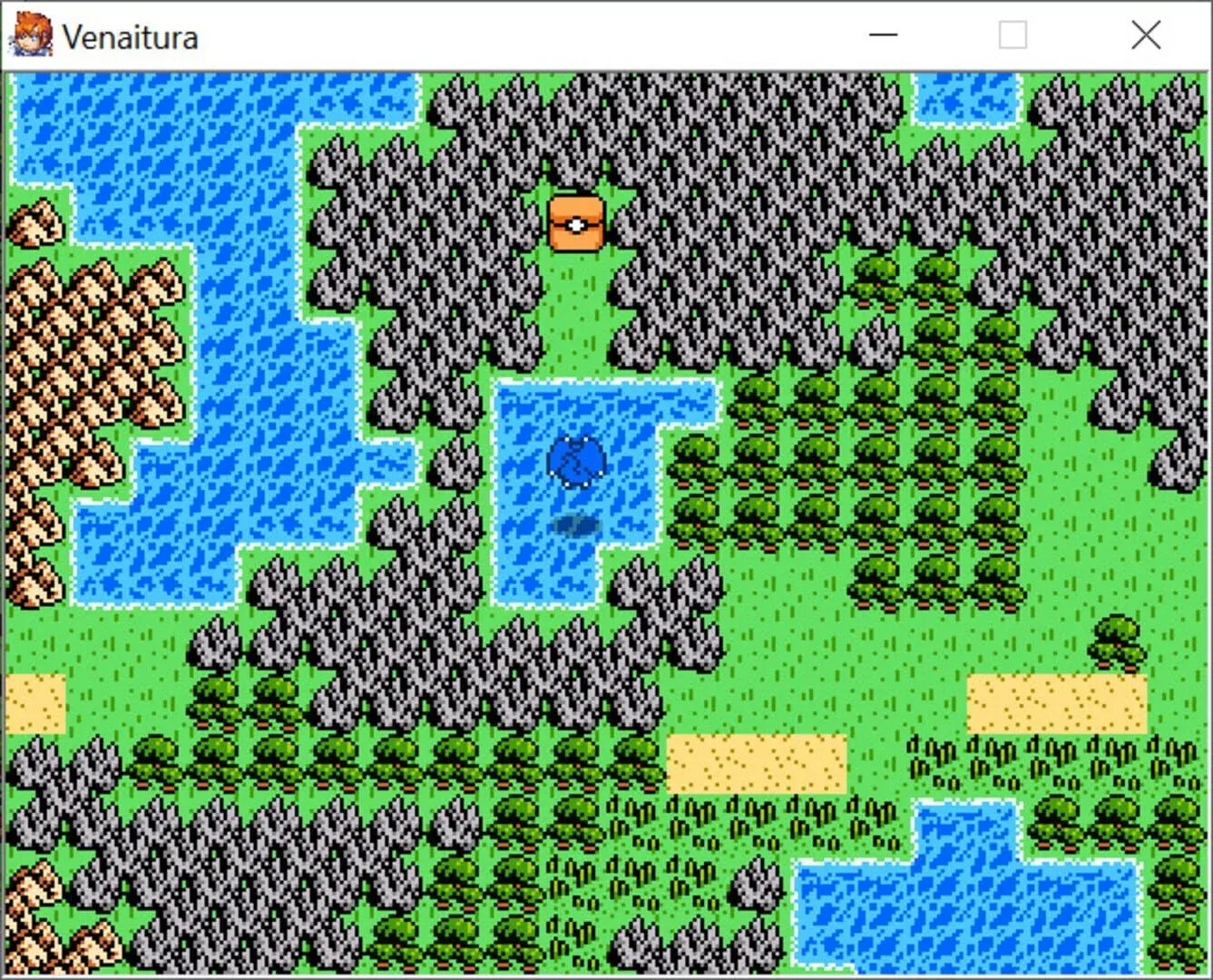
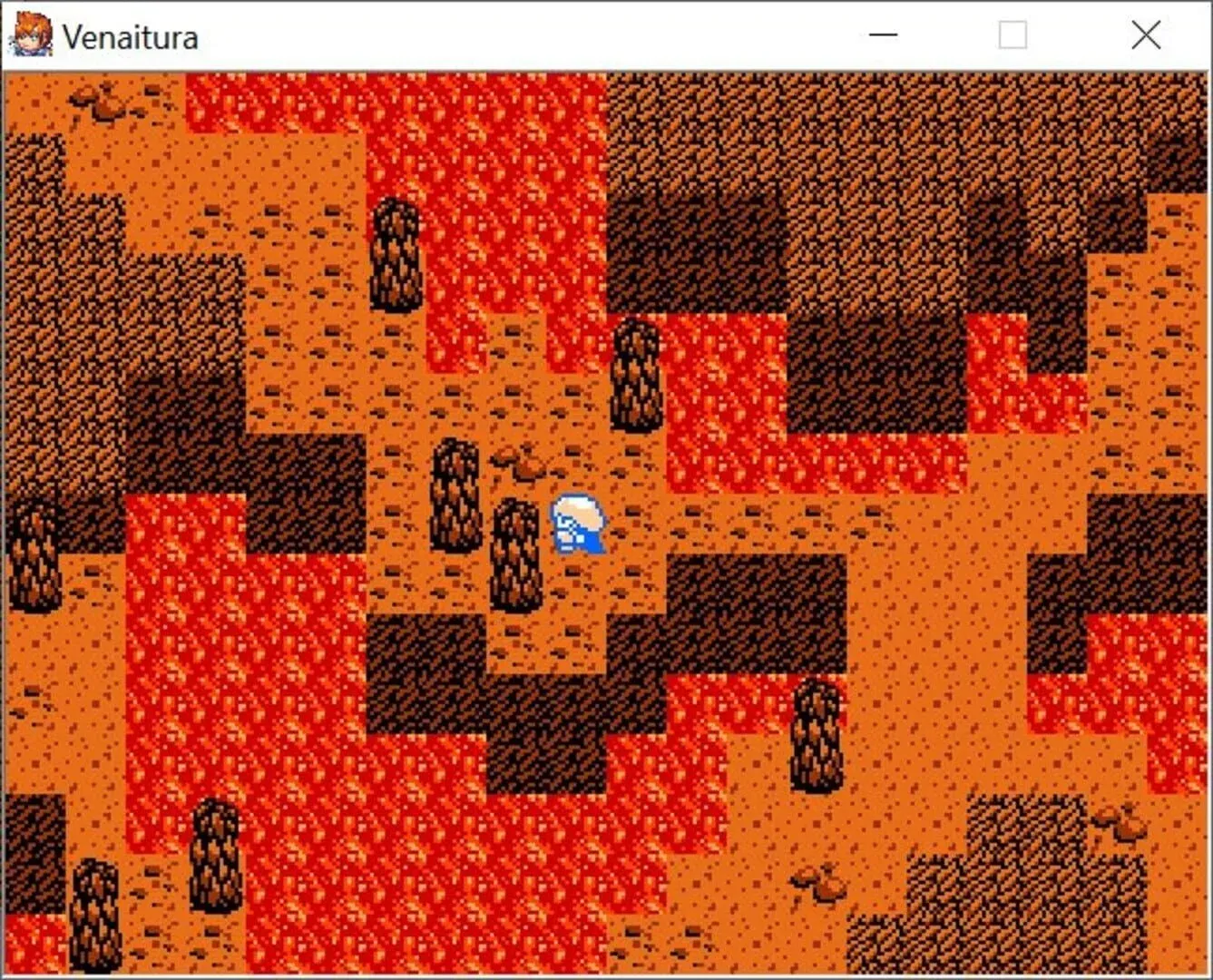
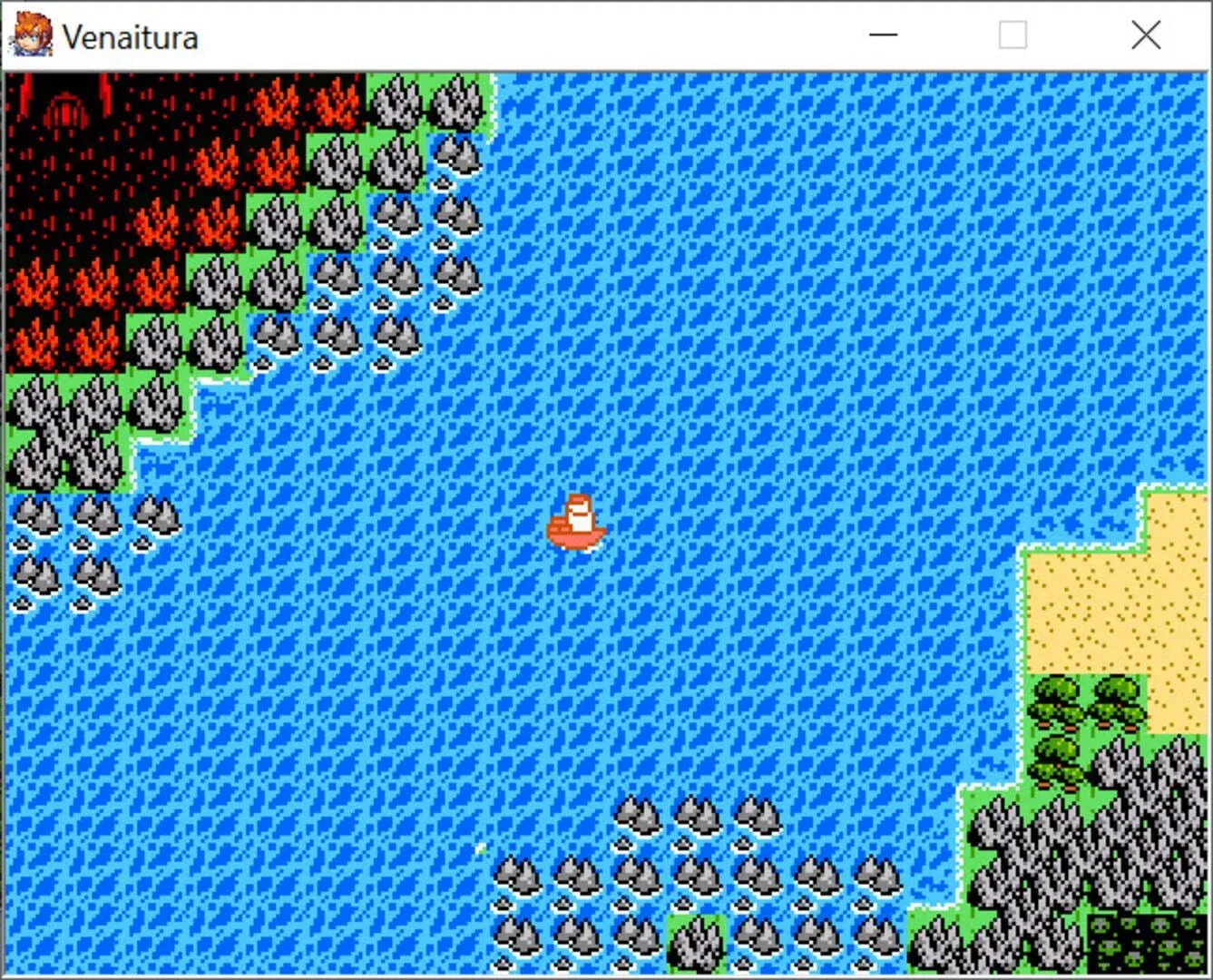
The retro aesthetic is immediately apparent. Venaitura draws heavily from classic JRPG conventions, the sort that defined the genre on 16-bit hardware, and wears that influence openly. Pixel art, menu-driven combat, and a world that feels hand-crafted rather than procedurally generated all point to a developer who knows exactly what kind of game they wanted to make.
Venaitura content image
Party building and class variety
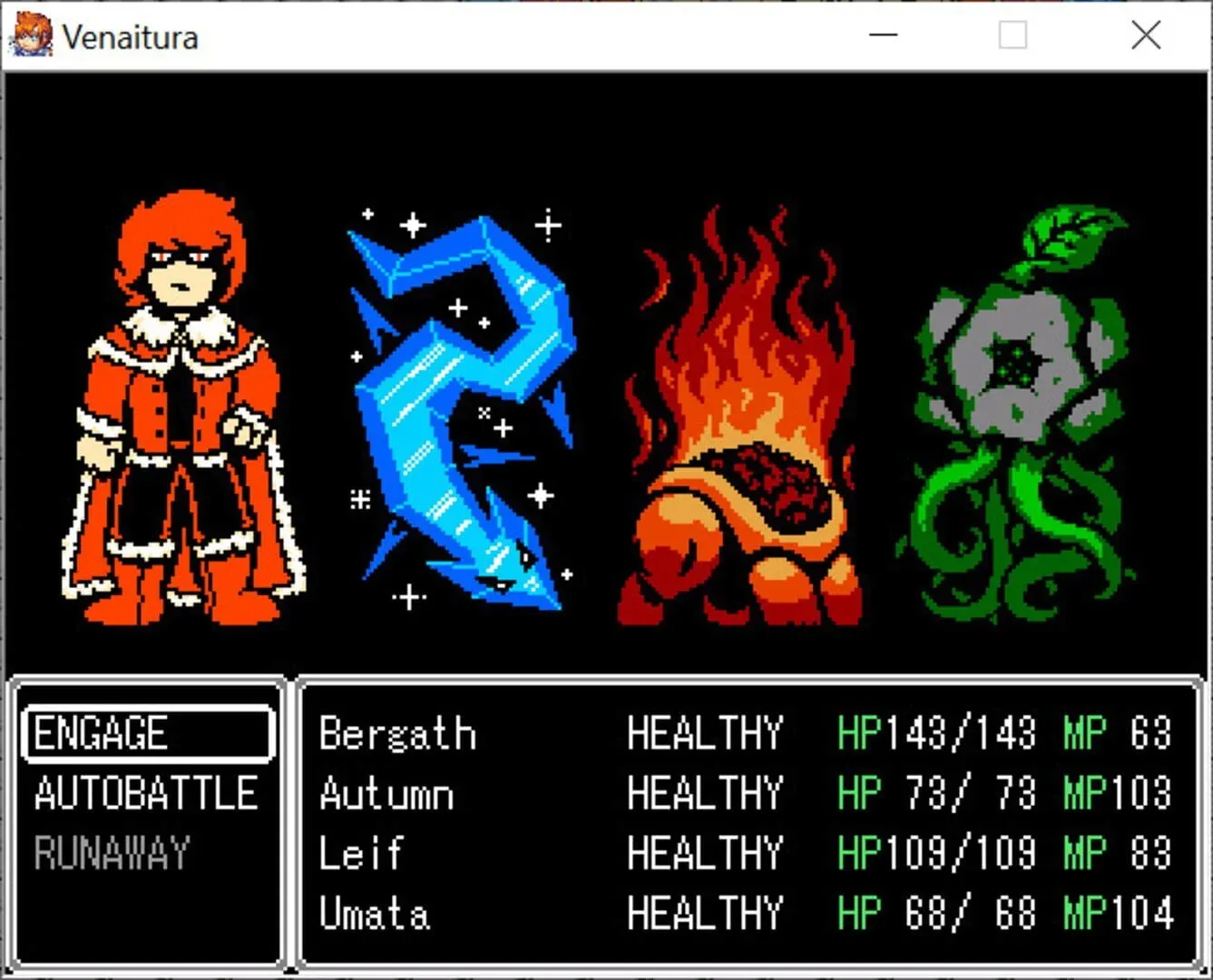
The heart of Venaitura is its class system. With 12 classes available and only 4 slots in your party, every run demands real decisions. The core choices players face:
Venaitura content image
- Balancing offensive and support roles
- Managing elemental or skill coverage
- Accounting for boss encounter types
- Choosing synergies between class abilities
- Adapting composition to playstyle
That combination of 12 classes into groups of 4 produces a meaningful number of distinct party configurations, which is where most of the game's replayability lives. Players who enjoy theorycrafting will find the class selection screen worth revisiting across multiple playthroughs.
Venaitura content image
Turn-based combat: how does it play?
Turn-based strategy in Venaitura follows a traditional structure. Encounters are menu-driven, with each hero acting in sequence based on their class and build. There's no real-time element, no action bar management, just clean tactical decision-making on a per-turn basis. That purity of design is either the game's biggest strength or its biggest limitation depending on what you're looking for.
The combat system rewards players who understand their party's capabilities and plan ahead. Going in without a coherent strategy tends to punish quickly, which is consistent with the classic RPG difficulty curve the game appears to target.
World and setting
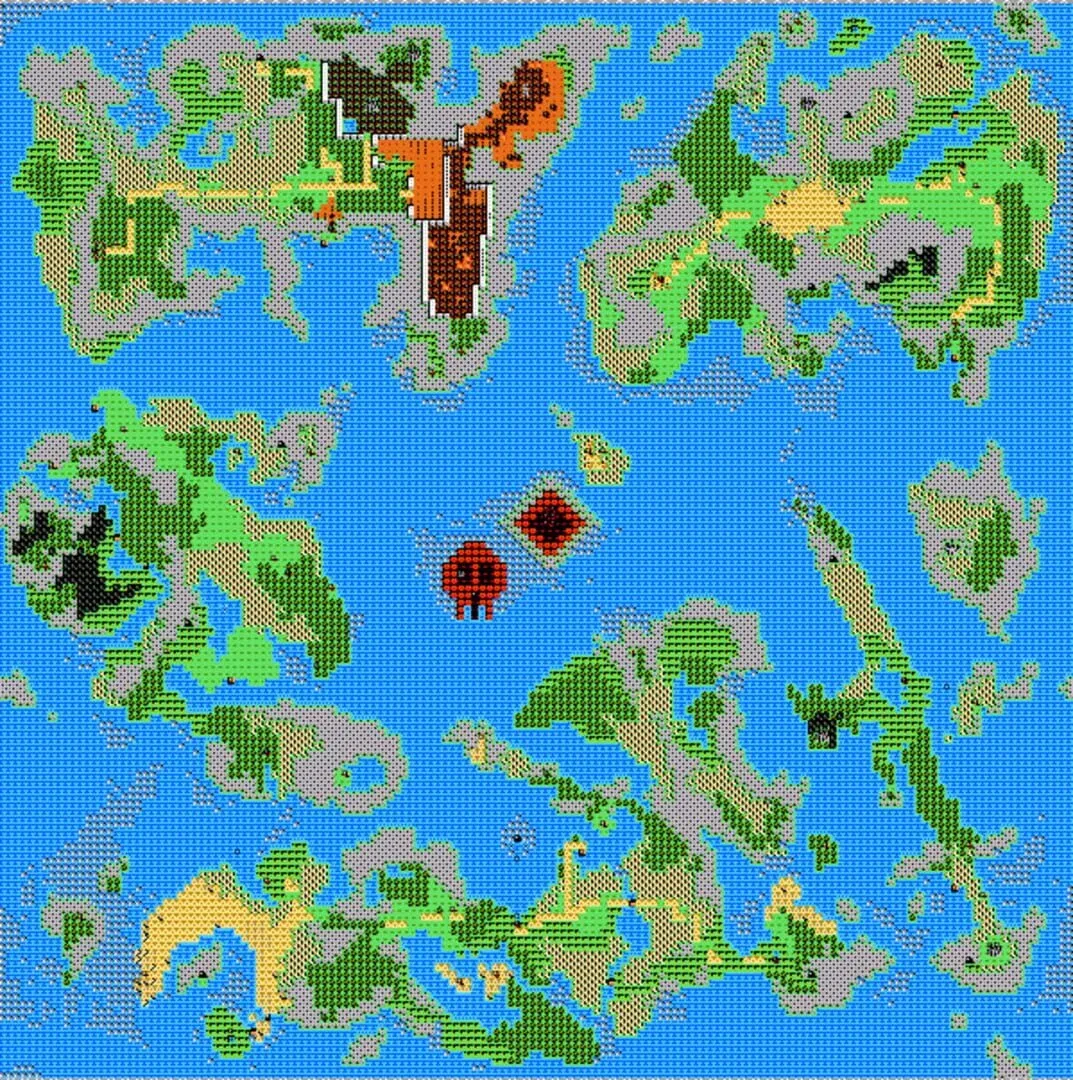
The world of Tsufana provides the backdrop for the journey, with the titular tower serving as the source of corruption the player works to eliminate. Venaitura doesn't lean heavily on exposition to carry its story; the focus stays on the mechanical experience of progressing through the game rather than extended narrative sequences.
Venaitura content image
For players who prefer their RPGs to get out of the way and let them play, that approach works well. The setting provides enough context to give the quest meaning without demanding significant time investment in cutscenes or dialogue trees.
Content and replayability
Replayability in Venaitura comes primarily from experimenting with different class combinations across multiple runs. The 12 available classes give the party-building system genuine depth, and players who want to try every viable configuration have a clear reason to return. The retro RPG format means the game doesn't pad its runtime with unnecessary side content; what's here is focused and intentional. For fans of classic turn-based RPGs looking for a compact, well-defined indie experience built around party composition and strategic combat, Venaitura delivers exactly what it sets out to do.