

Blades, crowbars, and batons are the best all-purpose melee picks in Acts of Blood, while heavier weapons reward clear openings against groups.
This ranking uses the demo v0.9.8 weapon-system rules and includes named pickups from earlier warehouse-demo builds. It ranks practical utility, not launch balance or an exact damage order. Firearms provide valuable ranged options, but scarce ammunition keeps them from replacing melee combat.
How weapons are ranked
A weapon earns a higher tier when you can use it effectively across more encounters. The priorities are damage opportunities, reach, safety, and effectiveness against groups:
- Damage opportunities: How easily an attack fits into the opening an enemy gives you.
- Reach: How comfortably the weapon connects without forcing you into the closest exchanges.
- Safety: How much commitment and recovery an attack demands.
- Group effectiveness: Whether the weapon helps when several opponents close together.
Medium melee weapons lead because they balance speed and reach. Fast and heavy weapons sit below them as more situational choices. Guns lose ground because their usefulness depends on ammunition, while fragile environmental objects are brief opportunities.
Weapons with the same handling role stay tied. A shared tier does not establish equal damage, durability, or attack speed.
Weapon rankings at a glance
| Tier | Weapon | Reason |
|---|---|---|
| S | Blade | Balanced speed and reach suit a broad set of melee openings. |
| S | Crowbar | Medium handling balances reach with attack commitment. |
| S | Baton | A balanced option when enemy spacing and openings keep changing. |
| A | Baseball bat | Wider, slower swings suit clustered opponents. |
| A | Sledgehammer | Heavy swings reward clear openings but demand more recovery time. |
| A | Firefighter axe | Heavy reach helps against groups when there is room to commit. |
| A | Knife | Quick, close-range attacks suit one nearby enemy. |
| A | Wrench | Fast handling favors short exchanges against an isolated target. |
| A | Hammer | A quick melee option when a heavy swing would take too long. |
| A | Pipe | Provides a temporary melee damage boost and a throwable stagger option. |
| B | Pistol | Offers ranged utility, but scarce ammunition limits sustained use. |
| B | AK-pattern rifle | Can pressure enemies across a room without solving the ammo constraint. |
| B | Shotgun | A situational ranged option for nearby threats, with limited ammunition. |
| C | Chair | Useful environmental offense, but it breaks quickly. |
| C | Bottle | A short-lived improvised weapon with little sustained value. |
The tiers are pickup priorities, not instructions to ignore a lower-ranked weapon. A nearby knife can help immediately; an S-tier pickup across an unsafe room cannot.
Best melee weapons
Blades, crowbars, and batons are the default picks
Choose a medium melee weapon when the encounter keeps switching between one opponent and several. Their balance of speed and reach makes them the least specialized choices in this ranking.
A blade does not need the same generous opening as a heavy weapon, while its handling category offers more reach than the fast, close-range group. Use that balance to keep your attacks controlled instead of committing to a long sequence while other enemies approach.
Bats, sledgehammers, and axes reward space
Pick a baseball bat, sledgehammer, or firefighter axe when opponents are gathering together and you have time to swing. Their heavier attacks offer reach or wider coverage, but the recovery makes a missed opportunity more expensive.
The useful opening is one where nearby enemies cannot immediately interrupt you. If another opponent is already attacking from the side, defending first is safer than forcing a heavy swing through the pressure.
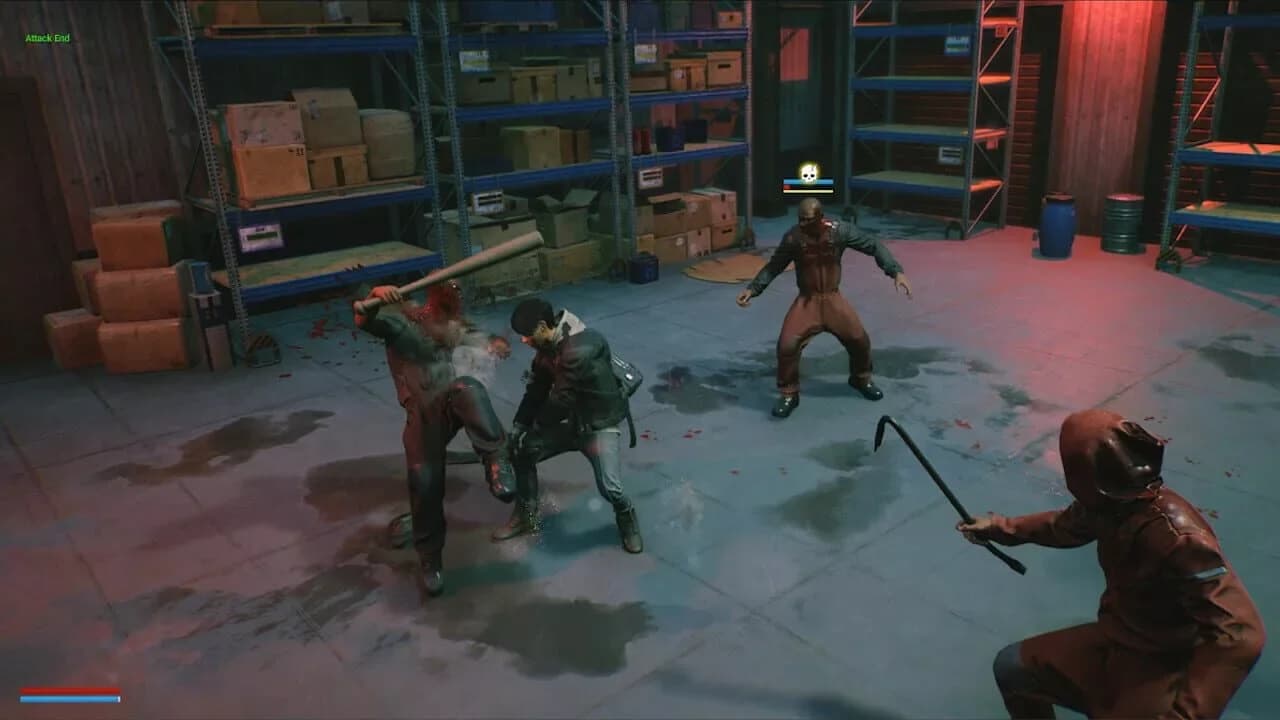
Warehouse-demo baseball bat
Fast weapons fit shorter exchanges
Knives, wrenches, and hammers suit a nearby opponent who leaves only a short opening. Keep the exchange brief enough to respond to the next attack.
A pipe is also worth taking when it is within reach. Melee pickups hit harder than fists, so there is little reason to pass up an accessible damage boost solely because another weapon ranks higher.
Best ranged weapons
Choose a gun for the problem it solves
The pistol, AK-pattern rifle, and shotgun share B tier because their most important restriction is the same: ammunition is scarce. This ranking does not place one above another on damage or stopping power.
Spend shots on enemies you cannot safely reach, a gunner interrupting your melee exchanges, or a distant recovery opening that would otherwise expire before you arrive. Using all your ammunition on ordinary enemies leaves fewer options when distance becomes the real problem.
The rifle can pressure enemies across a room. A shotgun can serve a nearby threat, while the pistol offers another way to attack without closing immediately. Treat these as situational roles, not measured range or damage advantages.
Empty guns do not disappear
Since demo v0.8.9, ammunition and weapon durability are separate systems. A firearm remains in your hands at zero ammunition and can still serve as a club.
Holding a gun therefore does not mean you can fire it. When its shots are gone, choose between using the remaining physical weapon, taking another pickup, and returning to unarmed combat.
Best weapons for group fights
A heavy melee weapon is the best situational choice when several enemies bunch together. Medium weapons remain preferable when the group keeps spreading out or attacking in turns, because each opening may be too short for a heavy commitment.
Use the following sequence to get more from the weapons already in the room:
- Defend before committing. A wide swing is useful only if you have time to complete it.
- Spend the weapon’s durability. Melee pickups break through use, and the demo has no repair system.
- Throw a nearly broken pickup. Hold F or B to throw; a hit staggers the target and creates an opportunity to close in.
- Use nearby objects. Kicking loose objects at enemies adds offense without spending the durability of the weapon in your hands.
Chairs, bottles, and other environmental objects are useful when the fight brings you beside them. They break faster than regular melee pickups, so treat them as a brief interruption or attack opportunity, not equipment to preserve.
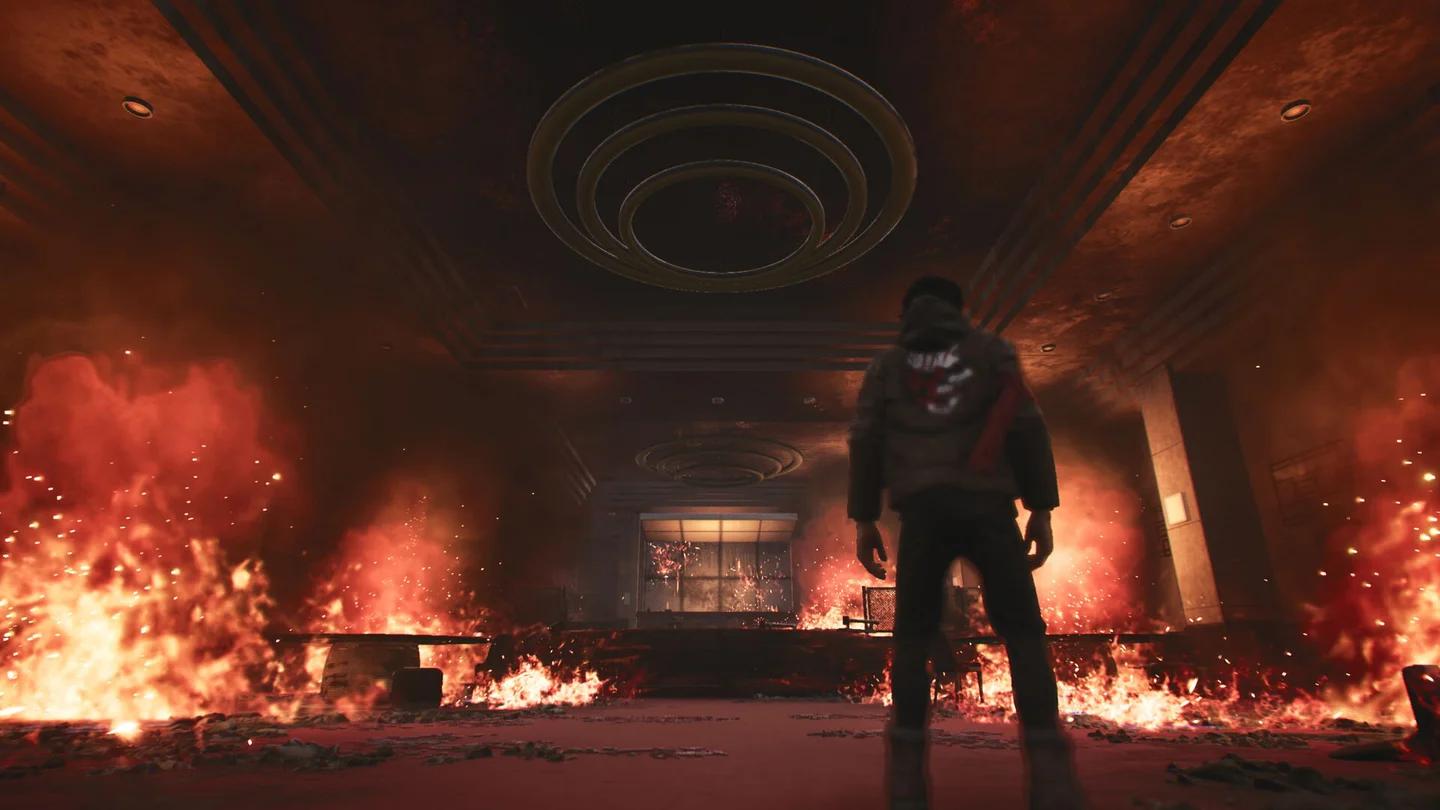
Destructible warehouse furniture
Throwing also gives up the weapon in your hand. Keep a healthy bat when its next swing is useful; throw it when the stagger is worth more than continued melee use.
When unarmed combat is the better choice
Fists never break. Acts of Blood keeps the punches, blocks, and counters central to its melee action game combat useful even when pickups offer more damage.
Stay unarmed when reaching a dropped weapon would expose you to an attack, when a heavy pickup cannot fit the opening, or when a gun is empty and you need to defend immediately. A weapon is an advantage inside the fight, not a reason to abandon its defensive rhythm.
If you're struggling with crowded encounters, prioritize a clean block or counter before looking for another weapon. Take the pickup once the opening exists.
