
Biggest discounts, free games, and limited-time offers across every major gaming store.
Never pay full price again.
Overview
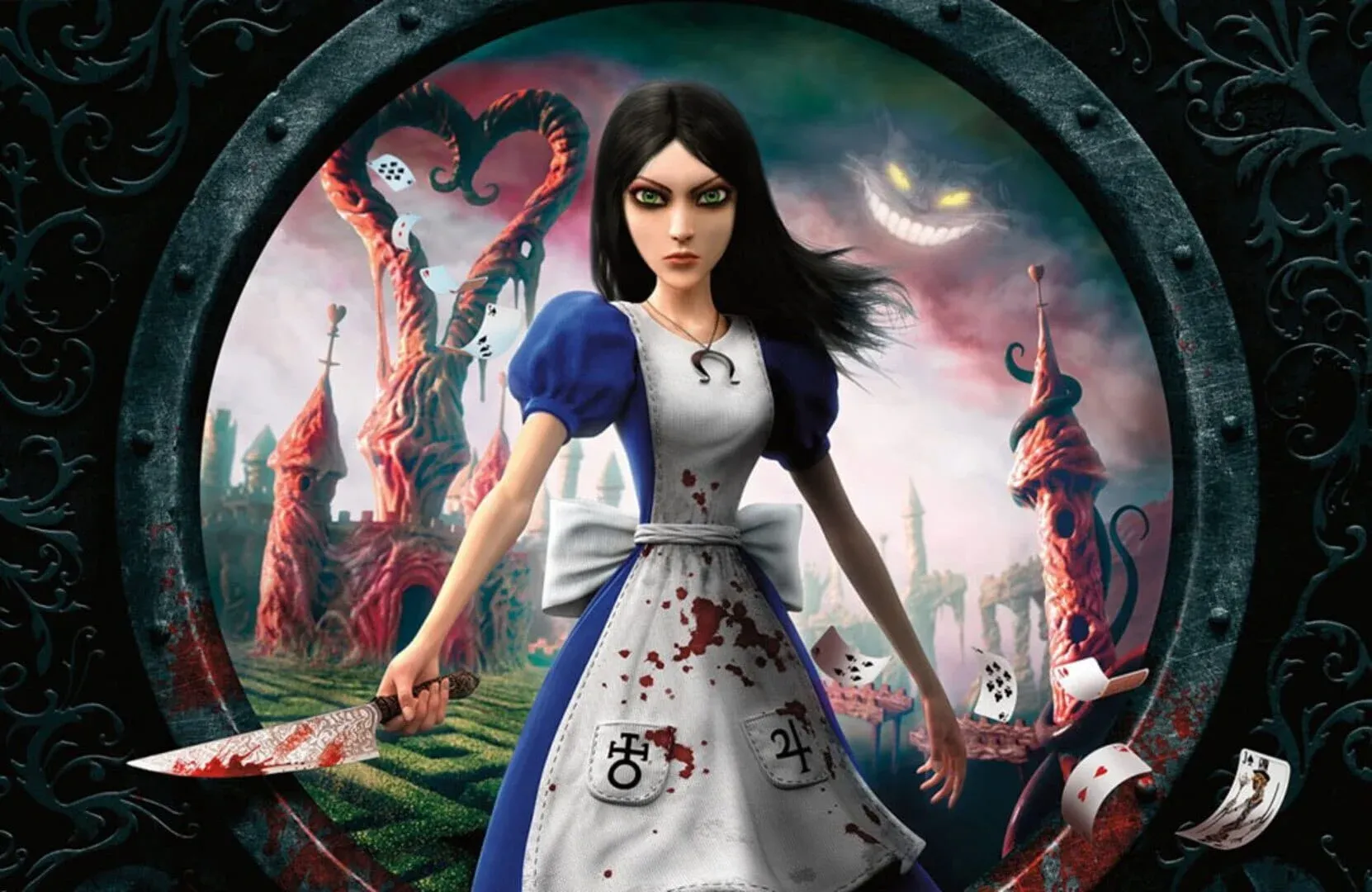
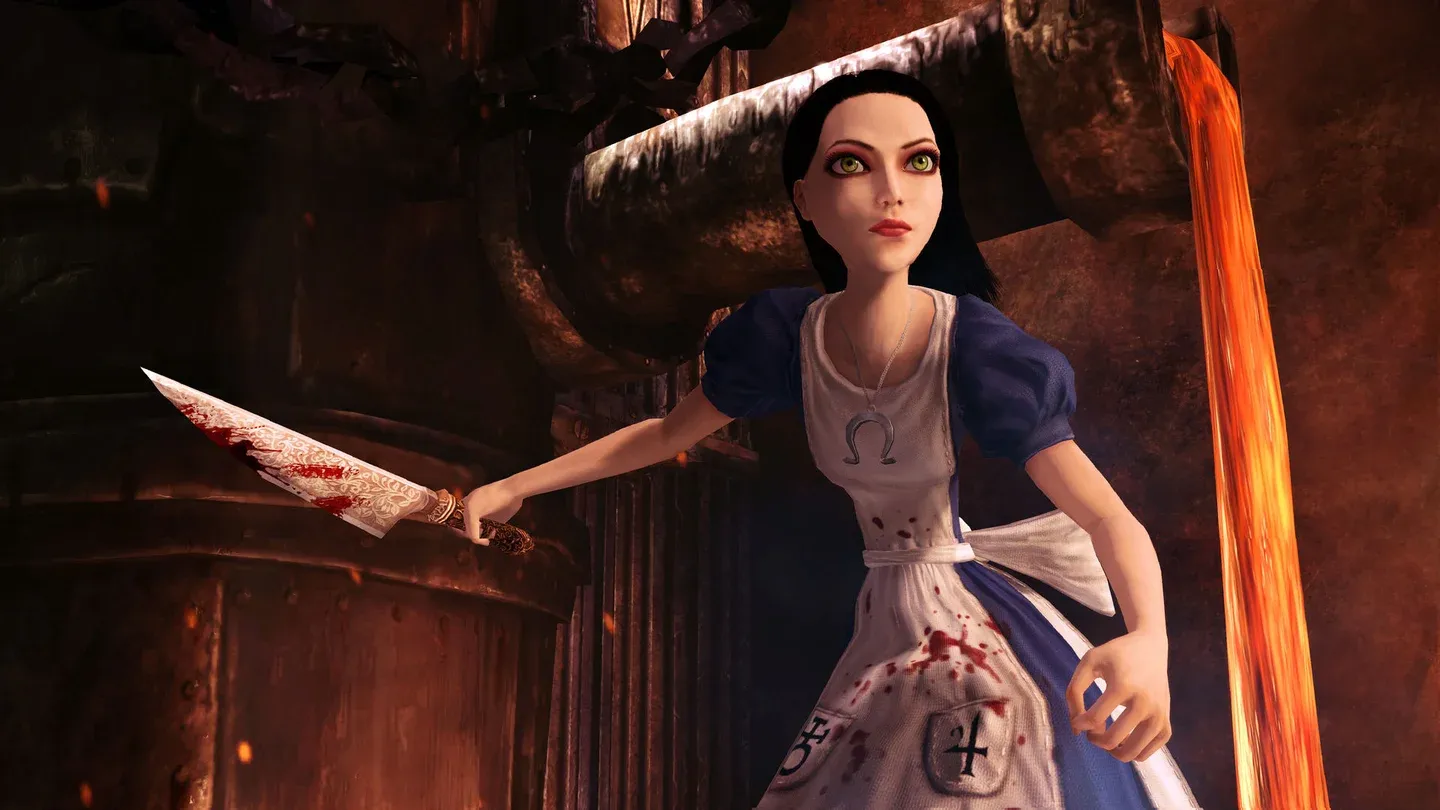
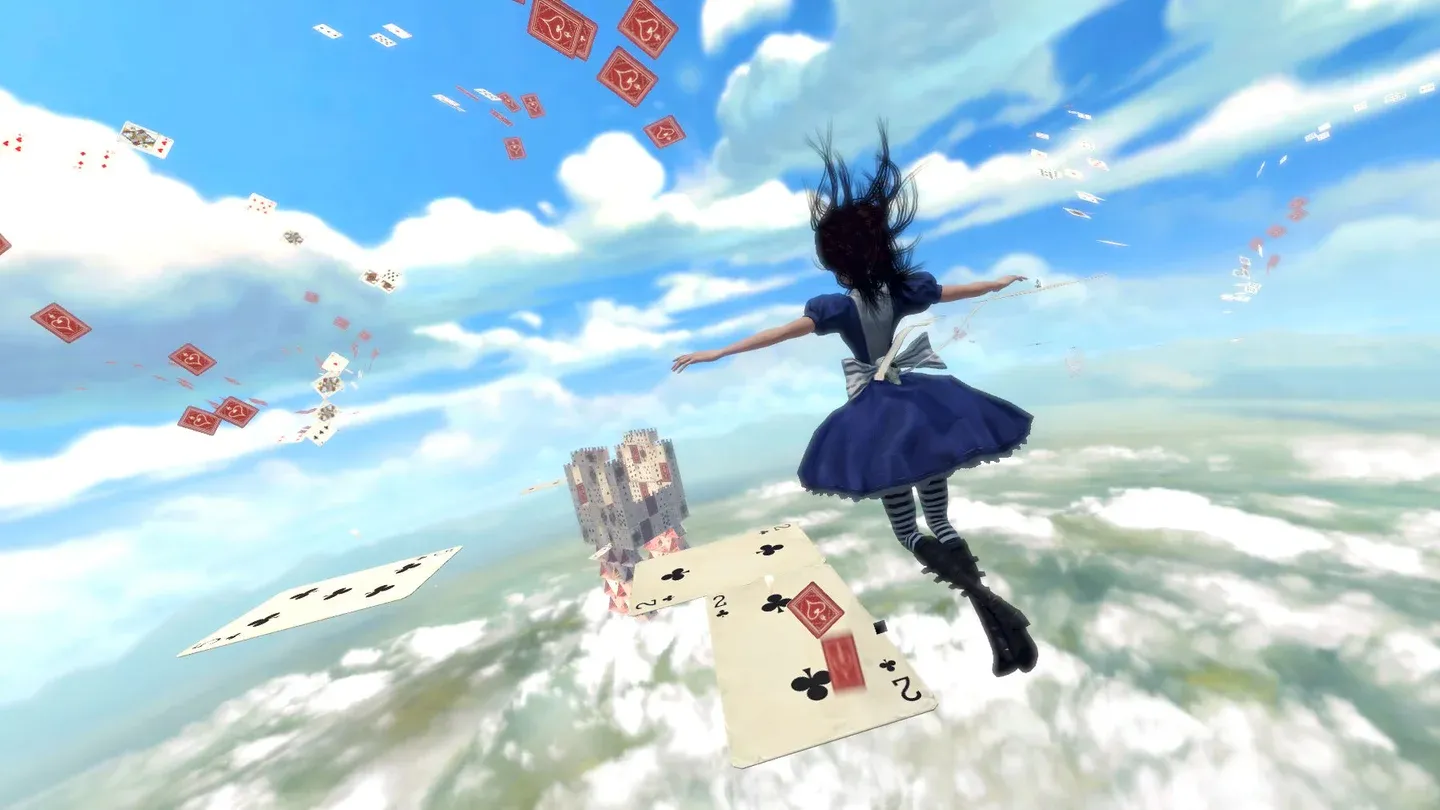
Alice: Madness Returns puts players in control of a 19-year-old Alice Liddell in 1875 Victorian London, still haunted by the fire that killed her family years earlier. Under the care of psychiatrist Dr. Angus Bumby, she continues slipping into vivid hallucinations of Wonderland, a place that was once her mental refuge but is now being torn apart by a force called the Infernal Train. The game's central question isn't just whether Alice can save Wonderland. It's whether the truth she's chasing is something she actually wants to find.
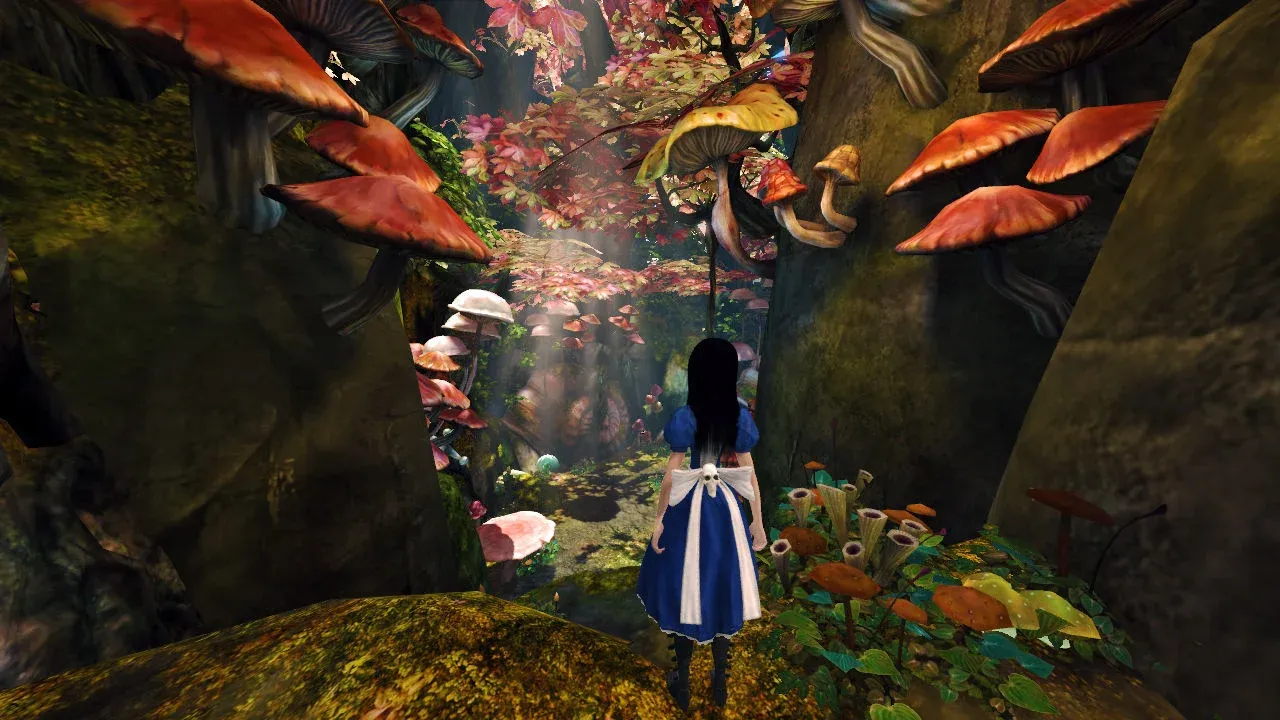
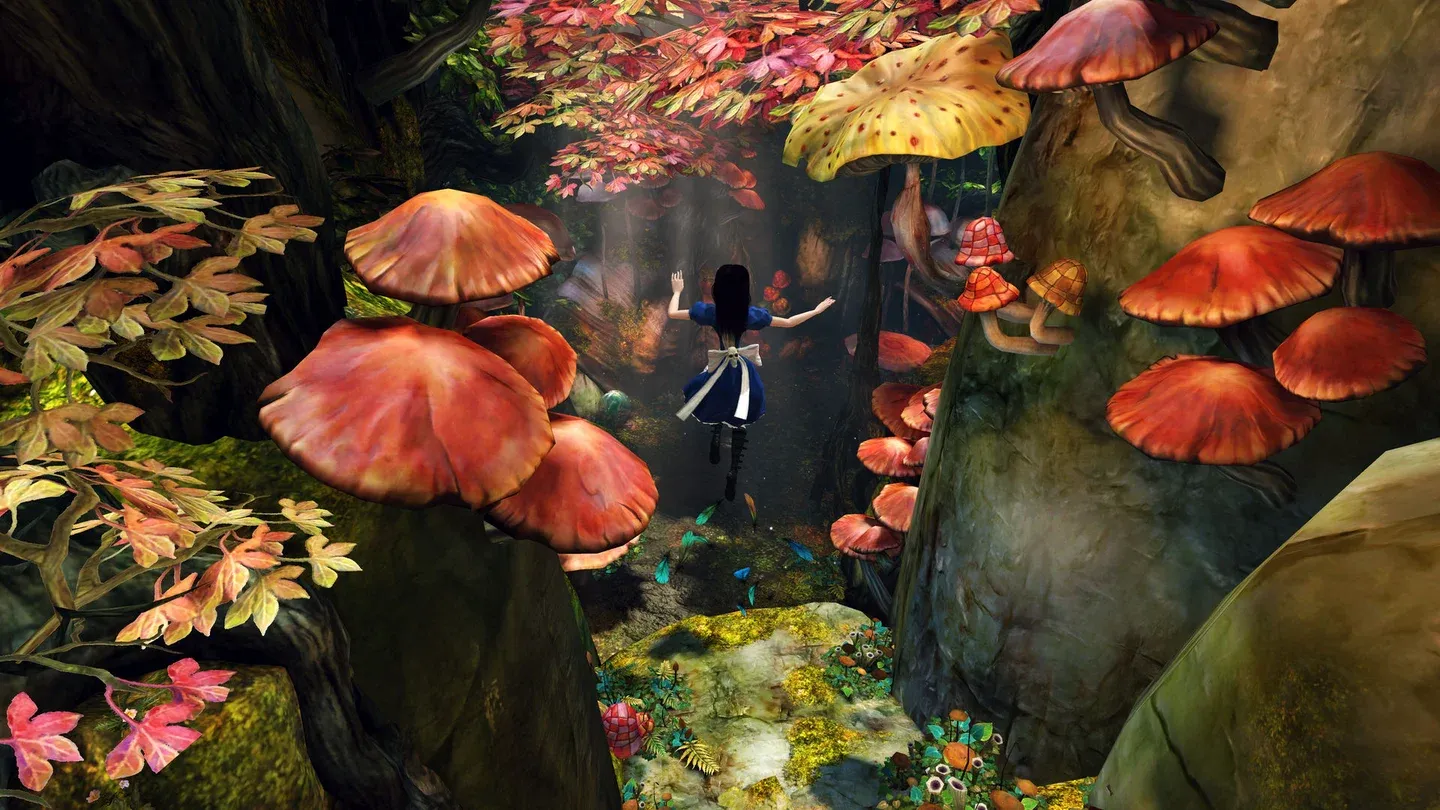
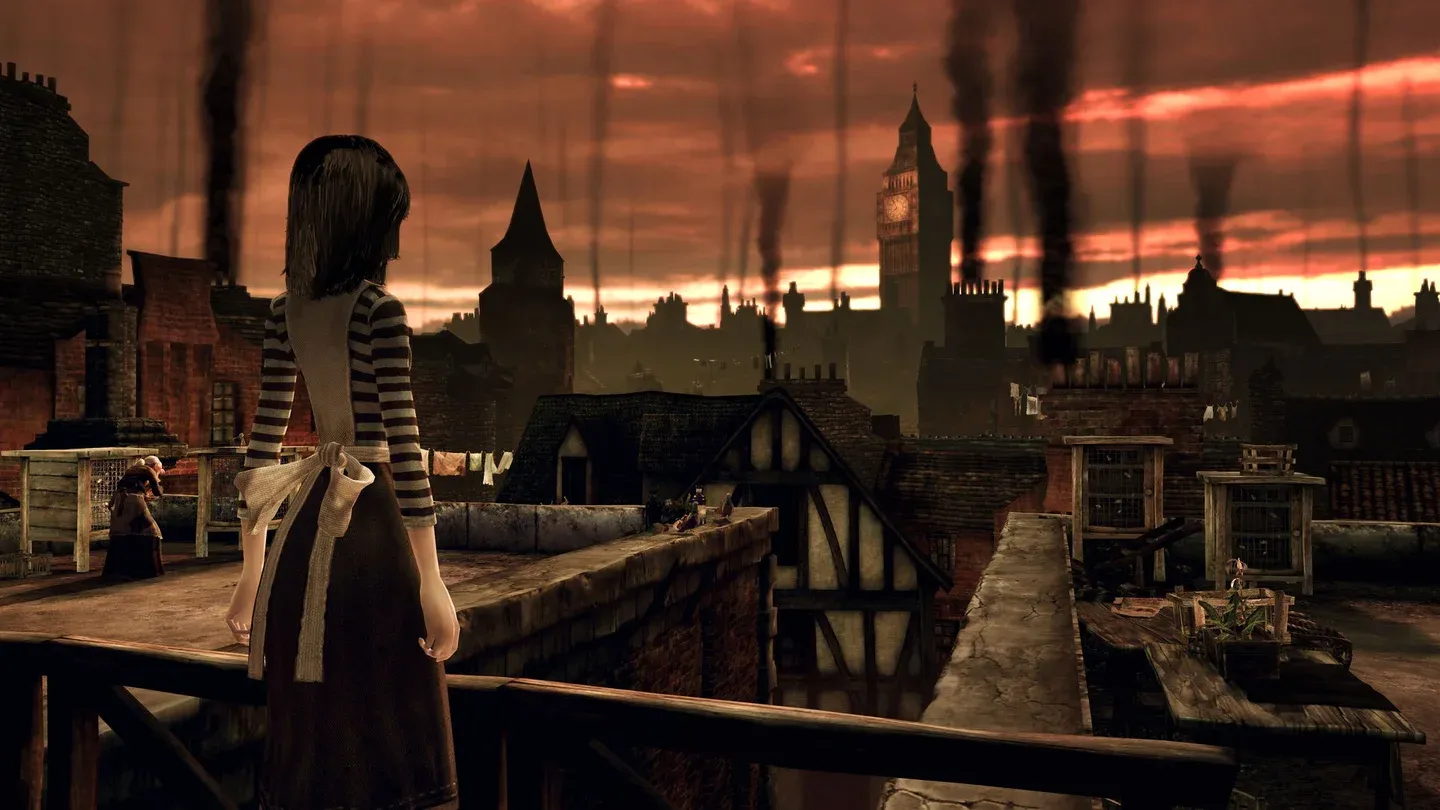
Spicy Horse built the game as a direct sequel to American McGee's Alice (2000), and that lineage shows. The tone stays relentlessly dark throughout all six chapters, each set in a distinct corrupted biome with its own visual identity and enemy types. The Wonderland segments are where the bulk of gameplay happens, broken up by brief returns to a grim, grey London that ground the psychological stakes in something real.
Alice: Madness Returns content image
Gameplay and mechanics
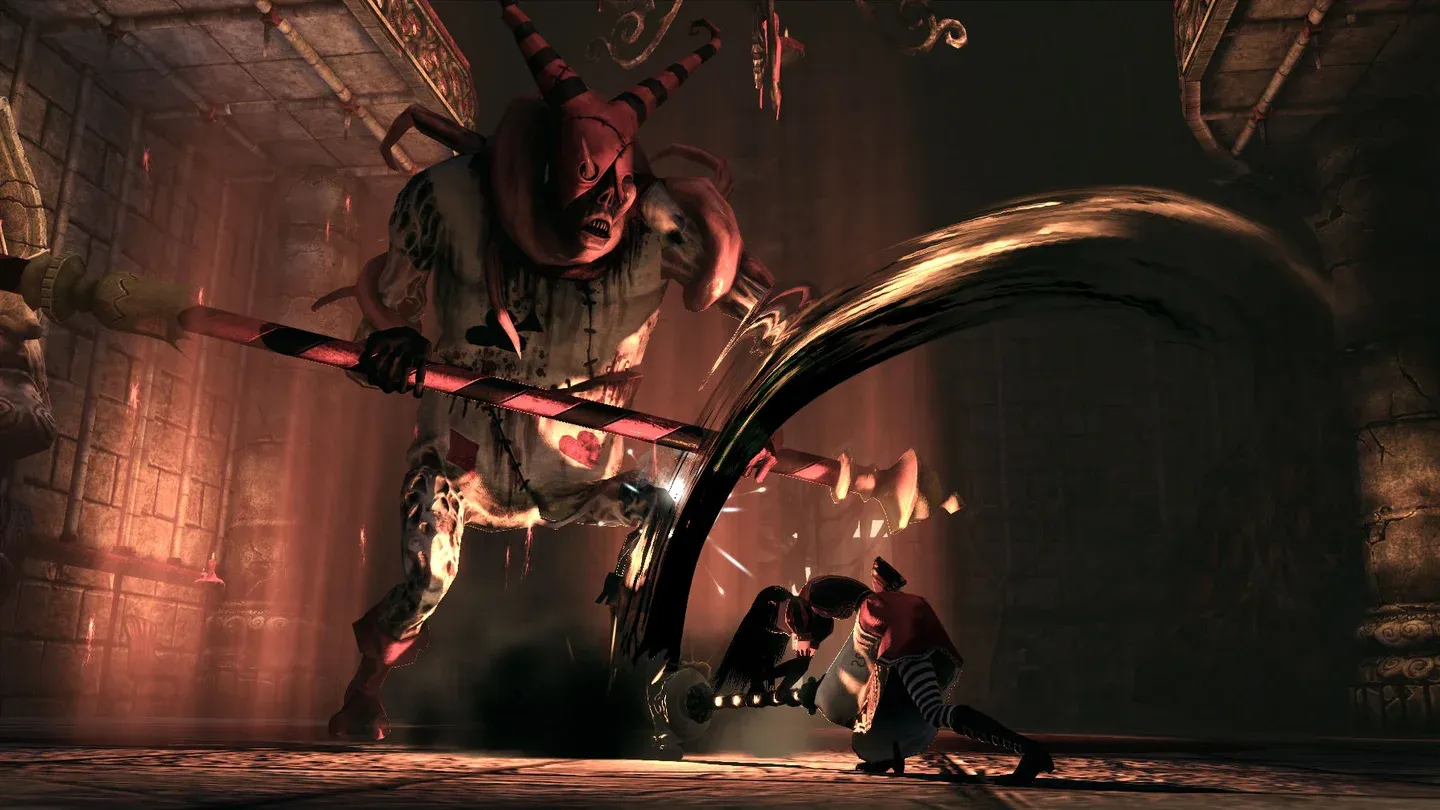
The combat system is third-person hack-and-slash with a small arsenal of upgradeable melee weapons. Each weapon fills a different role:
Alice: Madness Returns content image
- Vorpal Blade: fast, low-damage standard attacks
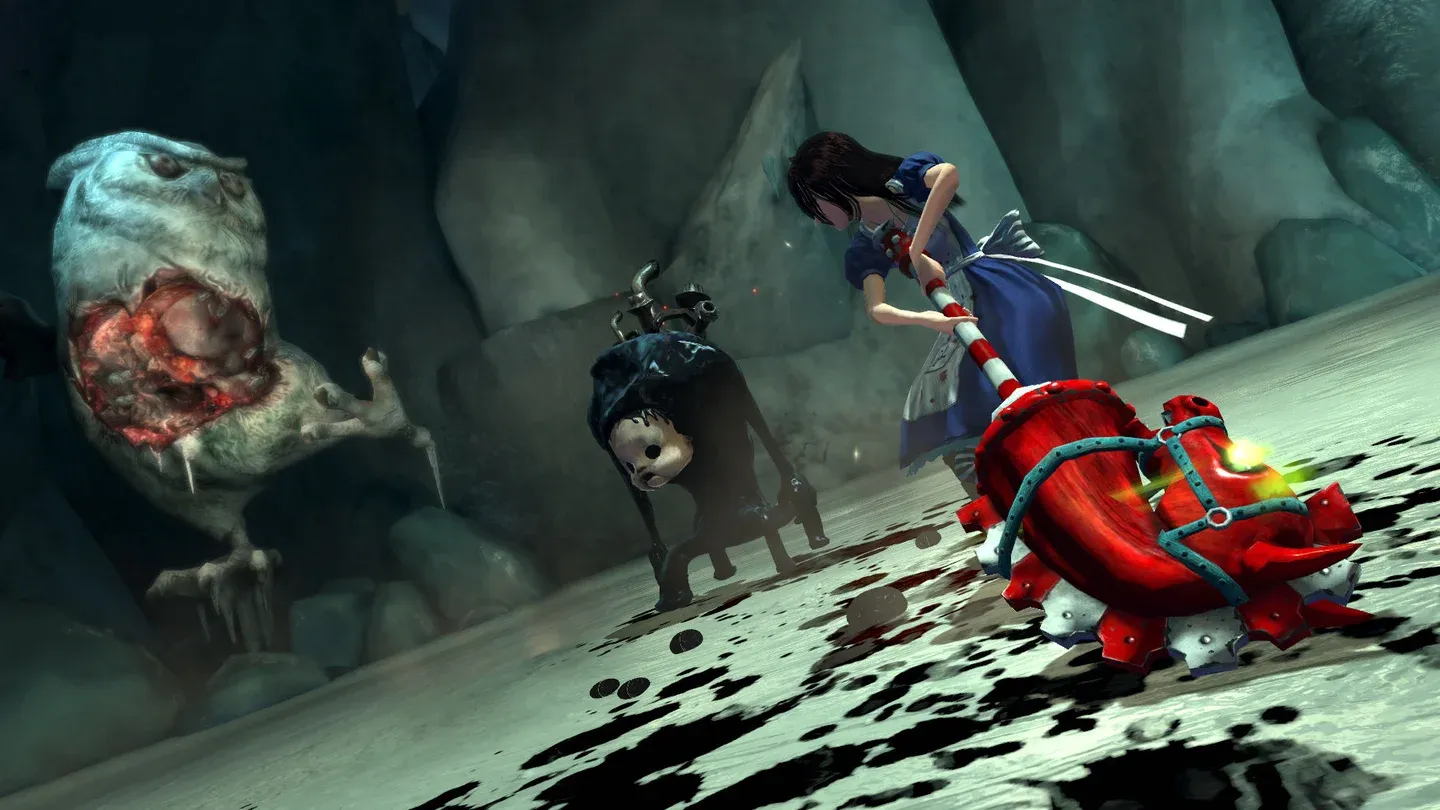
- Hobby Horse: slow, high-impact crowd control
- Teapot Cannon: ranged explosive damage
- Pepper Grinder: rapid-fire suppression
- Umbrella: projectile deflection and blocking
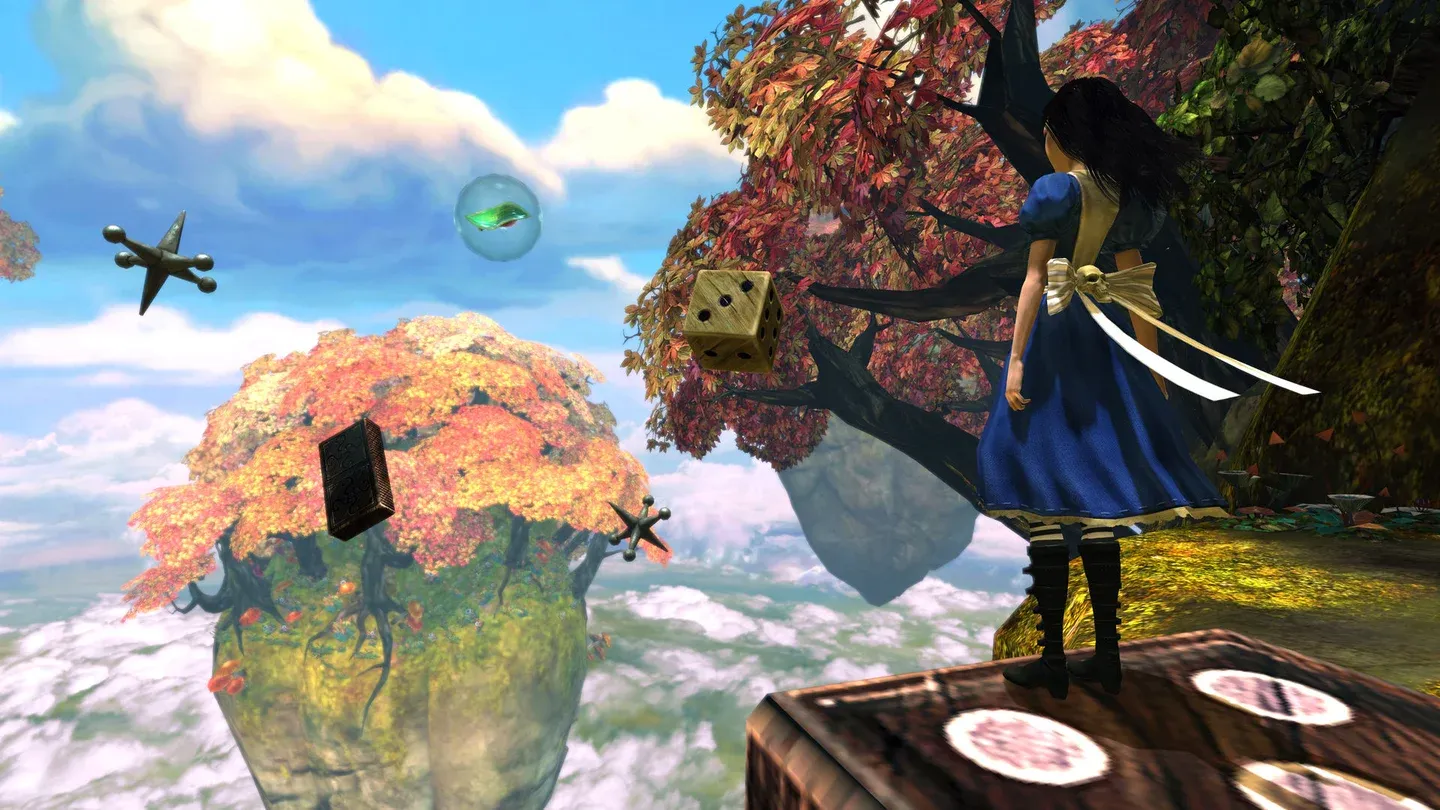
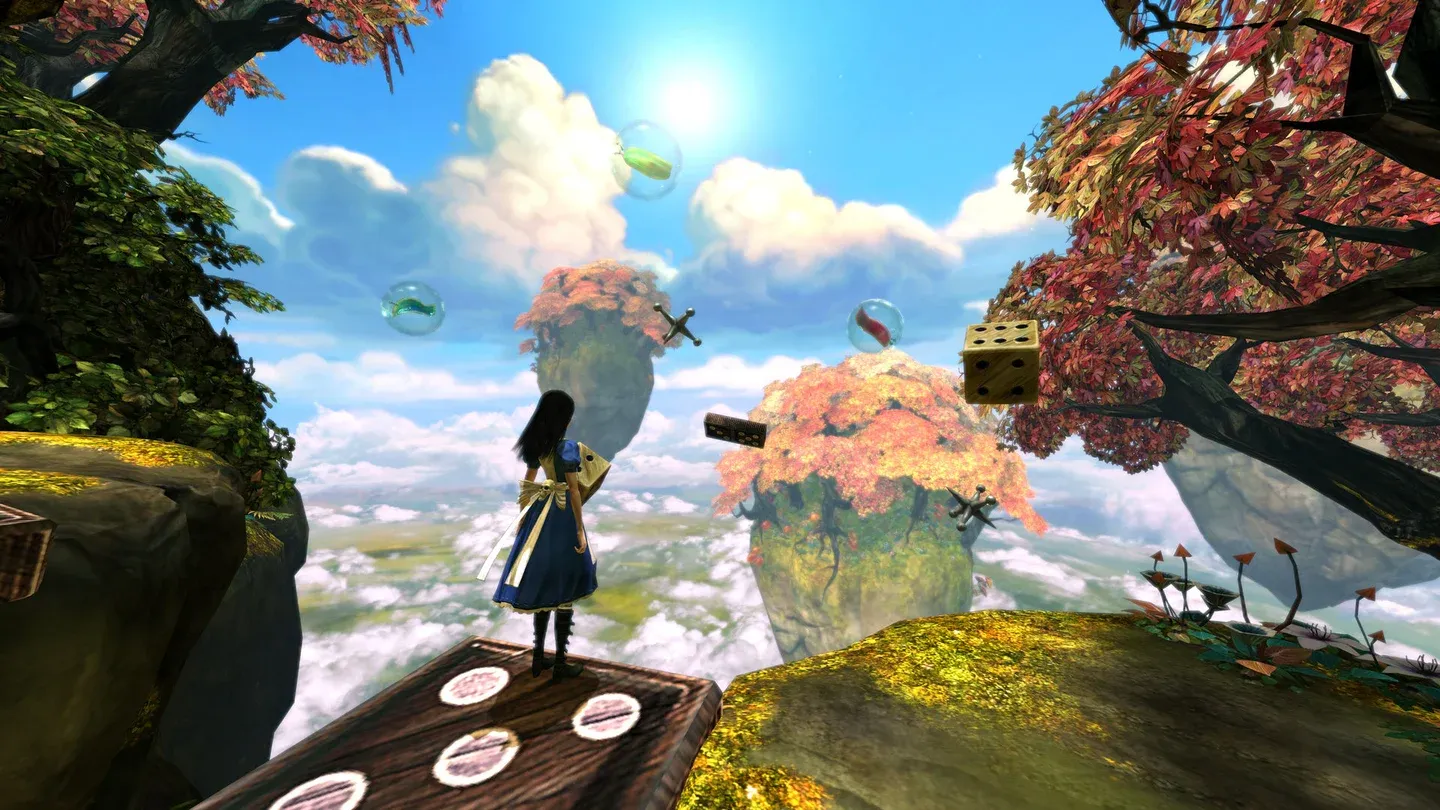
Weapons upgrade using Teeth, the game's currency, collected from defeated enemies and hidden throughout levels. Outside of combat, Alice has movement abilities including a floaty double-jump using her dress, a shrink mechanic that reveals hidden paths and text, and a dodge roll with brief invincibility frames. The platforming sections lean heavily on precise jumping and enemy-gauntlet rooms, which make up a significant portion of each chapter's runtime.
Alice: Madness Returns content image
World and setting: what happened to Wonderland?
Each of the six chapters takes Alice through a radically different version of Wonderland. The Hatter's Domain is a steampunk nightmare of gears and body horror. The Dollmaker's domain near the end strips the color out entirely. Familiar characters like the Cheshire Cat, the Mad Hatter, the Caterpillar, and the Red Queen all return, but each has been warped or diminished by the Infernal Train's corruption. The Cheshire Cat functions as Alice's primary guide, and his dialogue carries most of the game's dry, unsettling humor.
The real-world story running beneath the Wonderland chapters is where the writing earns its reputation. The mystery surrounding Dr. Bumby builds slowly, and the reveal in the final act is genuinely grim. The game doesn't soften what happened to Alice's family or to the children in Bumby's care. That willingness to commit to its dark themes is what separates it from games that merely use horror aesthetics without narrative follow-through.
Visual and audio design
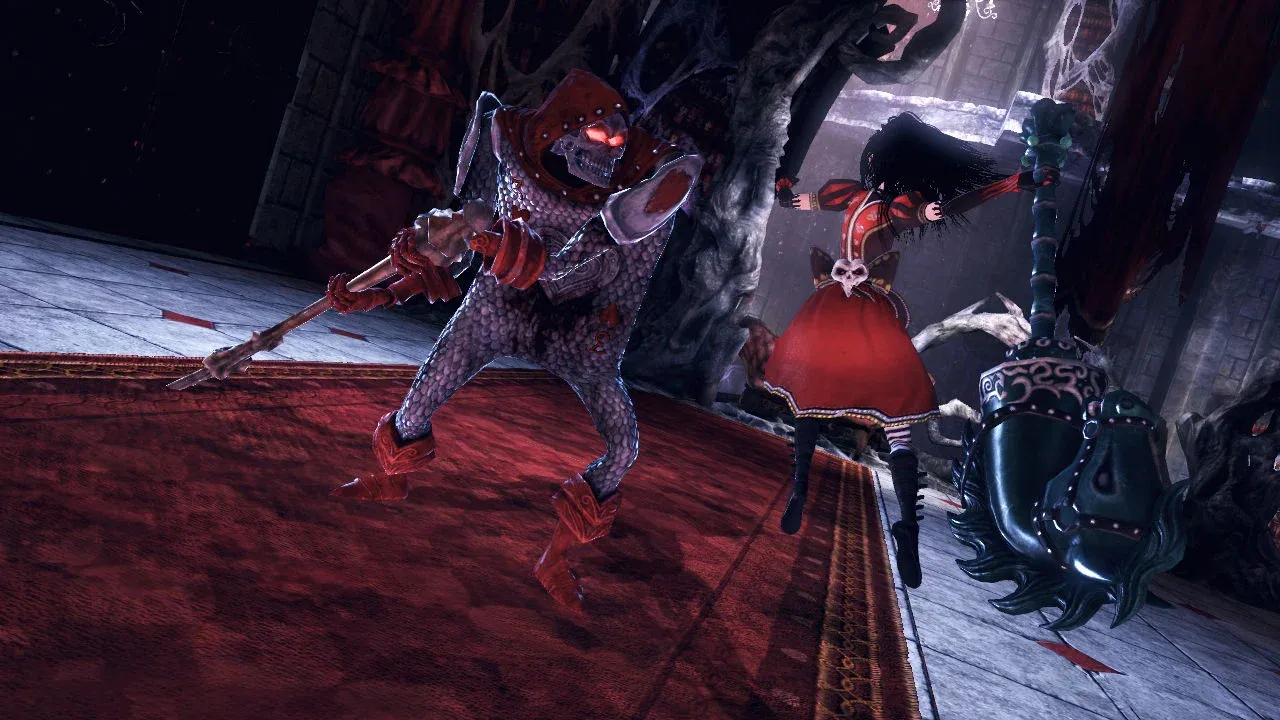
The art direction is the game's strongest asset. Each chapter has a completely distinct visual palette, from the candy-colored grotesque of the first domain to the ink-and-paper aesthetic of the Dollmaker's world. Character designs for enemies are consistently imaginative, drawing on distorted versions of Victorian toys, playing card soldiers, and carnival imagery.
The score by Jason Tai and the audio design complement the visuals without overwhelming them. Combat sounds are crunchy and satisfying, and the ambient audio in each chapter shifts to match the biome's theme. Alice's voice work grounds the character across both the London sequences and the increasingly surreal Wonderland chapters.
Alice: Madness Returns content image
Impact and legacy
Alice: Madness Returns occupies a specific niche in the action-platformer genre as a game that prioritizes atmosphere and narrative weight over mechanical complexity. The combat isn't deep by modern standards, and the platforming sections occasionally overstay their welcome. But as a piece of dark fantasy storytelling built around trauma and memory, it holds up. The six-chapter structure gives each Wonderland domain room to develop its own identity, and the payoff in the final act justifies the build. For players who want a hack-and-slash platformer with genuine psychological horror at its core, this remains one of the cleaner examples of the form.