Overview
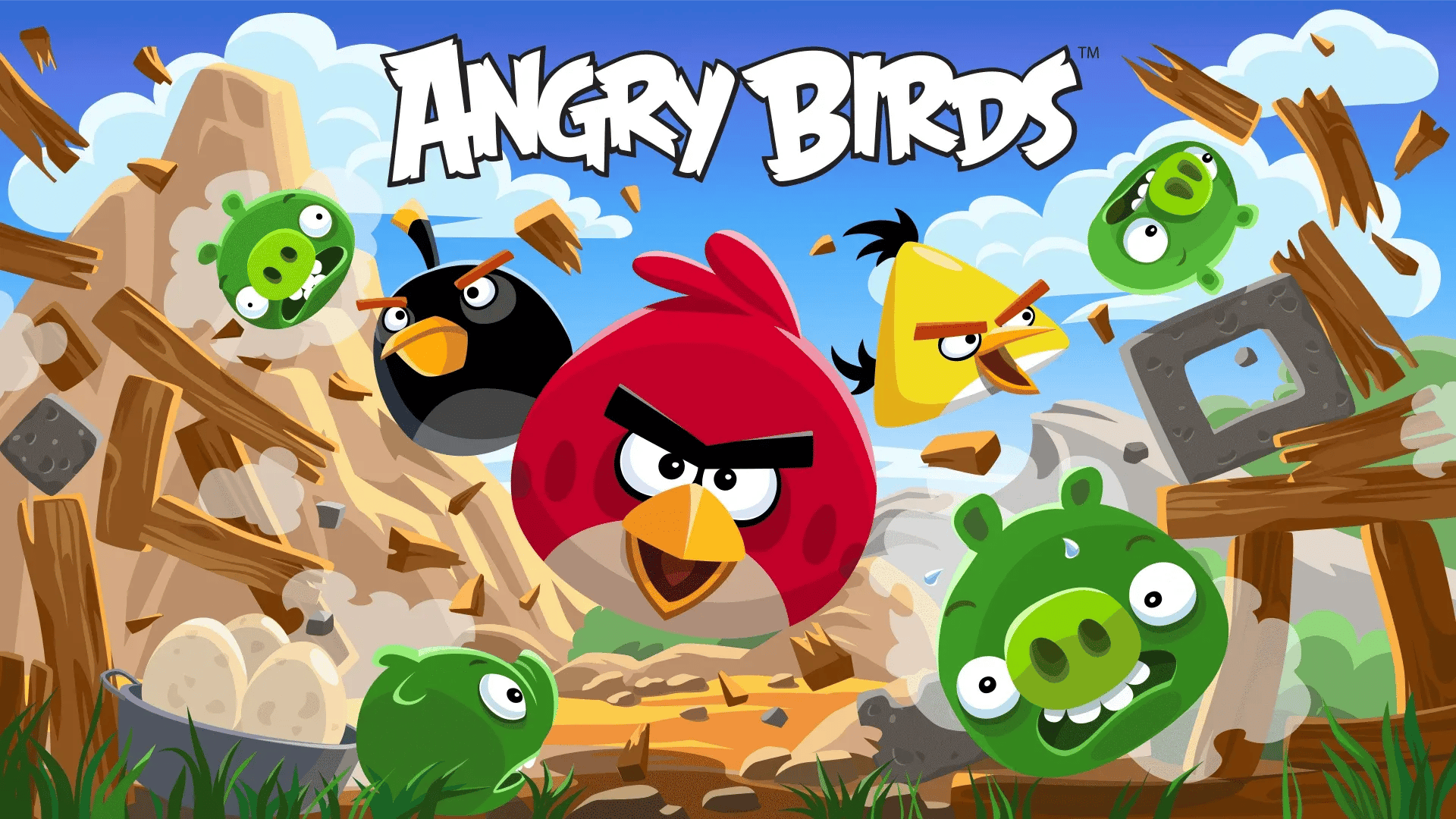
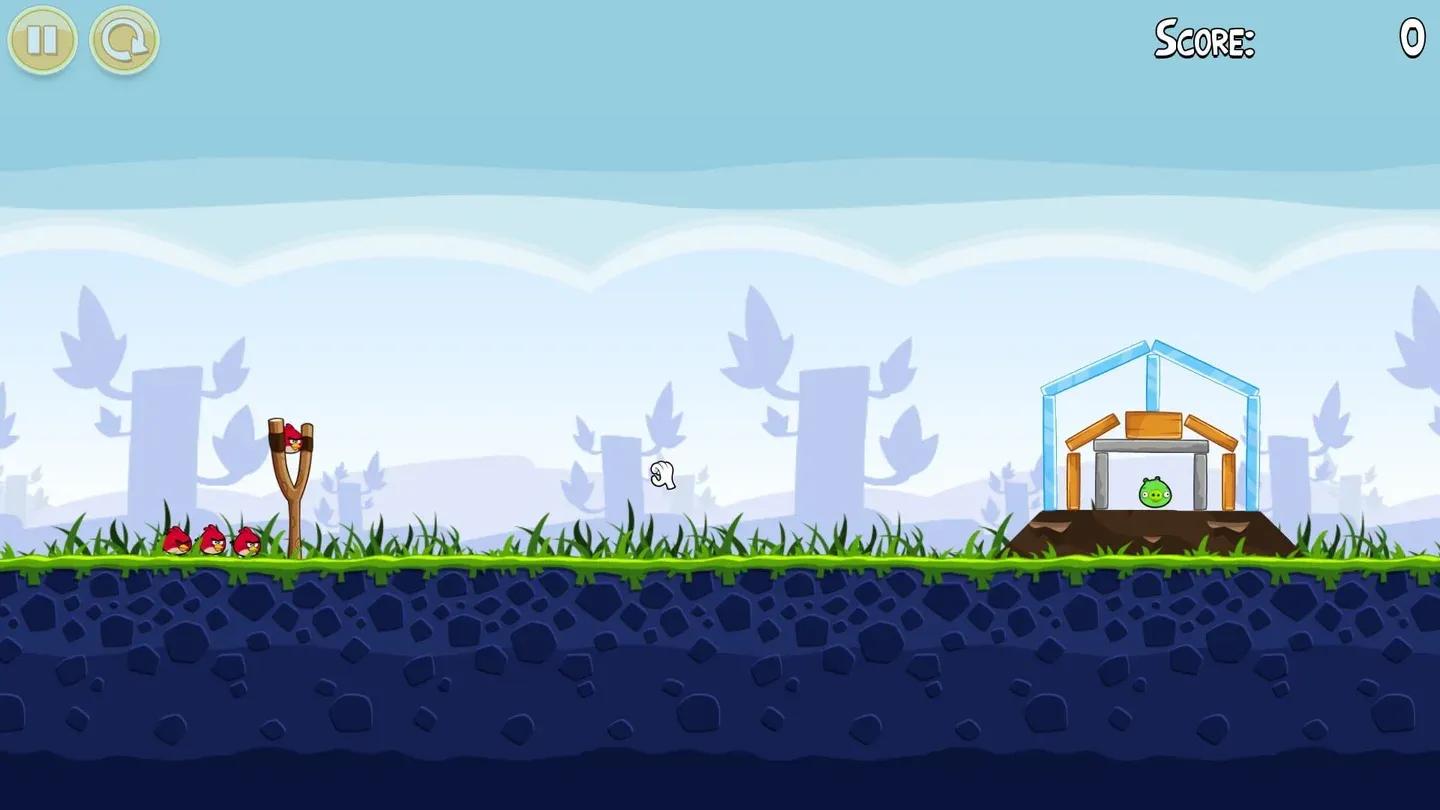
Angry Birds launched on December 11, 2009, and quickly became the defining example of what a mobile puzzle game could be. Developed by Rovio Entertainment, the game puts players in control of a flock of birds on a mission to recover their stolen eggs from a gang of green pigs. The method is deceptively simple: a slingshot, a handful of birds, and a pig-filled structure standing between you and a three-star rating.
The genius of the original game lies in how much depth Rovio extracted from such a minimal setup. Each bird type behaves differently when launched. Red deals straightforward impact damage. Chuck speeds up mid-flight. Bomb detonates on command. Matilda drops an egg bomb before arcing away. Learning which bird to use, at what angle, and against which part of a structure is the actual game, and it holds up across hundreds of levels.
Angry Birds content image
Gameplay and mechanics
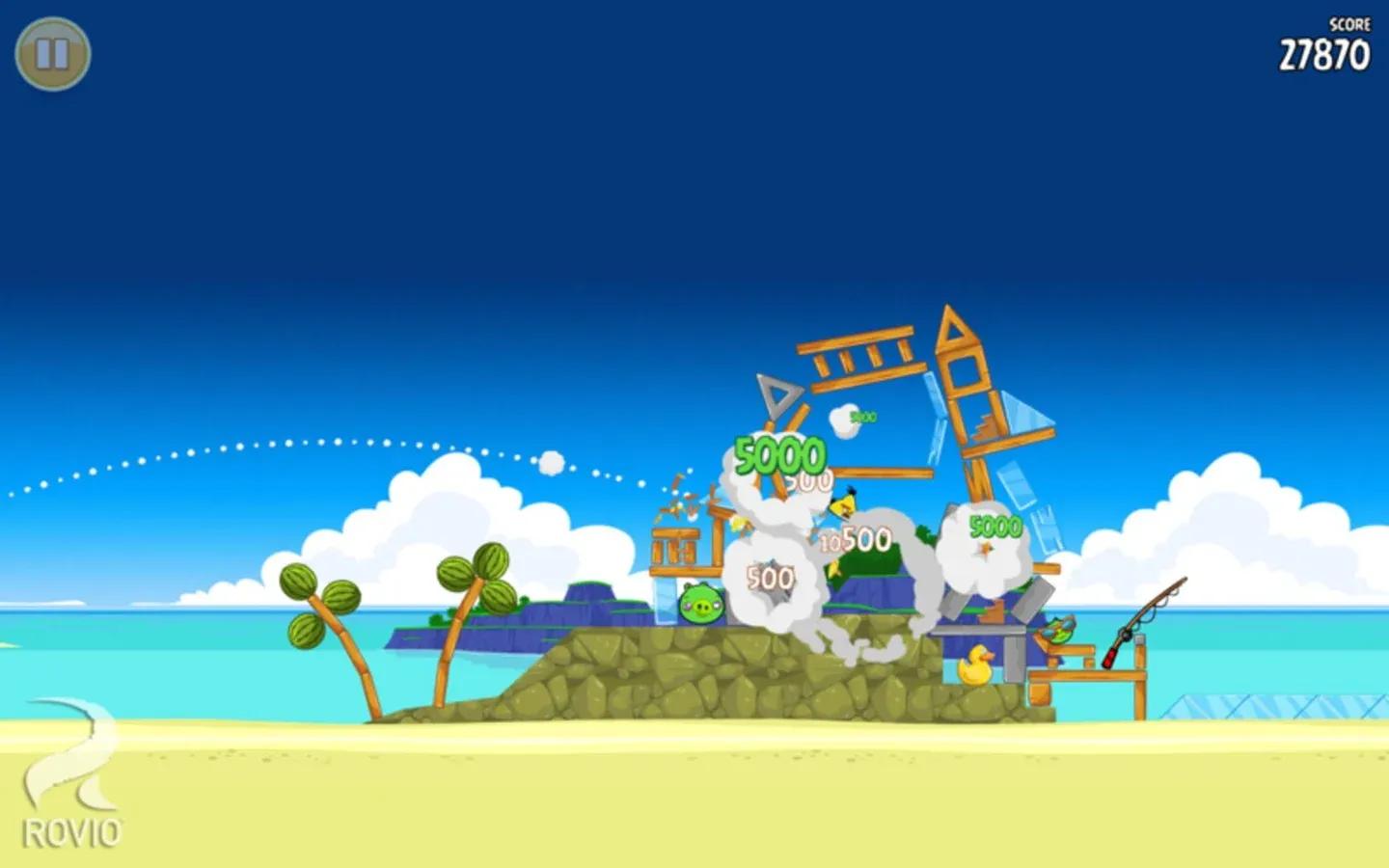
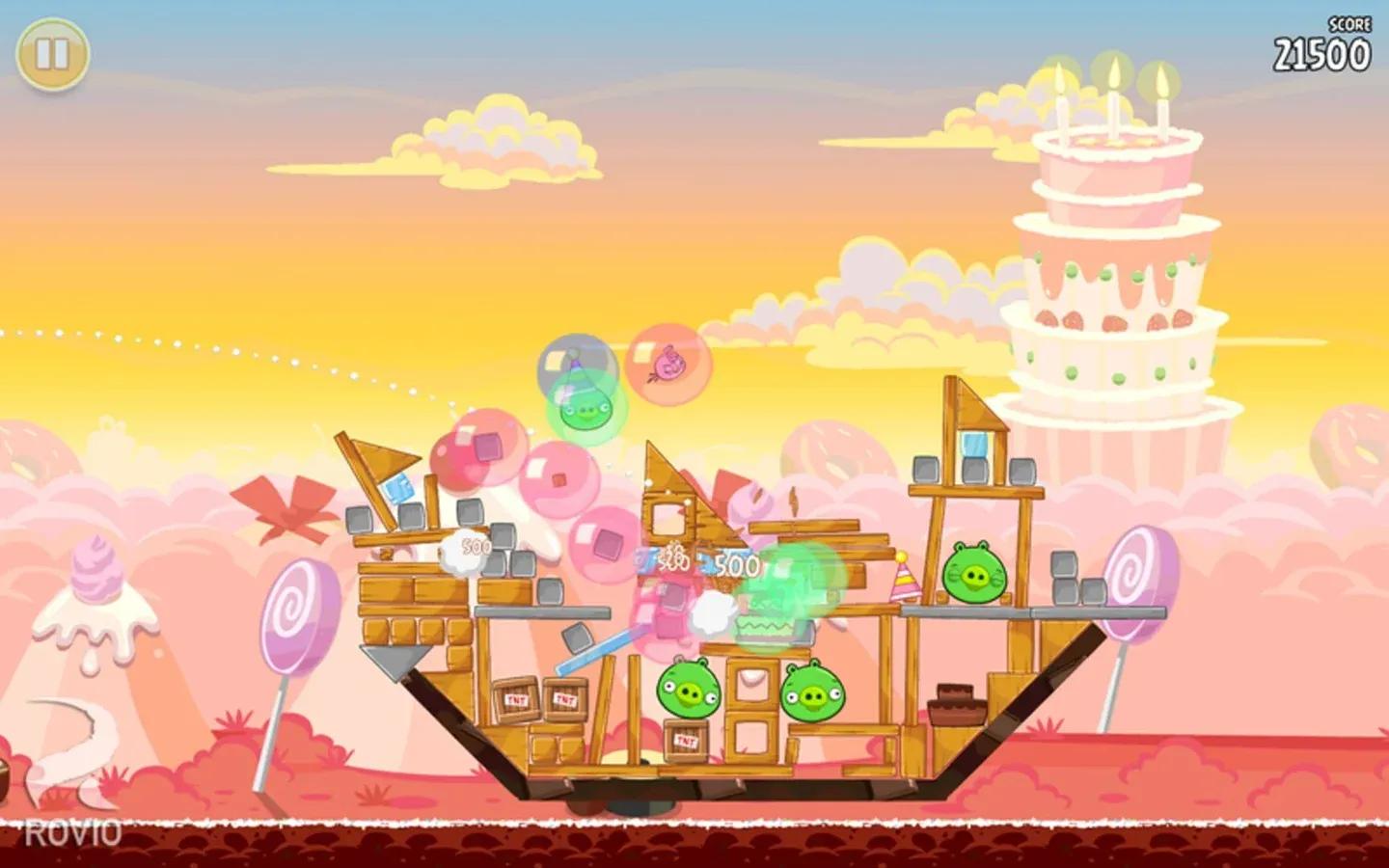
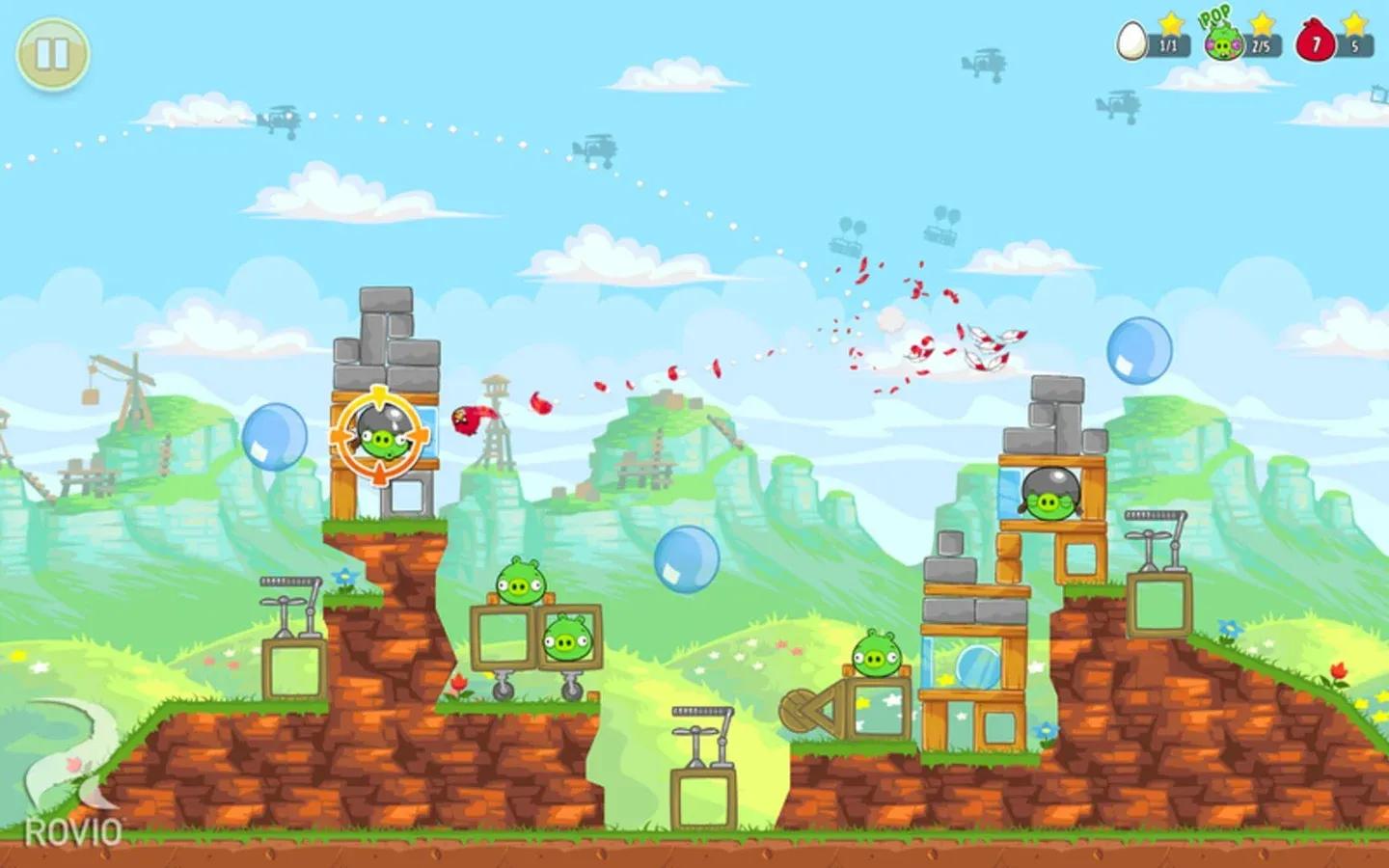
The core loop in Angry Birds is built around physics simulation and trajectory planning. Every level presents a static arrangement of pigs sheltered inside or behind structures made from wood, glass, and stone. Players are given a fixed set of birds and must eliminate every pig to clear the stage. Leftover birds convert to bonus points, which encourages efficient, one-shot solutions over brute-force attempts.
Angry Birds content image
Key mechanics that define the experience:
- Slingshot trajectory arc for angle control
- Bird-specific abilities triggered mid-flight
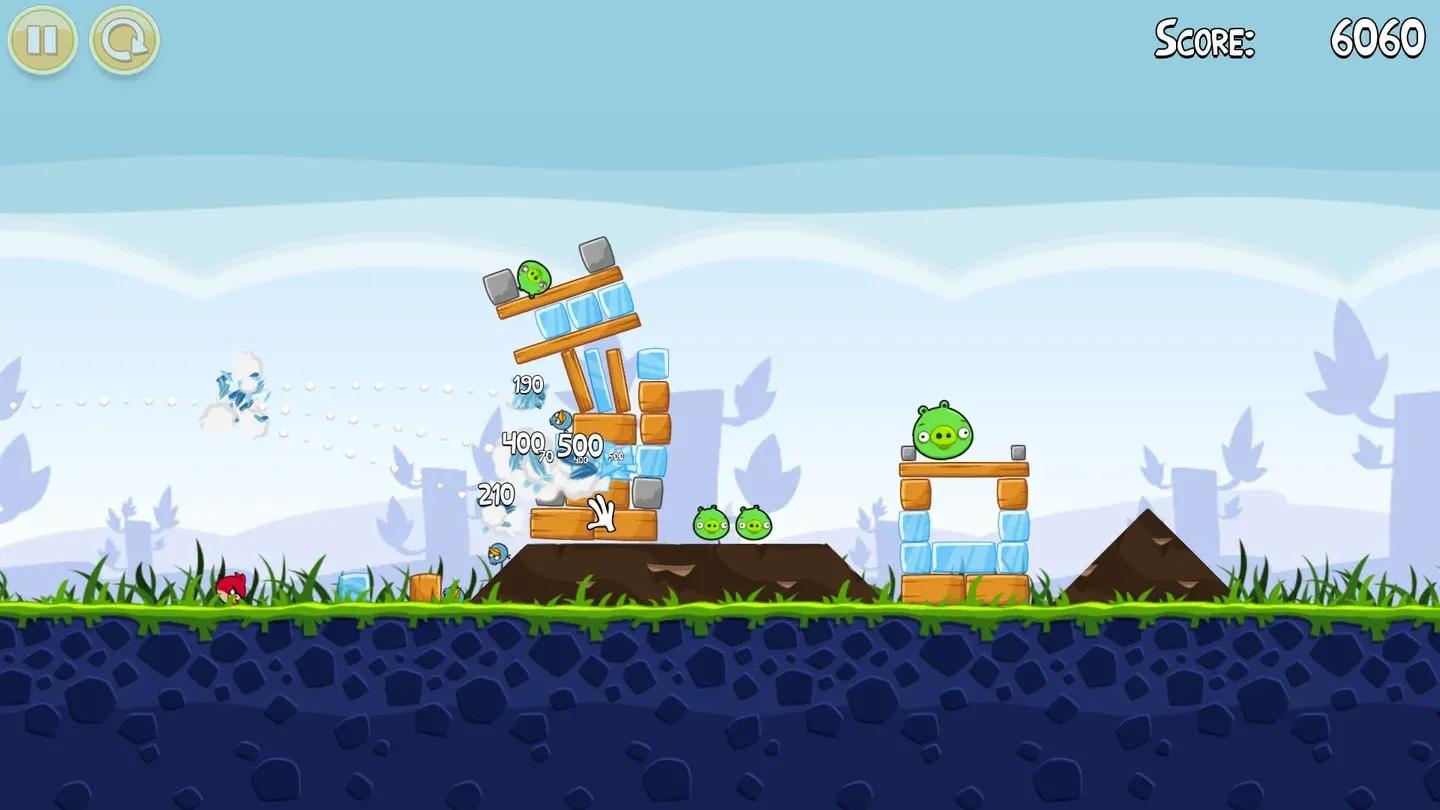
- Structural collapse physics rewarding chain reactions
- Three-star scoring based on efficiency
- Limited bird count per level forcing resource management
The difficulty curve ramps steadily, introducing tighter pig placements, mixed materials, and more complex fortifications as episodes progress. Early levels take seconds. Later ones can take dozens of attempts before the right angle clicks.
Angry Birds content image
What makes each bird worth knowing?
Bird variety is the mechanic that prevents Angry Birds from becoming repetitive. Each character has a distinct ability that changes how you approach a level. The Blue Birds split into three on tap, making them effective against glass. Terence is a massive red bird that bulldozes through dense structures. The Mighty Eagle, an optional power-up, obliterates entire levels at the cost of a sardine can.
Mastering the roster means recognizing which bird pairs with which structure type. Stone walls shrug off Chuck but crumble under Bomb. Glass shatters from the Blue Birds' spread. Knowing this before the launch makes the difference between one star and three.
Impact and legacy
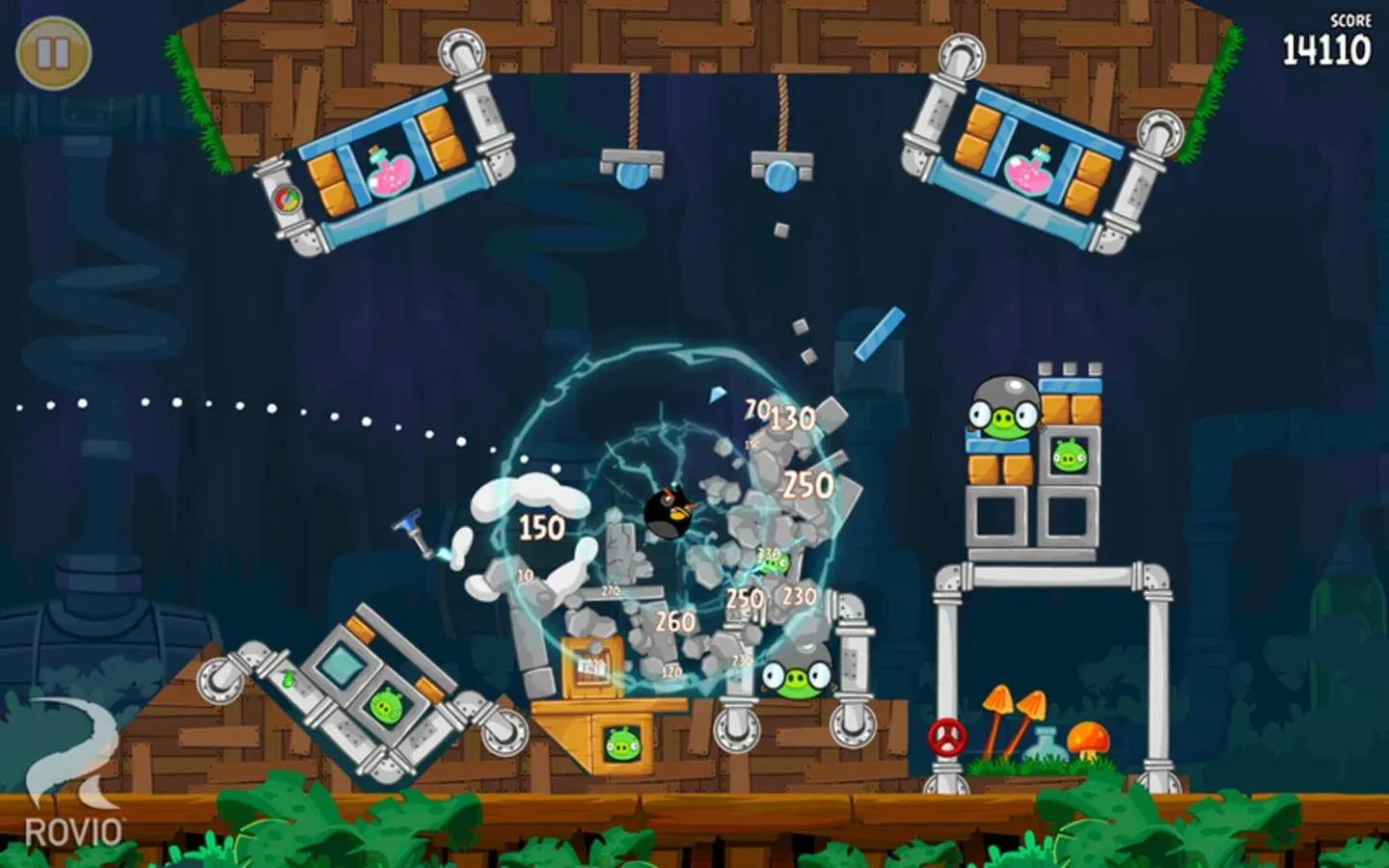
Angry Birds is available across Windows, PlayStation, Xbox, Android, iOS, macOS, and Steam, a platform footprint that reflects just how far the franchise traveled from its origins as a Finnish mobile game. The original game spawned sequels, spin-offs, animated films, merchandise, and a cultural presence that extended well beyond gaming circles.
Angry Birds content image
The puzzle game genre on mobile owes a measurable debt to what Rovio built here. The combination of accessible controls, physics-driven feedback, and bite-sized level design became a template that dozens of developers followed. Angry Birds proved that a casual puzzle game with tight mechanics and genuine challenge could reach an audience far larger than traditional gaming had ever touched, and that formula still works every time a pig fort collapses exactly the way you planned it.