

Biggest discounts, free games, and limited-time offers across every major gaming store.
Never pay full price again.
Overview
World of Goo is a physics-based puzzle game developed and published by 2D BOY, a two-person studio founded by Kyle Gabler and Ron Carmel. Released in October 2008, the game challenges players to build structures using living Goo Balls, connecting them strand by strand to reach a pipe at the end of each level. The physics engine is the whole game: every structure sways, buckles, and collapses under real simulated weight, which means brute-force solutions rarely work.
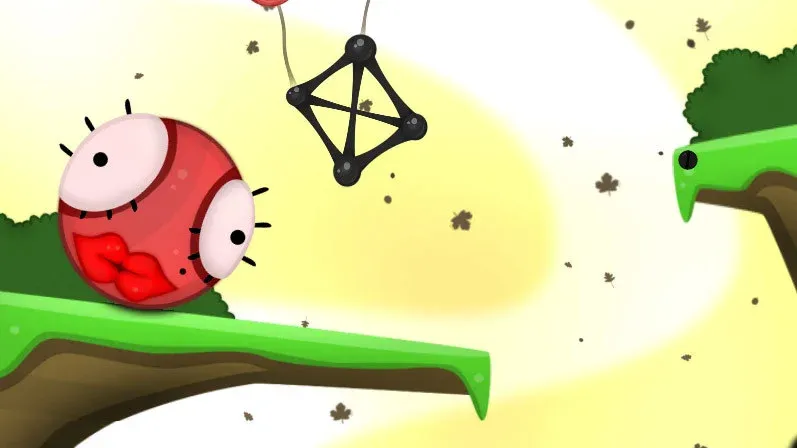
The premise is simple enough to understand in seconds but difficult to master across its many levels. Goo Balls come in different types, each with distinct properties. Some are sticky, some are flammable, some can be detached and reused. Learning when to use each type, and how many Goo Balls to sacrifice to the pipe versus how many to keep in your structure, forms the core tension of every puzzle.
World of Goo content image
Gameplay and mechanics
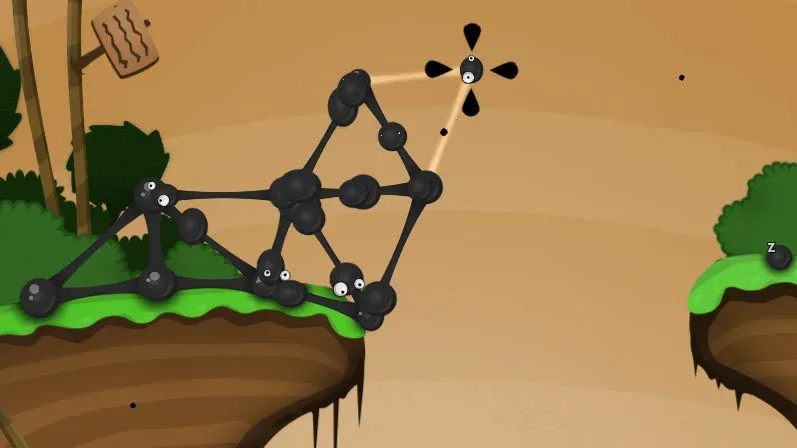
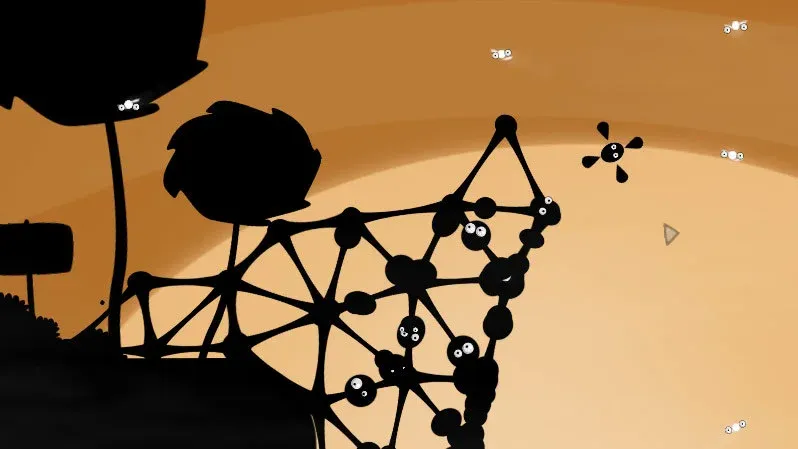
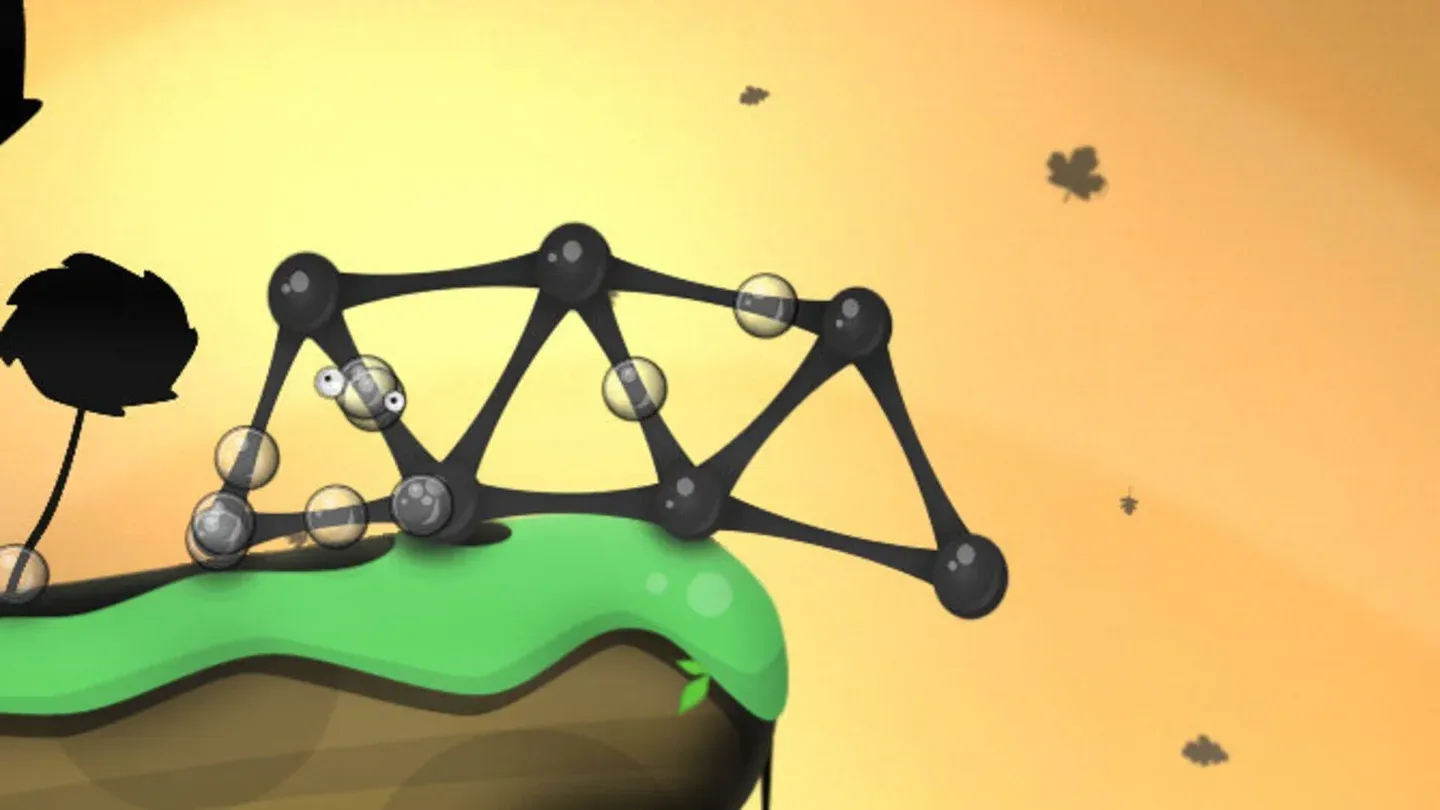
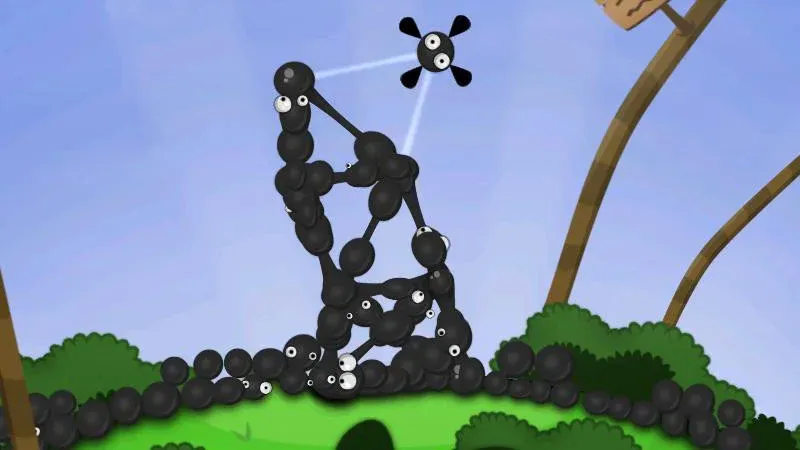
The drag-and-drop construction system is the game's defining mechanic. Players grab individual Goo Balls and attach them to existing strands, extending the structure toward the level's pipe. Structural integrity matters constantly: a tower built too tall without a wide base will topple, and a bridge extended too far without support will snap.

World of Goo content image
Key mechanics across the game include:
- Multiple Goo Ball types with unique behaviors
- Physics-driven structure building and collapse
- Minimum Goo Ball collection targets per level
- Optional challenge goals for completionists
- World of Goo Corporation metagame tower
The metagame is worth mentioning separately. Excess Goo Balls collected beyond each level's minimum are sent to a persistent tower-building mode called the World of Goo Corporation, where players stack Goo Balls as high as possible. Online leaderboards track the tallest towers globally, giving completionists a reason to revisit earlier levels and squeeze out every spare ball.
World of Goo content image
World and setting
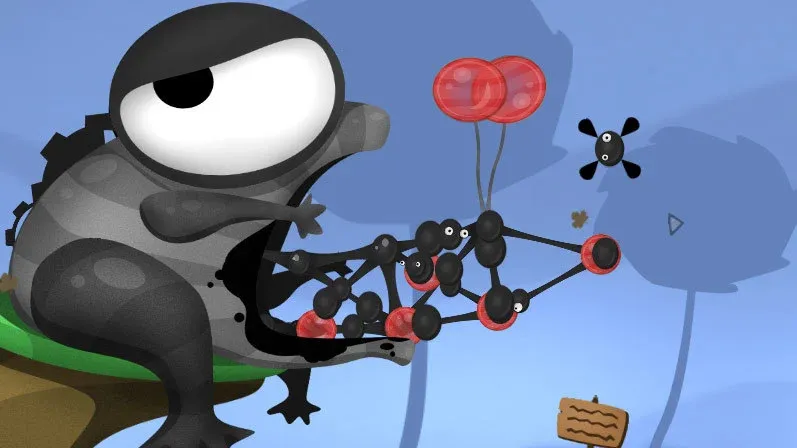
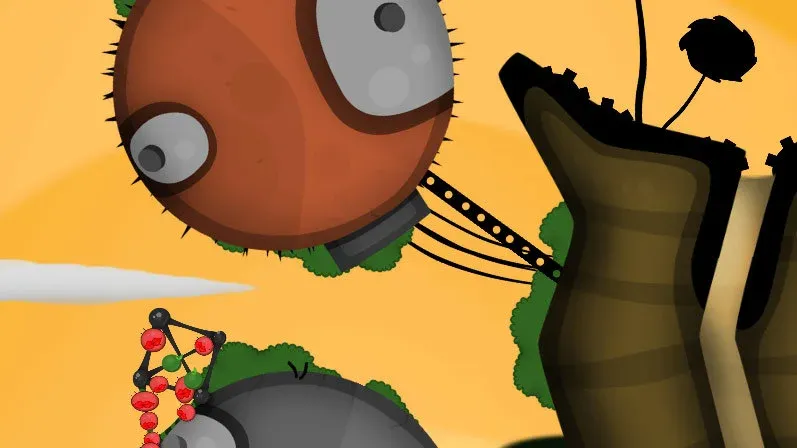
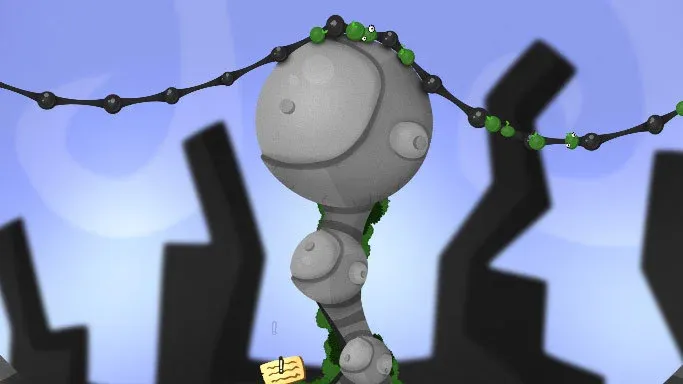
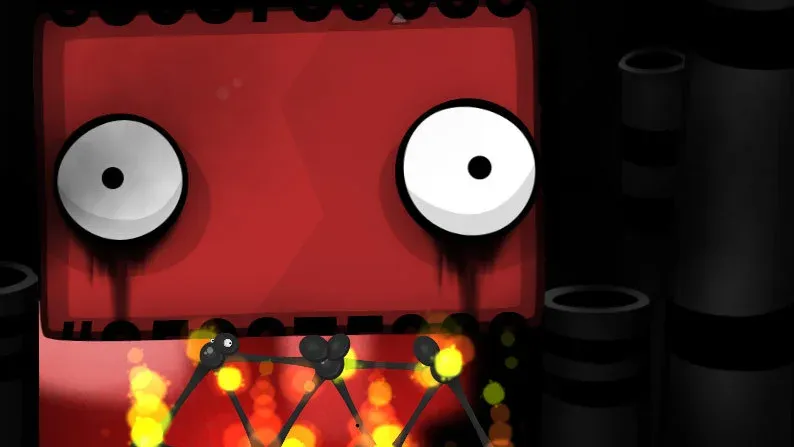
The story follows Goo Balls waking up across a series of chapters, drawn toward mysterious pipes that feed into the World of Goo Corporation, a factory that processes them into consumer products. The narrative is told entirely through signs left by a mysterious Sign Painter, whose cryptic messages range from helpful hints to unsettling philosophical observations. It is strange, funny, and occasionally genuinely dark.
World of Goo content image
Each chapter introduces a new visual environment and thematic tone, from industrial factories to organic caverns to floating zeppelin worlds. The game never explains its world directly, which makes it more interesting. Players piece together the story from environmental details and Sign Painter commentary, and the result feels cohesive despite its surreal premise.
Visual and audio design
The art style holds up exceptionally well for a game released in 2008. 2D BOY used a hand-drawn aesthetic with muted earth tones punctuated by the bright, glistening surfaces of the Goo Balls themselves. Each chapter has a distinct visual identity without feeling disconnected from the others.
Kyle Gabler composed the soundtrack, and it is one of the game's genuine strengths. The music shifts tone across chapters, moving from whimsical and playful to melancholic and eerie. Several tracks have a waltz-like quality that fits the game's off-kilter atmosphere perfectly. The audio and visuals work together to create something that feels authored rather than assembled.
Impact and legacy
World of Goo won the Technical Excellence and Innovation awards at the Independent Games Festival in 2008, and it remains a frequently cited example of how physics mechanics can serve puzzle design rather than just spectacle. The game is available on Windows, macOS, Android, iOS, Nintendo Switch, and PlayStation, making it one of the more widely accessible indie titles from that era. A sequel, World of Goo 2, has since been released by 2D BOY, but the original still stands as a complete and satisfying physics puzzle experience that rewards patience and structural thinking in equal measure.