Overview
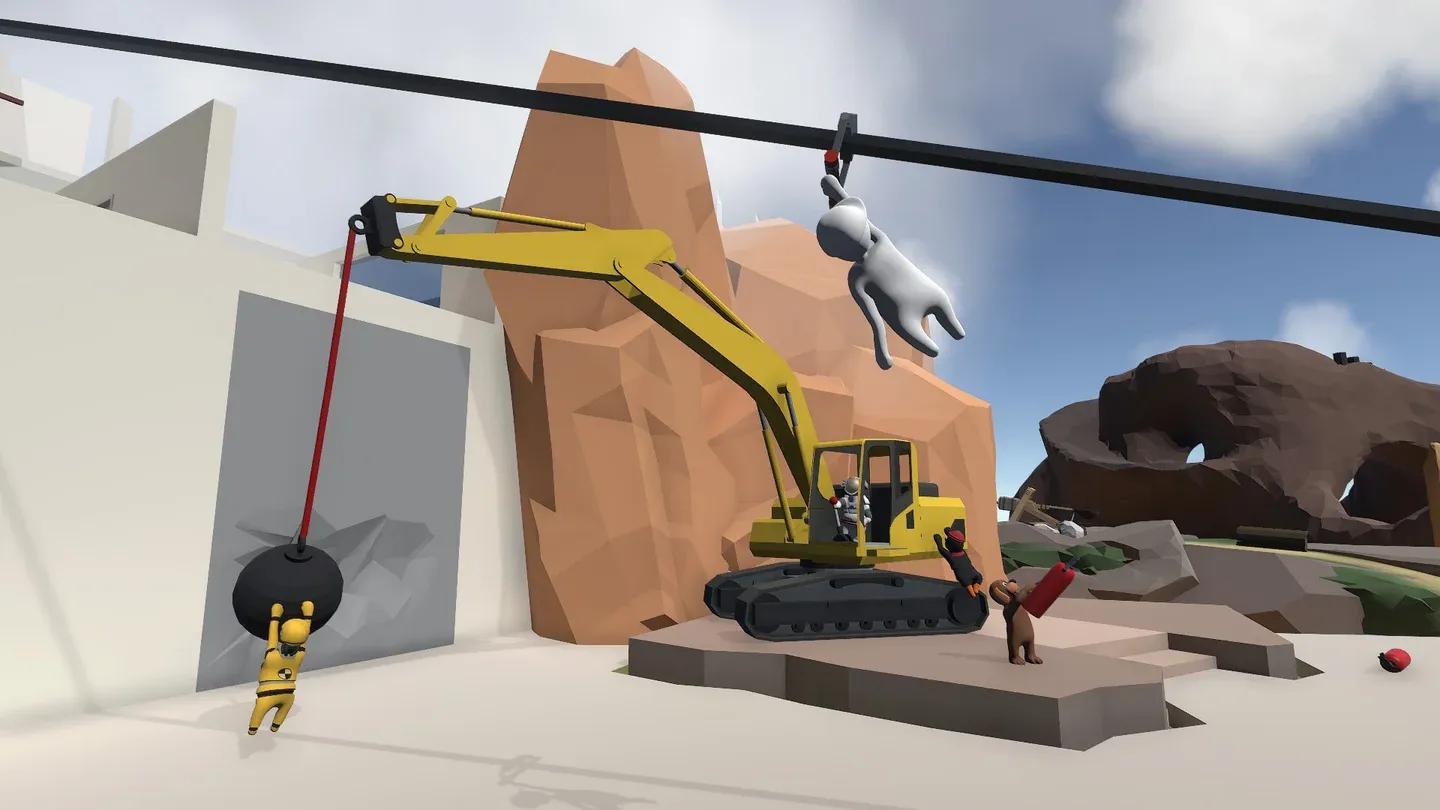
Human Fall Flat puts you in control of Bob, a customizable wobbly human with no particular skills and absolutely no sense of balance. The game's physics engine drives everything: arms are controlled independently, grabbing requires actual grip timing, and climbing a ledge feels like a minor miracle every time. Levels are structured as floating dreamscapes, each with a distinct theme and enough open geometry that players routinely find solutions the developers never anticipated.
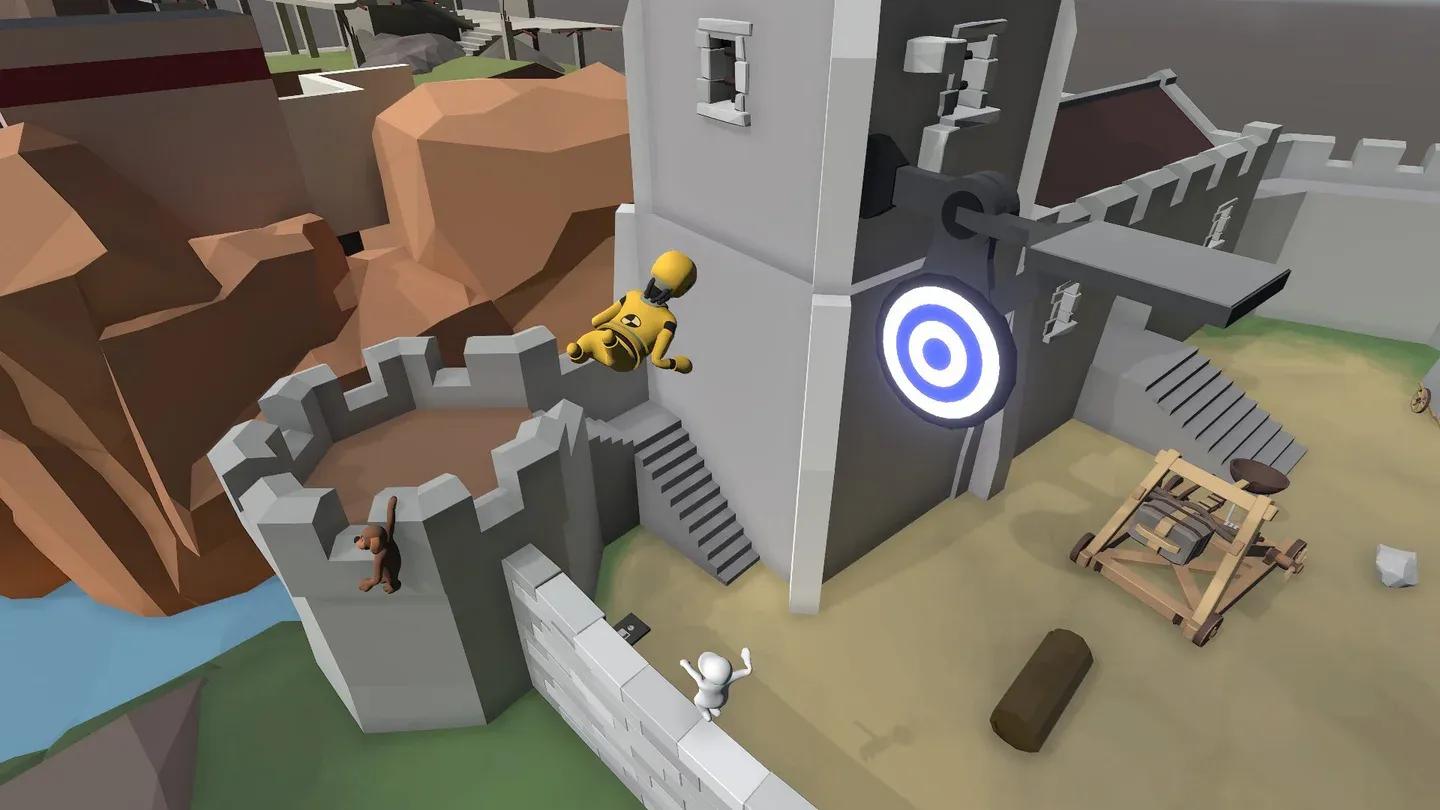
Originally created by Lithuanian solo developer Tomas Sakalauskas as a prototype for motion-sensing camera controls, the game transitioned to traditional input and launched on Steam in July 2016. Streaming culture did a lot of the heavy lifting from there. Watching someone ragdoll off a castle parapet while their friend laughs too hard to help became a reliable content format, and the game's player base grew steadily for years after launch.
Human Fall Flat content image
Gameplay and mechanics
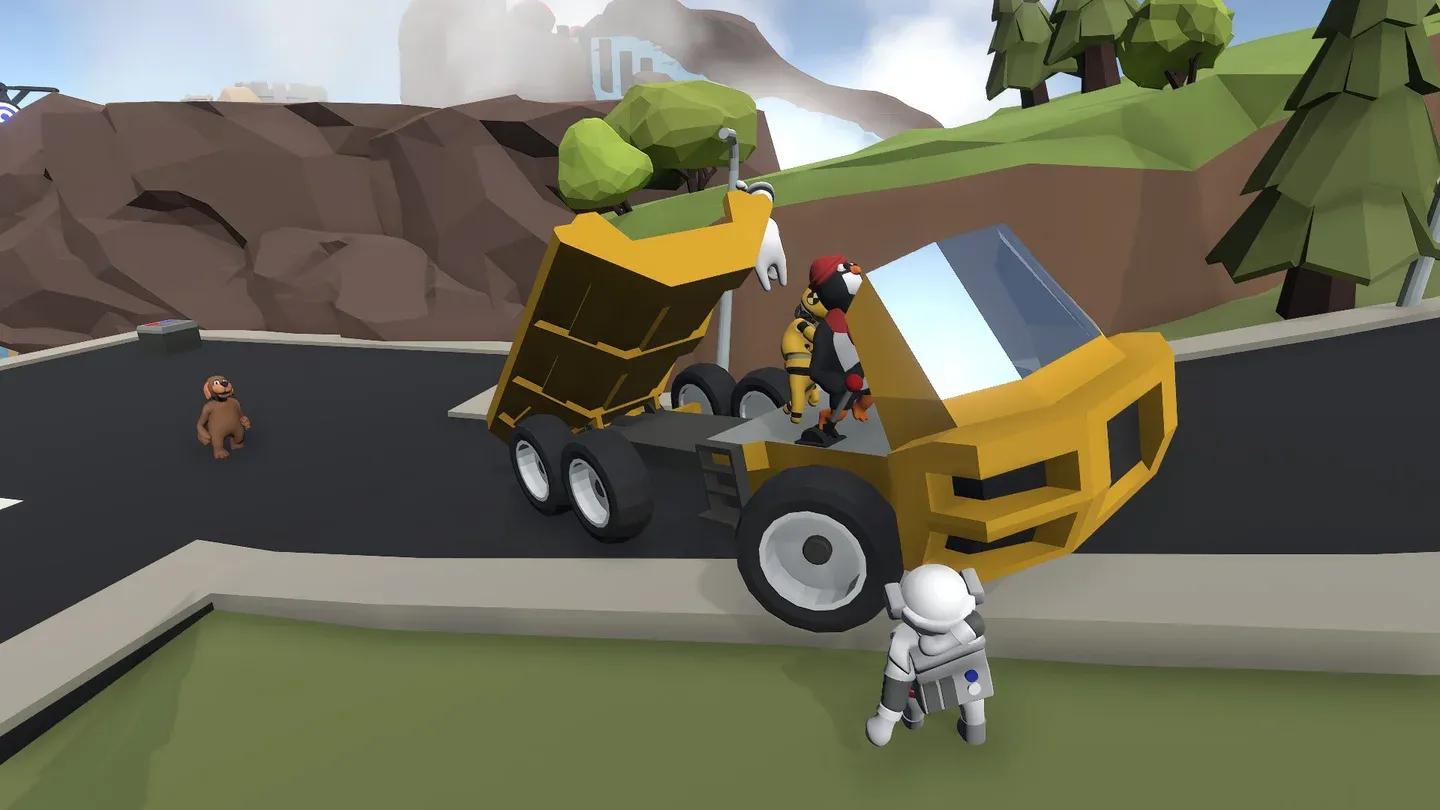
The core loop is simple: navigate from one end of a level to the other using whatever the environment provides. The intentionally awkward controls are the point. Bob's arms respond to trigger or mouse inputs independently, so picking up a box, swinging on a rope, or pushing open a door all require deliberate physical effort rather than a single button press.
Human Fall Flat content image
Key mechanics at a glance:
- Independent arm grab controls
- Physics-driven object interaction
- Multi-route level design
- Character customization for Bob
- Couch co-op and 8-player online support
The puzzle design rewards experimentation. Most obstacles have an obvious solution and at least one completely absurd alternative that also works. That flexibility is what keeps the game from feeling frustrating despite its intentionally clumsy controls.
Human Fall Flat content image
What does multiplayer actually add?
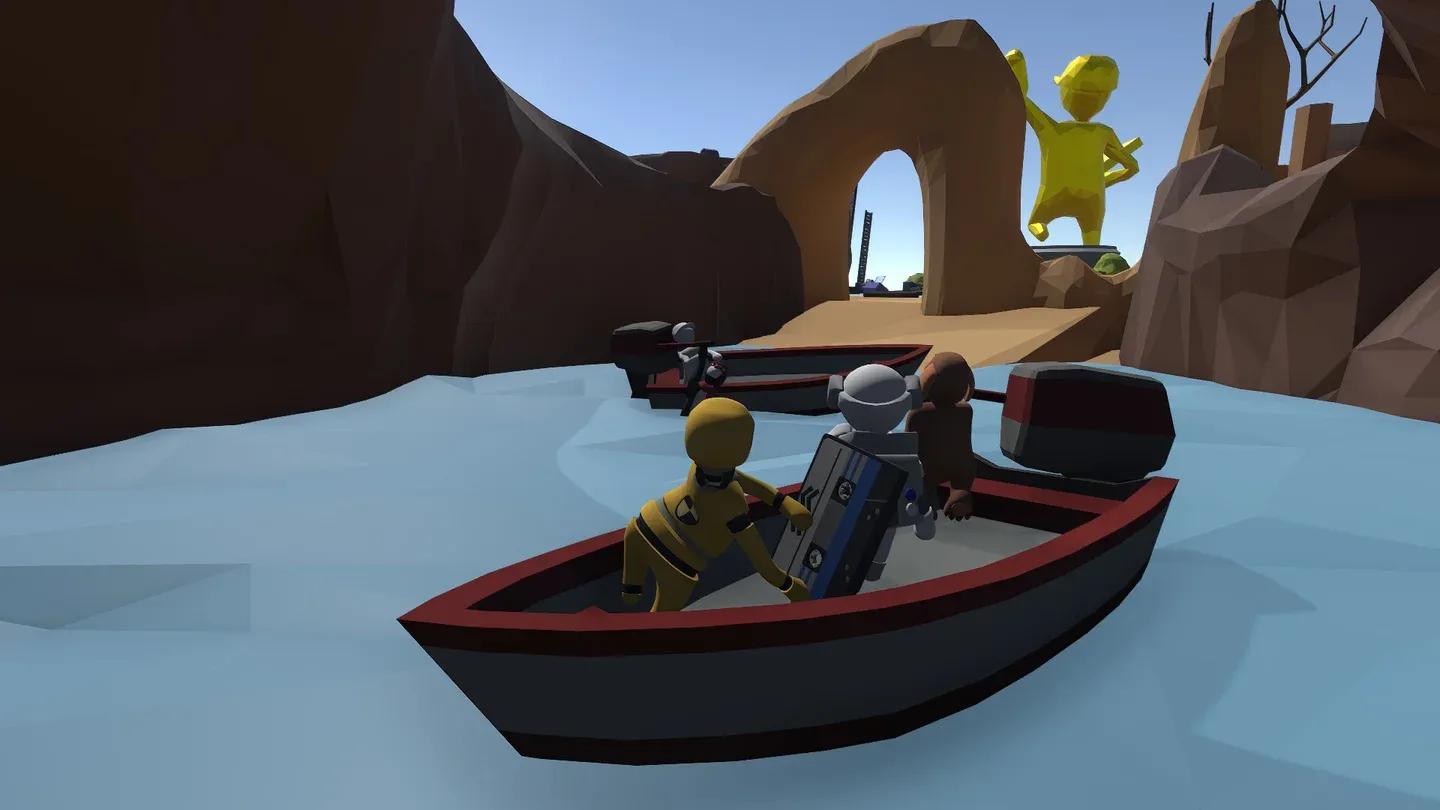
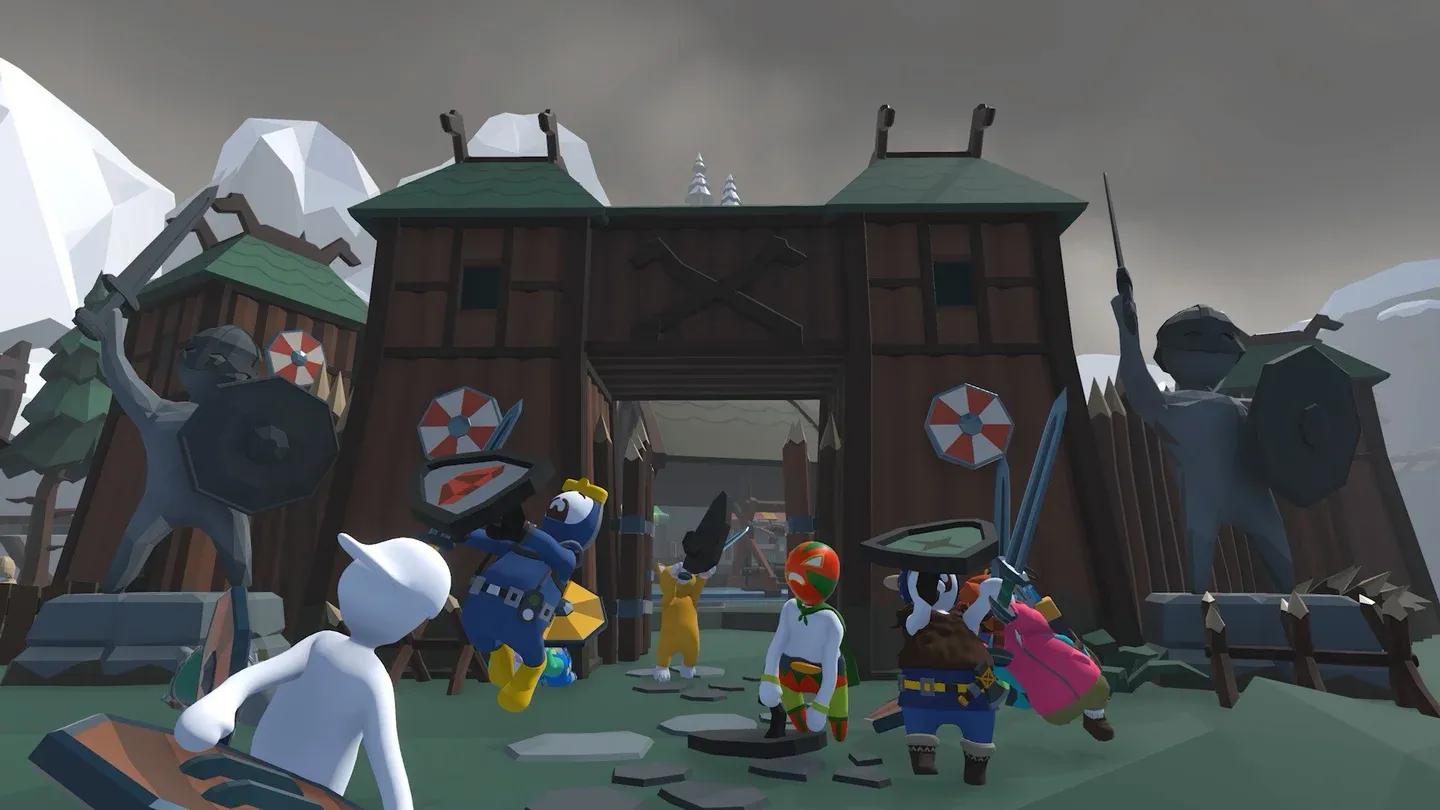
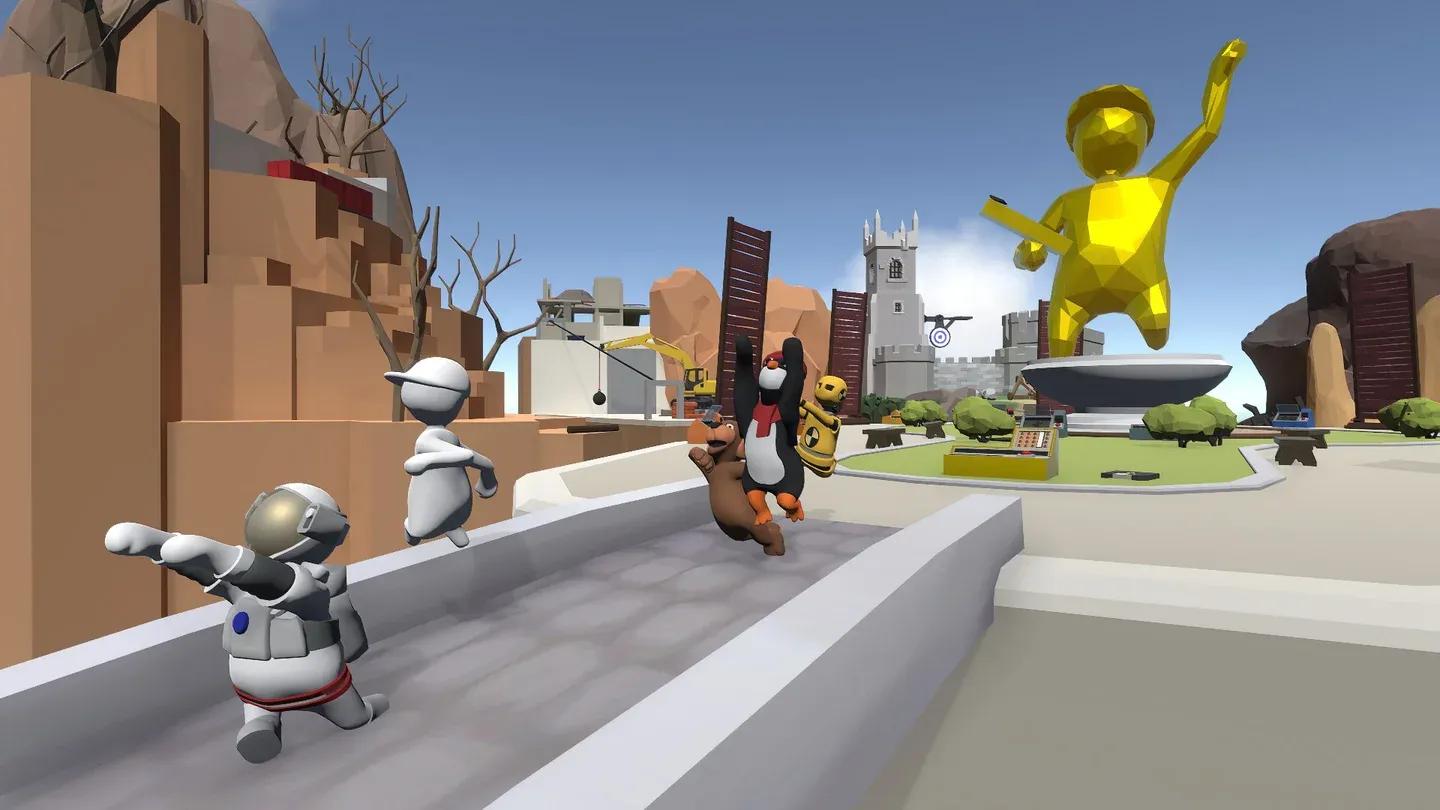
Human Fall Flat supports up to 8 players in online multiplayer or 2-player local co-op, and the shift from solo to group play fundamentally changes the experience. Puzzles designed for one person become chaotic coordination exercises with a full lobby. Players can carry each other, form human chains to reach high ledges, or simply get in each other's way at the worst possible moment.
The co-op physics interactions are not scripted. When two players grab the same object, the game calculates the combined force in real time, which produces results that are equal parts useful and catastrophic. That unpredictability is the social glue that keeps groups coming back.
World and setting
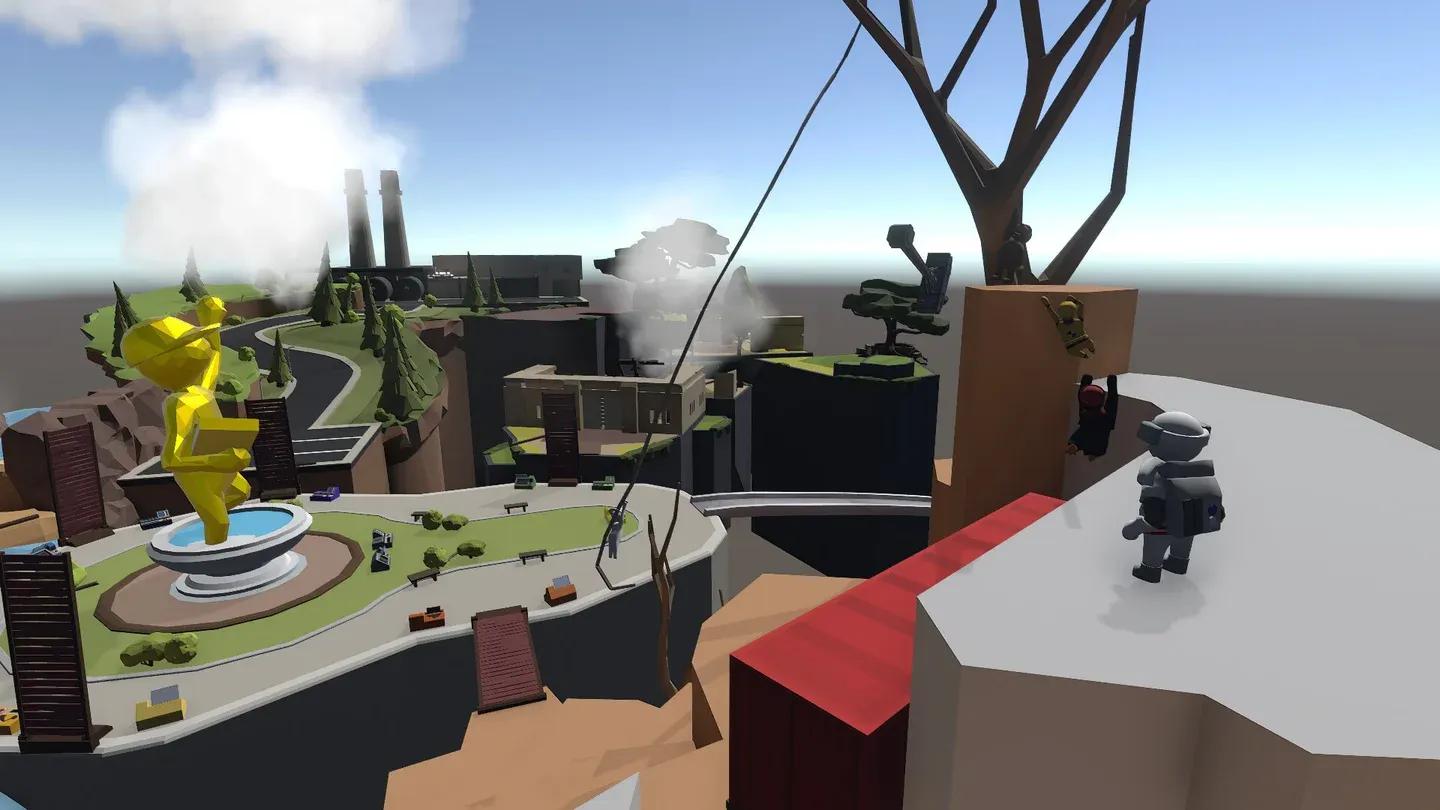
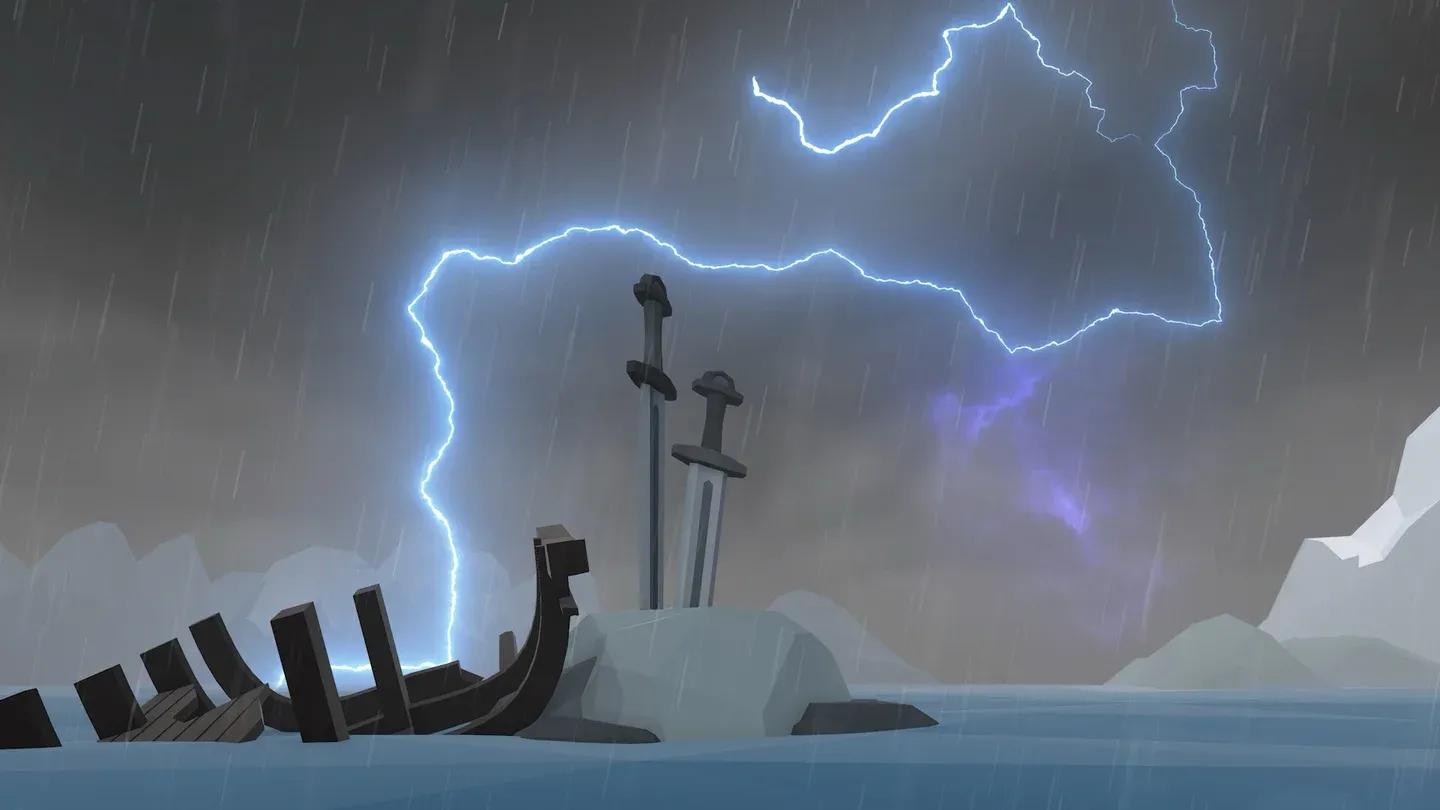
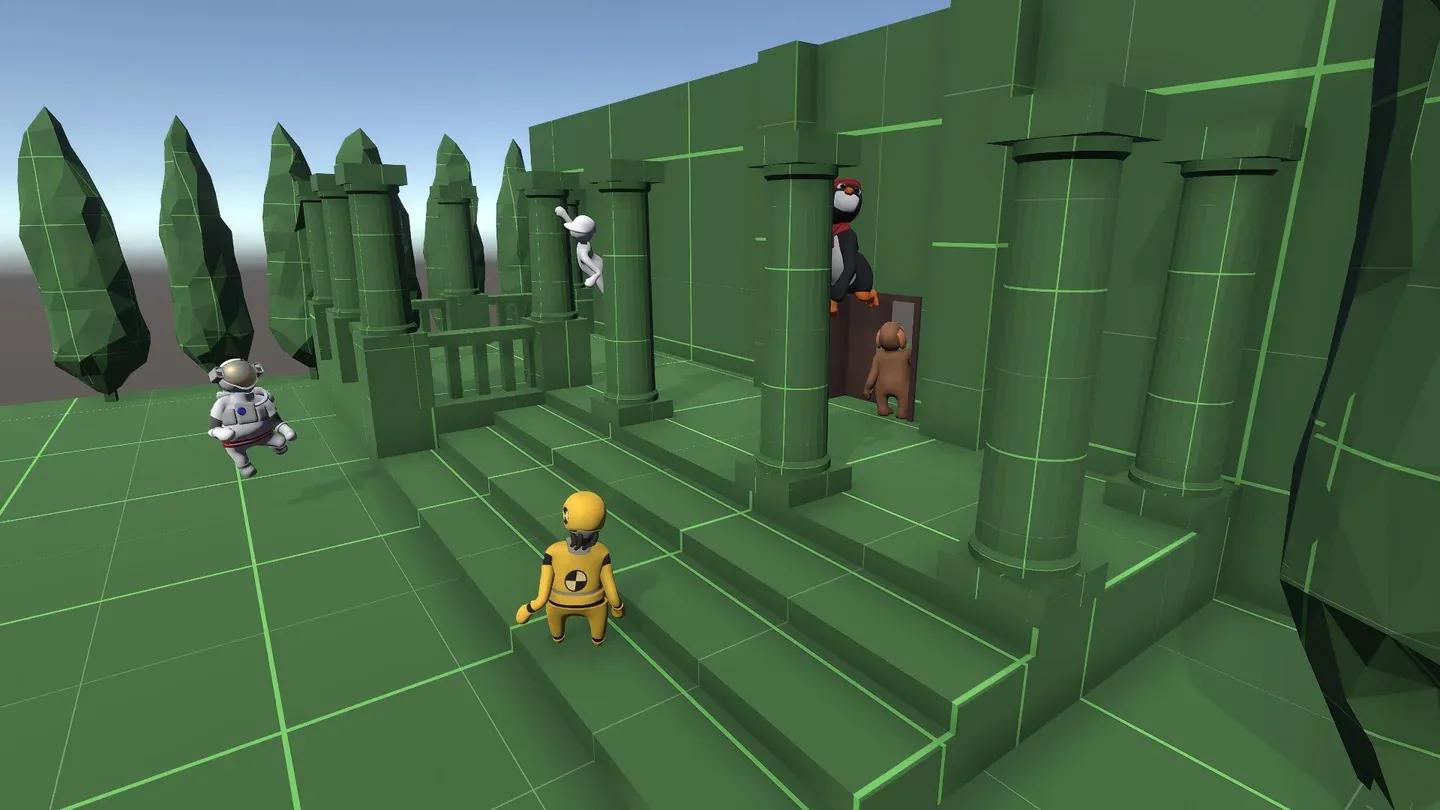
Each level in Human Fall Flat occupies a distinct dreamscape environment. The lineup spans medieval castles, Aztec ruins, snowy mountain passes, industrial facilities, and eerie nightscapes, among others. The art style leans toward clean, slightly surreal geometry rather than photorealism, which keeps the visual tone light even when a puzzle is genuinely stumping you.
The floating-world conceit gives No Brakes Games a lot of design freedom. Levels do not need to connect logically, which means each one can introduce entirely new mechanics and visual themes without any narrative justification required.
Human Fall Flat content image
Impact and legacy
Human Fall Flat has accumulated over 53,000 ratings on PlayStation with an average score above 4 out of 5, a sign of sustained goodwill for a game that launched a decade ago. Steam Workshop integration has extended its lifespan with community-built levels beyond the base game. Its broad platform support, replayable community content, and multiplayer format explain why it remains a regular co-op recommendation.
System Requirements
| Requirement | Minimum | Recommended |
|---|---|---|
| Processor | Intel Core2 Duo E6750 (2 * 2660) or equivalent | AMD Athlon 64 X2 Dual Core 6000+ (2 * 3000) or equivalent | Intel Core2 Quad Q9300 (4 * 2500) or equivalent | AMD A10-5800K APU (4*3800) or equivalent |
| Memory | 1024 MB RAM | 2048 MB RAM |
| Graphics | GeForce GT 740 (2048 MB) or equivalent | Radeon HD 5770 (1024 MB) | GeForce GTX 460 (1024 MB) or equivalent | Radeon HD 7770 (1024 MB) |