Overview
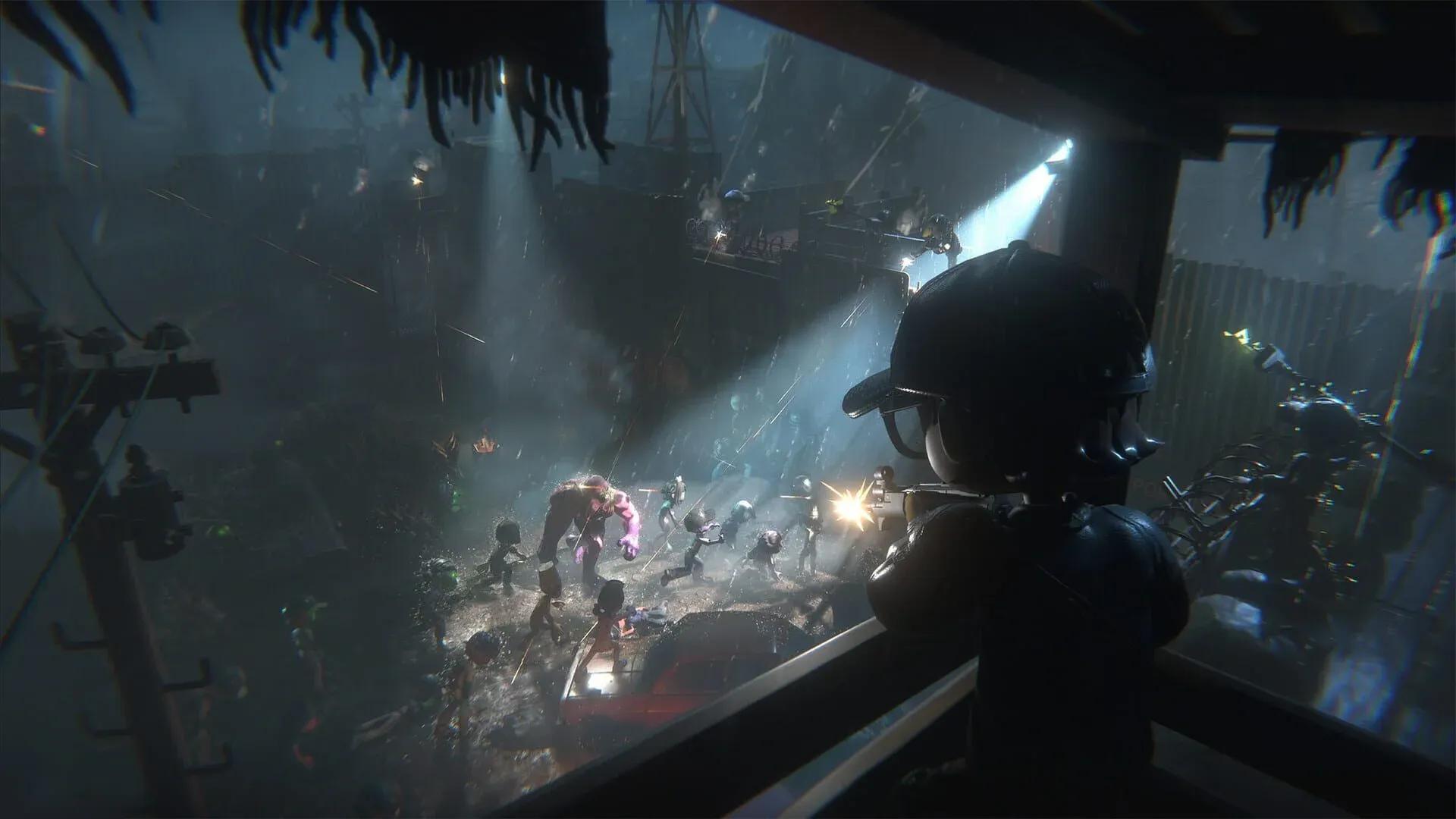
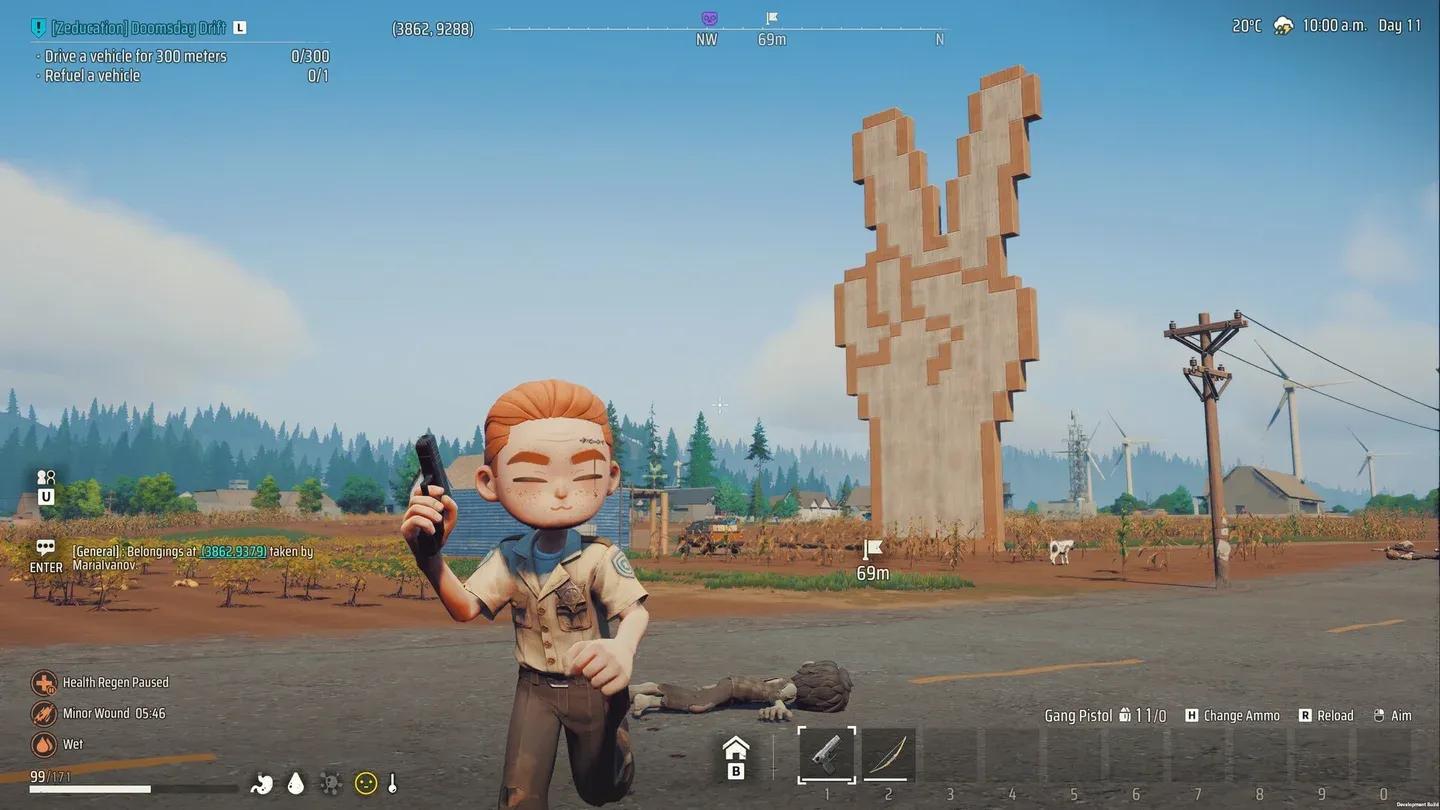
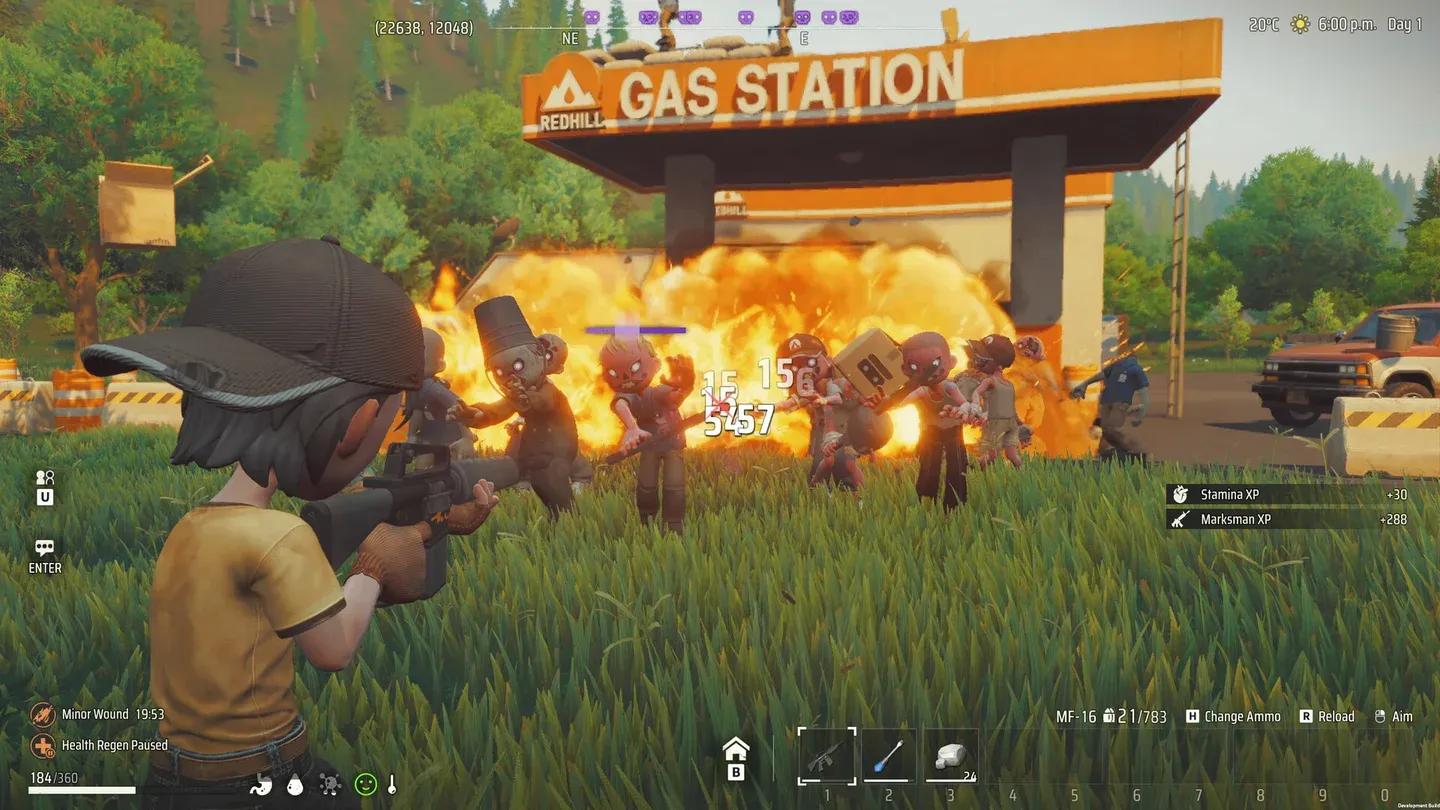
Zeverland is an open-world survival sandbox developed and published by Quantum Quirks, set at the exact moment civilization collapses rather than the aftermath everyone else seems to love. The world is 5000 km² of explorable wasteland covering mountains, lakes, abandoned towns, and derelict farms, and the core philosophy is refreshingly simple: if it makes sense to do something, you can probably do it.
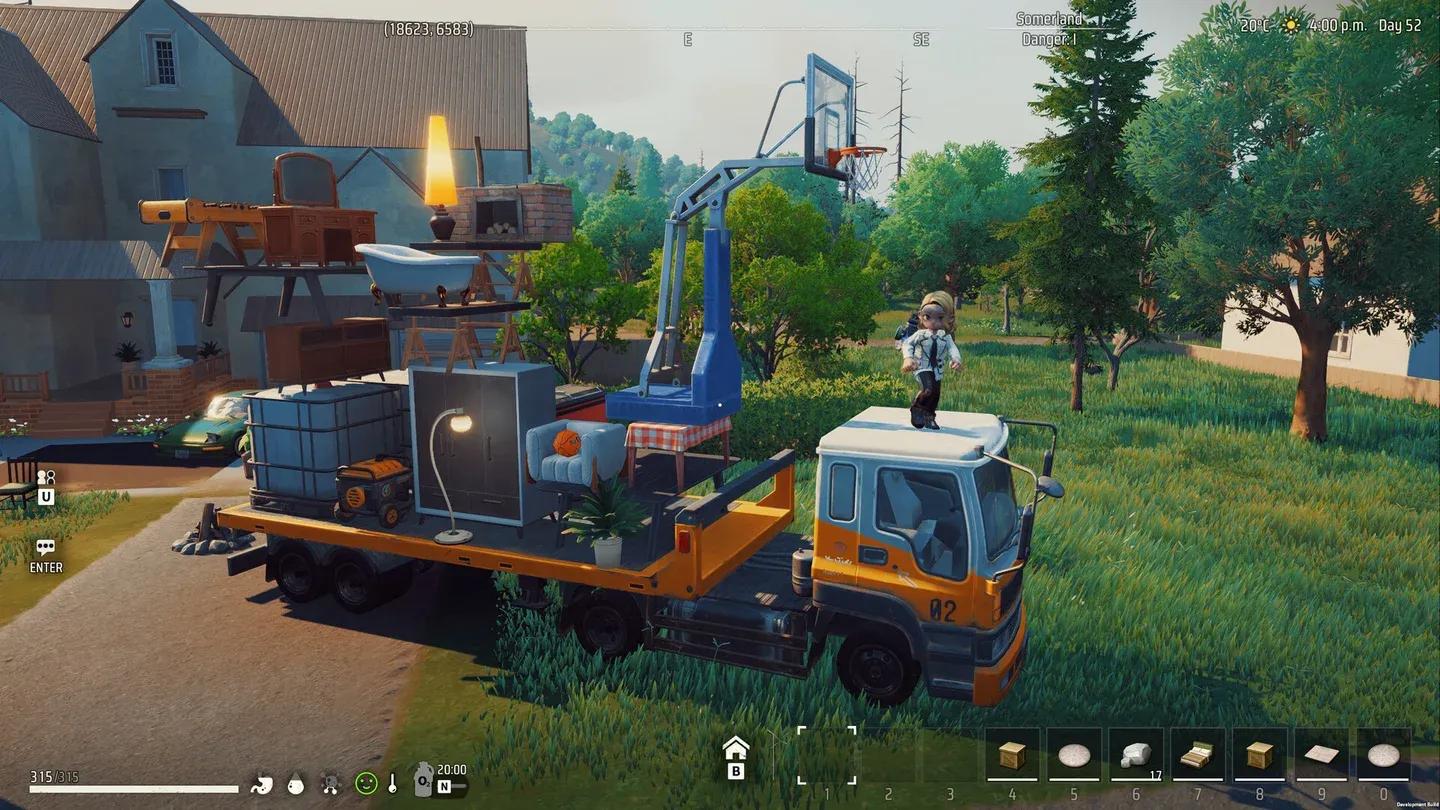
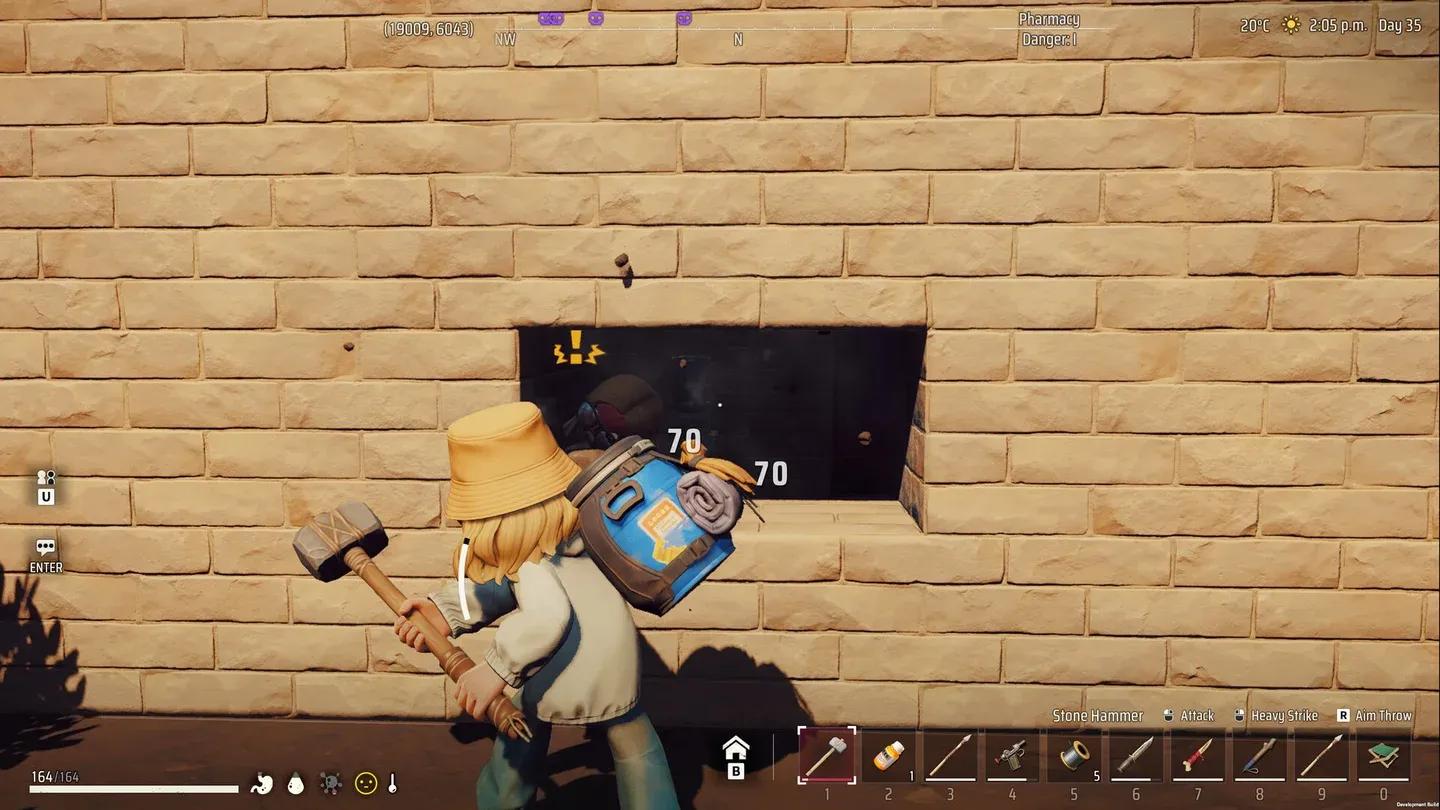
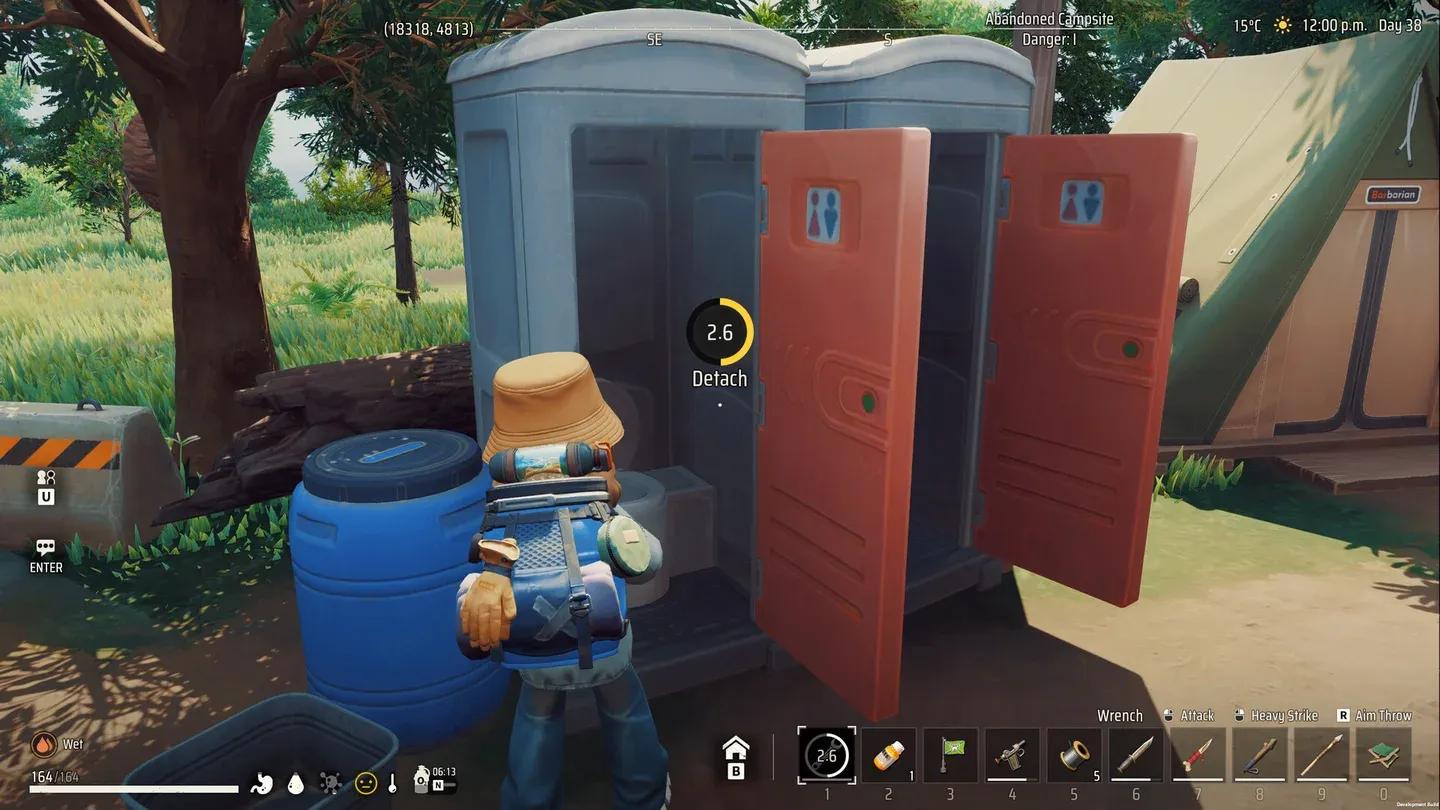
The game leans hard into a physics-driven interaction model where nearly every object in the world can be picked up, dismantled, or combined with something else. Bust open a vending machine for supplies. Rip a toilet out of a gas station bathroom. The environment is less a backdrop and more a parts catalog.
Zeverland content image
How does the crafting system work?
Zeverland's crafting is built around improvised weapon construction rather than recipe lists. The core features that define this system include:
Zeverland content image
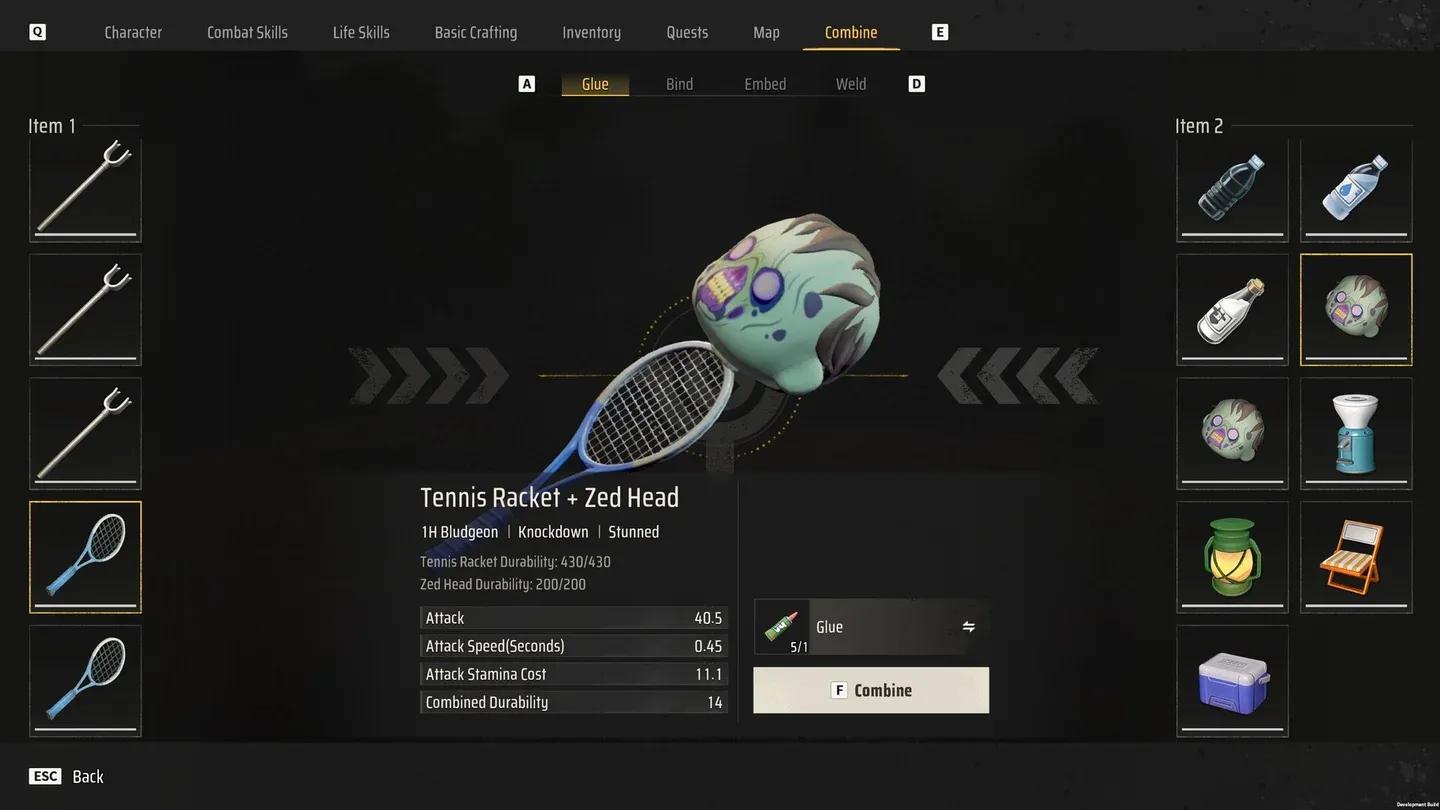
- Fuse any two objects into a hybrid weapon
- Combine a clothes iron with a tennis racket for a heated melee tool
- Bind a metal bat to a DSLR camera for an electrifying swing
- Attach a Zed head to a baseball bat for something more disturbing
- Convert everyday junk into functional survival gear
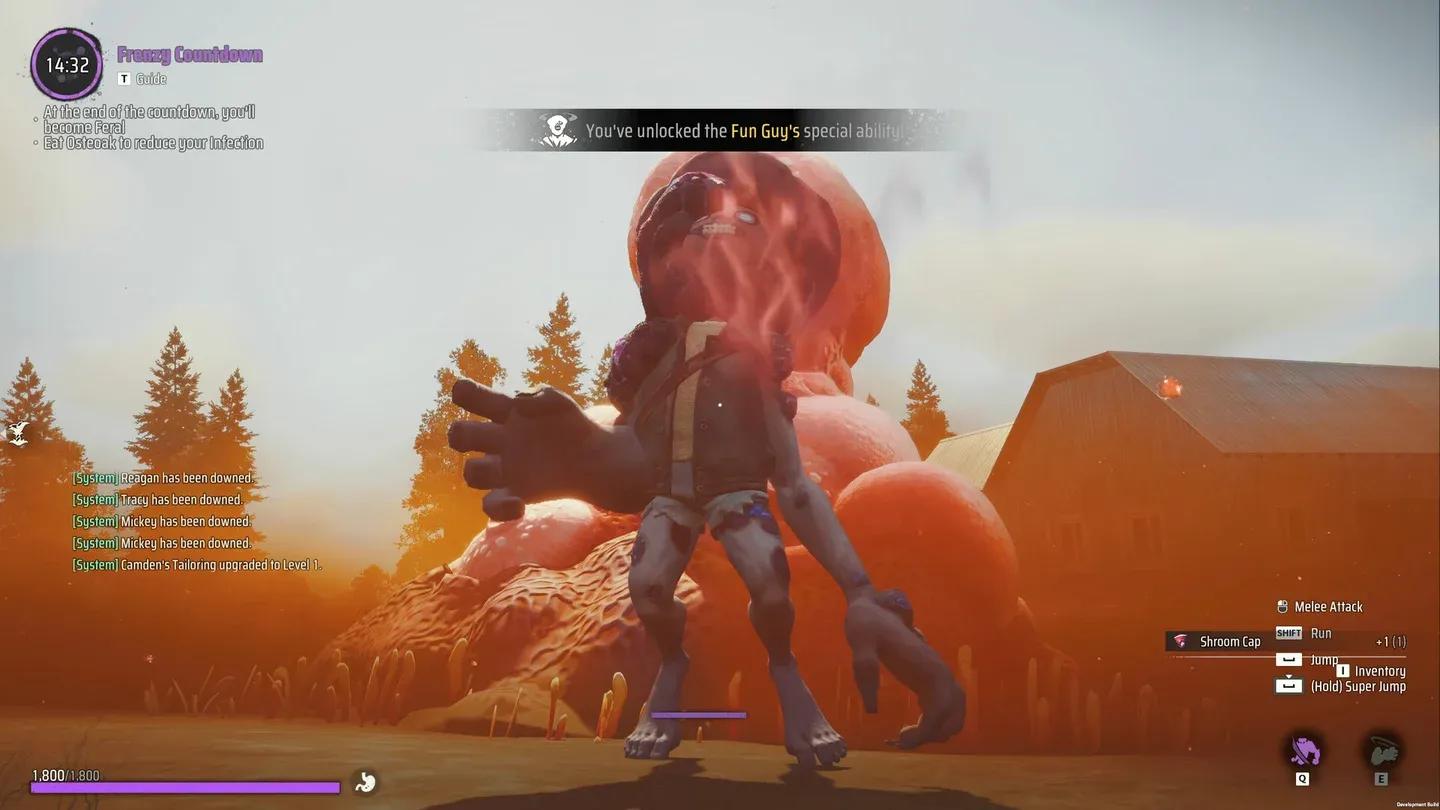
There are no locked crafting trees or material grind gates. The logic is physical and intuitive: if two things could plausibly be combined, the game lets you try. The Zeds themselves have been upgraded in both strength and intelligence, so a stick is not going to carry you far. The crafting system exists to keep the player one step ahead of increasingly dangerous enemies.
Zeverland content image
Base building and NPC recruitment
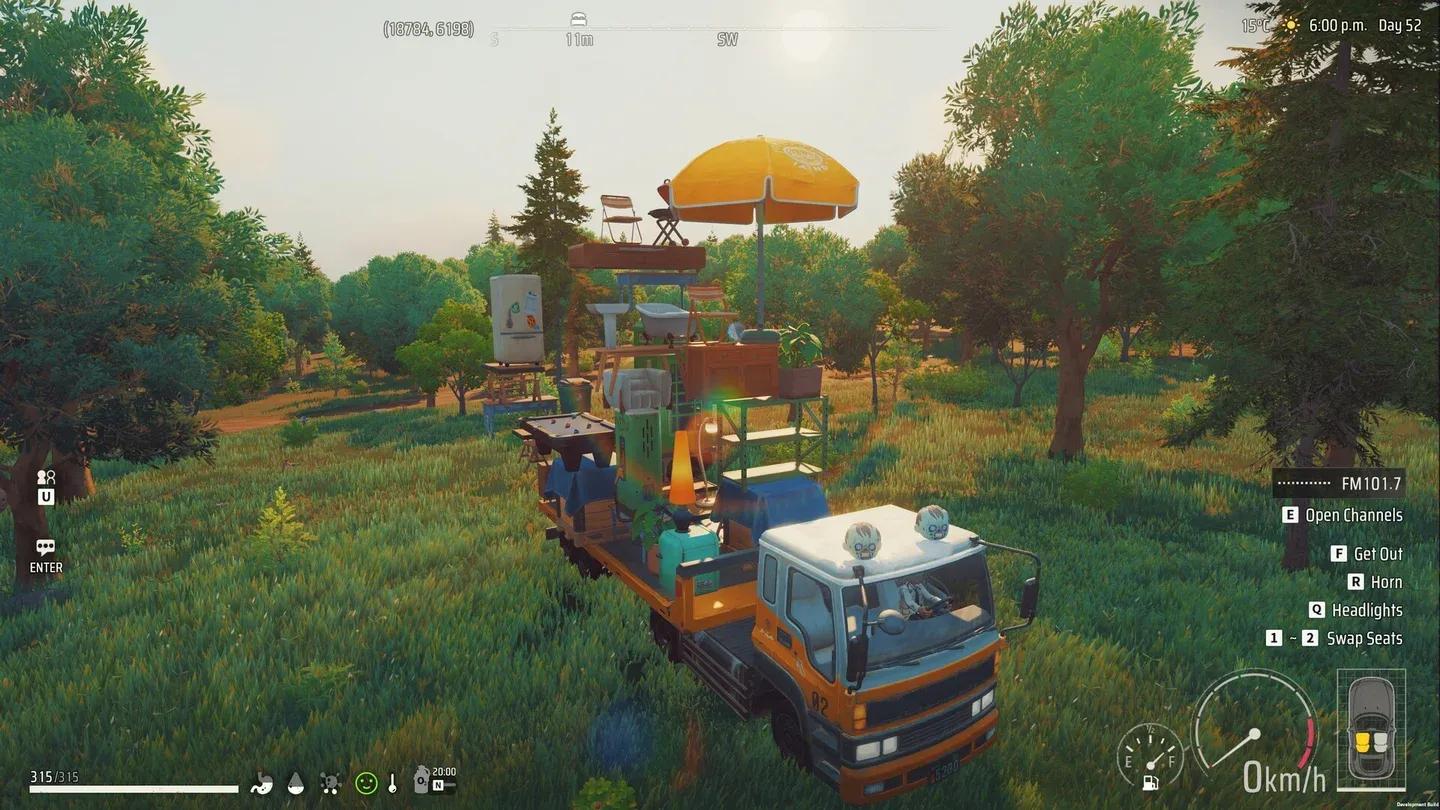
Base building in Zeverland goes well beyond placing walls and a bed. Players construct custom shelters piece by piece, adding water purifiers, gardens, soft furnishings, and whatever else they can scavenge. The same construction logic that applies to weapons applies here: weld a bed into an RV and you have a mobile home. Add an oven, a couch, and a drum kit if that is what you want. The game does not judge.
When managing everything yourself becomes too much, NPCs scattered across the world can be recruited to handle specific roles. Chefs, tailors, construction workers, and security personnel each serve distinct functions at your base, and the roster system lets the base operate even when you are out exploring.
Multiplayer and the shared world
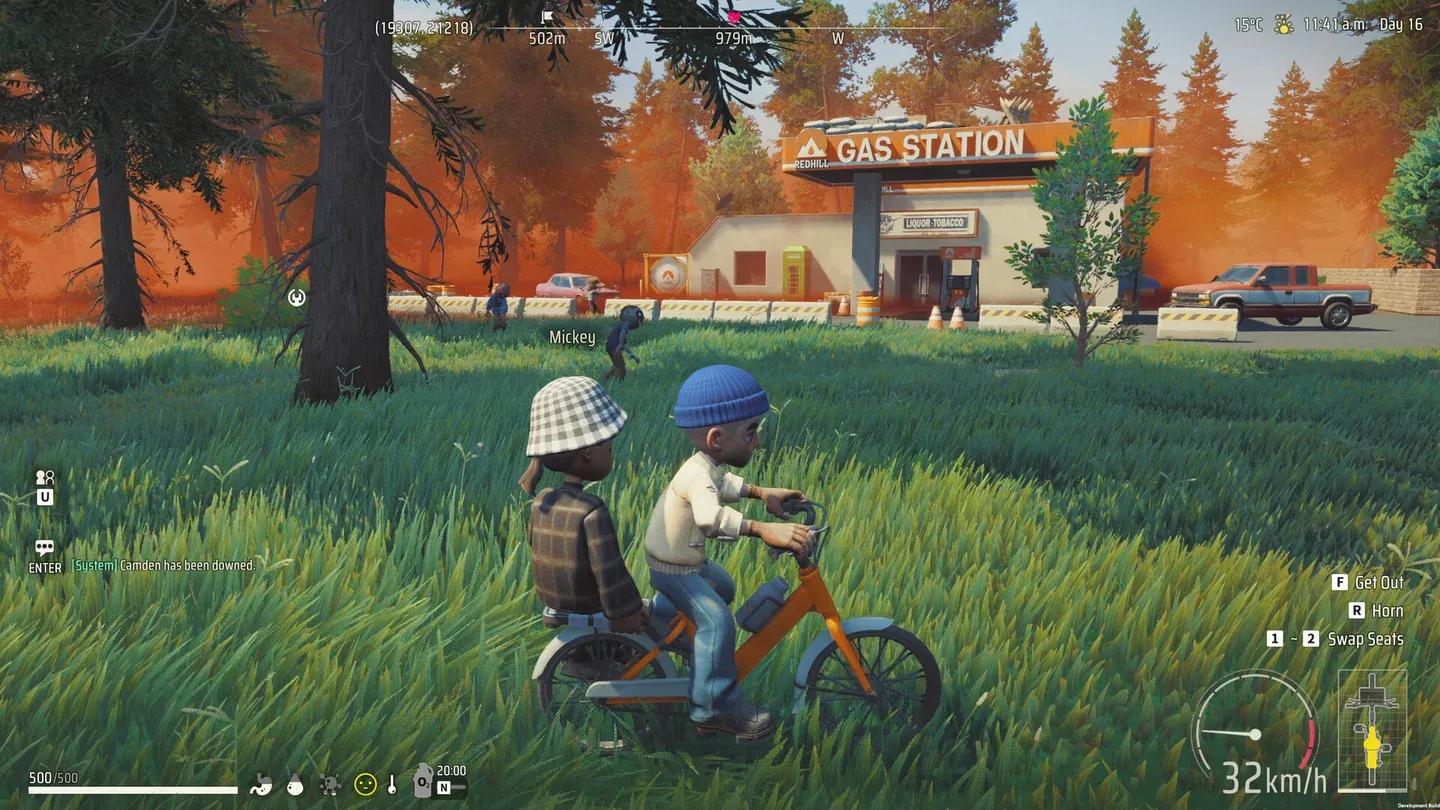
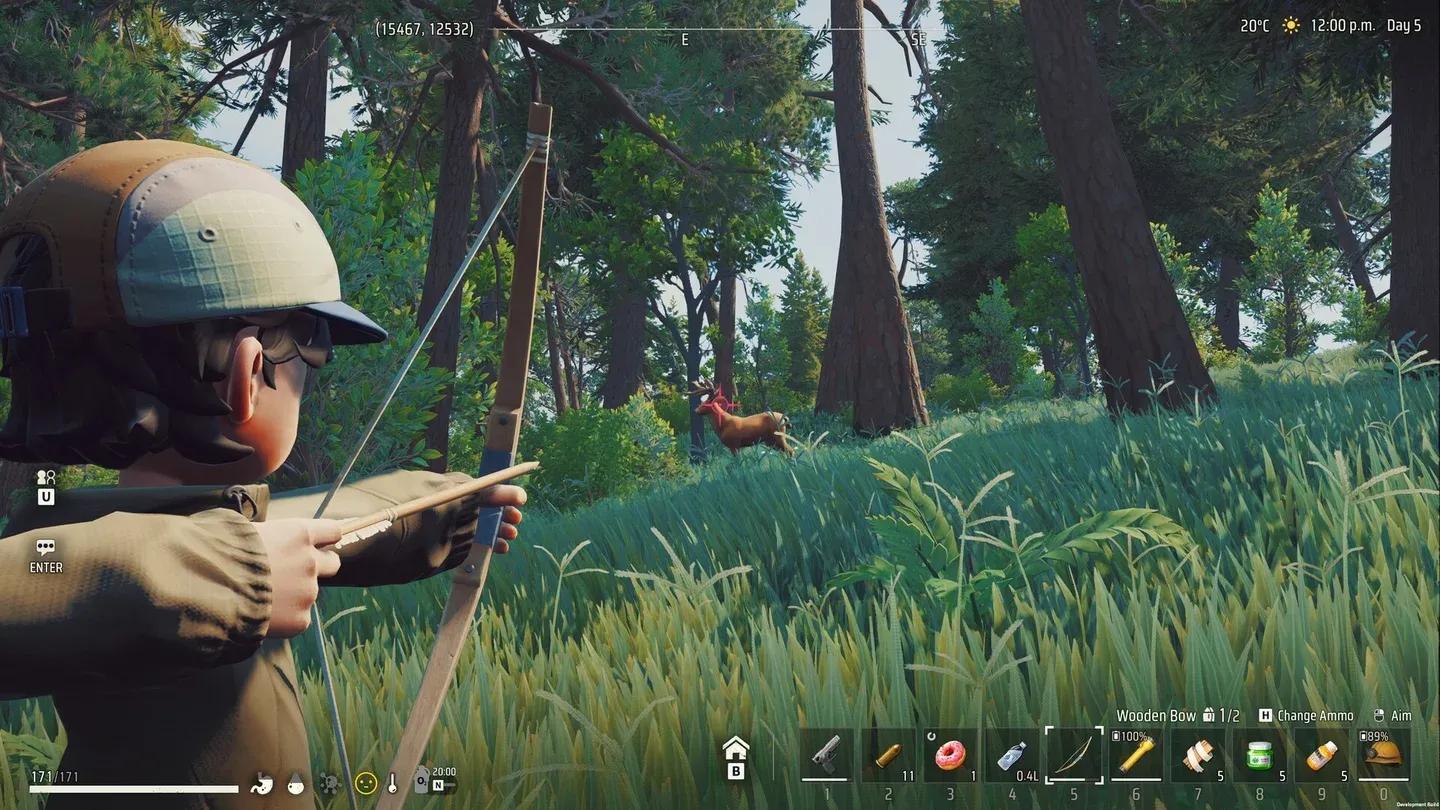
Zeverland connects players through a shared world where individual actions have visible consequences for everyone. A bridge repaired by one player saves another from a dangerous detour. A radio frequency coming back online signals that someone has restored their base station. These are not just cosmetic touches; they are the game's way of making cooperation feel organic rather than forced.
Zeverland content image
For players who want to push further than personal survival, Zeverland includes large-scale multiplayer goals: rebuilding the Miracle Purifier, developing a vaccine, constructing skyscrapers, or even taking civilization underground entirely. Multiple endings exist depending on which collective goals players pursue, giving the open-world survival loop a sense of direction without making any single path mandatory. The tension between solo scavenging and shared world-building is where Zeverland finds its most interesting space.
| Requirement | Minimum | Recommended |
|---|---|---|
| OS | Windows 10 (64-bit) | Windows 10 (64-bit) |
| Processor | Intel Core i7-9700 | Intel Core i7-13700K |
| Memory | 16 GB RAM | 32 GB RAM |
| Graphics | GeForce GTX 1650 (4GB) | GeForce RTX 3060 |
| DirectX | Version 11 | Version 11 |
| Network | Broadband Internet connection | Broadband Internet connection |