Overview
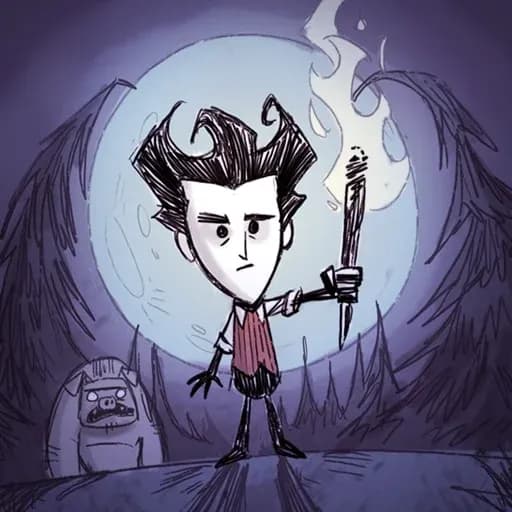
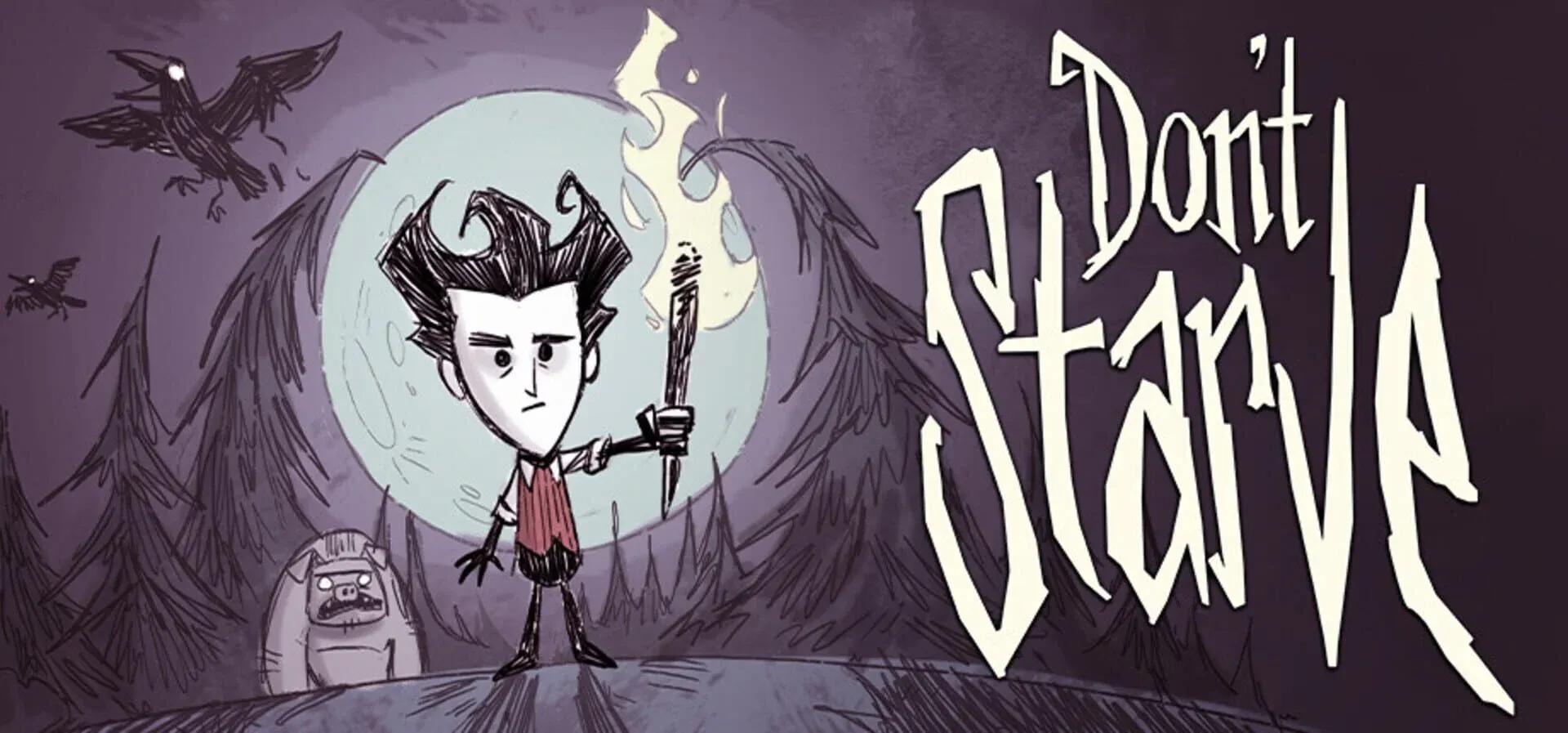
Don't Starve, developed and published by Klei Entertainment and released in April 2013, is a roguelike survival game built around one core tension: the world wants you dead, and it never lets you forget it. Wilson, the playable Gentleman Scientist, wakes up in a procedurally generated wilderness with nothing but his wits. There are no tooltips explaining what to do. There is no difficulty slider. You learn by dying, and you will die a lot.
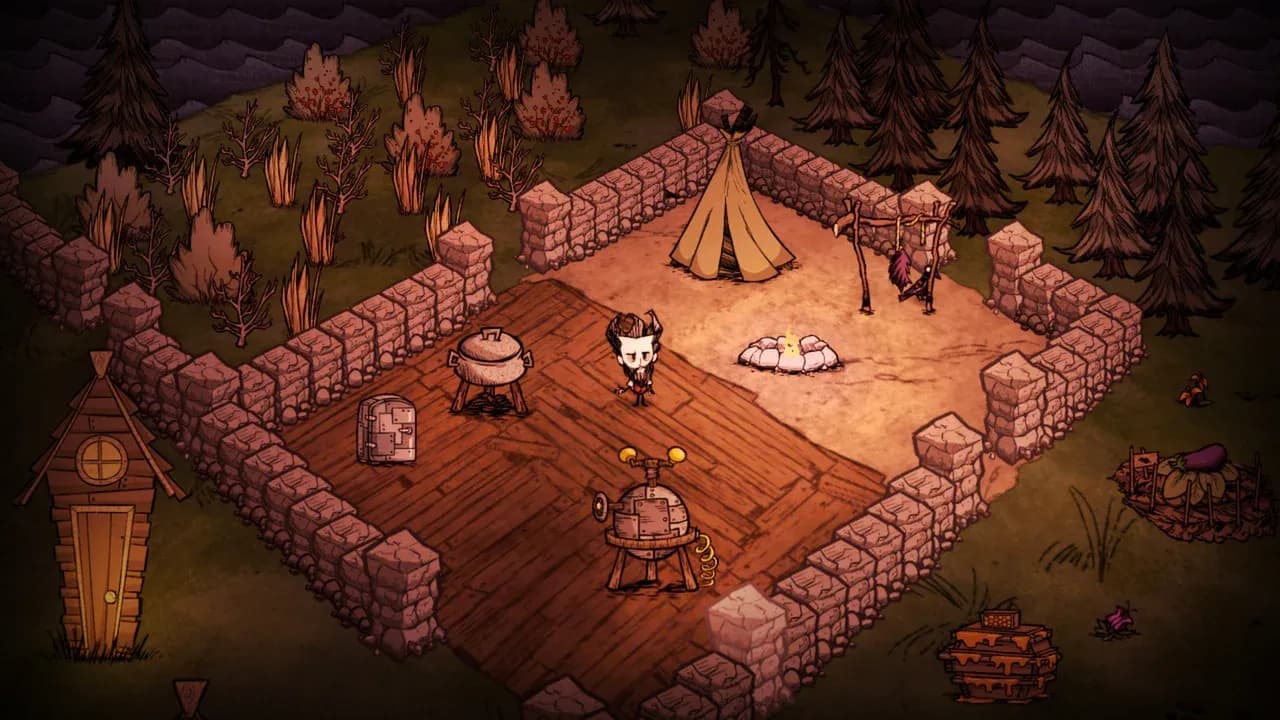
The game blends science and magic in ways that feel genuinely strange. Wilson can construct a Science Machine to unlock advanced recipes, but the same world that rewards rational thinking also throws shadow creatures at you when your sanity drops too low. That push and pull between methodical resource management and pure chaos is what makes Don't Starve stick with players long after a run ends.
Don't Starve content image
Gameplay and mechanics
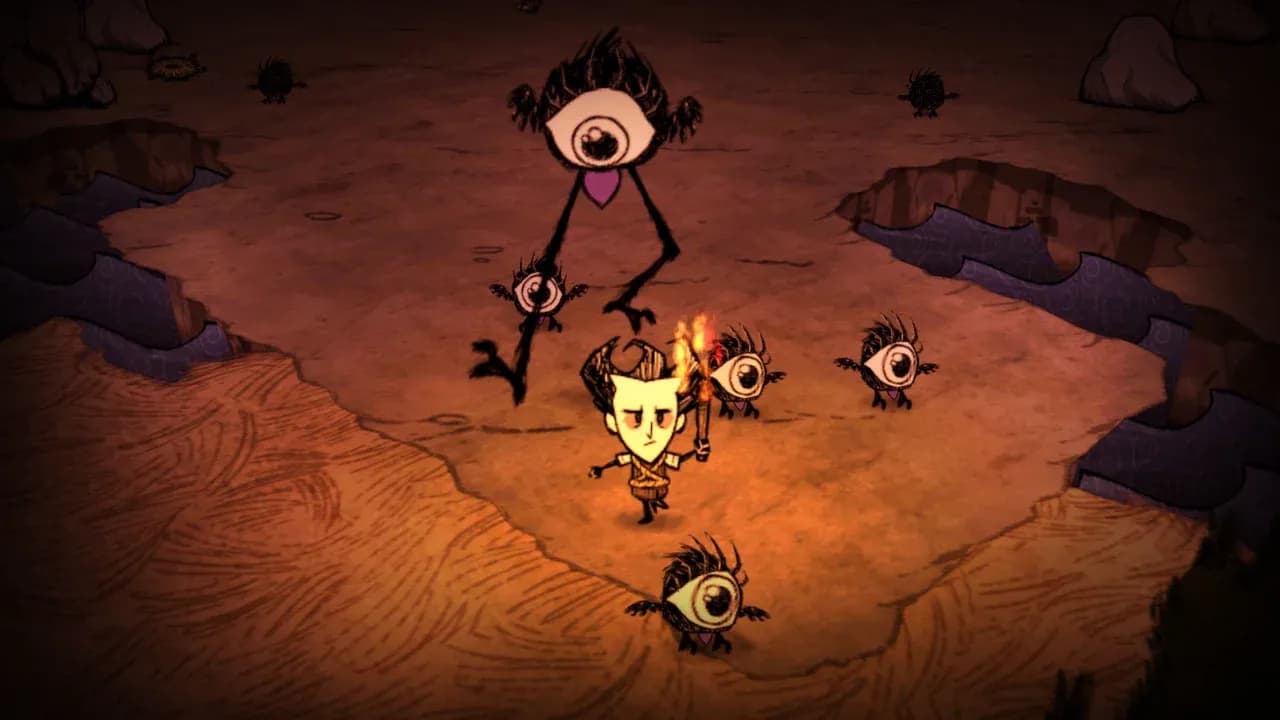
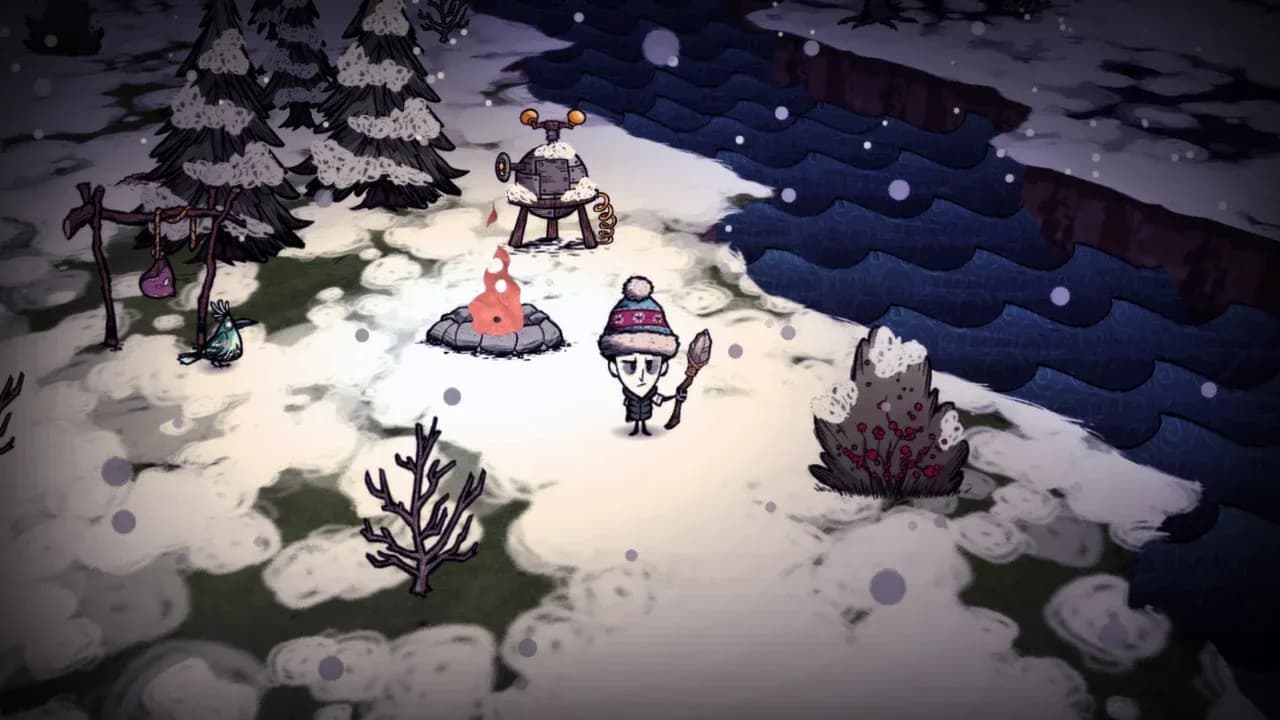
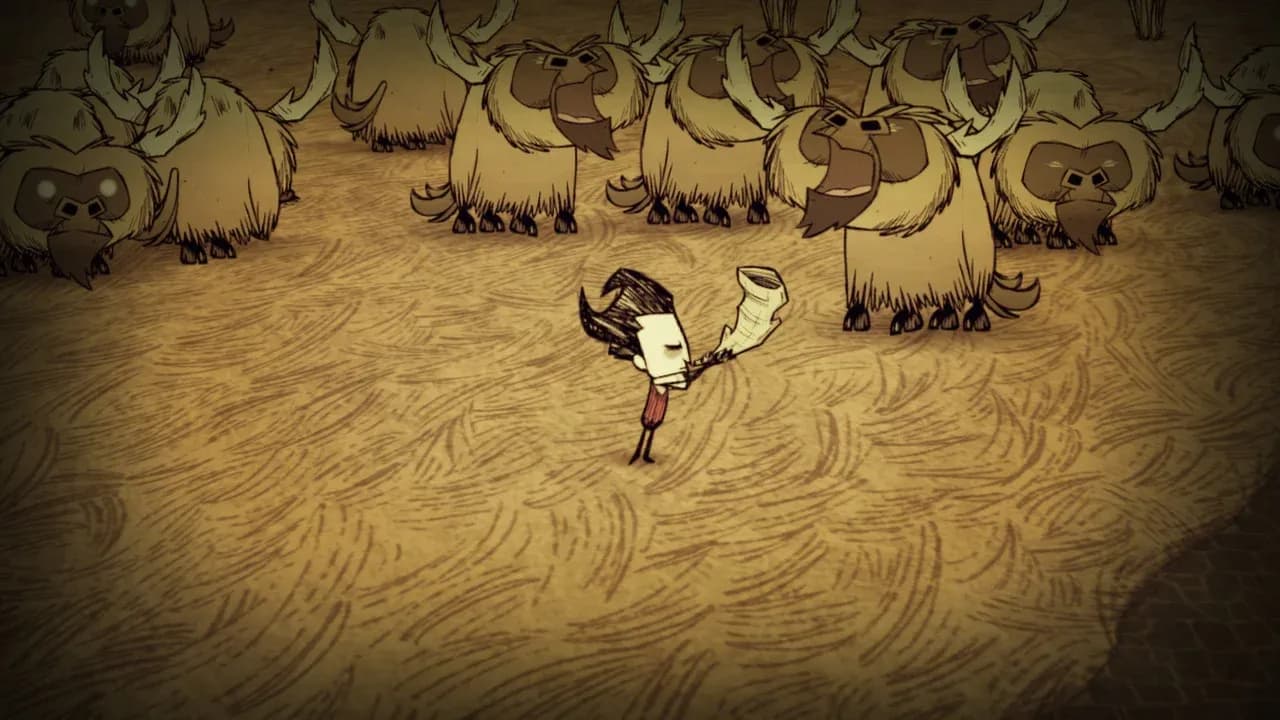
Survival in Don't Starve revolves around three stats: Health, Hunger, and Sanity. Managing all three simultaneously is harder than it sounds. Staying in the dark too long drains Sanity. Eating raw meat hurts Health. Going too long without food drops Hunger fast, especially during Winter when resources become scarce.
Don't Starve content image
Key mechanics that define every run:
- Crafting structures and tools from gathered resources
- Researching new recipes at Science and Alchemy Machines
- Farming, hunting, and trapping for food
- Managing Sanity to prevent shadow creature attacks
- Surviving seasonal cycles with shifting threats
Winter is where most new players first hit a wall. Food sources dry up, temperature becomes a factor, and the days grow short. Surviving past the first Winter feels like a genuine milestone, not a checkbox.
What makes Don't Starve different from other survival games?
Most survival games give you a waypoint. Don't Starve gives you nothing. The game's refusal to explain itself is a deliberate design choice, not an oversight. Every piece of knowledge Wilson gains, the player earns through experimentation or failure. That sense of earned discovery is rare in the genre.
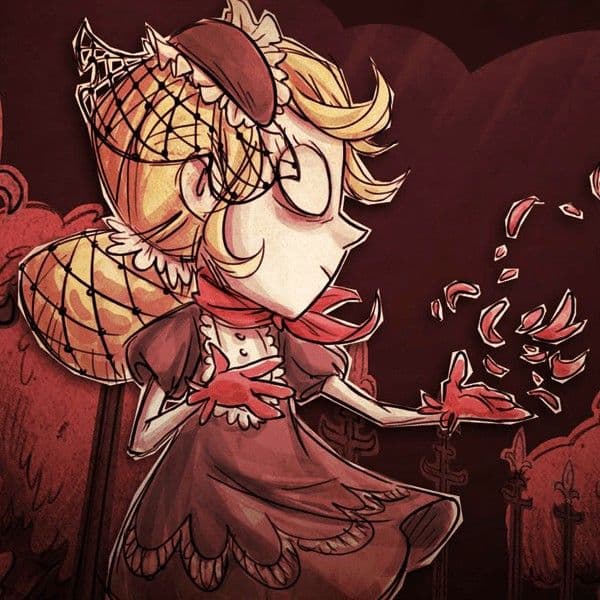
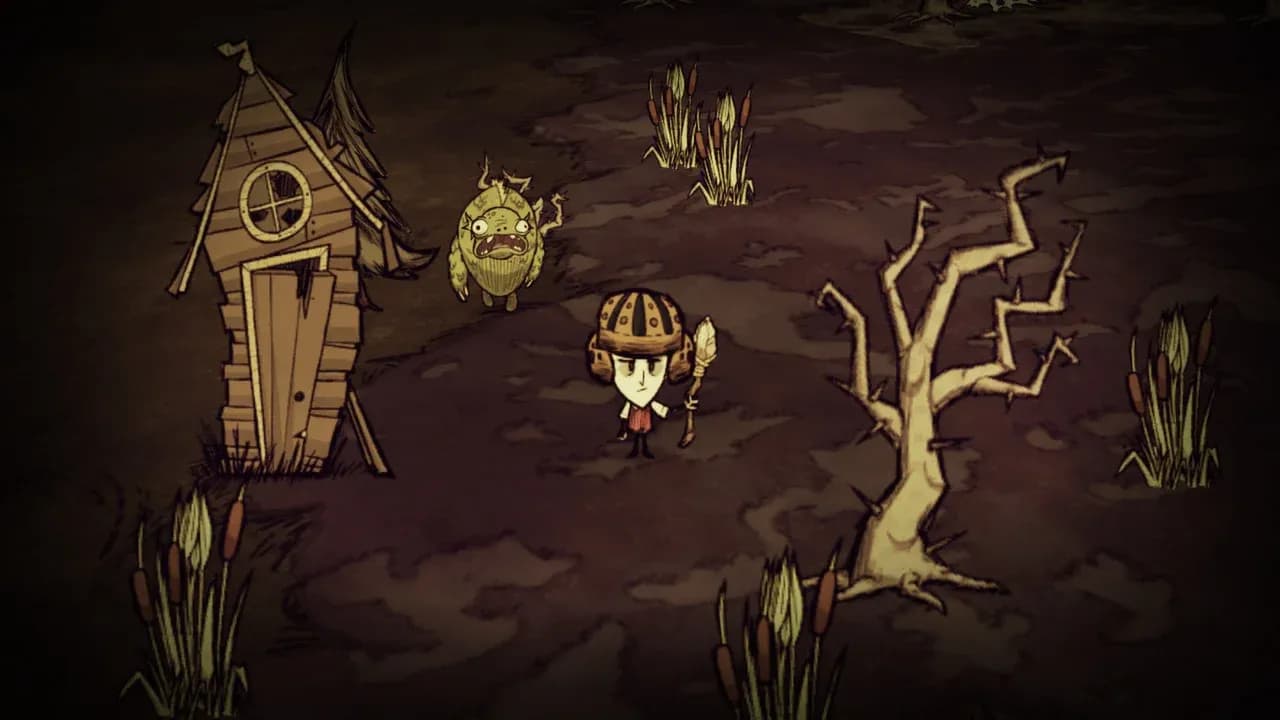
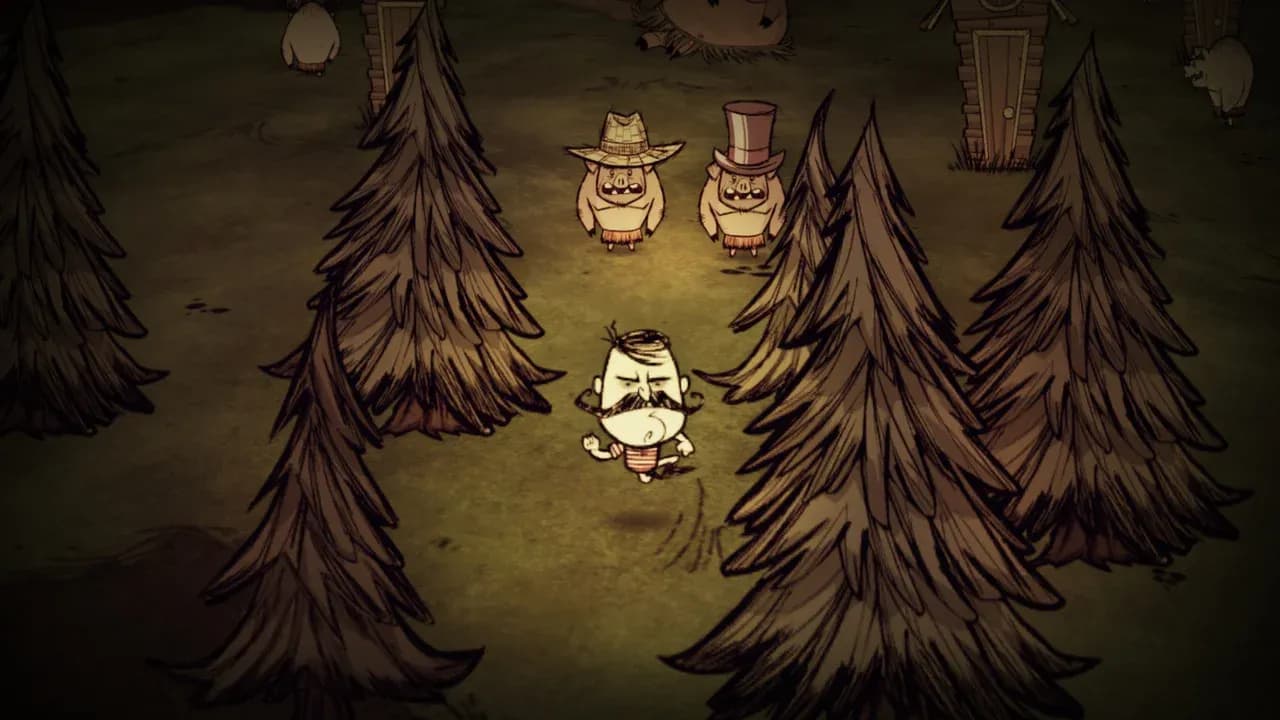
The art style reinforces this. Characters are 2D and slightly puppet-like, set against a 3D world rendered in a style that resembles Tim Burton by way of Edward Gorey. Creatures look whimsical until they kill you. The visual tone constantly signals that this world operates by its own rules, and those rules are not in your favor.
Don't Starve content image
World and setting
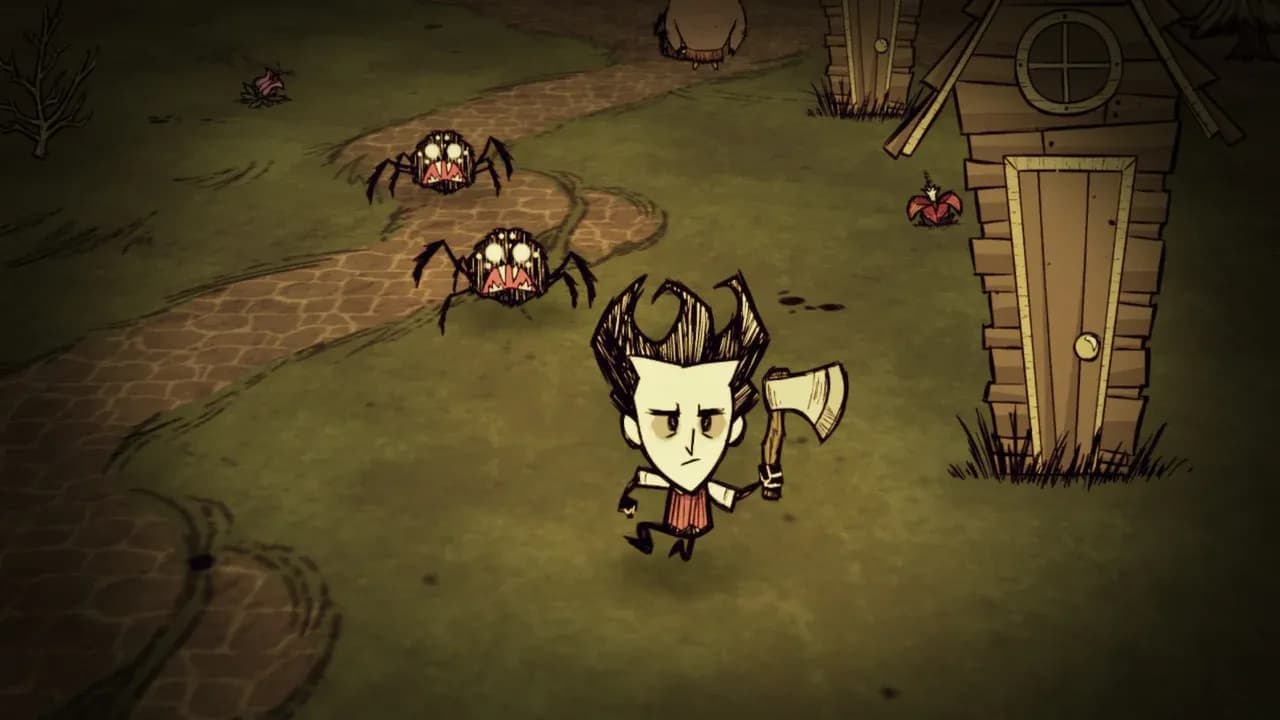
Each new save generates a fresh world with different biomes, resource placements, and creature populations. Grasslands, swamps, forests, and rocky tundra regions each carry their own hazards and rewards. Finding a beehive early can save a run. Stumbling into a spider den at night can end one.
The overarching mystery of why Wilson was trapped and what Maxwell, the demon responsible, actually wants runs quietly under every session. The game never forces the story on you, but it rewards players who explore ruins and piece together the lore themselves.
Content and replayability
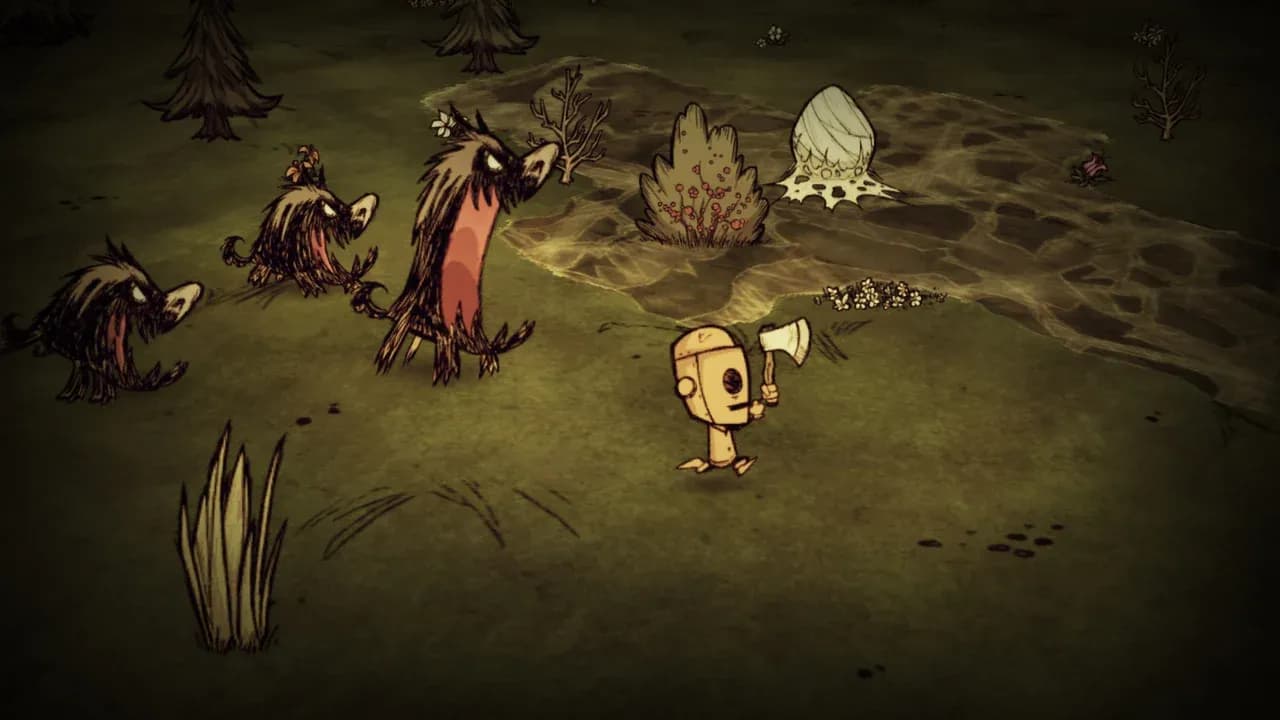
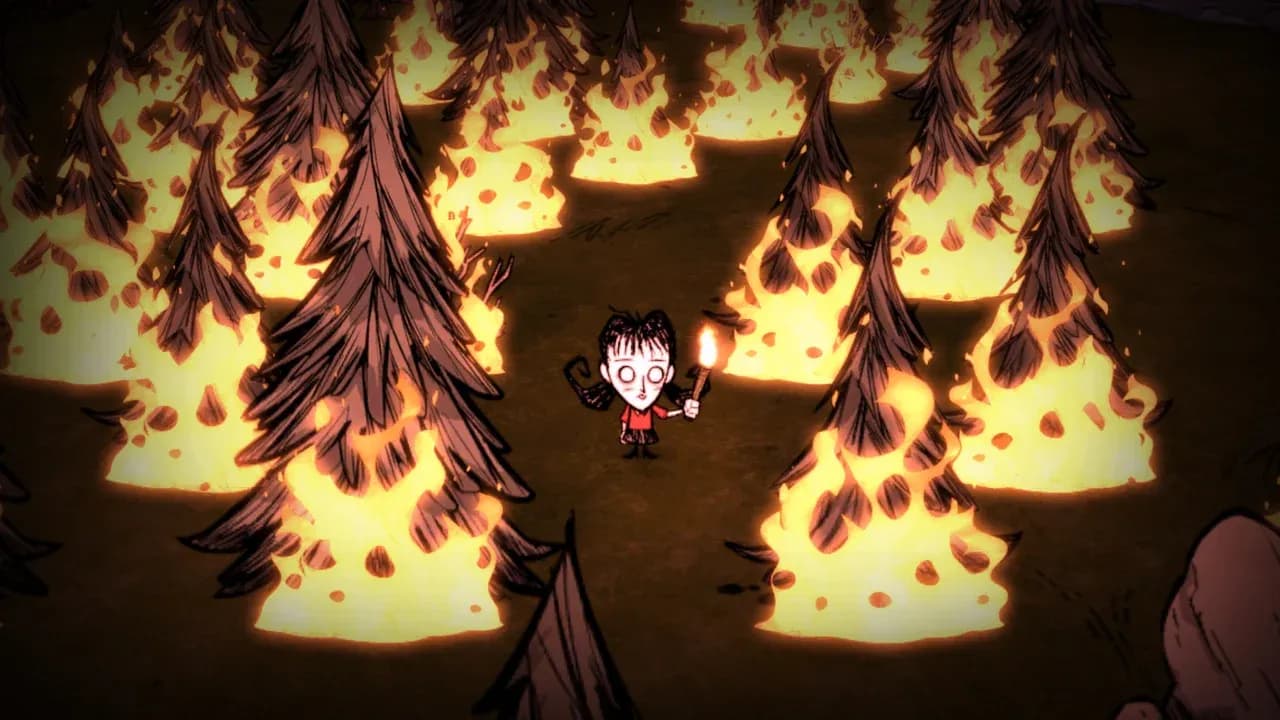
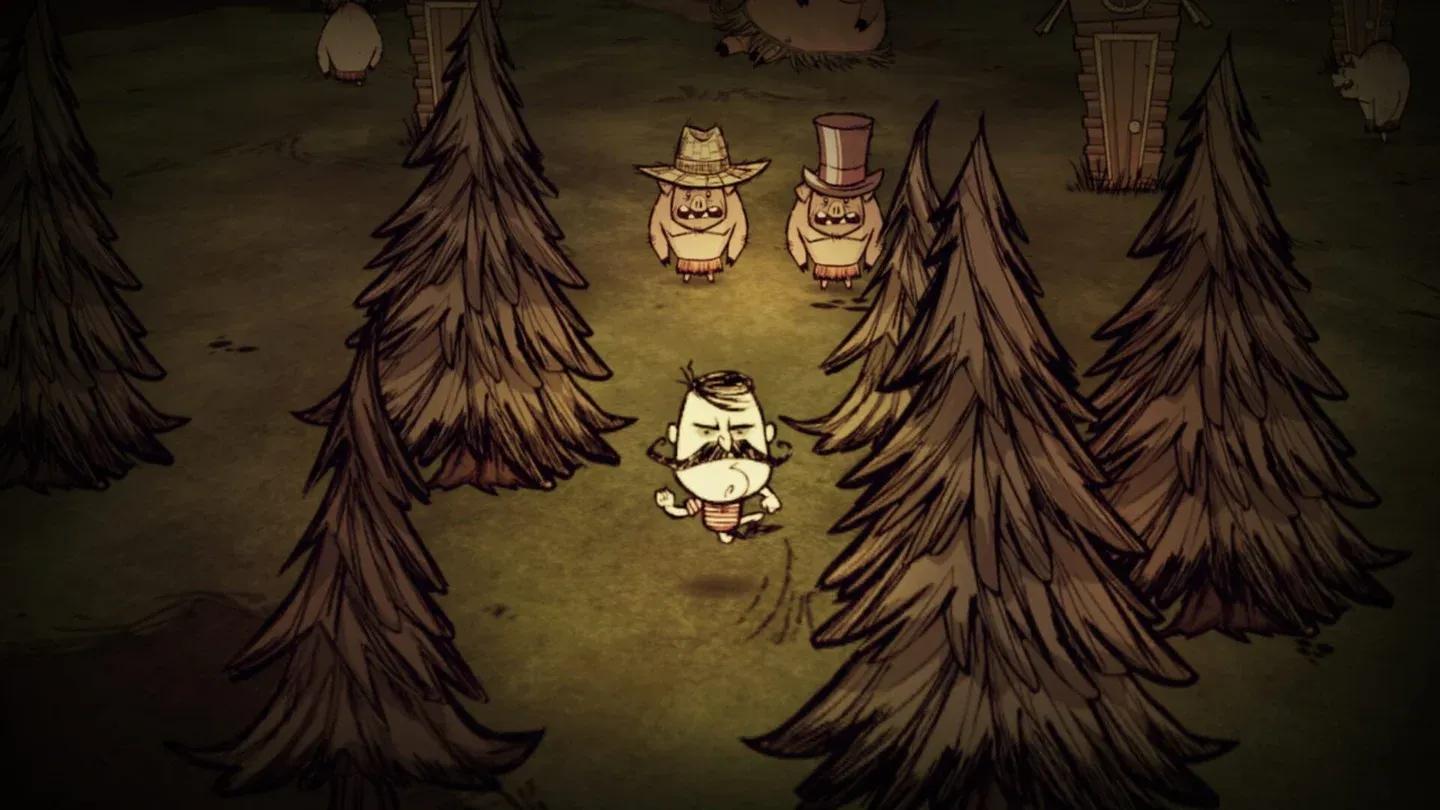
Beyond Wilson, Don't Starve features unlockable characters, each with distinct strengths and drawbacks that change how a run plays out entirely. Willow is immune to fire damage but loses sanity faster in the dark. Wolfgang becomes stronger when well-fed but requires more food to maintain. These characters give the game real replayability without inflating the runtime artificially.
The Reign of Giants and Shipwrecked DLC expansions add new biomes, seasons, and creatures that push the survival systems further. With procedural generation ensuring no two worlds play the same, Don't Starve remains one of the most replayable survival games in the indie space more than a decade after its original release.
Don't Starve content image