Overview
Binary Domain drops players into Tokyo in 2080, a city rebuilt above the waterline after global warming swallowed 75% of habitable land. You play as Dan Marshall, a member of a R.U.S.T. crew dispatched by the UN to investigate the Amada Corporation for allegedly creating "hollow children", robots indistinguishable from humans, banned under the New Geneva Convention's Clause 21. The setup sounds like a sci-fi thriller, and it plays like one too.
The world-building here is more considered than most shooters bother with. The flooded lower city feels genuinely lived-in, a decaying underworld beneath gleaming towers where robots have quietly replaced the human workforce. That tension between utility and identity runs through every mission. Ryu Ga Gotoku Studio, better known for the Yakuza series, brings that same eye for character work and atmosphere to a genre that usually ignores both.
Binary Domain content image
Gameplay and mechanics
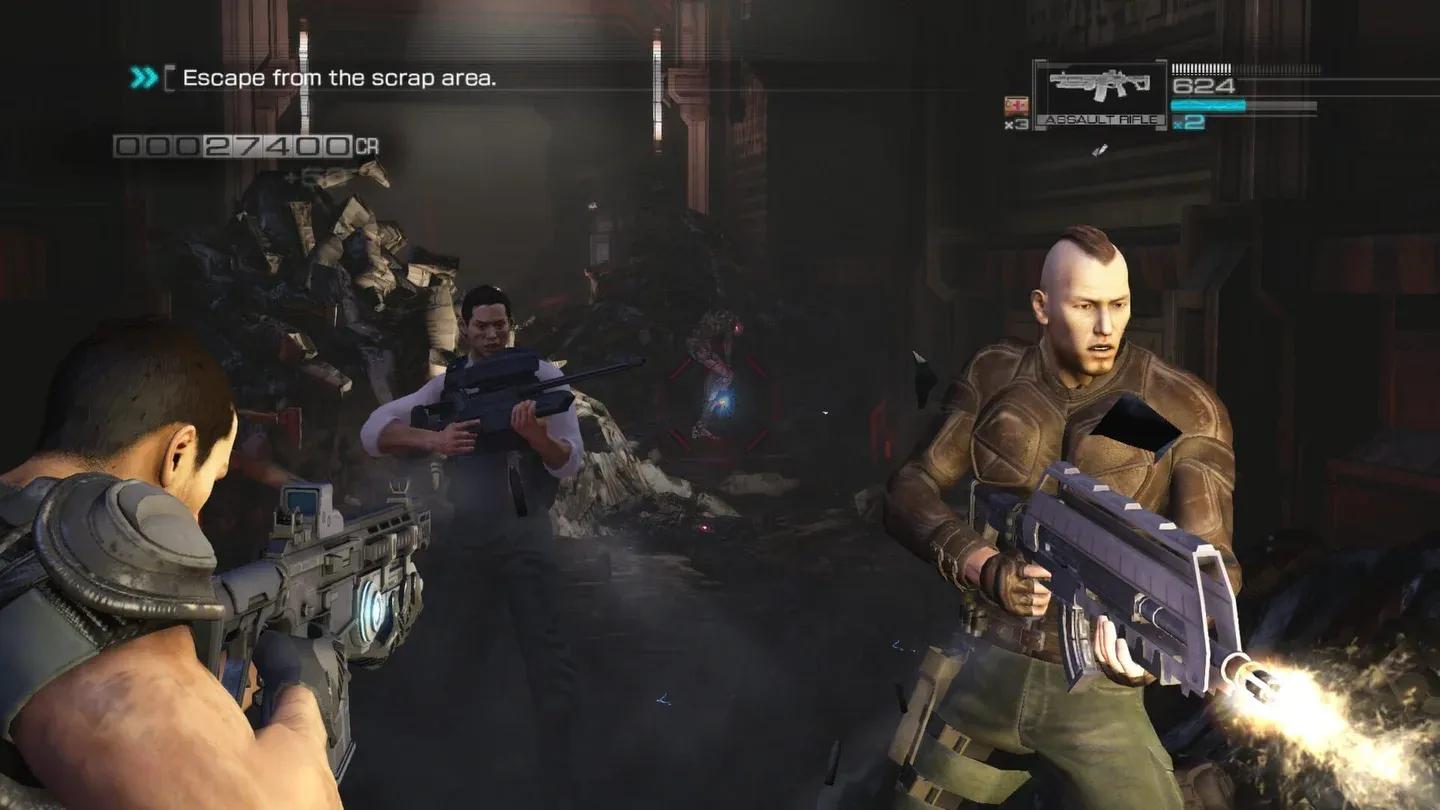
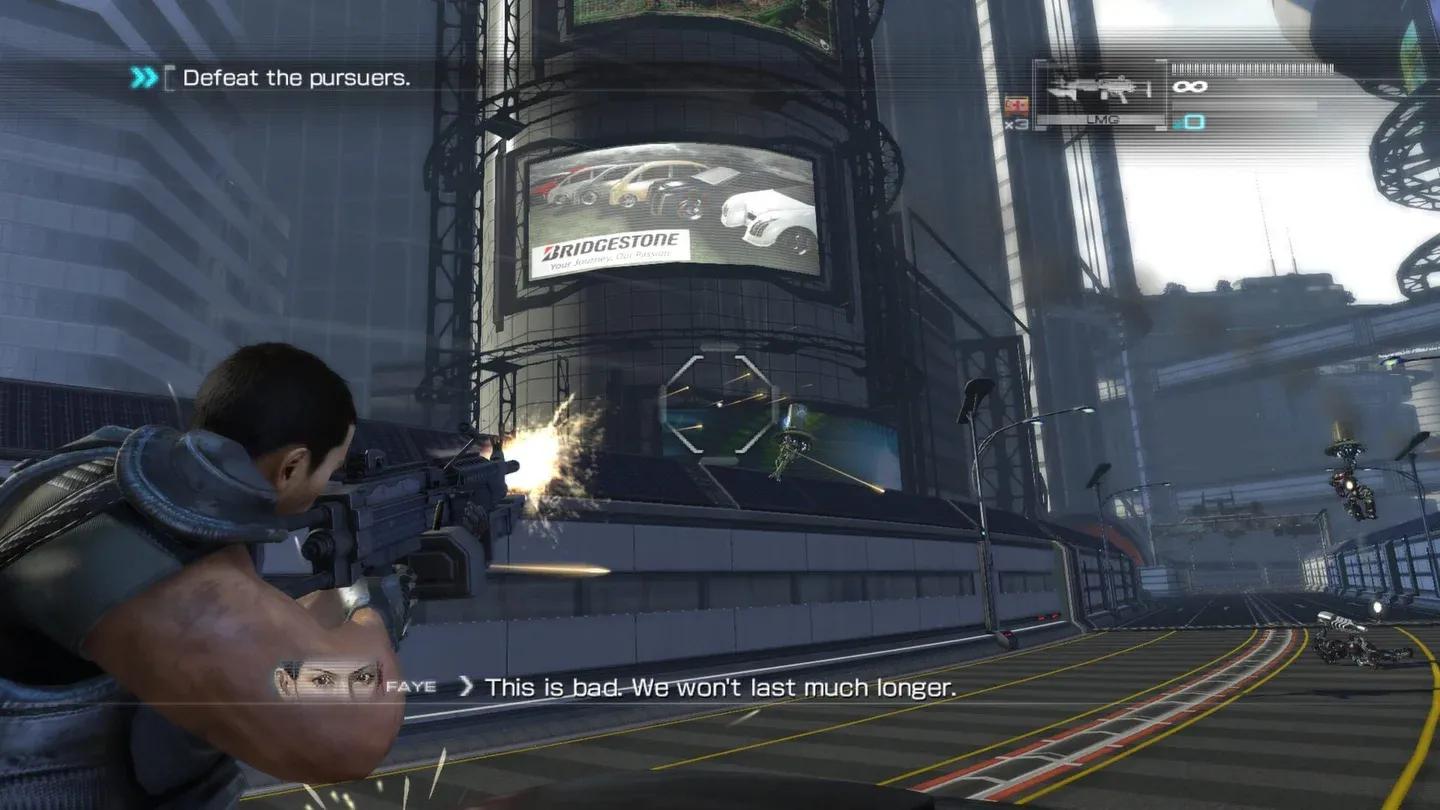
At its core, Binary Domain is a cover-based third-person shooter with squad commands and a real-time trust system. The key features that define the experience:
Binary Domain content image
- Trust meter that shifts based on your decisions and voice commands
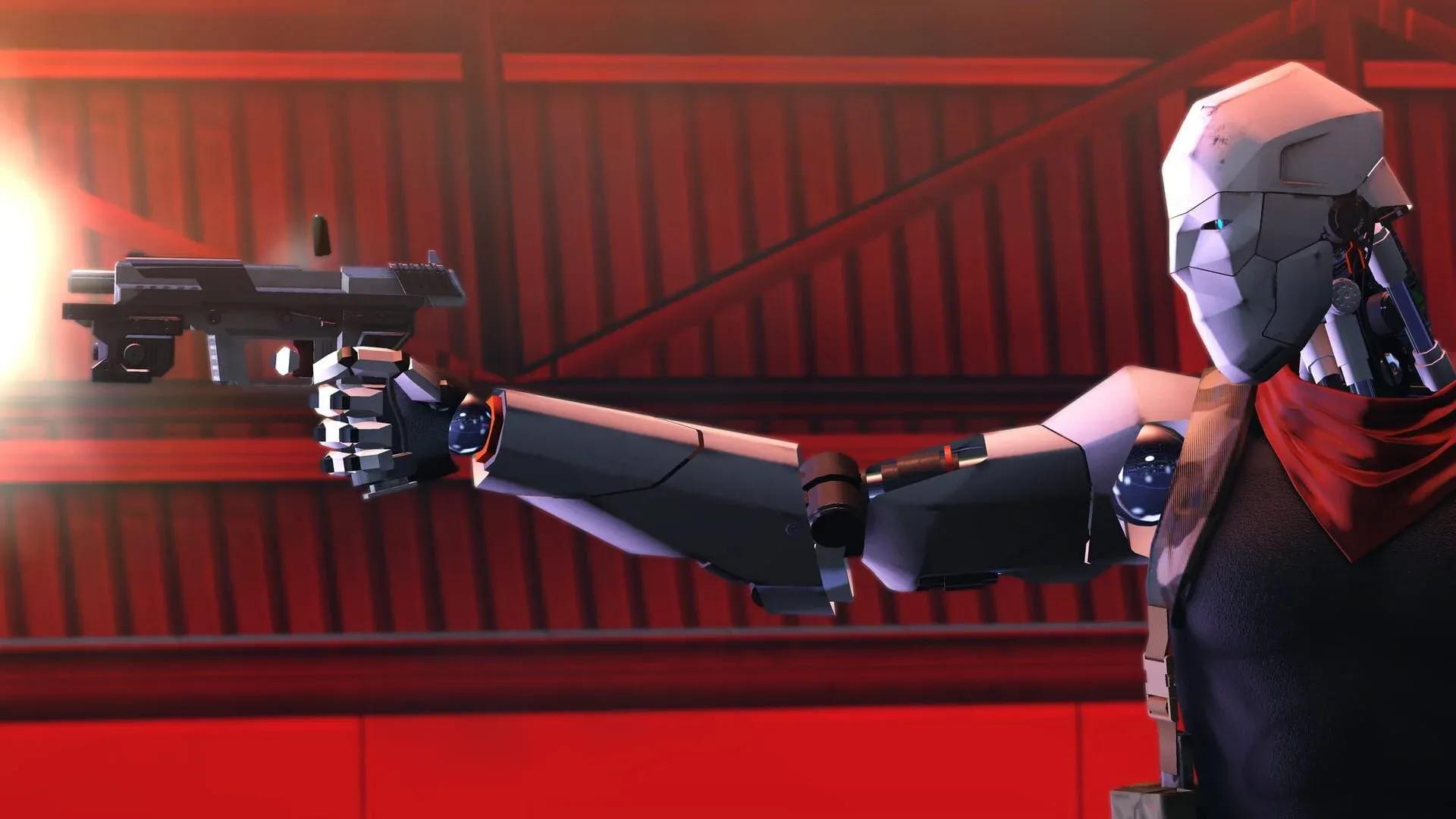
- Modular robot damage that changes enemy behavior mid-fight
- Real-time moral choices that affect squad loyalty
- Tactical squad orders issued through a command wheel
- Enemy AI that adapts as limbs and sensors are destroyed
The modular damage system is where the gunplay earns its reputation. Shoot a robot's legs off and it crawls toward you. Take out its optical sensors and it starts firing blind. Enemies don't just absorb bullets, they react to where they're being hit, which makes every firefight feel more purposeful than the standard cover-and-pop loop.
Binary Domain content image
What does the trust system actually change?
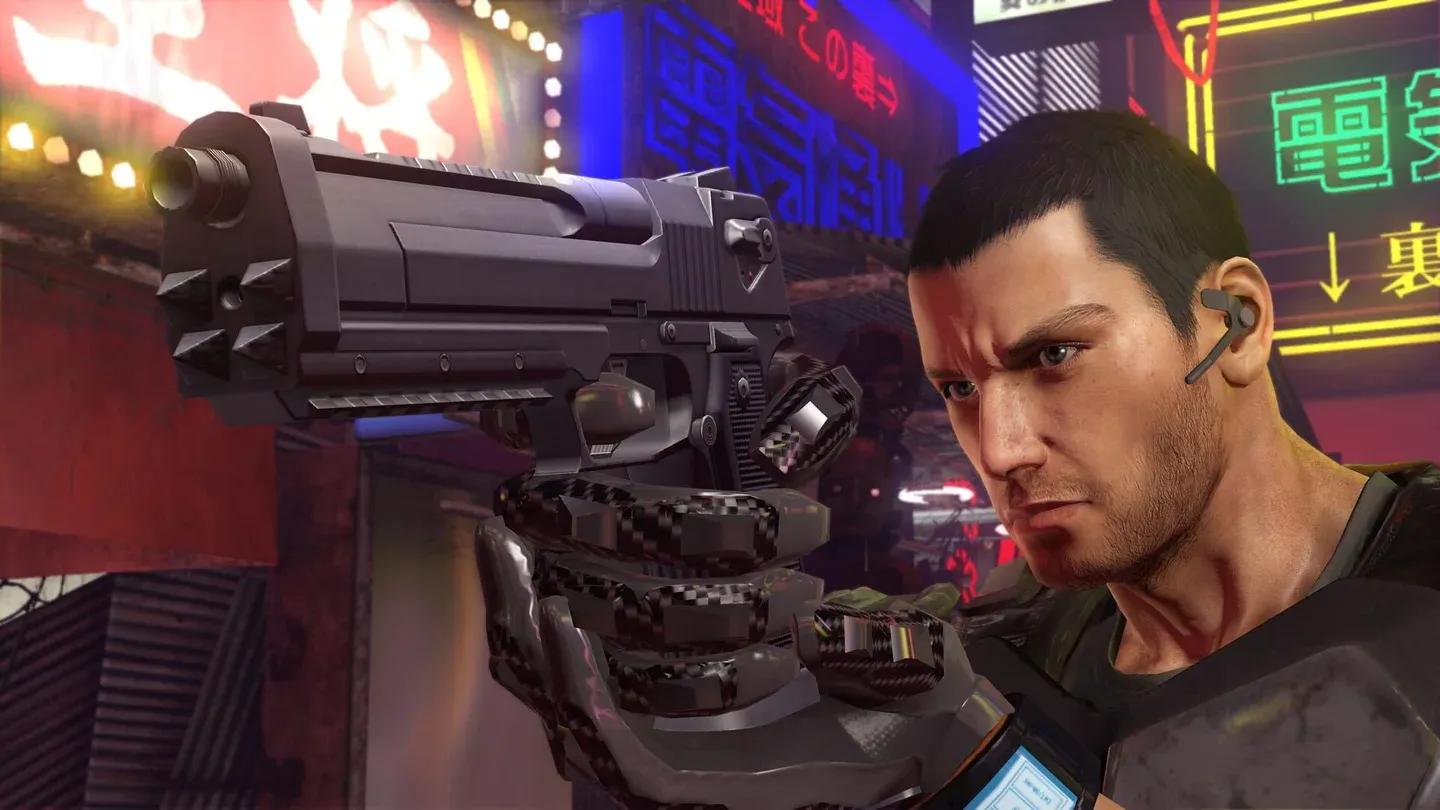
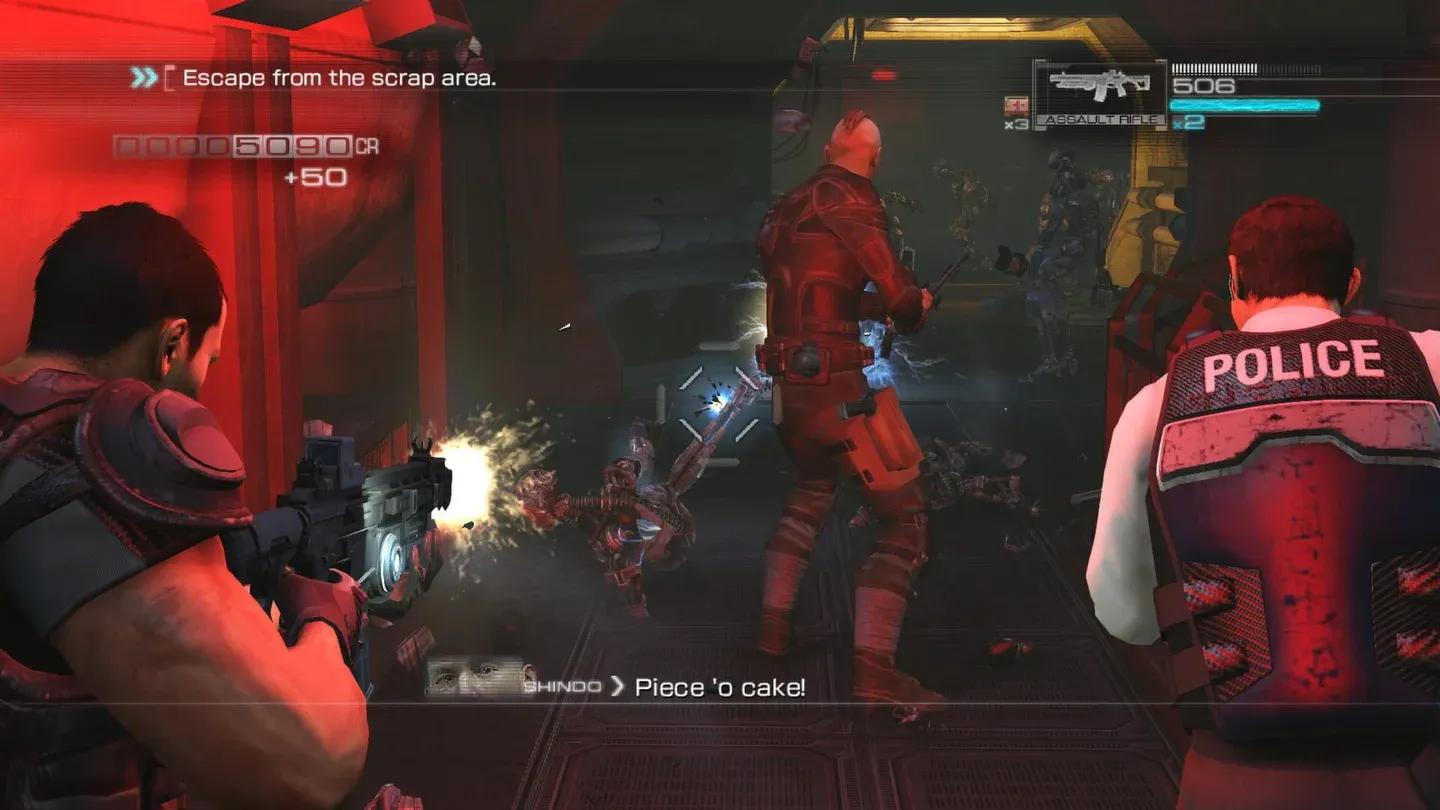
The trust system is Binary Domain's most distinctive mechanic. Each squadmate tracks how much they respect Dan based on your combat performance, dialogue choices, and whether you follow orders or ignore them. High trust means teammates fight harder, respond faster to commands, and occasionally save your life without being told. Low trust means hesitation, missed shots, and squadmates who second-guess your calls.
Voice commands were part of the original console release, letting players issue orders by speaking into a headset. The PC version handles this through button prompts, which works just as well. Either way, the system creates genuine investment in keeping your team happy, not because the game tells you to, but because the consequences are mechanical and immediate.
Binary Domain content image
World and setting
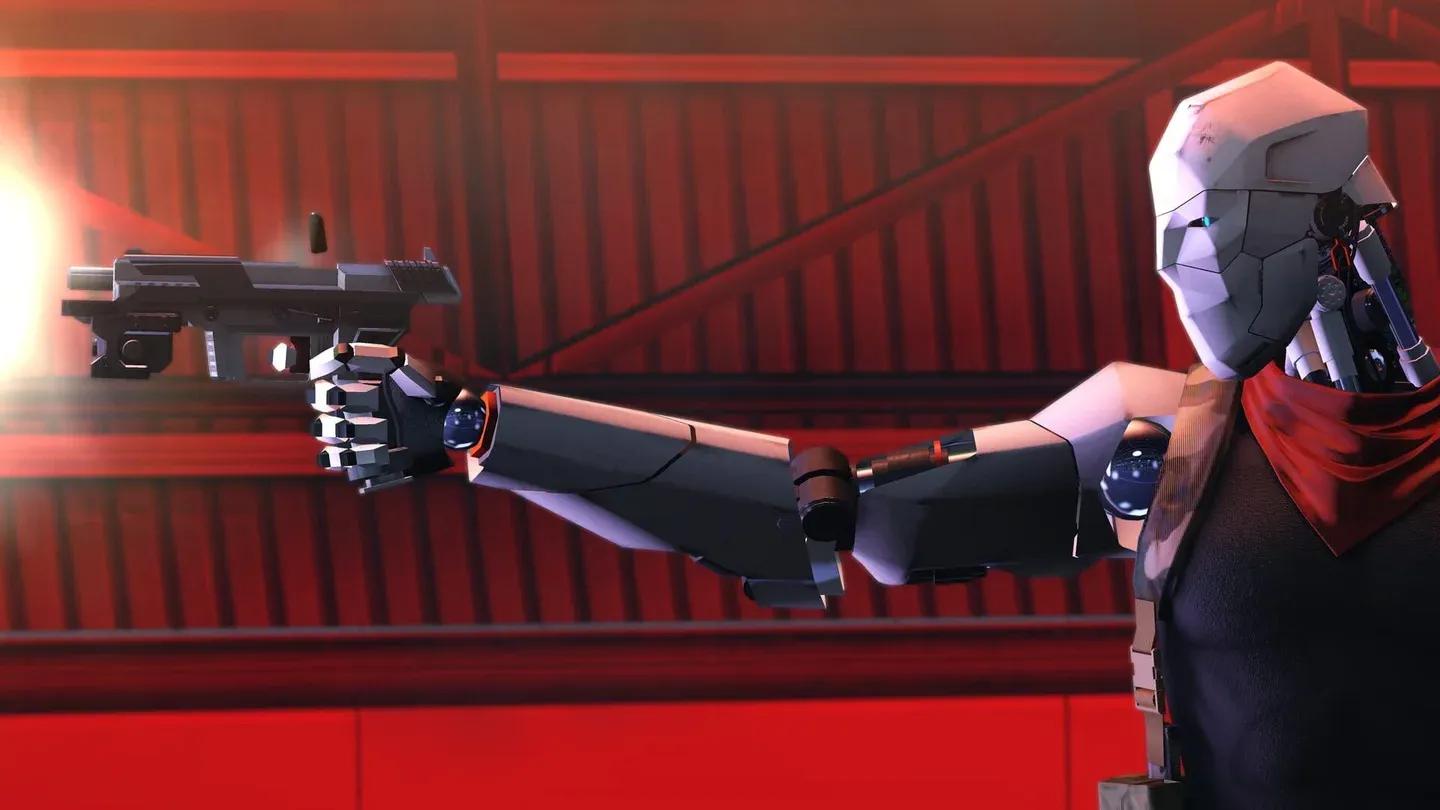
The flooded Tokyo setting does more heavy lifting than it gets credit for. The contrast between the submerged lower city and the corporate towers above it maps directly onto the game's central question about what separates humans from machines. When a hollow child breaks into Bergen's headquarters after discovering his own nature, the story stops being about robots and starts being about identity.
That philosophical thread runs through the squad conversations, the enemy designs, and the boss encounters. Binary Domain never loses sight of the human cost embedded in its premise, which is rarer in the squad shooter genre than it should be.