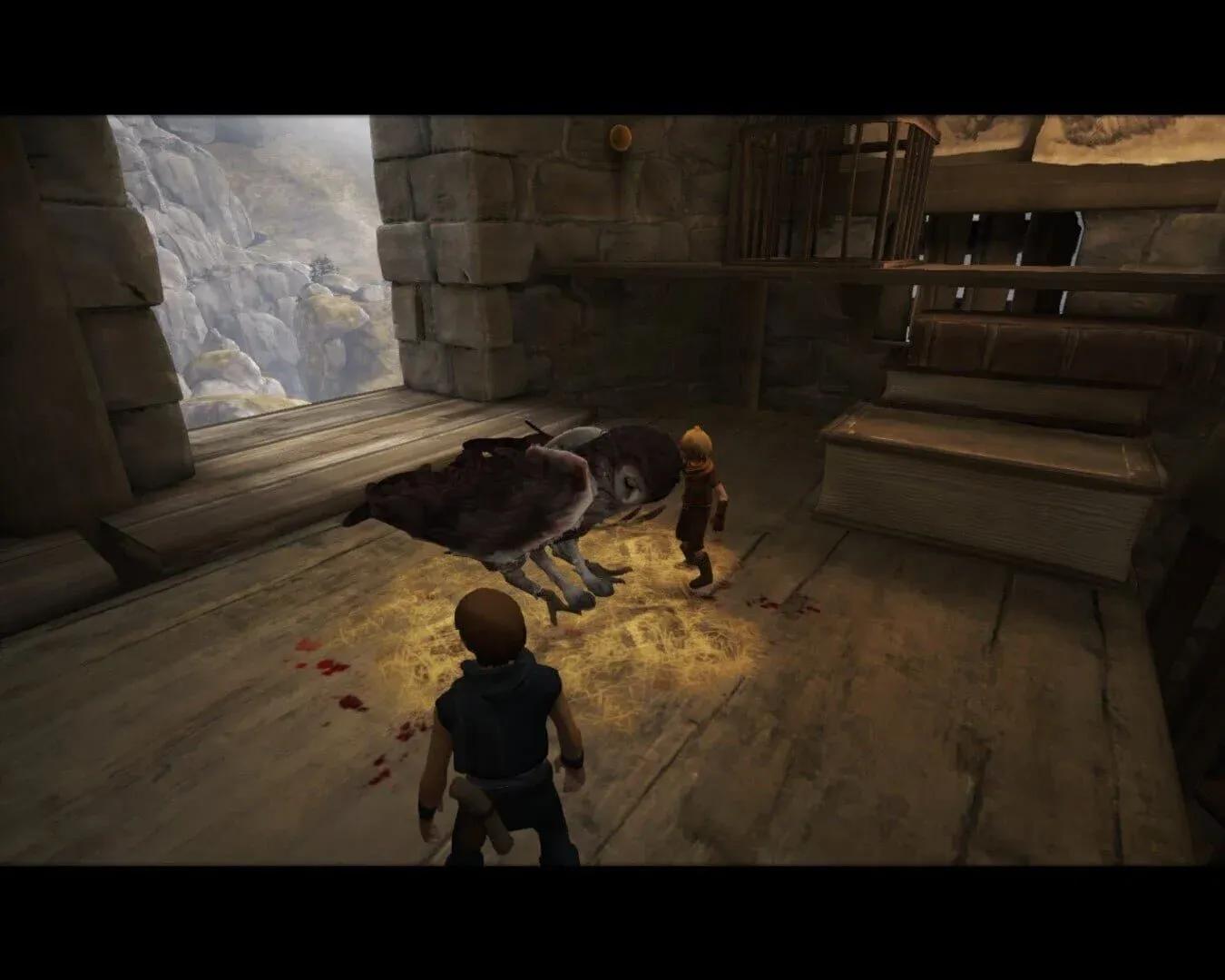
Overview
Brothers: A Tale of Two Sons follows two brothers, Naiee and Naia, on a desperate quest to find the Water of Life and save their dying father. Published by 505 Games and developed by Starbreeze Studios, the game was released on August 7, 2013, and went on to win a BAFTA in 2014 alongside recognition from DICE Awards and multiple Game of the Year lists. The premise is simple. The execution is anything but.
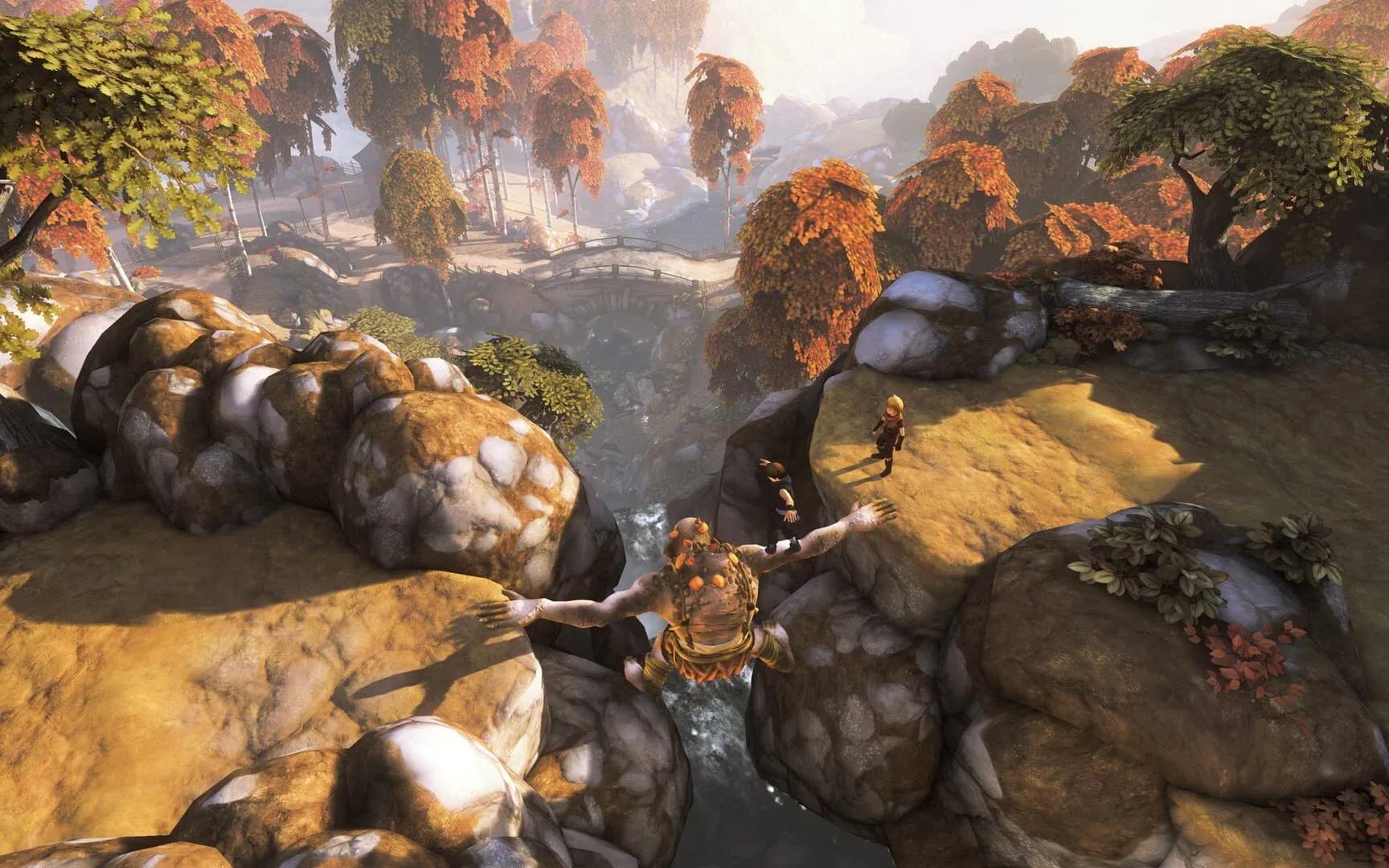
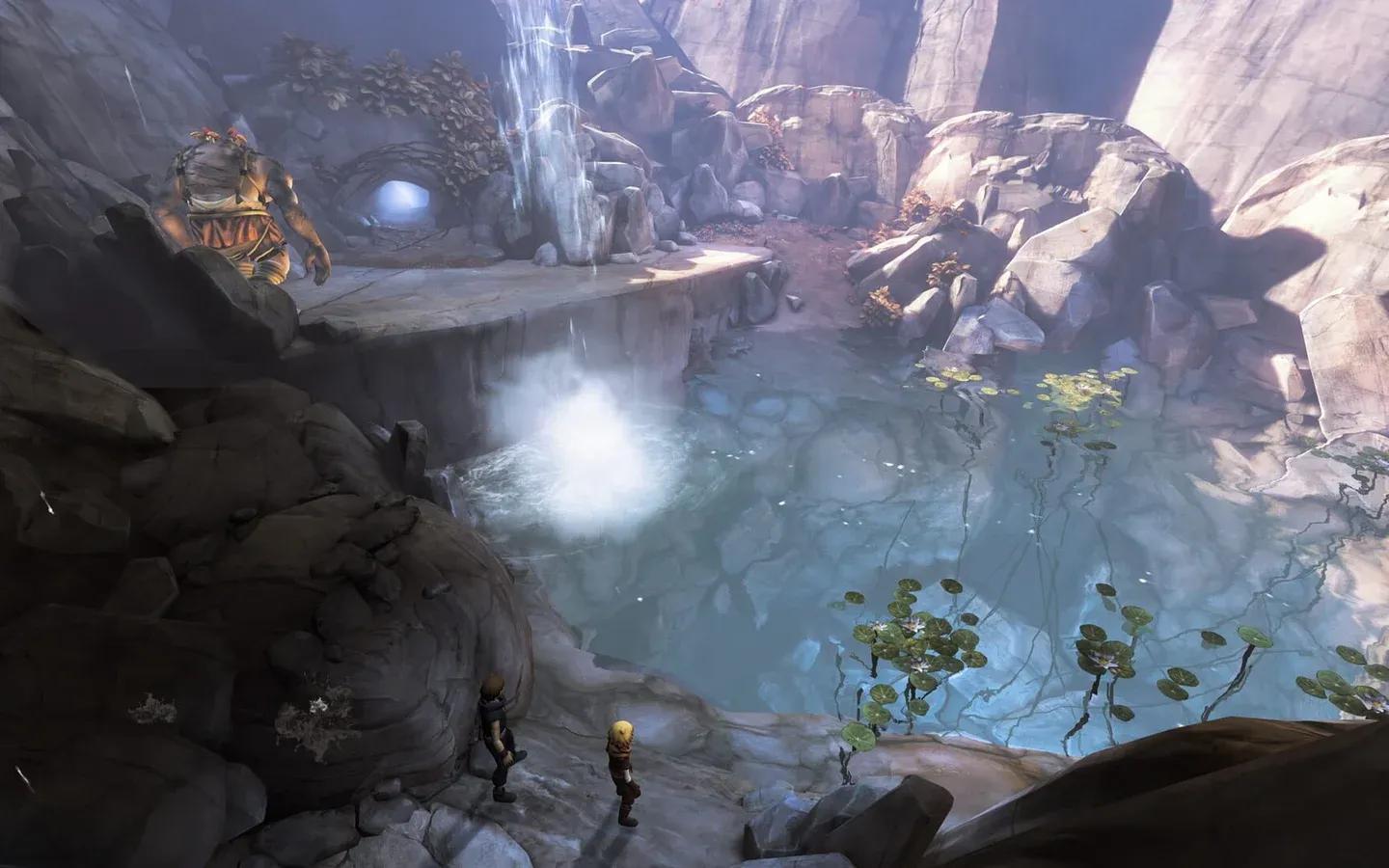
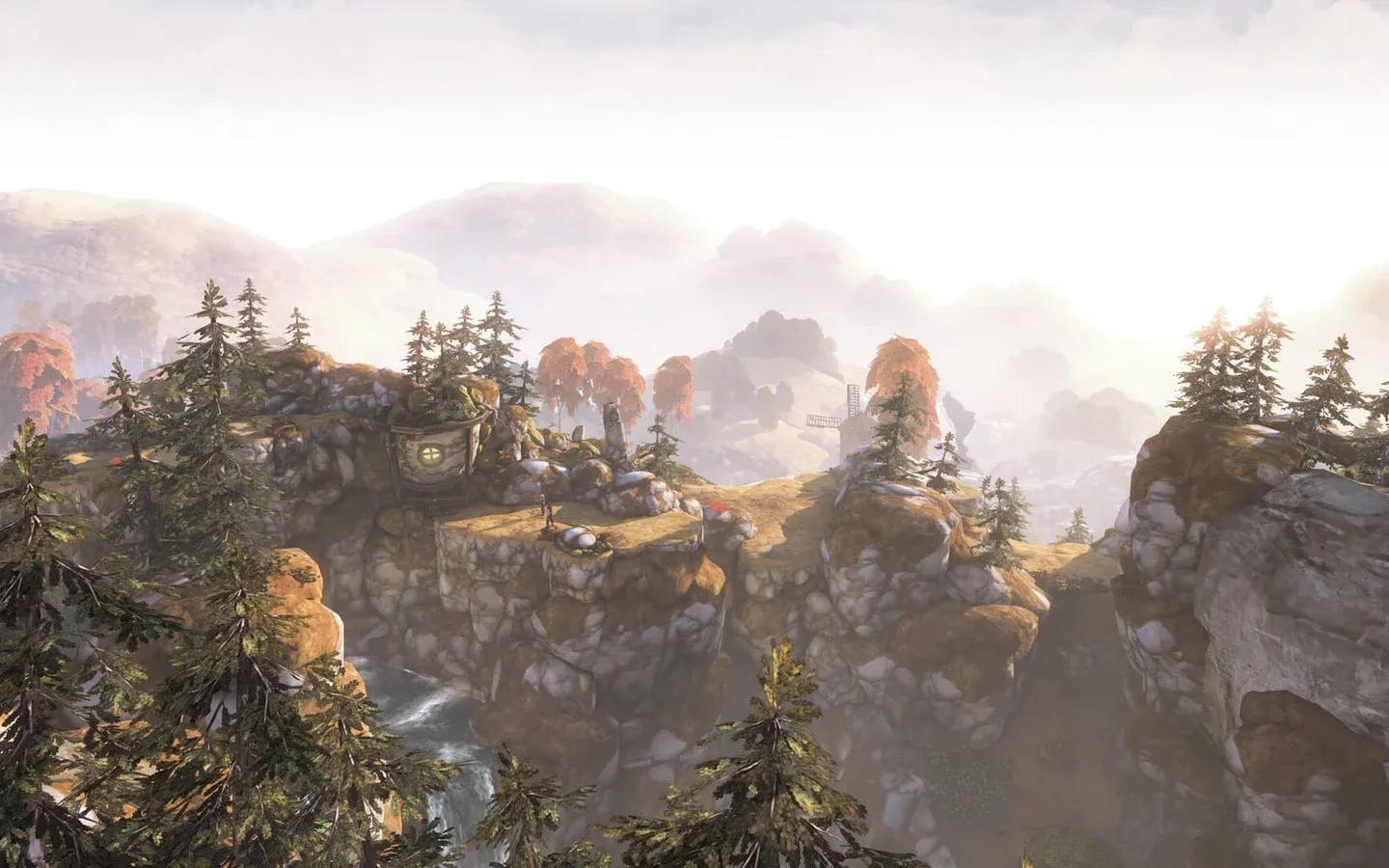
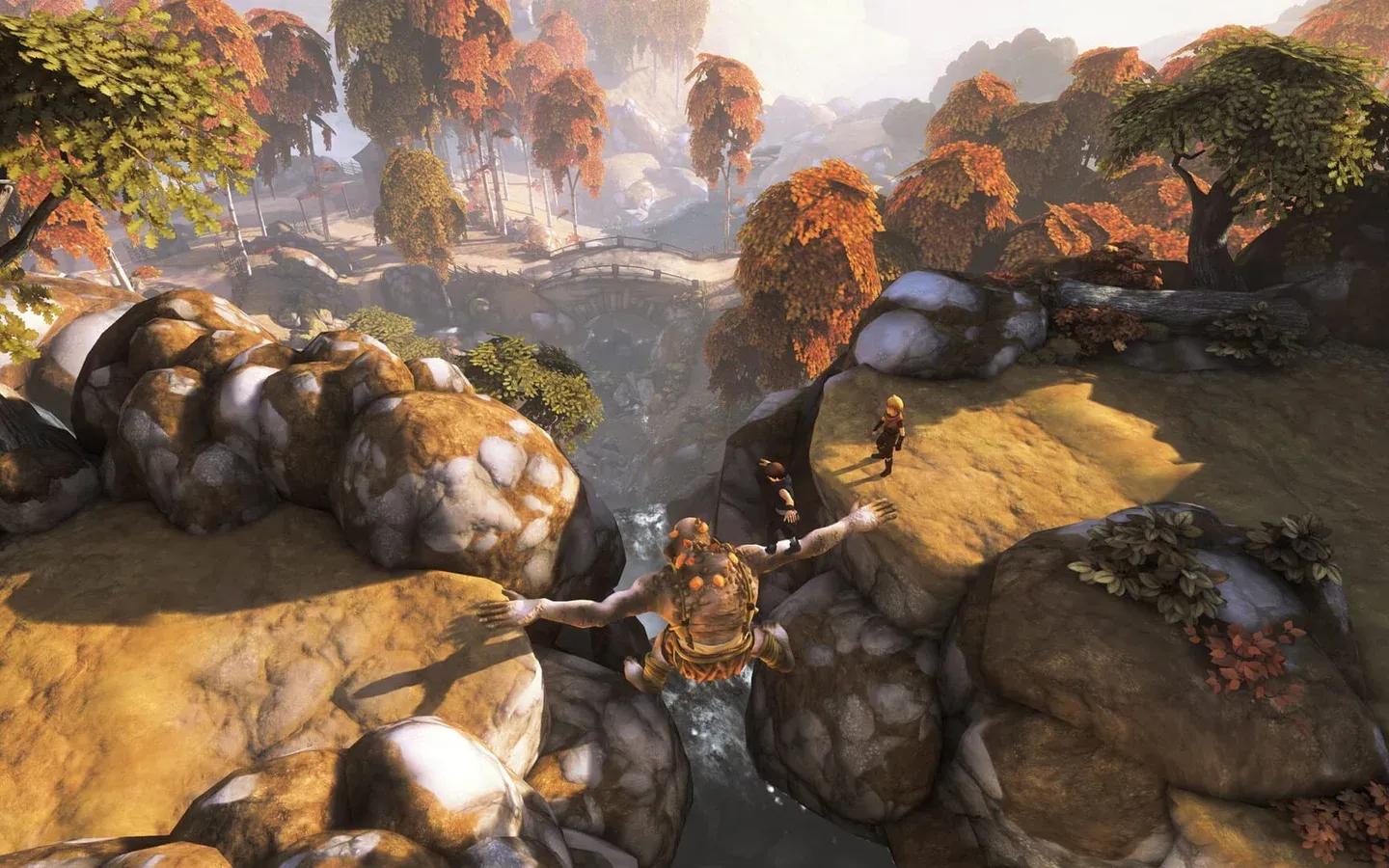
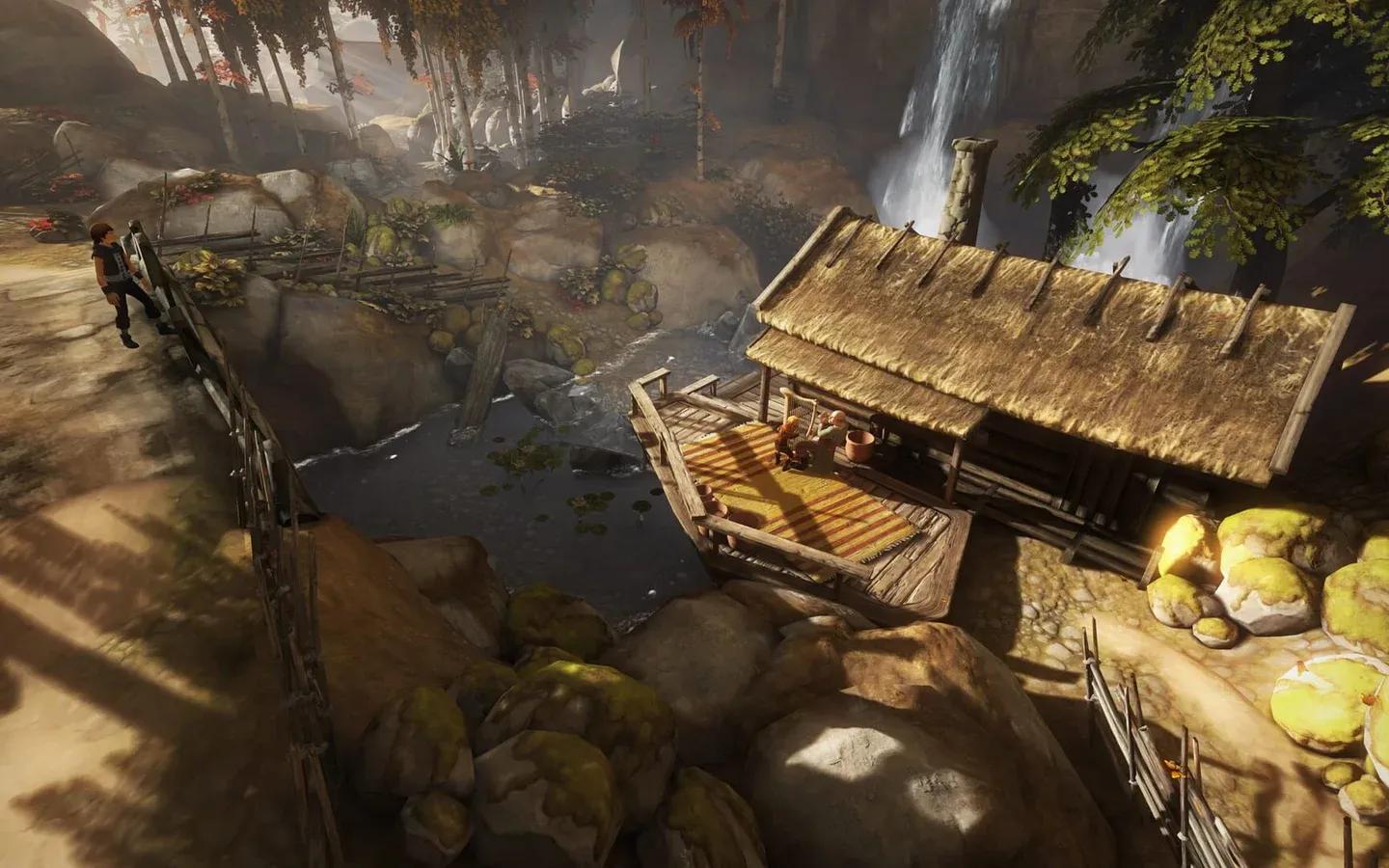
The world the brothers travel through is built from fairy-tale architecture: villages, mountain passes, forests, and stranger places beyond. Every environment is designed to demand cooperation, and the story is told entirely through gesture, expression, and a fictional spoken language. There is no subtitle translation. You read the characters through how they move and react, which makes the emotional beats land harder than most games with full voice acting.

How does the dual-control mechanic work?
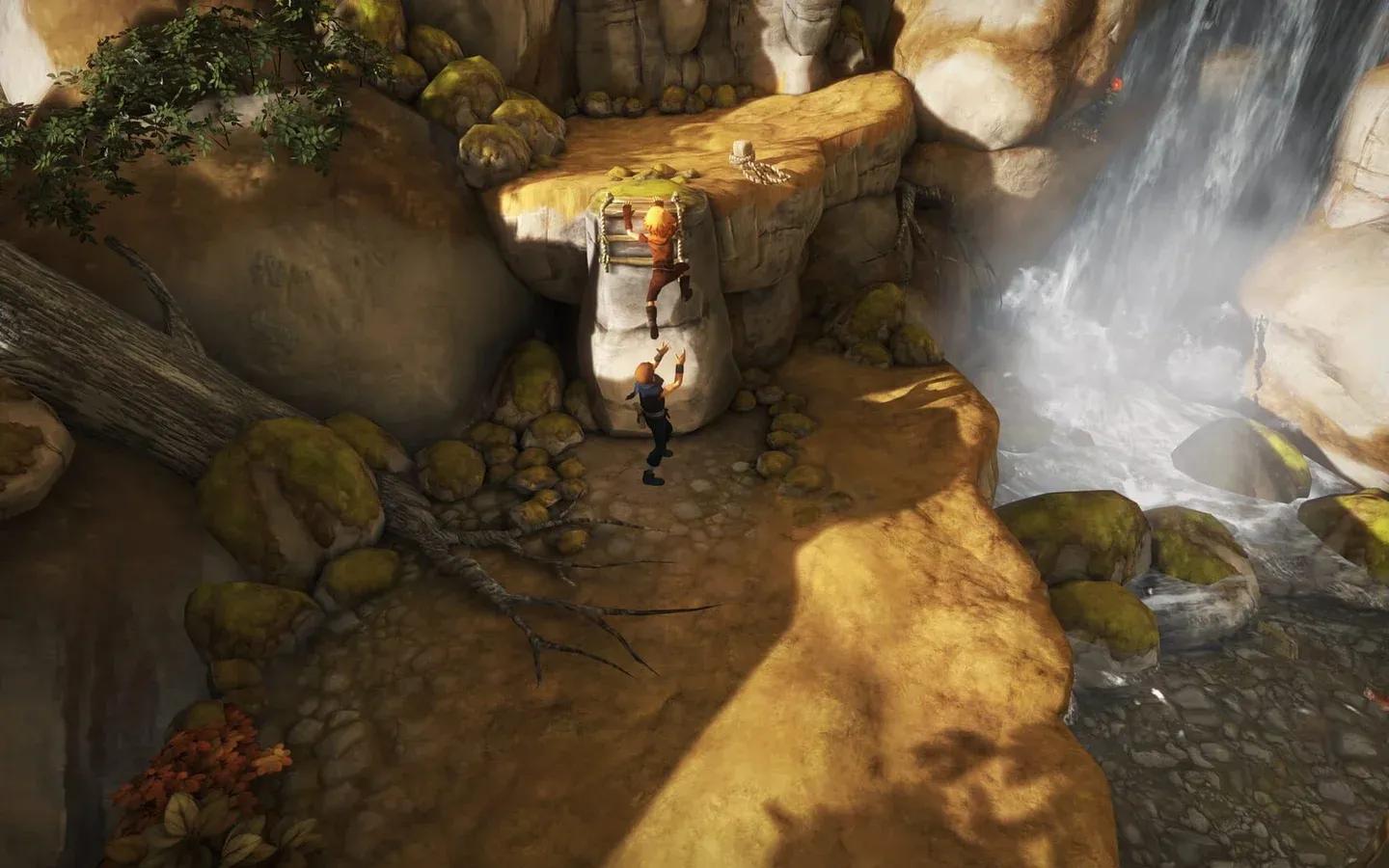
The defining feature of Brothers is its control scheme. Each thumbstick on the controller moves one brother independently, and each trigger causes that brother to interact with whatever is nearby. The older brother, Naia, is physically stronger and can pull levers and boost his younger sibling to higher ground. The younger brother, Naiee, is small enough to squeeze through narrow bars and gaps that Naia cannot fit through.

Key mechanics built around this system include:
- Simultaneous character movement across split environments
- Context-sensitive interactions tied to each trigger
- Puzzle solutions requiring both brothers to act at once
- Distraction and evasion sequences against hostile characters
- Checkpoint-based recovery when either brother is injured
This setup means every puzzle is a physical negotiation between your two hands. Coordinating both brothers to, say, hold a rope taut while the other climbs it sounds straightforward until your brain starts fighting itself. That cognitive tension is intentional and central to what makes the game memorable.

World and setting
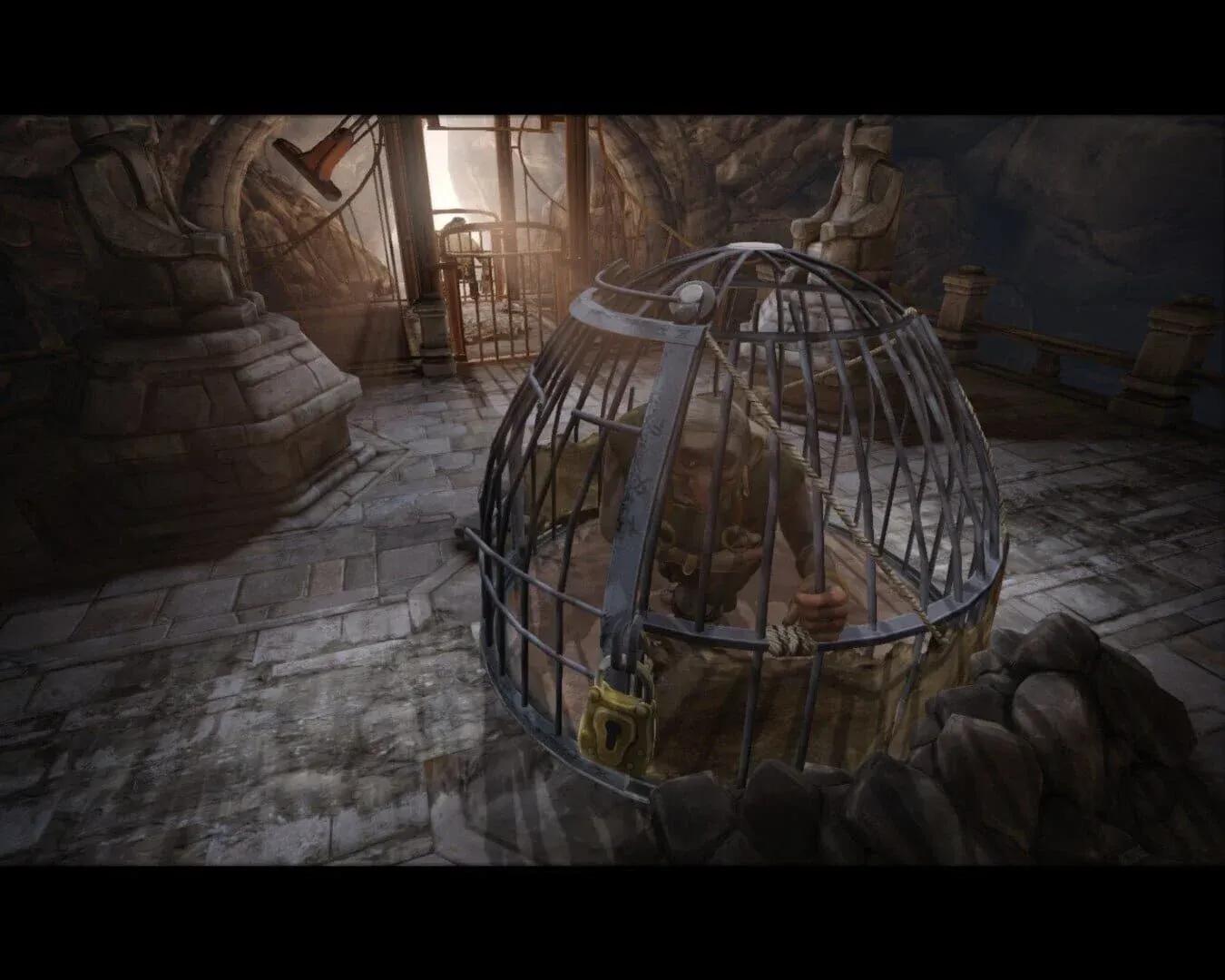
The journey takes Naiee and Naia through a world that feels assembled from Norse myth and Brothers Grimm folklore without directly copying either. Trolls block mountain paths. Wolves stalk forest clearings. Giants rest in ruins. The visual style is painterly and muted, favoring greens, grays, and earthy browns that shift as the brothers move from warmer, familiar territory into colder and more hostile regions.
All dialogue is spoken in a constructed fictional language, which means the game never localizes emotion through words. Characters communicate through posture and timing. The score reinforces this, using orchestral themes that swell and recede in response to what the brothers encounter rather than following a fixed dramatic script.
Impact and legacy
Brothers holds a rare position in indie game history as a title that made a mechanical argument about storytelling. The control scheme is not a gimmick layered on top of a narrative. It is the narrative. The way the game uses its final act to recontextualize everything the player has learned about the controls is one of the most discussed design decisions in the medium, and it still gets cited in conversations about what games can do that no other art form can replicate.
Available across PlayStation, Xbox, Nintendo Switch, PC via Steam and Epic Games Store, Android, and iOS, Brothers remains accessible more than a decade after its original release. The PlayStation Store rating sits at 4.37 out of 5 from over 6,400 players, which reflects consistent appreciation rather than launch-window enthusiasm. For a puzzle-adventure built around a single playthrough of roughly three hours, that staying power says everything about the quality of what Starbreeze Studios built.