Overview
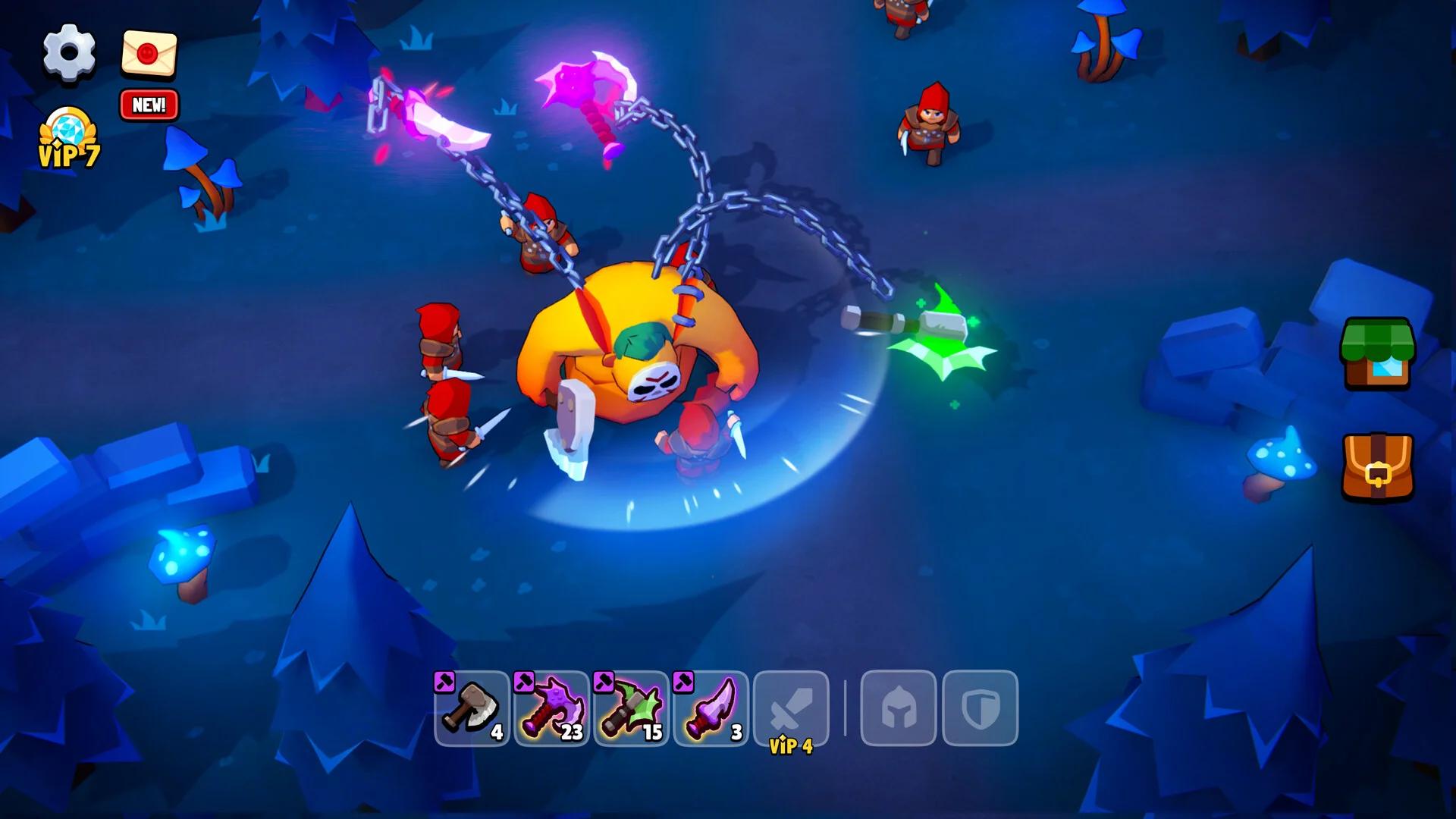
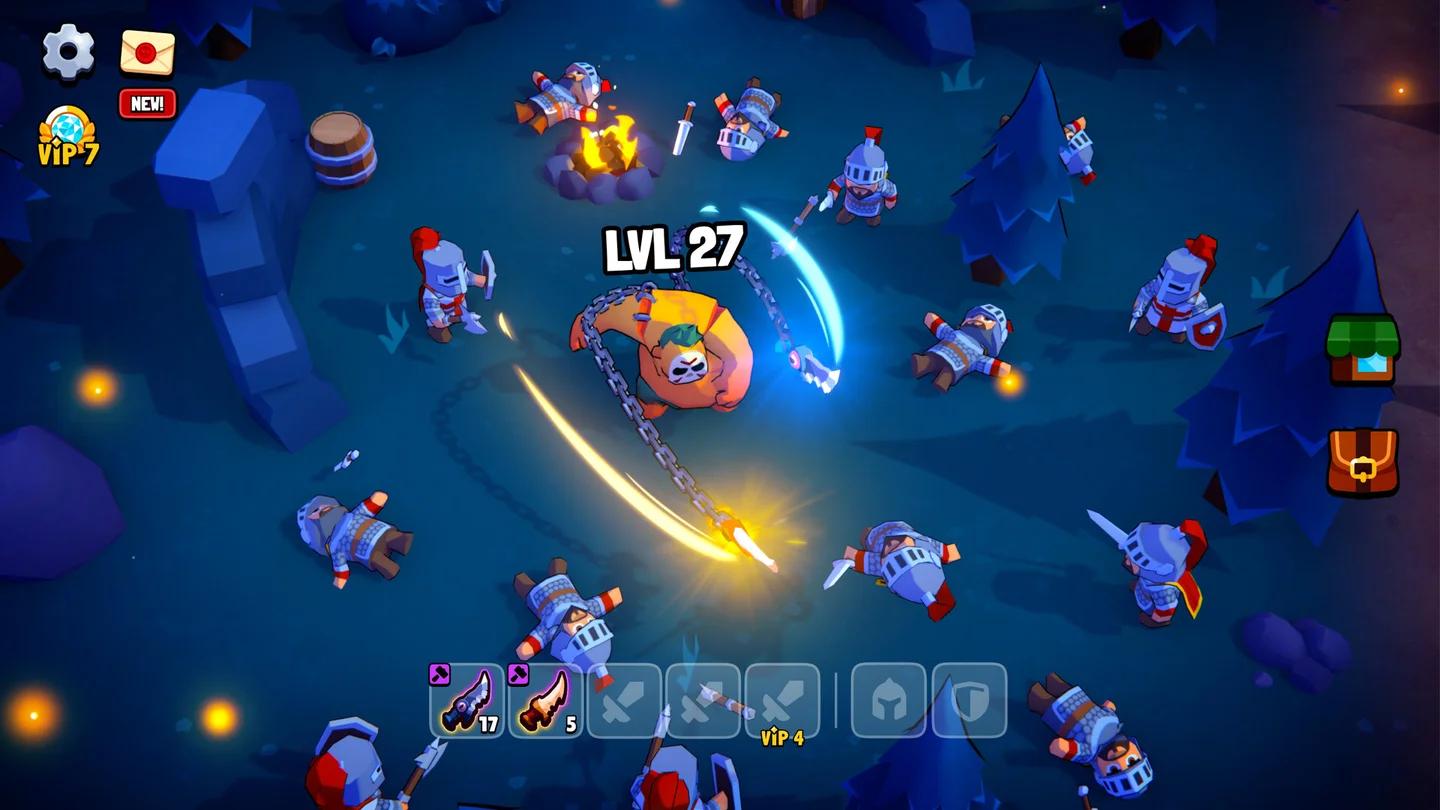
Butcher hero: hook'n'chew RPG is a dark survival RPG centered on a butcher fighting monsters and aliens. Its premise puts character growth inside the action: the creatures threatening the butcher's survival also provide the means to become stronger.
Multicast develops the game, and MulticastGames publishes it. The Windows PC title has a coming-soon listing on Steam, with its identity built around combat and enemy-driven progression.
How does hook combat work?
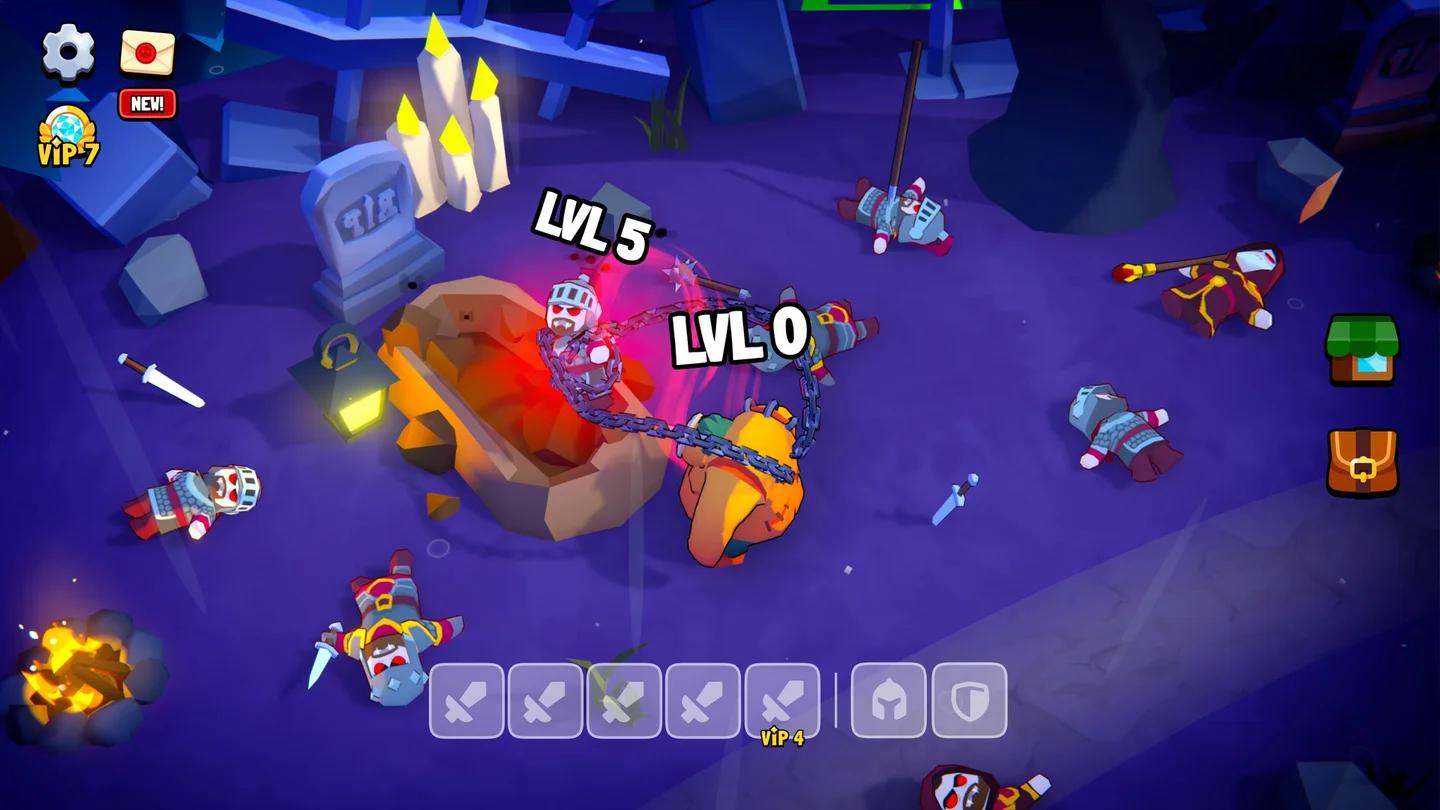
The butcher uses a hook to catch monsters and drag aliens, then consumes creatures to gain strength. This links the signature combat mechanic directly to progression, making enemies both immediate threats and resources for character development.
- Hook-based combat
- Enemy dragging
- Monster consumption
- Permanent upgrades
The hook gives the action a concrete identity beyond simply clearing enemies. Pulling creatures into the encounter fits the butcher theme, while consumption makes the character's appetite part of the RPG system. Combat supplies the material for growth instead of functioning as a separate activity alongside it.
Building damage, speed, and armor
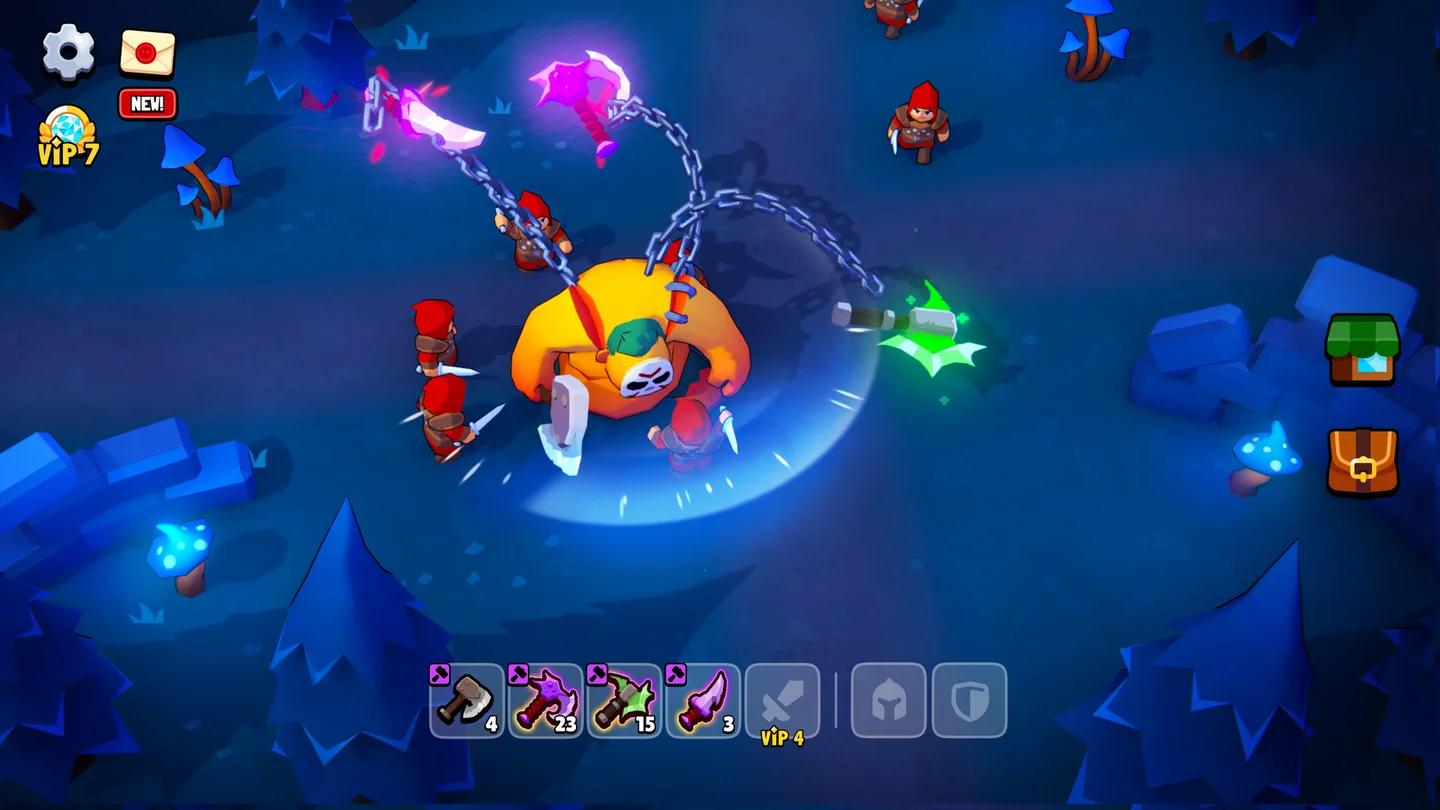
Character development centers on absorbing enemy stats and making repeated upgrade choices. Damage, speed, and armor provide distinct directions for a build. These are practical combat attributes, keeping progression focused on how the butcher fights and survives rather than on an unrelated management layer.
Damage and armor establish an offensive-versus-defensive decision, while speed offers another priority. The interesting choice lies in how those attributes accumulate: investing in stronger attacks serves a different purpose from reinforcing protection, even though both contribute to the same survival goal.
The upgrades are described as permanent, so growth is cumulative. That permanence makes each gain part of the butcher's developing strength, with the progression system emphasizing stacked improvements over temporary bursts of power.
Enemy variety and boss encounters
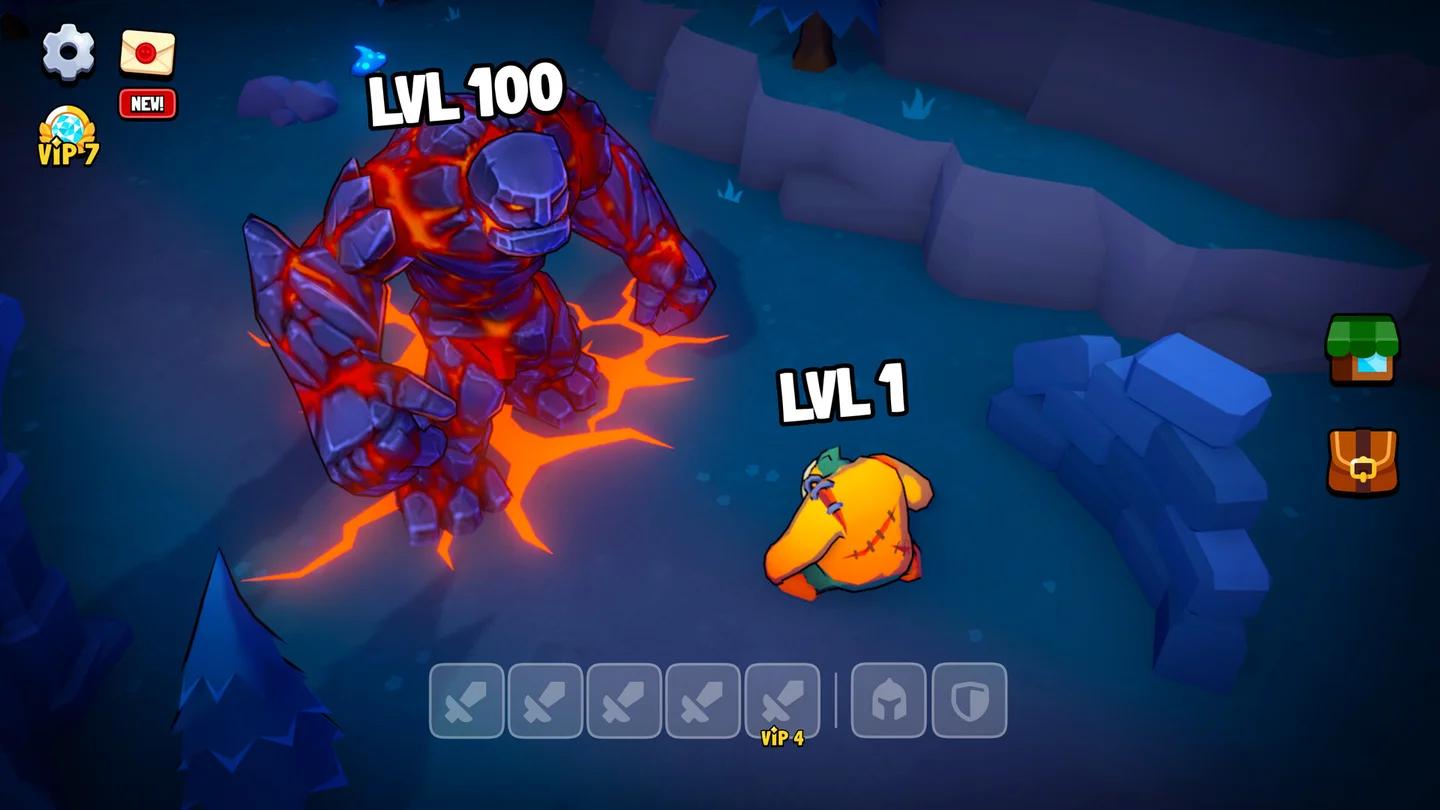
Combat includes waves of monsters and larger boss threats. The wave structure supplies repeated opposition, while bosses put the developing build against a different scale of enemy. Survival remains the central objective across both kinds of encounter.
Enemy types also affect progression. Different bosses and aliens unlock distinct upgrade paths, giving creature variety a mechanical role beyond changing the opponent's appearance. The butcher's development connects to the kinds of enemies defeated, not solely to the number of kills accumulated.
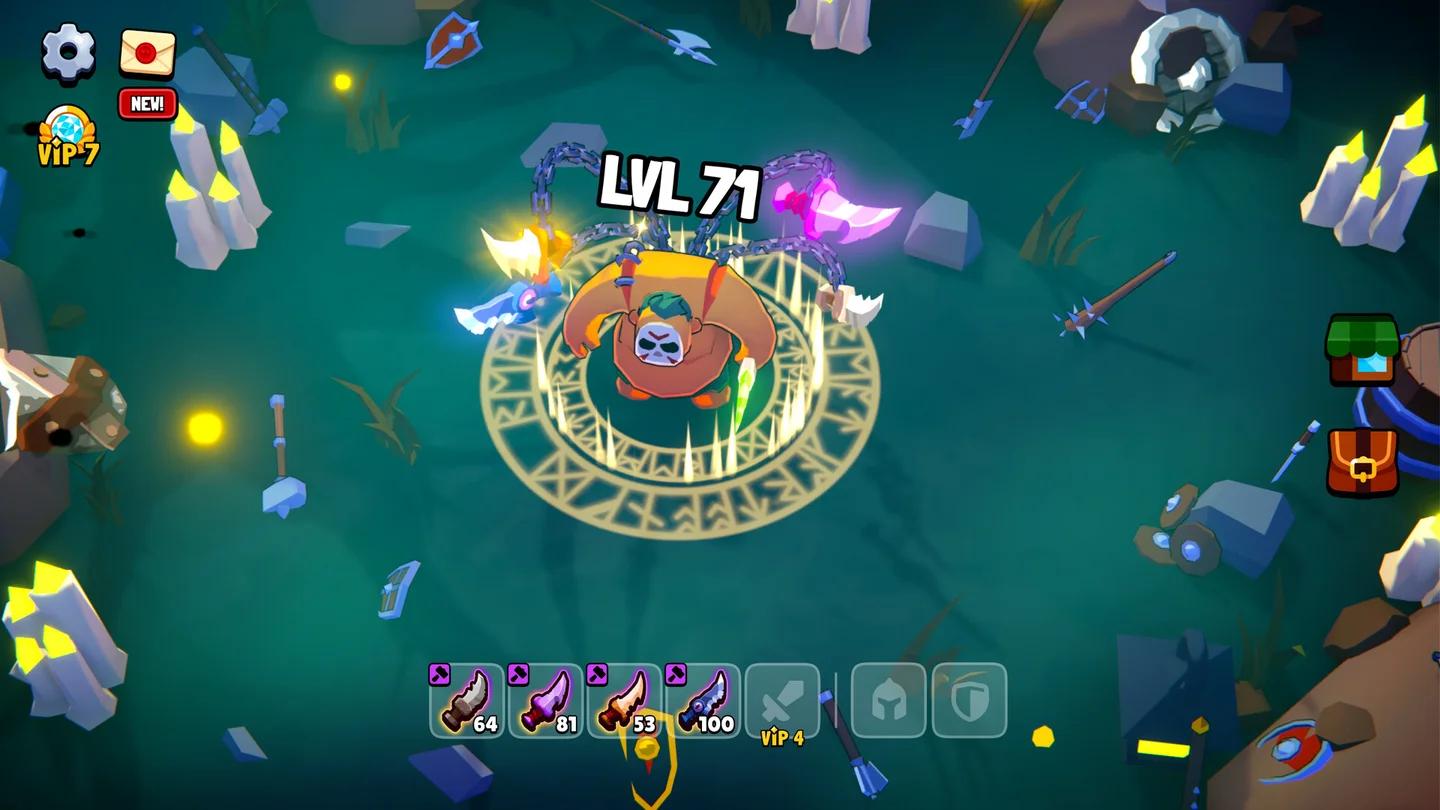
This creates two connected pressures within the survival RPG loop: enduring the current opposition and strengthening the build through it. Boss encounters sit at that intersection, pairing dangerous enemies with progression opportunities. The hook-and-consume premise keeps those systems tied to the butcher's actions, making character growth part of the fighting itself.