
Overview
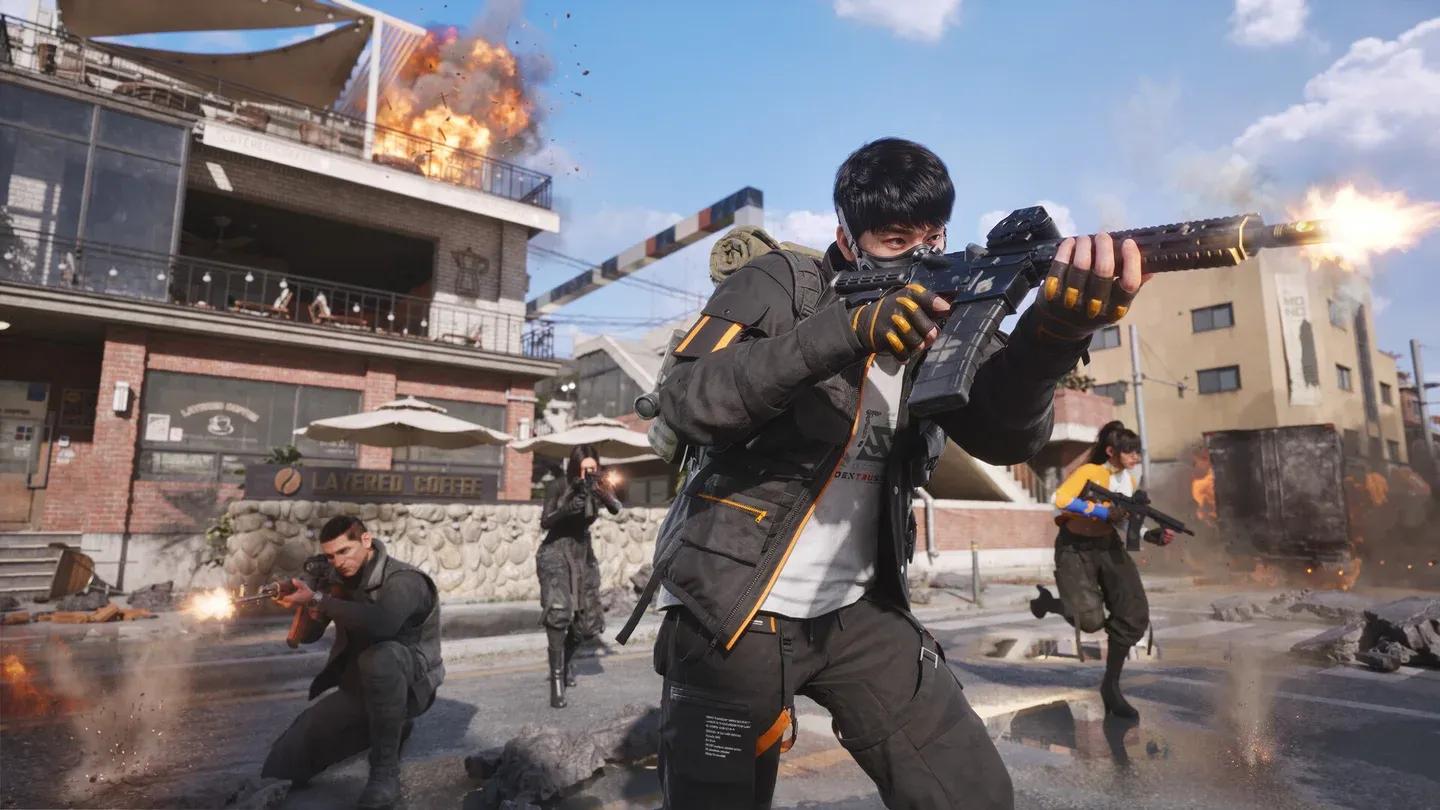
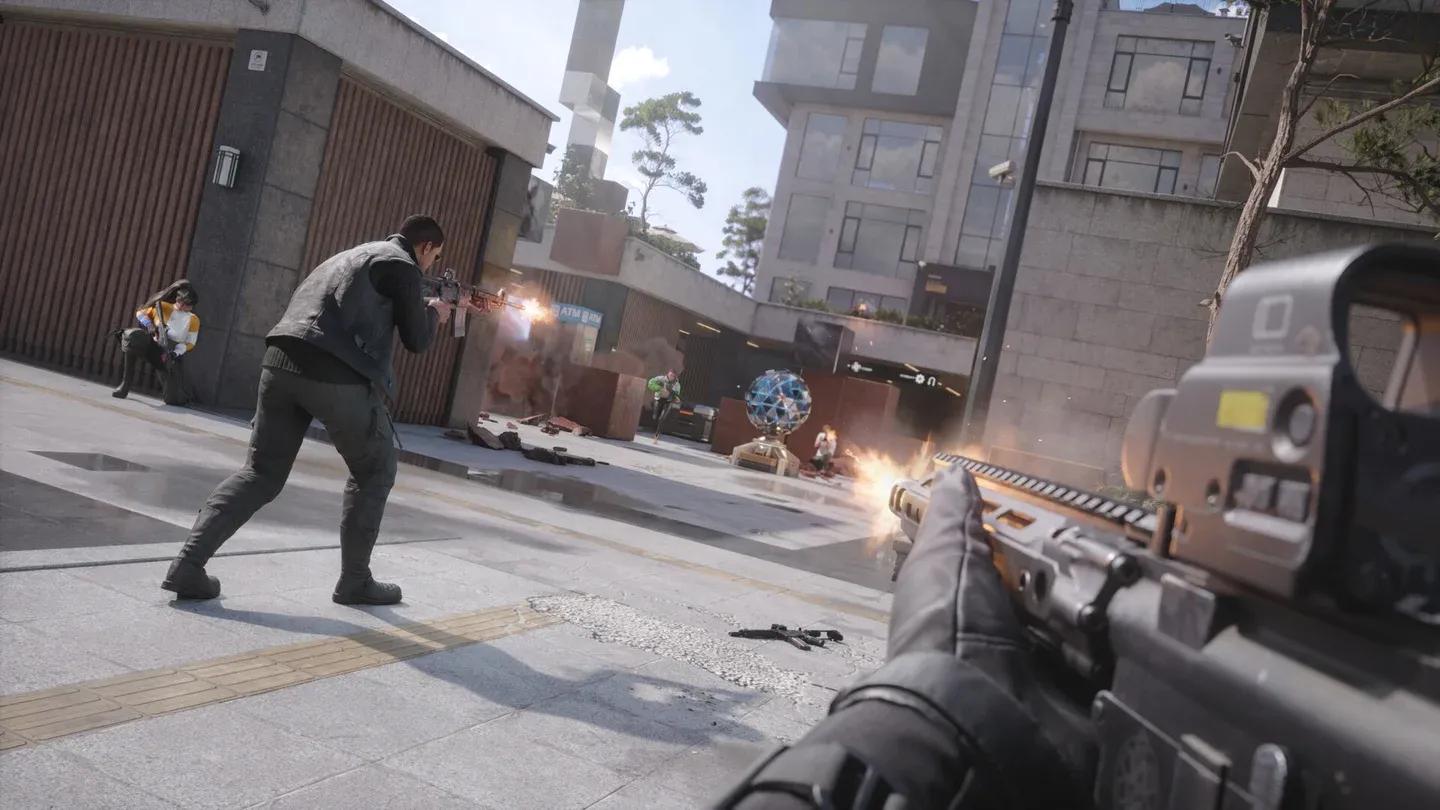
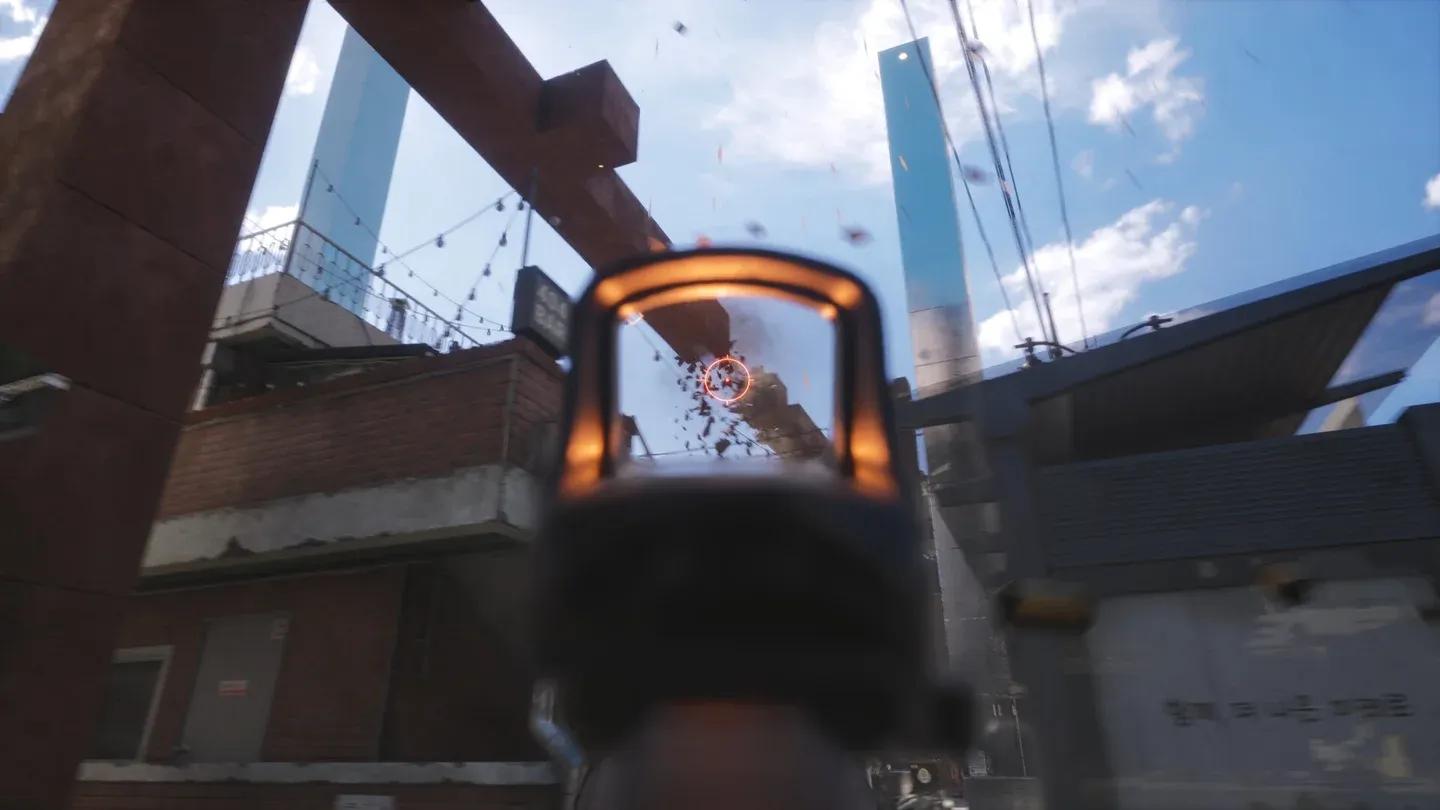
Like or Die is a team-based survival FPS built around a fictional intergalactic streaming platform called Quaya Stream. Sixteen players split into 4 teams of 4, and the entire match plays out as a live broadcast to viewers across the cosmos. The goal isn't simply to eliminate enemies, it's to survive longer, play better, and accumulate LIKEs through standout moments while dismantling the opposing teams' ability to respawn.
The core structure sits somewhere between a team shooter and a strategy game. Each team has a Nexus that functions as a respawn anchor. Destroy an enemy Nexus and those players can no longer return to the field after dying. As Nexuses fall one by one across the 4 teams, the match tightens into a last-squad-standing scenario with real elimination stakes. That escalating pressure is the engine that makes each broadcast feel distinct.
Like or Die content image
Gameplay and mechanics
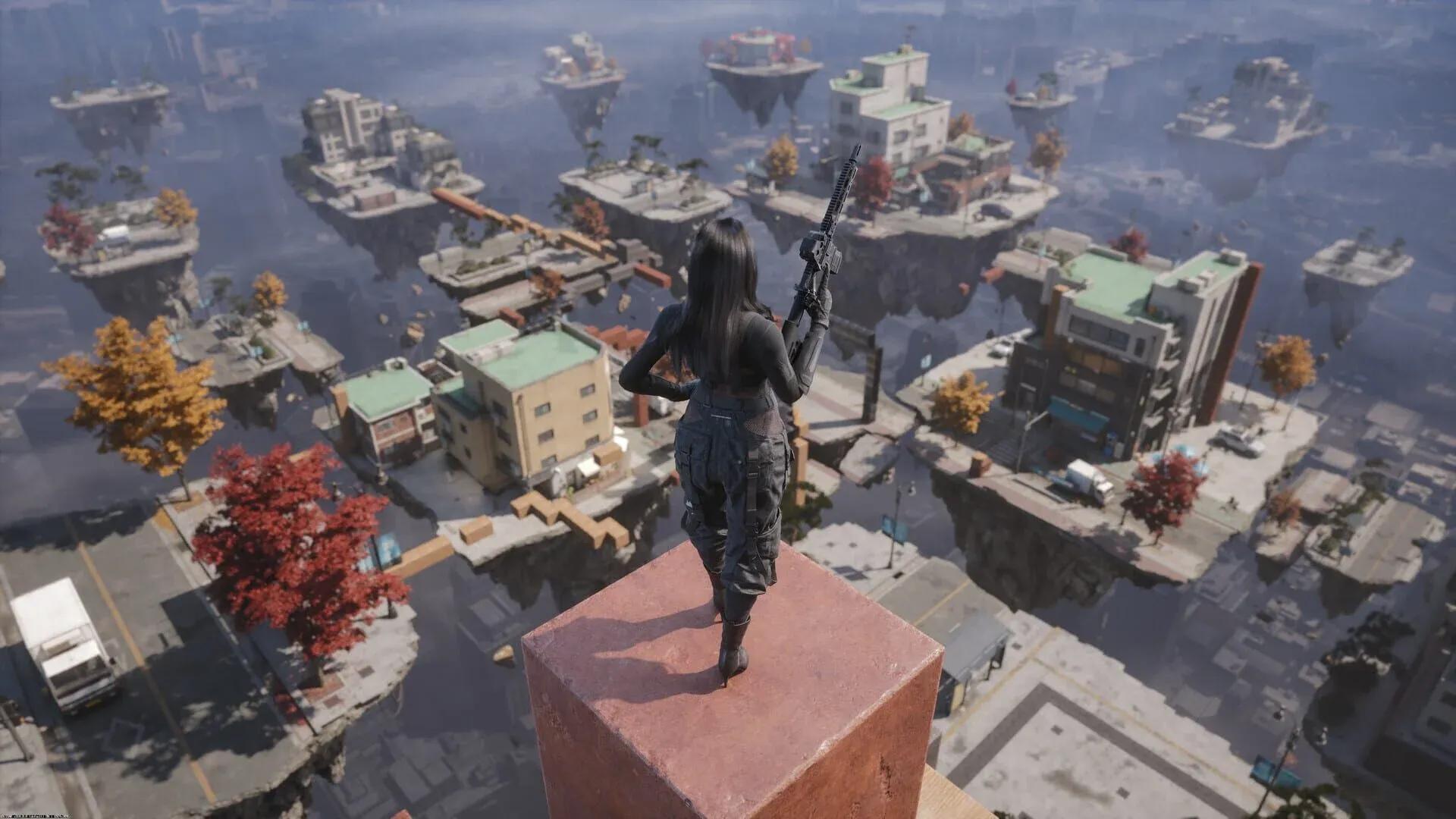
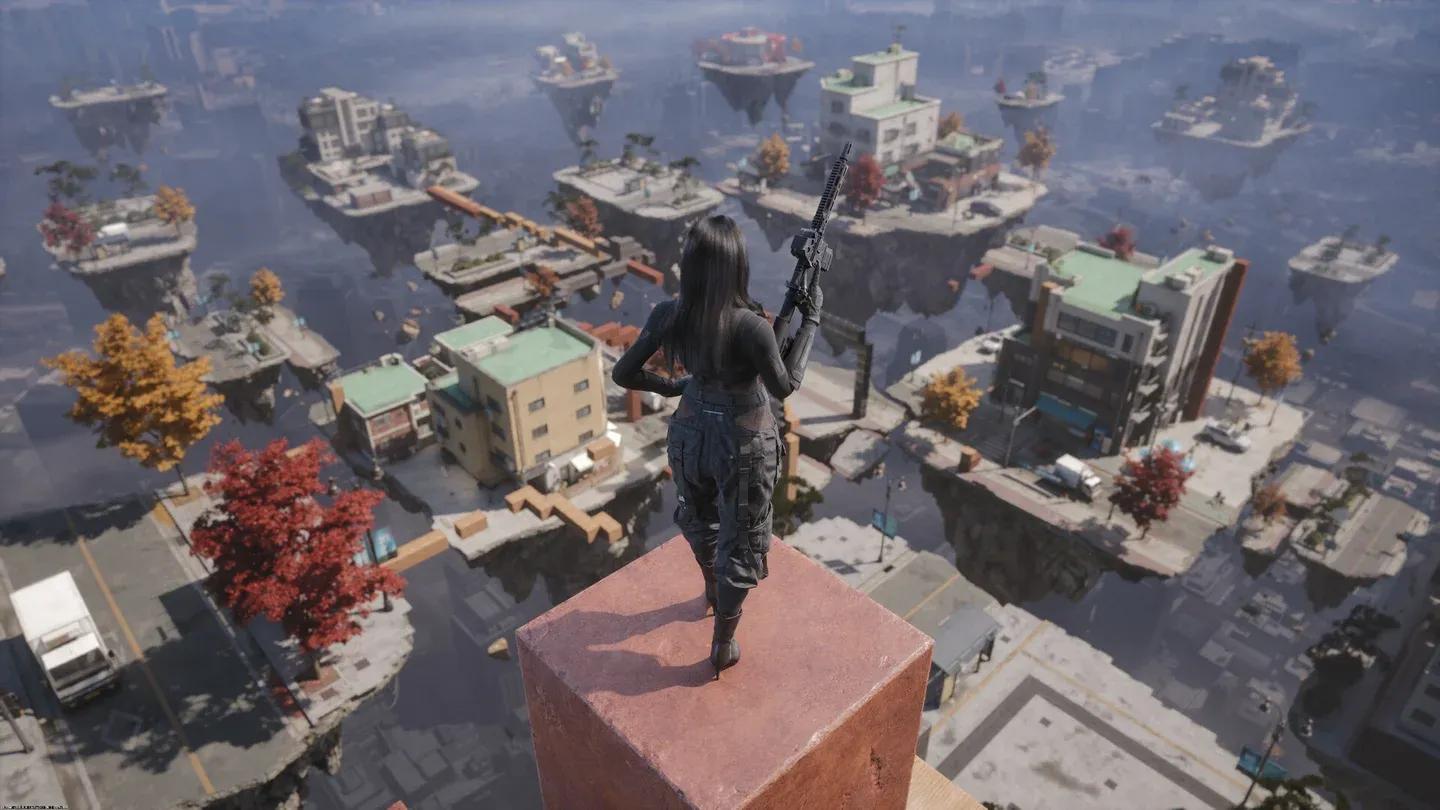
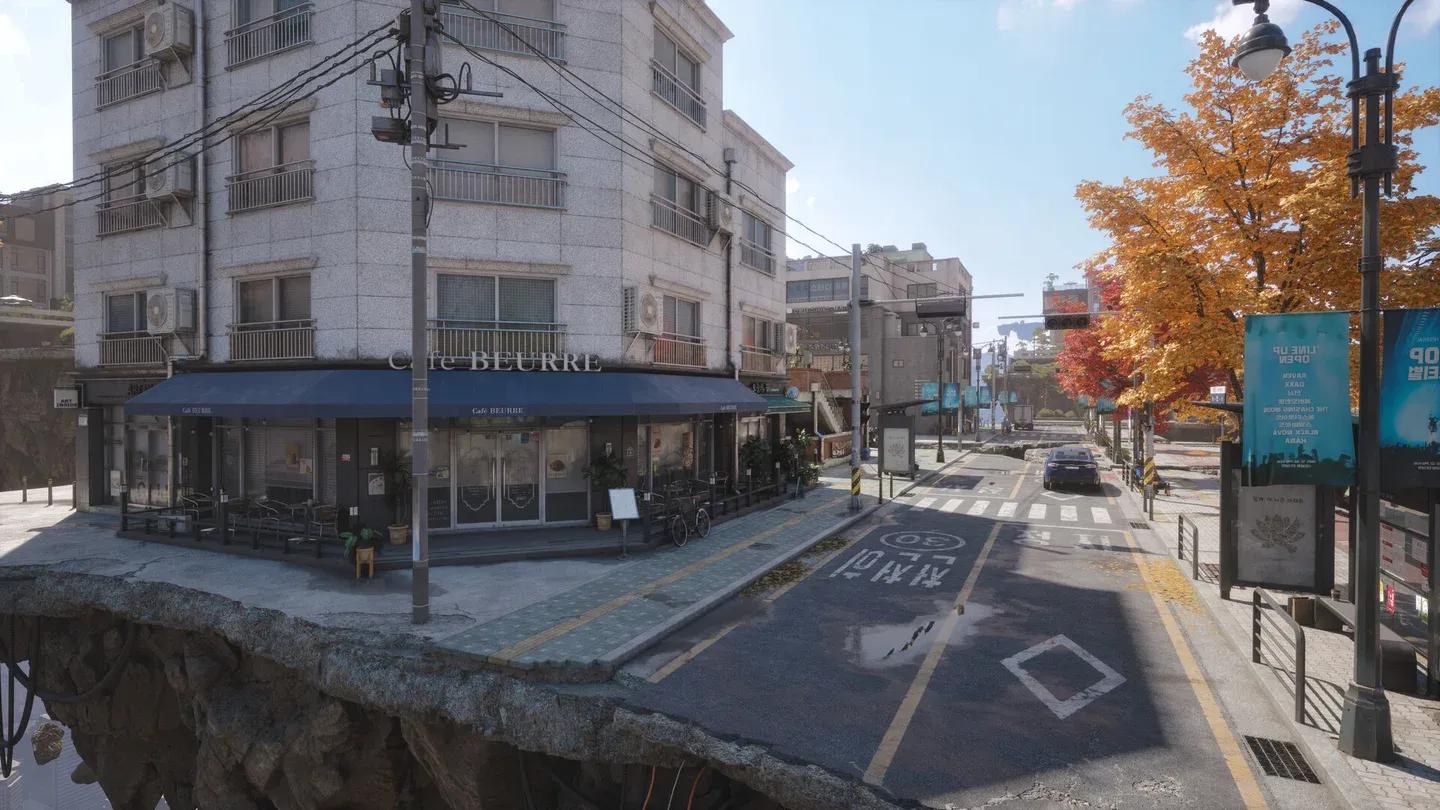
The defining mechanical twist in Like or Die is the Block Gun. Every player carries one, and it lets you spawn cube blocks anywhere on the map in real time. The applications range from practical to creative:

Like or Die content image
- Build walls to shield your Nexus from attack
- Block off corridors to funnel enemy movement
- Carve new entry routes through existing terrain
- Create elevated positions for better sightlines
- Seal off chokepoints mid-fight
This terrain manipulation layer turns every match into a shifting puzzle. A defensive setup that worked in round one might be completely dismantled and rerouted by the time the final Nexus is under pressure. Teams that coordinate their block placement alongside their shooting will consistently outmaneuver squads that treat it as an afterthought.
Like or Die content image
What does the resource system add to each match?
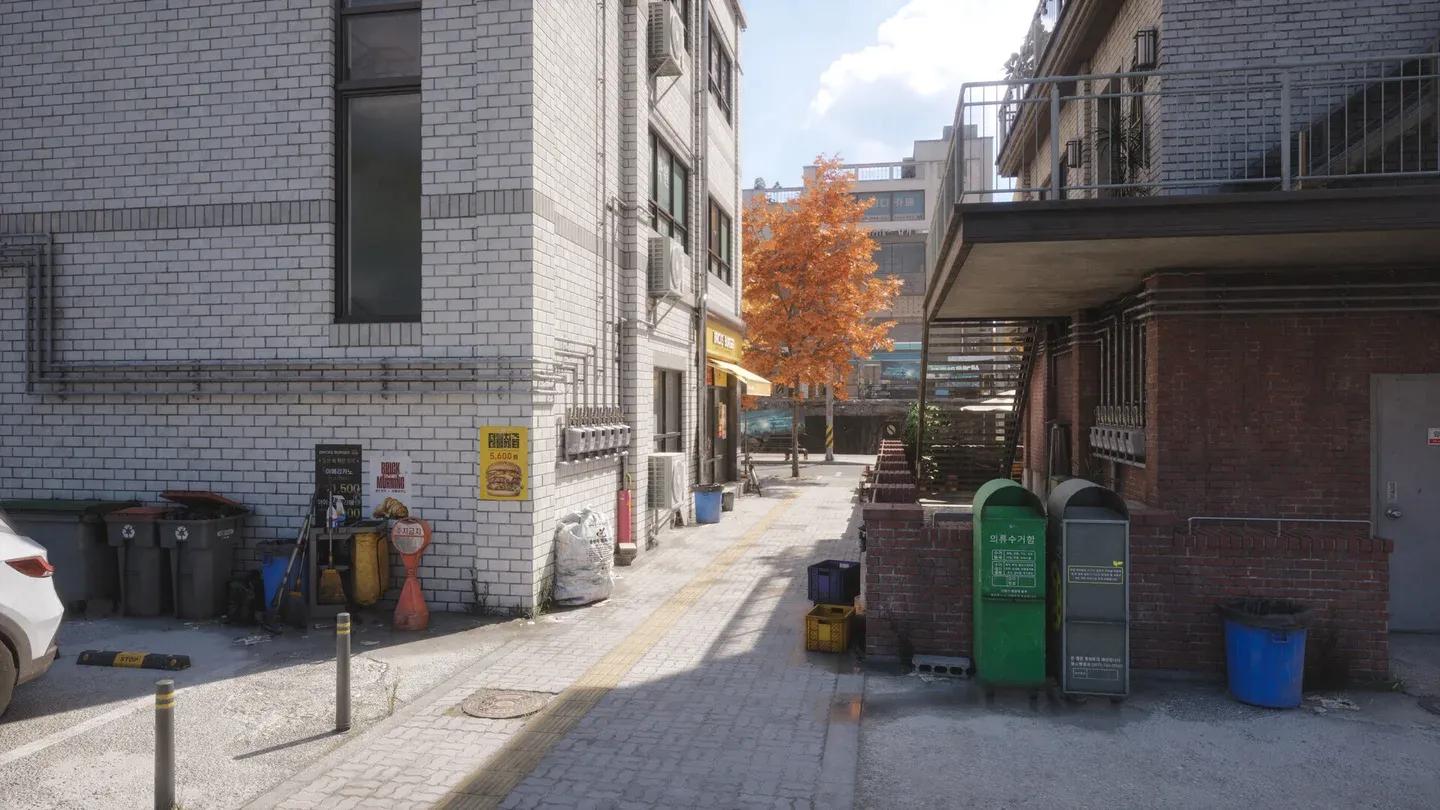
Resources scattered across the arena can be collected and spent on stronger weapons and combat items, giving teams a meaningful economic layer on top of the shooting. Sponsor airdrops and Lucky Blocks appear during matches, carrying high-value gear that multiple teams will contest simultaneously. These supply drops create natural flashpoints, moments where every team has to decide whether the reward is worth the exposure.
Spending decisions compound over time. A team that controls resources early can snowball into better weapons before a Nexus fight, while a team that ignores the economy and relies on base loadouts will feel that gap widen as the match progresses.
Multiplayer and social
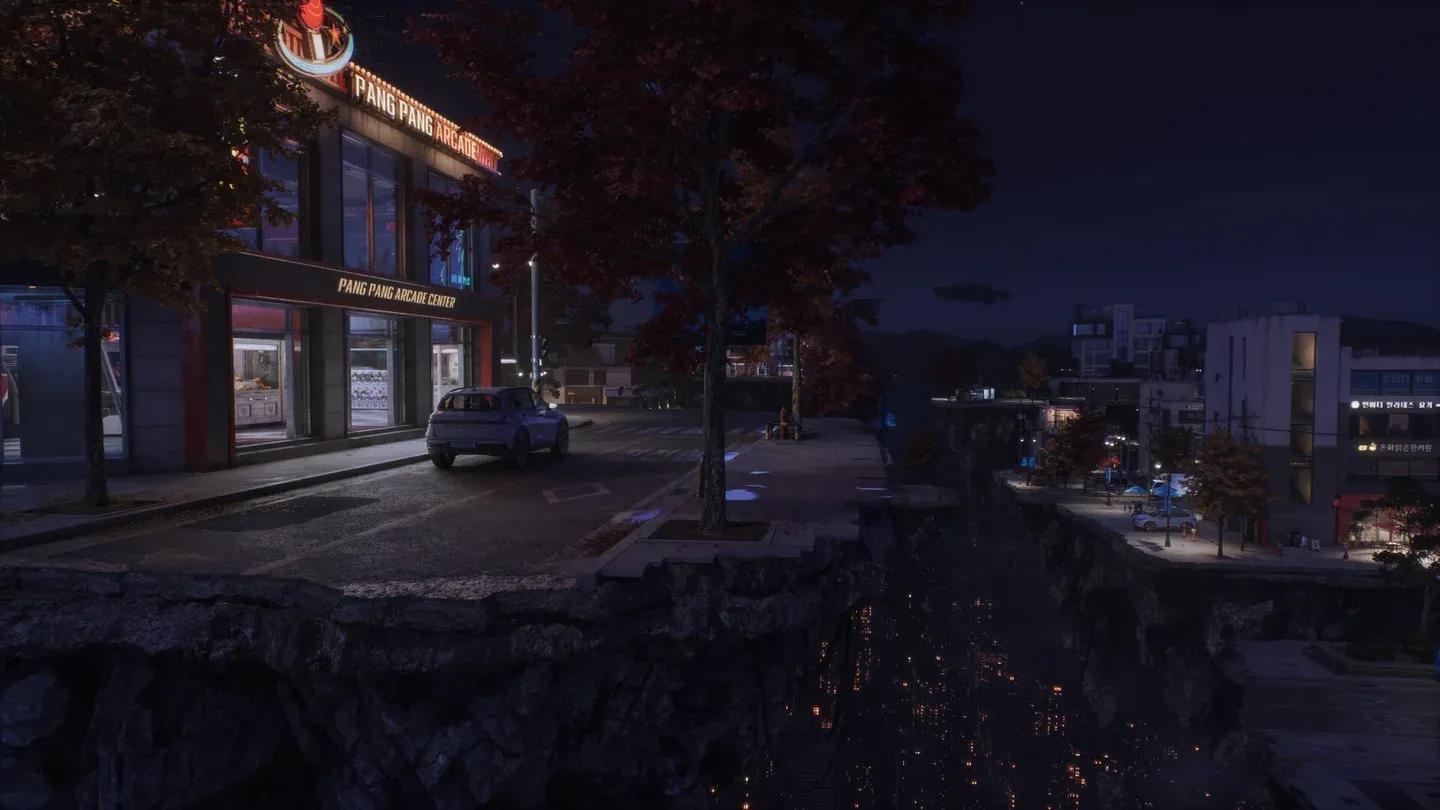
The Quaya Stream framing isn't just cosmetic. The broadcast conceit ties directly into the LIKE accumulation mechanic, rewarding highlight-reel plays and aggressive performance rather than passive survival. Staying alive matters, but a team that plays conservatively and never contests anything will fall behind on LIKEs even if their Nexus is still standing.
Like or Die content image
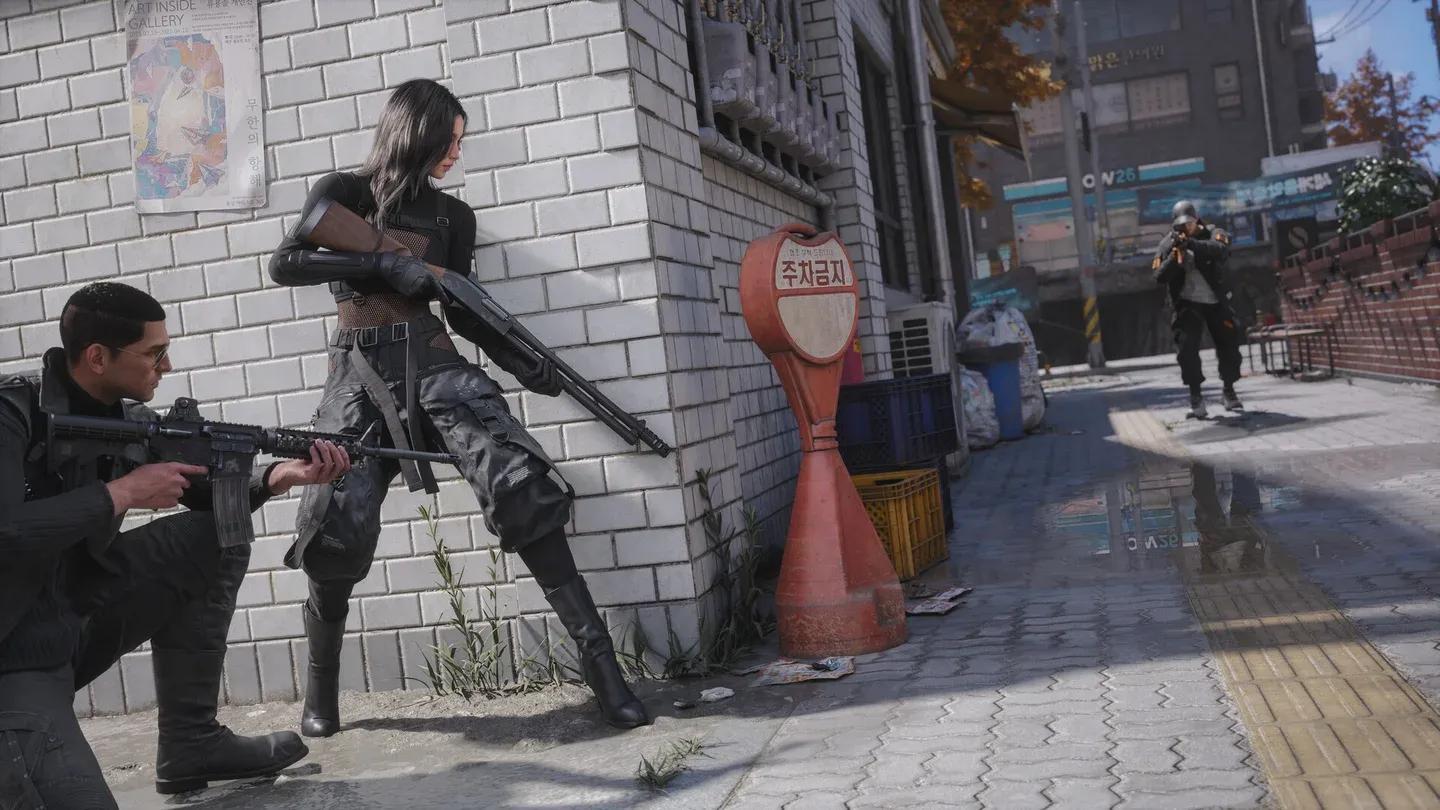
With 16 players across 4 distinct teams, the alliance dynamics are fluid in a way that standard 5v5 or battle royale formats don't produce. Two teams might converge on a third simultaneously, or a weakened squad becomes an opportunistic target the moment their Nexus goes down. The multi-team format keeps the strategic read constantly shifting, making communication and adaptability the skills that separate good teams from great ones in this block-building, Nexus-destruction shooter.
| Requirement | Minimum | Recommended |
|---|---|---|
| OS | Requires a 64-bit processor and operating system | Requires a 64-bit processor and operating system |
| Processor | TBD | TBD |
| Graphics | TBD | TBD |