Overview
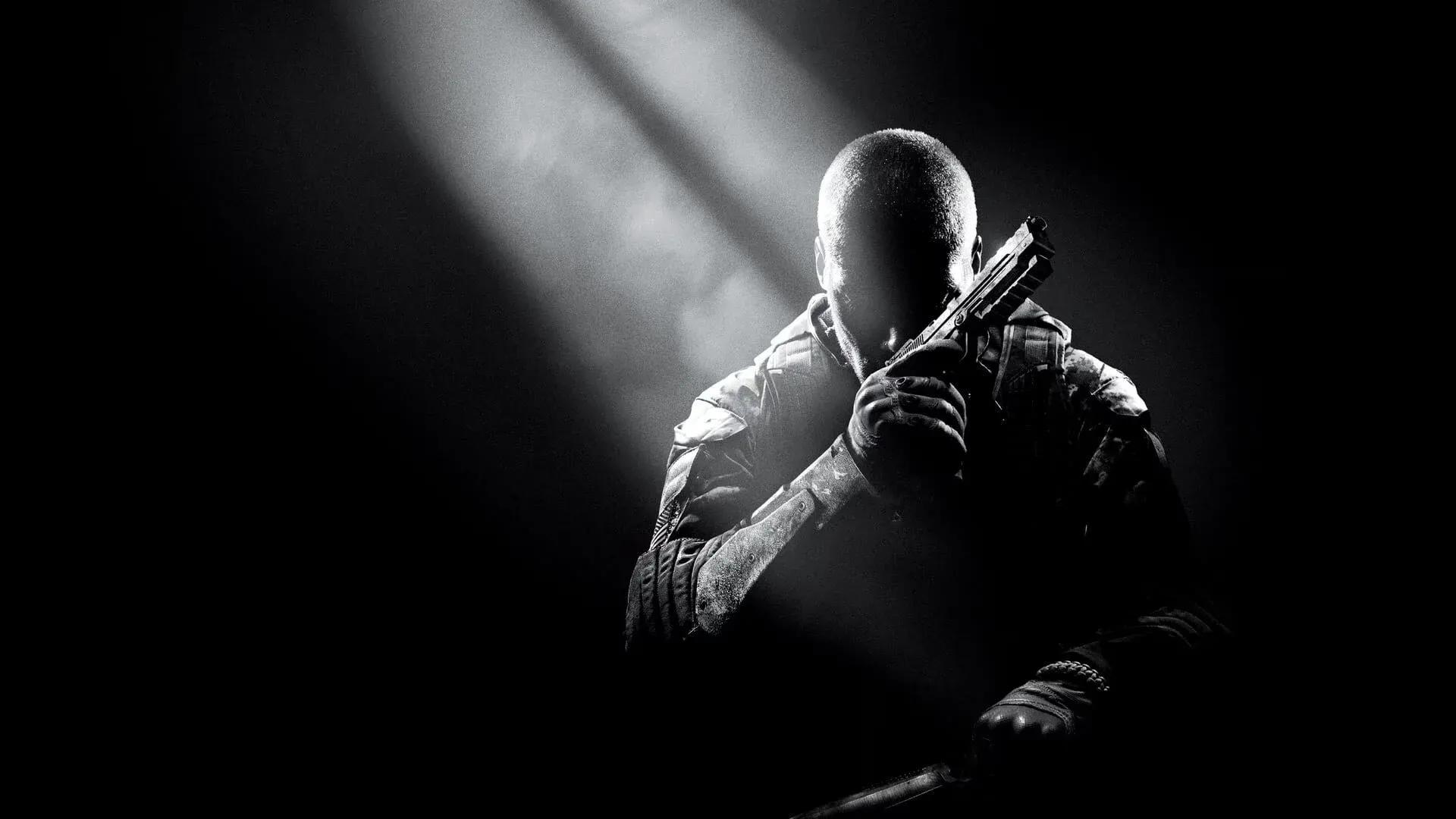
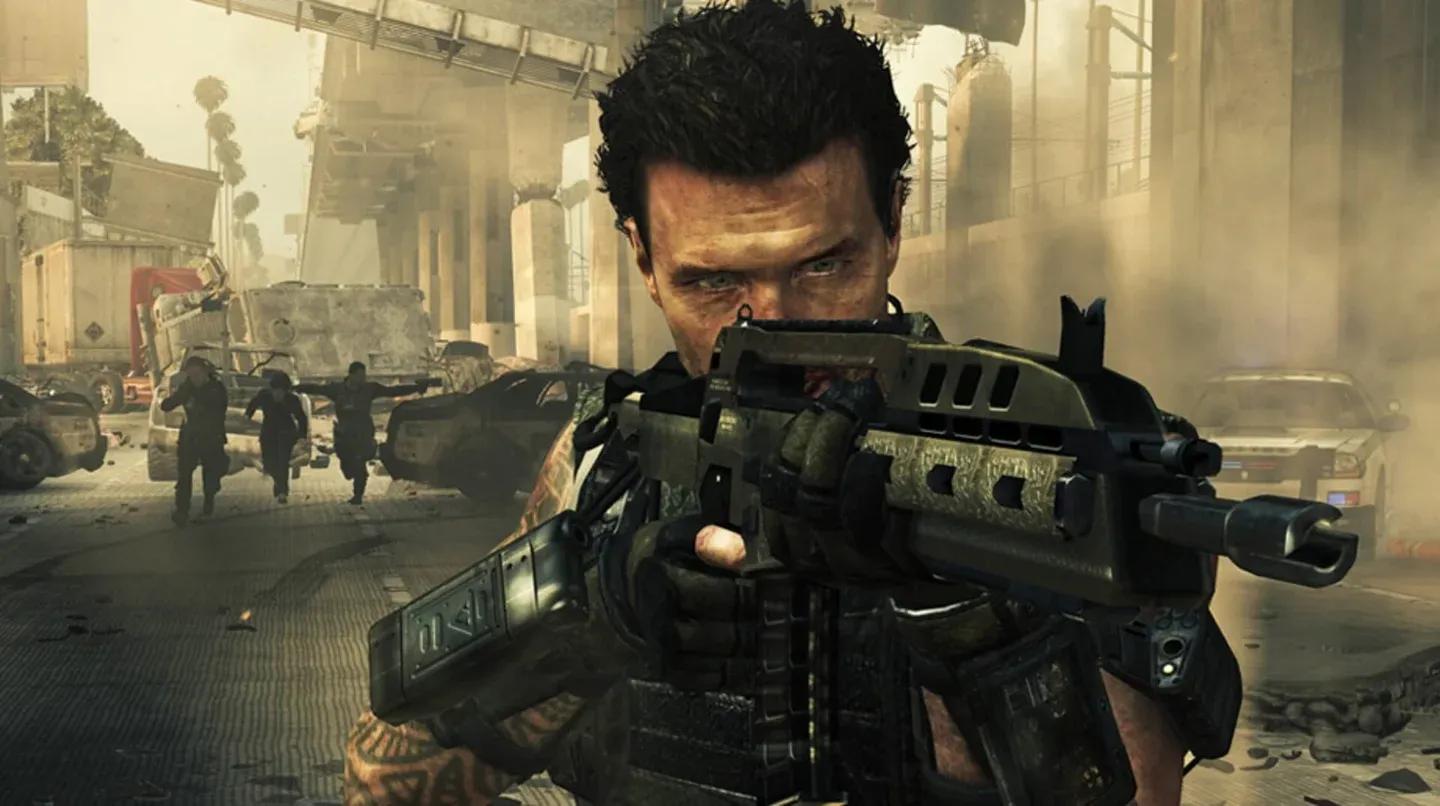
Call of Duty: Black Ops II, developed by Treyarch and published by Activision, launched in November 2012 and immediately separated itself from the rest of the franchise. The game runs two parallel storylines: one set in the 1980s Cold War following CIA operative Alex Mason, and another set in 2025 where his son David Mason hunts a cyberterrorist named Raul Menendez. The two timelines inform each other, and the decisions players make in the present-day missions can change how the past is interpreted.
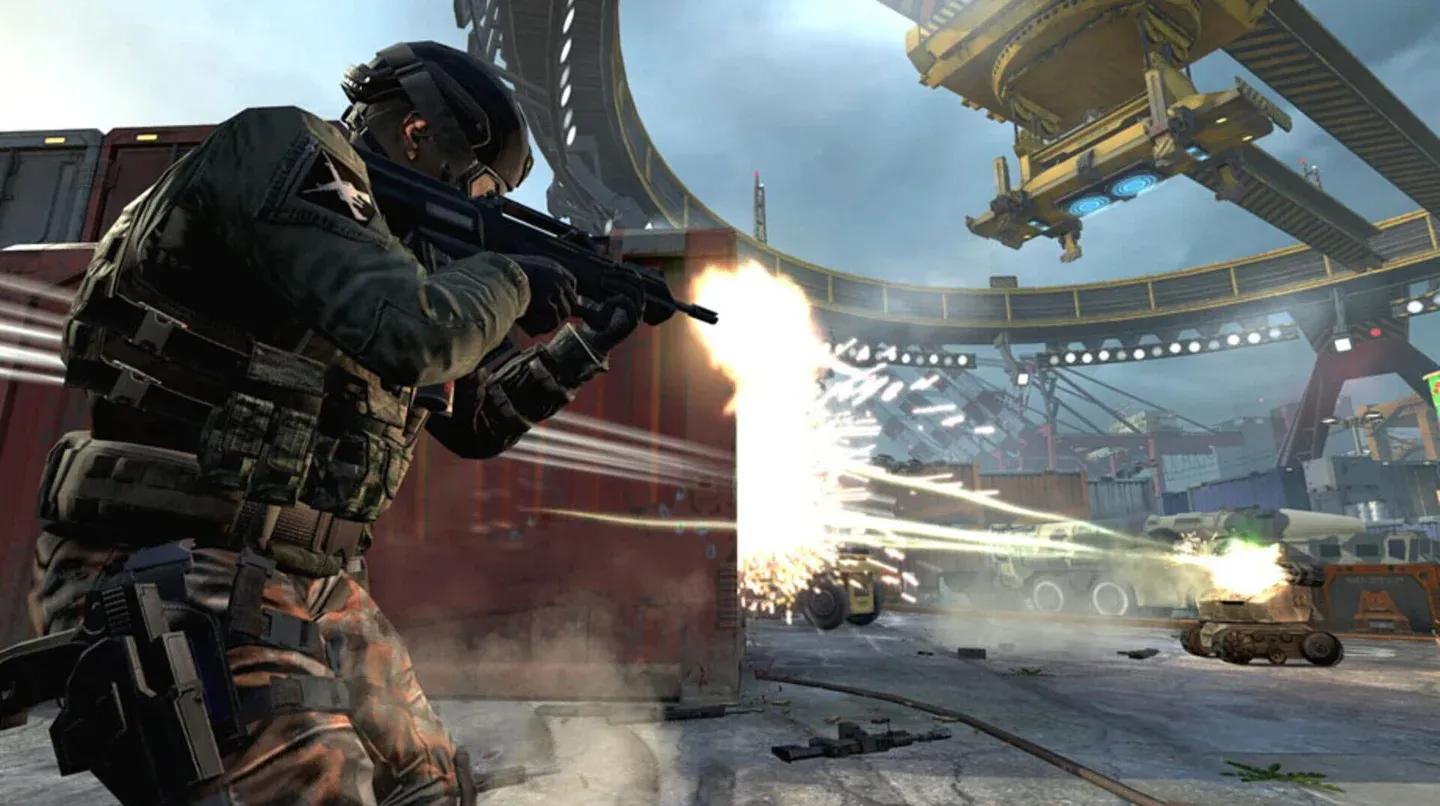
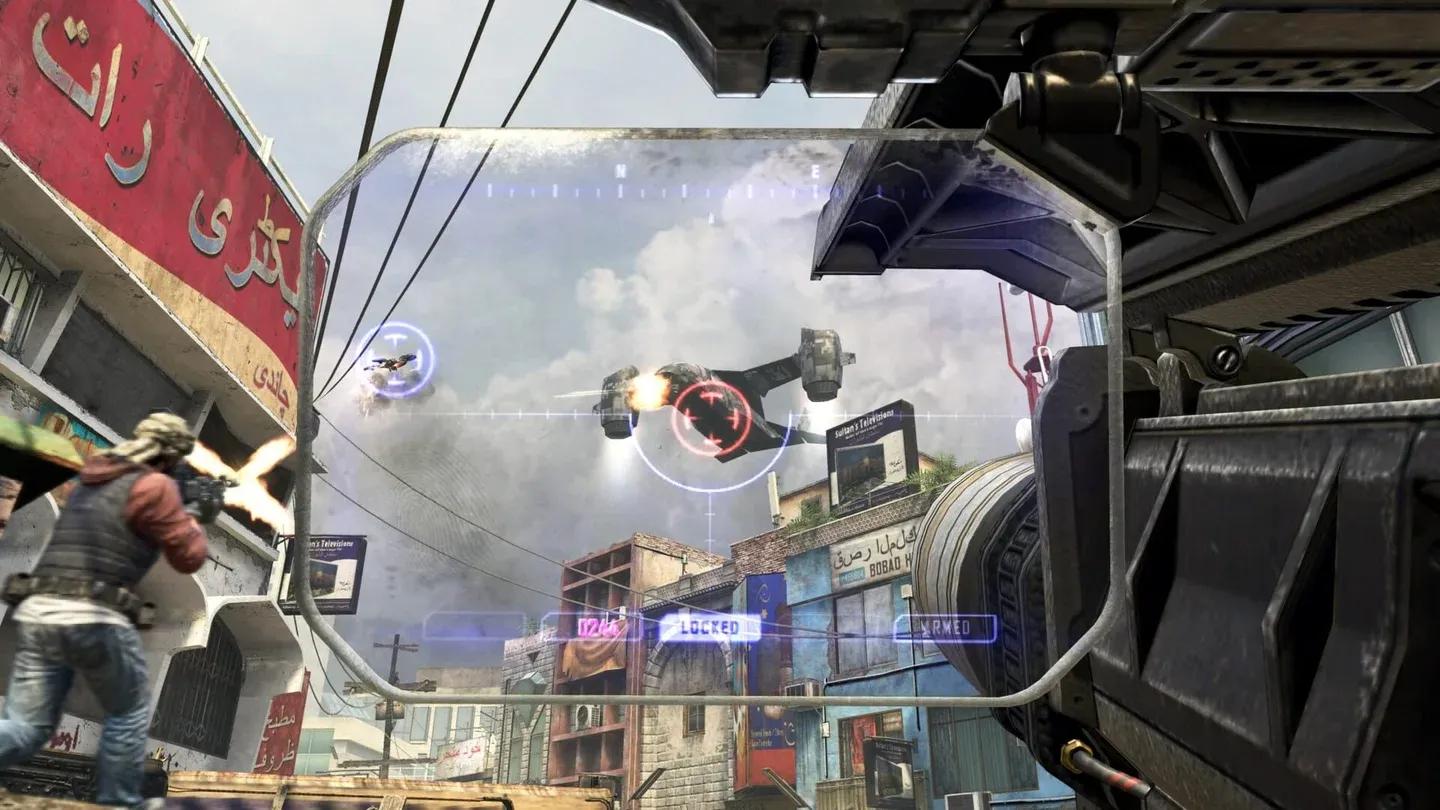
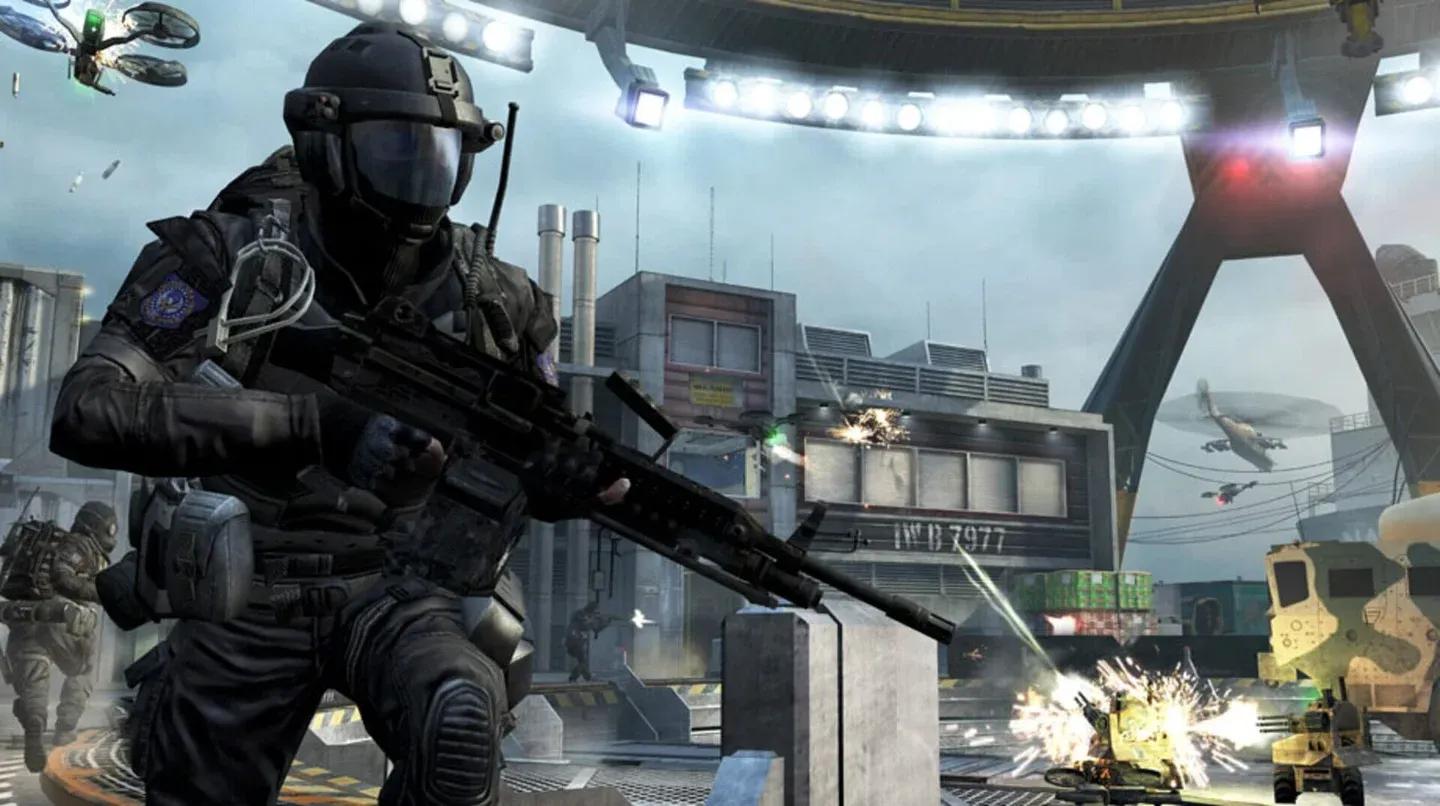
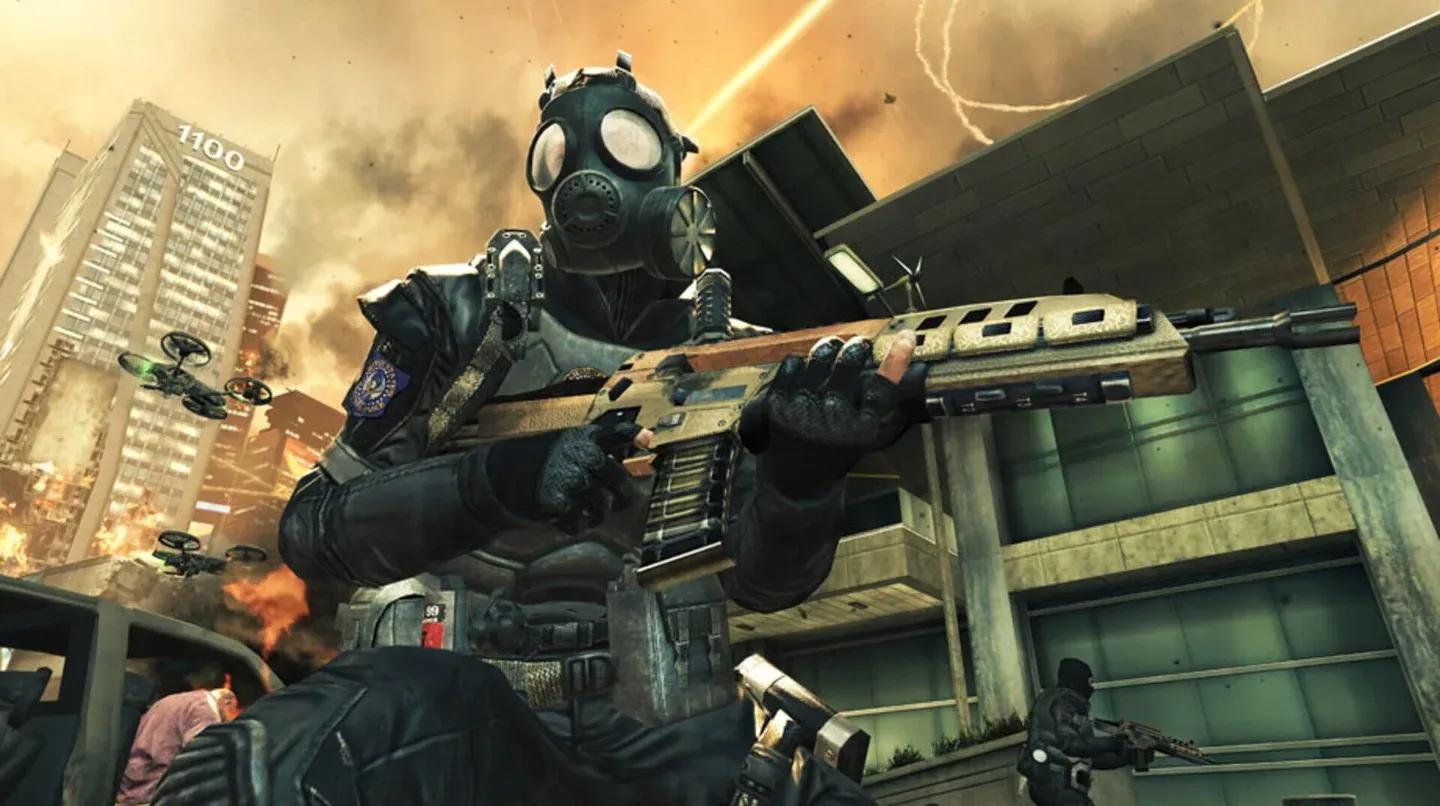
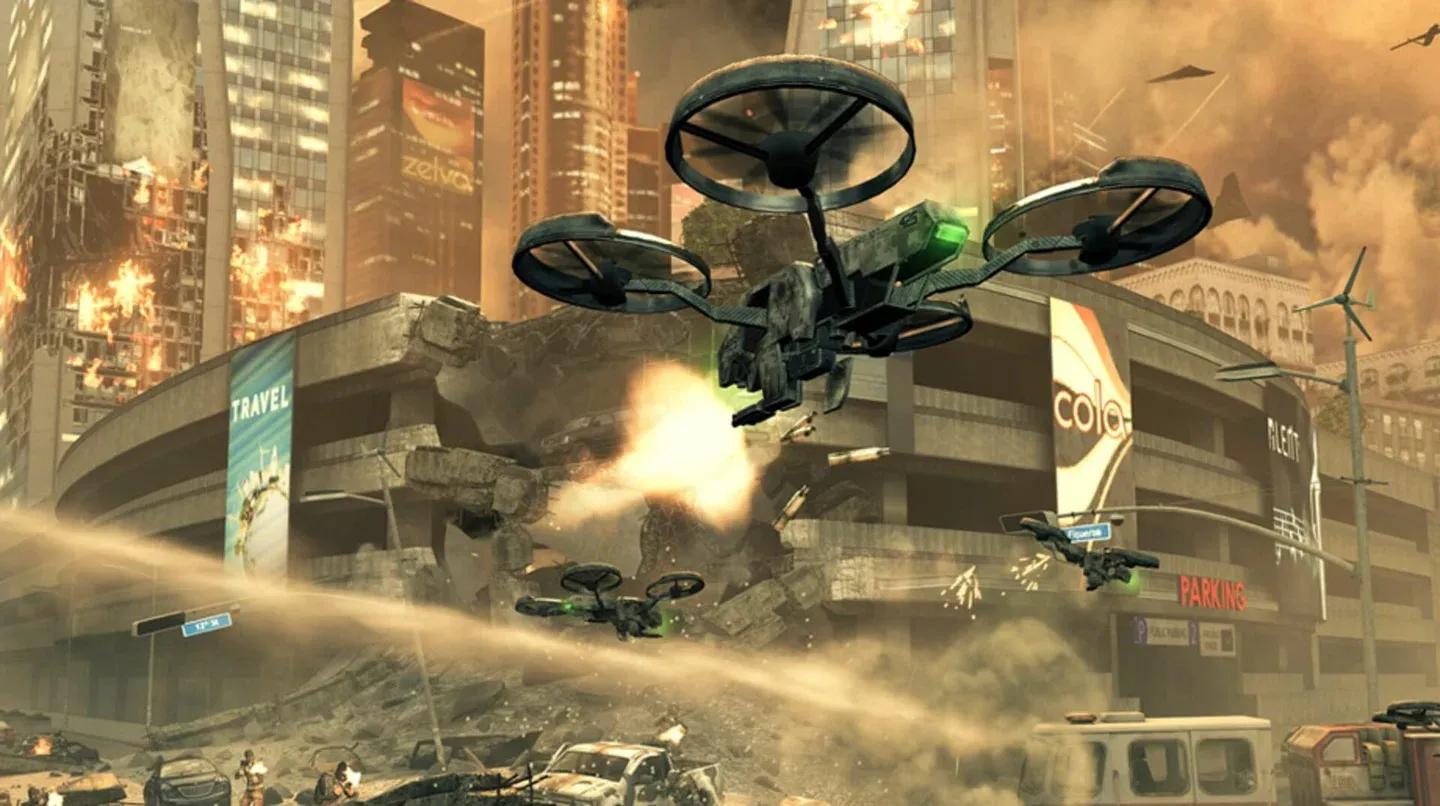
The near-future setting gives Treyarch room to experiment with technology that still feels grounded. Autonomous drones, directed-energy weapons, and hacked military hardware all appear as both tools and threats. The central tension of the story asks what happens when an enemy seizes control of an entire automated military, and the game actually builds its missions around that question rather than just using it as backdrop.
Call of Duty: Black Ops II content image
Branching campaign and multiple endings
Black Ops II introduced Strike Force missions, optional real-time strategy segments where players command troops from an overhead view or drop into direct control at any moment. These missions affect the broader campaign outcome, and failing them permanently removes characters from the story. Key choices made during standard campaign missions also carry consequences:
Call of Duty: Black Ops II content image
- Strike Force failures alter geopolitical alliances
- Character deaths change available endings
- Dialogue choices shift Menendez's behavior
- A villain left alive produces a different finale
- Multiple playthroughs reveal contradictory outcomes
There are four distinct endings depending on how the campaign unfolds, which gave the game genuine replay value at launch and still makes it one of the few Call of Duty entries worth playing more than once.
Call of Duty: Black Ops II content image
Multiplayer that shaped the series
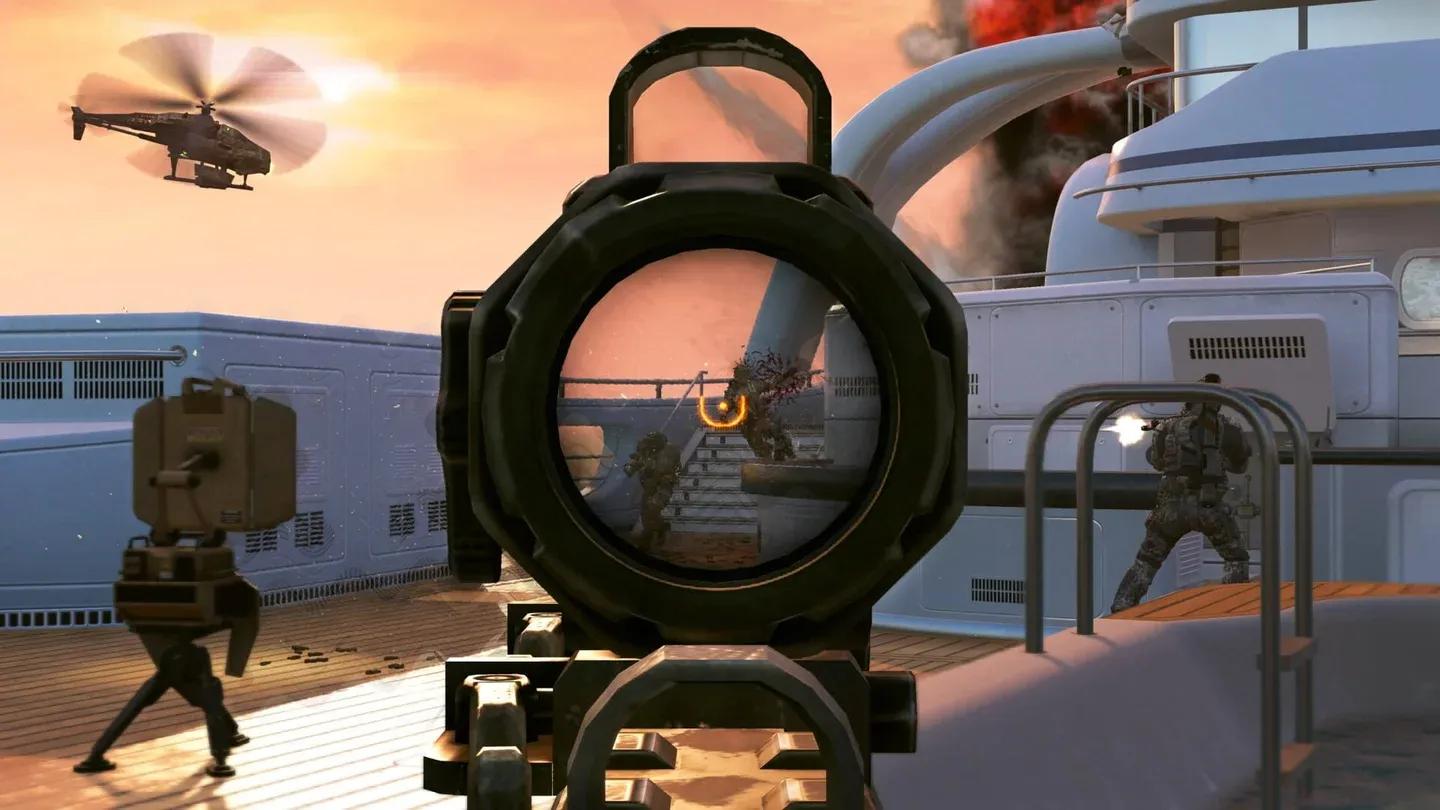
The Pick 10 create-a-class system was Black Ops II's most lasting contribution to competitive multiplayer design. Every player gets 10 points to spend across weapons, attachments, perks, and equipment, with no mandatory slots. Running three perks and no secondary weapon is a valid build. Stacking five attachments on a single rifle at the cost of everything else is also valid. The system pushed loadout diversity far beyond what any previous Call of Duty had offered.
Call of Duty: Black Ops II content image
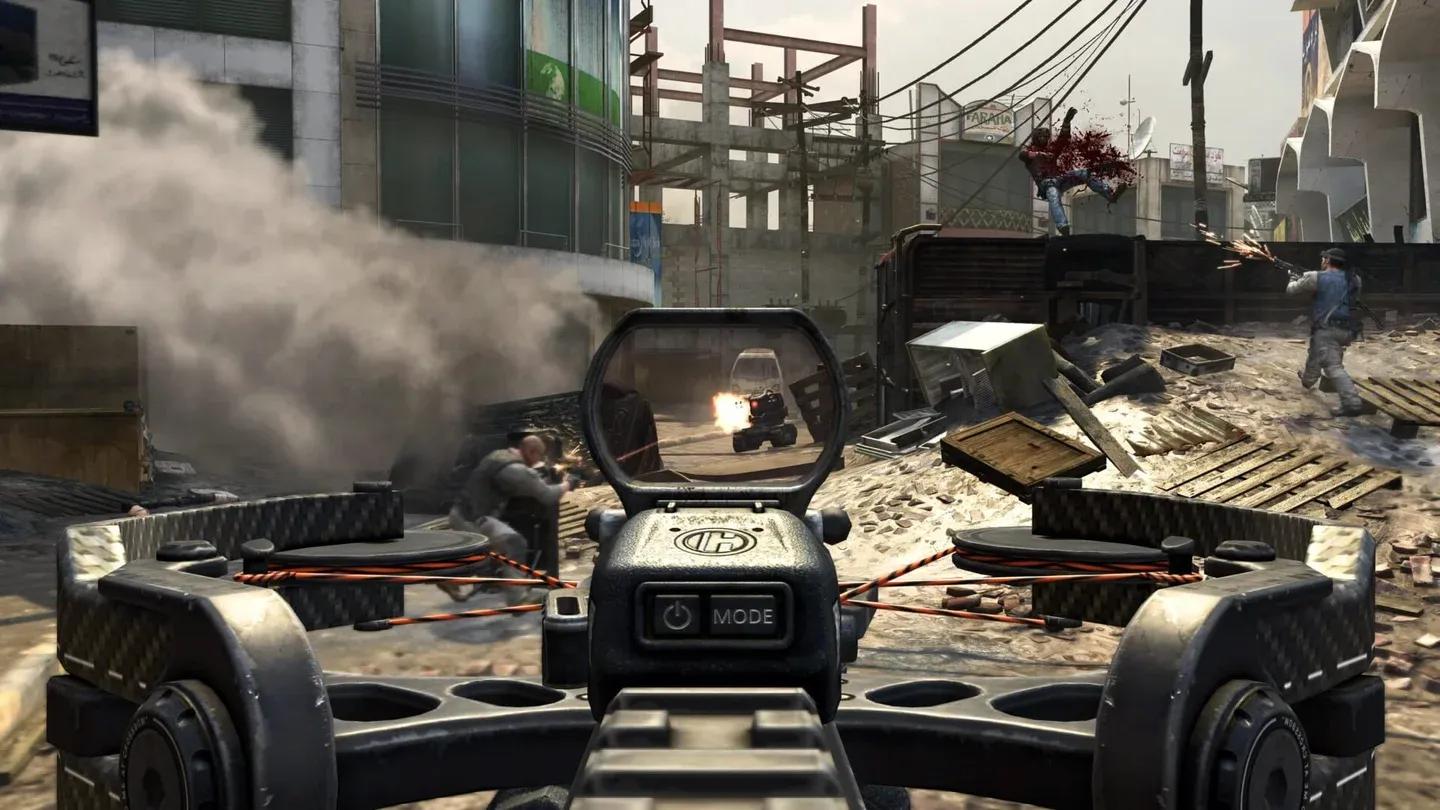
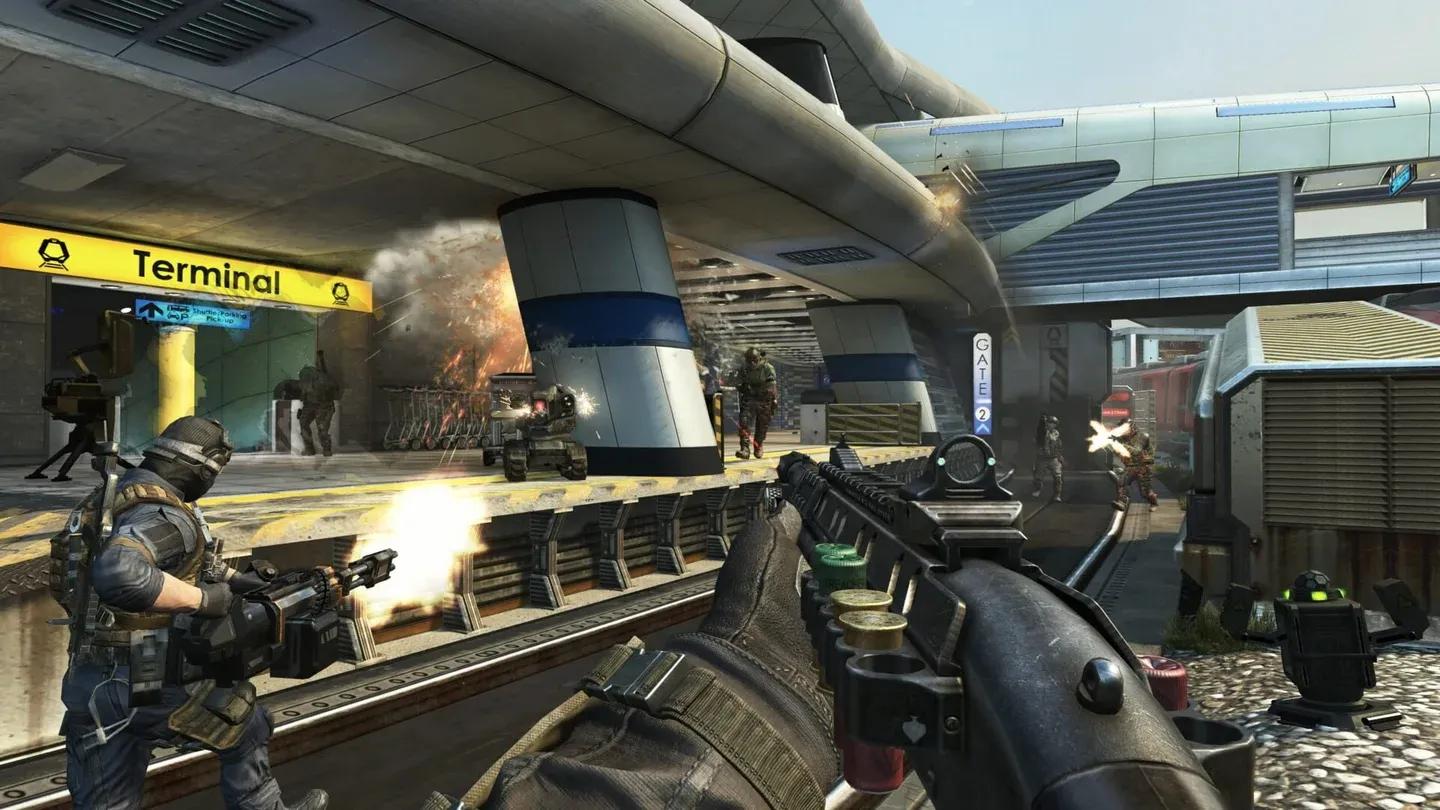
The multiplayer maps at launch were compact and well-structured, with Raid, Slums, and Hijacked standing out as enduring fan favorites. The scorestreak system replaced killstreaks, rewarding objective play with the same progression that previously only went to pure fraggers. League Play added a ranked mode with skill-based matchmaking, a direct acknowledgment that the competitive community had outgrown public lobbies.
Zombies mode and its mythology
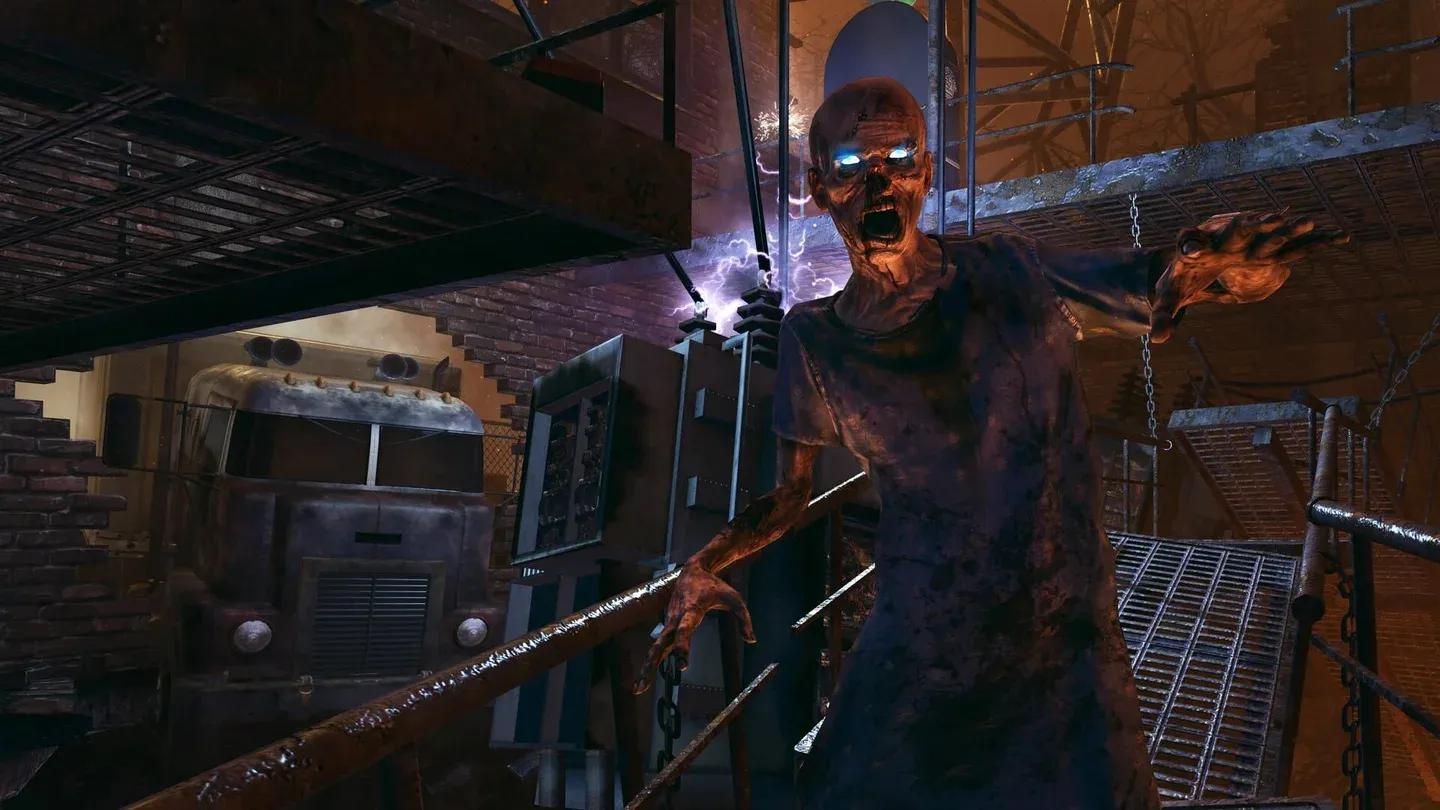
The Zombies co-op mode in Black Ops II is the most narratively ambitious version of the mode up to that point. The base map, TranZit, drops four survivors into a post-apocalyptic United States connected by a bus route, with a storyline involving two warring supernatural entities named Maxis and Richtofen competing for control of the undead. The lore runs deep enough that audio logs, televisions, and environmental details all contribute to a mythology that spans the entire Black Ops trilogy.
The Origins map, added later, recontextualizes everything by revealing that the core Zombies cast may exist inside a child's imagination. It is a genuinely strange creative swing for a mode that started as a hidden bonus in World at War. The Zombies content in Black Ops II remains some of the most replayable cooperative content in the franchise, built around high-round survival, Easter egg quest chains, and buildable equipment that rewards map knowledge over raw reflexes.