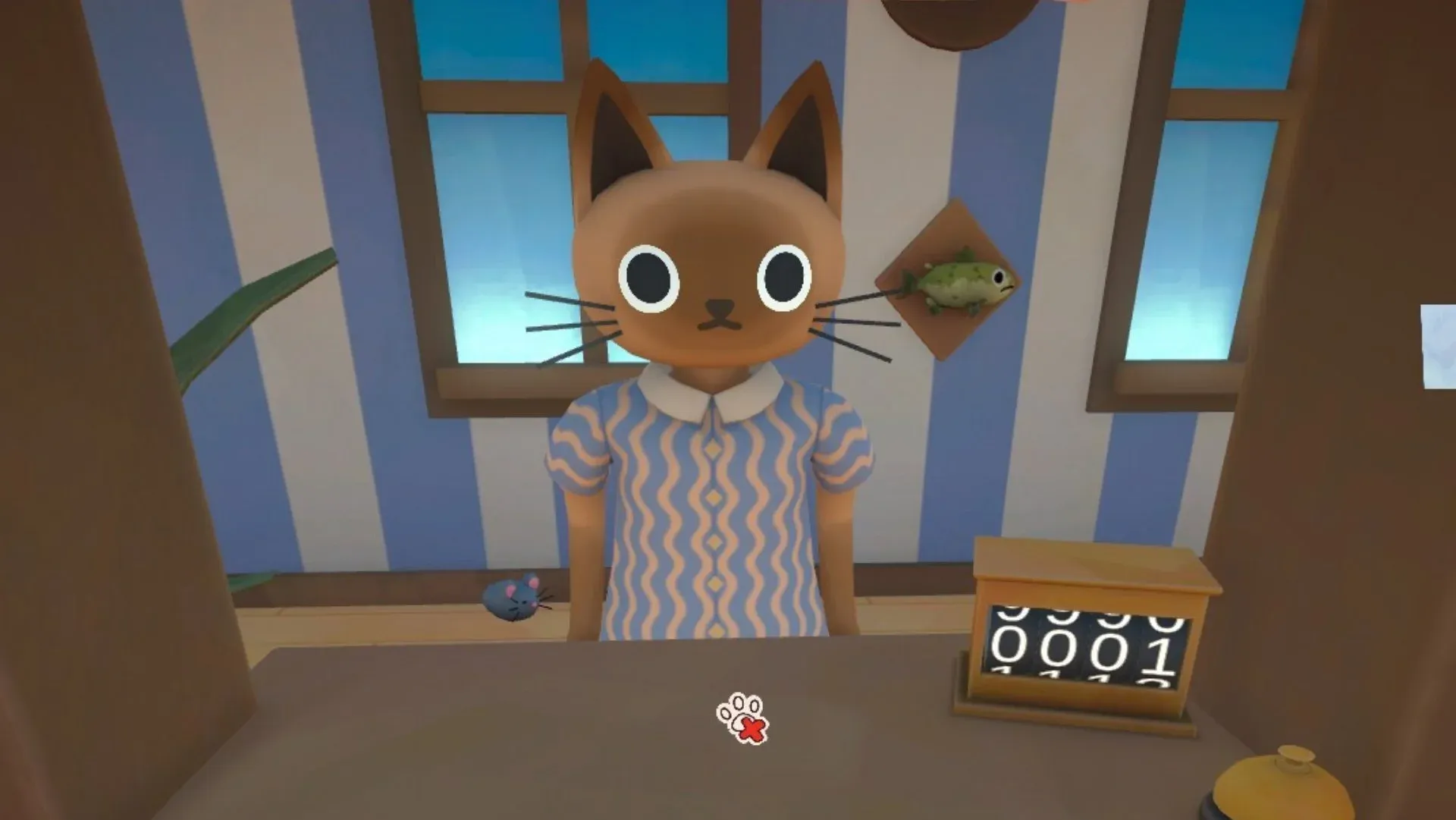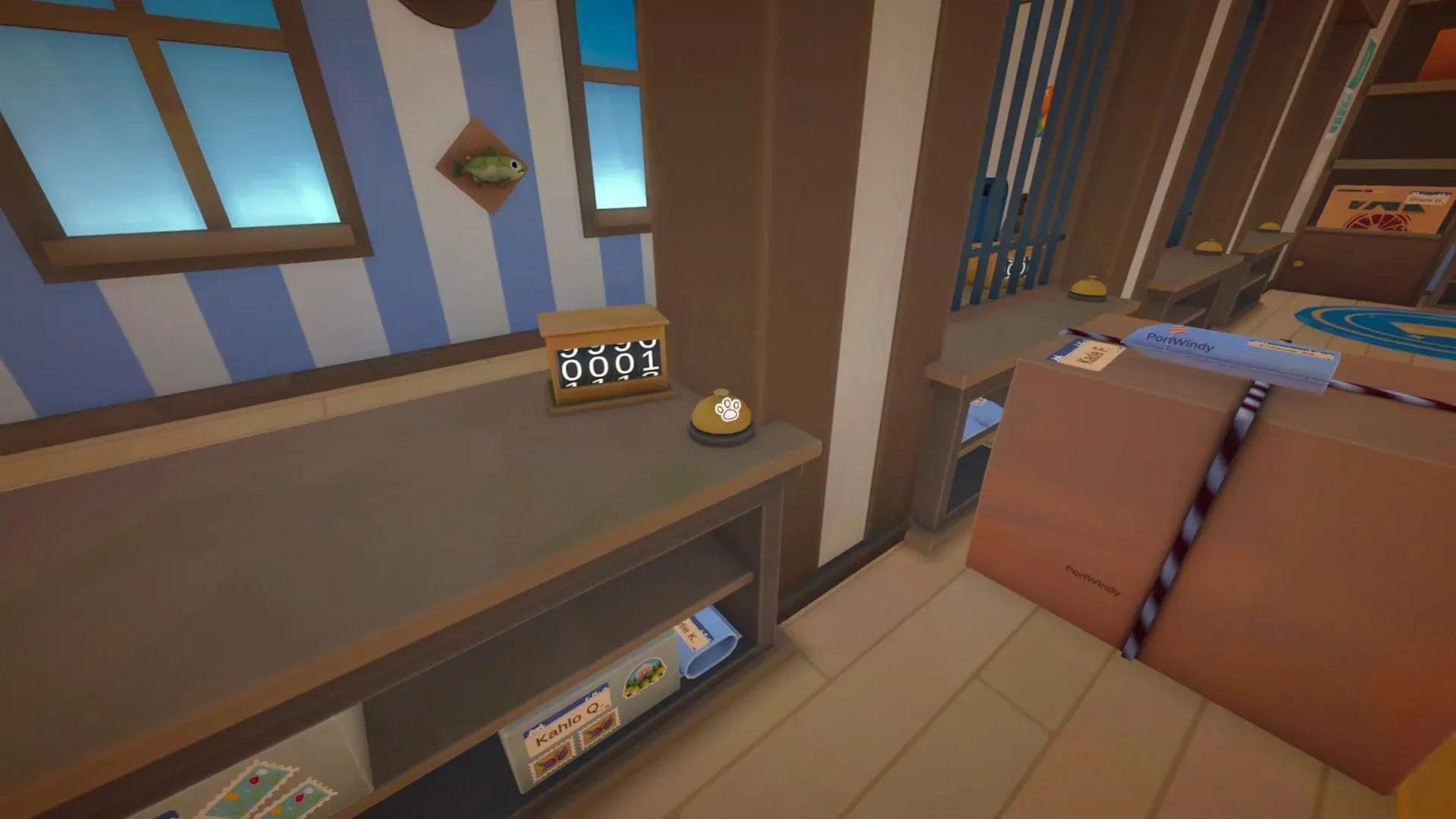

Running a cat-staffed post office sounds charming until a recipient shows up at your window describing their parcel in the vaguest possible terms and you have no idea which box on the shelf they mean. Cat Mail Co. throws a surprising amount of complexity at you through its package system: sizes that recipients describe in roundabout ways, sticker markings hidden on any face of a box, and storage constraints that will damage goods if you ignore them. Get these three systems down and the whole operation clicks into place.
What do the package size descriptions actually mean?
Recipients at the pickup window will not always give you a name. Sometimes you get a physical description of the parcel instead, and the wording can be oddly specific or amusingly indirect. The table below maps every in-game phrase to the actual package it refers to.
| Recipient phrase | Package type |
|---|---|
| "It's a letter" | Small blue or brown envelopes |
| "It's a small box, nothing special" | Small rectangular boxes |
| "It's cube-shaped" | Perfect cube boxes |
| "It's a small package" | Roughly double the size of the small box |
| "It's a mid-sized package with a cord/rope around it" | Filing box or soft rope-wrapped packages |
| "I hope it will fit on my bike" | Wide rectangular packages |
| "About the same size as me" | Tall packages, similar volume to the bike one but vertical |
| "The package has handles" | Box with a fruit symbol and side handles |
| "It's a big box... I'm building a cardboard castle" | The largest boxes in the game |
The phrasing for the rope packages is worth memorising early. Two visually different package types share that description, so you may need to present both options if the recipient is not more specific.
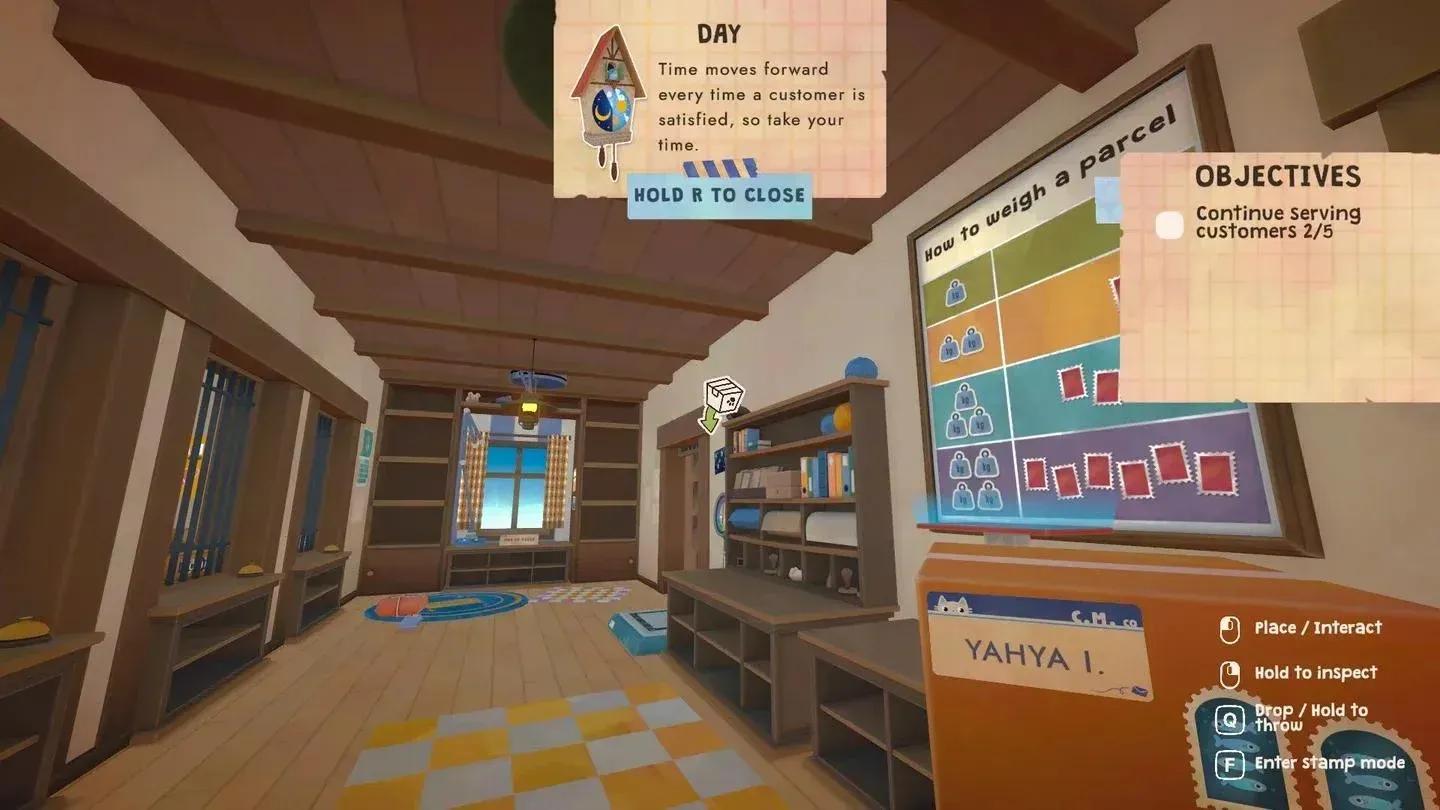
Sorting packages at the post office
How do sticker markings work?
Beyond size, recipients sometimes identify their parcel by a marking on the outside. These markings include decorative stickers and damage marks, and they can appear on any face of the package, so you need to rotate and check all sides.
The stickers you will encounter are: Duck, Clover, Sprig of Lavender, Frog, and Lemon. Recipients will name the sticker type directly when describing their parcel.
Damage markings work a little differently. A bite mark on a package means the recipient will mention crocodiles when describing it. Scratch marks will prompt the recipient to reference long claws or suggest an eagle may have attacked it. There appear to be slight variations in scratch mark appearance, potentially distinguishing eagle scratches from cat scratches, though this has not been confirmed definitively.
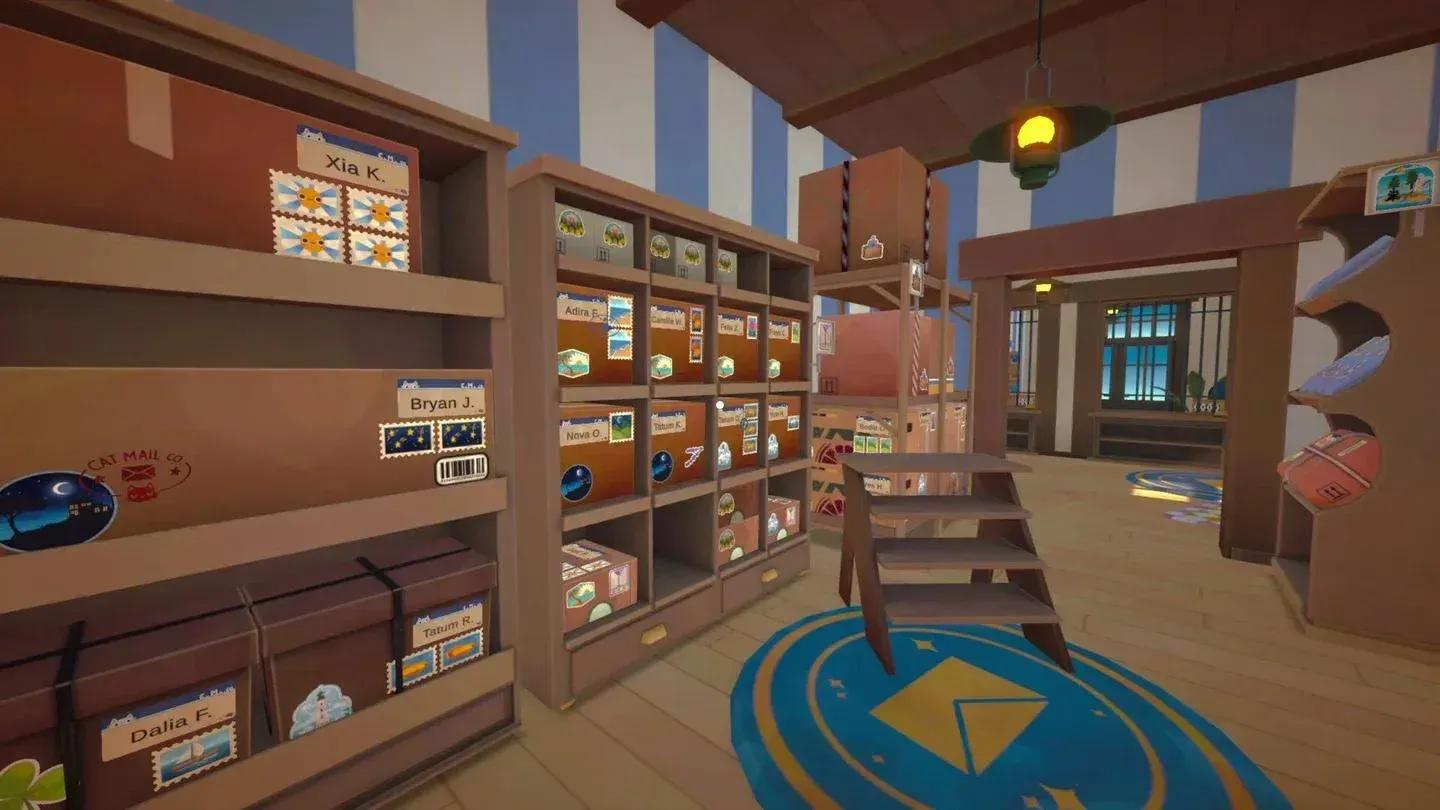
Sticker types on incoming packages
For a deeper look at reading parcels correctly from the moment they arrive, the guide to identifying parcels and packages covers recipient name clues, size tells, and sticker placement in detail.
What are package constraints and why do they matter?
Constraints are the most operationally important part of the package system. Each constraint symbol tells you where a package must be stored. Getting this wrong causes damage, which is exactly what you are trying to avoid.
Always scan incoming packages before shelving them, including those arriving by boat. Boat packages are not always fully marked on the outside, so scanning is the only reliable way to catch a hidden constraint before it causes a problem.
Constraint reference table
| Constraint | Storage requirement | Common recipient keywords |
|---|---|---|
| Fragile | Must be placed on top of all other packages; cannot be thrown | "Be cautious, it's fragile" |
| Heavy | Will crush anything beneath it, including non-fragile packages | "Not lightweight", "heavy", "hope you have someone to help" |
| Cold | Must go in the freezer room | Ice cream, refrigerated, fish delivery, cold |
| Hot | Must go in the warm room | Warm, dragons, hot room, "didn't let it cool down" |
| Dark | Must go in the dark room | Dark, "away from the light" |
| Light | Must go in the light room | Light, bright |
| Partner (Heart) | Must be shipped with its paired package; never picked up, only shipped | N/A |
How does the Partner constraint work?
The heart symbol is the most involved constraint in the game. A package marked with it has a paired partner somewhere in the post office, and both must be shipped together. To find the partner, use the lamp in the scanner room. The lamp only works at night, and once activated, a wispy light will lead you to the matching package.
After locating both, mark each one with the heart symbol and consider adding a matching decorative stamp so you can tell at a glance that they belong together. One important detail: partner packages can have completely different storage constraints from each other, so check both individually after pairing them.
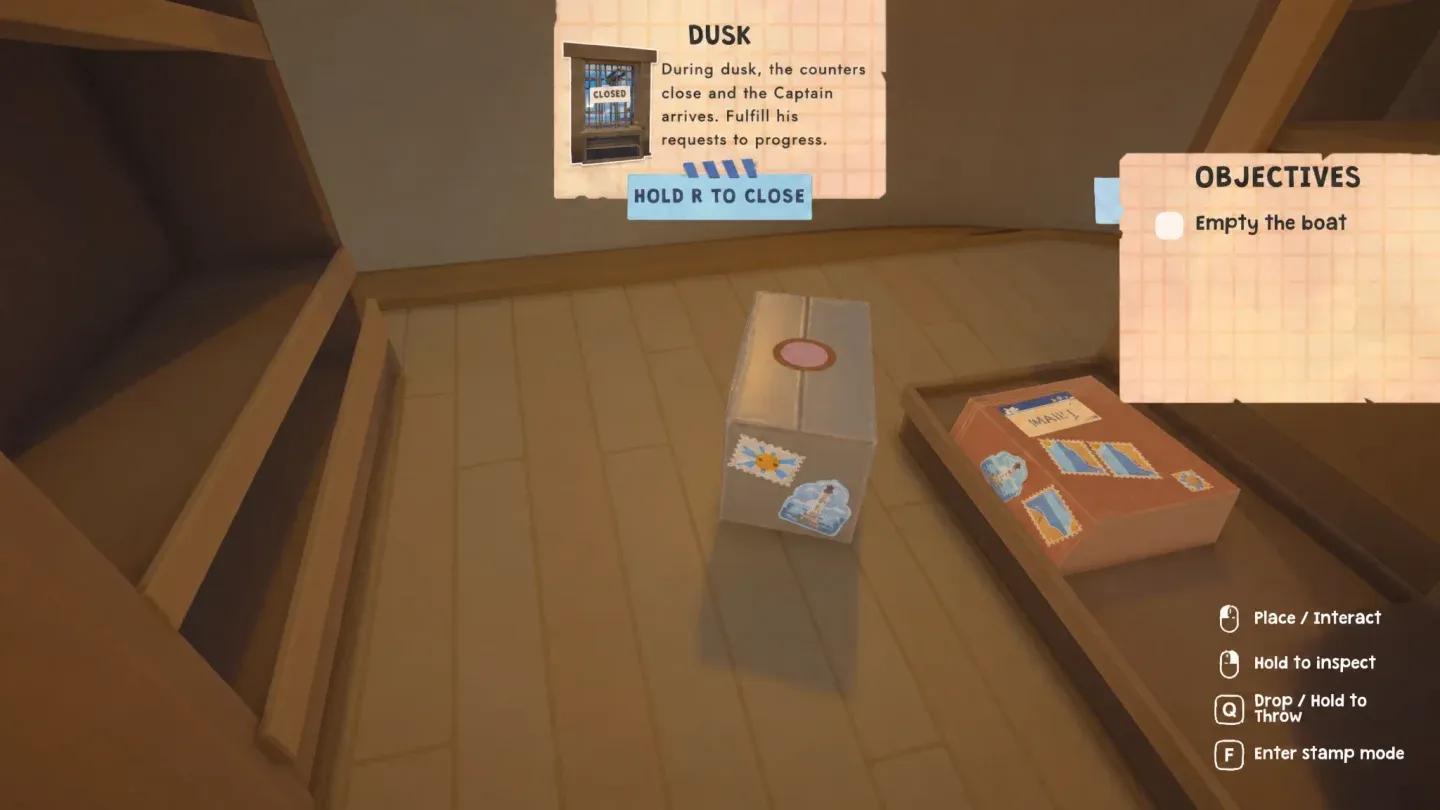
Finding partner packages at night
For a full breakdown of every constraint symbol and exactly which room each one maps to, the package constraints guide has everything you need.
Putting it all together
The three systems here, size descriptions, sticker markings, and storage constraints, each solve a different problem. Size descriptions help you find the right parcel when a recipient does not give you a name. Sticker markings let you narrow down identical-looking packages. Constraints tell you where everything lives in the building and how to handle it without causing damage.
The single habit that saves the most time is scanning every package as it comes in and duplicating any stickers to the front label immediately. That upfront investment means far less scrambling when a recipient gives you a vague description and the clock is ticking.
For more tips on running the post office efficiently, browse the full Cat Mail Co. strategy guides collection, which covers everything from beginner fundamentals to the finer points of parcel sorting. Cat Mail Co. sits comfortably among the more rewarding indie games in this niche of cozy management sims, and mastering its package logic is what separates a smooth shift from a chaotic one.