Overview
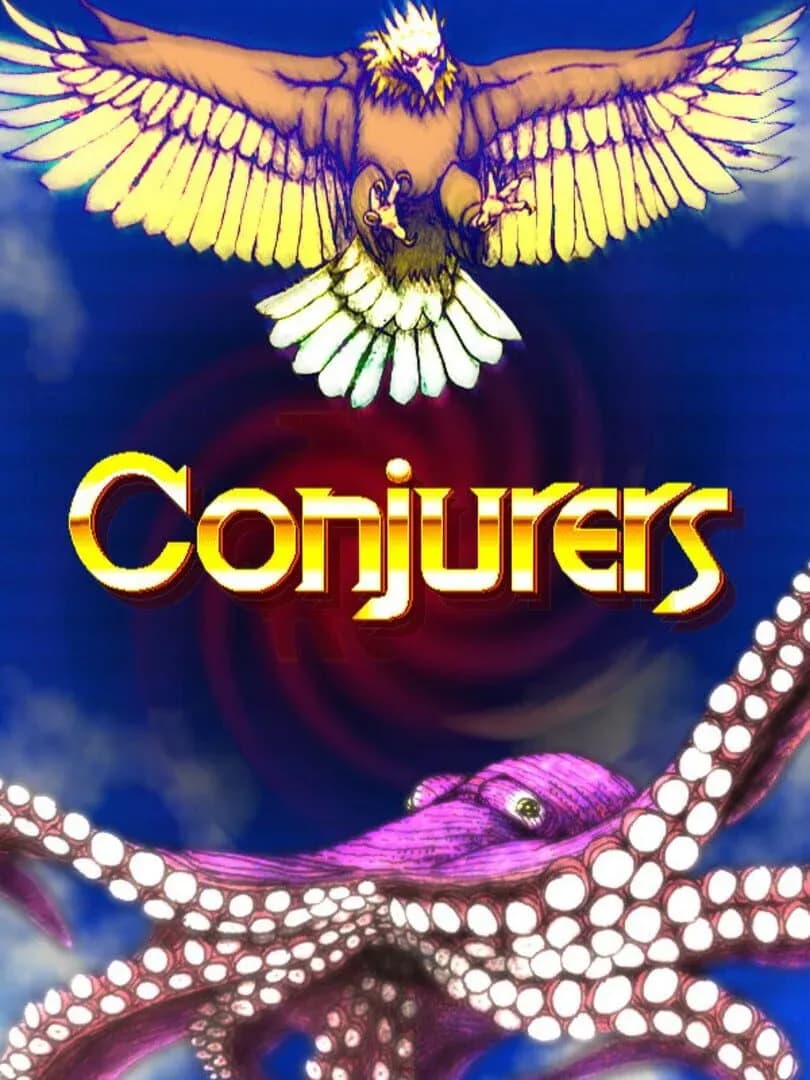
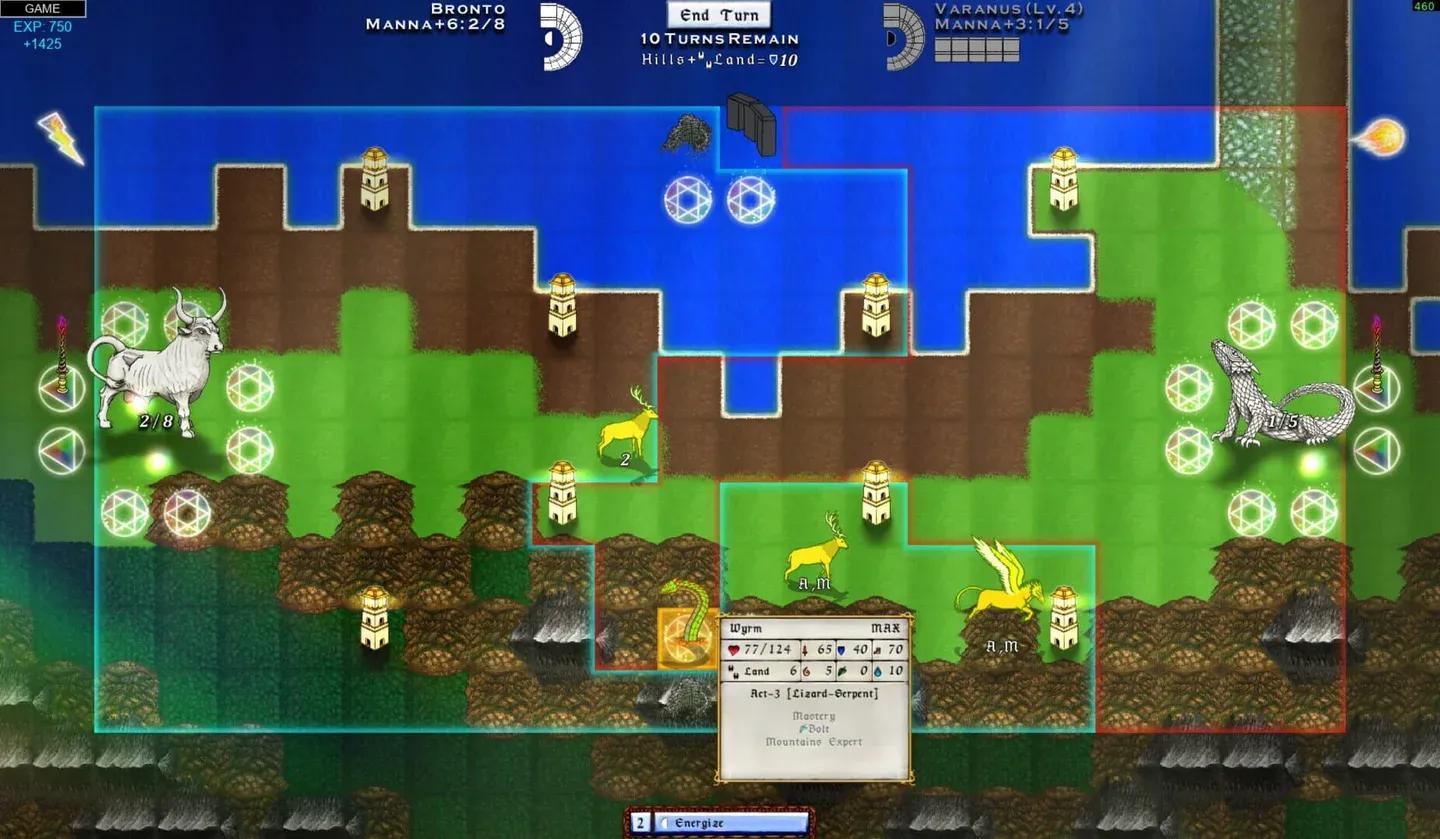
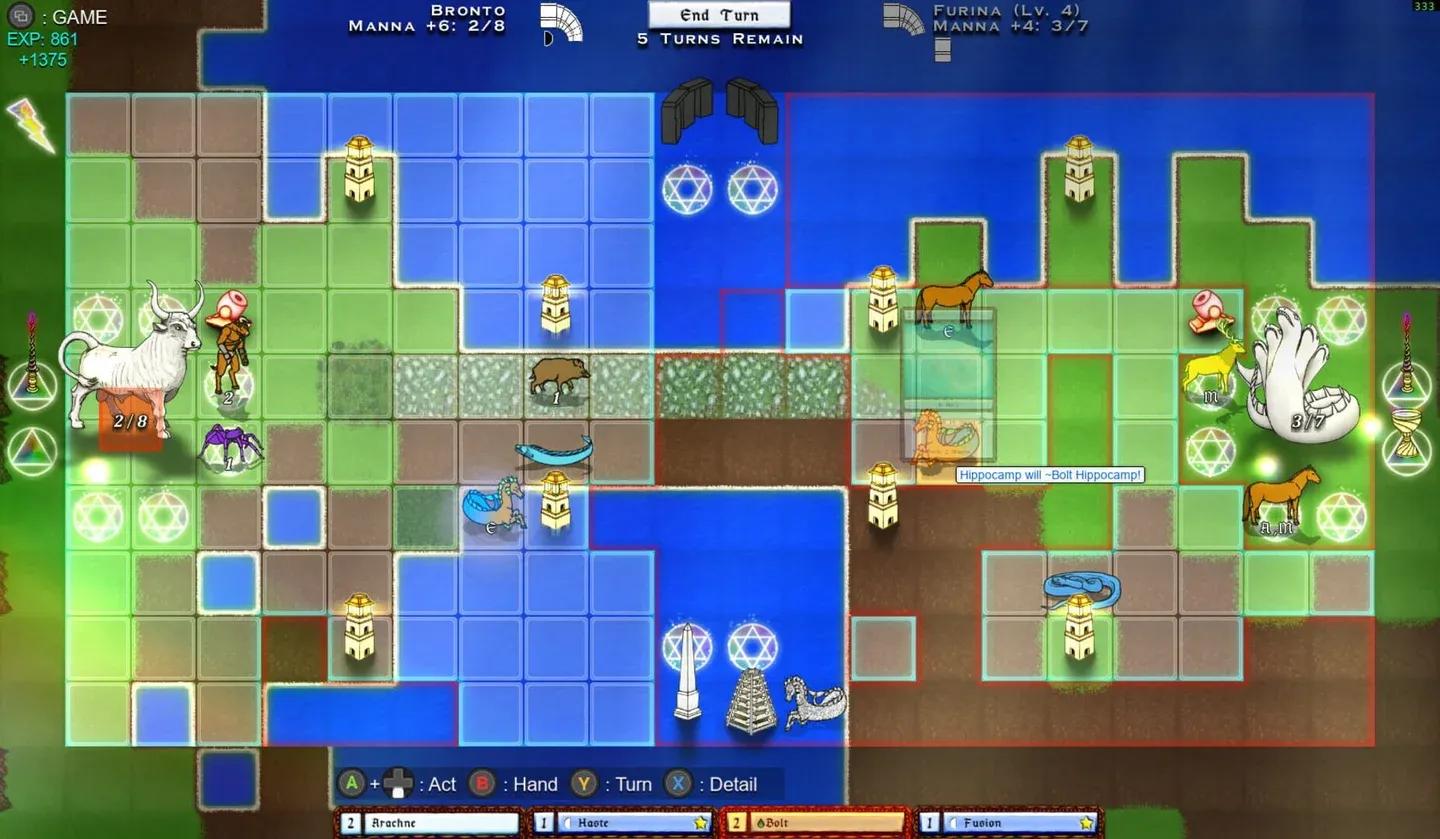
Conjurers is a turn-based tactics game developed solo by Carl Treadway and published by indie.io, arriving on Steam for Windows on July 28, 2026. The core premise is deceptively clean: 8 Conjurers, each commanding a distinct creature type, compete for control of the Zodiac. You start with 4 creatures and a 24-card deck, then grow both through combat rather than random drops or shop economies.
What makes the structure click is the snowball logic baked into every fight. Defeat a rival Conjurer and their entire constellation transfers to you, their creatures join your roster, and hybrid combinations between creature types unlock automatically. Lose nothing except the fight itself, win and permanently expand what you can field.
Conjurers content image
Gameplay and mechanics
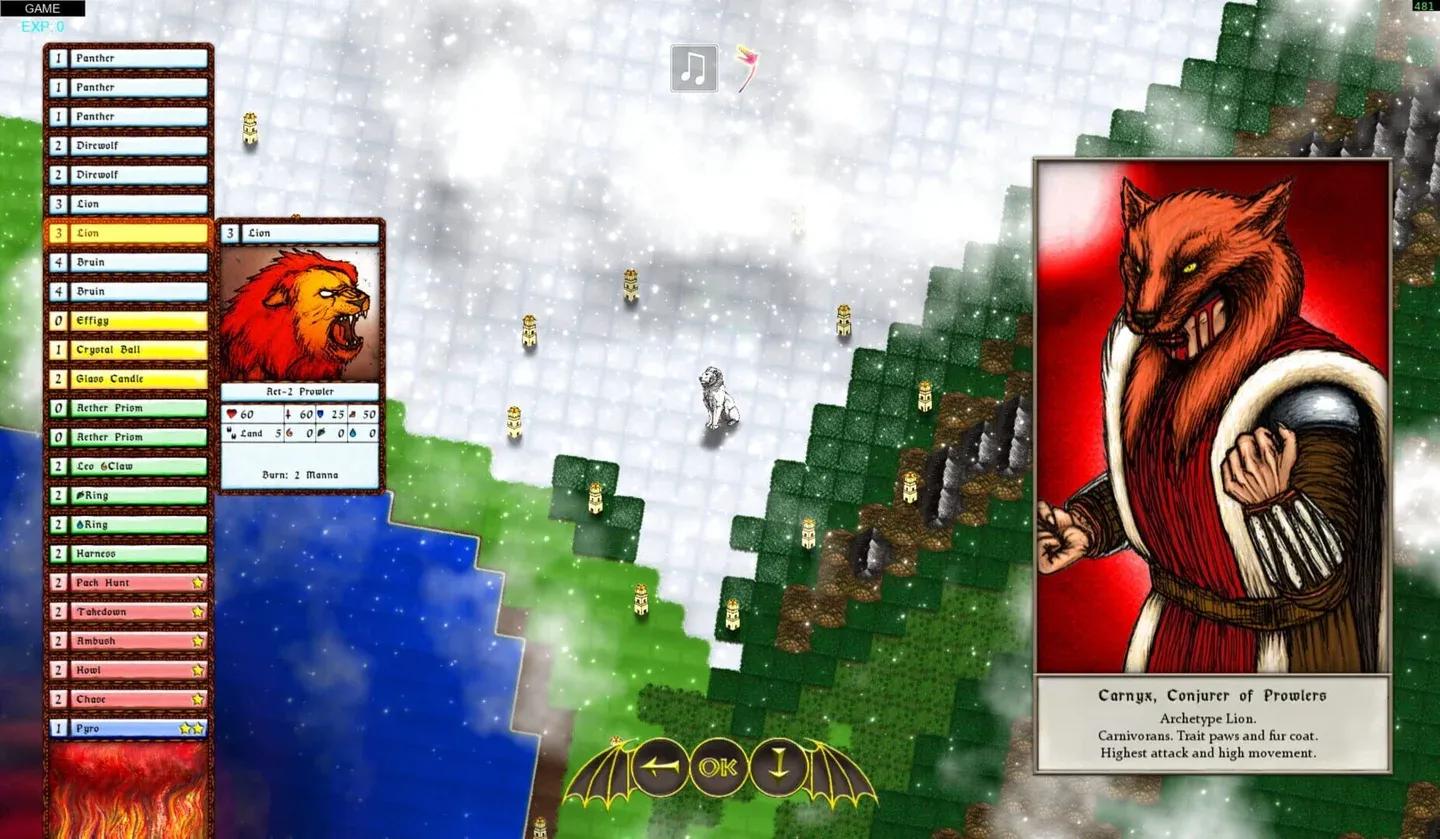
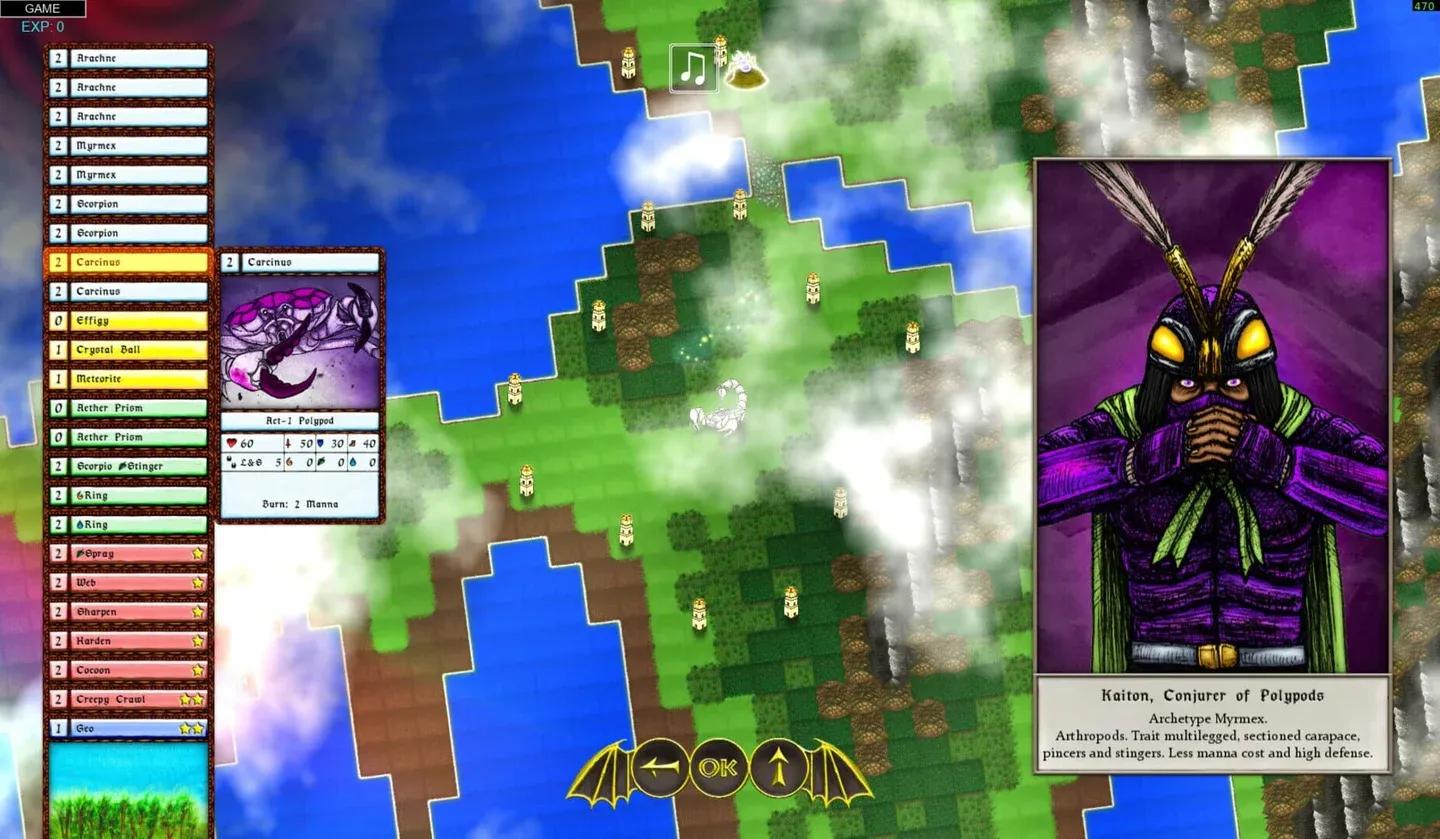
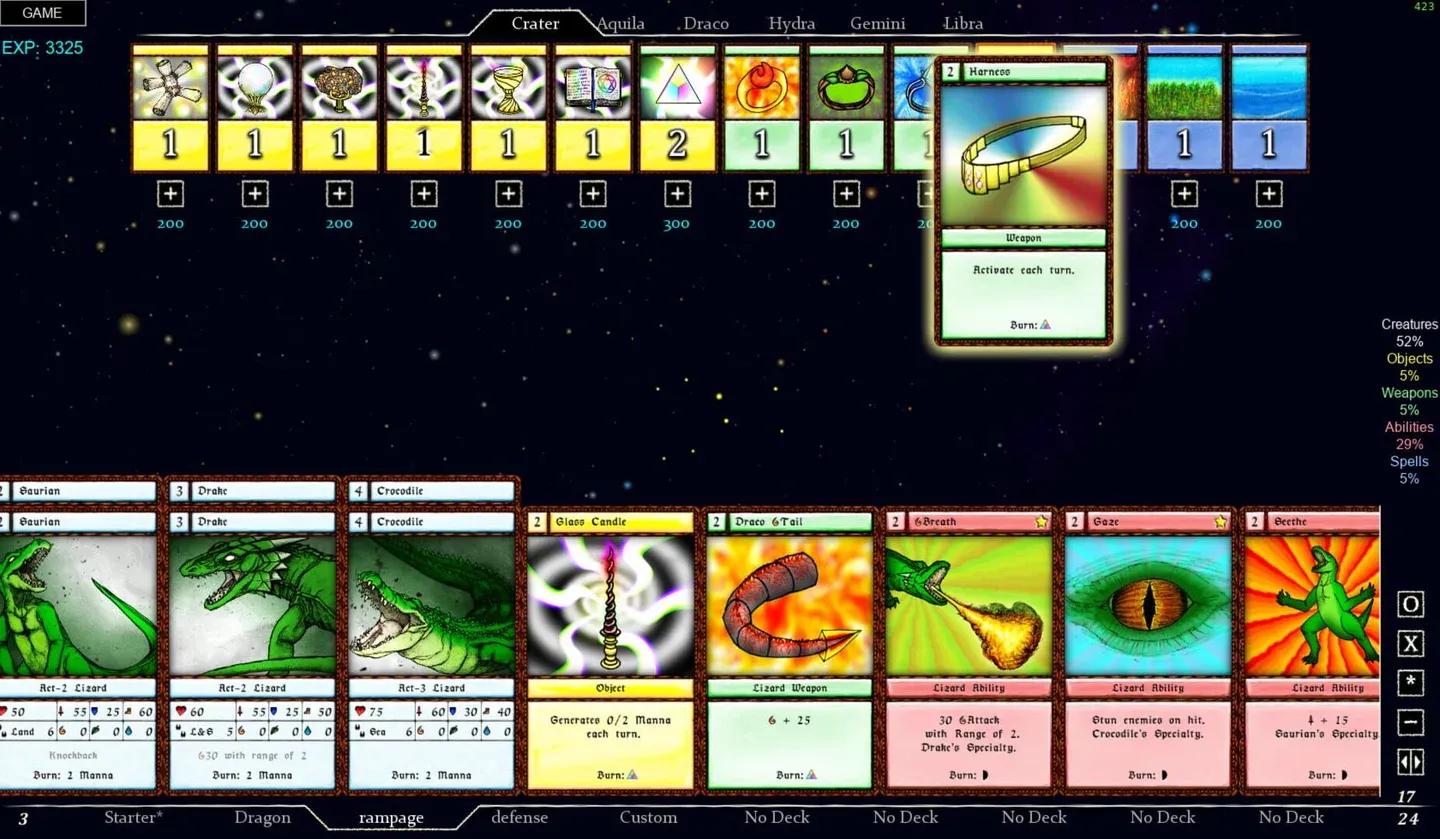
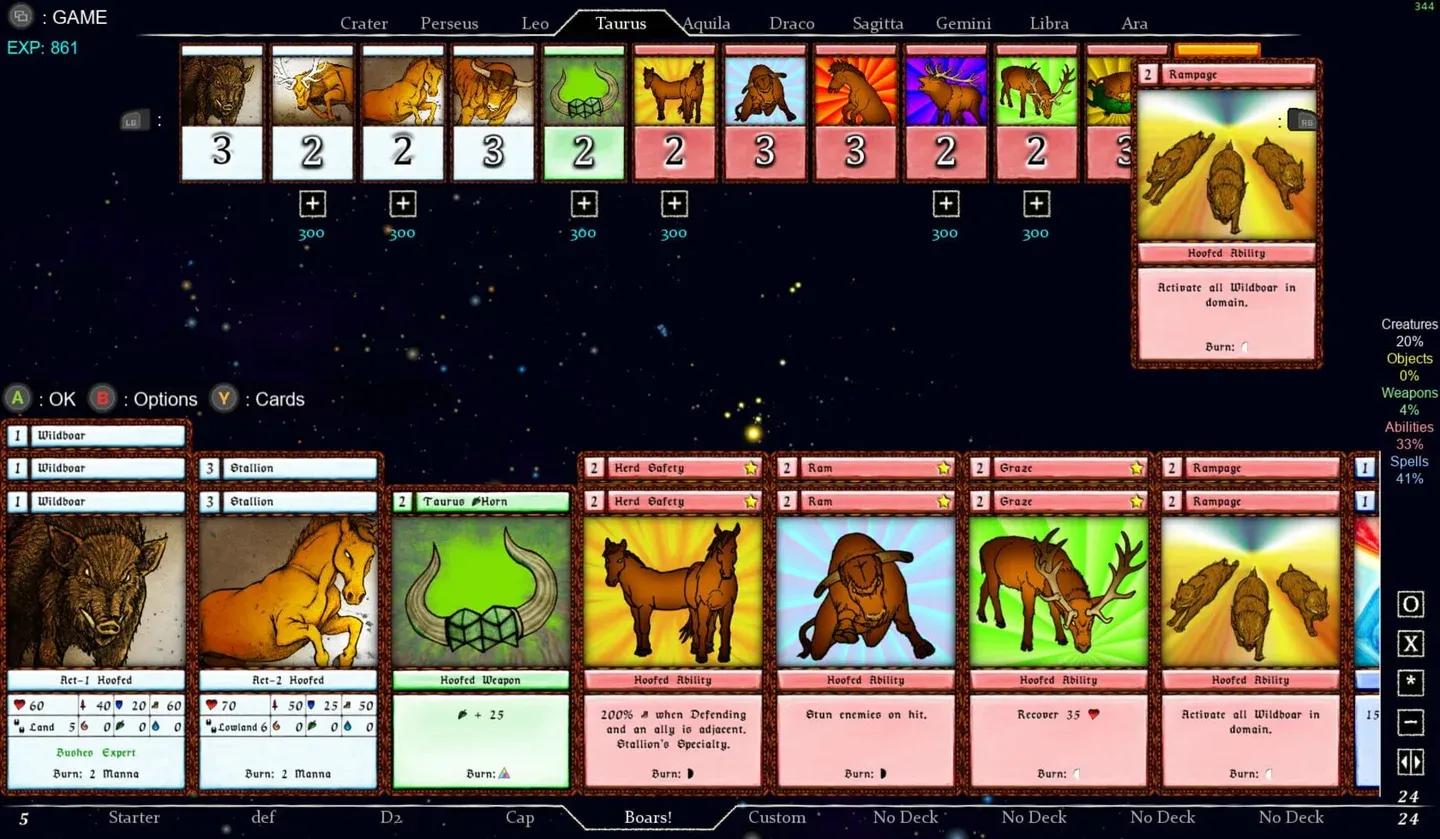
The deckbuilding layer sits on top of the tactical combat rather than replacing it. That 24-card deck carries Weapons, Abilities, and Spells that support whatever creatures you bring into a given engagement. The key features of the system break down like this:
Conjurers content image
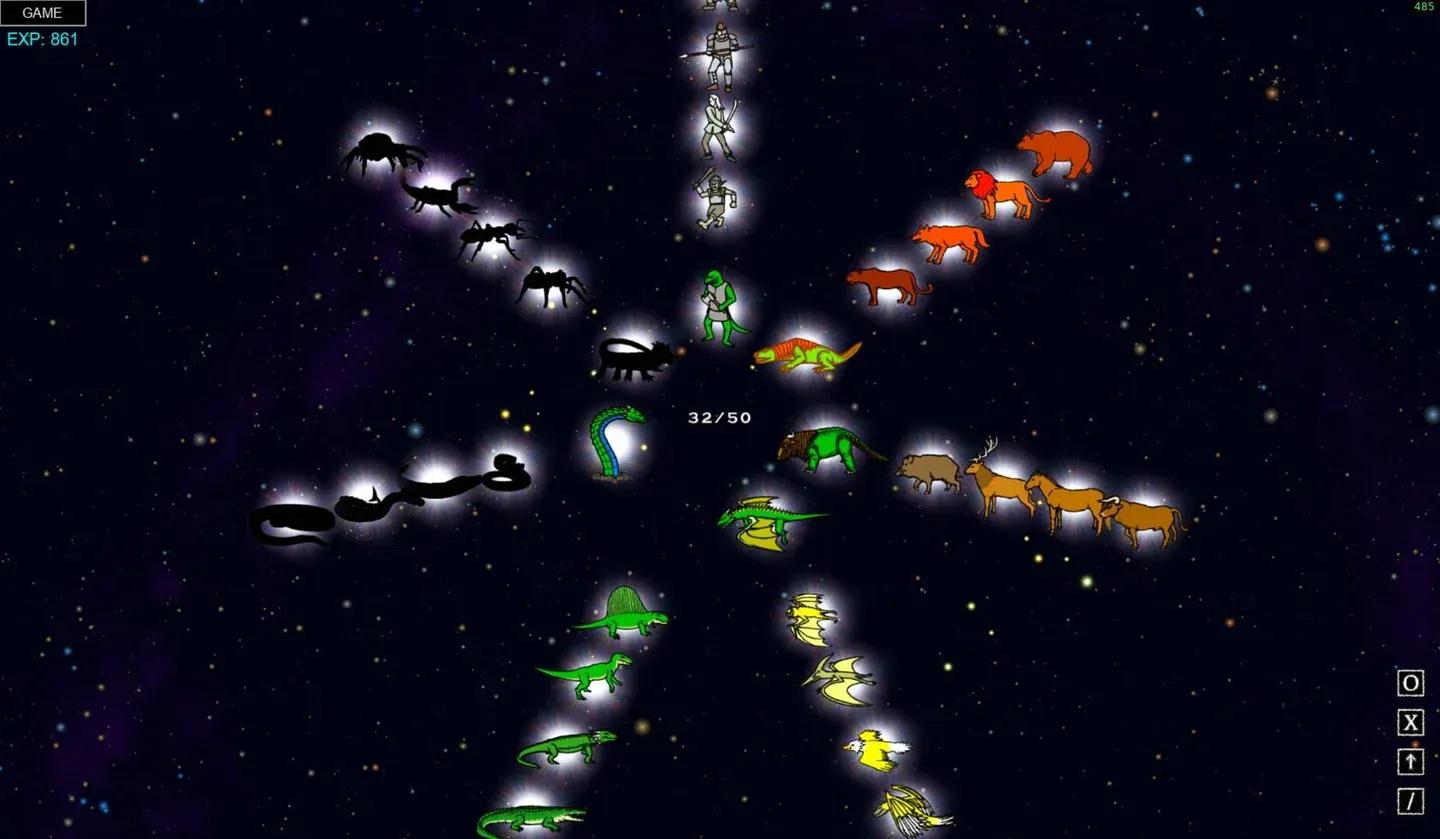
- Creatures drawn from 8 distinct Zodiac types
- Any two creature types combine into a hybrid
- Deck of 24 cards covers weapons, abilities, and spells
- Defeated Conjurers permanently surrender their constellation
- Aquarius serves as the final, immortal opponent
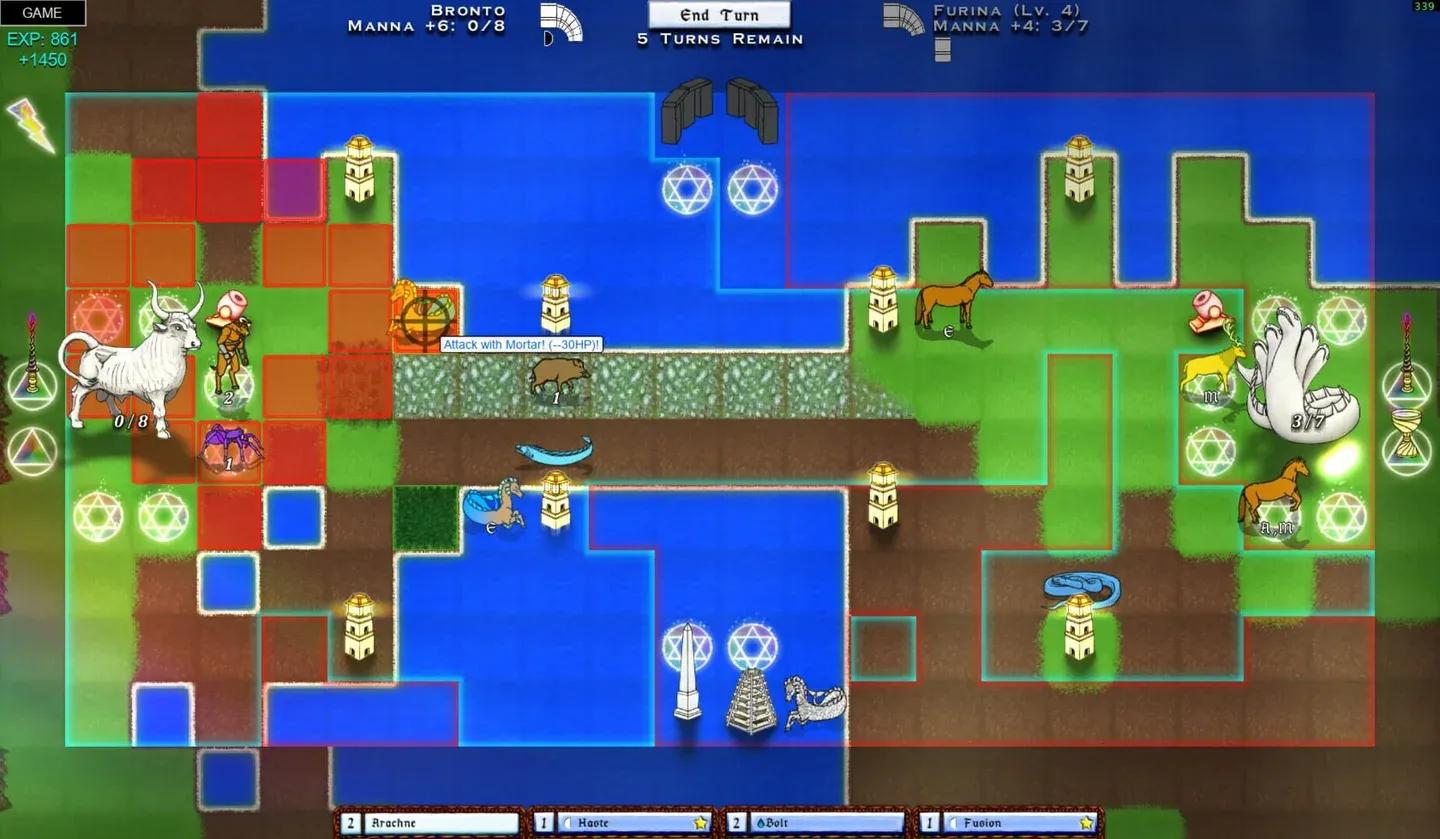
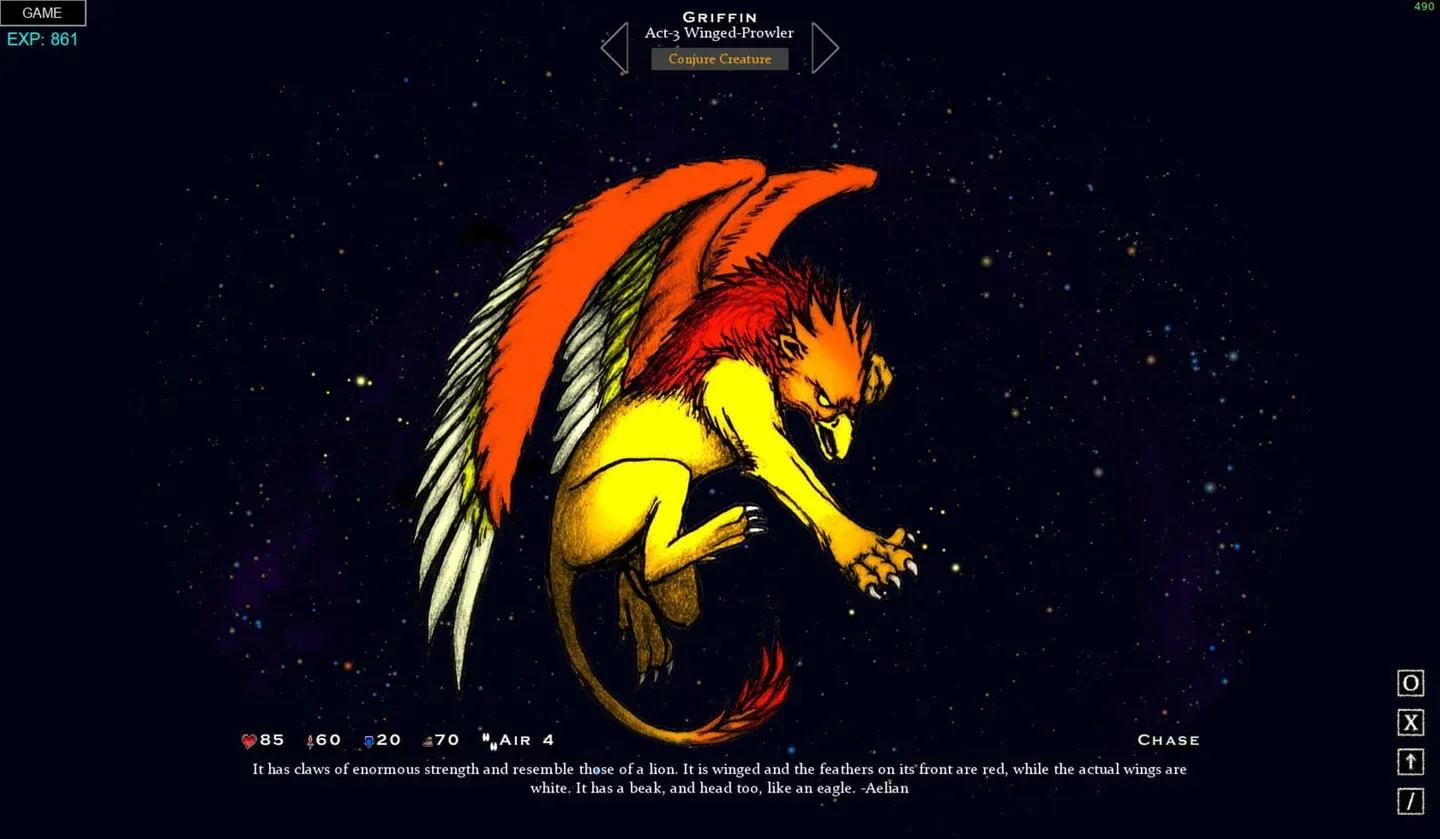
The hybrid system is where the tactical depth really opens up. Combining a Footman and an Aurochs produces a Minotaur. A Lion and a Scorpion become a Manticore. A Drake and a Pteranodon fuse into a Dragon. These aren't cosmetic upgrades; each hybrid carries the combined identity of its source creatures, which means your strategic options multiply faster than your opponent count shrinks.
Conjurers content image
What does the Zodiac progression actually look like?
The Zodiac structure functions as both the map and the victory condition. Eight Conjurers occupy eight constellation slots around Aquarius, who sits at the center and cannot be reached until the outer ring falls. Each run begins with a choice of starting Conjurer, and that choice shapes which creature type anchors your early deck.
As rival Conjurers fall, the Zodiac fills with your colors. The progression isn't just cosmetic momentum, it's mechanical momentum. More creature types mean more hybrid combinations available, which means the deck you're building in the late game looks nothing like the one you started with. The design rewards players who think about synergies several fights ahead rather than optimizing only for the next match.
Content and replayability
Starting Conjurer selection gives Conjurers genuine replay value on its own. Eight different entry points mean eight different early-game creature identities, and the order in which you defeat rivals changes which hybrids become available at which point in a run. A player who starts as a goblin-type Conjurer and sweeps the board in one sequence ends up with a completely different hybrid pool than someone who takes the same starting point but routes through different opponents first.
Conjurers content image
The immortal Aquarius serves as the difficulty anchor that keeps every run honest. No matter how efficiently the outer ring falls, that final confrontation demands a deck and creature roster that can handle a fight designed to resist the strongest builds. For a solo-developed turn-based strategy game on Steam, the loop is tight and the ceiling is higher than the setup suggests.