
Advertisement

Overview
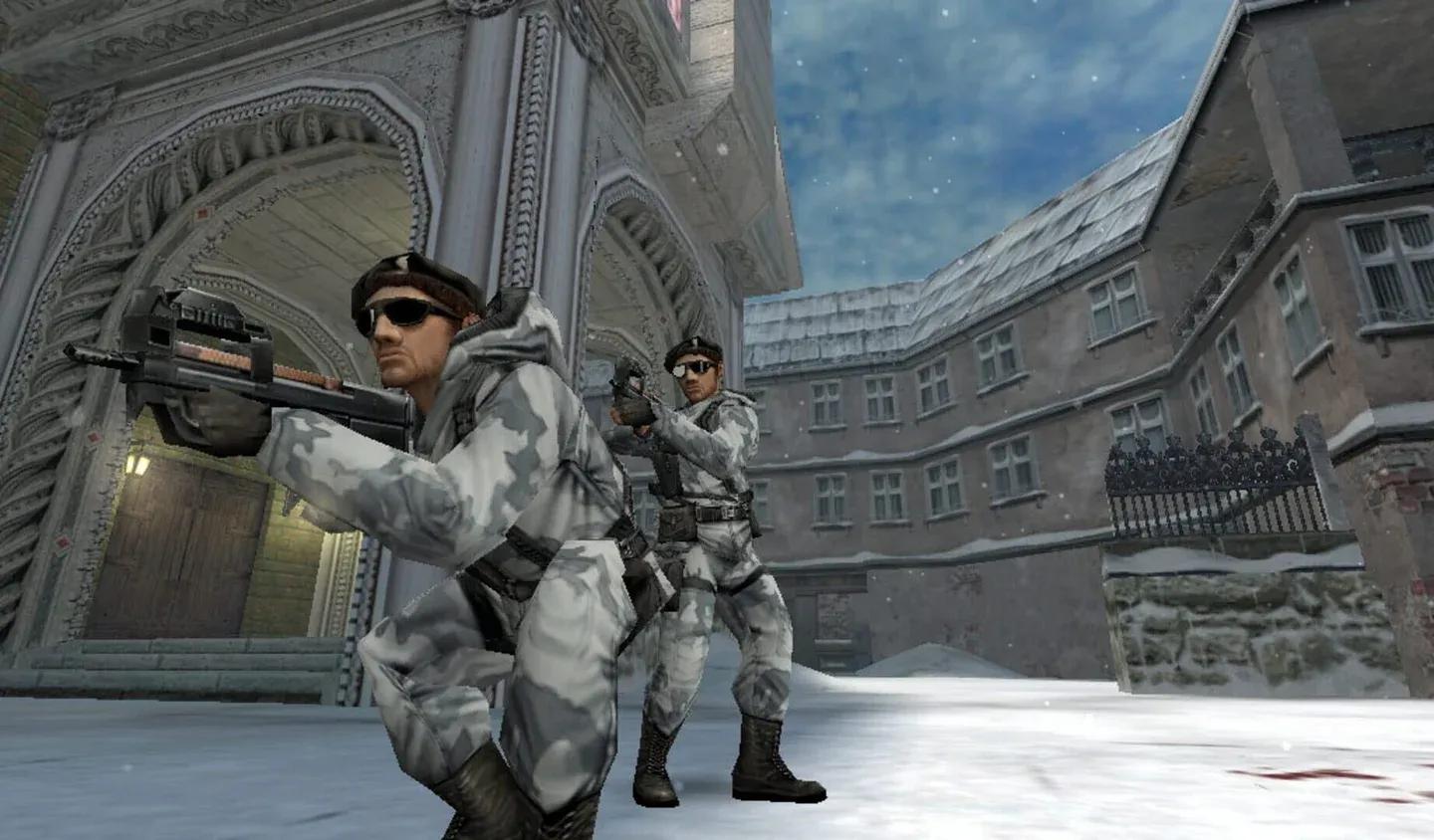
Counter-Strike: Condition Zero arrived in March 2004 as Valve's attempt to give the Counter-Strike formula more staying power beyond its multiplayer roots. Built on the same foundation as the original, it keeps the tight gunplay and bomb-defusal and hostage-rescue scenarios intact while layering in a Tour of Duty campaign that gives solo players something to actually work toward. The result is a version of Counter-Strike that holds up as both a multiplayer shooter and a standalone single-player experience.
The game runs on Windows, macOS, and Xbox, which was a notable platform spread for a 2004 release. Xbox players got a console-adapted version of the Counter-Strike experience at a time when tactical shooters on console were rare. The core mechanics stay consistent across platforms: buy weapons before each round, complete objectives, survive.
Gameplay and mechanics
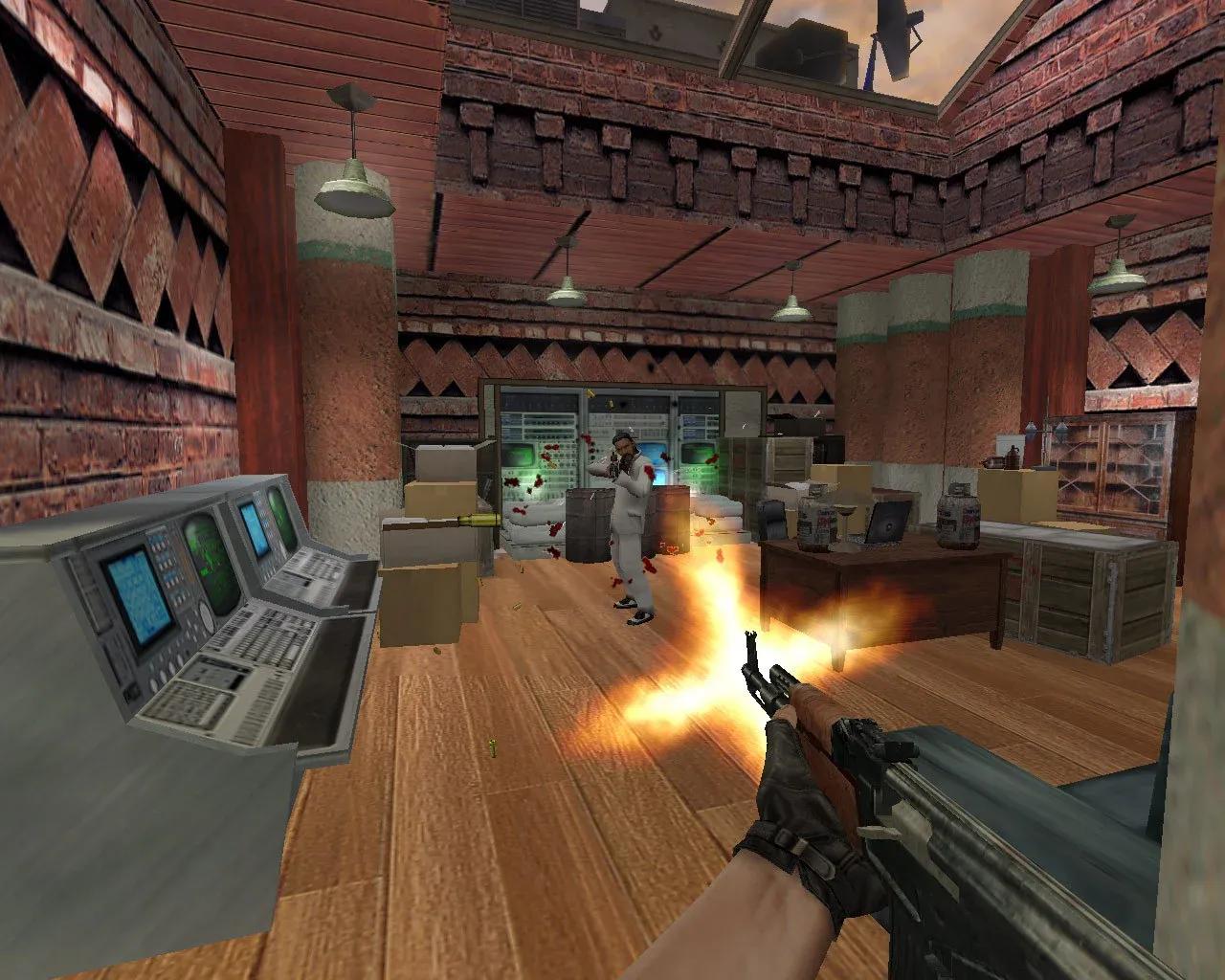
Condition Zero plays exactly like Counter-Strike at its core, which is either a selling point or a limitation depending on what you're looking for. Rounds are short, deaths are permanent until the next round, and economy management determines whether your team shows up with rifles or pistols. The skill ceiling is high and the learning curve is steep.
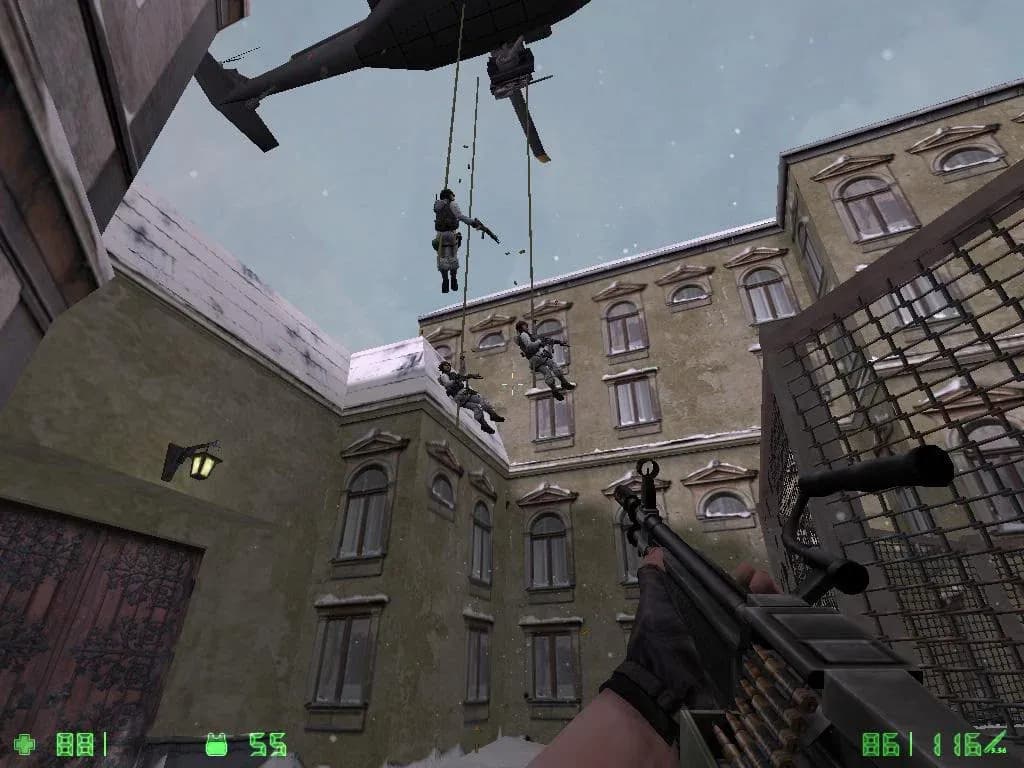
Counter-Strike: Condition Zero content image
Key features in the single-player and multiplayer modes include:
- Tour of Duty campaign with bot-driven matches
- Over 12 bonus single-player missions
- Classic bomb defusal and hostage rescue modes
- Skirmish modes against AI opponents
- Multiplayer with updated content
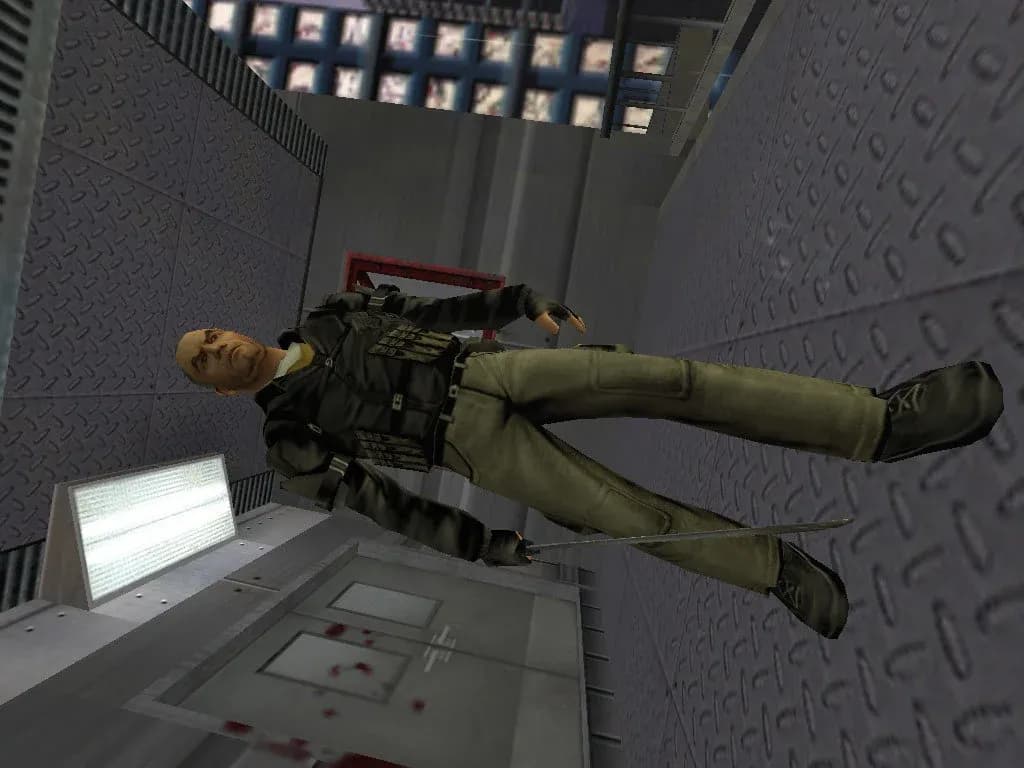
Counter-Strike: Condition Zero content image
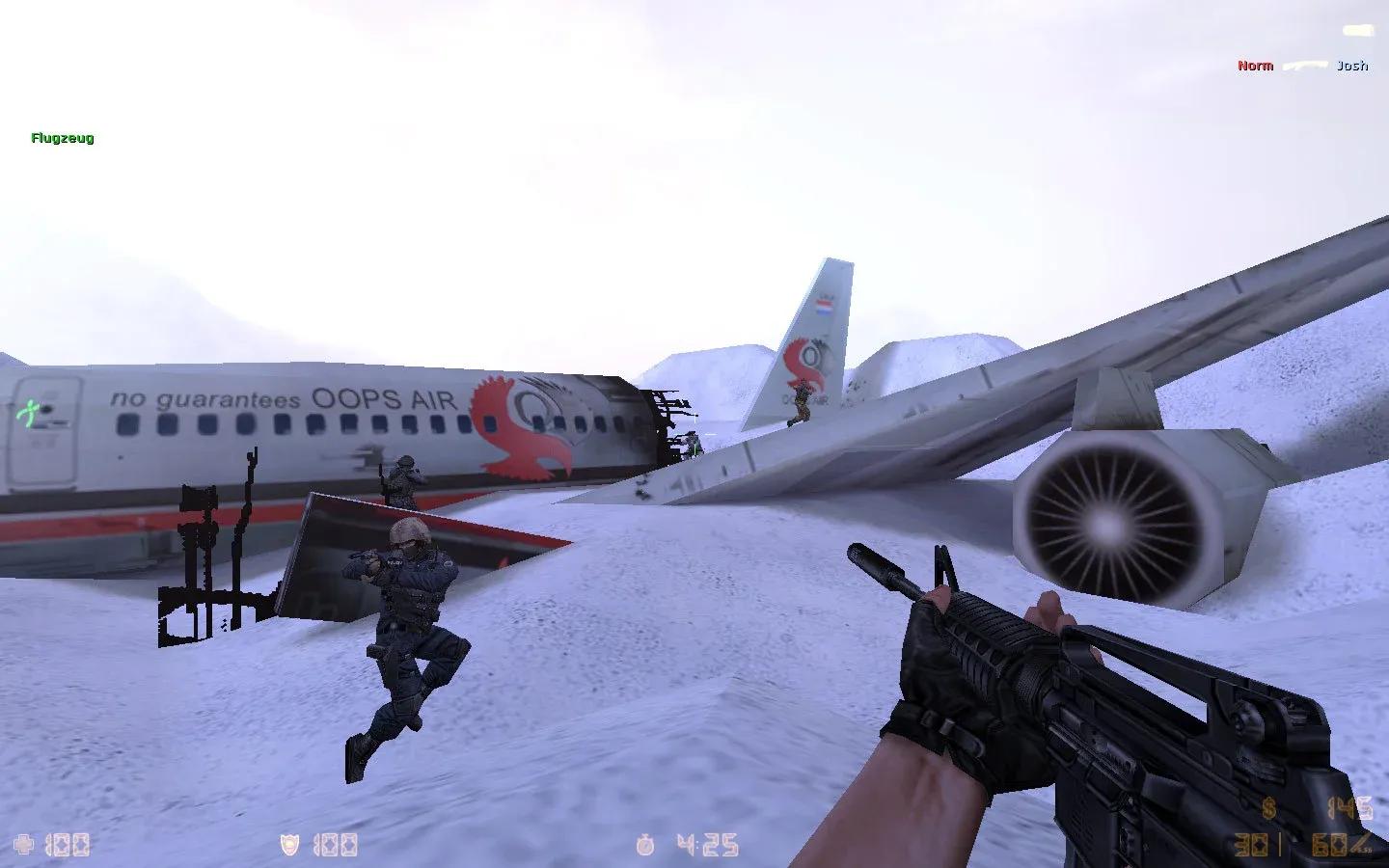
The bot AI in Condition Zero was a genuine step forward for the series. Earlier Counter-Strike had no official bot support, so Condition Zero's inclusion of competent AI opponents made it the go-to version for players who wanted to practice or just couldn't get a full server going.
What does the Tour of Duty campaign actually offer?
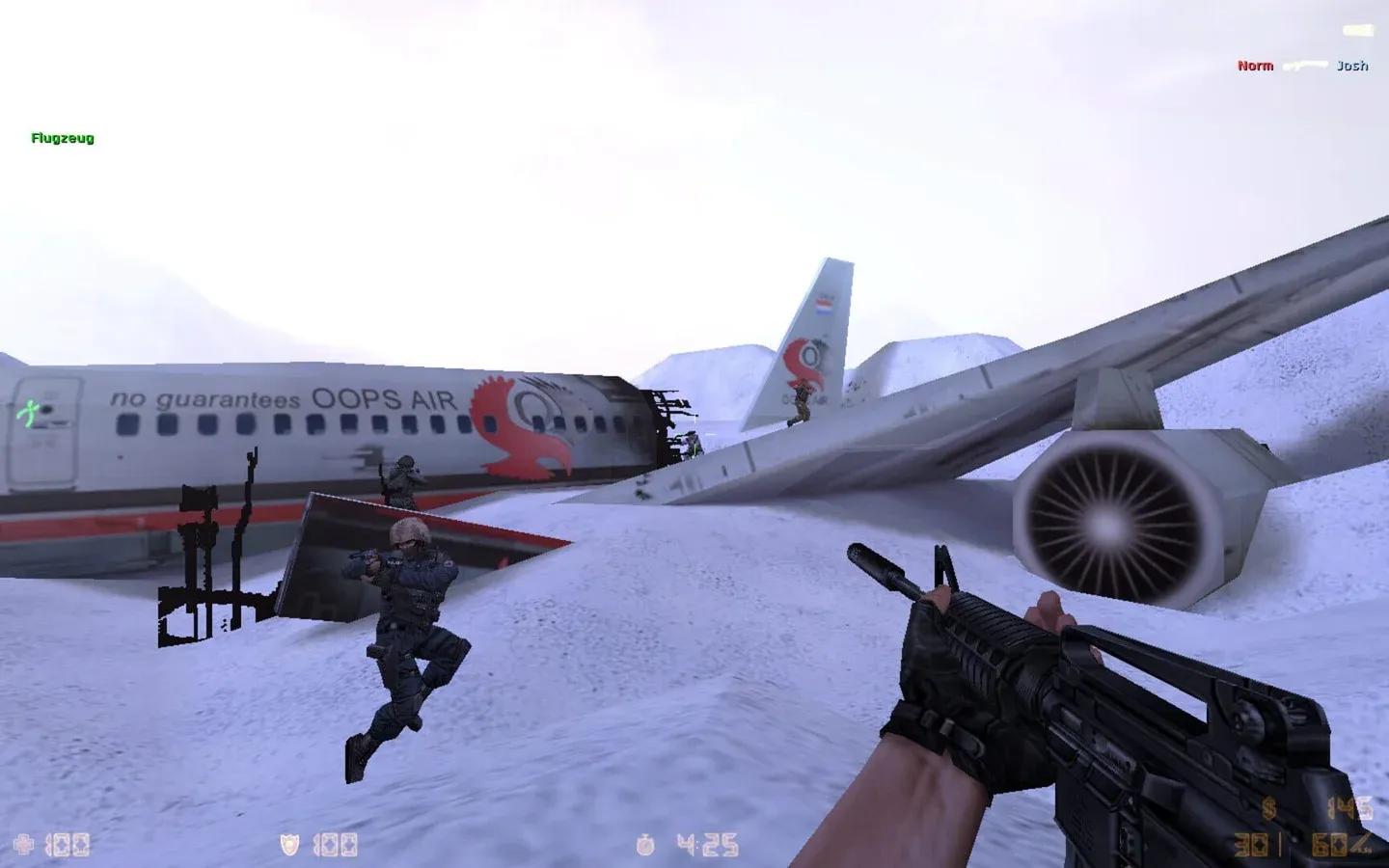
The Tour of Duty mode is the headline single-player addition. Players work through a series of matches on different maps alongside bot teammates, completing specific objectives to advance. Each mission has conditions beyond simply winning, such as getting a certain number of kills with a specific weapon or finishing under a time constraint. These side conditions push players to engage with the game differently than a standard multiplayer match would.
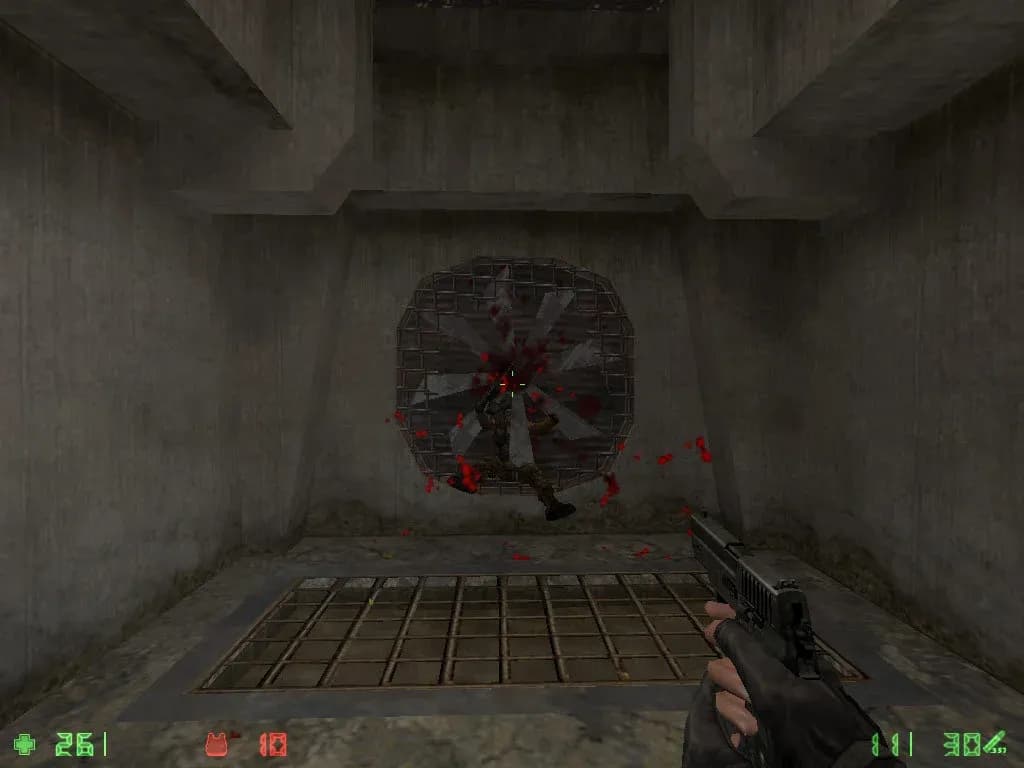
Counter-Strike: Condition Zero content image
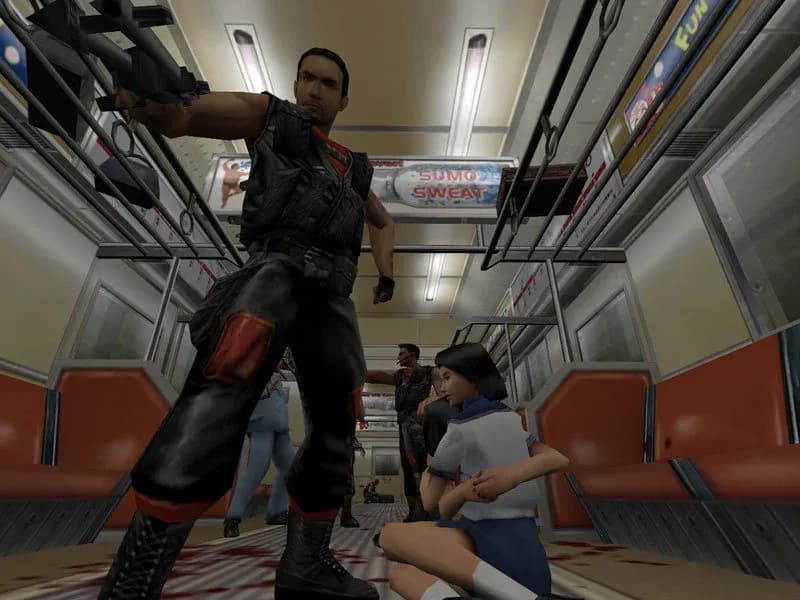
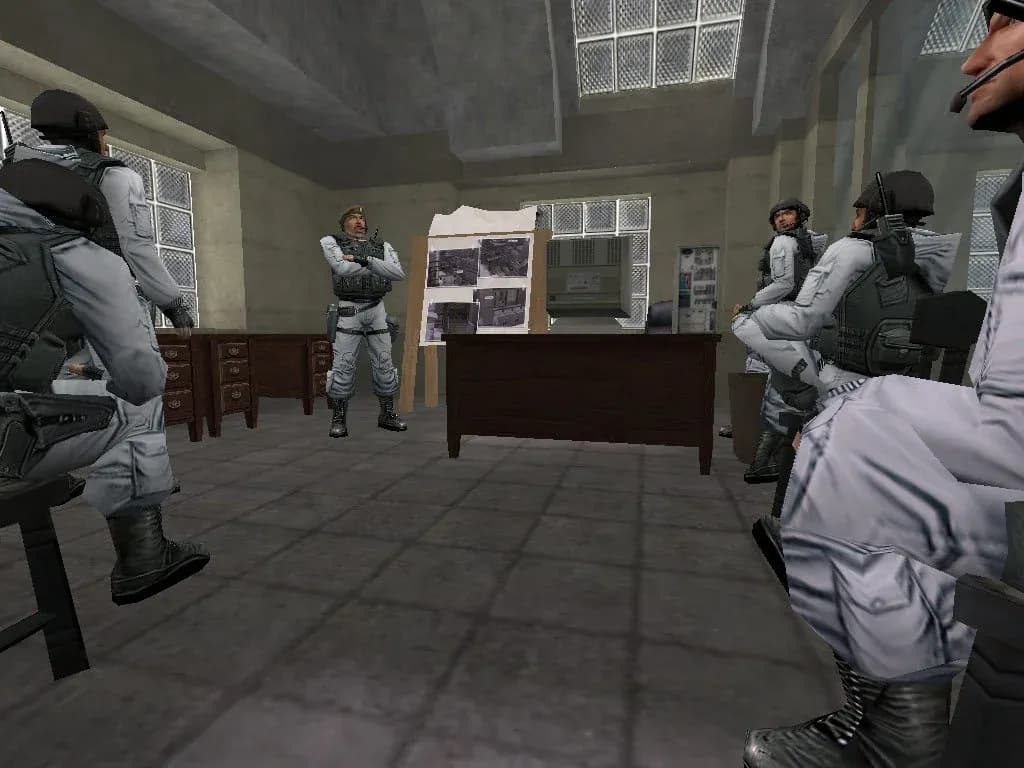
The bonus single-player missions go further, dropping players into scripted scenarios that feel closer to a traditional action game. These missions have fixed objectives, specific enemy placements, and a more directed structure than the open-ended Tour of Duty matches. There are more than 12 of them, which gives the solo content real volume for a game that launched before single-player shooters started padding runtimes with open worlds.
Content and replayability
The skirmish modes sit between the structured campaign and full multiplayer, letting players set up custom matches against bots with adjustable difficulty and rules. For a 2004 release, the sheer number of configurations available is impressive. Map variety, bot counts, difficulty levels, and game mode selection all feed into a system that can generate a different experience each session.
Counter-Strike: Condition Zero content image
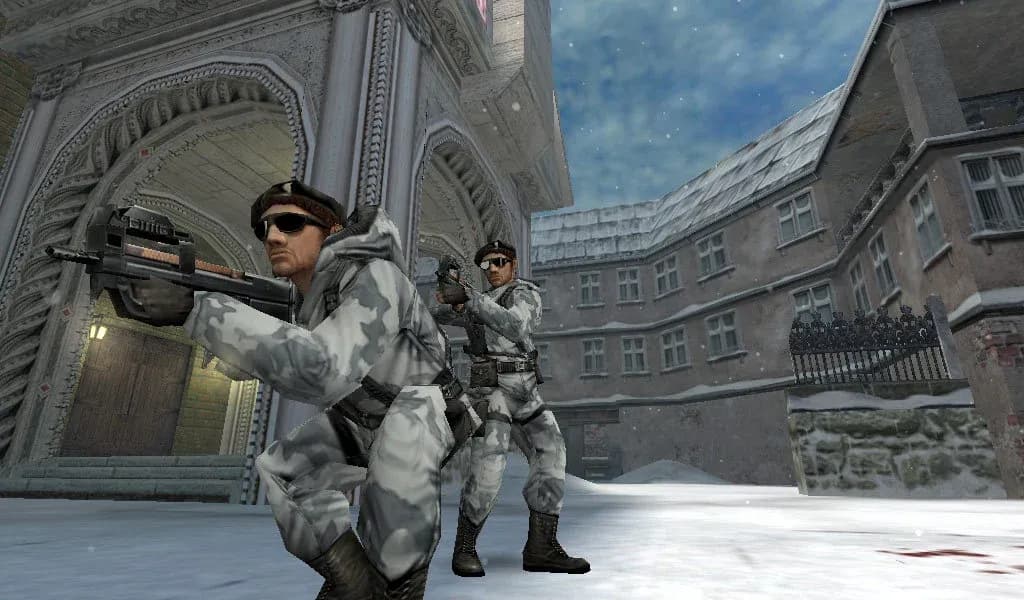
Condition Zero also brought updates to Counter-Strike's multiplayer content, meaning players who bought it weren't just getting a singleplayer addon but a refreshed version of the competitive game. The combination of Tour of Duty, bonus missions, skirmish modes, and updated multiplayer made it one of the more content-dense shooters of its release year, and that breadth still defines what the game is today.