Overview
Daba: Land of Water Scar is a Souls-like action RPG developed by Dark Star and published by Sony Interactive Entertainment, planned for PlayStation. The game follows a clay puppet of humanoid appearance as it searches the crumbling ancient city of Guge for water fragments, the key to preventing a world-ending catastrophe. Combat is the primary language here, with the puppet fighting through waves of horrific enemies while slowly uncovering the truth behind both the dying world and its own mysterious existence.
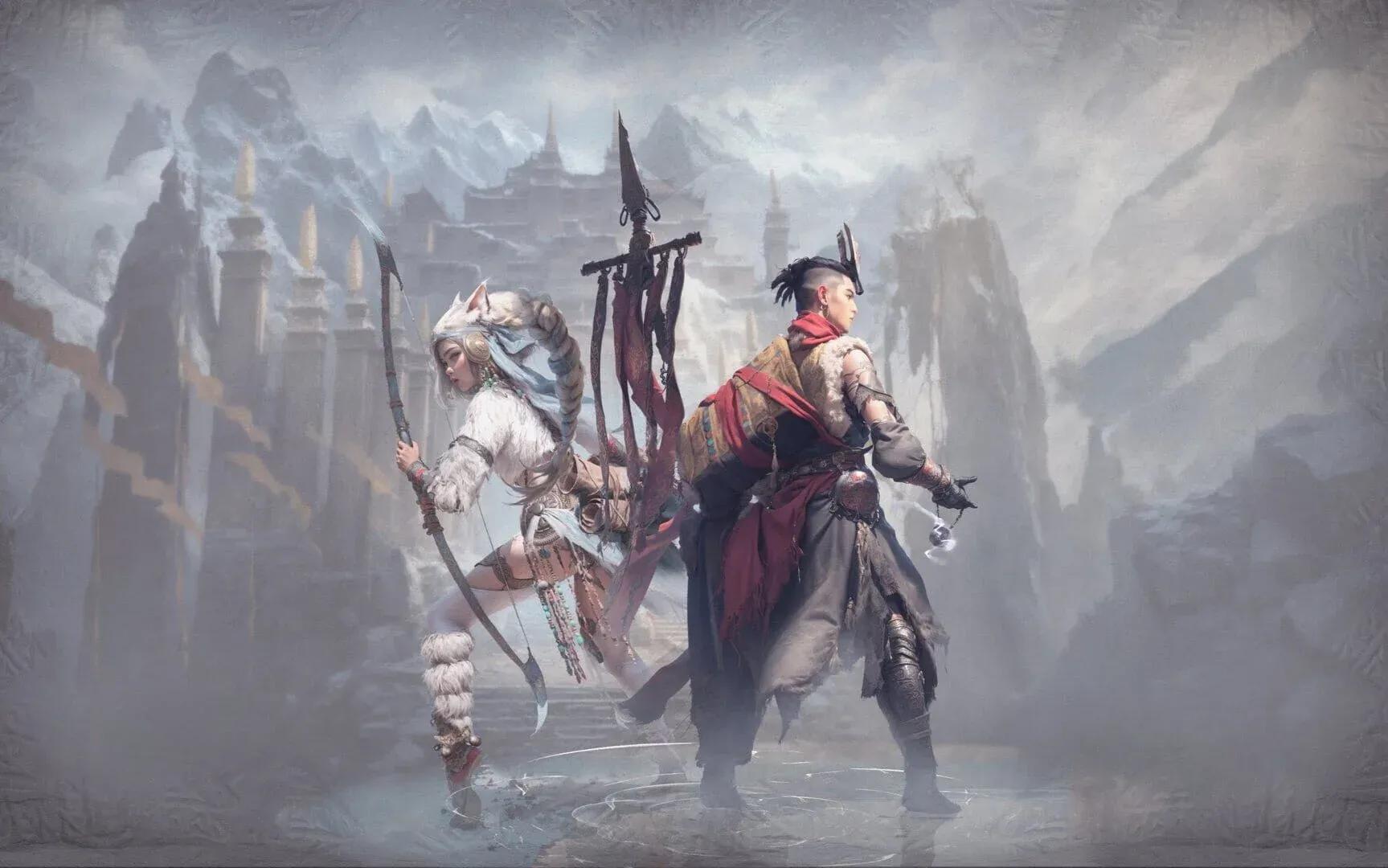
What separates Daba from a straightforward FromSoftware tribute is its setting. Guge is not a generic fantasy ruin; it draws on the imagery of a real lost Tibetan kingdom, giving the environments a cultural weight that most action RPGs skip entirely. The result is a world that feels genuinely unfamiliar, which is exactly what the Souls-like genre needs after years of grey-stone castles and fire-scorched kingdoms.
World and setting: what is the ancient city of Guge?
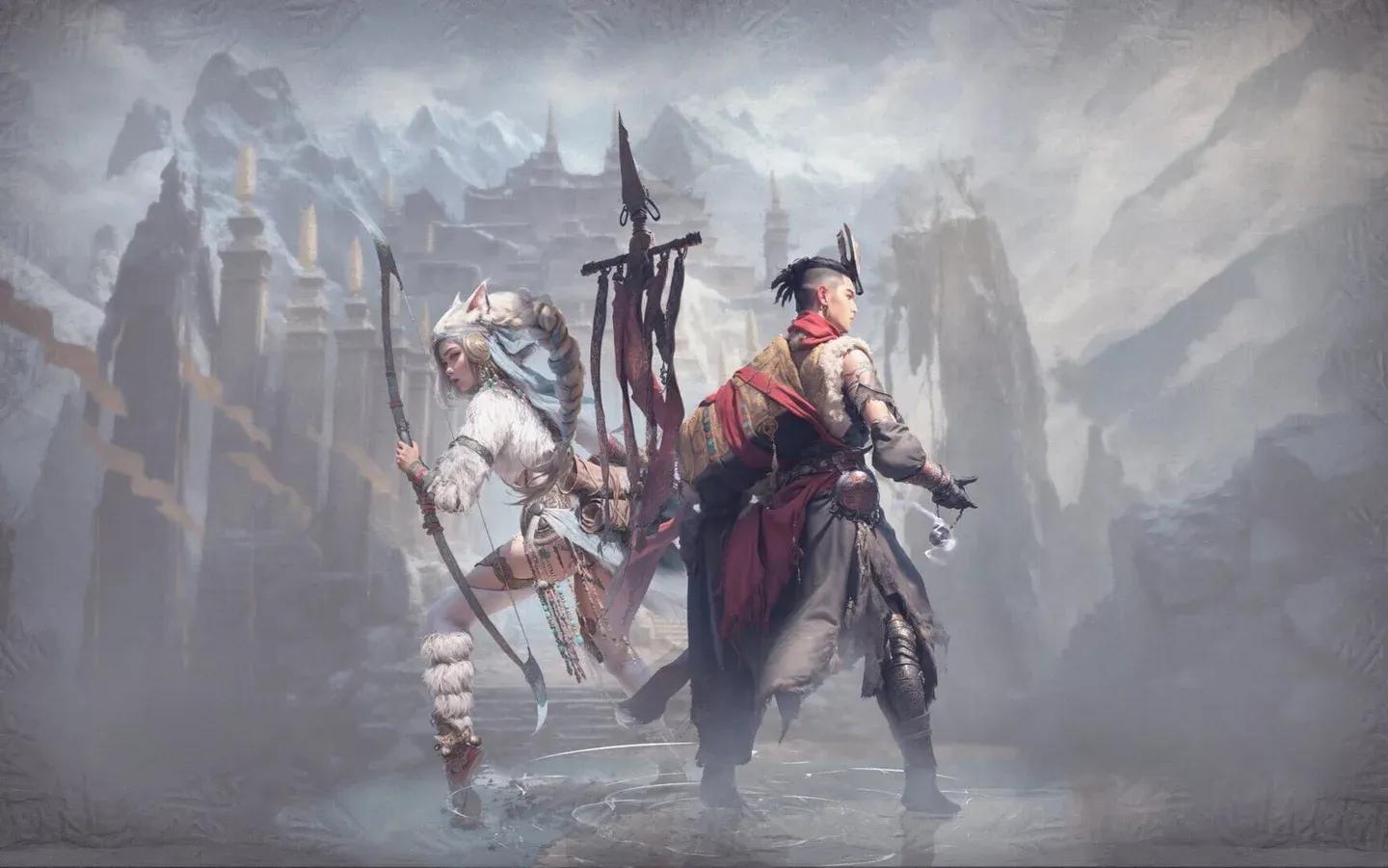
The ancient city of Guge sits at the center of Daba's design, and Dark Star has built out a substantial range of environments within and around it. The game moves through abandoned ruins, a vast rift valley, a gloomy prison, an expansive snowfield, a deadly forest, and a floating city, each area visually distinct and interconnected through non-linear level design. This is not a hub-and-spoke map; zones bleed into each other in ways that reward exploration and punish tunnel vision.
- Abandoned ruins and ancient city districts
- Gloomy prison and underground areas
- Vast rift valley and expansive snowfield
- Deadly forest and floating city
The non-linear structure means players can approach areas in different orders, and the interconnected design encourages backtracking as new abilities or knowledge open previously inaccessible paths. For a genre built on environmental storytelling, the variety of biomes gives Dark Star a lot of canvas to work with.
Daba: Land of Water Scar content image
Gameplay and mechanics
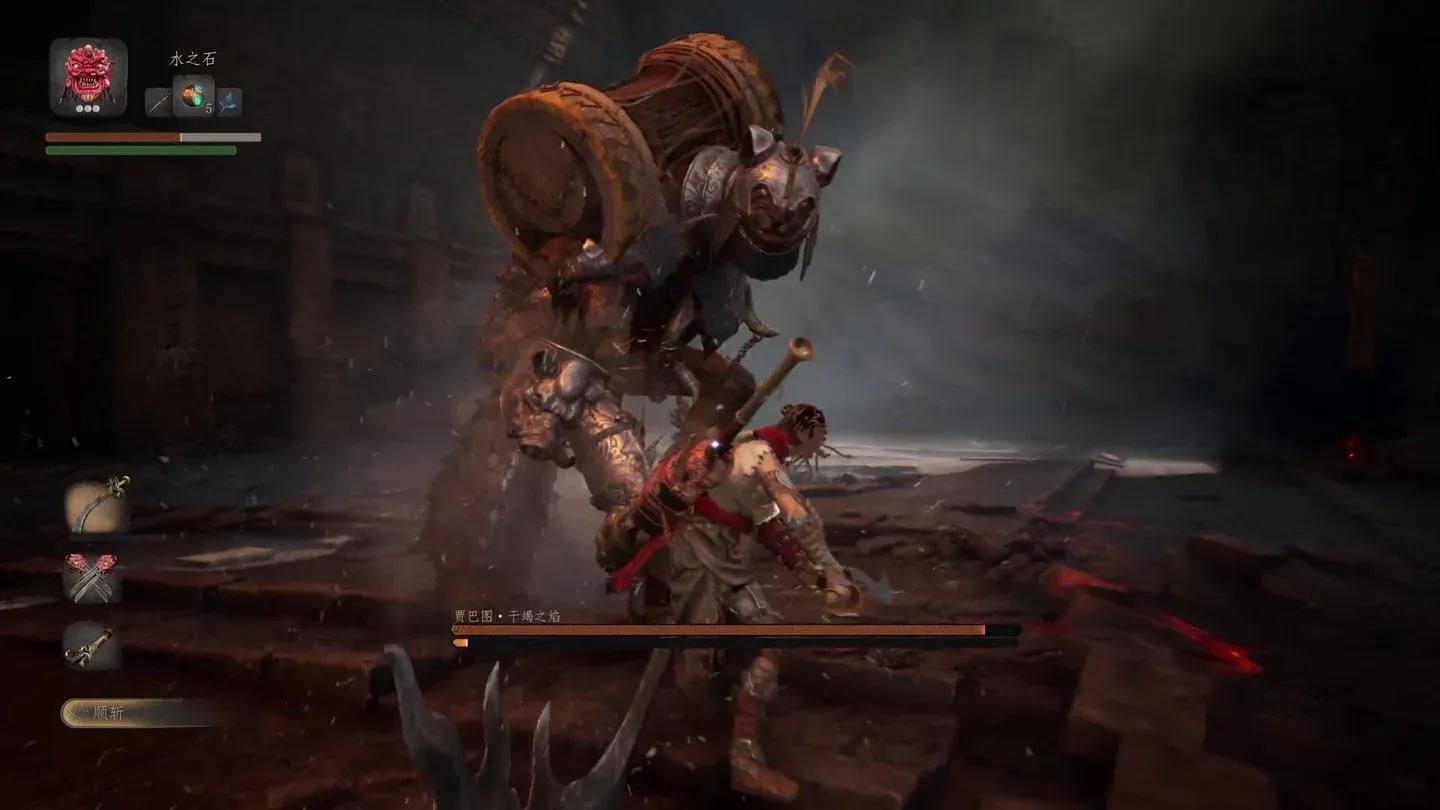
At its core, Daba operates on the familiar Souls-like loop of careful enemy reading, stamina management, and punishing death states. The clay puppet protagonist adds a layer of thematic tension to every fight; this is not a hardened warrior but a constructed being discovering its own capabilities through conflict. Whether that translates into unique mechanical systems tied to the puppet's material nature remains to be seen from the available footage, but the combat shown emphasizes deliberate, weighty movement over fast-paced hack-and-slash.
The water fragment collectibles serve as both a narrative driver and a structural spine for the game's exploration. Hunting them through interconnected zones gives players a concrete objective while the larger story of the world's collapse unfolds in the background through environmental details and enemy encounters.
Daba: Land of Water Scar content image
Visual and audio design
Visually, Daba leans into a muted, dusty palette that suits its themes of decay and forgotten history. The clay puppet design stands out against the stone and ice environments, a deliberate contrast that reinforces the character's outsider status in a world it was never meant to inhabit. Dark Star's art direction shows a clear understanding of how to use color restraint to make key moments hit harder.
The floating city segment visible in available media suggests the team is not content to keep the game grounded in earthbound ruins. Aerial environments in Souls-like games carry their own specific tension, and the scale implied by those shots positions Daba as a game with genuine visual ambition to match its thematic one. The clay puppet's journey through Guge is shaping up to be one of the more distinct entries in the action RPG genre on PlayStation.