

Biggest discounts, free games, and limited-time offers across every major gaming store.
Never pay full price again.
Overview
Days Gone, developed by Bend Studio and published by PlayStation Publishing LLC, is an open-world action-adventure game set two years after a global pandemic wiped out most of humanity. Players control Deacon St. John, a drifter and bounty hunter navigating the hostile wilderness of the Pacific Northwest, where the infected, called Freakers, now roam in massive, unpredictable hordes. The world is harsh, the resources are scarce, and every decision carries weight.
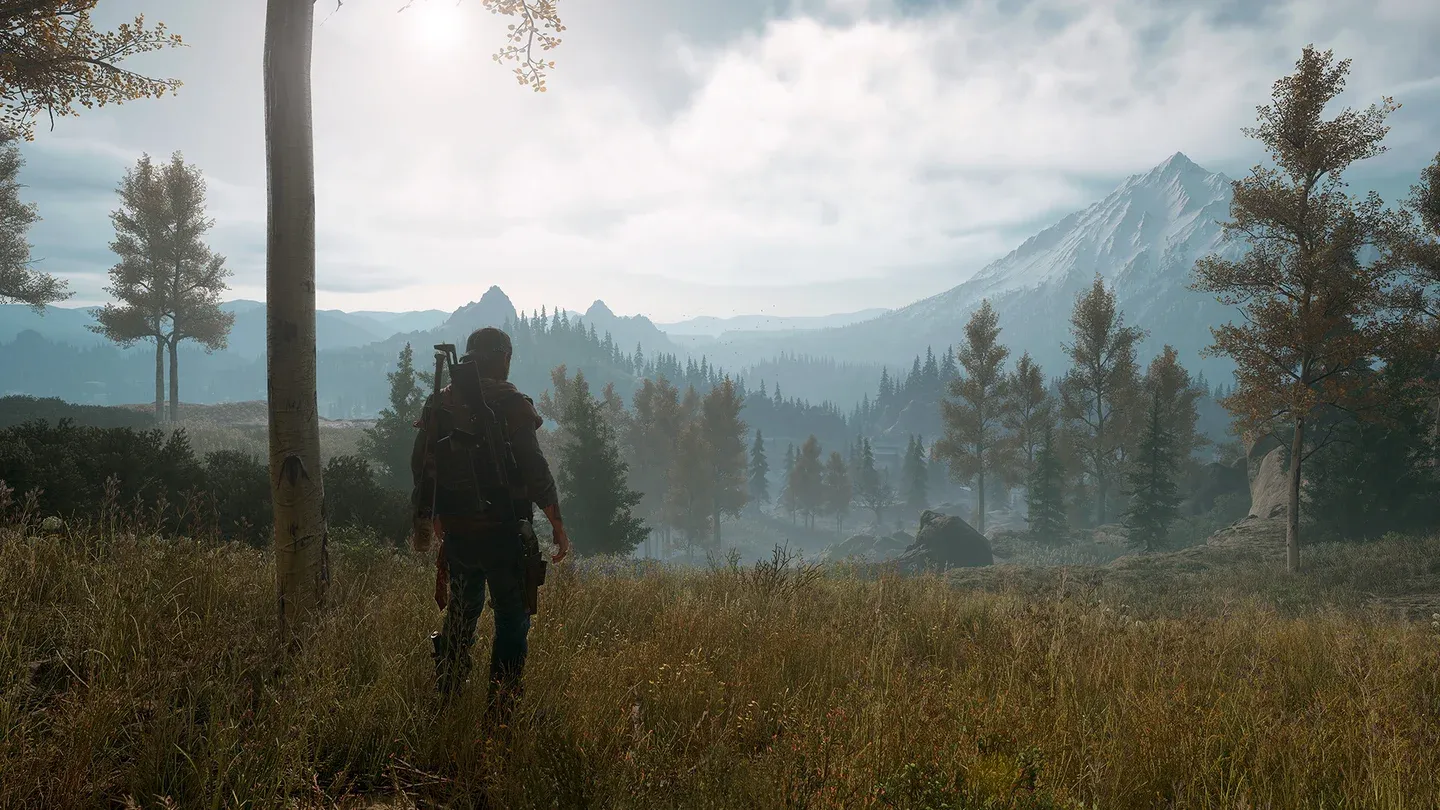
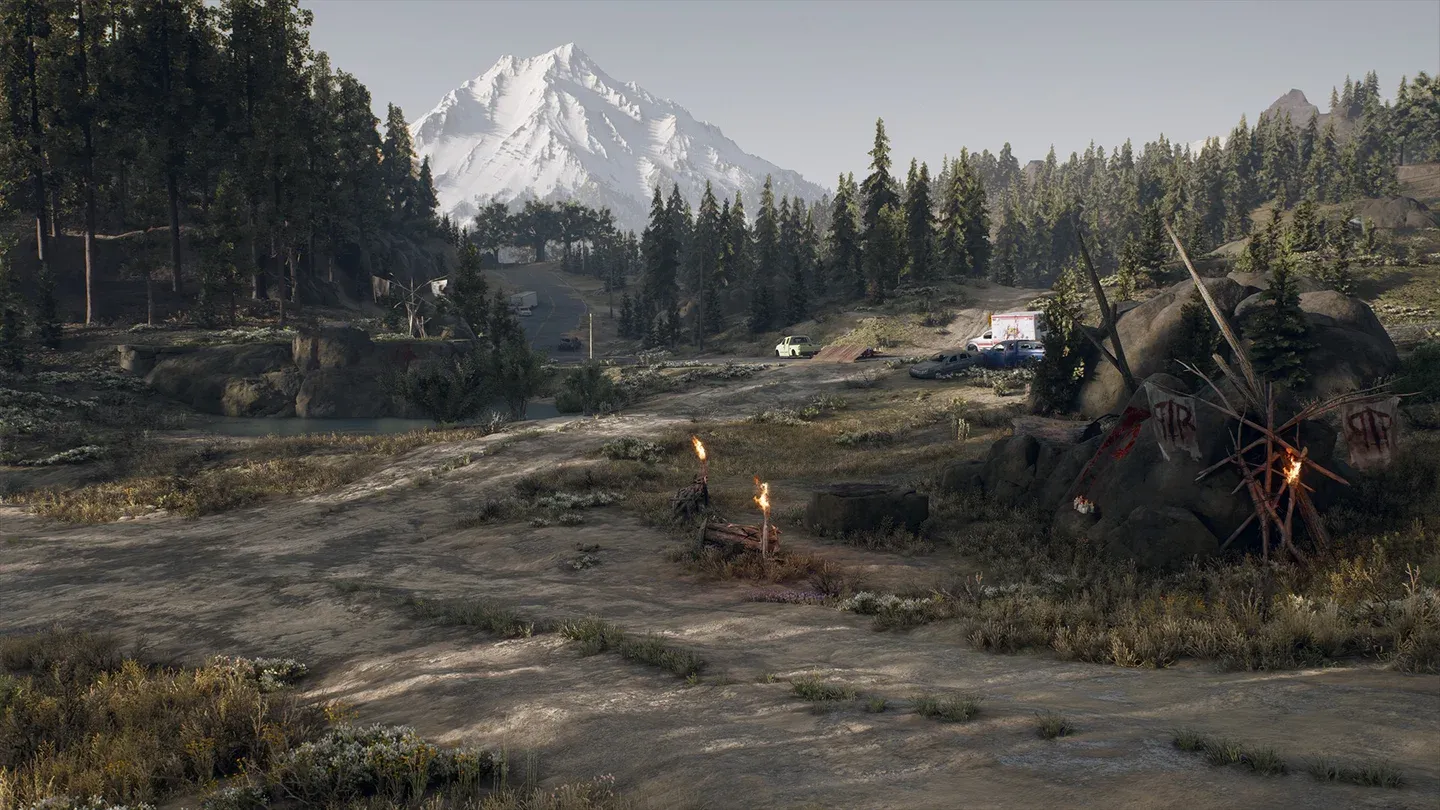
What separates Days Gone from other post-apocalyptic games is how much personality it packs into its setting. The Pacific Northwest isn't just a backdrop. It's a character in itself, shifting between dense forests, snow-covered mountain passes, volcanic lava fields, and crumbling rural towns. Weather changes dynamically, the day/night cycle alters enemy behavior, and Freaker hordes evolve over time, adapting to their environment and the people moving through it.
Days Gone content image
Gameplay and mechanics
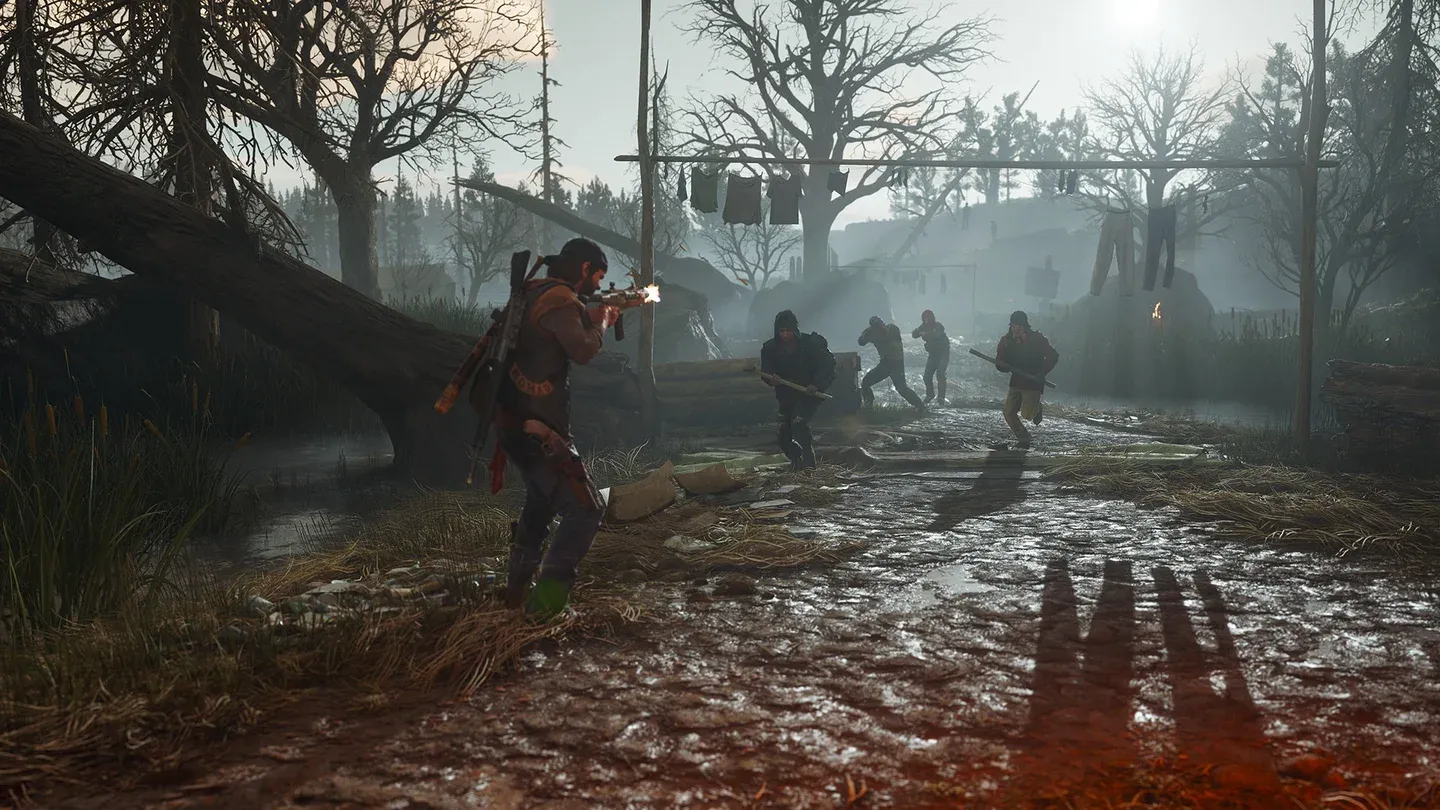
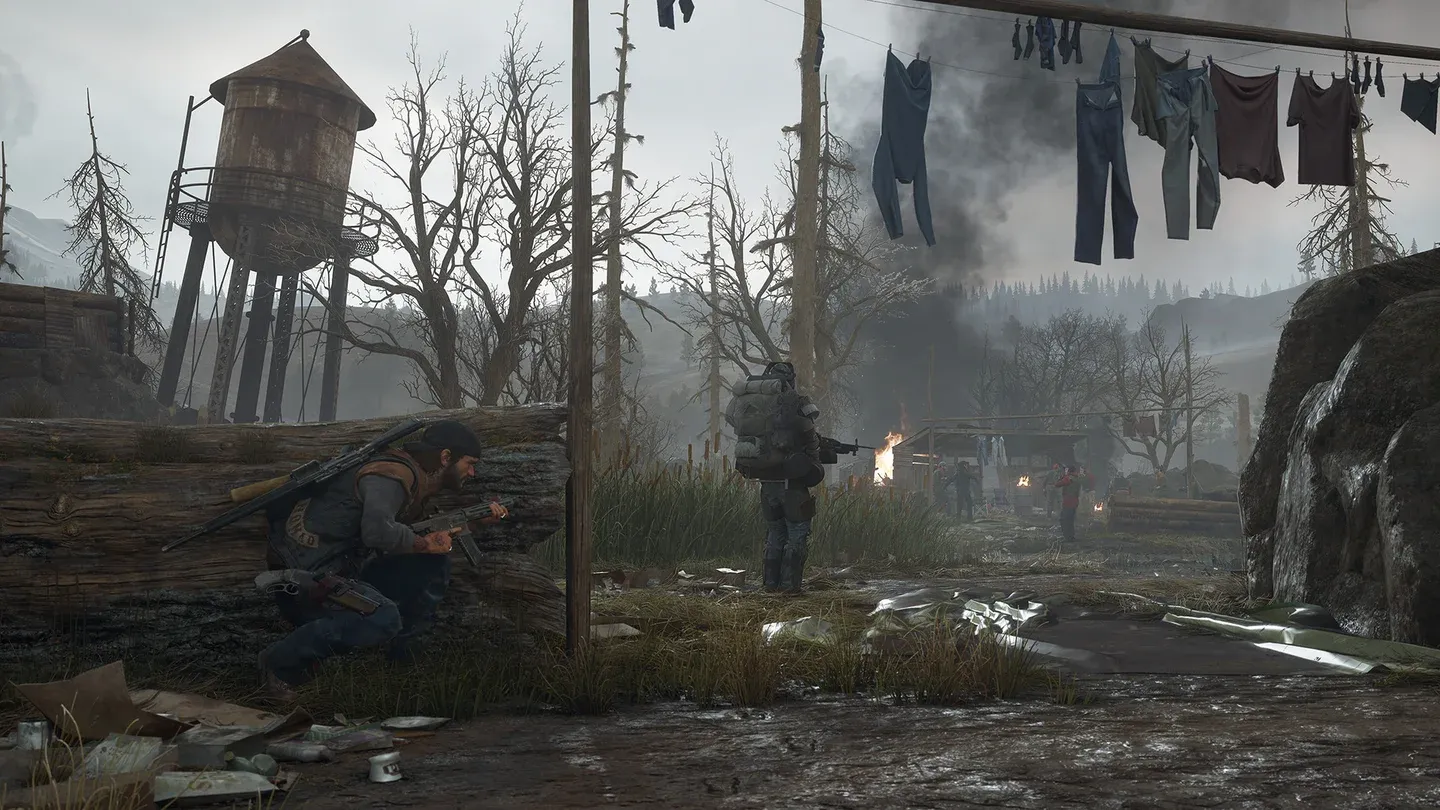
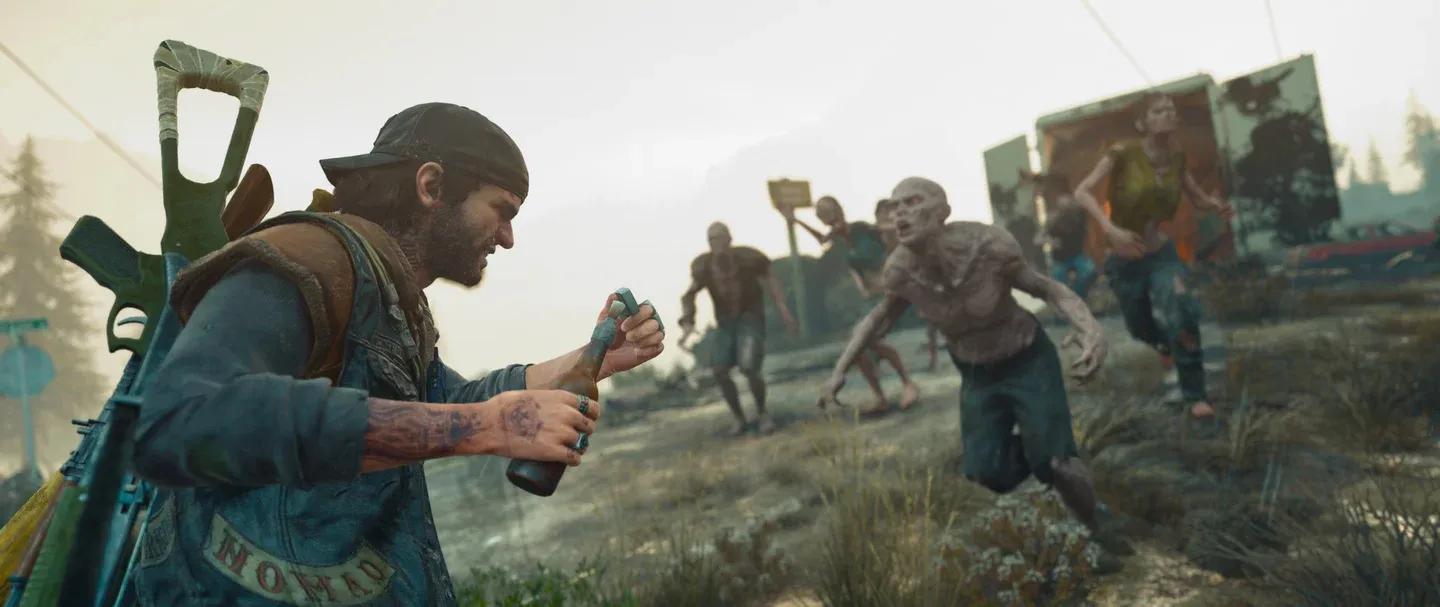
Core survival in Days Gone revolves around a satisfying loop of scavenging, crafting, and combat. Deacon can build traps, brew Molotov cocktails, craft medkits, and upgrade his arsenal using materials pulled from abandoned vehicles, houses, and outposts scattered across the map. Skill progression branches across combat, survival, and melee, letting players shape Deacon into the kind of survivor they want him to be.
Days Gone content image
Key mechanics include:
- Horde combat requiring environmental strategy
- Motorcycle maintenance and fuel management
- Crafting from scavenged materials
- Camp trust systems affecting available upgrades
- Dynamic enemy AI reacting to time of day and weather
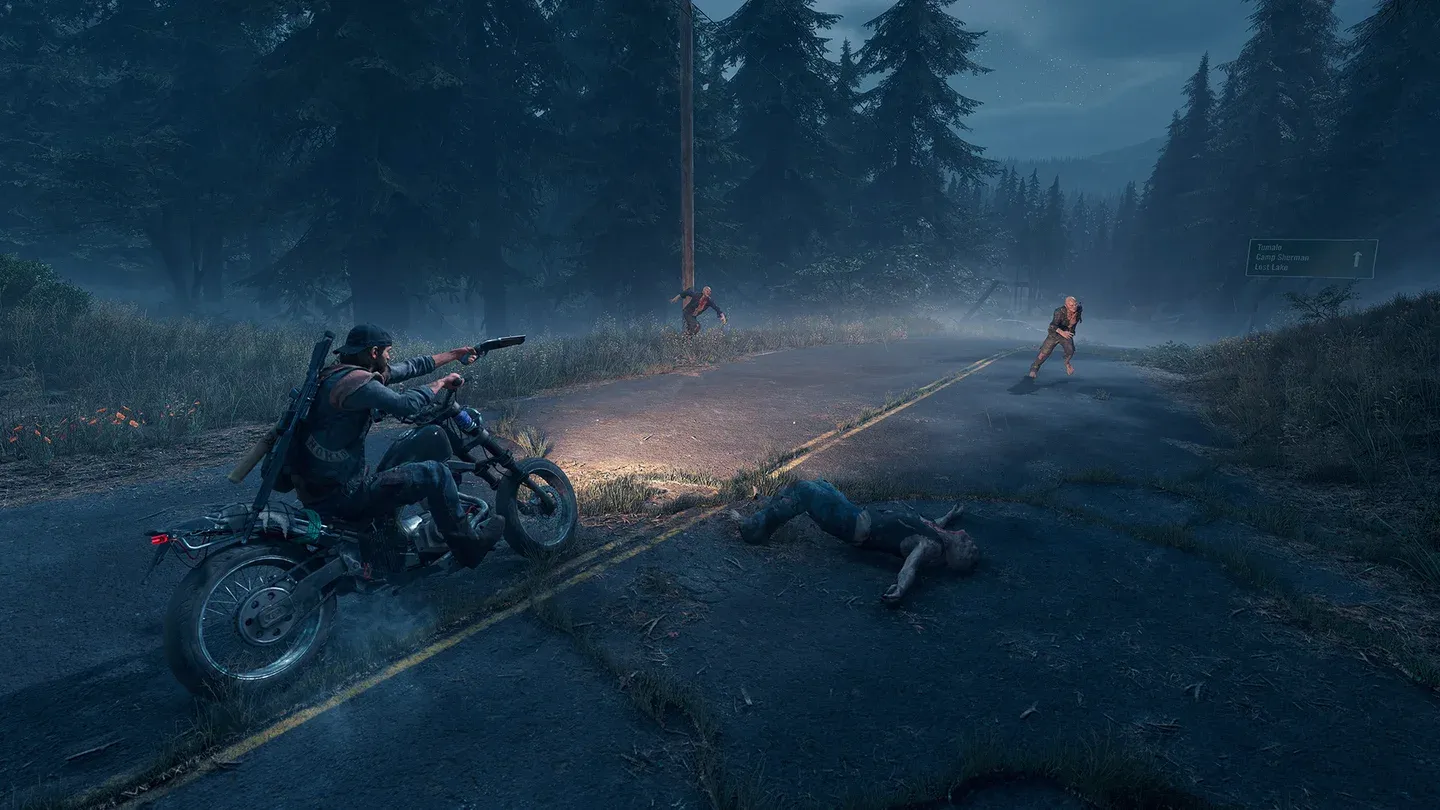
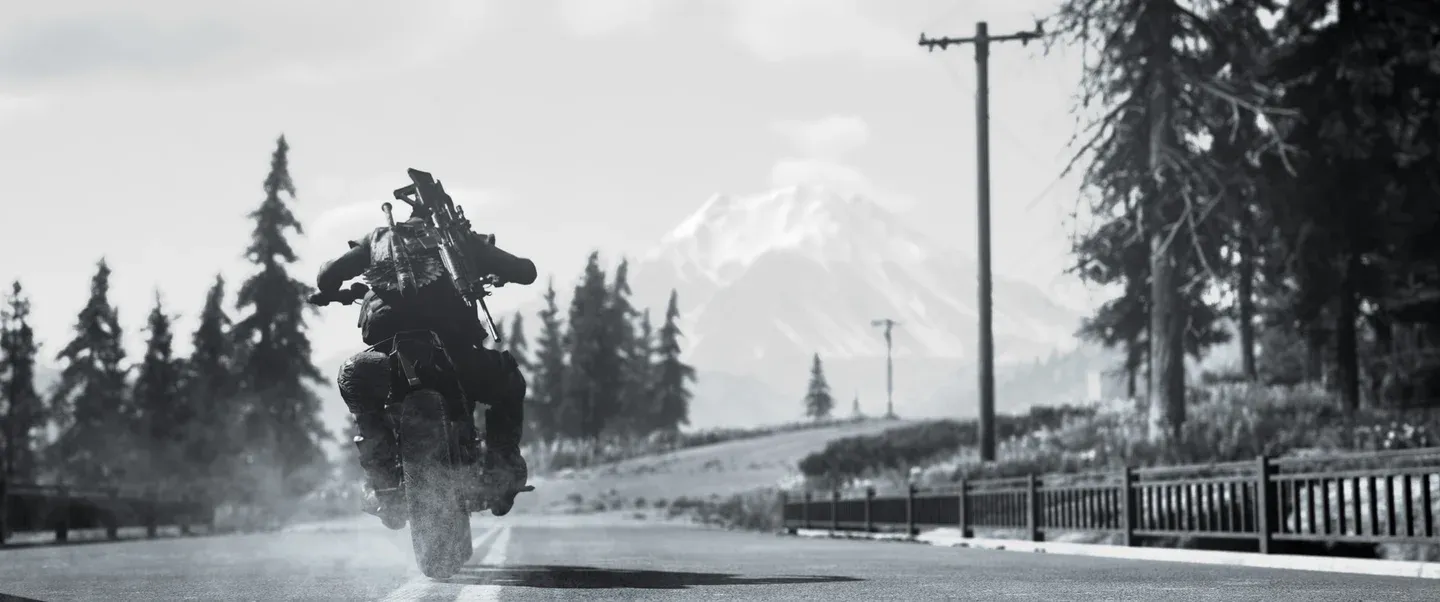
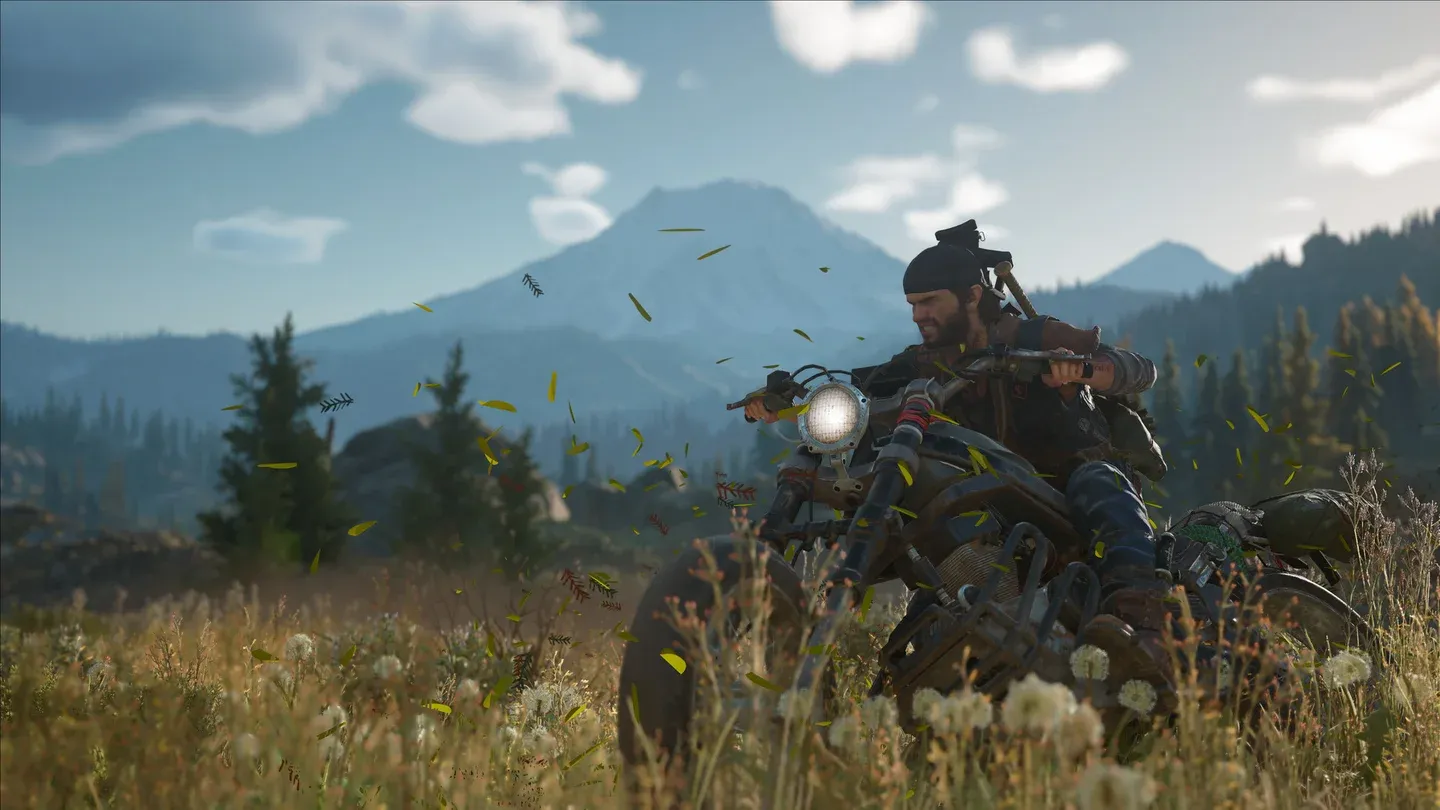
The Drifter bike deserves special mention. It isn't just a fast-travel substitute. It needs fuel, it takes damage, and upgrading it feels meaningful. Managing the bike adds a layer of tension to exploration that most open-world games skip entirely.
Days Gone content image
World and setting
The Pacific Northwest setting gives Days Gone room to breathe in ways that smaller, more contained games can't. Deacon rides across varied terrain that genuinely looks and feels different from region to region. Caves and mines hold secrets and dangers. Small towns carry the ghost of the world that was. The volcanic geography adds a visual identity that stands apart from the grey-brown rubble of most post-apocalyptic games.
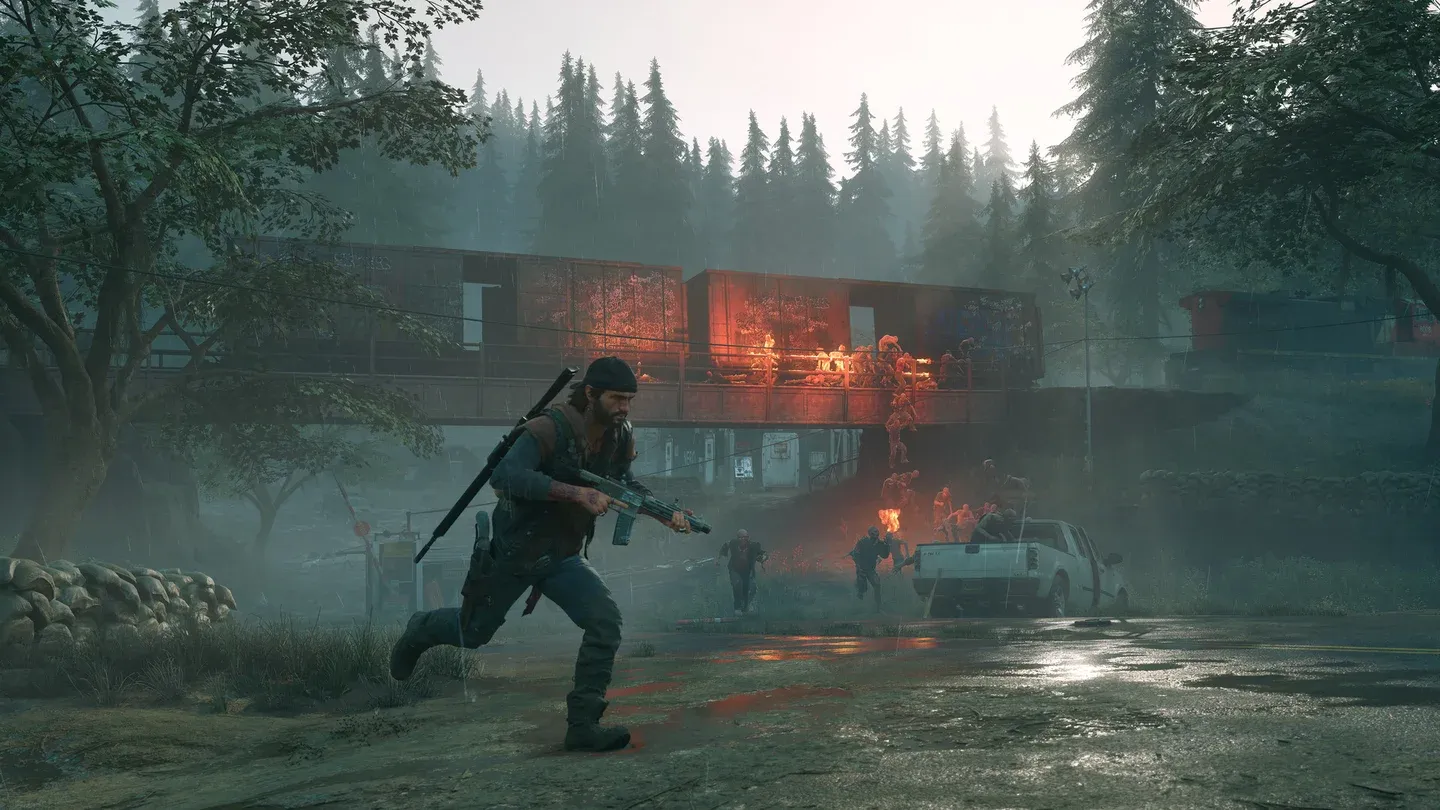
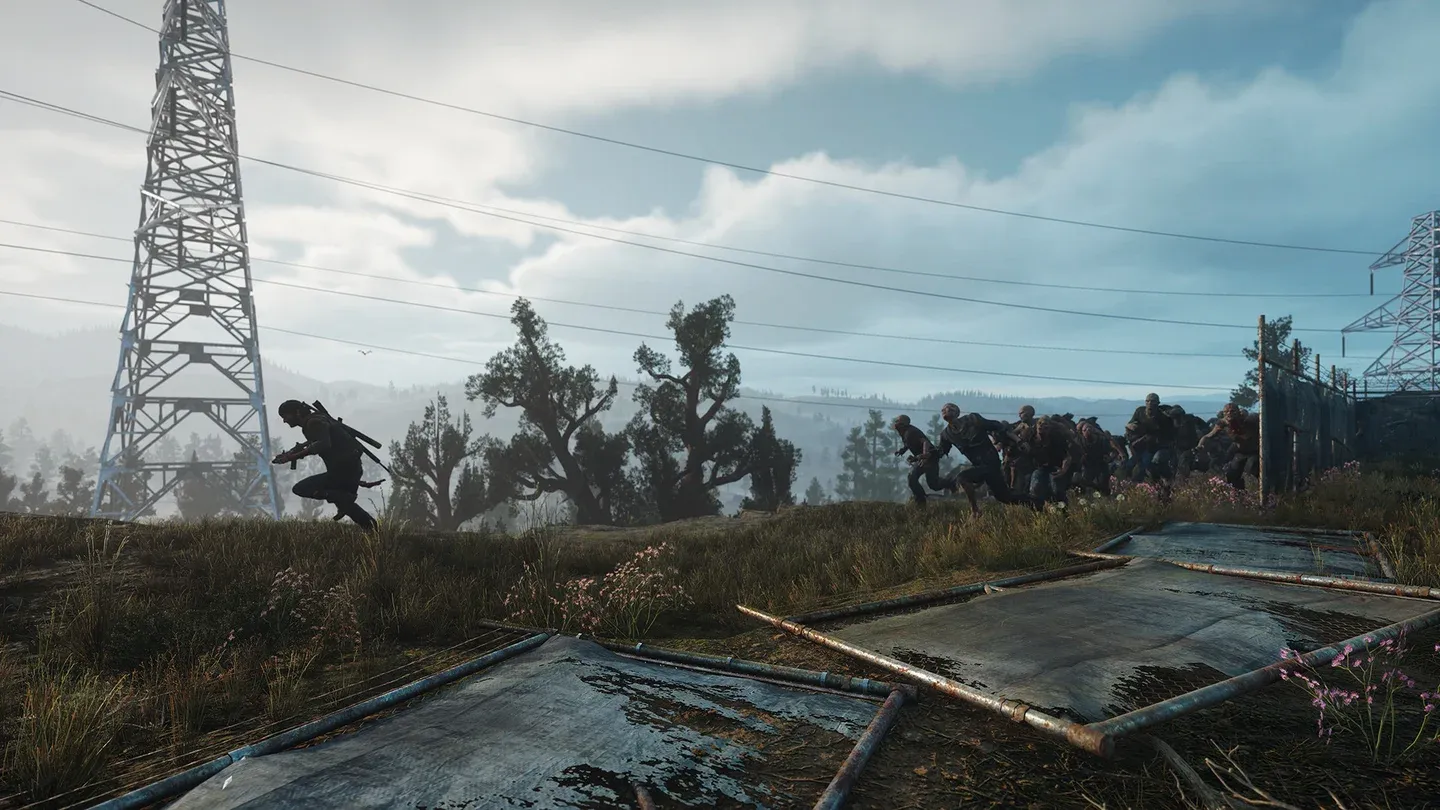
Freaker hordes are the setting's most memorable feature. These aren't just large groups of enemies. They move as a single mass, react to sound and fire, and can number in the hundreds. Encountering one without preparation is a genuine emergency. Planning a horde assault, funneling them through a canyon with proximity mines and a well-placed fuel barrel, is some of the most satisfying combat the game offers.
Content and replayability
Days Gone ships with a substantial amount of post-game content. New Game Plus lets players carry progression into a fresh run, while Survival Mode strips away the HUD and tightens resource scarcity for a more punishing experience. Challenge Mode offers discrete, scored scenarios built around specific combat or riding objectives, giving completionists a reason to keep playing after the credits roll.
Days Gone content image
The PC version adds unlocked framerates, ultra-wide monitor support, and improved graphical fidelity including extended foliage draw distances and increased level of detail. For players coming to the game outside of PlayStation, it's the technically sharpest way to experience Deacon's story. With over 174,000 PlayStation Store ratings averaging 4.66 out of 5, the game's reputation among players has only grown since its 2019 debut, cementing Days Gone as one of the more underrated open-world survival games in Bend Studio's catalog.