
Biggest discounts, free games, and limited-time offers across every major gaming store.
Never pay full price again.
Overview
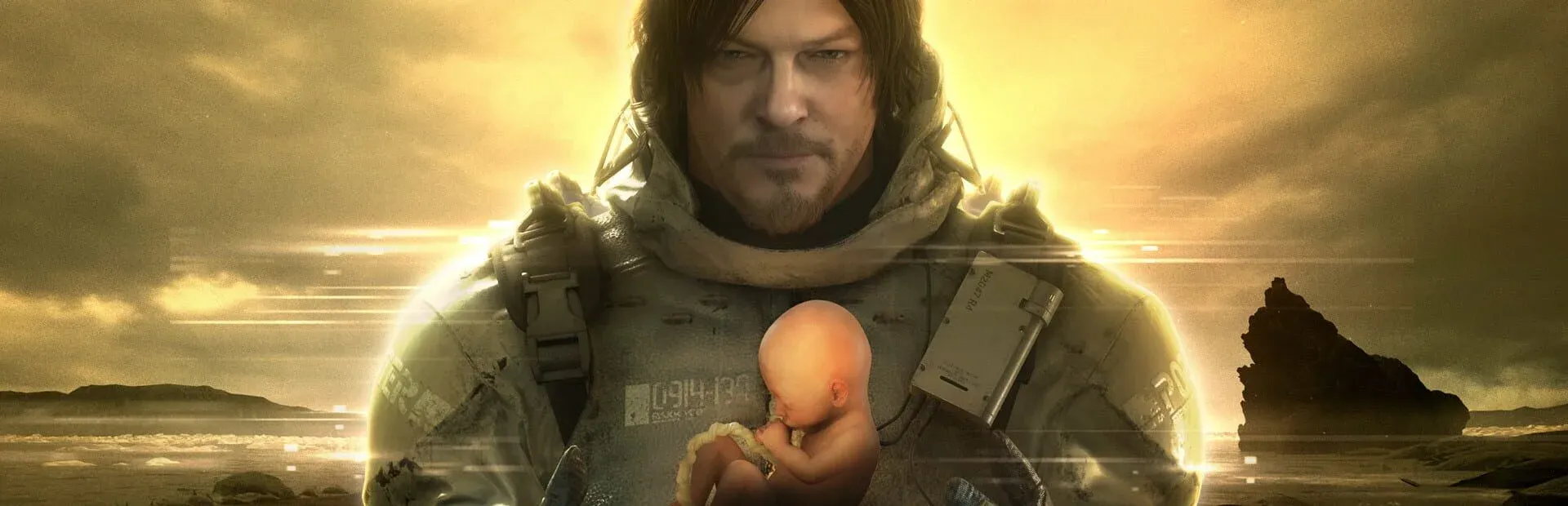
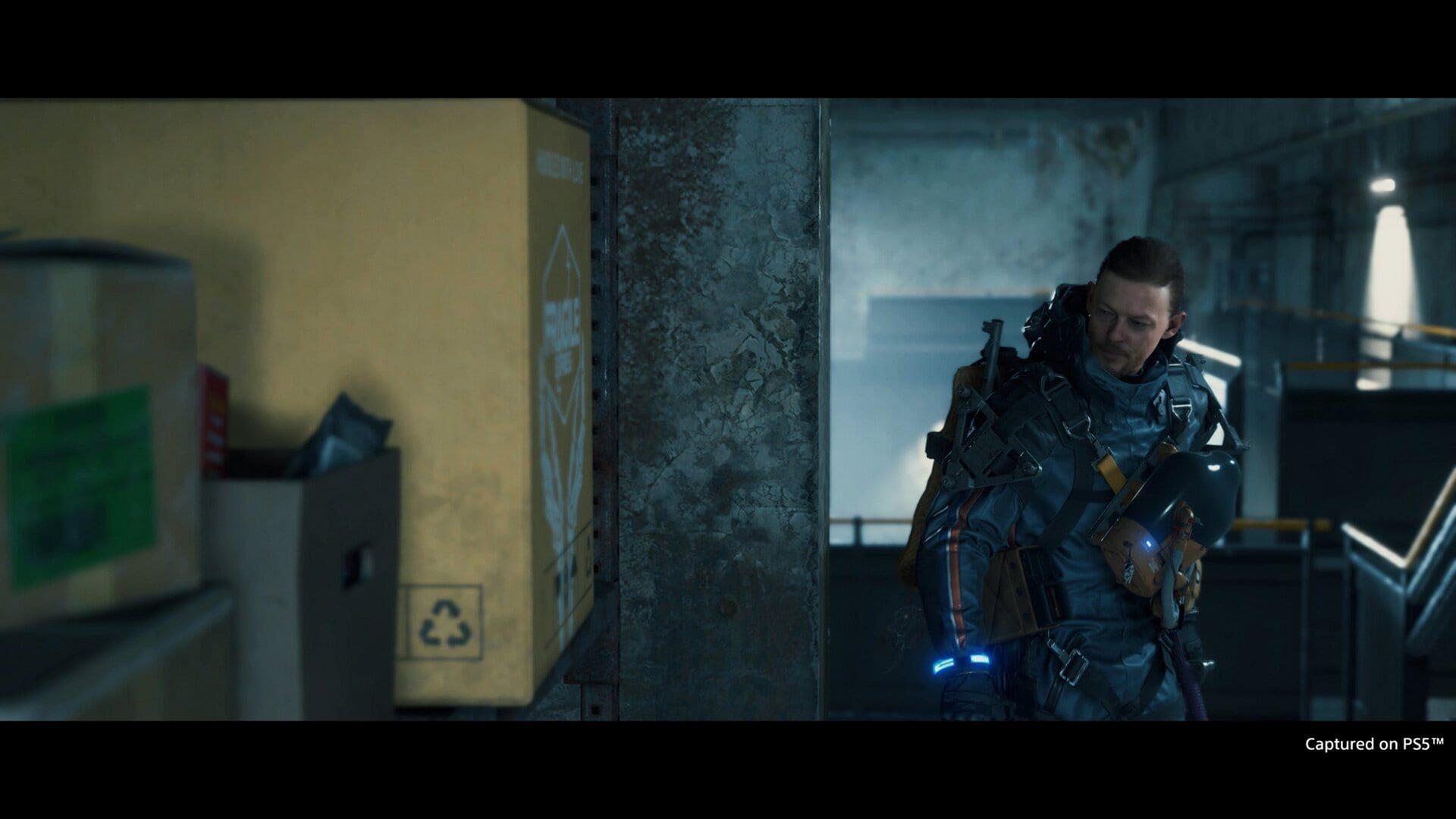
Death Stranding: Director's Cut puts players in the boots of Sam Porter Bridges, a courier navigating a shattered America overrun by spectral entities called BTs and torn apart by a cataclysmic event known as the Death Stranding. Developed by Kojima Productions and published by Sony Interactive Entertainment, the Director's Cut launched on September 24, 2021, and represents a substantially expanded take on the original release, adding new story missions, upgraded combat mechanics, and a refined Social Strand System that ties players together across the world.
The game's premise sounds deceptively simple: deliver packages from one isolated settlement to the next. But the execution turns traversal into a meditation. Every slope, every river crossing, and every rain-soaked valley demands planning. Sam can topple under the weight of his cargo, and a fall doesn't just hurt him, it damages every item he's carrying. That tension between movement and consequence is what separates Death Stranding from every other open-world game on the market.
Gameplay and mechanics
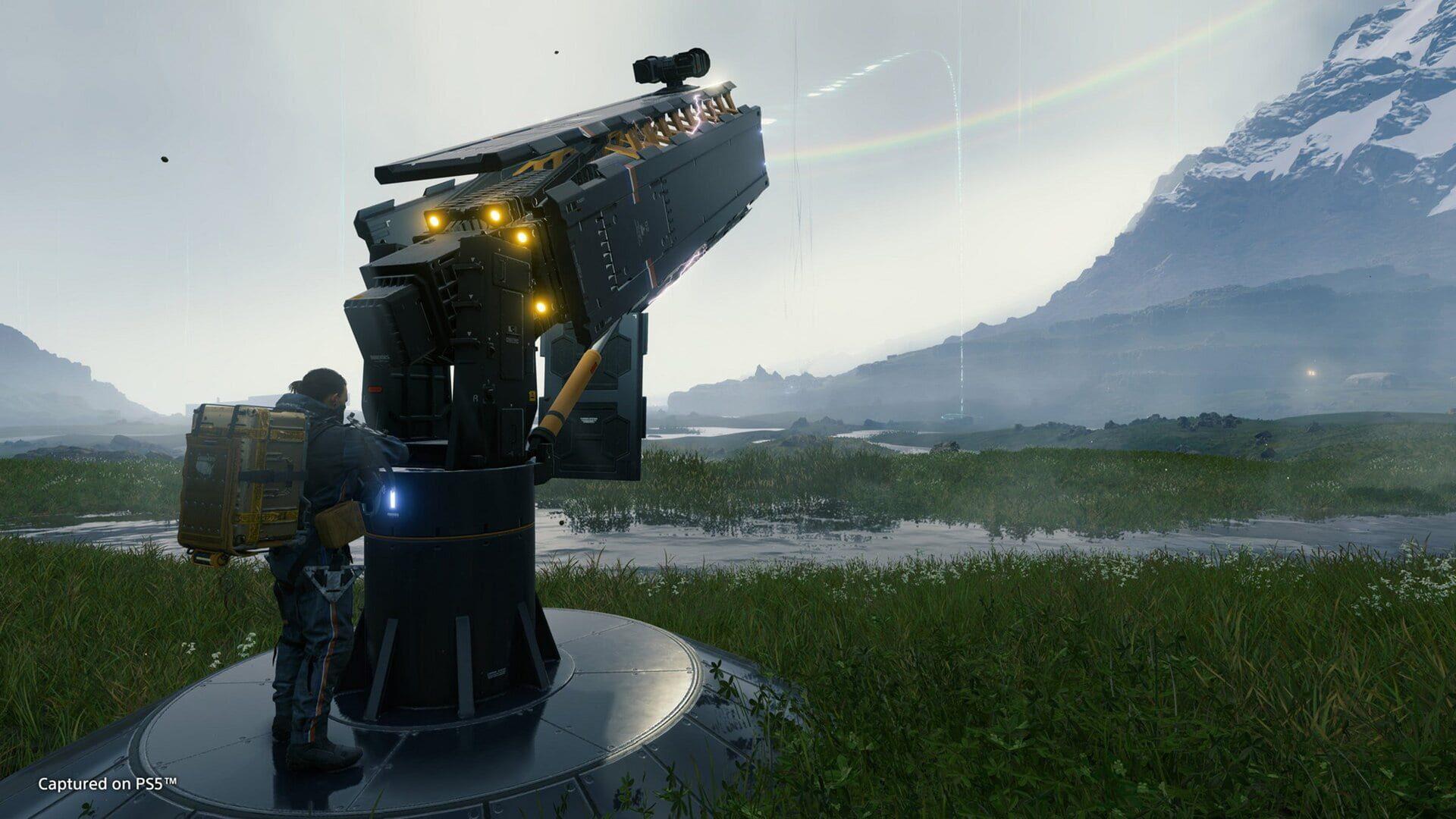
The core gameplay loop revolves around preparation, traversal, and delivery, but the Director's Cut layers significantly more action-oriented content on top of that foundation. Key mechanics include:
- Exoskeleton upgrades for carrying heavier loads
- Strand-based tools like ropes and ladders for vertical traversal
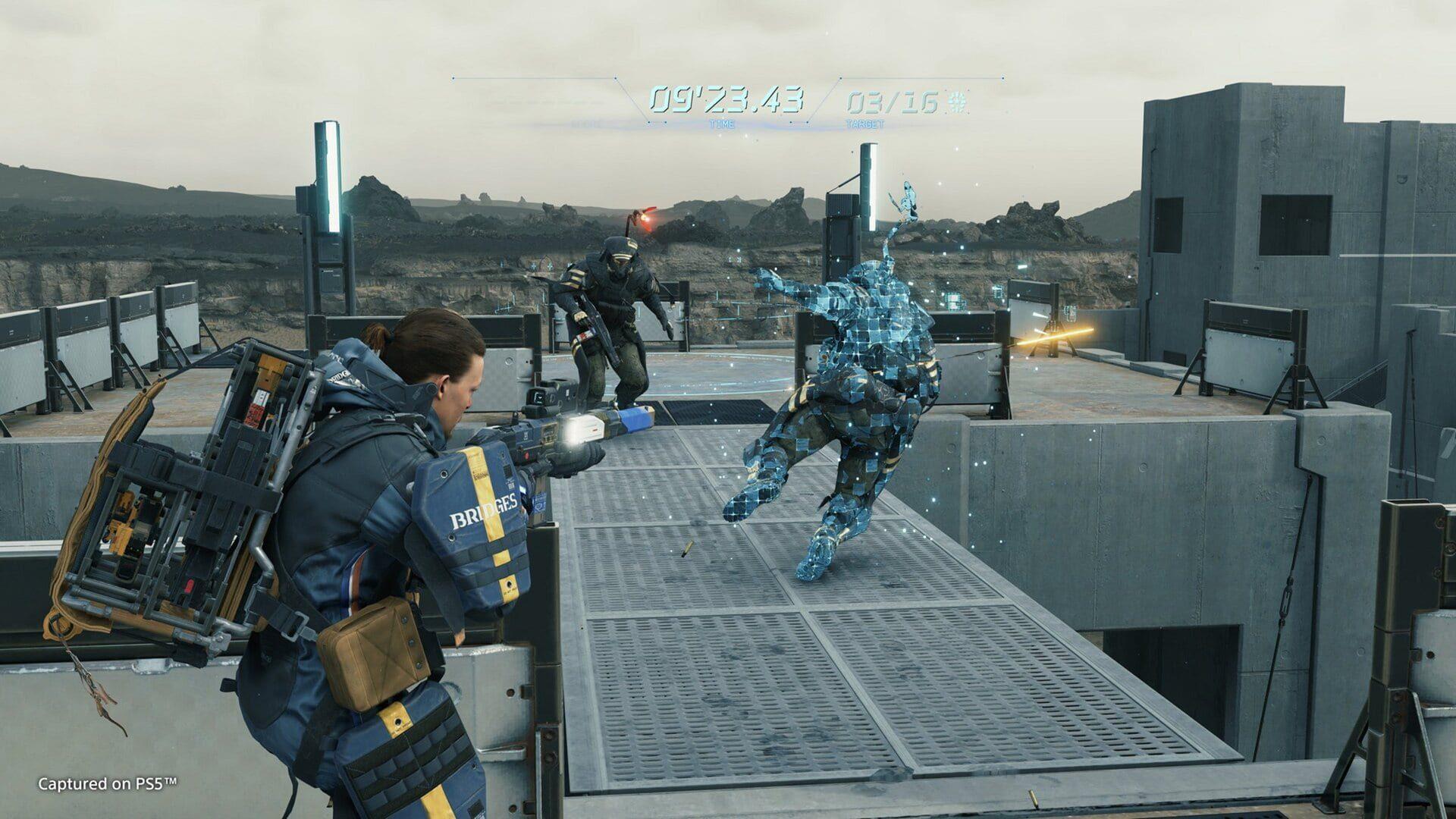
- Combat encounters with human enemies called MULEs
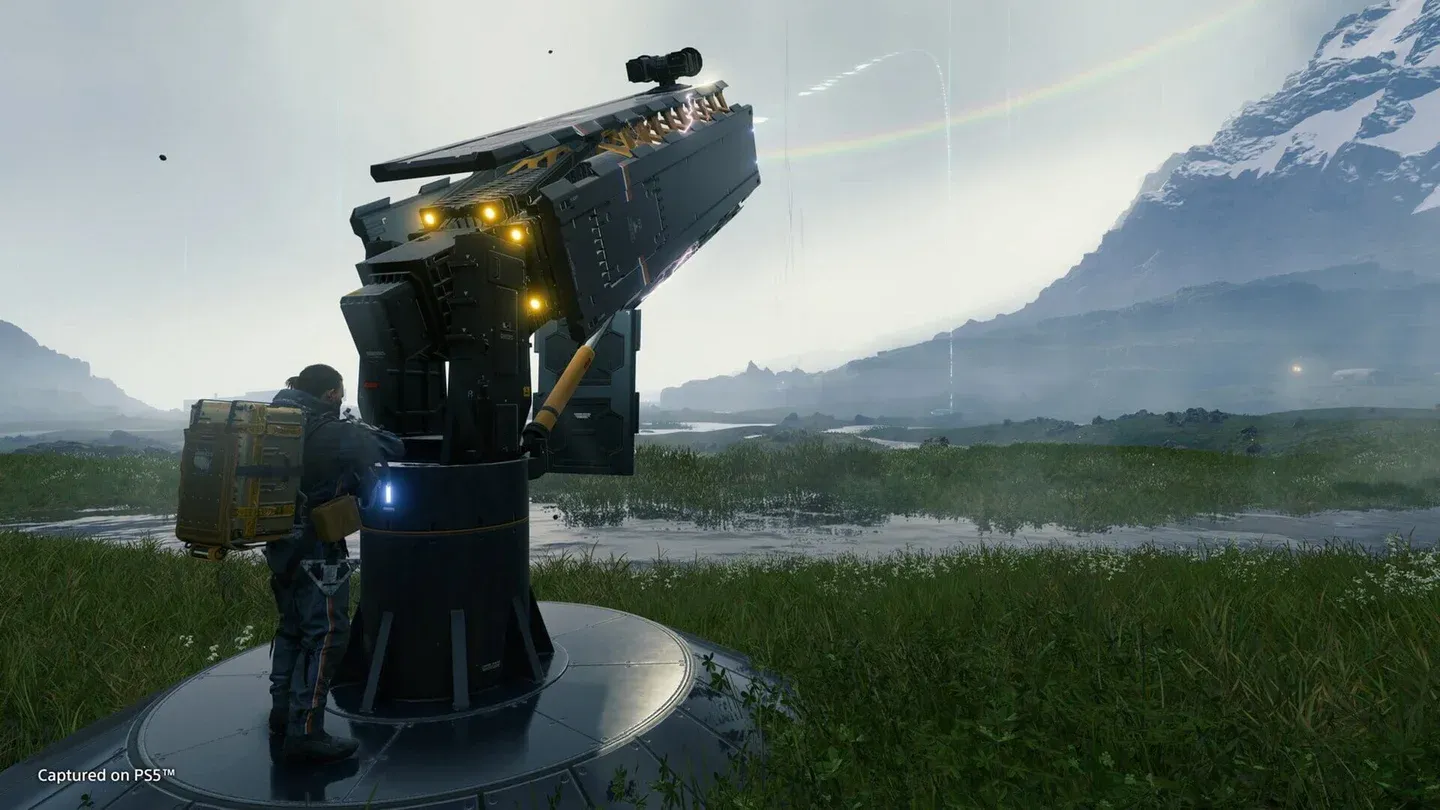
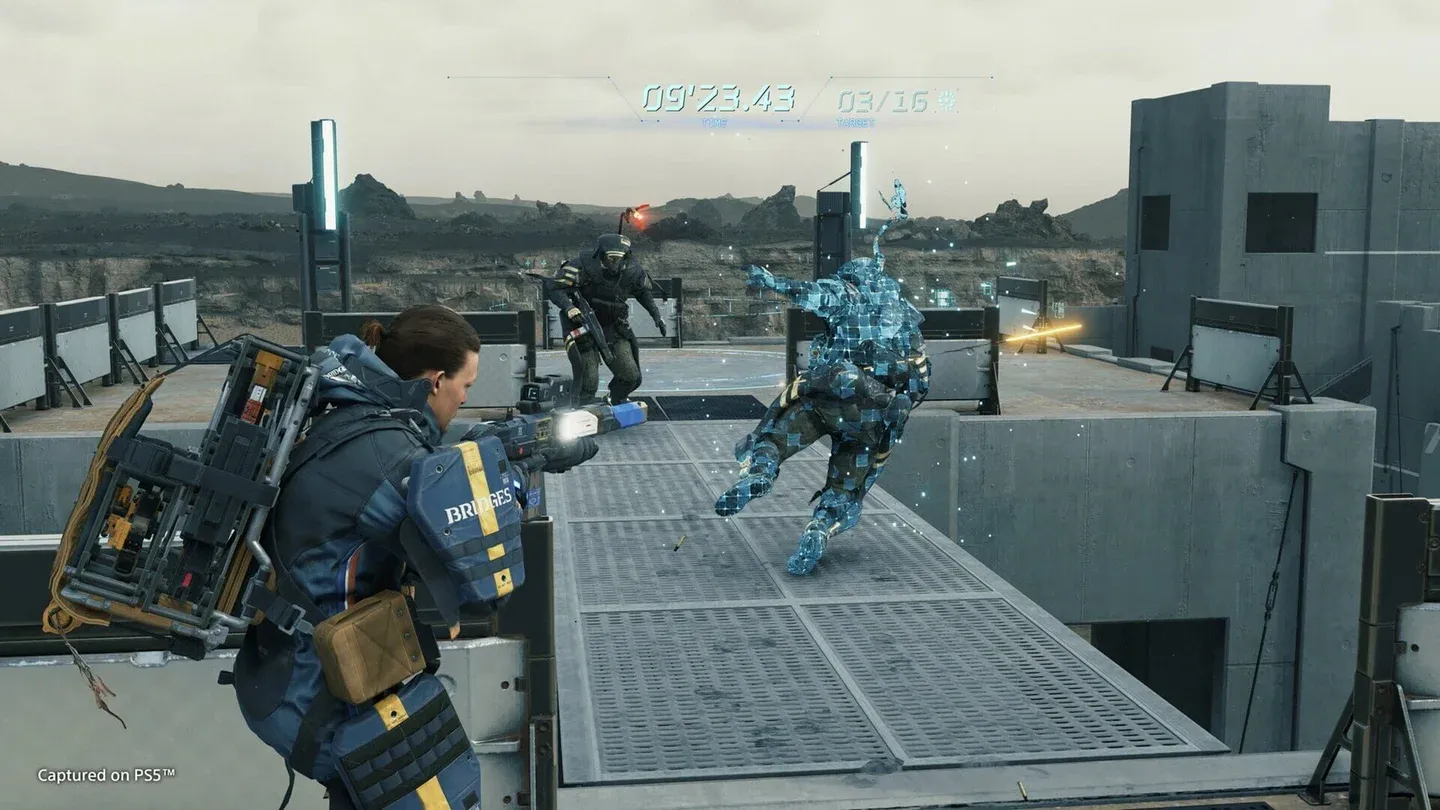
- New firing range missions and combat training facilities
- Boss encounters tied to BT manifestations
The asynchronous multiplayer element means structures built by other players appear in your world, and vice versa. A bridge left by a stranger can save you hours of detour. That quiet generosity becomes the game's emotional engine.
World and setting
The post-apocalyptic United States Sam crosses is one of the most distinct game worlds in recent memory. It's not ruined in the conventional sense. There are no crumbling skyscrapers or burning cities. Instead, the land itself has turned hostile, with timefall rain that accelerates aging on contact and vast open plains that feel genuinely lonely in a way few games achieve.
The story weaves in themes of death, rebirth, and the invisible threads that hold society together. Sam's journey to connect isolated cities to the Chiral Network is framed as both a logistical mission and a philosophical one. The Director's Cut extends this narrative with new missions that flesh out side characters and add context to events from the original game.
Innovation and unique features
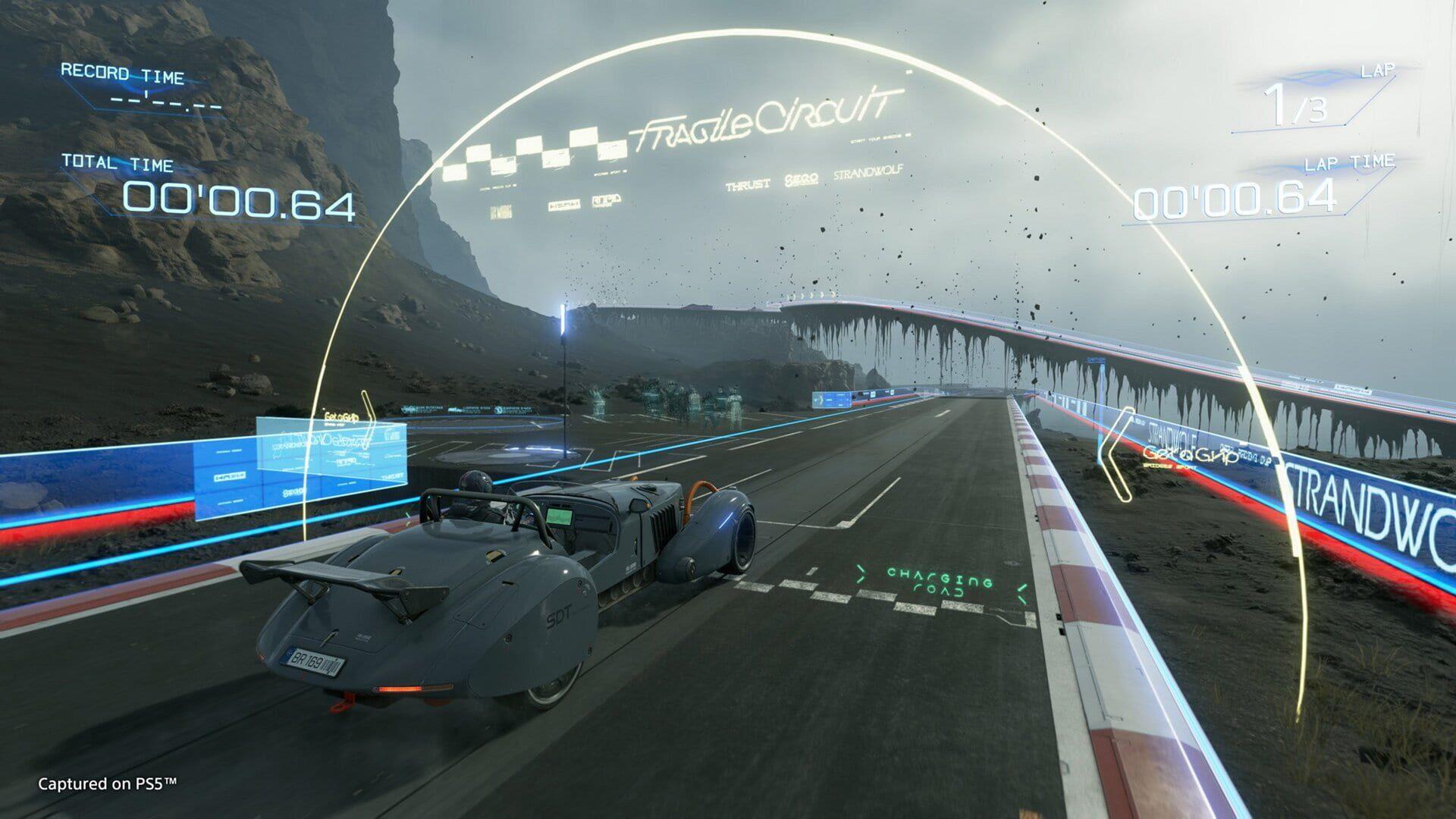
What makes the Director's Cut worth revisiting, or experiencing for the first time, is how Kojima Productions used the expanded edition to address the one criticism most players had with the original: that the action sequences felt underdeveloped. The new combat arenas, firing range challenges, and additional story content shift that balance without abandoning the traversal focus that defines the game.
The Social Strand System now includes more tools for player interaction, letting communities of players coordinate infrastructure projects across the shared world. Roads get built faster. Zip lines stretch further. The cumulative effect of thousands of players quietly helping each other creates something that no single-player game can replicate.
Multiplayer and social
Death Stranding: Director's Cut builds its social layer entirely on asynchronous interaction. Players never share a screen, but they share a world. Likes given to another player's structure send a notification their way, and those small acknowledgments accumulate into something that feels genuinely communal. The game runs on PC via Steam and Epic Games Store, on PlayStation platforms, and also on iOS and macOS, making its social network broader than almost any other Kojima Productions title. That reach matters, because the more players contributing to the shared world, the richer and more connected the traversal experience becomes.