






Overview
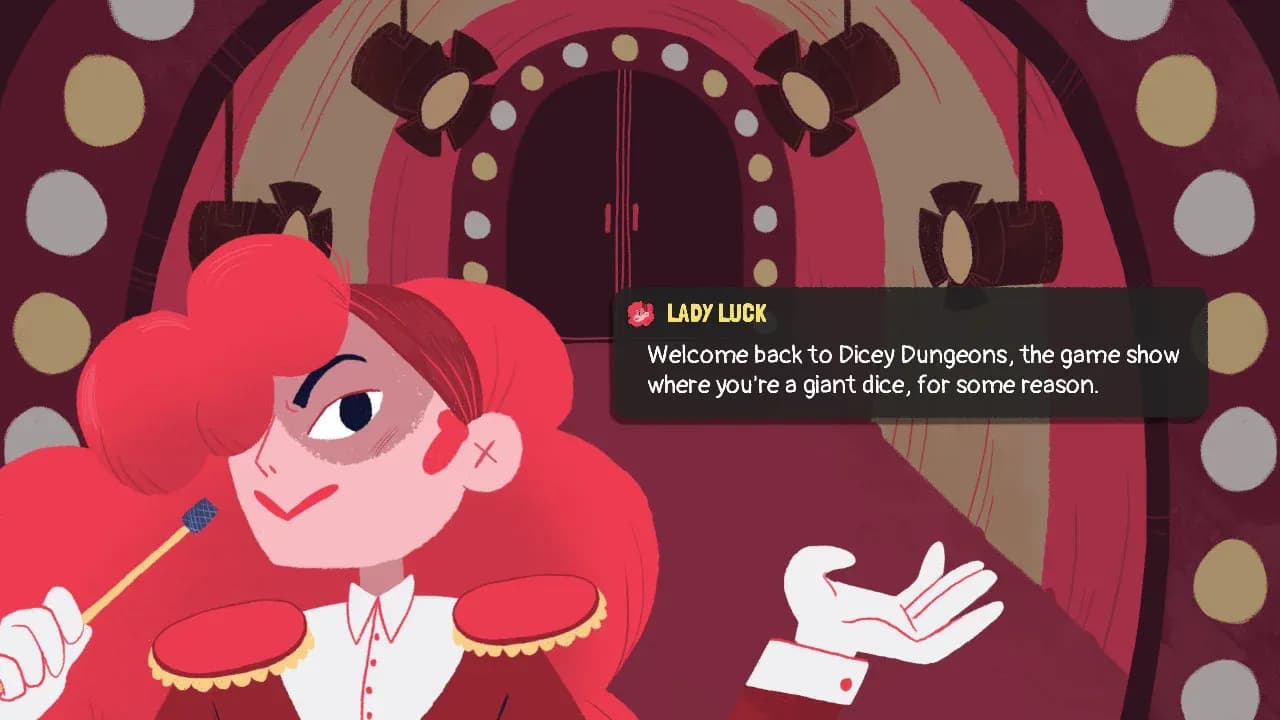
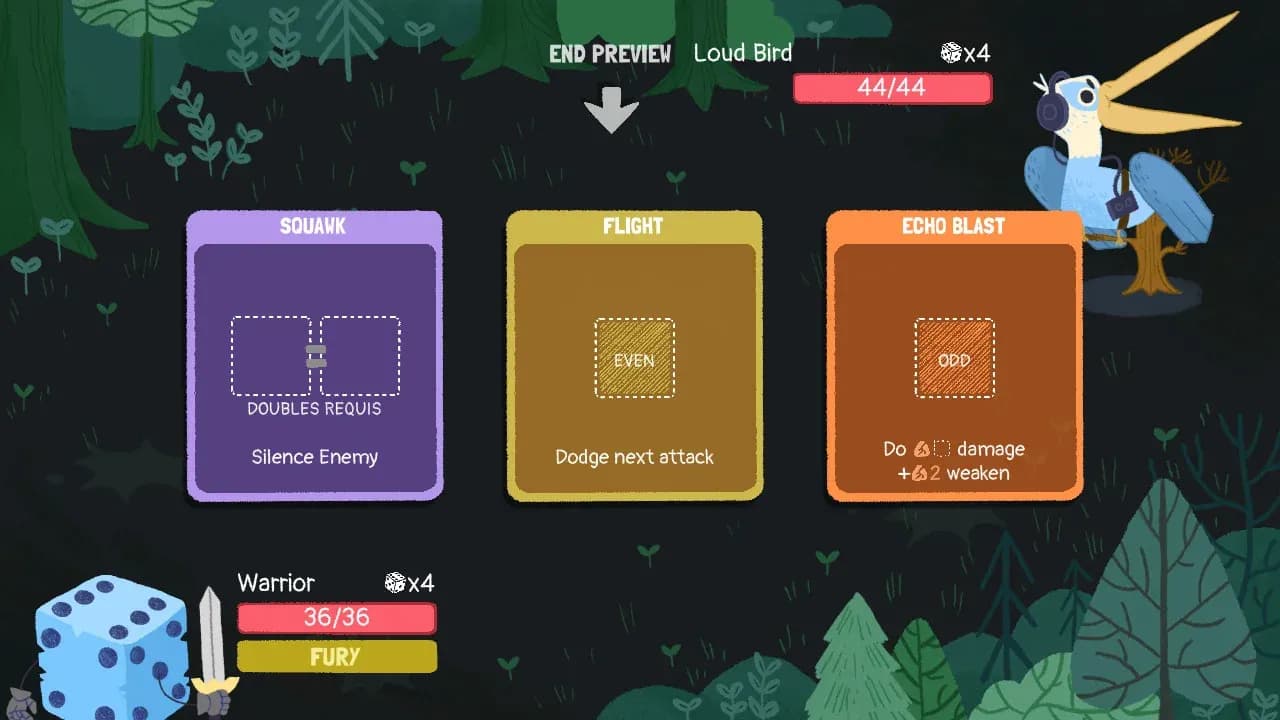
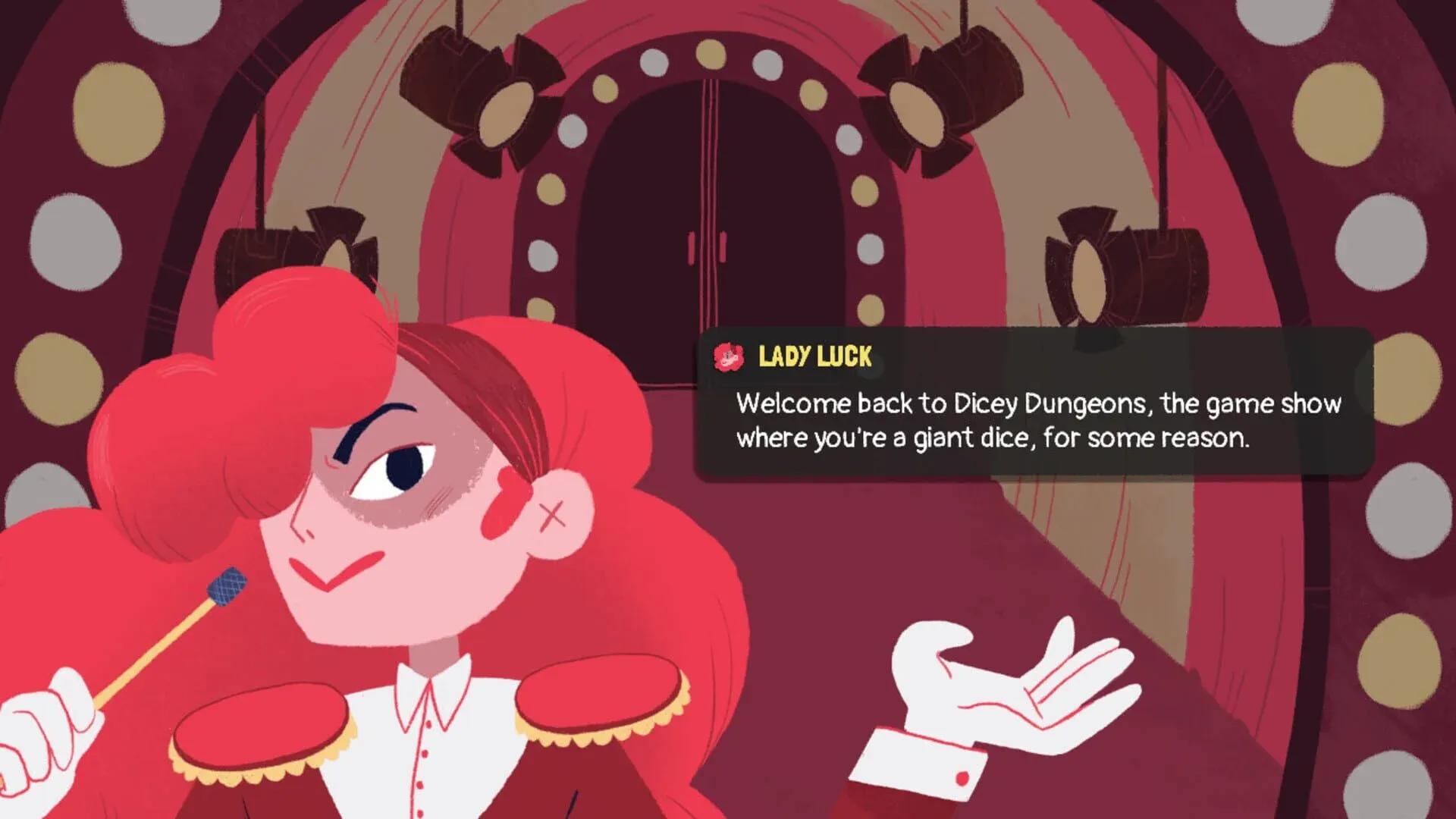
Dicey Dungeons stands out in the crowded roguelike genre by literalizing the concept of luck-based gameplay. You play as contestants transformed into dice, fighting through dungeons in a surreal game show hosted by Lady Luck herself. The core loop centers on rolling dice each turn and assigning those results to equipment cards that function as your abilities. A sword might require specific numbers to attack, while a shield needs particular values to block incoming damage.
This mechanical foundation creates constant tension between randomness and strategy. You're never simply at the mercy of bad rolls—success depends on building a deck of equipment that works with whatever numbers appear. The game features six playable character classes, each with distinct playstyles that fundamentally alter how you interact with dice mechanics.
What Makes the Combat System Unique?
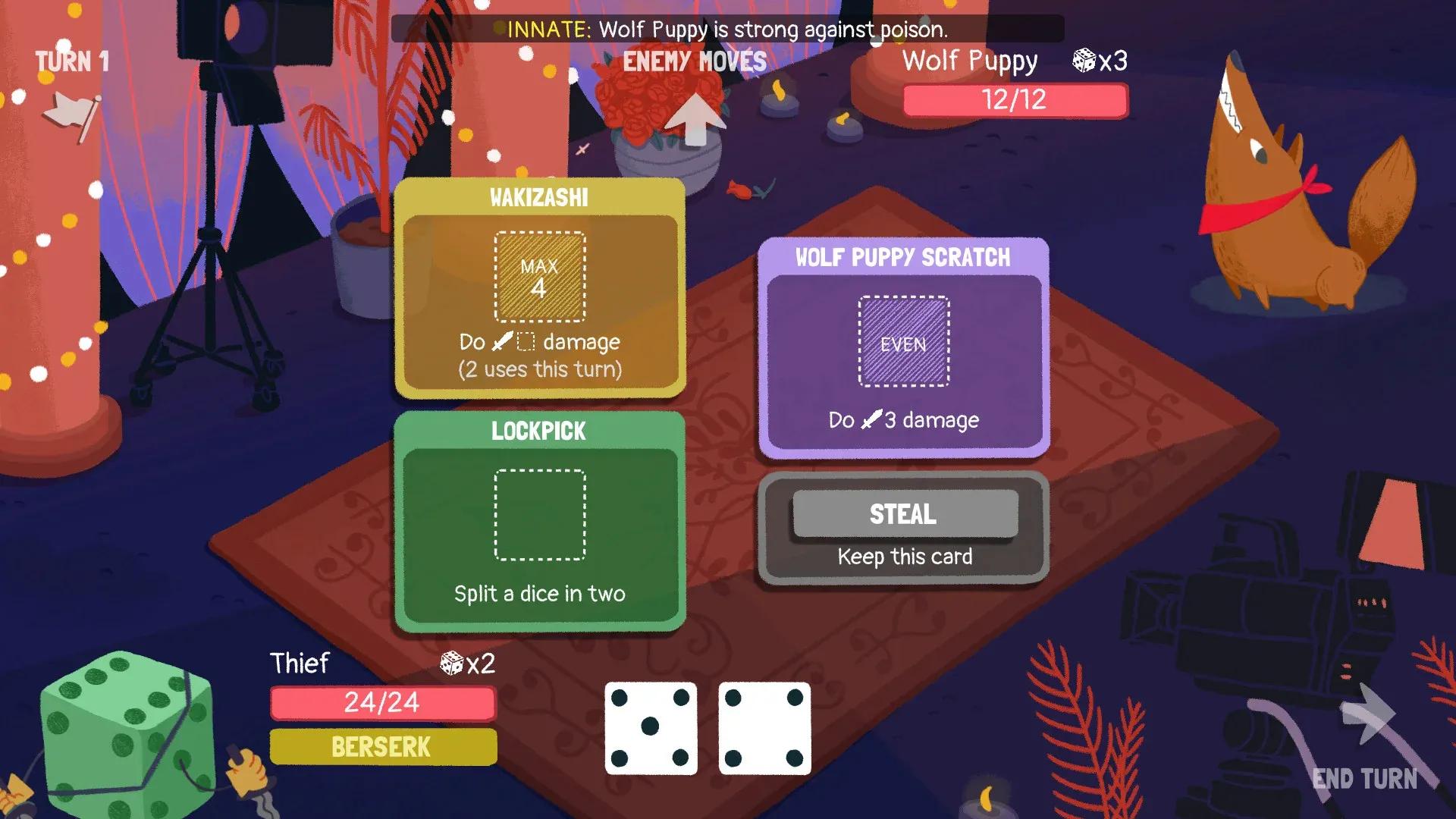
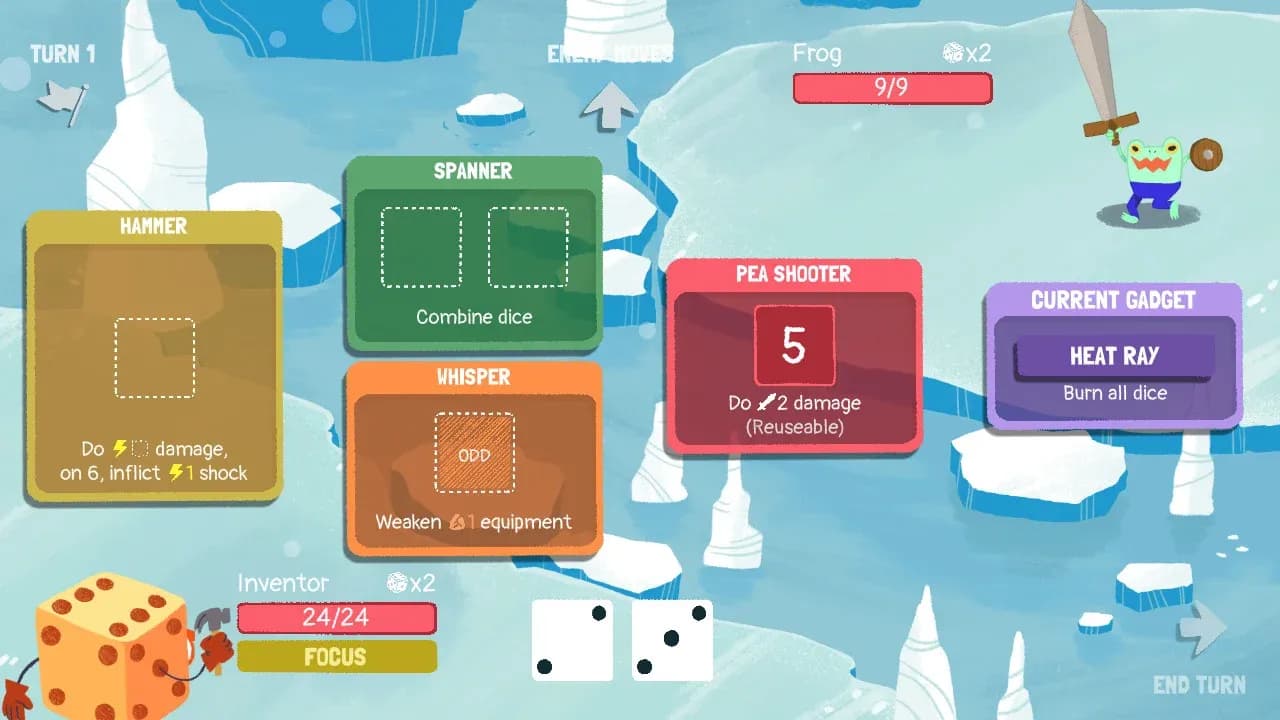
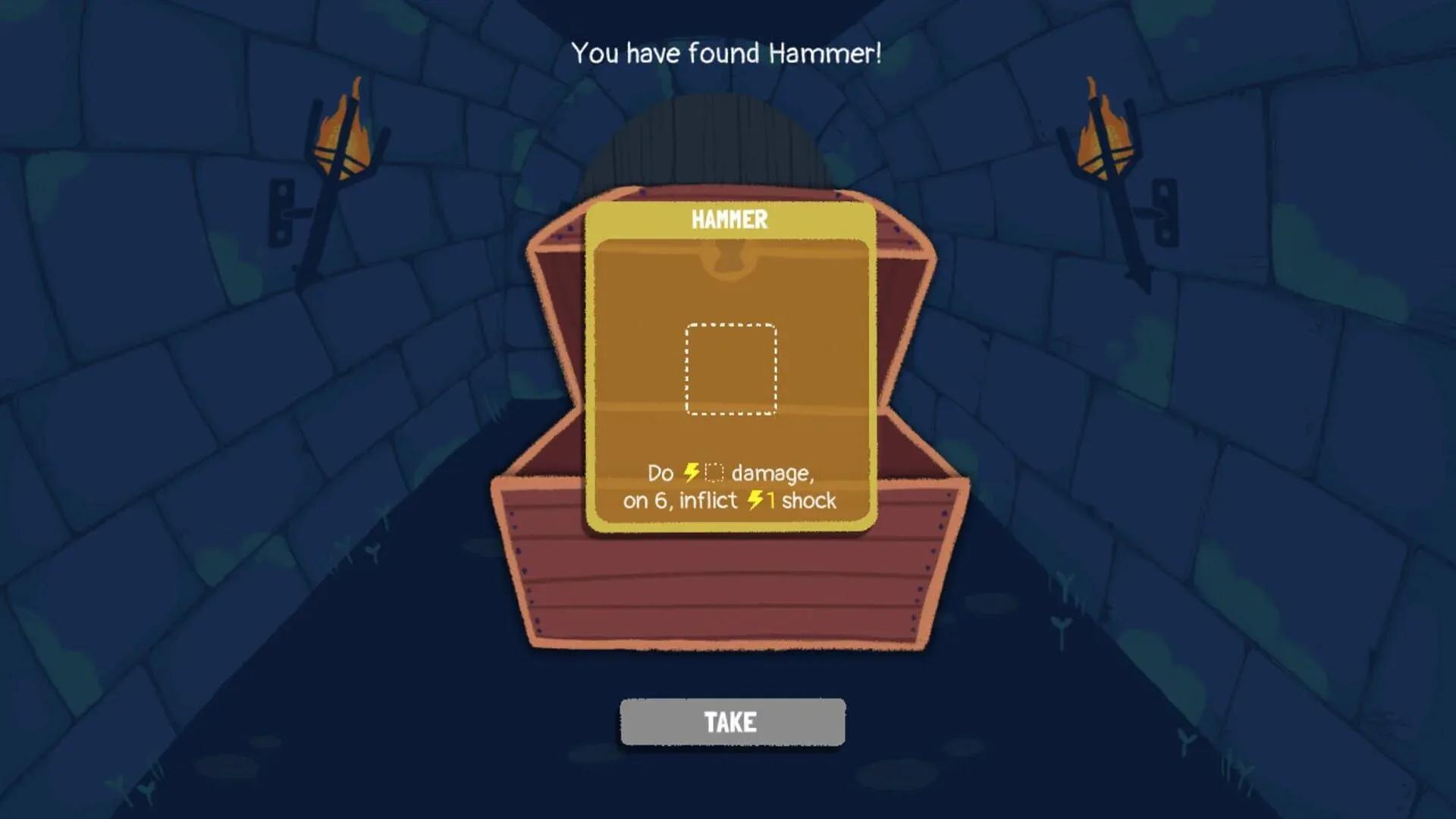
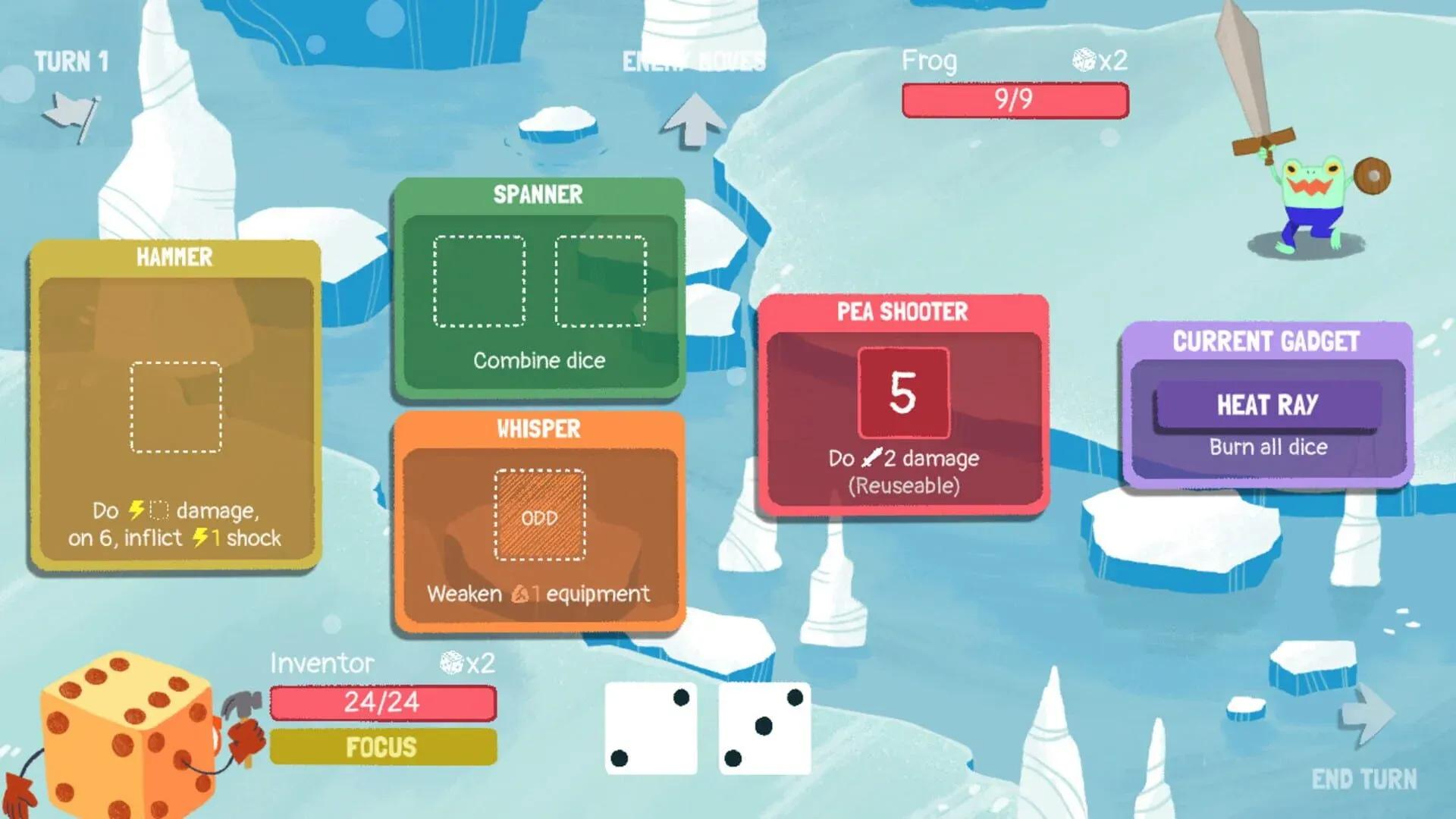
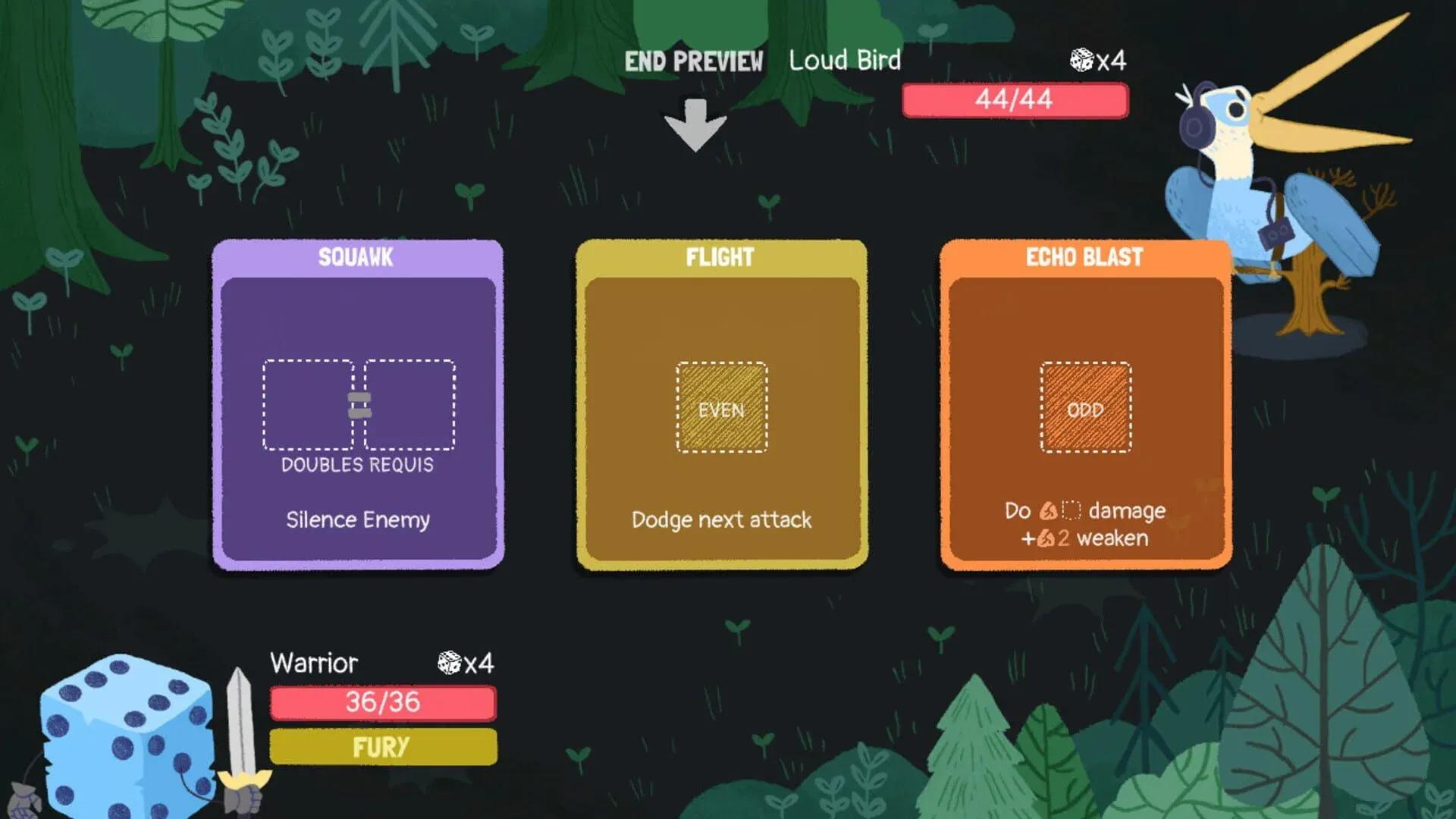
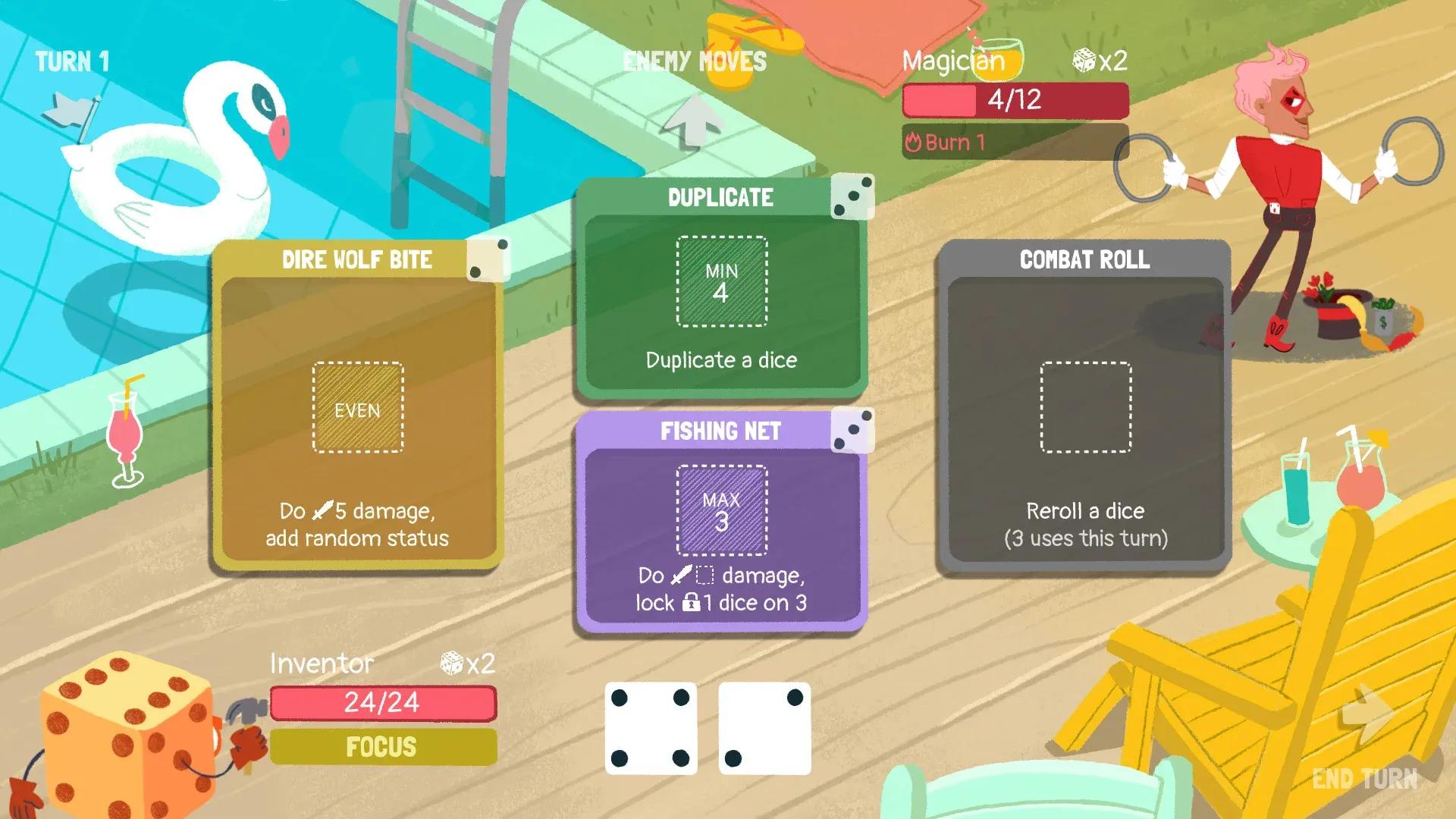
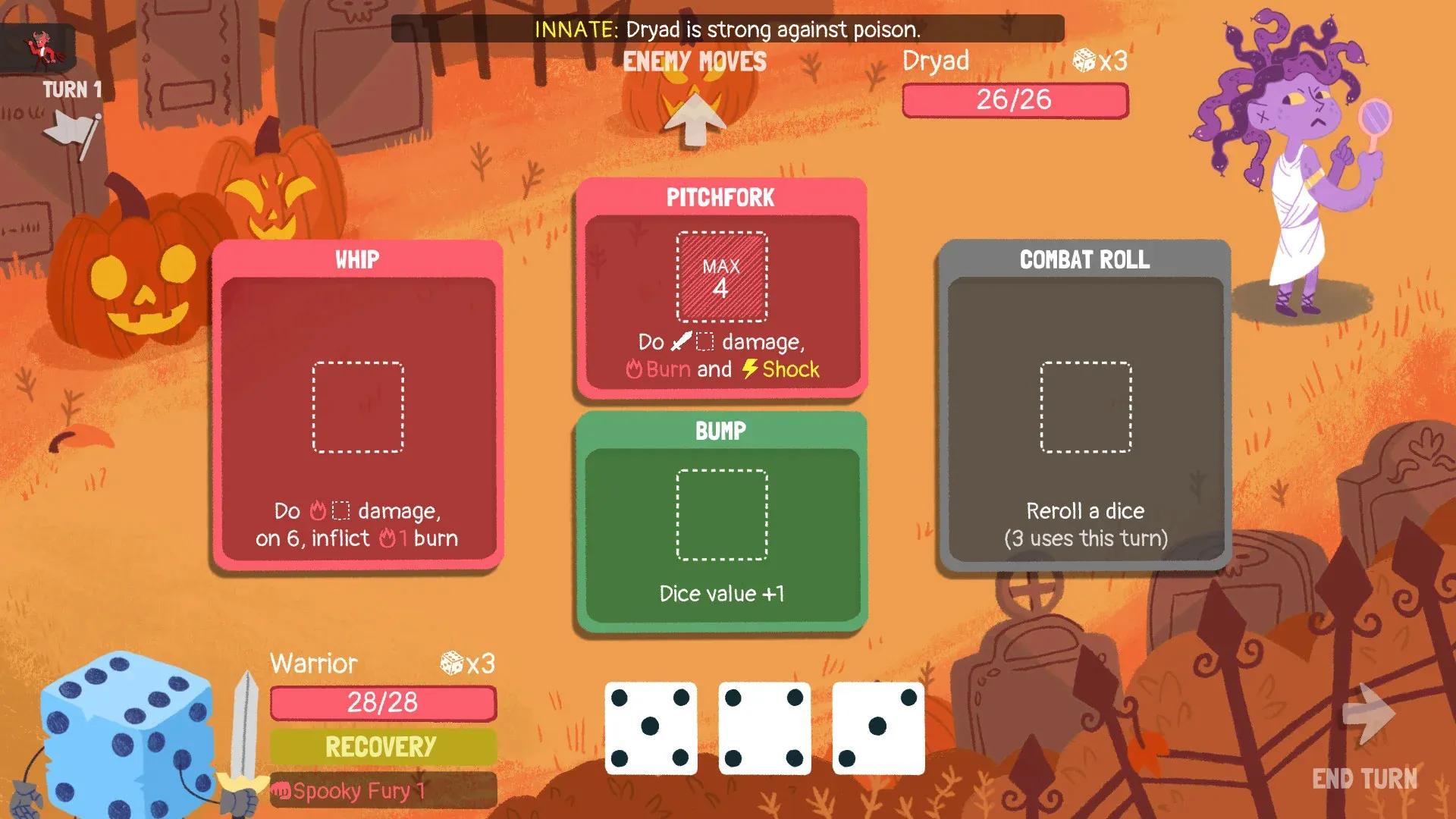
The battle system merges deck-building strategy with dice allocation puzzles. Each turn grants you dice based on your character's stats, and your equipment cards show specific requirements—slots that need odd numbers, even numbers, exact values, or ranges. A healing potion might need any dice to activate, while powerful weapons demand precise combinations.
- Strategic equipment selection
- Dice manipulation abilities
- Turn-based tactical combat
- Equipment upgrade mechanics
- Status effect management
Dicey Dungeons
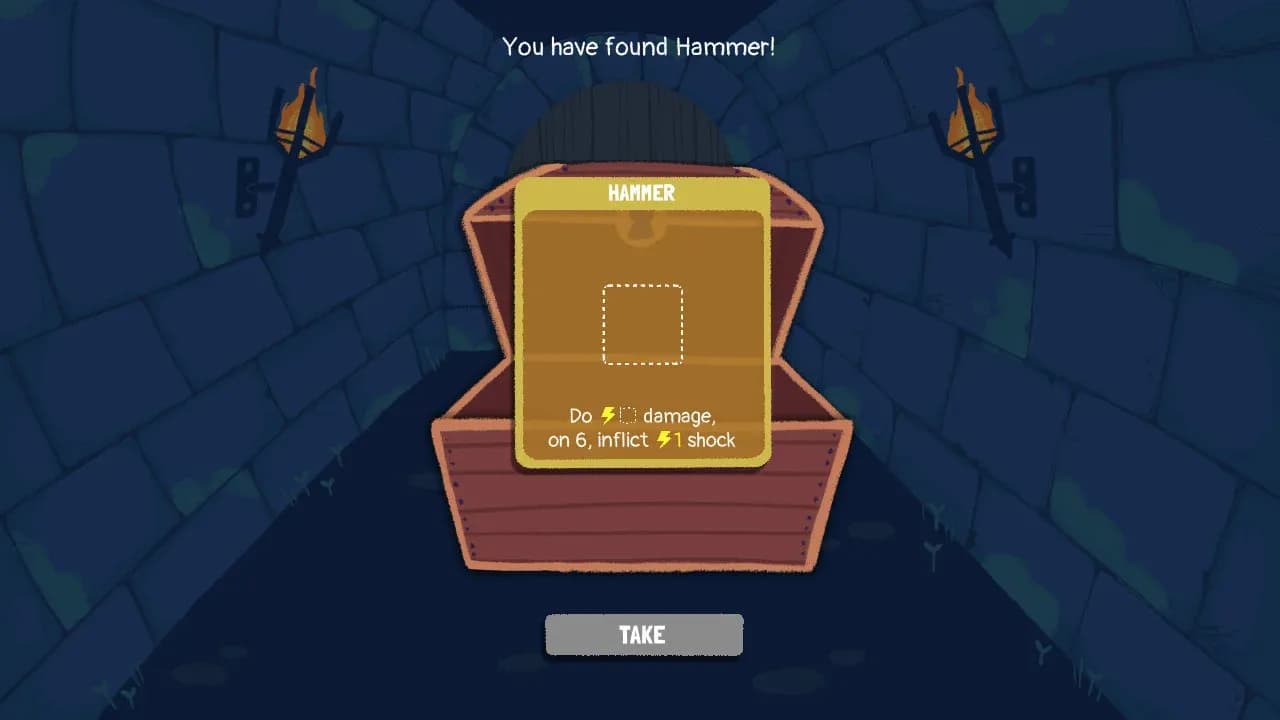
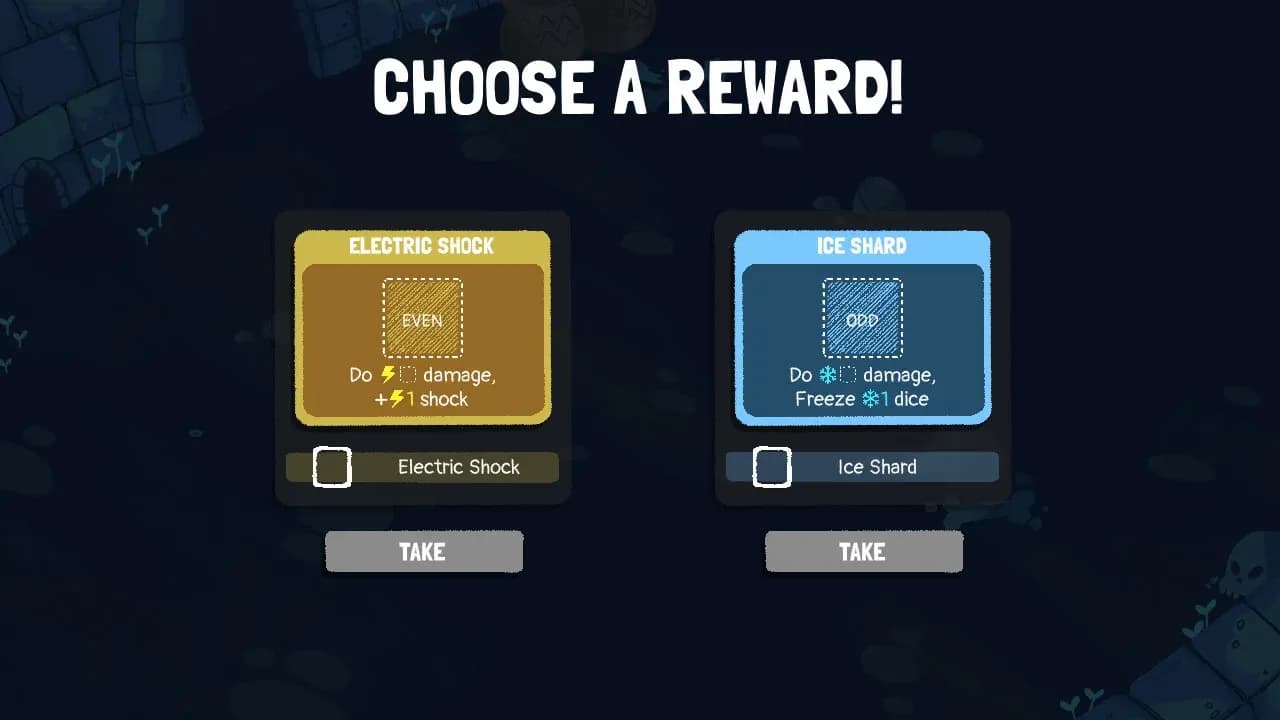
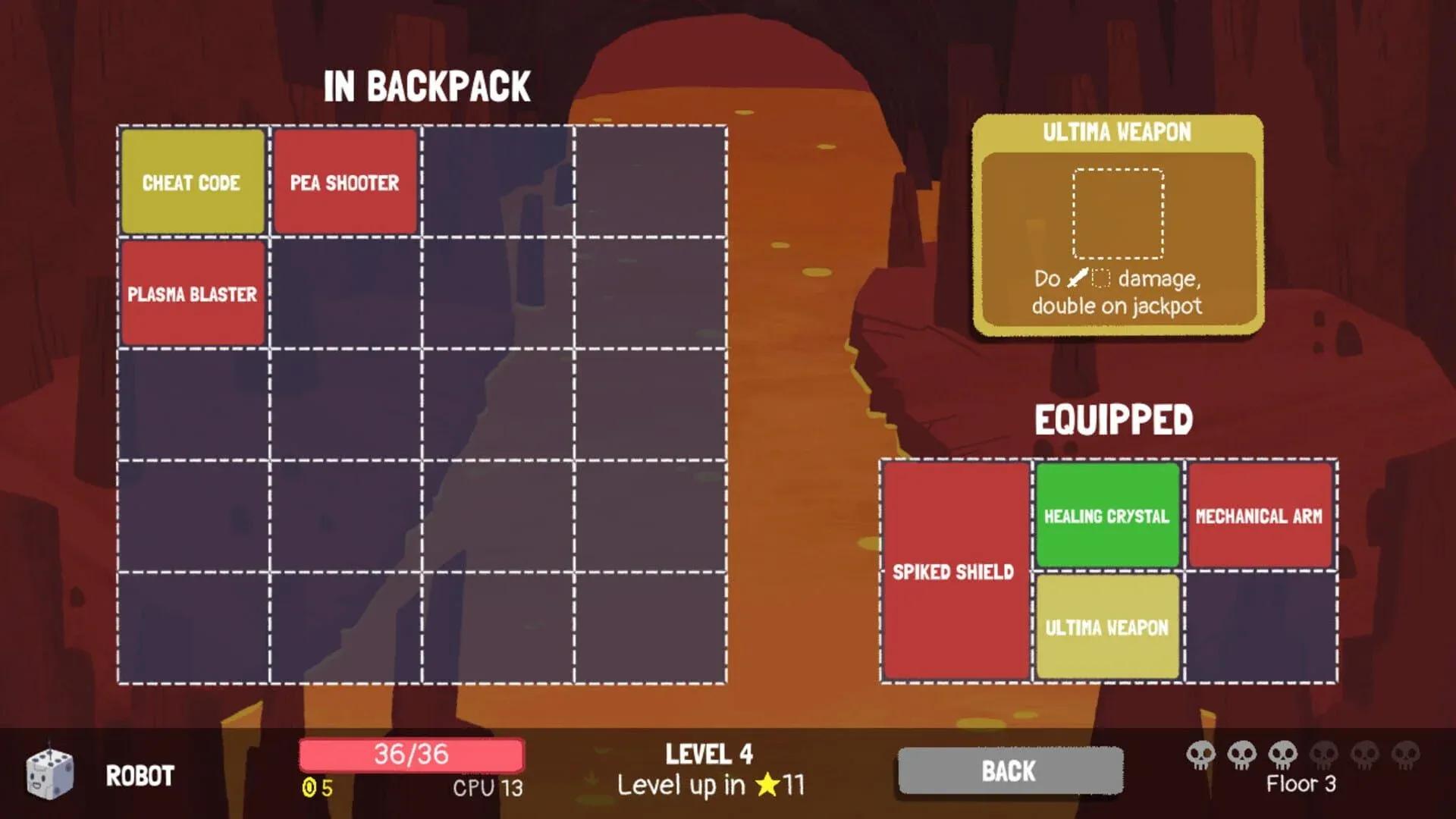
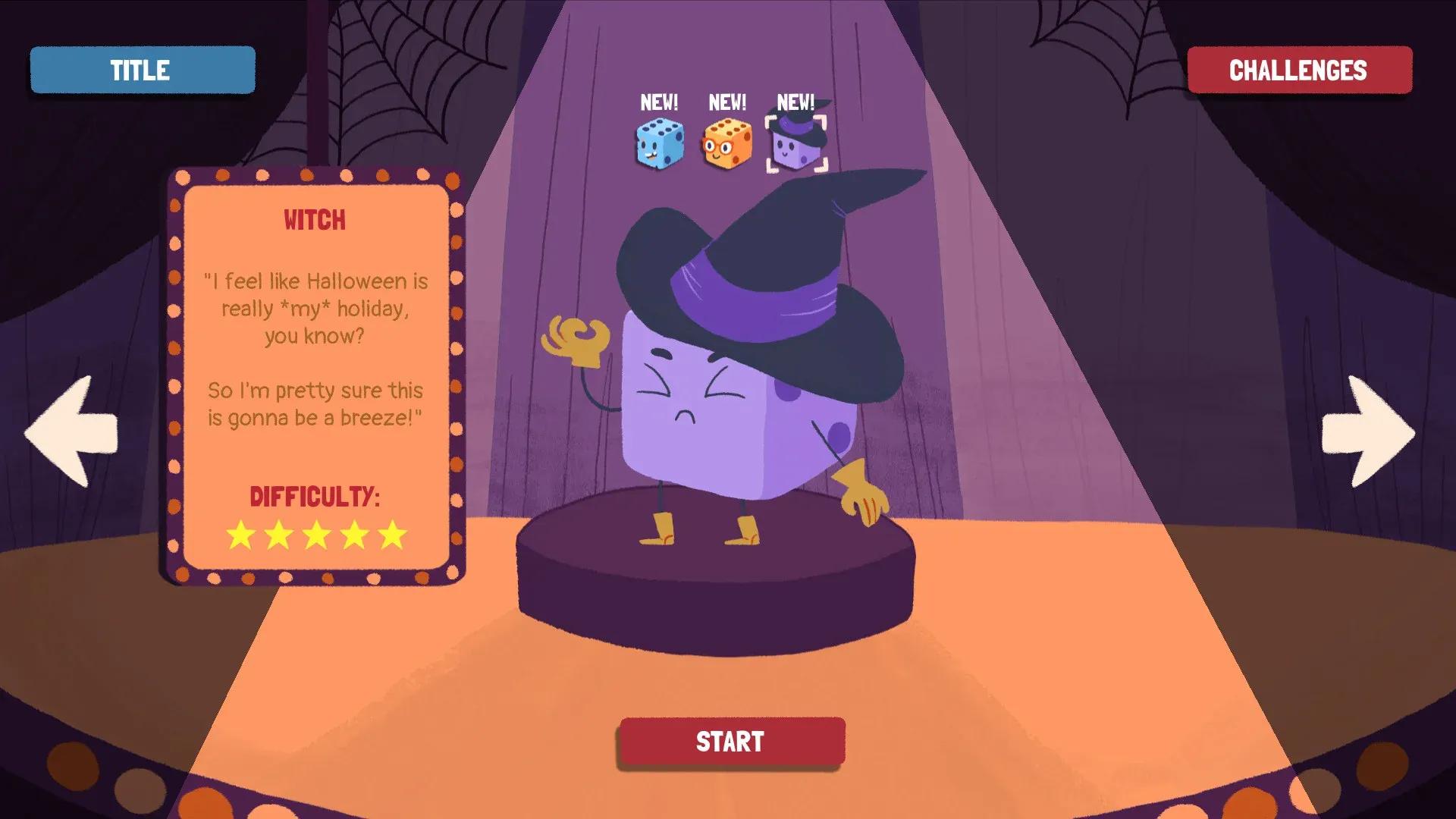
Equipment variety drives the strategic depth. You'll discover swords, spells, gadgets, and bizarre contraptions, each with different dice requirements and effects. Some items let you manipulate dice values, reroll results, or duplicate numbers. Building synergies between equipment cards becomes essential as dungeons grow more challenging. The Warrior class plays straightforwardly with direct damage equipment, while the Witch uses spell cards that consume dice for powerful magical effects.
Character Classes and Progression
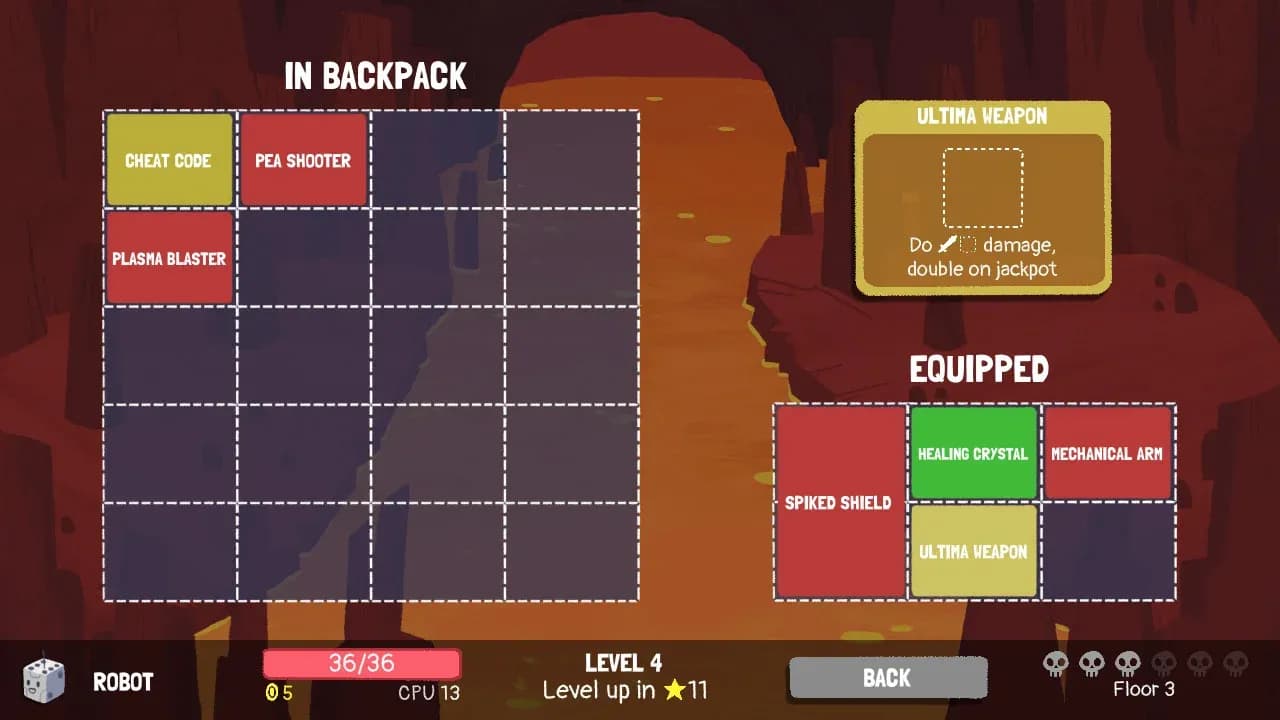
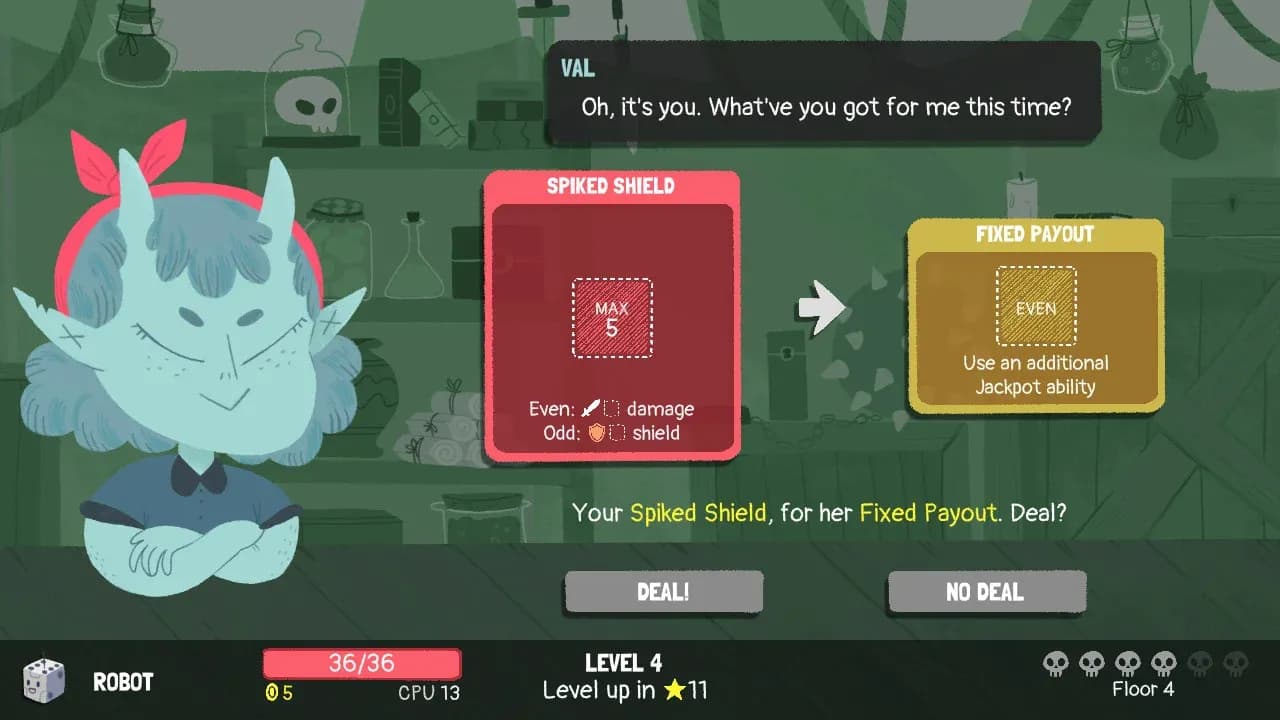
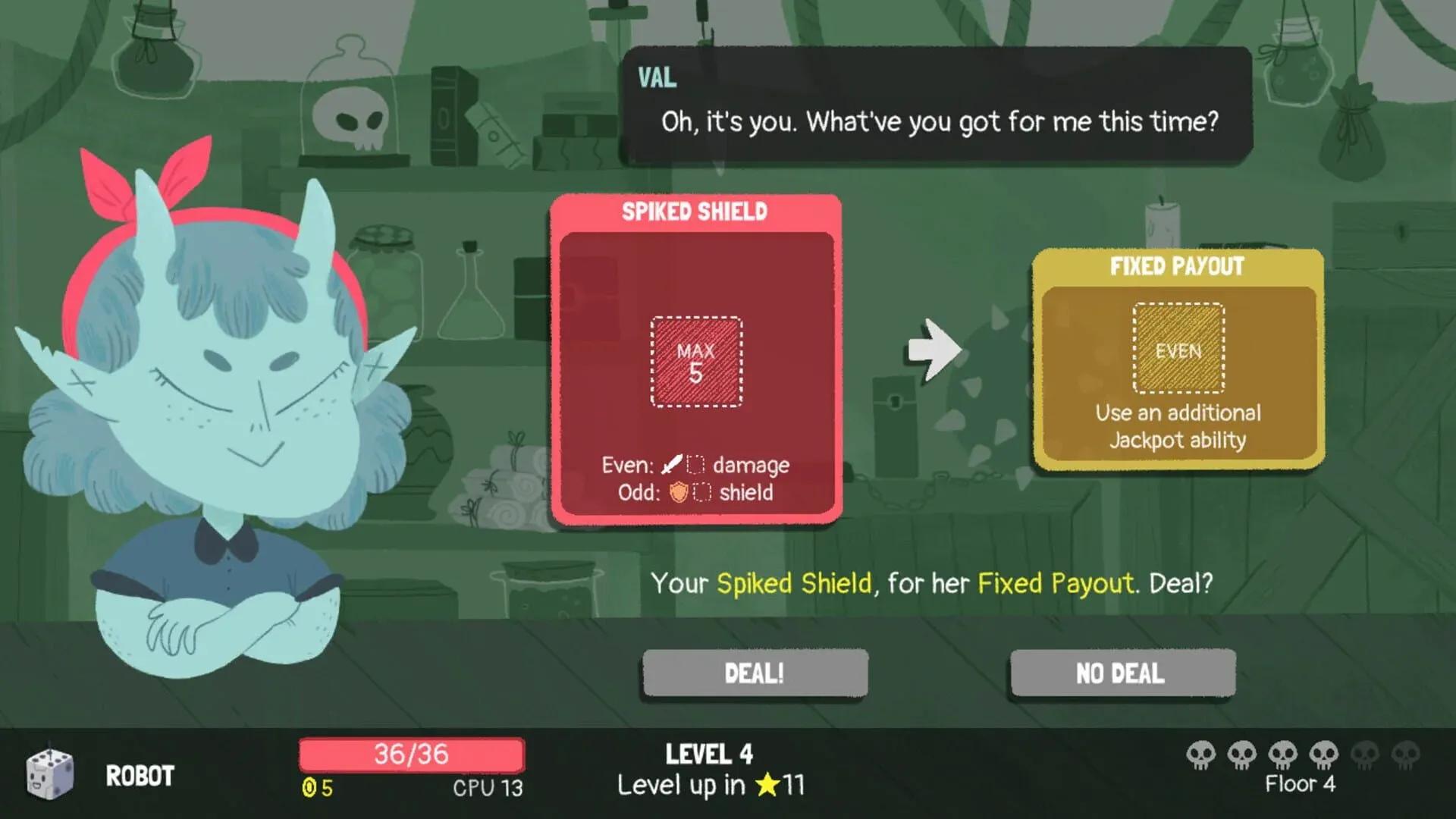
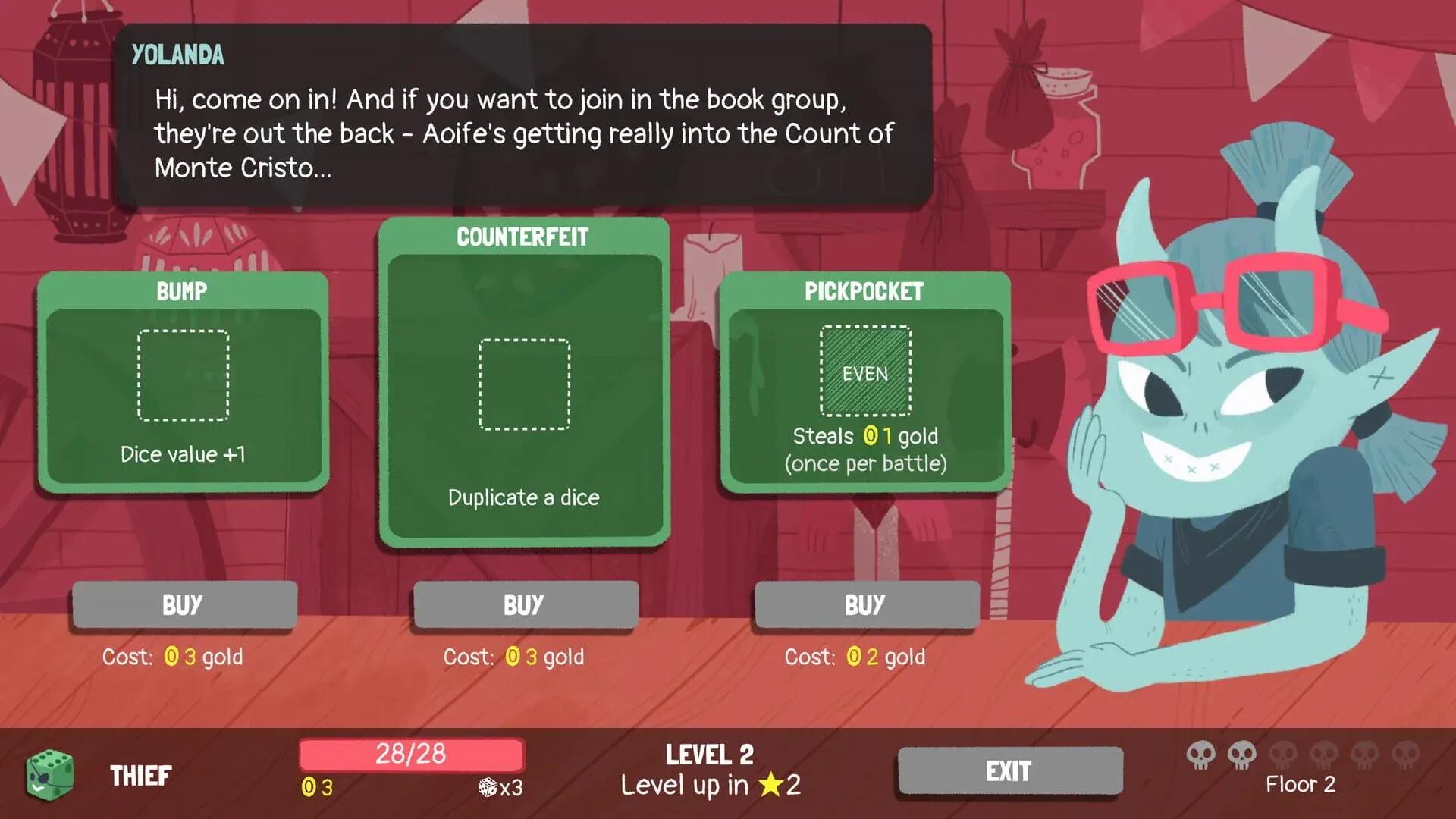
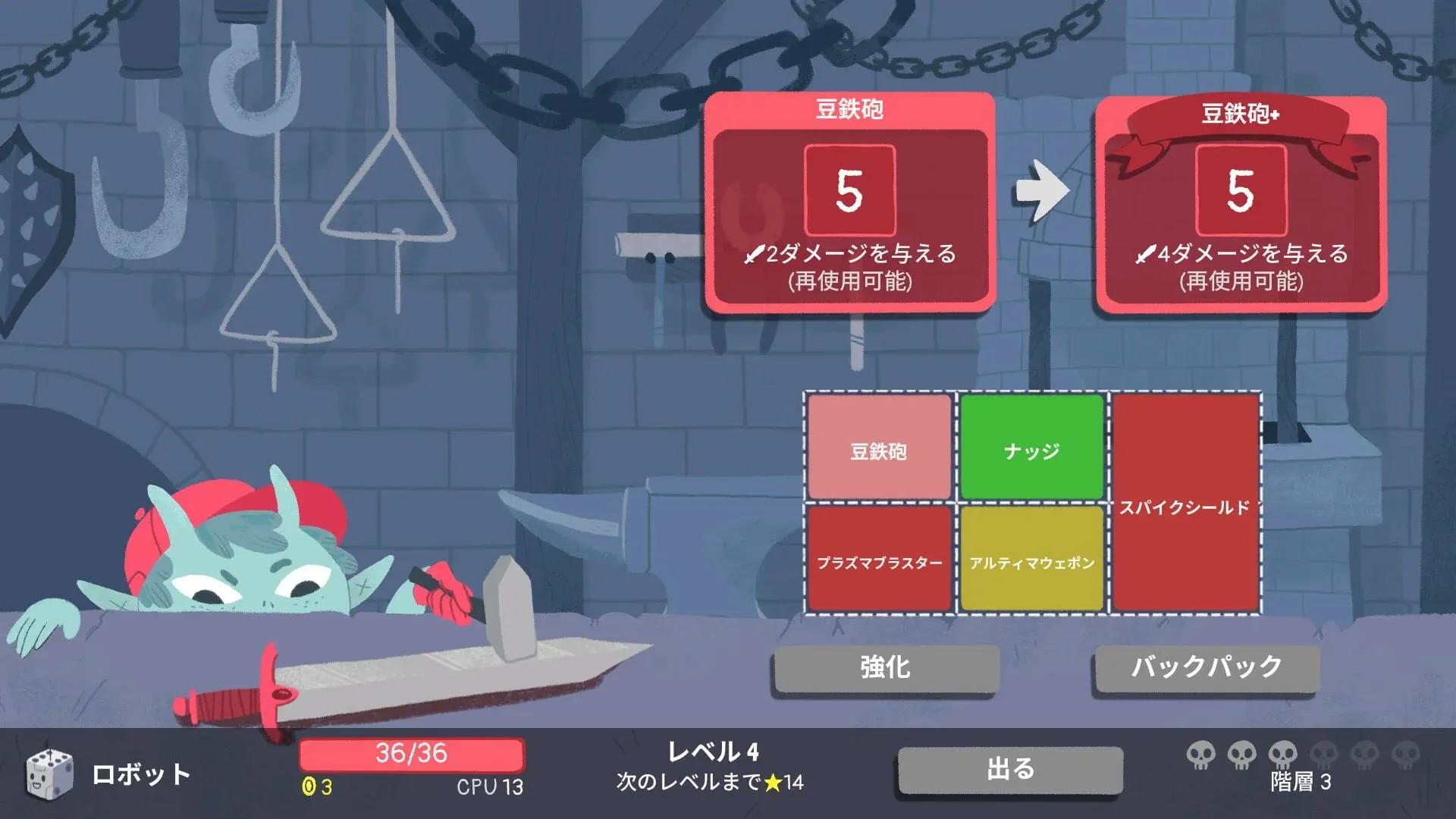
Each of the six playable characters offers dramatically different gameplay experiences. The Robot doesn't roll dice at all—instead calculating exact values each turn, transforming the game into a pure optimization puzzle. The Thief specializes in stealing enemy equipment, constantly adapting strategies mid-battle. The Inventor builds contraptions that modify dice in creative ways.
Dicey Dungeons
Character progression unfolds through episode-based campaigns. Each character has multiple episodes that introduce new rules, restrictions, and twists on the core mechanics. One episode might limit your equipment slots, another could curse your dice with negative effects, while a third forces you to use randomly assigned gear. These episodes function as escalating challenges that test your mastery of each character's unique abilities.
Visual Design and Presentation
The art style embraces bold, cartoonish aesthetics with chunky character designs and vibrant color palettes. Marlowe Dobbe's illustrations give each character personality through expressive animations and distinct visual themes. Enemies range from standard dungeon creatures reimagined as dice-themed opponents to creative boss designs that reference game show aesthetics.
Dicey Dungeons
Chipzel's electronic soundtrack complements the upbeat, slightly chaotic atmosphere. Each battle track maintains energy without becoming repetitive across multiple runs, while menu music provides breathing room between encounters. The audio design reinforces the game show framing with appropriate flourishes and effects that celebrate victories without overwhelming the tactical focus.
Replayability and Content Depth
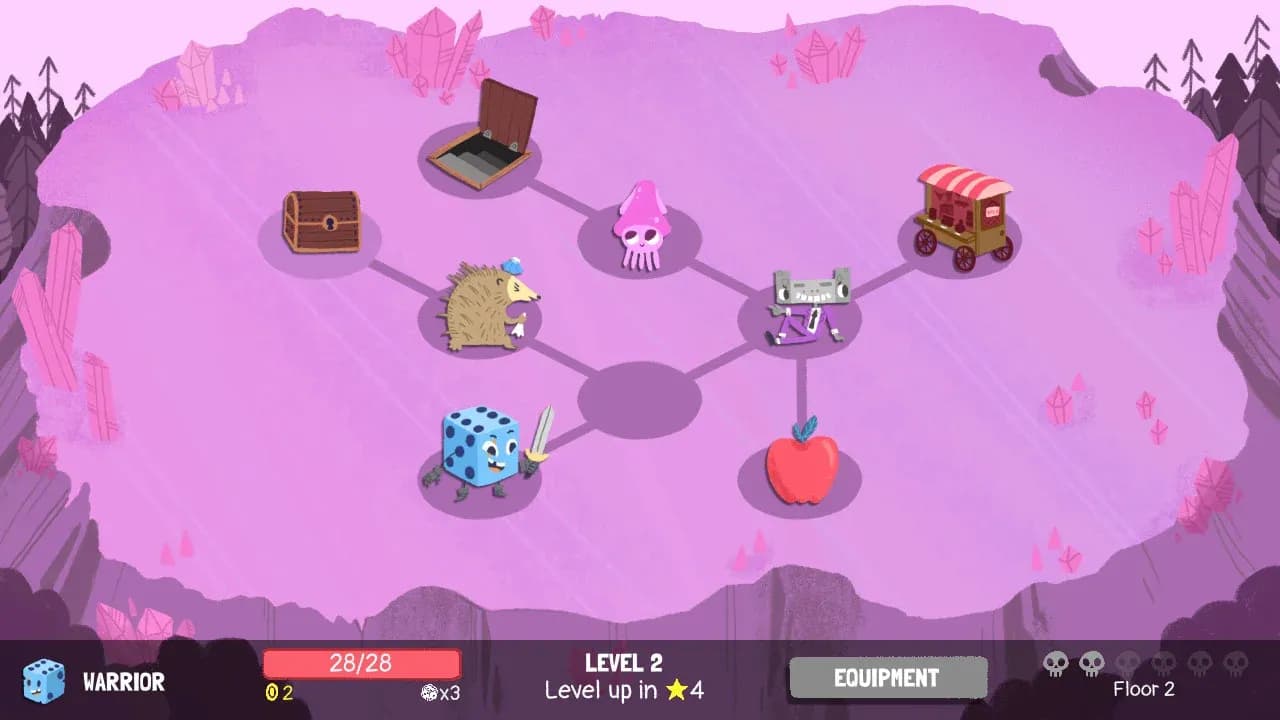
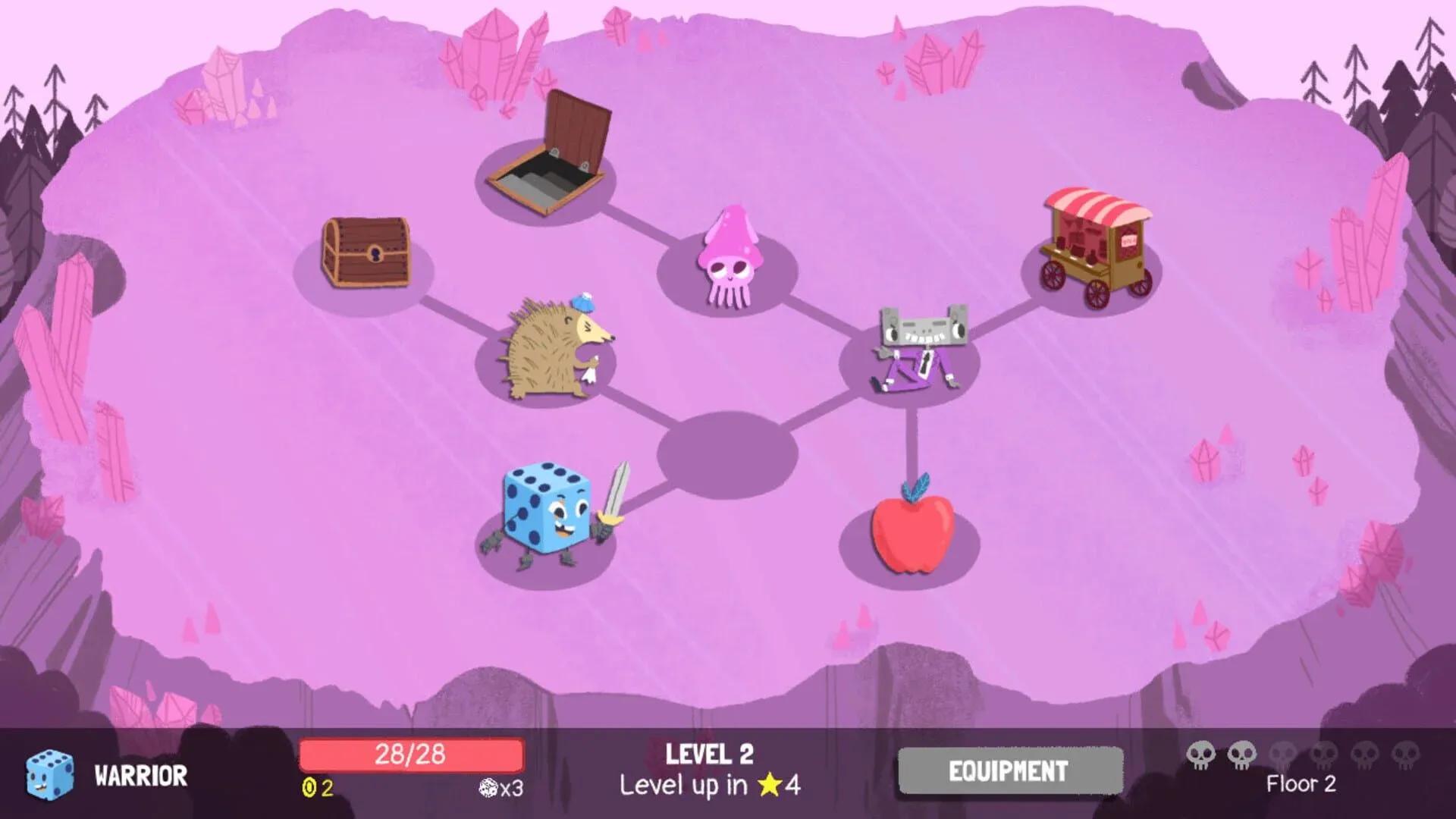
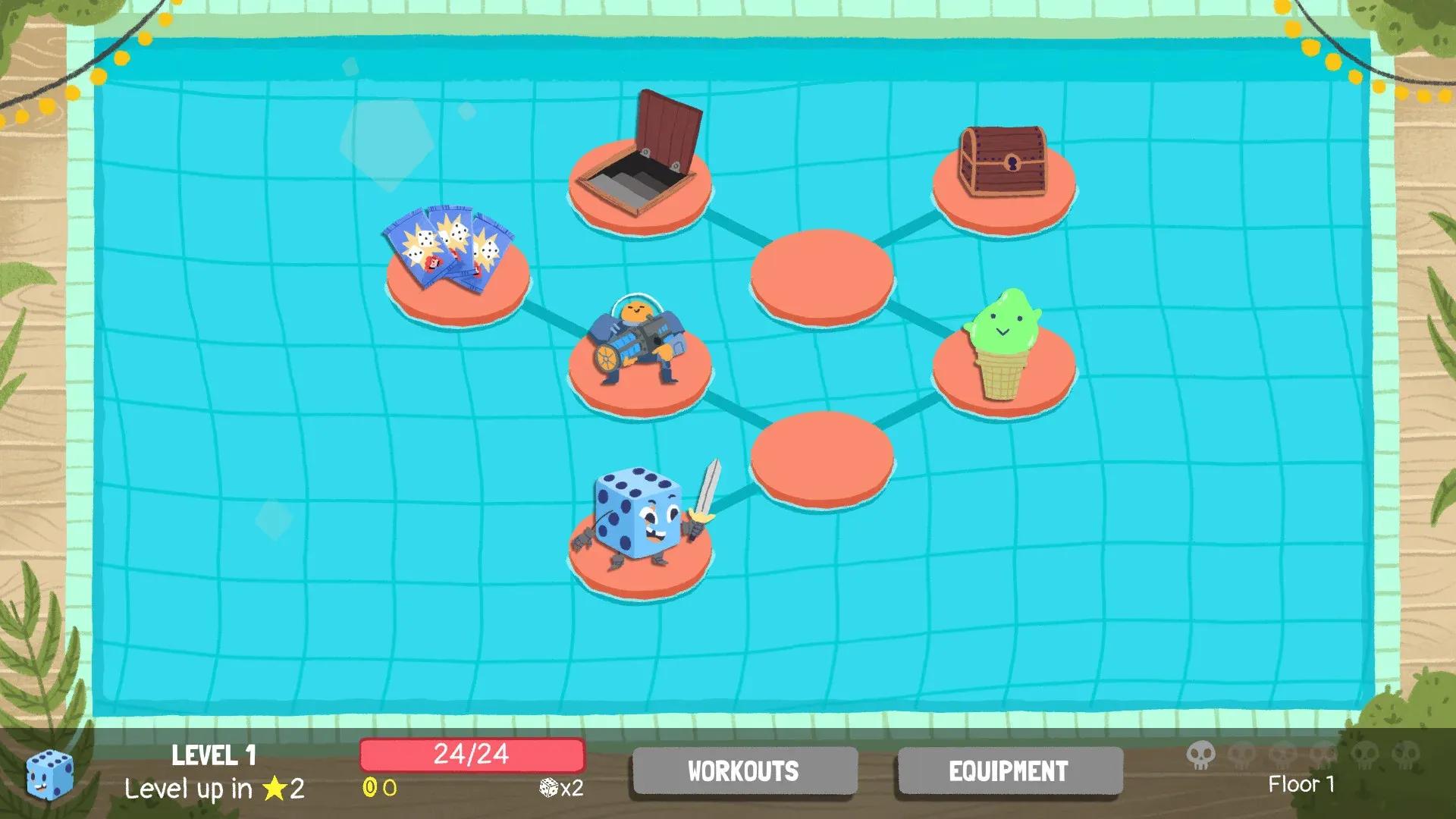
The roguelike structure ensures no two runs play identically. Procedurally generated floors present different enemy configurations, equipment shops, and event encounters. Random equipment drops mean you're constantly adapting strategies rather than following predetermined builds. The game encourages experimentation—failed runs teach you new equipment combinations and enemy patterns.
Dicey Dungeons
Beyond the main episodes, the game includes additional challenge modes and remix episodes that further complicate the established rules. These variations keep the experience fresh across dozens of hours, rewarding players who master the fundamental systems. The relatively short run length (typically 30-60 minutes) makes it easy to squeeze in quick sessions while pursuing longer-term goals.
REQUIREMENTS
| Requirement | Minimum | Recommended |
|---|---|---|
| OS | - | Windows 10 |
| Processor | 2 GHz+ CPU with SSE4.1 support required | 2 GHz+ CPU with SSE4.1 support required |
| Memory | 4 GB RAM | 4 GB RAM |
| Graphics | Intel HD Graphics 5000 or better, OpenGL Support required | Intel HD Graphics 5000 or better, OpenGL Support required |
Conclusion
Dicey Dungeons successfully merges deck-building strategy with dice-based randomness, creating a roguelike where luck feels manageable rather than frustrating. The six distinct character classes provide substantial variety, while the episode structure introduces creative twists that continually challenge your understanding of the mechanics. Whether you're drawn to tactical card games, accessible roguelikes, or simply appreciate clever mechanical design, this indie title delivers a polished experience that respects both strategic planning and the chaos of the dice roll.