Overview
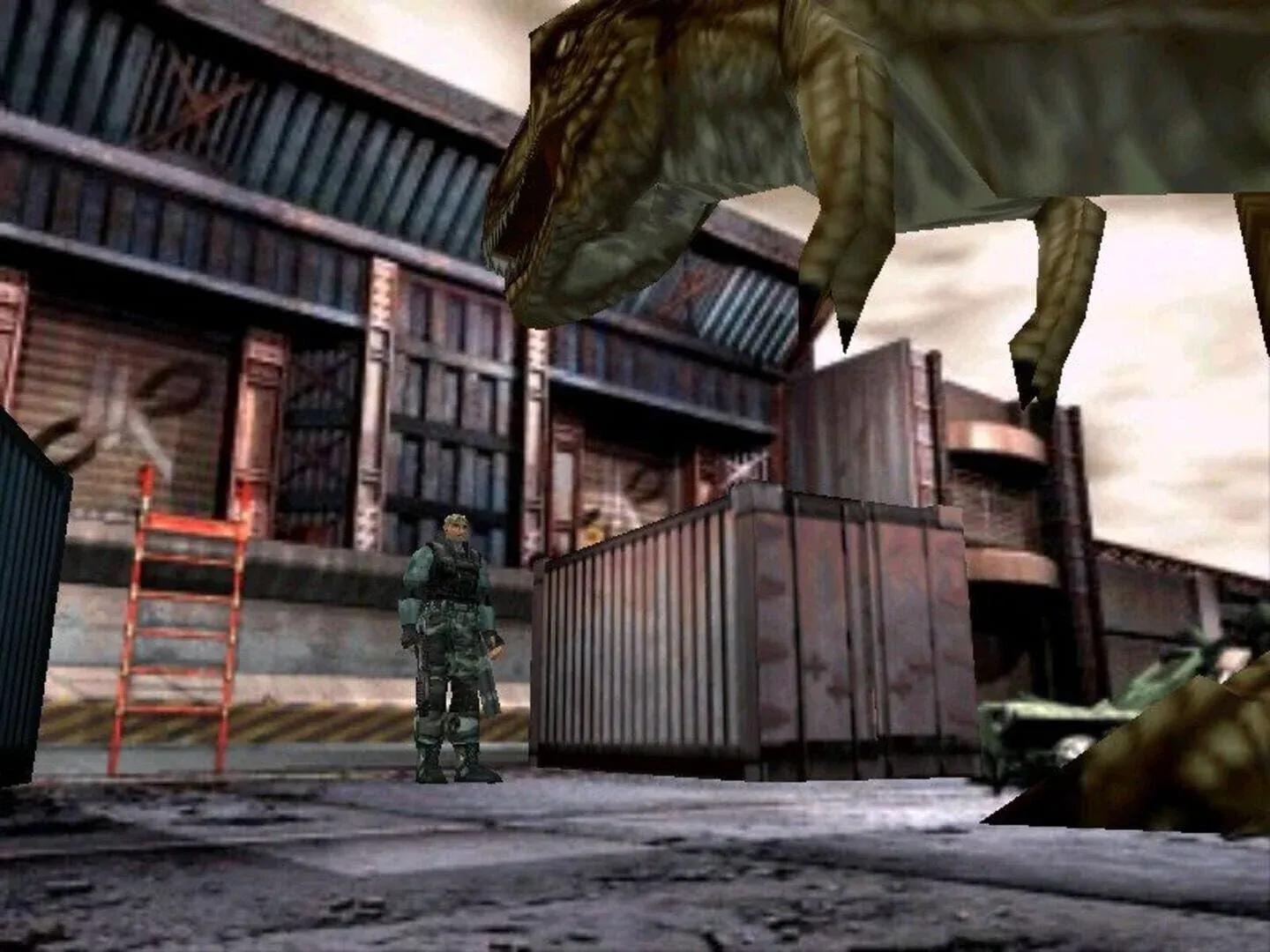
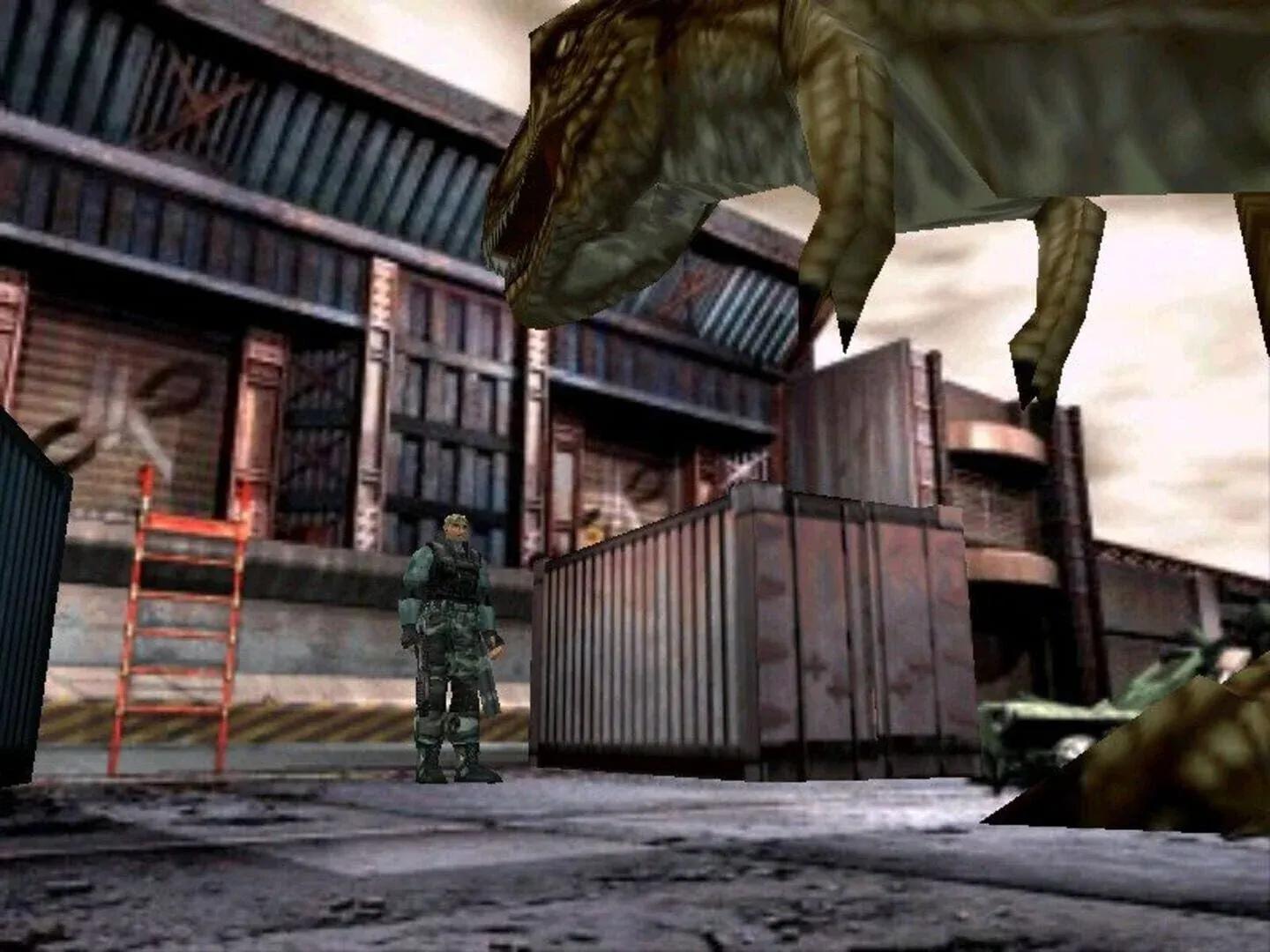
Dino Crisis 2 launched in September 2000 from Capcom Production Studio 4, and it arrived with a clear design philosophy: more dinosaurs, more guns, more speed. Where the first Dino Crisis borrowed heavily from Resident Evil's slow-burn tension, the sequel leans hard into action, turning Regina's second outing into something closer to a run-and-gun arcade shooter wrapped in a time-travel thriller.
The premise centers on Edward City, a research settlement that gets pulled through a temporal anomaly and deposited in the Cretaceous period, inhabitants and all. Regina is dispatched on a rescue mission alongside Dylan Morton, a soldier with a personal stake in the crisis. The two characters swap at scripted points throughout the campaign, each bringing slightly different weapons and story context to the same overarching disaster.
Dino Crisis 2 content image
Gameplay and mechanics
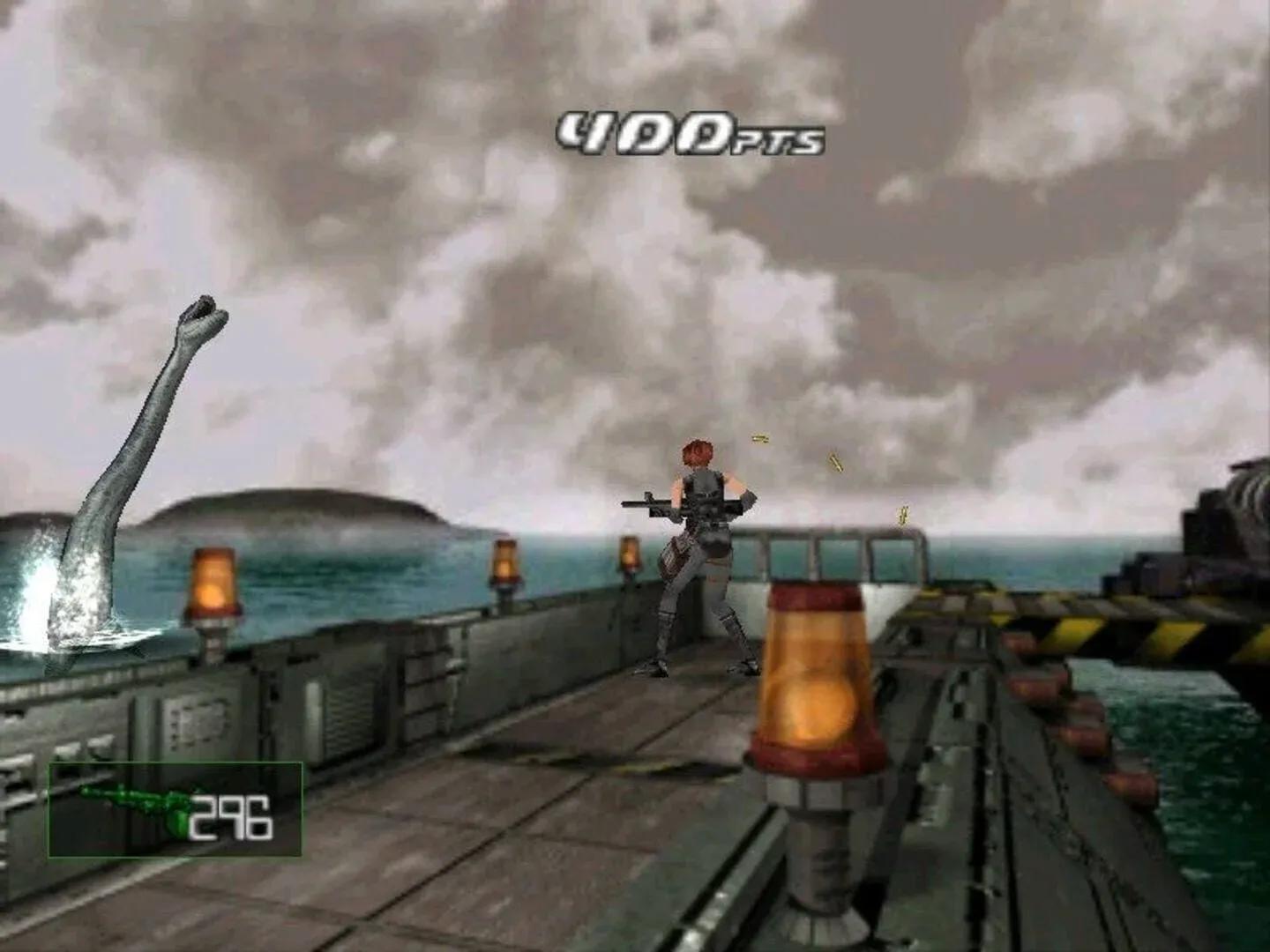
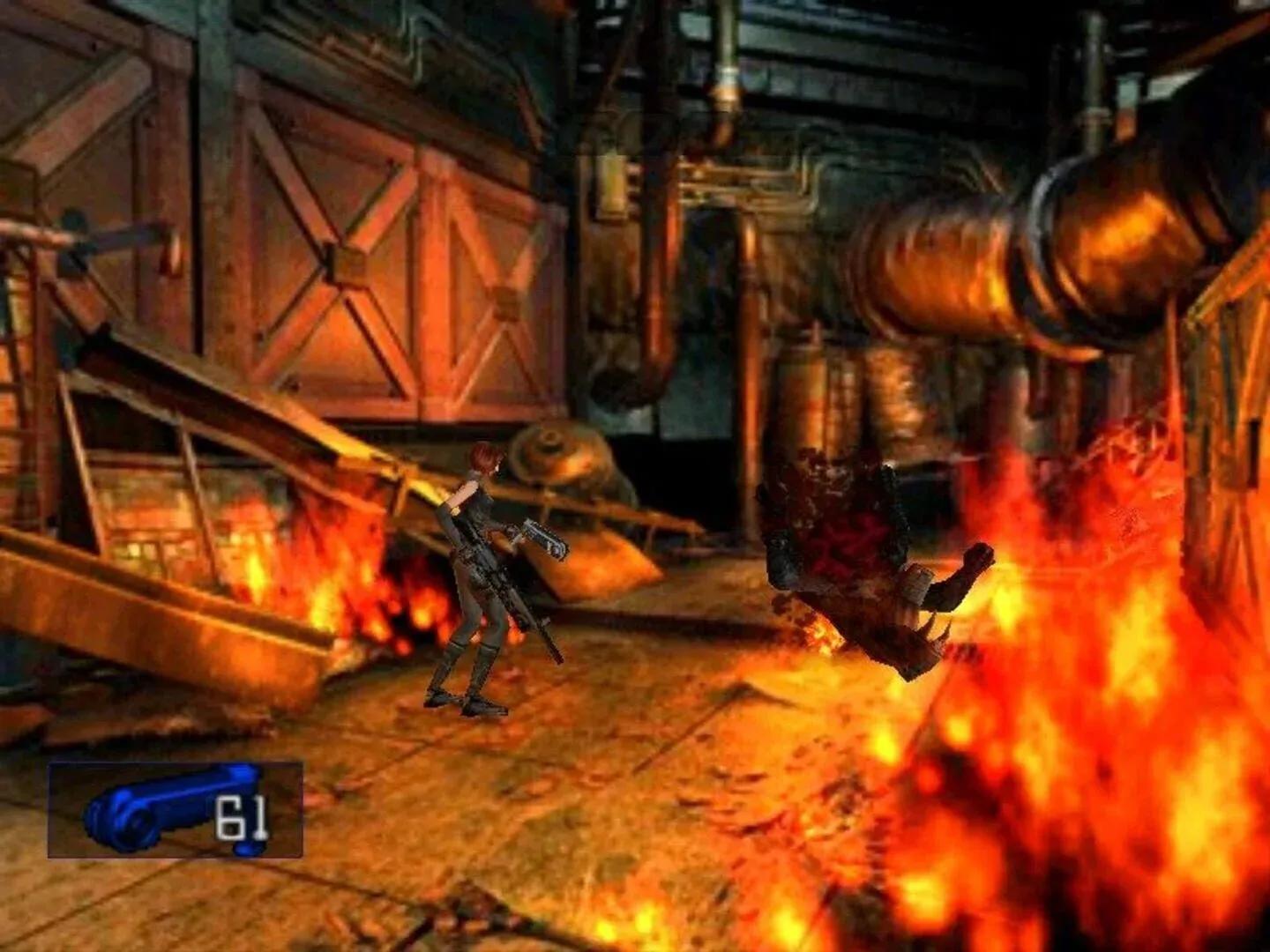
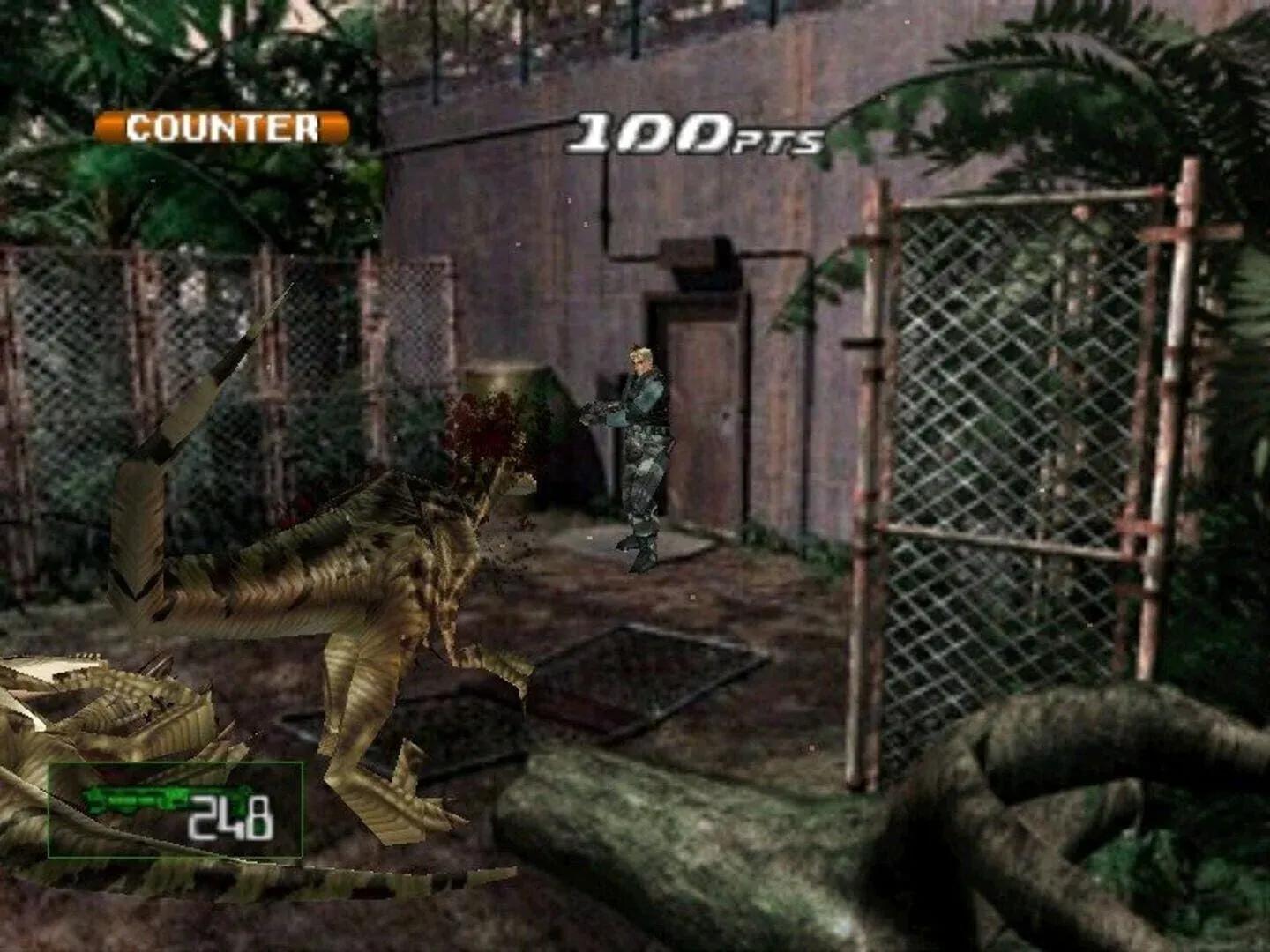
The most immediate change from the first game is movement. Regina and Dylan always run, removing the toggle from Dino Crisis 1 entirely. Combat is built around momentum, and the game rewards aggression with its combo point system, where chaining kills without taking damage multiplies the points earned from each dino dropped. Those points convert to currency at item shops scattered through the environments, funding weapon upgrades and health supplies.
Dino Crisis 2 content image
Key mechanics at a glance:
- Dual-weapon carry system
- Kill-combo point multiplier
- Shared currency shop between stages
- Scripted character swaps between Regina and Dylan
- Expanded dinosaur roster including new species and large lizards
The dual-weapon system lets players carry a primary and secondary firearm simultaneously, and the arsenal grows considerably over the course of the game. Shotguns, machine guns, rocket launchers, and a few more exotic options give combat genuine variety.
Dino Crisis 2 content image
World and setting
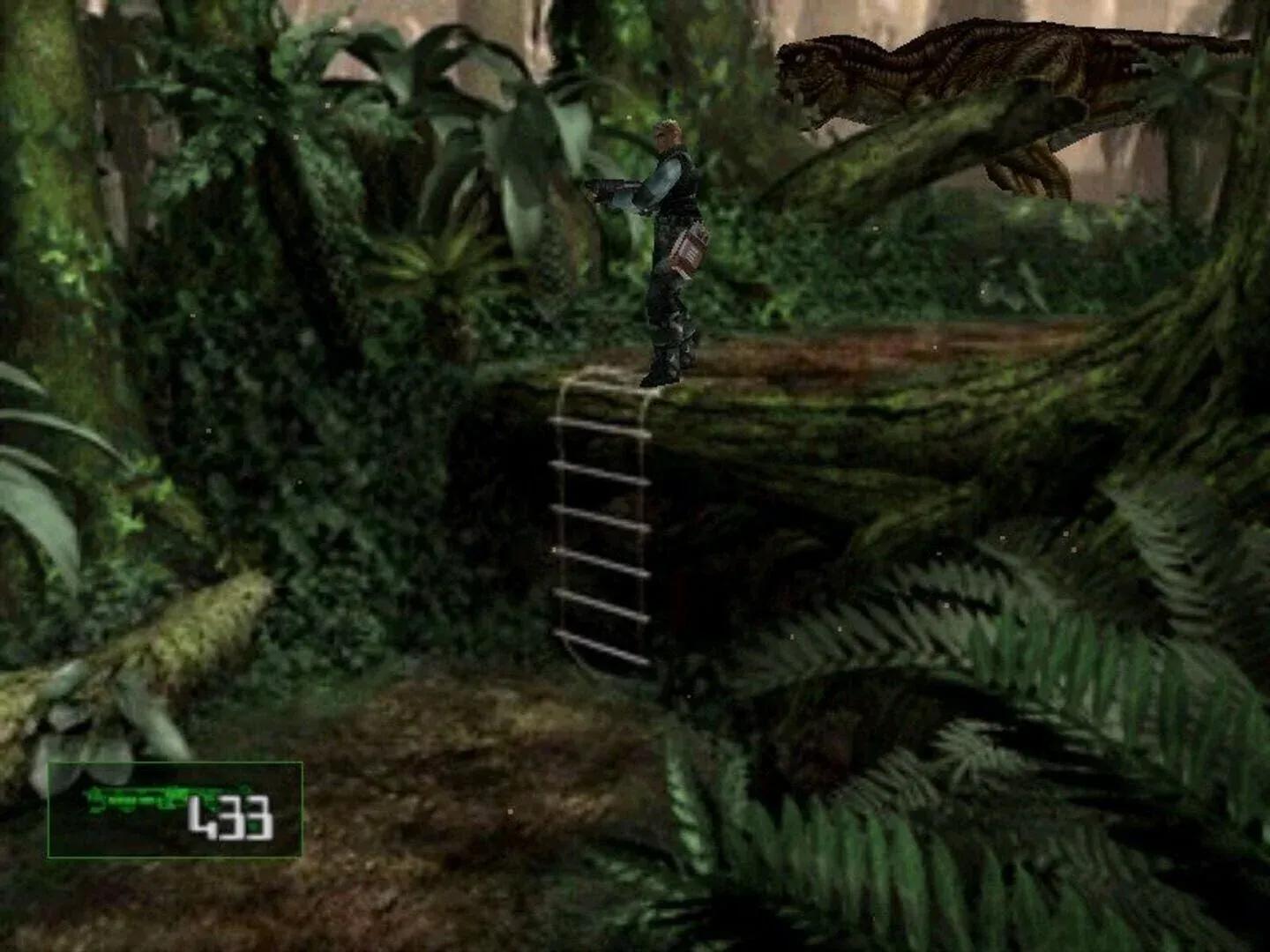
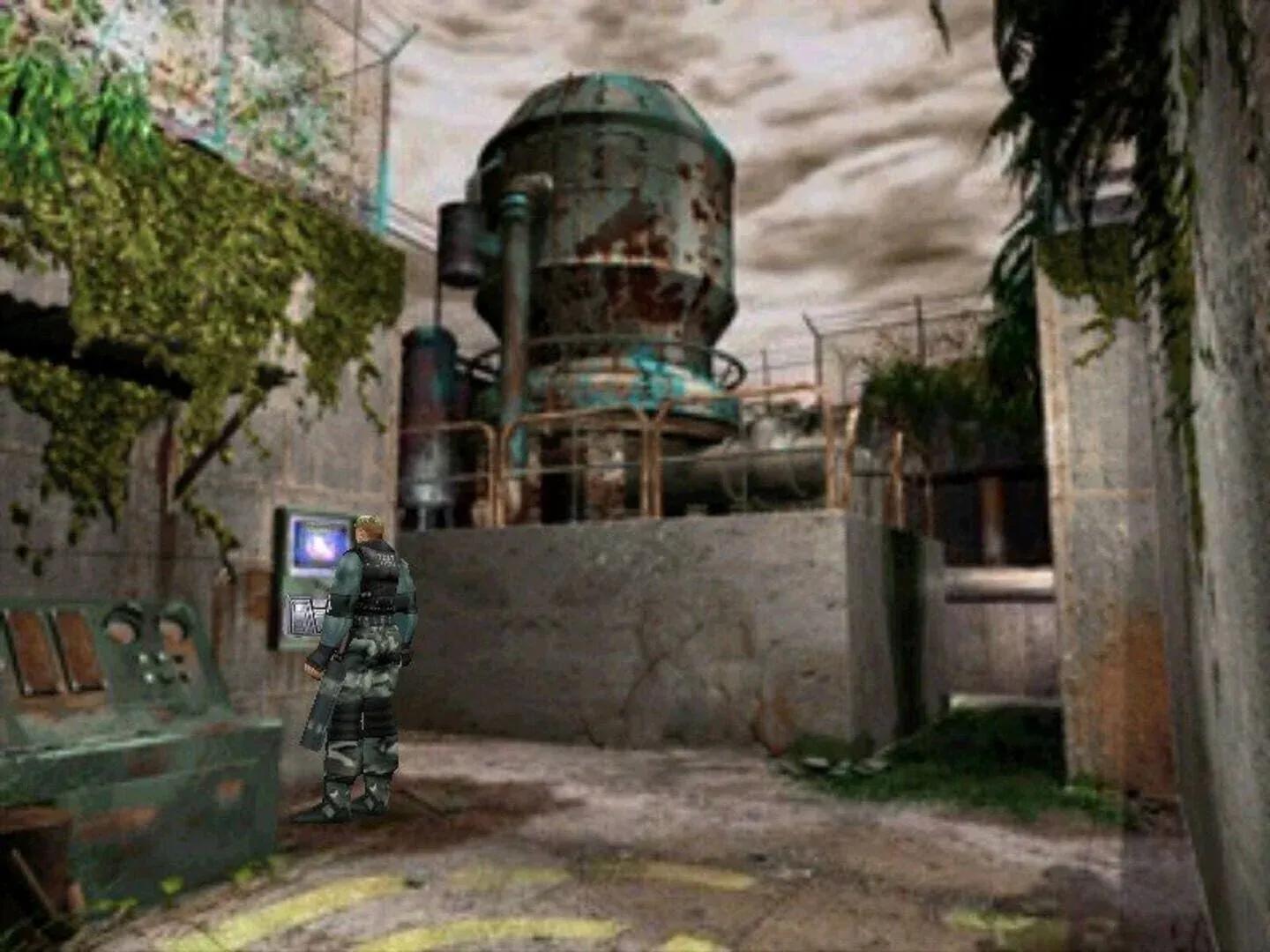
Edward City's displacement into the past creates a setting that mixes brutalist research facility corridors with dense jungle and open prehistoric terrain. The tonal contrast works. Fluorescent-lit labs give way to riverbanks crawling with Velociraptors and Pteranodons, and the game never lets the environments feel repetitive for long.
The dinosaur variety is noticeably wider than in the original. Therizinosaurus, Inostrancevia, and Mosasaurus join the returning Velociraptors and T-Rex, and each species behaves differently enough to require adjusted tactics. A Mosasaurus encounter in a waterway plays nothing like a corridor fight against a pack of smaller predators.
Innovation and unique features
The combo-kill economy is the design decision that separates Dino Crisis 2 from its contemporaries most sharply. Survival horror games of the era punished aggression; this one monetizes it. Players who play conservatively will find themselves short on funds at critical upgrade moments, while players who chain kills efficiently can enter boss fights significantly better equipped.
The dual-protagonist structure also adds replay value that the single-character original lacked. Dylan's campaign sections introduce different weapon sets and enemy configurations, and the story only fully coheres once both perspectives have been experienced. For a PS1-era action-adventure game, that structural choice holds up.
Dino Crisis 2 content image
Impact and legacy
Dino Crisis 2 sold well enough on PlayStation that Capcom ported it to Windows, and it remains the fan-preferred entry in the series despite the franchise's subsequent shift toward a full sci-fi direction with Dino Crisis 3. The combo system, dual-character design, and sheer pacing of the third-person shooting made it a reference point for action-adventure games that reward aggressive play. Its reputation has only grown in the years since the series went dormant, with the action-shooter formula feeling ahead of its time for a 2000 release.