

Overview
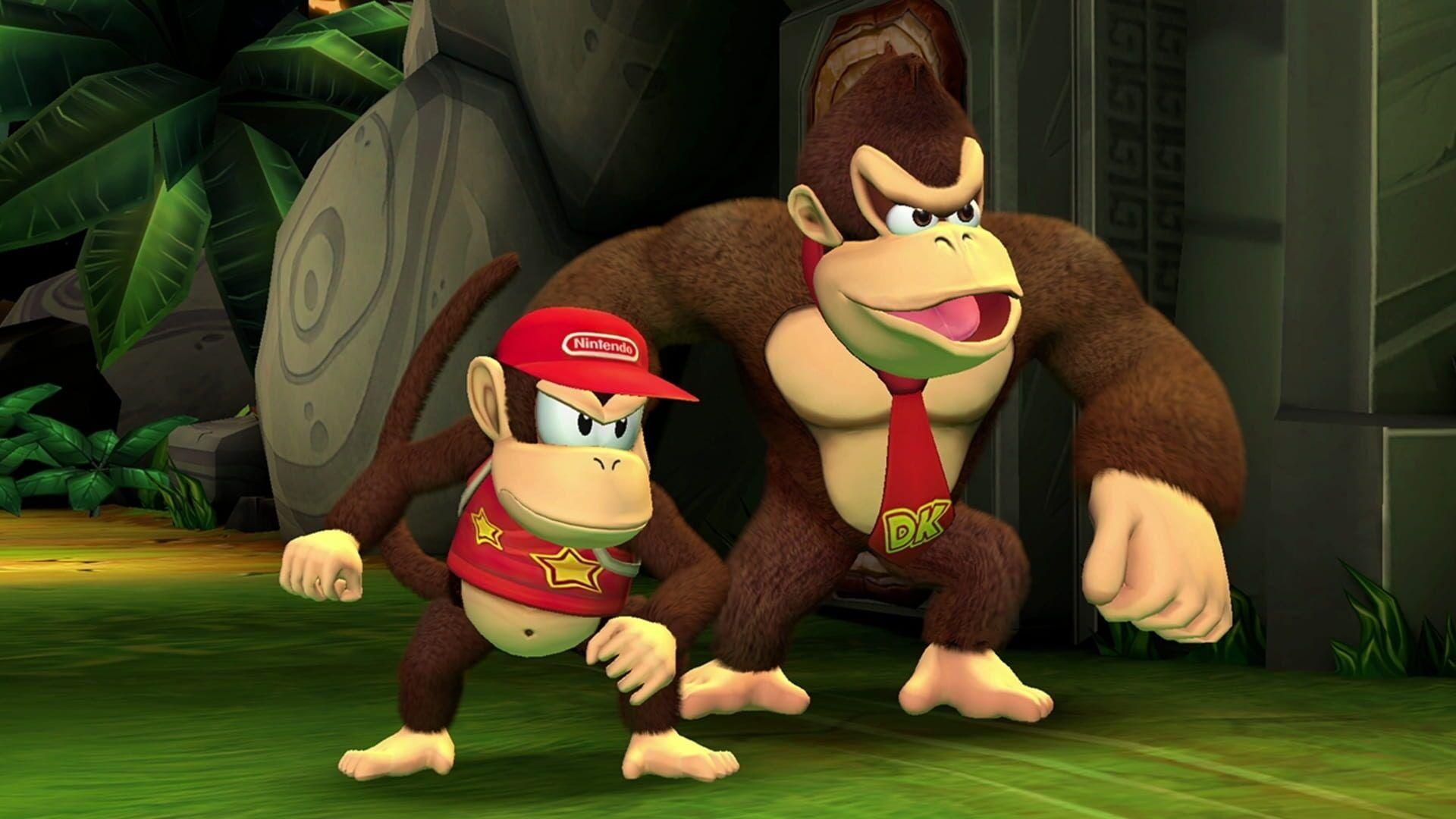
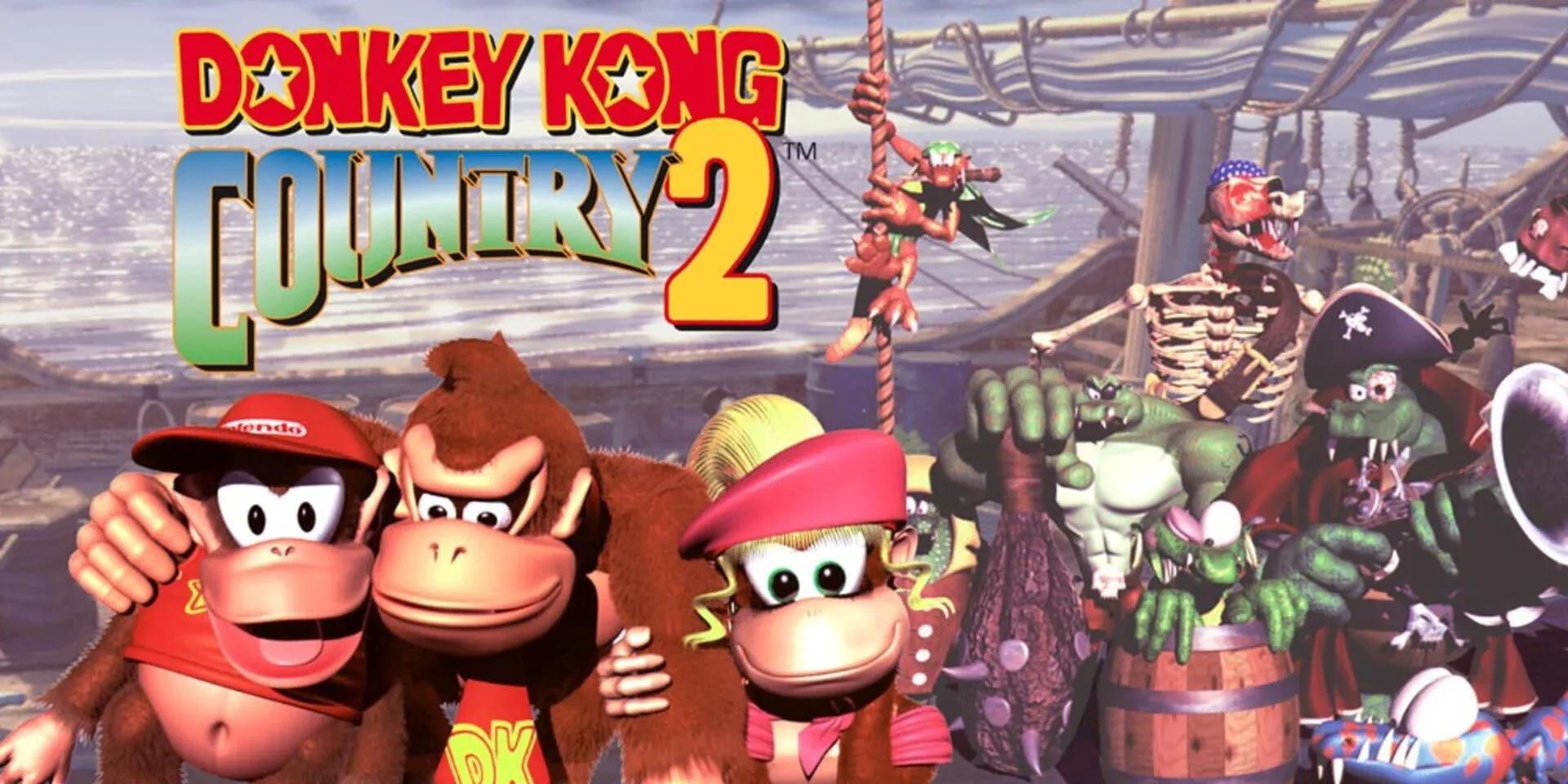
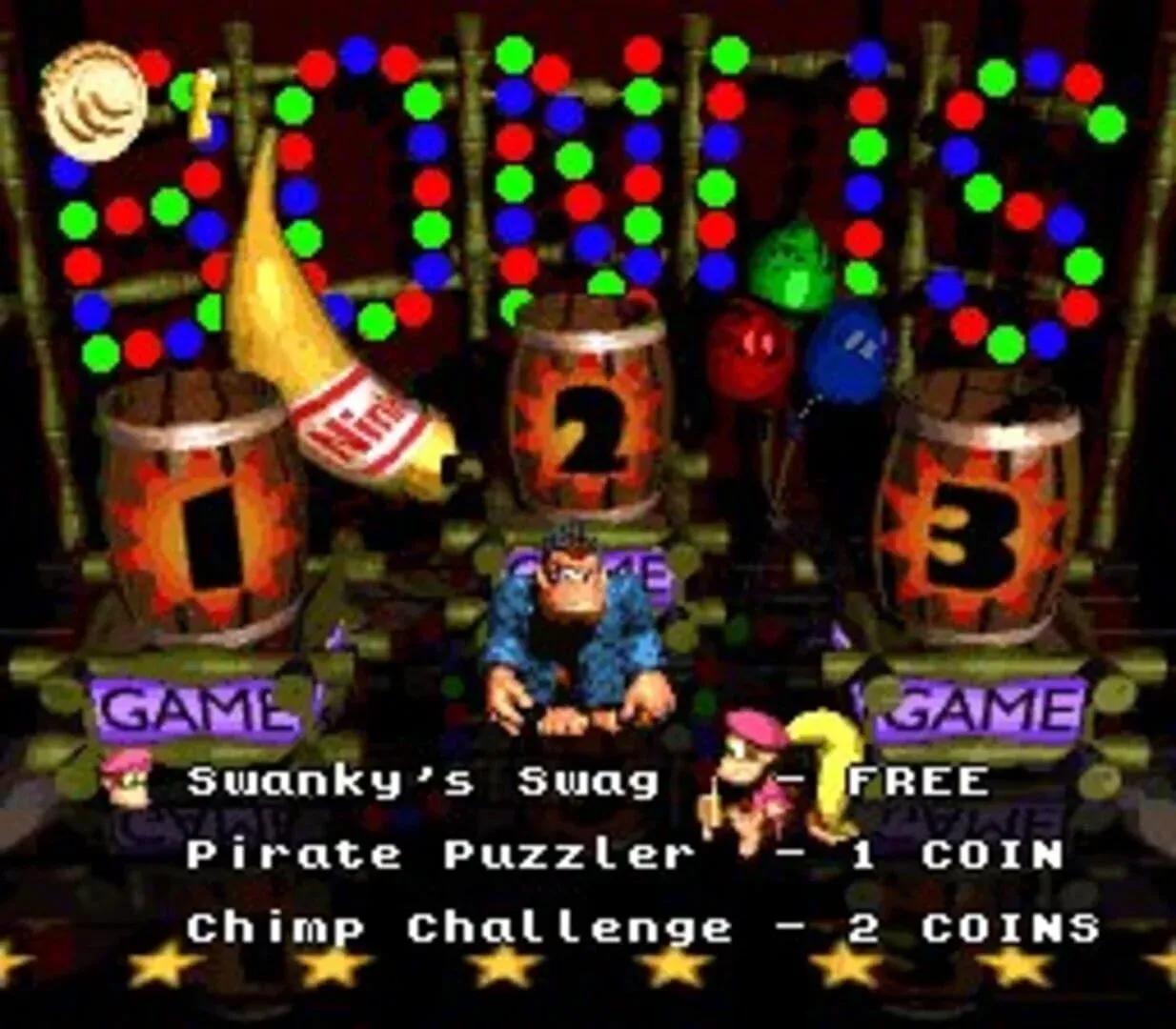
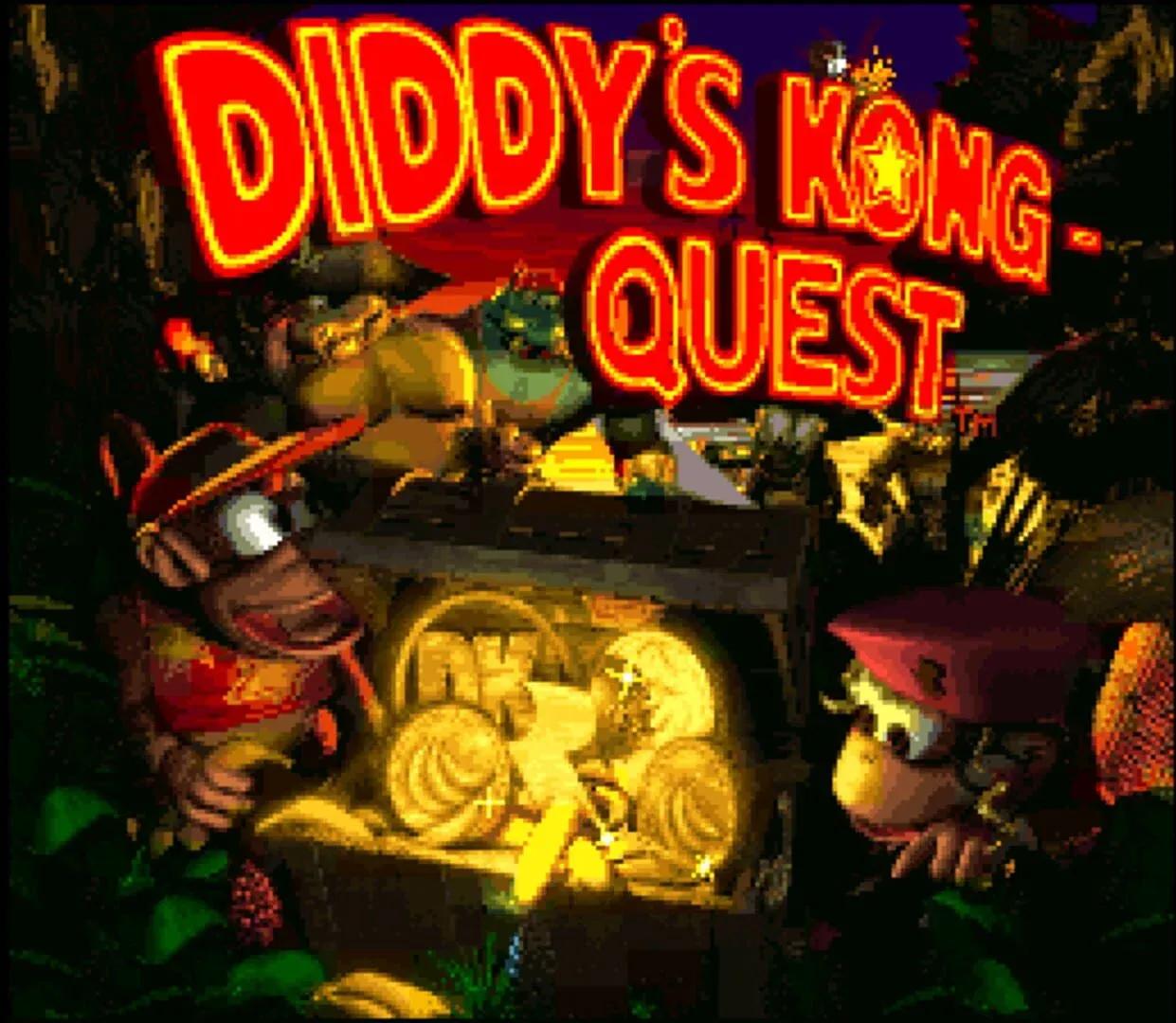
Developed by Rare and published by Nintendo in November 1995, Donkey Kong Country 2: Diddy's Kong Quest picks up right where its predecessor left off, then immediately raises the stakes. Kaptain K. Rool has captured Donkey Kong and hauled him aboard The Flying Krock, leaving Diddy Kong and his girlfriend Dixie Kong to storm Crocodile Isle and bring him home. The premise is simple. The execution is anything but.
The game became one of the best-selling titles on the Super Nintendo, and its reputation has only grown since. Available now on Nintendo Switch through Nintendo Switch Online, it reaches a new generation of players without losing a single pixel of its original character. The Switch version runs exactly as the SNES original did, frame-perfect and fully intact.

Donkey Kong Country 2: Diddy's Kong Quest content image
Gameplay and mechanics
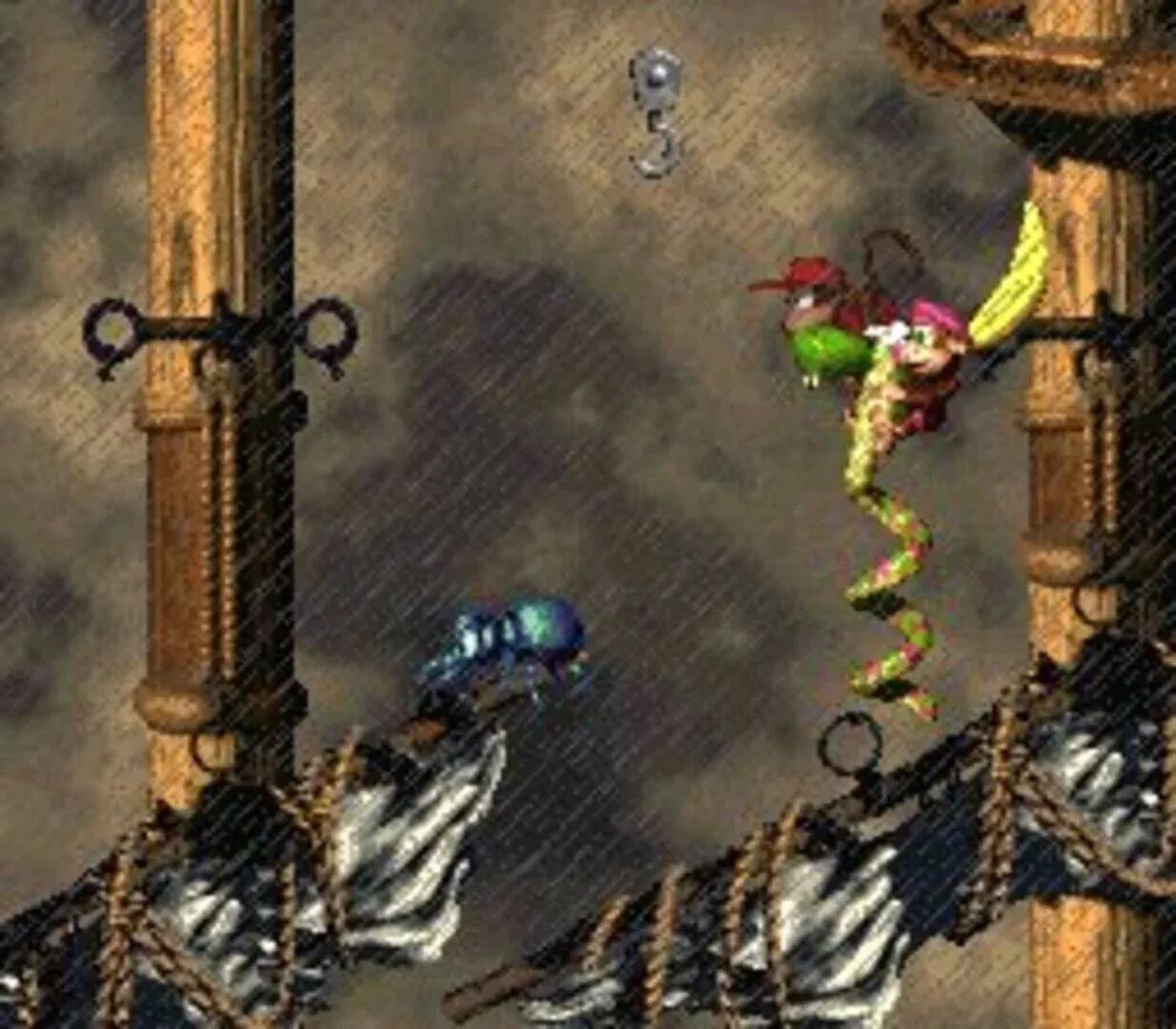
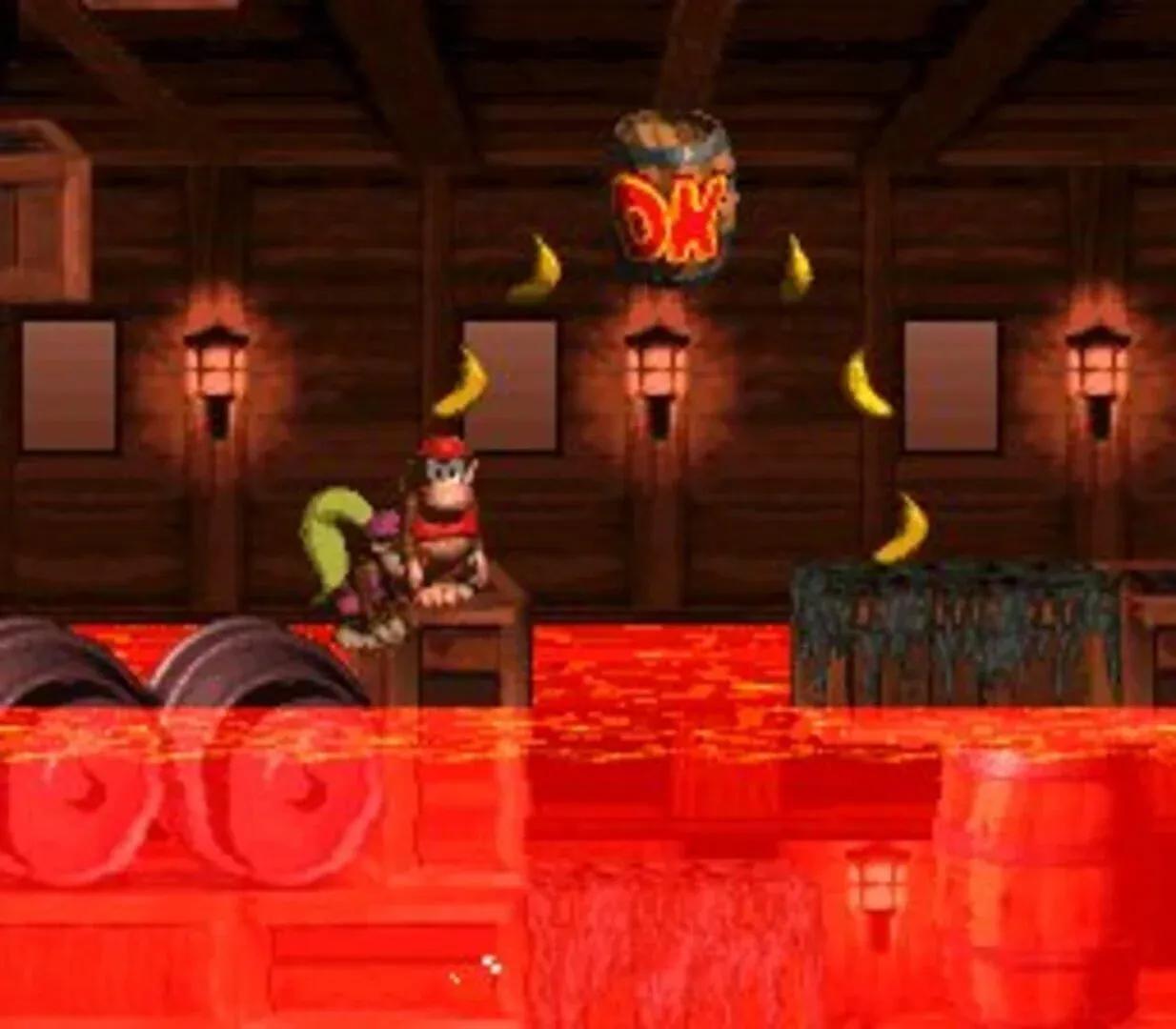
The core loop is a two-character platformer where Diddy and Dixie each bring distinct abilities to every stage. Diddy moves faster and hits harder with his cartwheel attack, while Dixie's ponytail spin lets her glide across gaps and recover from bad jumps. Swapping between them mid-run is not just cosmetic; it actively changes how you approach each obstacle.
Donkey Kong Country 2: Diddy's Kong Quest content image
Key mechanics include:
- Diddy's cartwheel attack for momentum
- Dixie's helicopter spin for aerial recovery
- Animal buddies like Rambi, Enguarde, and Squawks
- Kremkoin collecting for bonus world access
- DK Coin hunting for completionist runs
Bonus stages reward exploration rather than punishing failure, and the Kremkoins you collect unlock the Lost World, a brutally difficult set of extra levels that most players never fully finish. That hidden layer of challenge gives the game genuine depth beyond its already substantial main campaign.
Donkey Kong Country 2: Diddy's Kong Quest content image
World and setting
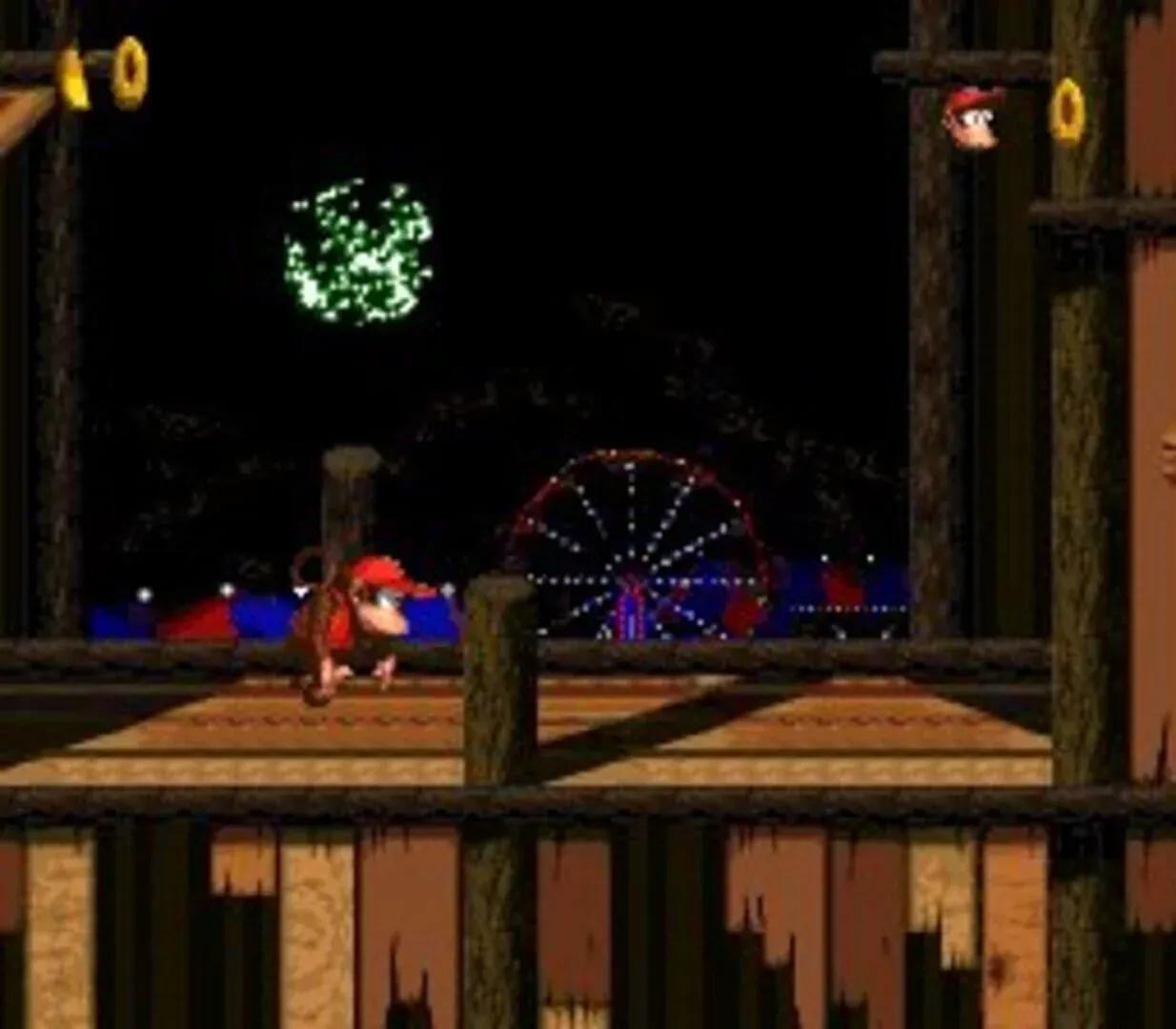
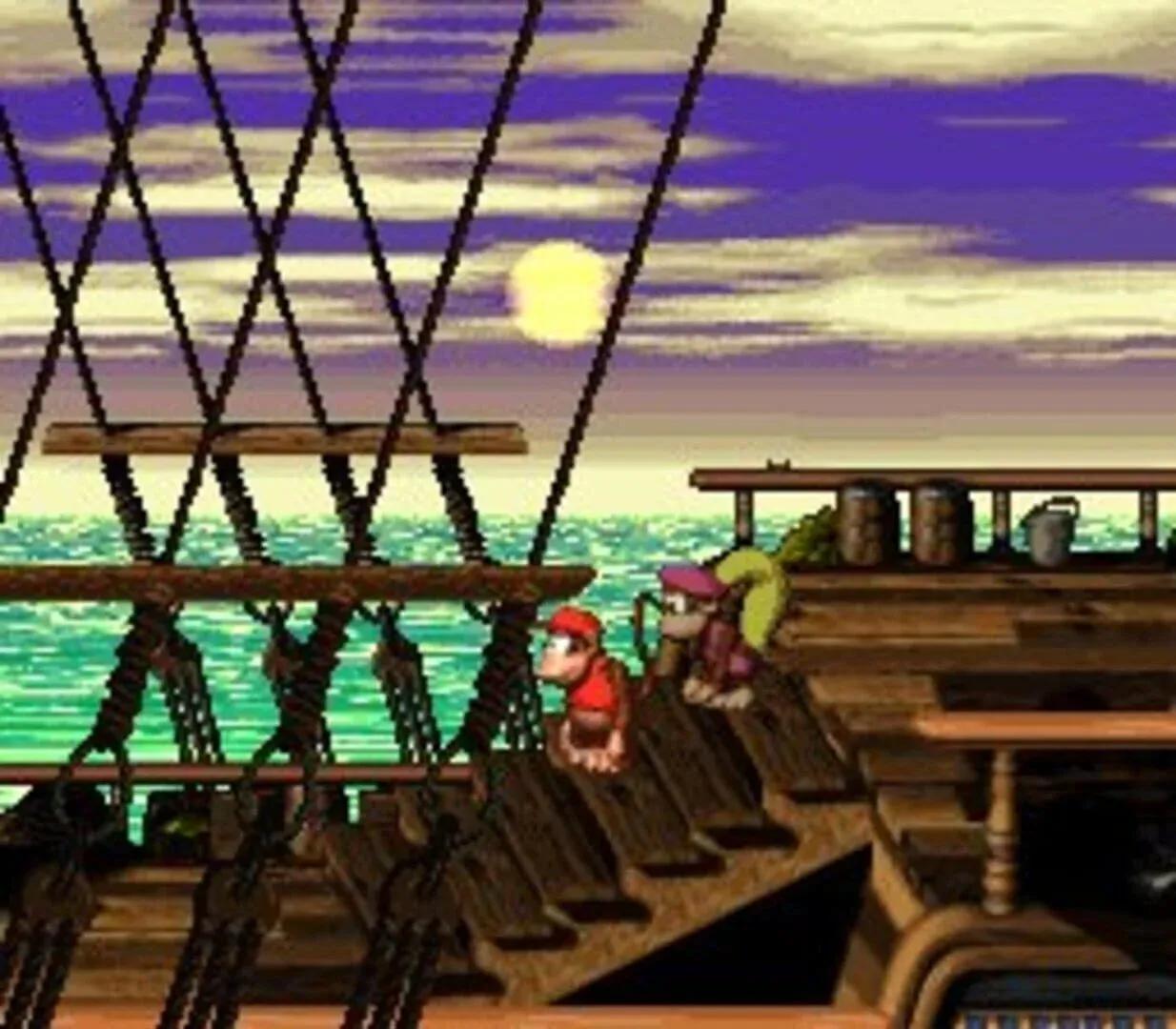
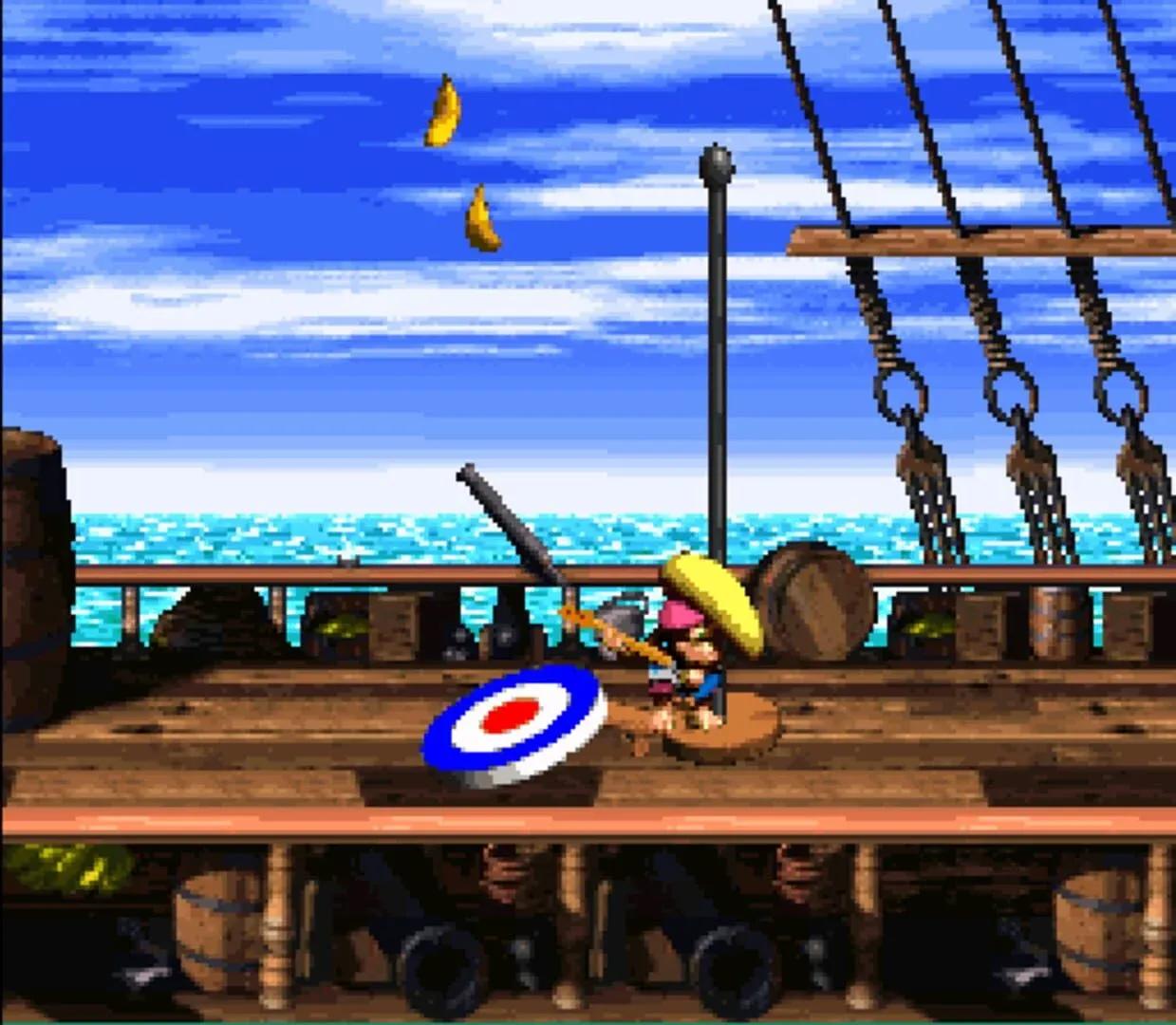
Crocodile Isle is one of the most distinctly themed worlds in platformer history. Gangplank Galleon, Krem Quay, Gloomy Gulch, and K. Rool's Keep each carry a consistent pirate atmosphere without ever feeling repetitive. Beehives, haunted forests, bramble-filled cliffs, and sunken ships all read as part of the same world while demanding completely different approaches from the player.
Donkey Kong Country 2: Diddy's Kong Quest content image
The storytelling is minimal by design. A ransom note, a few lines from Cranky Kong complaining about his knees, and the occasional taunt from Kaptain K. Rool are all the narrative scaffolding the game needs. The levels do the rest.
Visual and audio design
Rare's pre-rendered graphics were technically ahead of what most developers were doing on the SNES in 1995, and the art holds up better than many games from that era. Characters animate with weight and personality, and backgrounds layer depth in ways that still look considered rather than dated.
David Wise composed the soundtrack, and it remains one of the most celebrated scores in gaming. Stickerbrush Symphony, Haunted Chase, and Lockjaw's Saga are not nostalgic curiosities. They are genuinely excellent pieces of music that work independently of the game. The audio design throughout matches that standard, with sound effects that feel punchy and satisfying on every enemy bounce.
Impact and legacy
Donkey Kong Country 2 outsold its predecessor in several markets and regularly appears near the top of ranked lists for best SNES games. Its influence on the platformer genre shows up in how later games handle dual-character mechanics, hidden collectibles, and environmental storytelling through level theming. The difficulty curve is steep but fair, which is exactly what separates a hard game from a frustrating one. Playing it today on Nintendo Switch, that balance still holds.