Overview
Every Day We Fight, developed by Signal Space Lab and published by Wild Hog Games, launched on October 22, 2026, as a tactical RPG that fuses turn-based combat with roguelite structure and real-time city exploration. The premise is deceptively simple: an alien force called the Rifters has stopped time across the city, leaving only your small resistance cell free to act. Each loop resets the world, but the experience, skills, and discoveries your fighters accumulate carry forward, turning repeated failure into a genuine progression engine rather than a punishment.
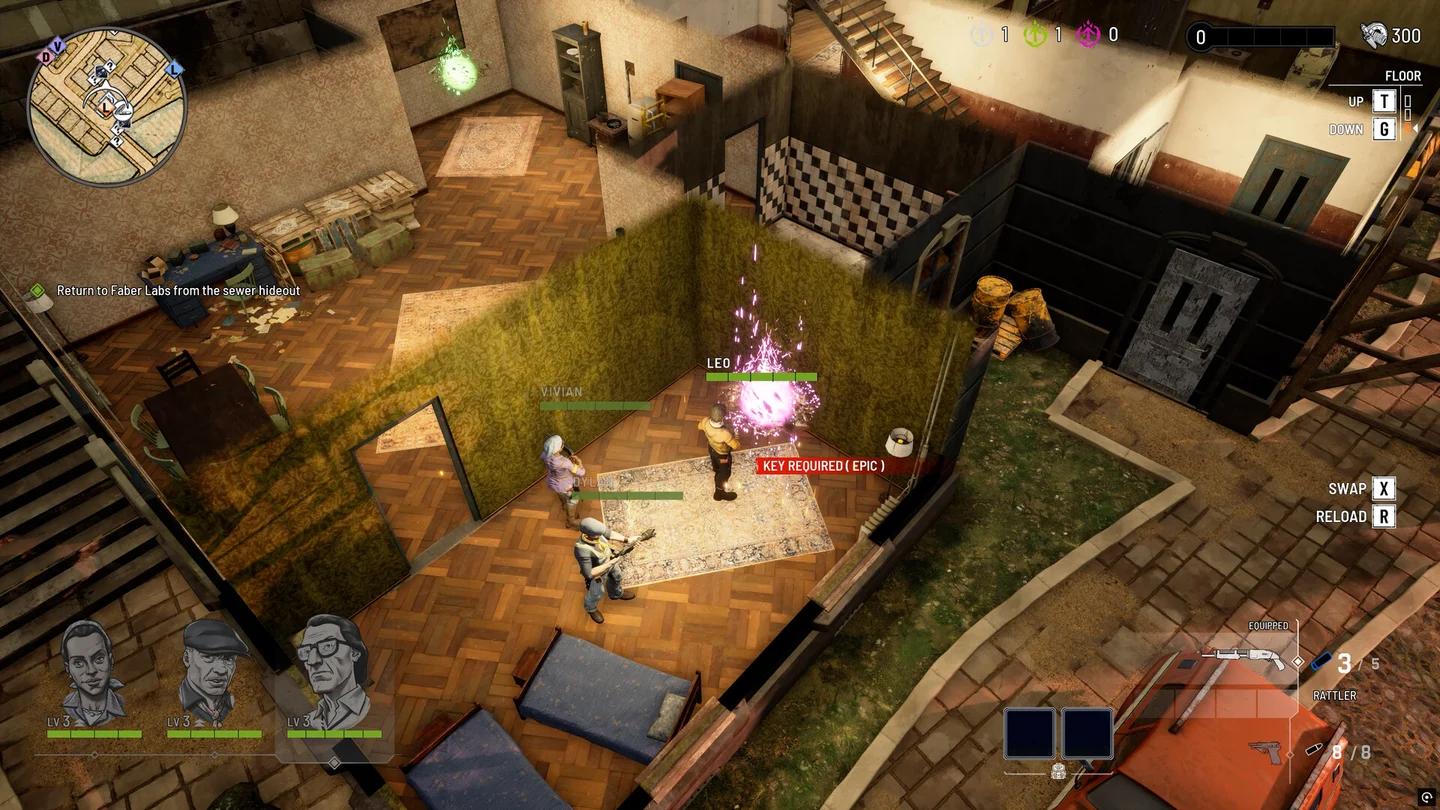
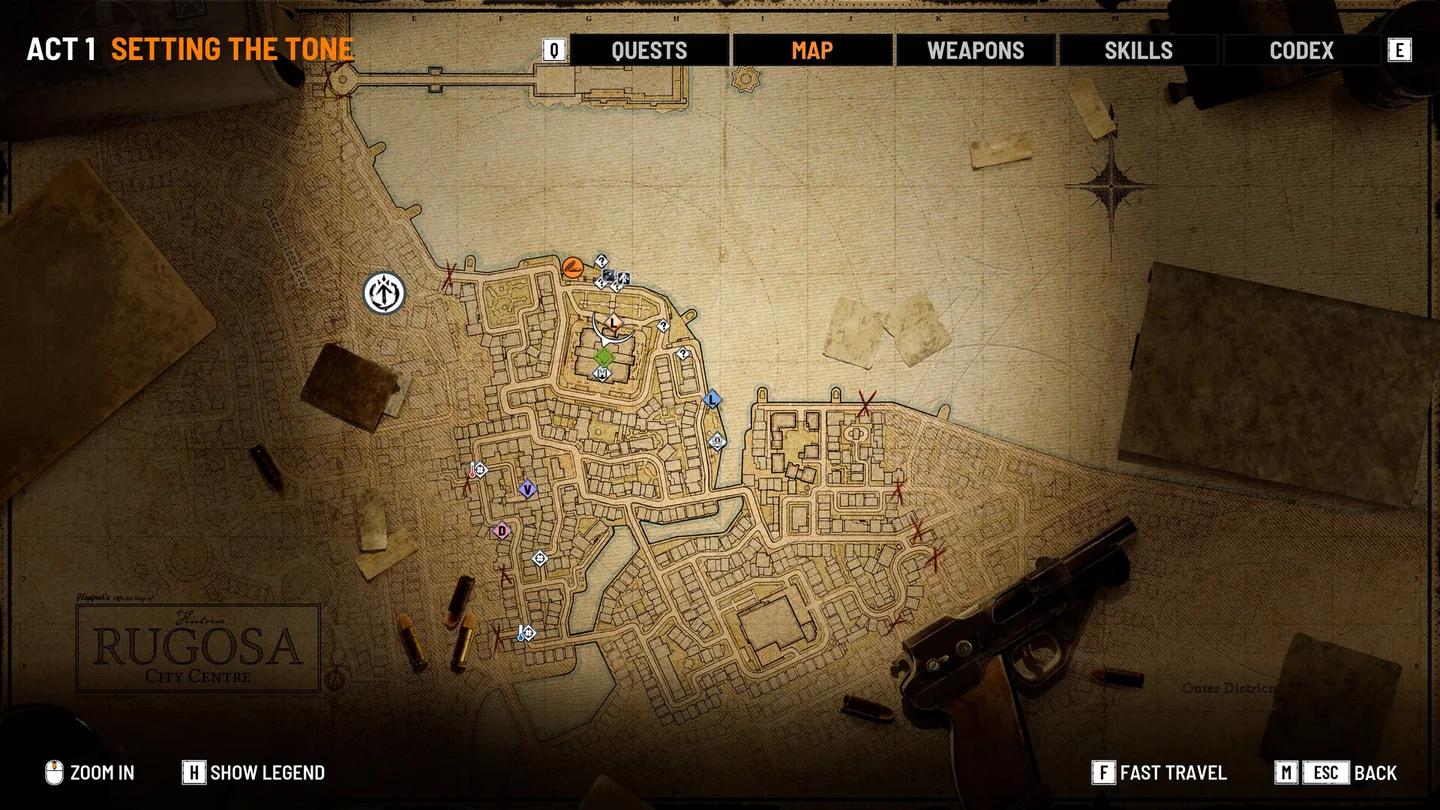
The setting is a multi-district urban warzone, and players move through it in real time between engagements, uncovering new routes, resources, and mission opportunities. Anything found in one loop becomes available at the start of the next, which means early runs are as much about reconnaissance as combat. The Rifter leaders, called Rifter bosses, serve as the central targets: each one killed advances the time loop, nudging the Forever War toward its conclusion.
How does the combat system actually work?
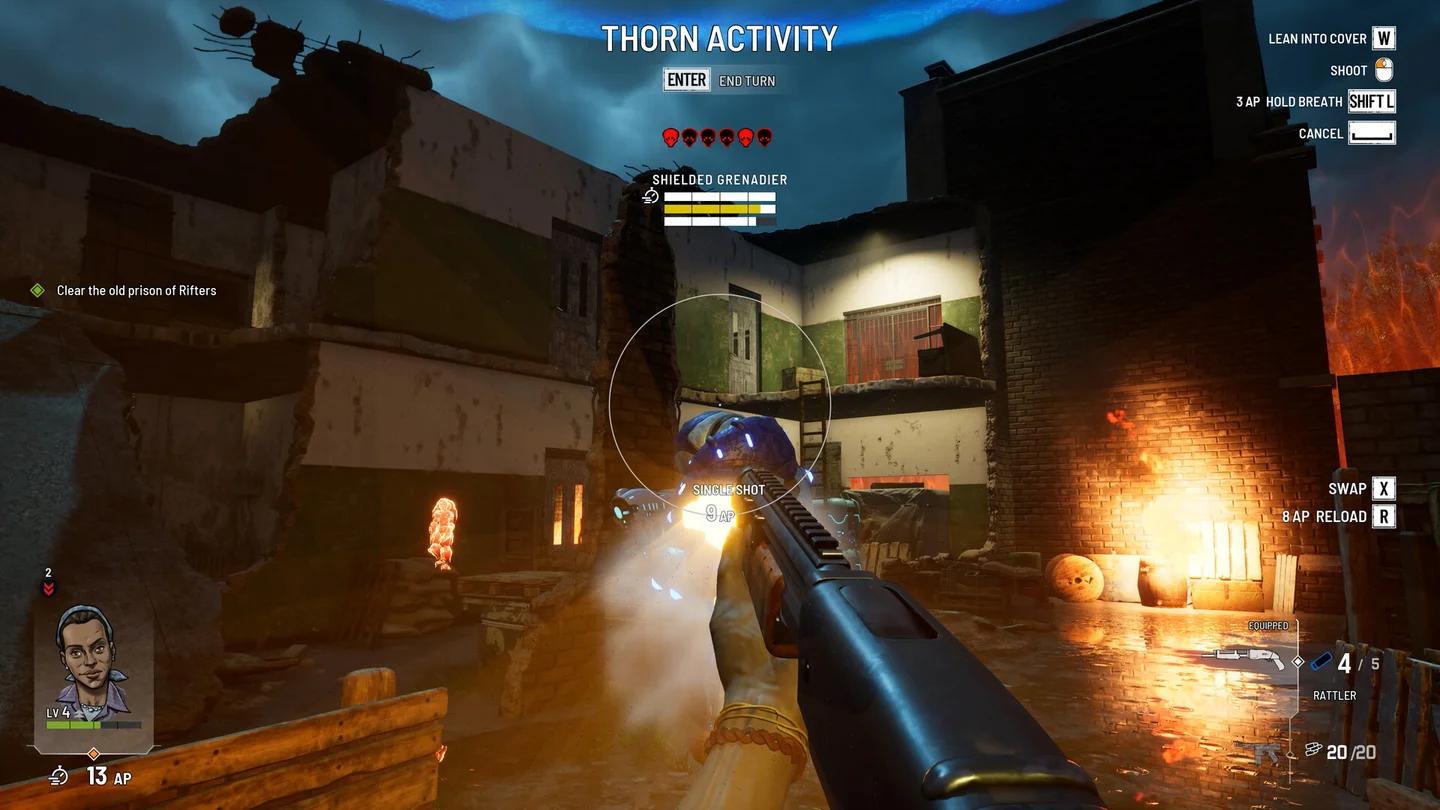
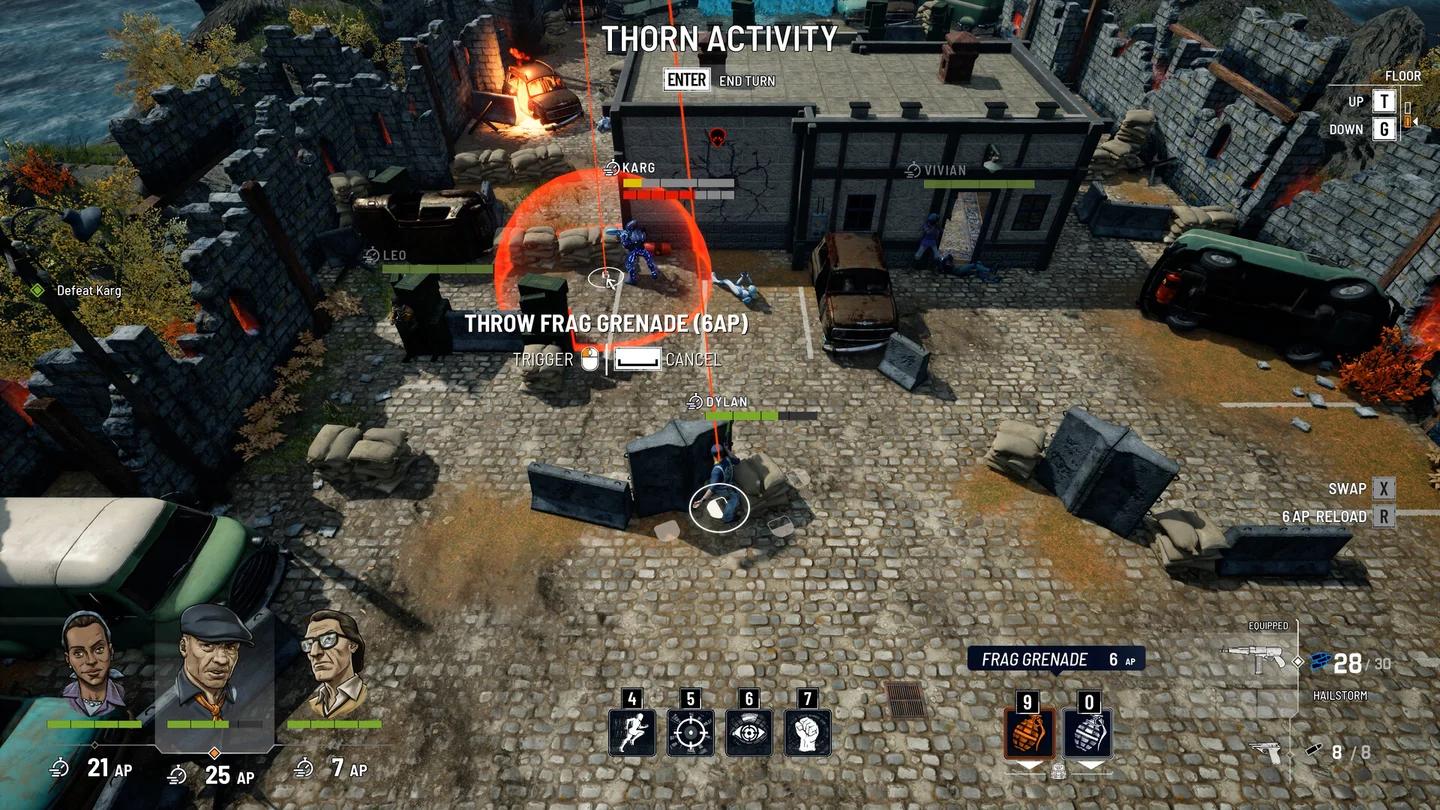
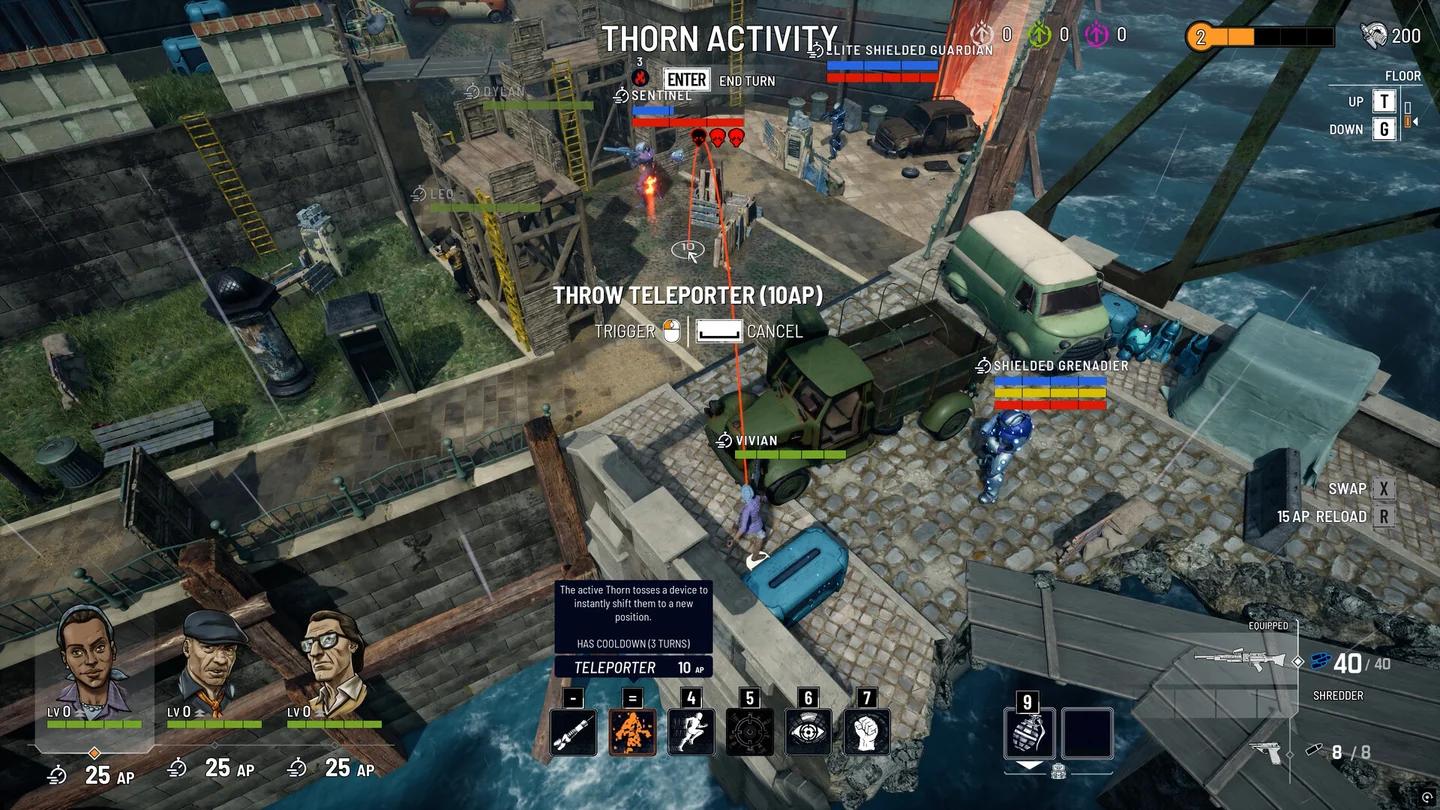
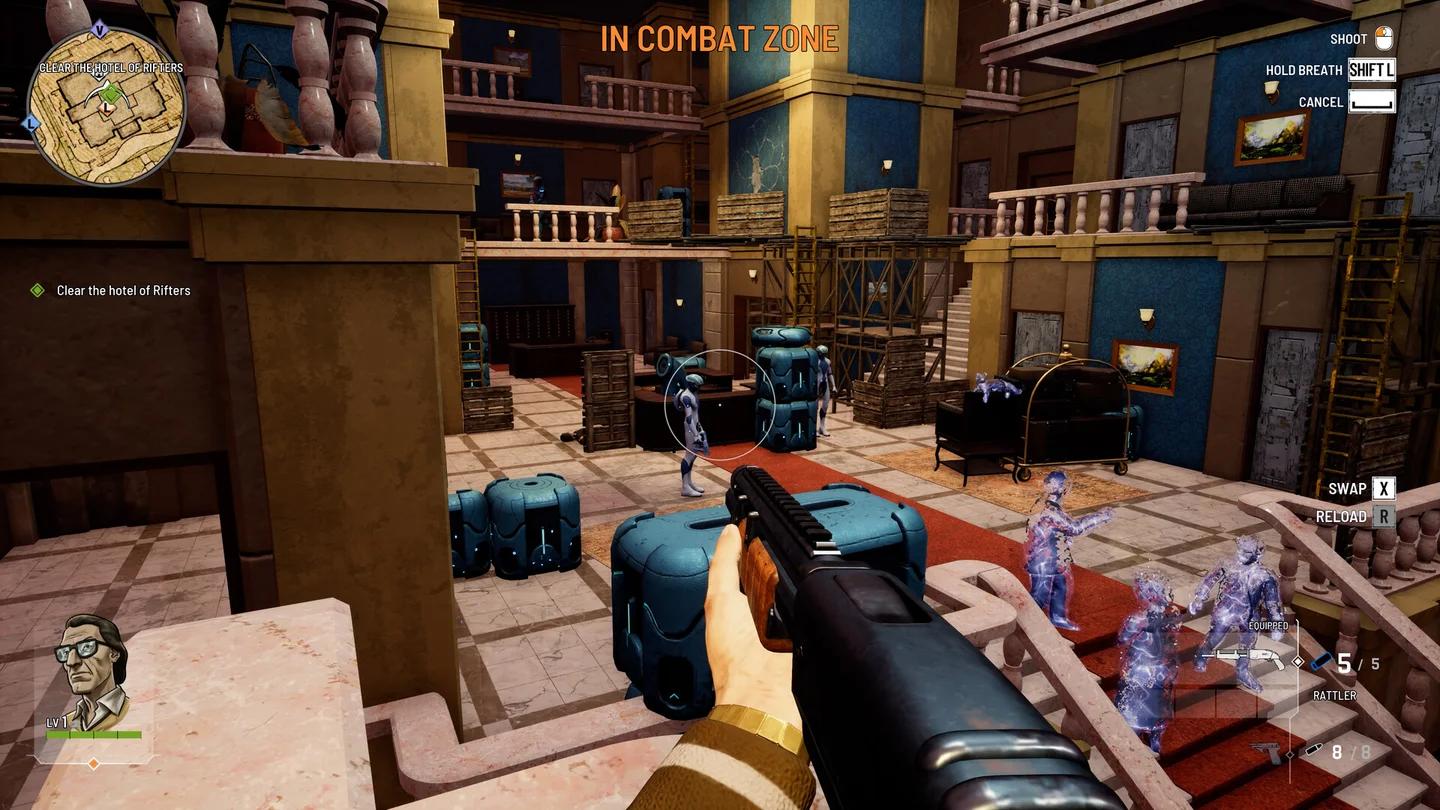
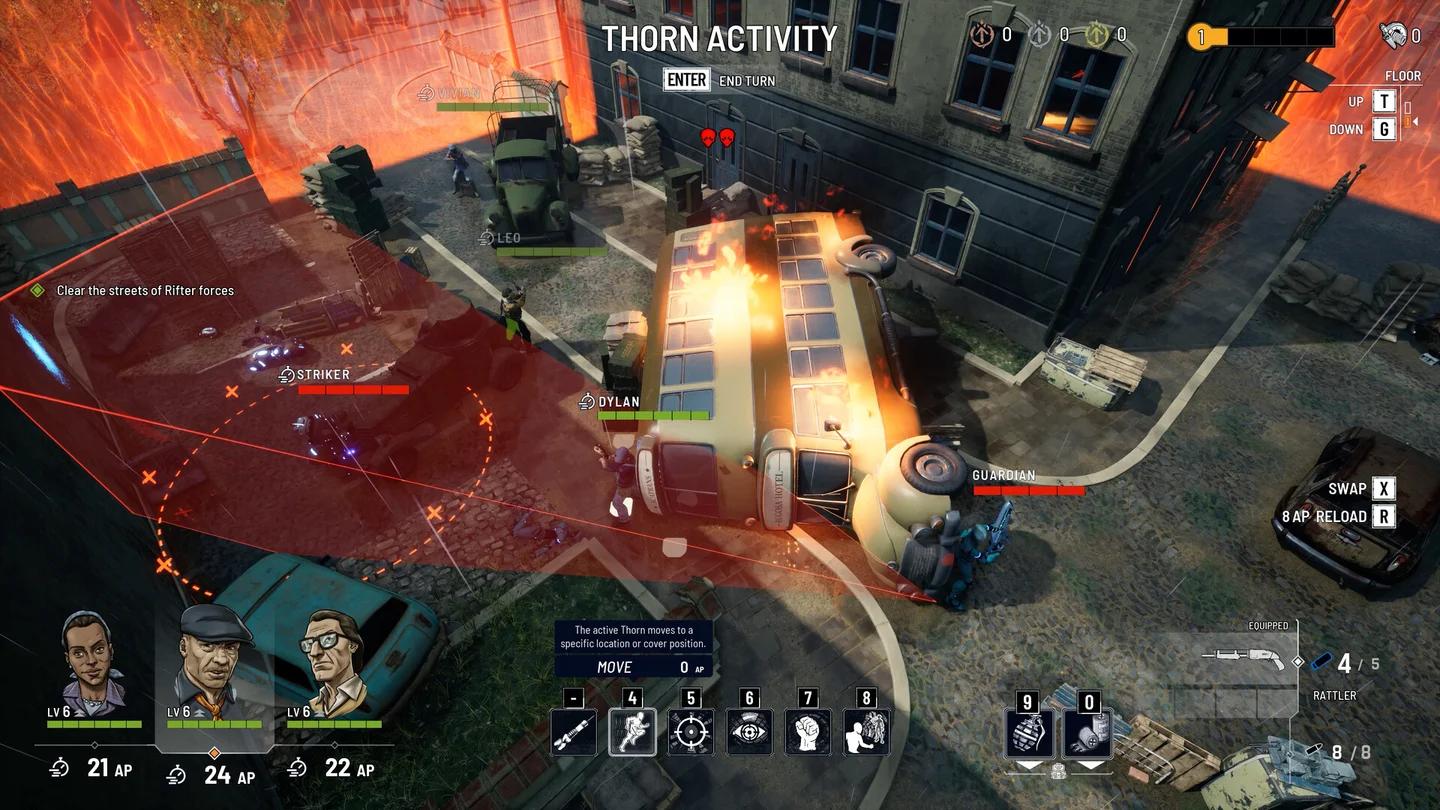
Every Day We Fight makes a deliberate break from the percentage-based hit systems that define most tactics games. There are no dice rolls deciding whether a bullet connects. Hit chance is determined entirely by player positioning, manual aim, and reaction time, with ballistics calculating firing angles and obstructions in real time. This puts the outcome of every shot in the player's hands rather than in a random number generator.
Key combat mechanics include:
- Manual aiming with ballistic obstruction modeling
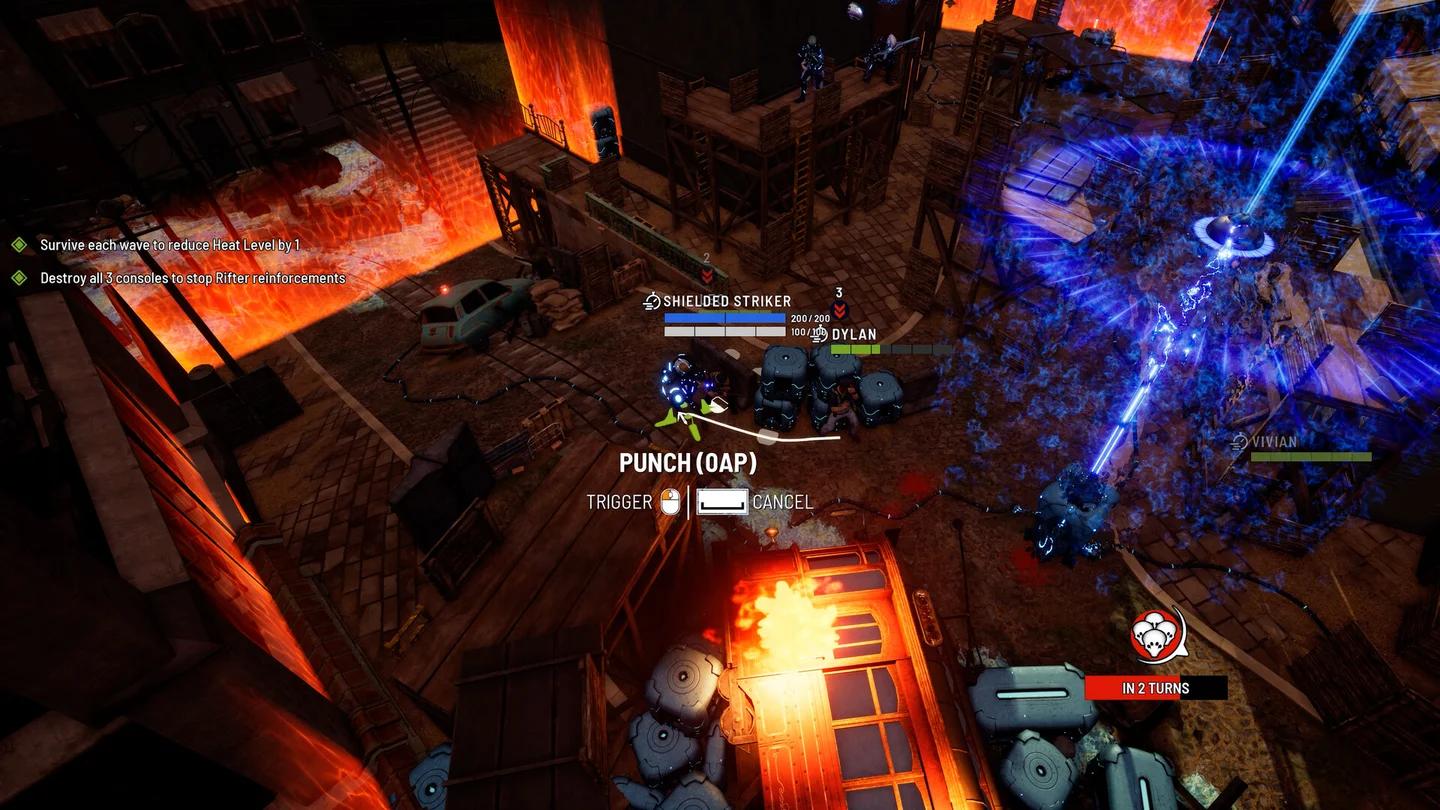
- Reflex actions usable on both friendly and enemy turns
- Intercept moves to disrupt enemy movement mid-turn
- Evasive scramble actions for defensive repositioning
- Coordinated ally assists to chain kills efficiently
The reflex system is where the tactical depth really opens up. Each fighter carries a pool of reflex actions that can fire on either side of a turn, meaning the decision to spend them offensively or hold them for defense is a constant, meaningful tension.
Loadout depth and roguelite progression
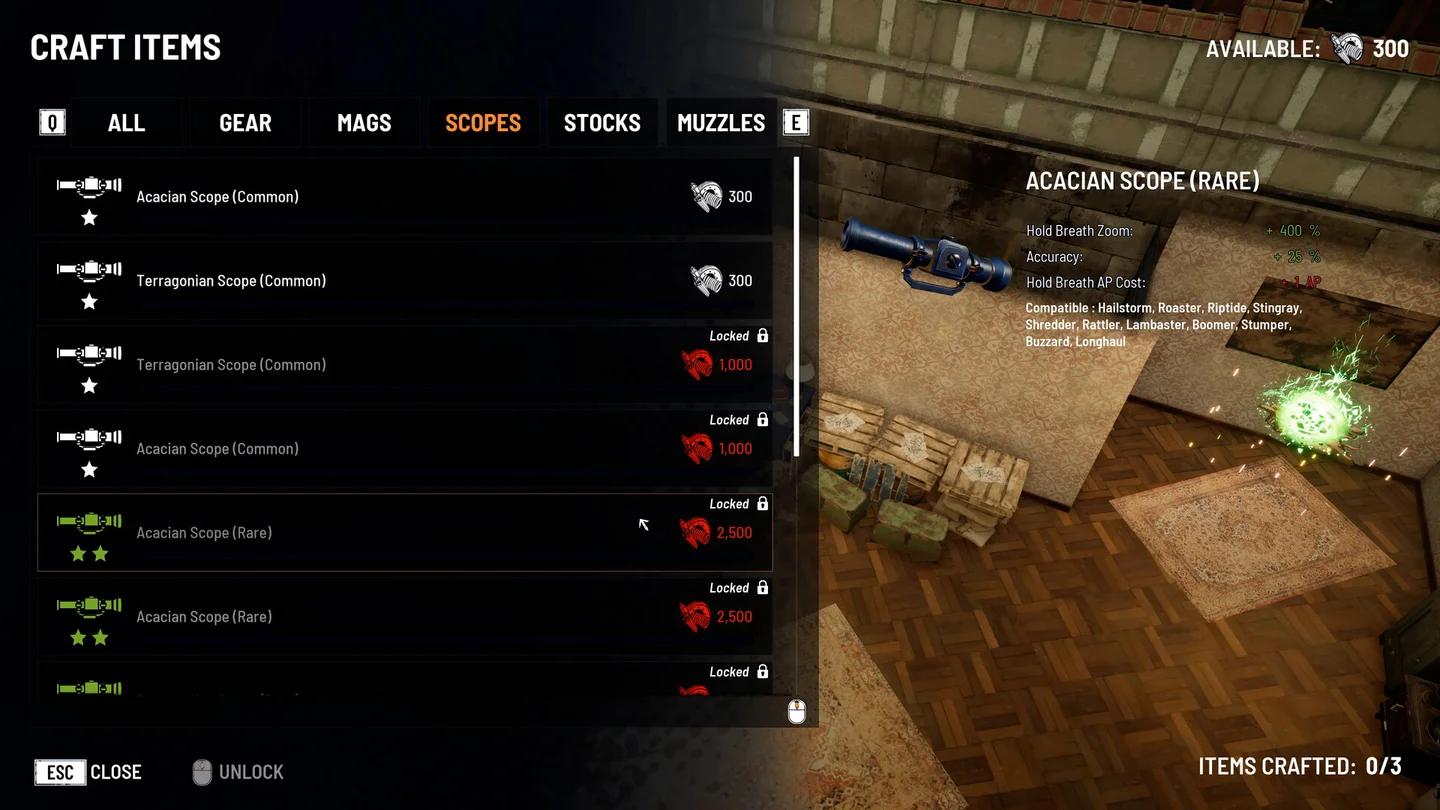
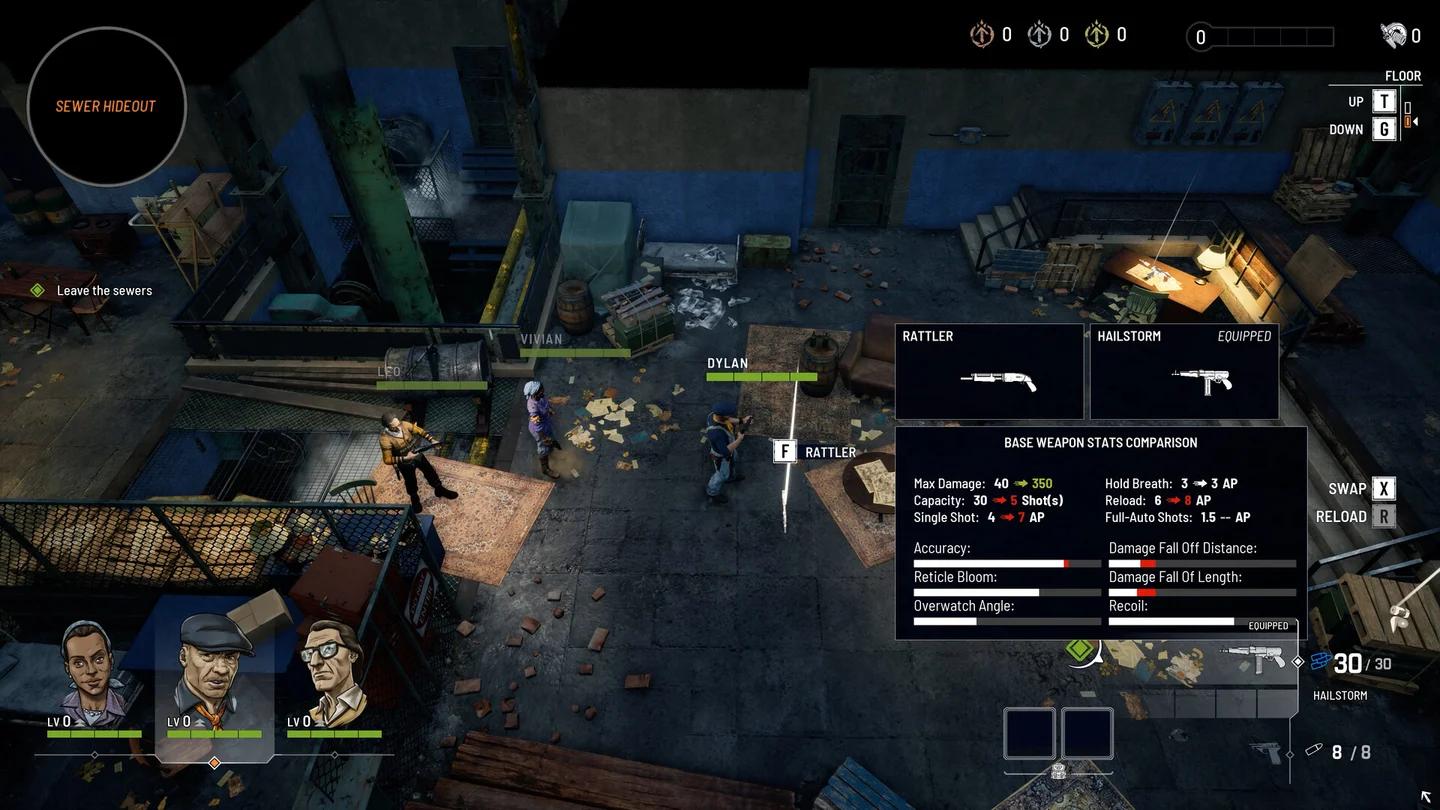
The gear system gives players 12 unique weapons to work with, supported by over 100 attachments and parts, some carrying legendary perks that change how a weapon handles entirely. Dozens of unlockable skills layer on top, and because knowledge and abilities persist across loops, the build space expands meaningfully over the course of a run. Finding a combination that clicks for a specific fighter type is the kind of discovery that keeps tactics fans running one more loop.
Moral decisions add another layer. Saving frozen civilians mid-mission risks hard-earned progress, while leaving them behind keeps the run intact. Neither choice is obviously correct, and the game does not let players forget the cost of either option.
Content, difficulty, and replayability
Mission variety covers harvester shutdowns, bomb defusals, and troop elimination, each type demanding different tactical approaches. The difficulty range is wide: standard modes sit alongside Iron Man mode, which removes the safety net of save-scumming, and Forever War mode for players who want the hardest version of every engagement the game offers.
For fans of XCOM 2, Jagged Alliance 3, or Phoenix Point, Every Day We Fight occupies a recognizable space while carving out its own identity through manual ballistics and the persistent-loop structure. The roguelite framework means no two campaigns play out identically, and the combination of real-time exploration with turn-based tactical combat gives the game a rhythm that sets it apart from pure grid-based strategy. Death here is not a setback. It is the mechanism by which the resistance gets stronger.