Overview
Fable II is an open-world action RPG developed by Lionhead Studios and published by Microsoft Game Studios, released on October 21, 2008, exclusively for Xbox. Set 500 years after the events of the first Fable, the game returns to the land of Albion with a new hero, a new villain, and a world that reacts to every choice you make. The core premise is simple: stop the tyrannical Lord Lucian from destroying Albion and rebuilding it in his image. But the real draw has never been the destination.
To stand against Lucian, the hero must seek out three legendary figures representing strength, skill, and will. Guiding this quest is Theresa, a blind seer who players familiar with the first game will recognize as the Hero of Oakvale's sister. The story moves at a steady pace with interactive cutscenes carrying most of the narrative weight, though the hero never speaks a word of dialogue.

Fable II content image
Gameplay and mechanics
Fable II builds its identity around player freedom. Combat blends melee, ranged, and magic into a fluid system that rewards experimentation, and your hero's physical appearance shifts based on how you play. Use magic constantly and mystical markings appear on your skin. Eat too much and your hero gains weight. Behave with cruelty and horns begin to sprout. These aren't cosmetic gimmicks; they're the game's way of making your choices visible.

Fable II content image
Key mechanics at a glance:
- Morality system affecting appearance and NPC reactions
- Melee, ranged, and will (magic) combat styles
- Property ownership and economy simulation
- Marriage and family systems, including same-sex marriage
- Dog companion with combat and exploration roles
The dog companion deserves special mention. It joins the hero early and functions as a scout, treasure finder, and surprisingly effective emotional anchor throughout the entire game.
World and setting
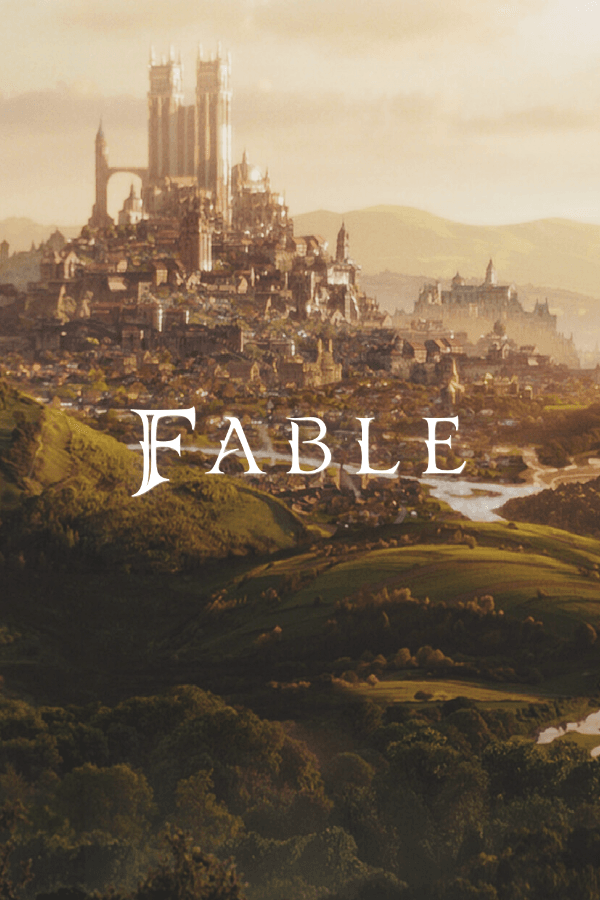
Albion in Fable II sits in a kind of early-industrial fantasy period, somewhere between swords-and-sorcery and the first flickers of gunpowder technology. Towns feel lived-in, with NPCs holding opinions about the hero based on reputation. Buy up all the properties in a region and residents start paying rent. Neglect your family and they grow distant. The world responds to presence and absence alike.

Fable II content image
The setting spans forests, port towns, deserts, and crumbling ruins, each area with its own atmosphere. Bowerstone, the game's central city, serves as a useful barometer for how Albion changes based on player behavior across a full playthrough.
Does Fable II hold up as a replayable RPG?
Fable II offers genuine replayability through its alignment system and the sheer variety of life choices available outside the main quest. A player can spend hours running businesses, raising a family, competing in the Crucible arena, or hunting demon doors for rare rewards, all without advancing the story a single step. The morality spectrum runs from saintly to genuinely monstrous, and both ends produce noticeably different playthroughs.

Fable II content image
Co-op multiplayer allows a second player to drop into the world as a henchman, though the camera remains anchored to the host, which creates some friction. The mode works well enough for casual play but was never the focus. What Fable II does best is give a single player an RPG that feels personal, reactive, and a little absurd in the best way, a combination that made it one of the most talked-about Xbox exclusives of its generation.