Overview
Fable III, developed by Lionhead Studios and released in October 2010, splits its story into two distinct acts that fundamentally change how the game feels to play. The first half is a classic RPG revolution narrative: you are the younger sibling of Logan, the tyrannical king of Albion, and your job is to build a coalition large enough to take the throne. The second half flips the script entirely, placing you in the ruler's seat as a darker threat called The Darkness emerges from the continent of Aurora.
This two-act structure is what separates Fable III from its predecessors. Promises made during the revolution come due once you are actually in power, and the game tracks every commitment you made to your allies. Delivering on those promises costs real treasury gold. Breaking them costs moral standing. Neither option is painless, which gives the political mechanics more bite than most RPGs bother with.
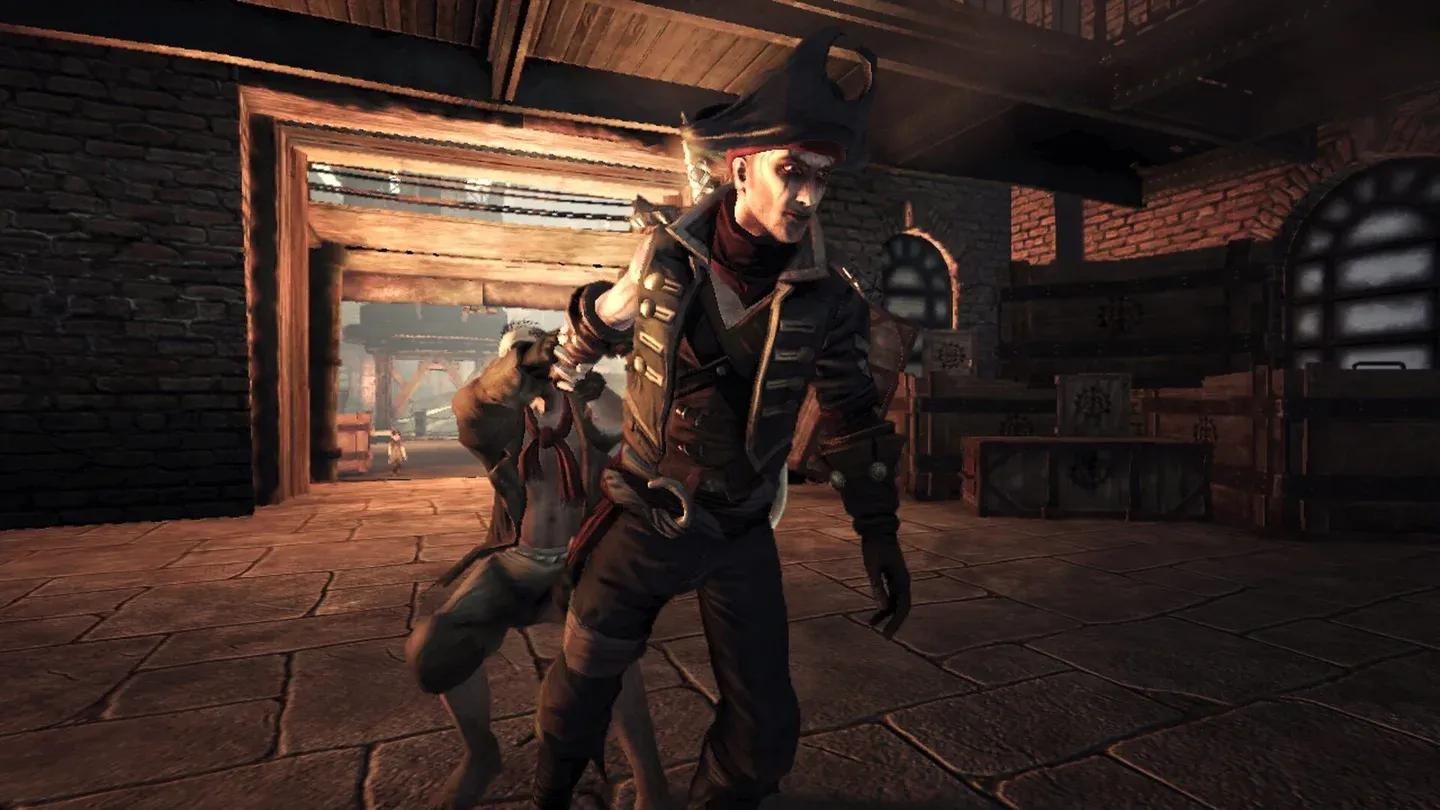
Fable III content image
Gameplay and mechanics
The core gameplay loop in Fable III centers on three pillars: melee combat, ranged combat, and magic, each mapped to a dedicated button for quick access during fights. Combat is fast and accessible, leaning into the hack-and-slash side of the game's genre mix. Weapons evolve based on how you use them, gaining visual and stat changes that reflect your playstyle rather than a traditional upgrade tree.

Fable III content image
Key mechanics include:
- Weapon morphing based on player actions
- Guild Seal progression replacing a traditional XP bar
- Co-op drop-in multiplayer for the full campaign
- The Road to Rule hub connecting all upgrades
- Sanctuary inventory system replacing pause menus
The Sanctuary, a physical space you enter to manage inventory and equipment, was Lionhead's attempt to make menu navigation feel like part of the world. Whether it succeeds depends entirely on your patience for loading transitions.

Fable III content image
World and setting
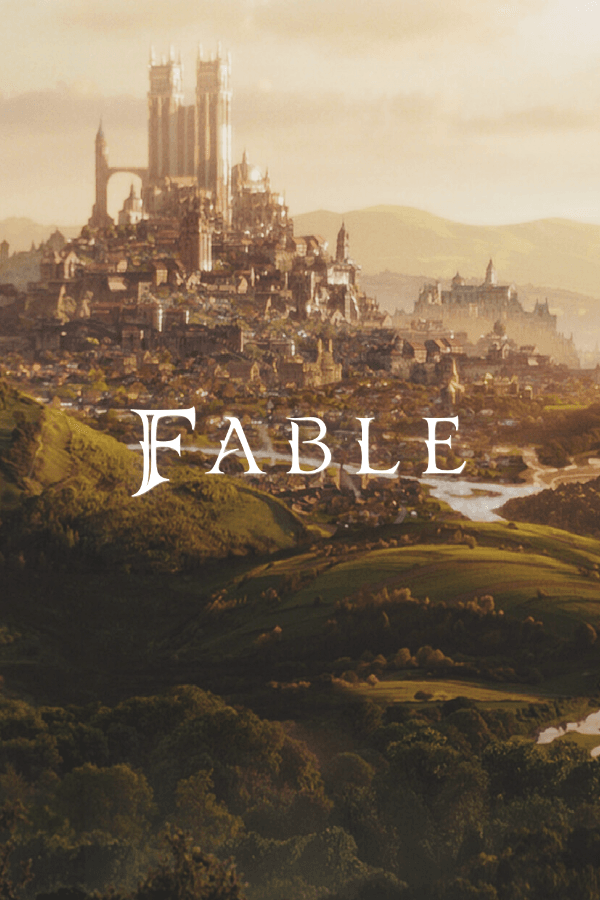
Albion in Fable III sits roughly 50 years after the events of Fable II, making it a more industrialized version of the familiar fantasy kingdom. Steam power and early manufacturing sit alongside magic and medieval architecture, giving the world a distinctive aesthetic that feels like a fairy tale slowly waking up to the Industrial Revolution.
The continent of Aurora serves as the game's secondary setting, a desert region whose mysterious Darkness provides the threat that defines the second act. Aurora's visual contrast with Albion reinforces the tonal shift between the game's two halves, and the lore connecting the two regions rewards players who pay attention to the world-building details.
Does Fable III hold up as an RPG with real moral weight?
The moral choice system in Fable III is more nuanced than the binary good-versus-evil slider from earlier entries. The tension between keeping revolutionary promises and managing a kingdom's finances creates decisions that feel genuinely difficult rather than obvious. Spending treasury gold to honor commitments to your people means fewer resources to defend against The Darkness. Hoarding funds means a stronger army but a population that trusted you and got nothing.
This is where Fable III earns its reputation as an action RPG that takes its simulation and strategy elements seriously. The co-op campaign extends that experience to a second player, letting a friend join as a hero of their own and share in both the combat and the consequences. For a 2010 release, the depth of its kingdom management systems still makes it worth revisiting.

Fable III content image