Overview
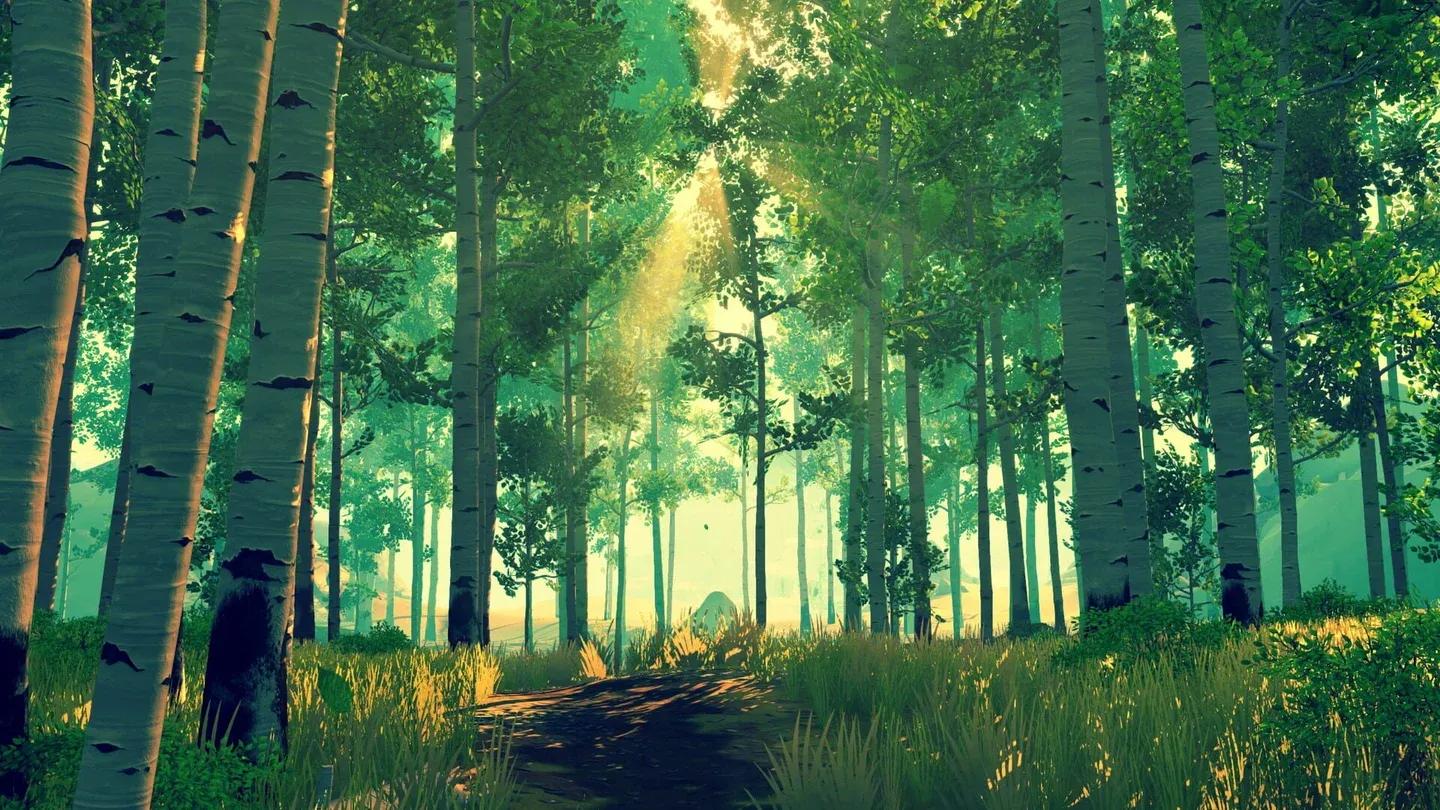
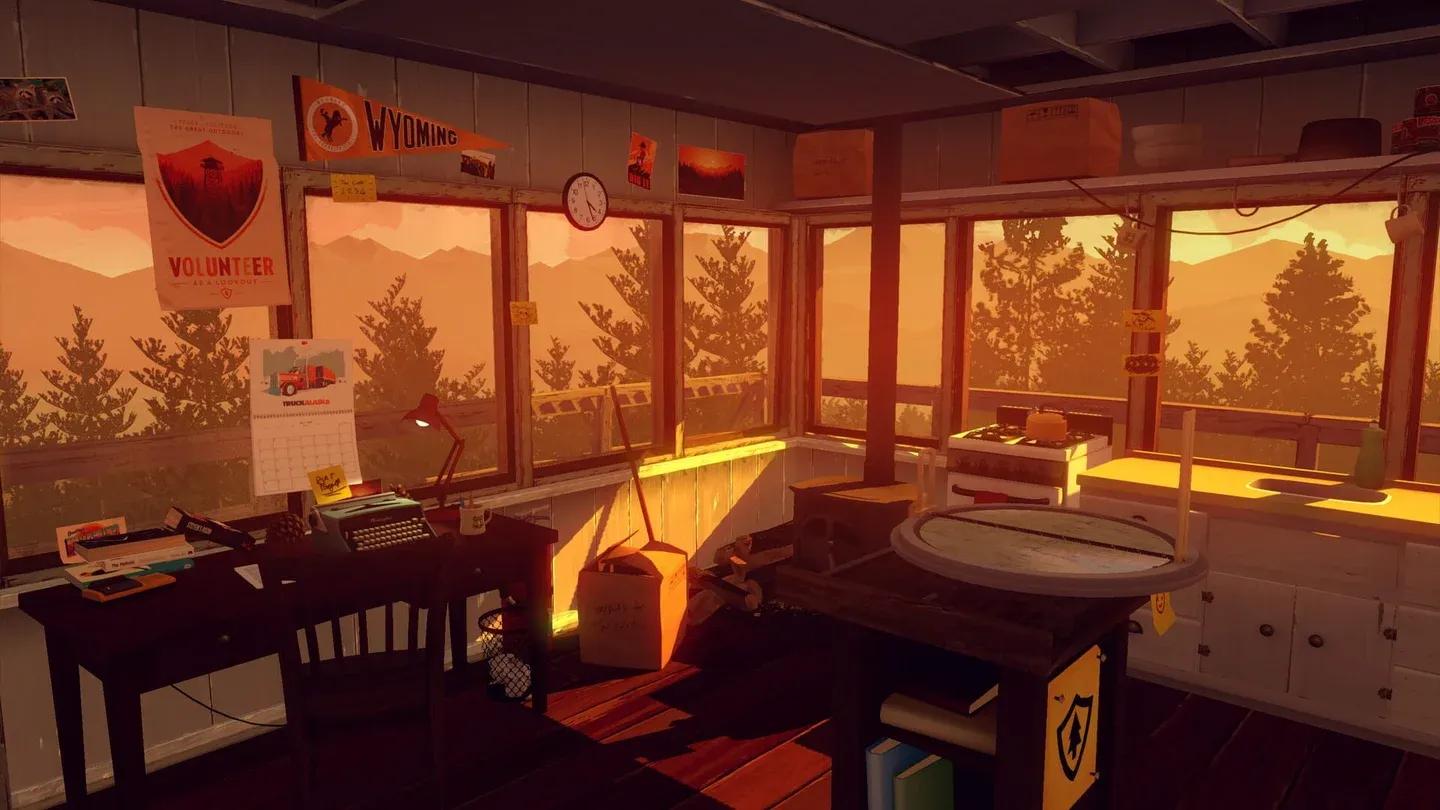
Firewatch is Campo Santo's debut game, released in February 2016, and it remains one of the clearest examples of what a narrative-driven walking sim can accomplish when the writing is genuinely good. Set in the Shoshone National Forest during the summer of 1989, it puts you in the boots of Henry, a man who has taken a fire lookout job to escape a life that has become too painful to face. The setup is deceptively simple. The execution is not.
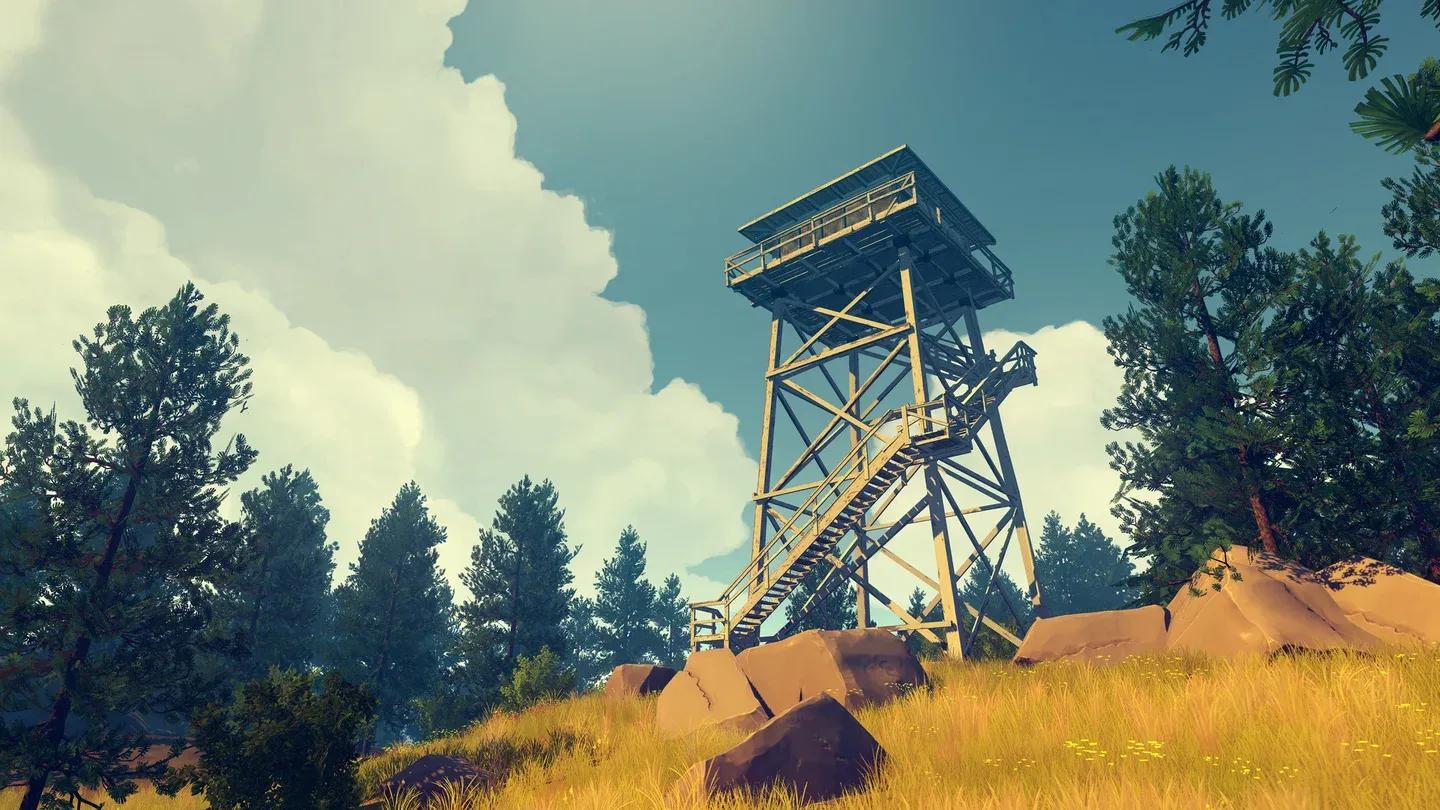
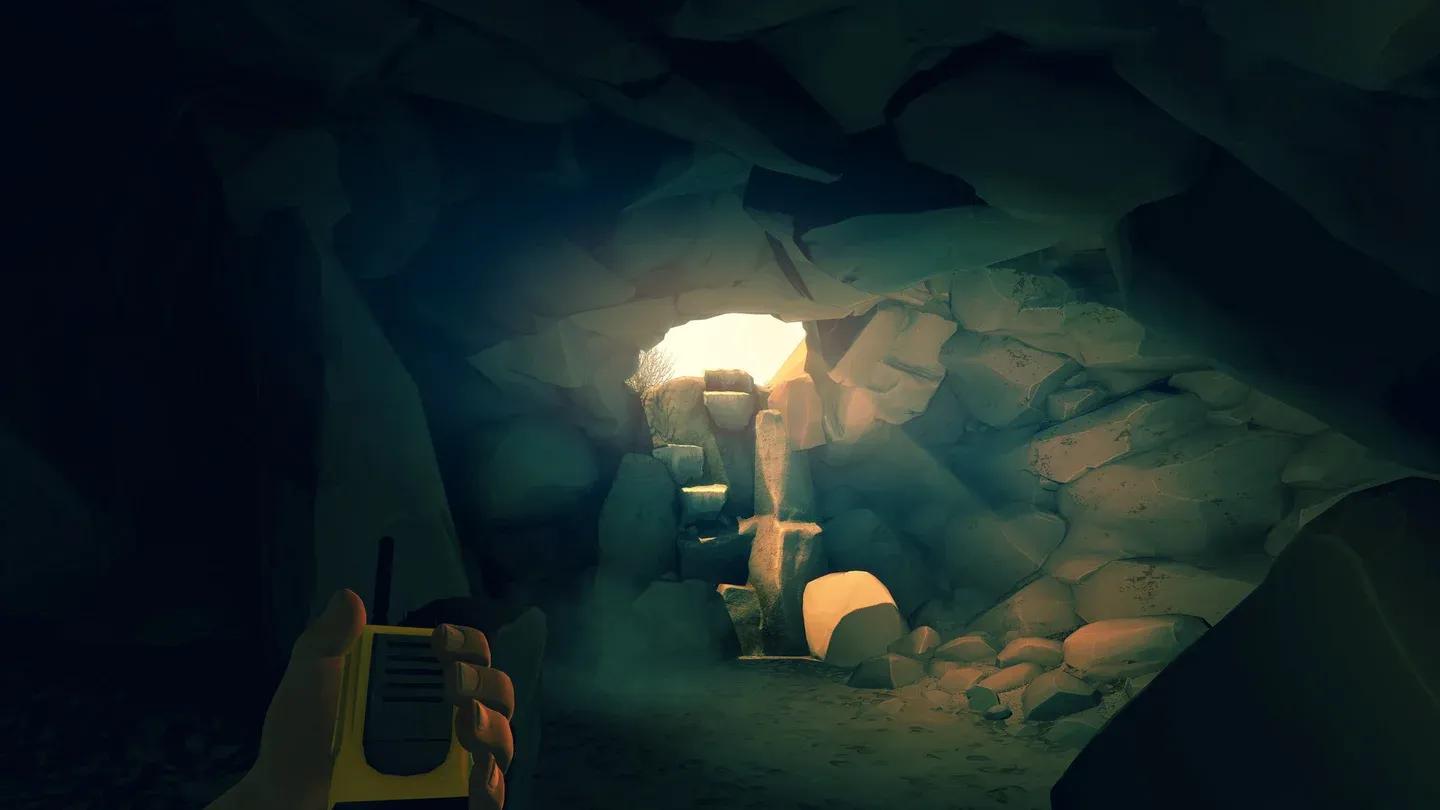
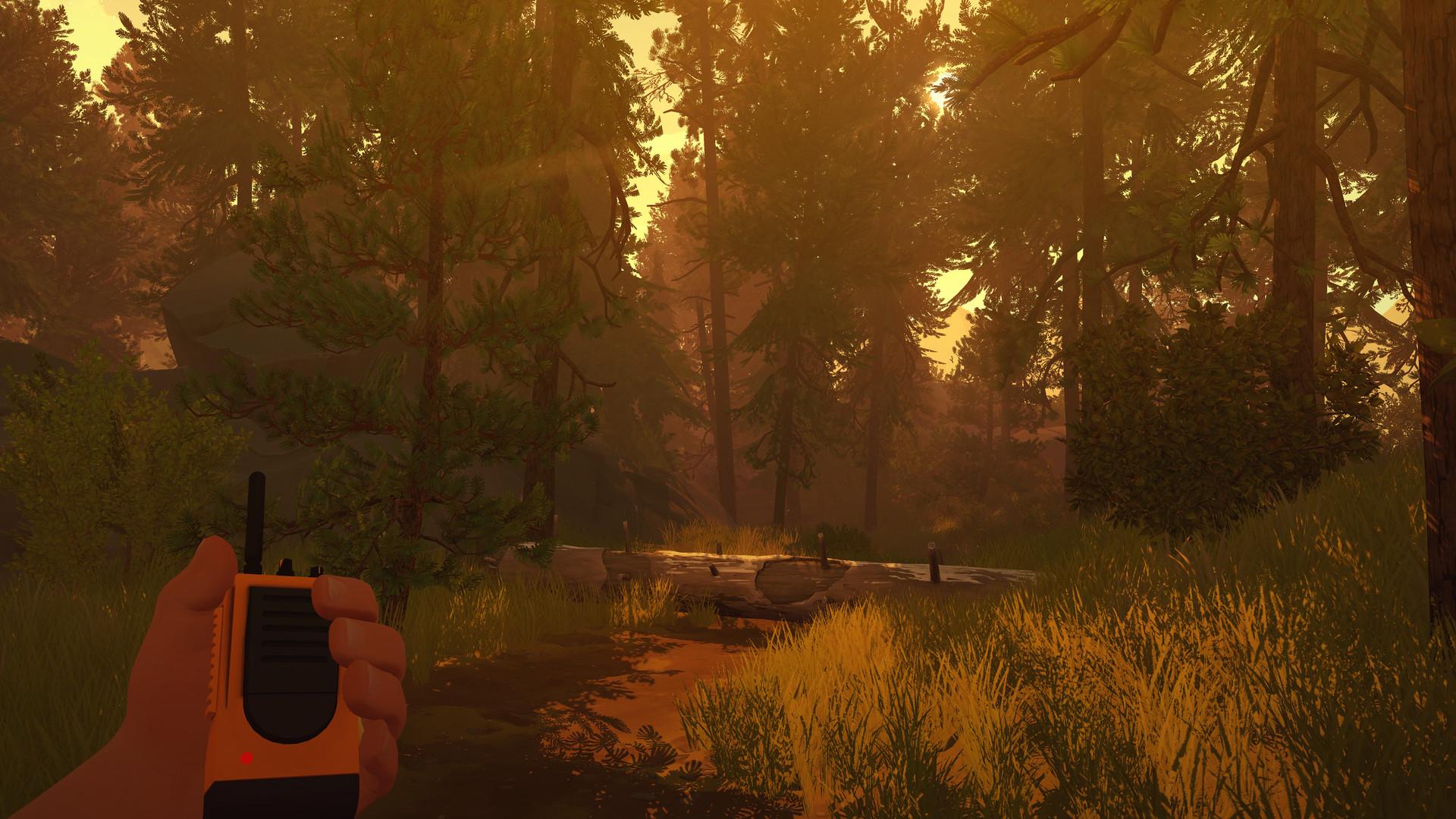
Your world is a tower, a radio, and miles of sun-baked Wyoming terrain. Delilah, your supervisor stationed at a distant lookout, becomes your only meaningful connection to anything human. The two of you talk constantly, and the writing behind those conversations carries the entire game. Their relationship develops through player choices about what Henry says, and those choices shape tone and emotional texture without dramatically altering the plot.
World and setting: the Wyoming wilderness as a character
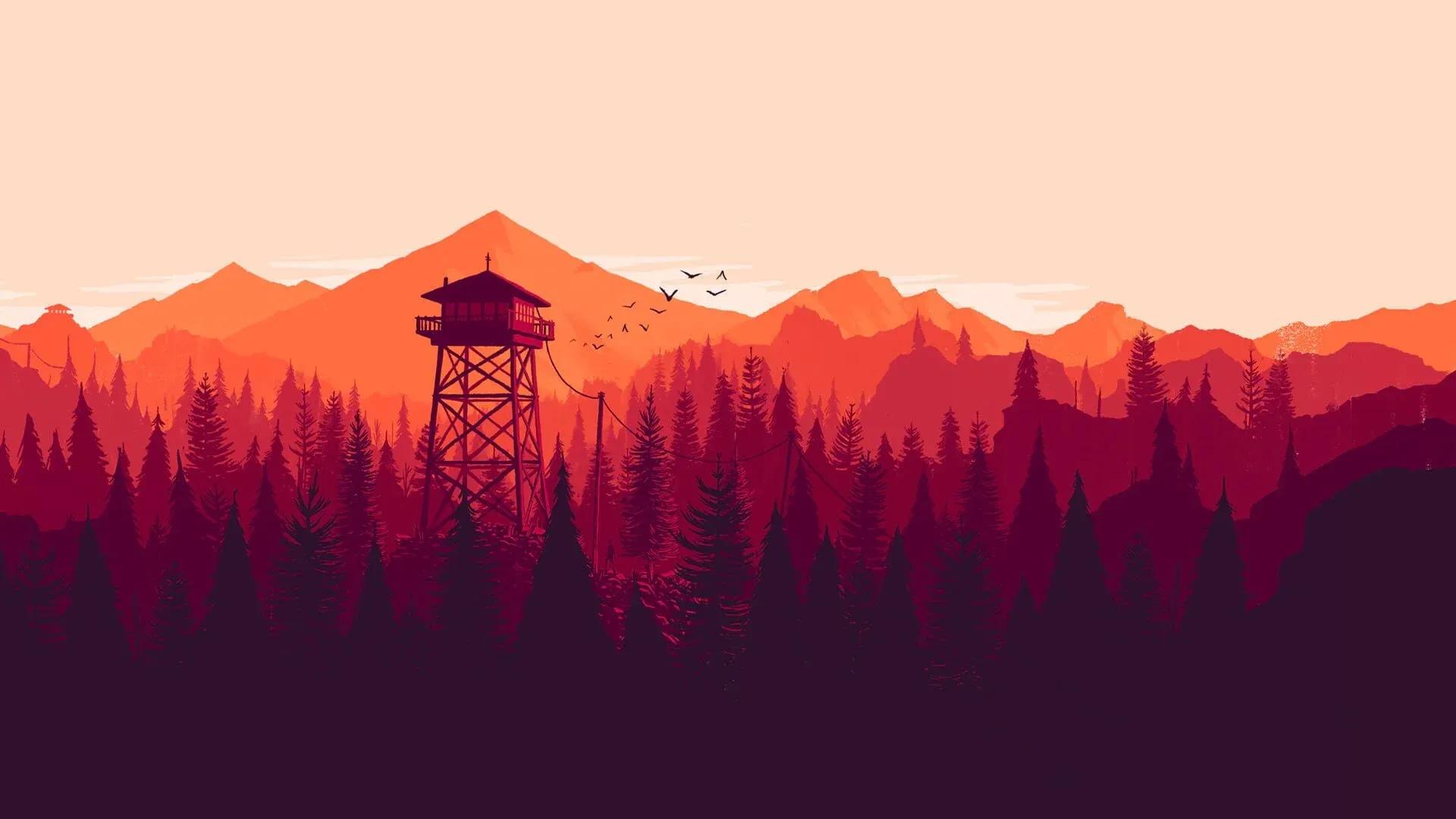
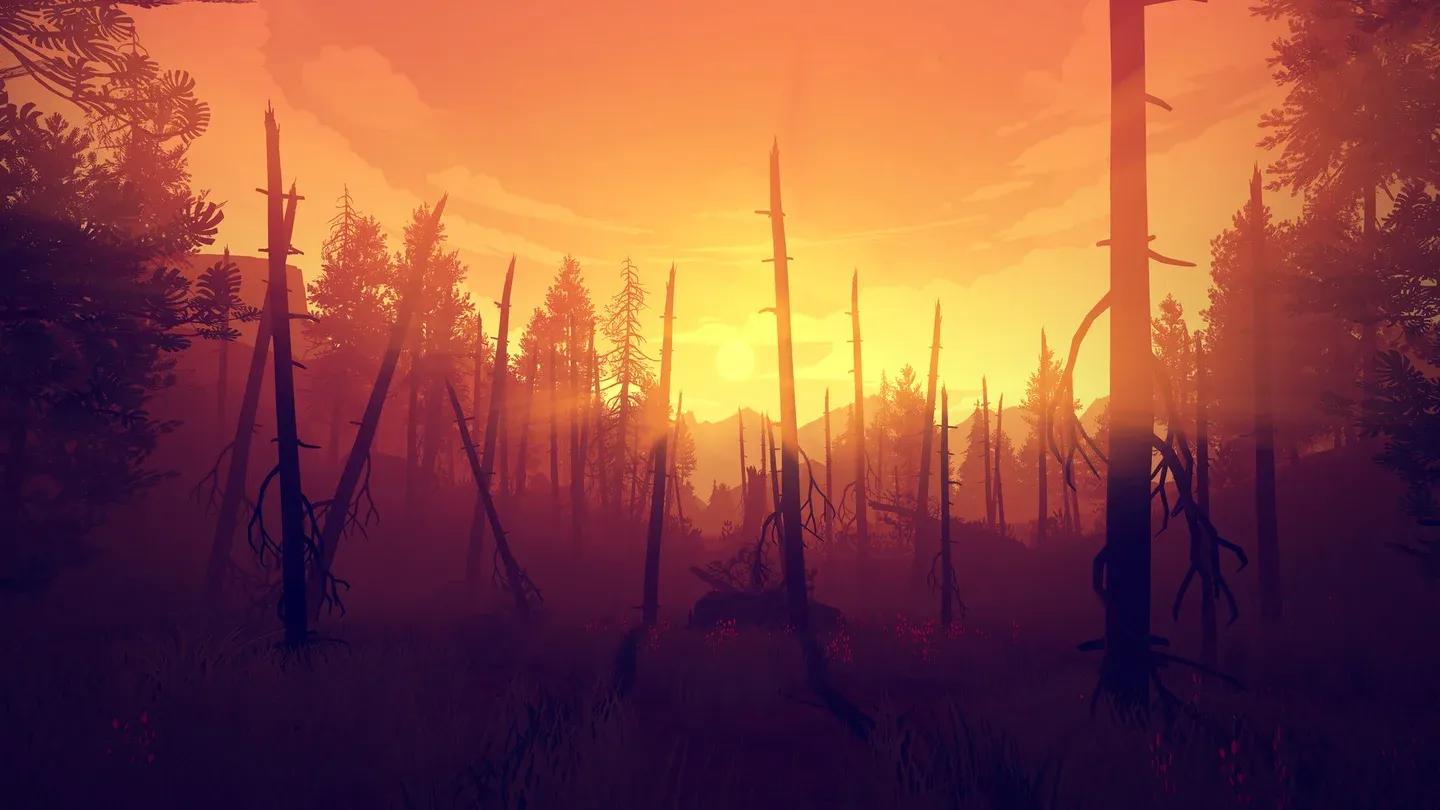
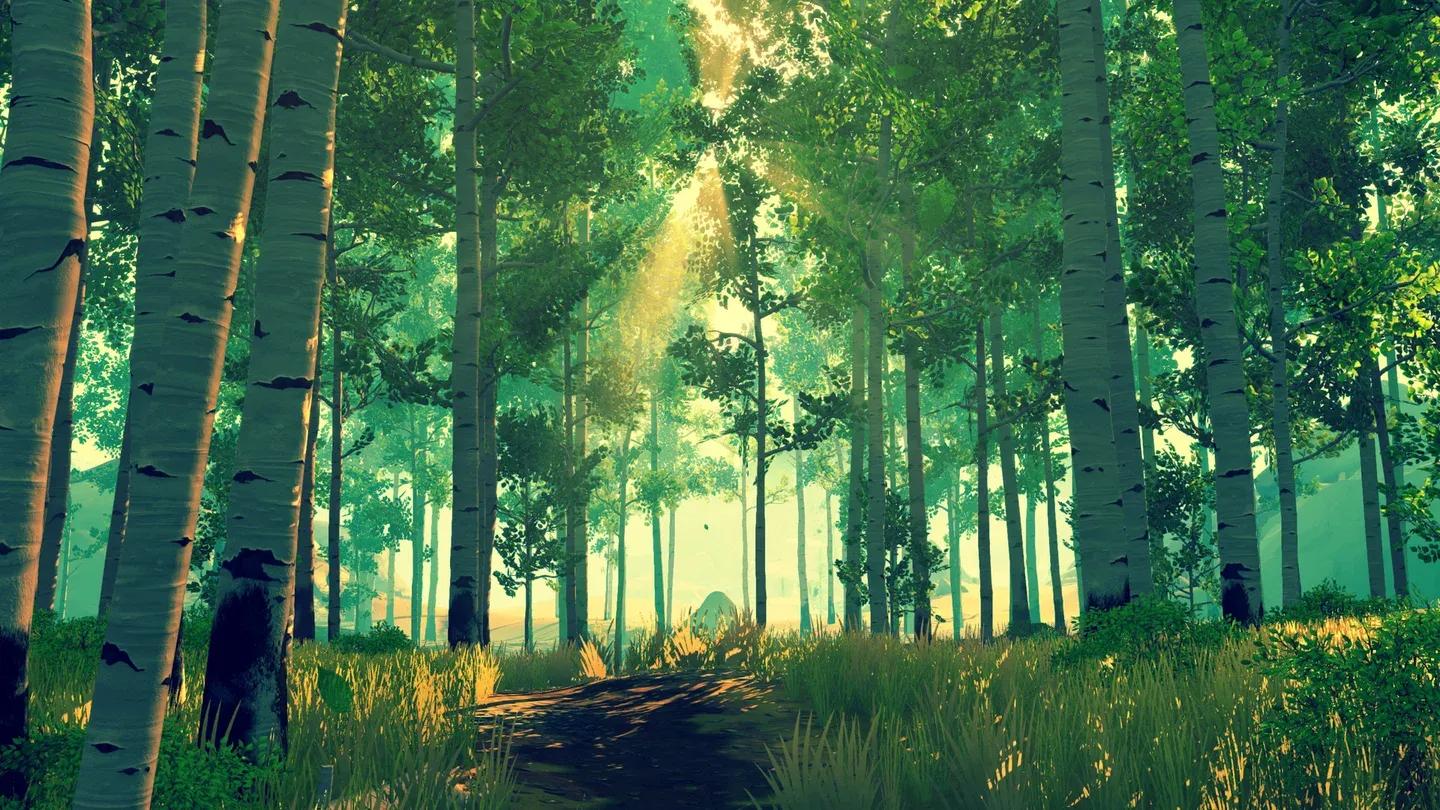
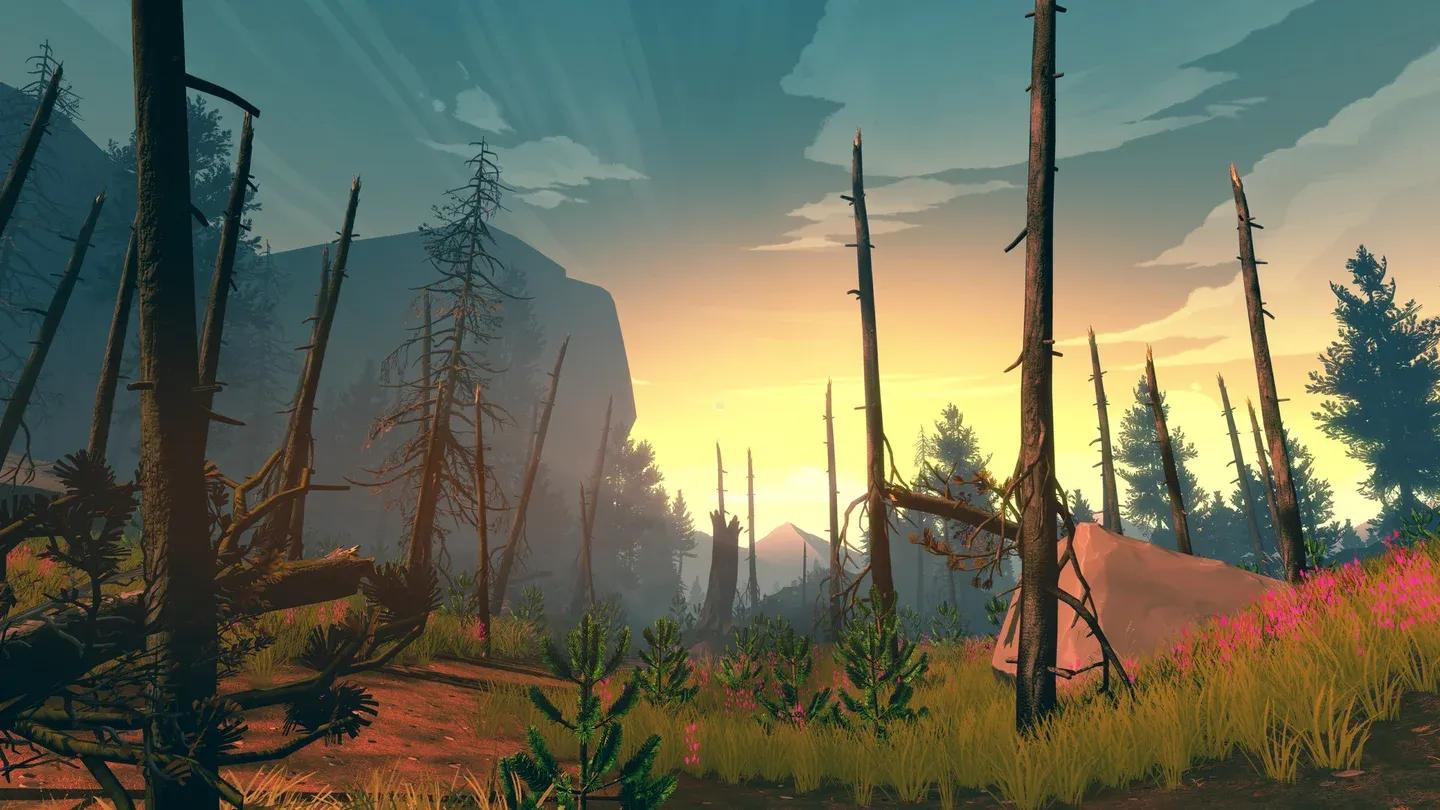
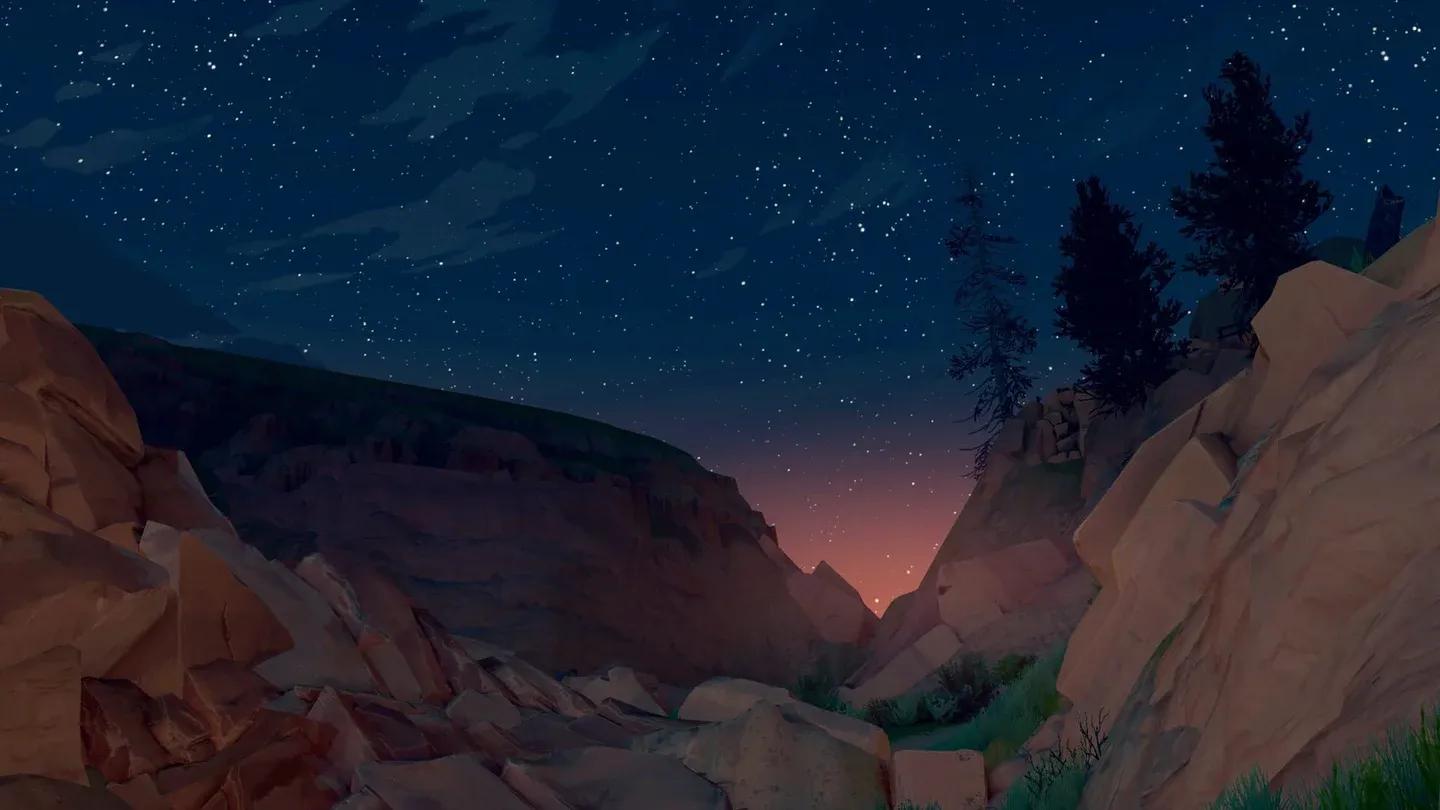
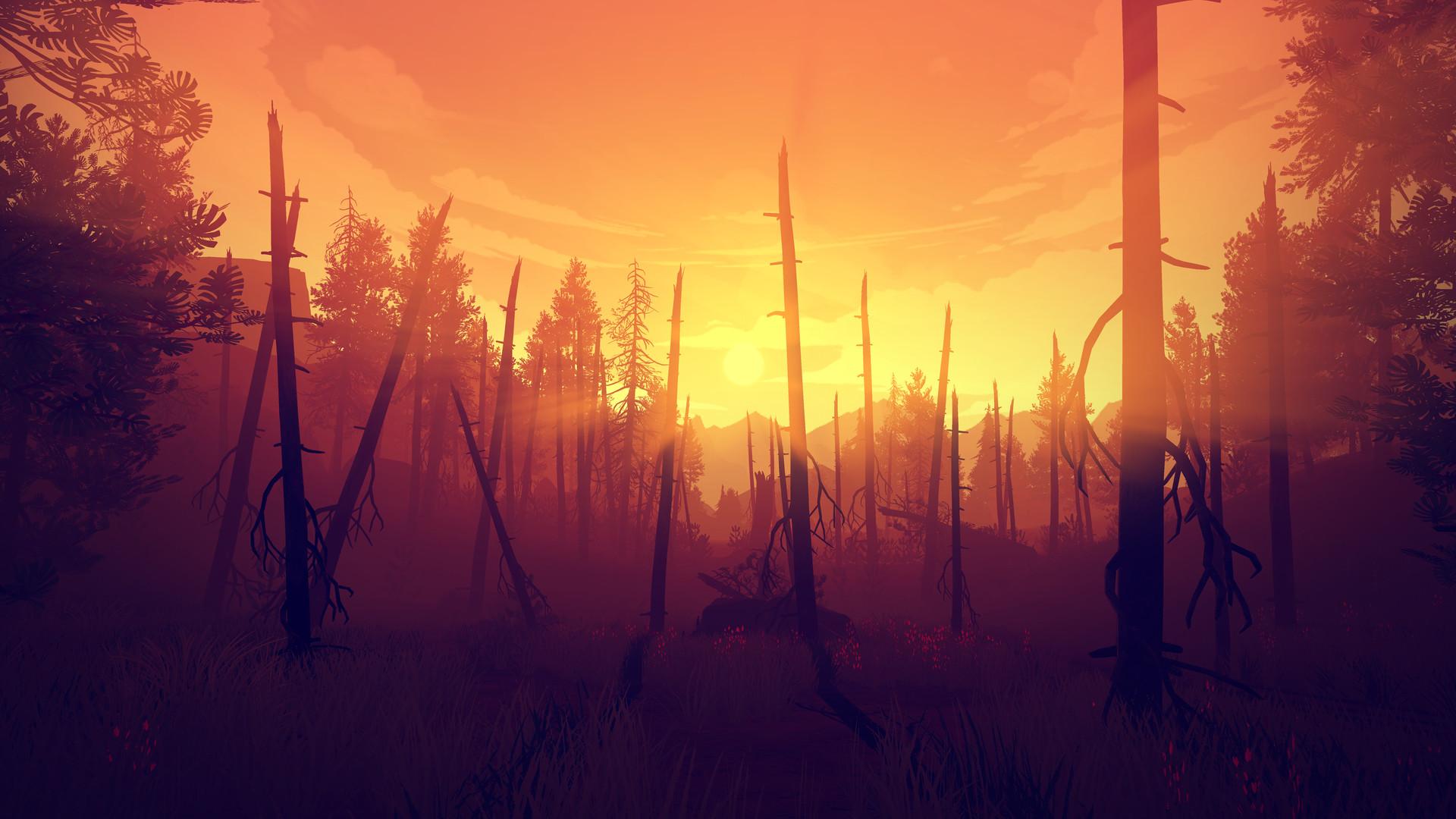
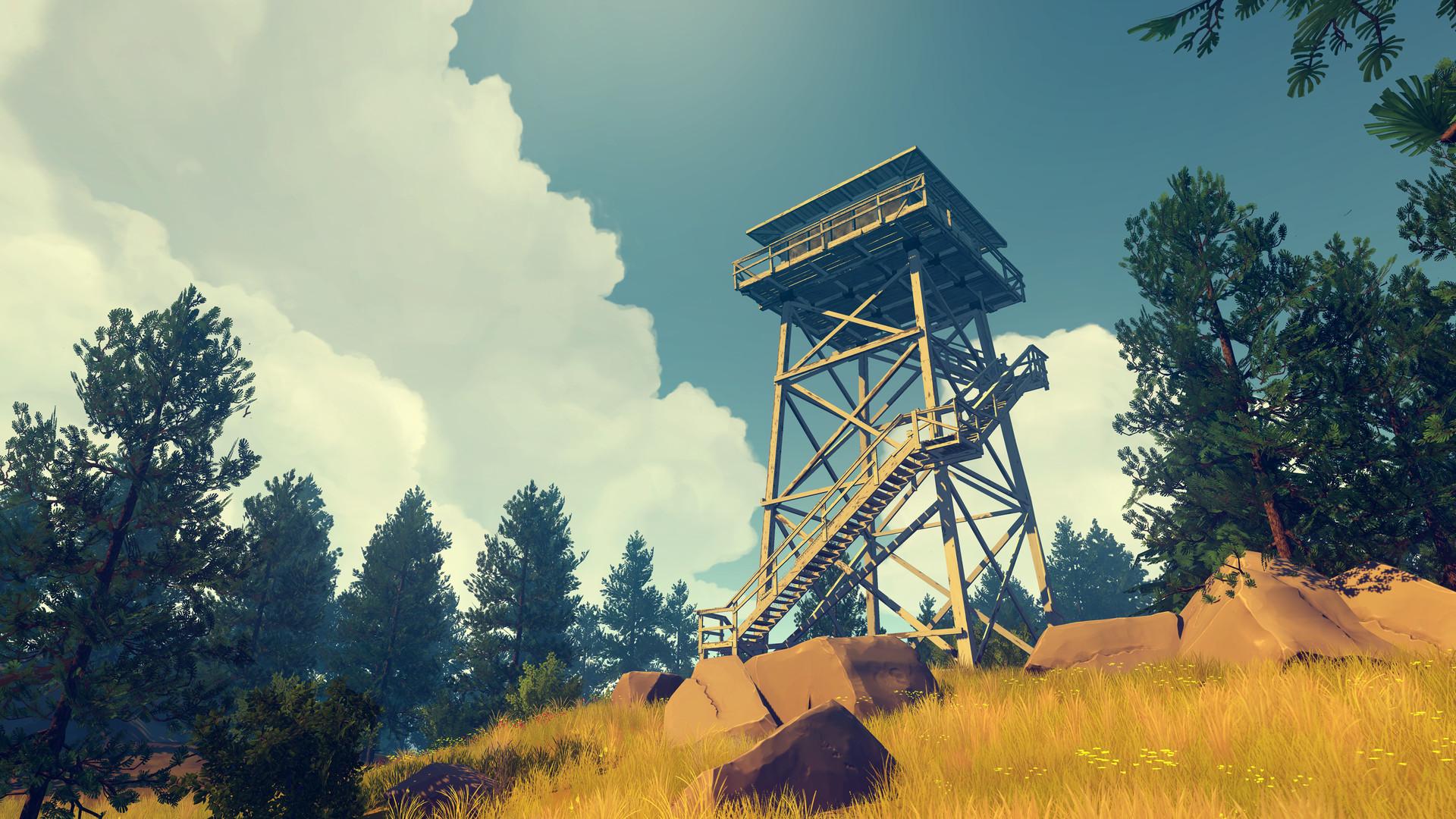
Campo Santo didn't just use the Wyoming wilderness as a backdrop. The environment does real narrative work. The Shoshone Forest in Firewatch is warm, golden, and visually striking, rendered in a painterly style that makes every hillside and canyon feel like an illustration come to life. But there's an undercurrent of unease running through all of it. The heat, the isolation, the sense that someone or something is watching.
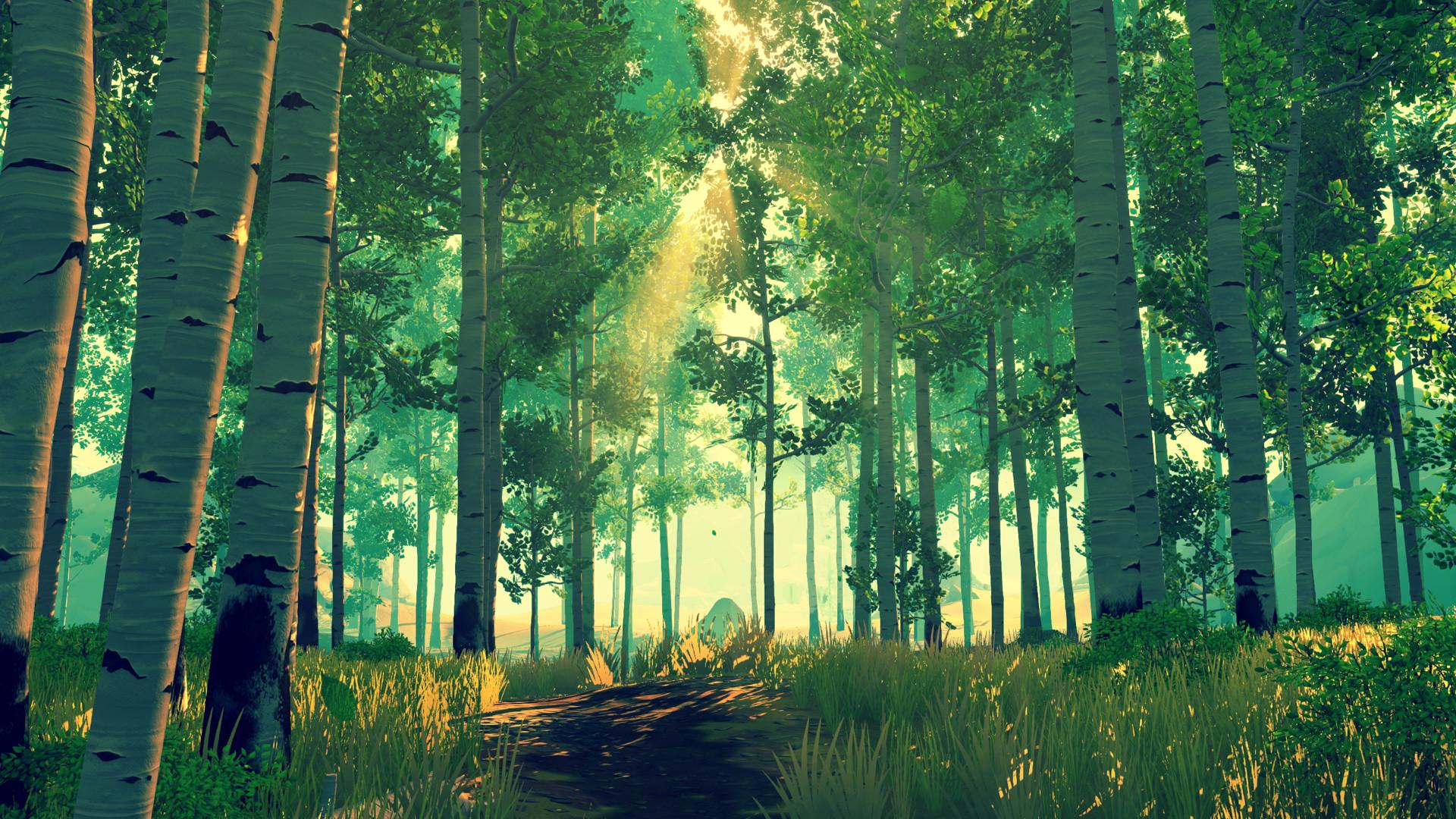
Key things the setting does well:
- Rewards exploration with environmental storytelling
- Uses geography to create natural mystery and tension
- Makes isolation feel physical, not just emotional
- Shifts tone as the story escalates
- Connects Henry's internal state to the world around him
The map opens up gradually as the summer progresses, and finding new areas rarely feels like a checklist. It feels like trespassing.
Gameplay and mechanics: what does Firewatch actually ask you to do?
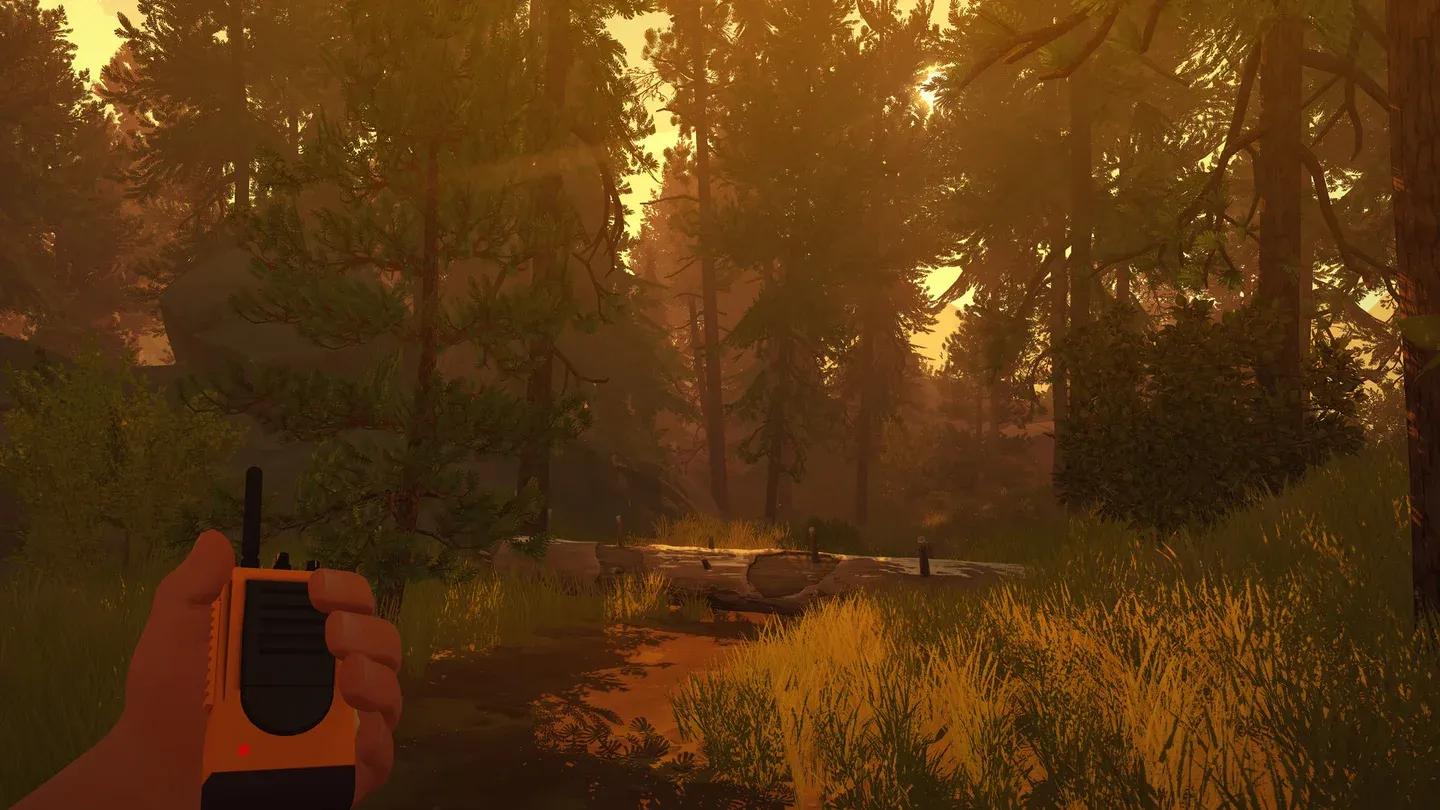
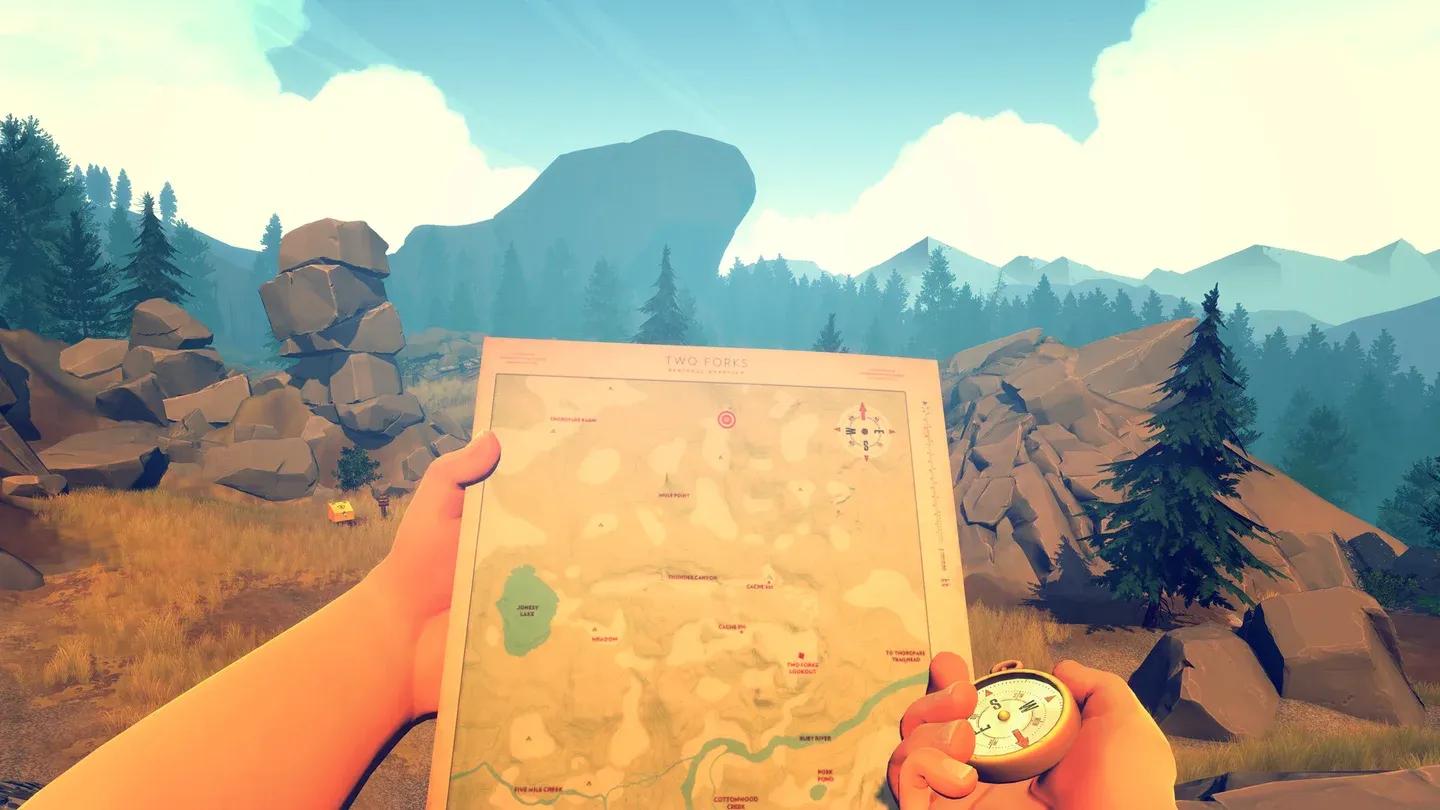
Firewatch is a first-person exploration game with a strong emphasis on dialogue choices and environmental navigation. There's no combat, no inventory management in any meaningful sense, and no fail states. You walk, you look, you use a map and compass to find your bearings, and you talk to Delilah.
The compass-and-map navigation deserves specific mention because it's one of the few games that makes you actually read a physical map rather than follow a glowing marker. It sounds minor. It genuinely changes how you relate to the space.
Dialogue choices arrive in timed windows, which keeps conversations feeling like real exchanges rather than menu navigation. You can be warm, deflective, funny, or cold with Delilah, and her responses shift accordingly. The game doesn't punish any approach, but it does remember.
Visual and audio design: a look that holds up
Olly Moss's art direction gives Firewatch a visual identity that still looks distinctive nearly a decade after release. The color palette leans into amber, rust, and deep shadow, which does double duty as both aesthetic choice and atmosphere-building. Character models are intentionally stylized rather than realistic, which keeps the focus on expression and movement over graphical fidelity.
Chris Remo's score is sparse and melancholic, using guitar and ambient texture to fill the silences between radio transmissions. The sound design in the forest itself, wind through pines, distant birdsong, the crackle of the radio, does more for immersion than most games manage with twice the budget.
Impact and legacy: why people still talk about Firewatch
Firewatch holds a 4.51-star rating from over 42,000 PlayStation Store reviews, which is a reasonable snapshot of how it landed with a broad audience. The game sparked genuine discussion about narrative games as a form, and Campo Santo's approach to environmental storytelling influenced a wave of indie titles that followed. The ending remains contested, which is itself a mark of a story that took real swings. For a first-person mystery built almost entirely on a two-person radio dynamic, that kind of staying power says something about how well the fundamentals were executed.
| Requirement | Minimum |
|---|---|
| Processor | Intel Core i3 2.00 GHz or AMD equivalent |
| Memory | 6 GB RAM |
| Graphics | NVIDIA GeForce 450 or higher with 1GB Memory |
| DirectX | Version 11 |