Overview
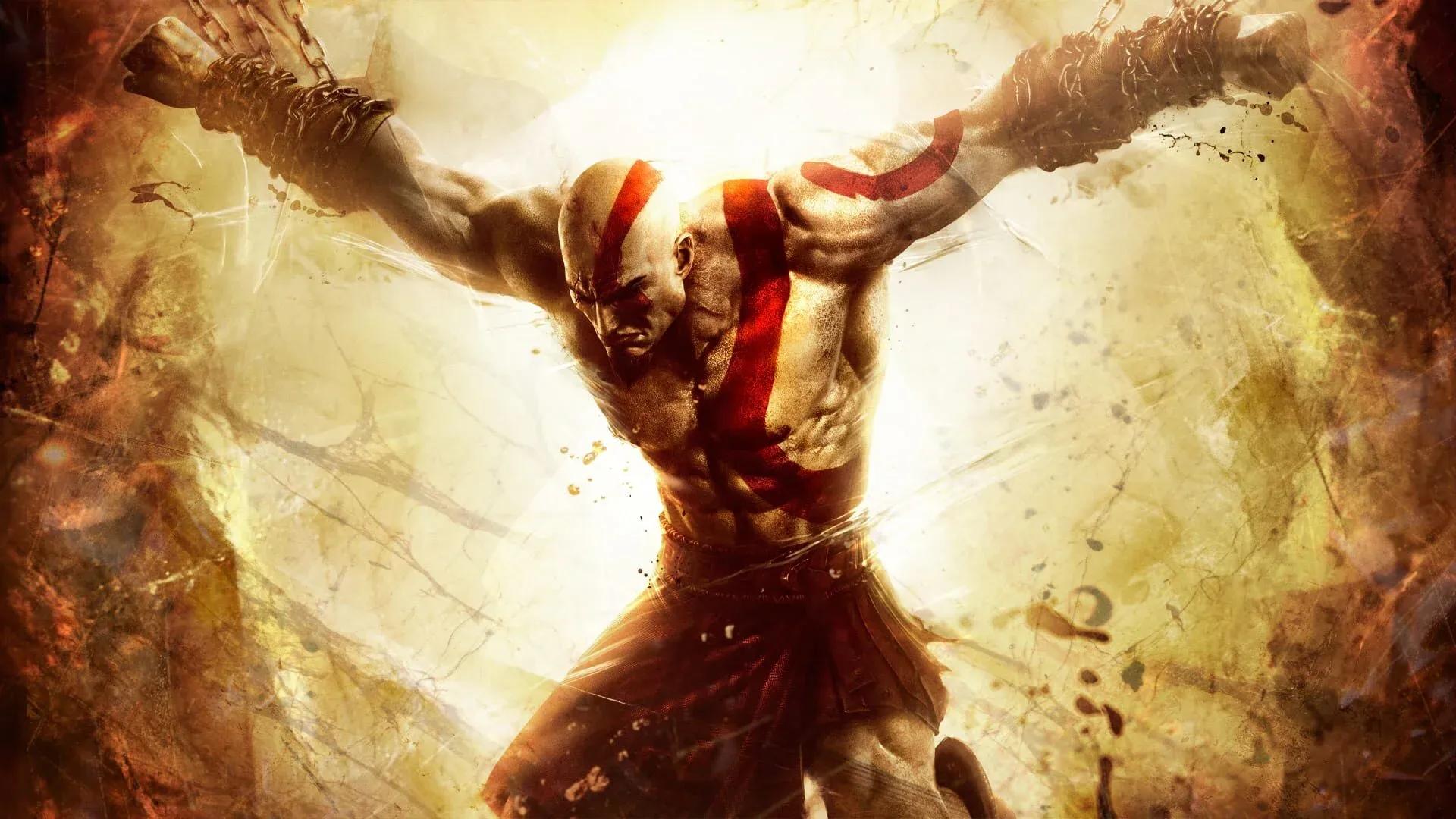
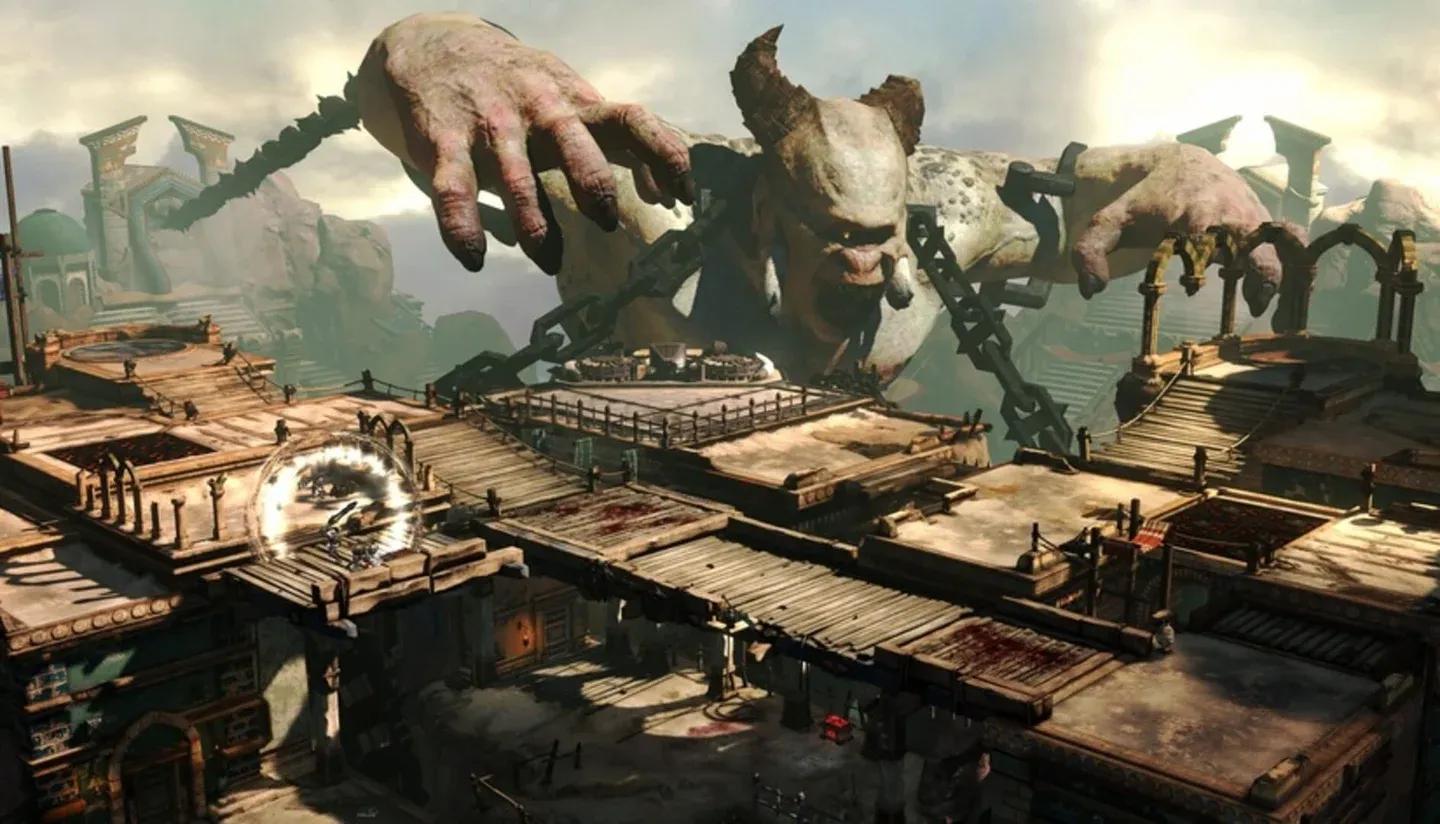
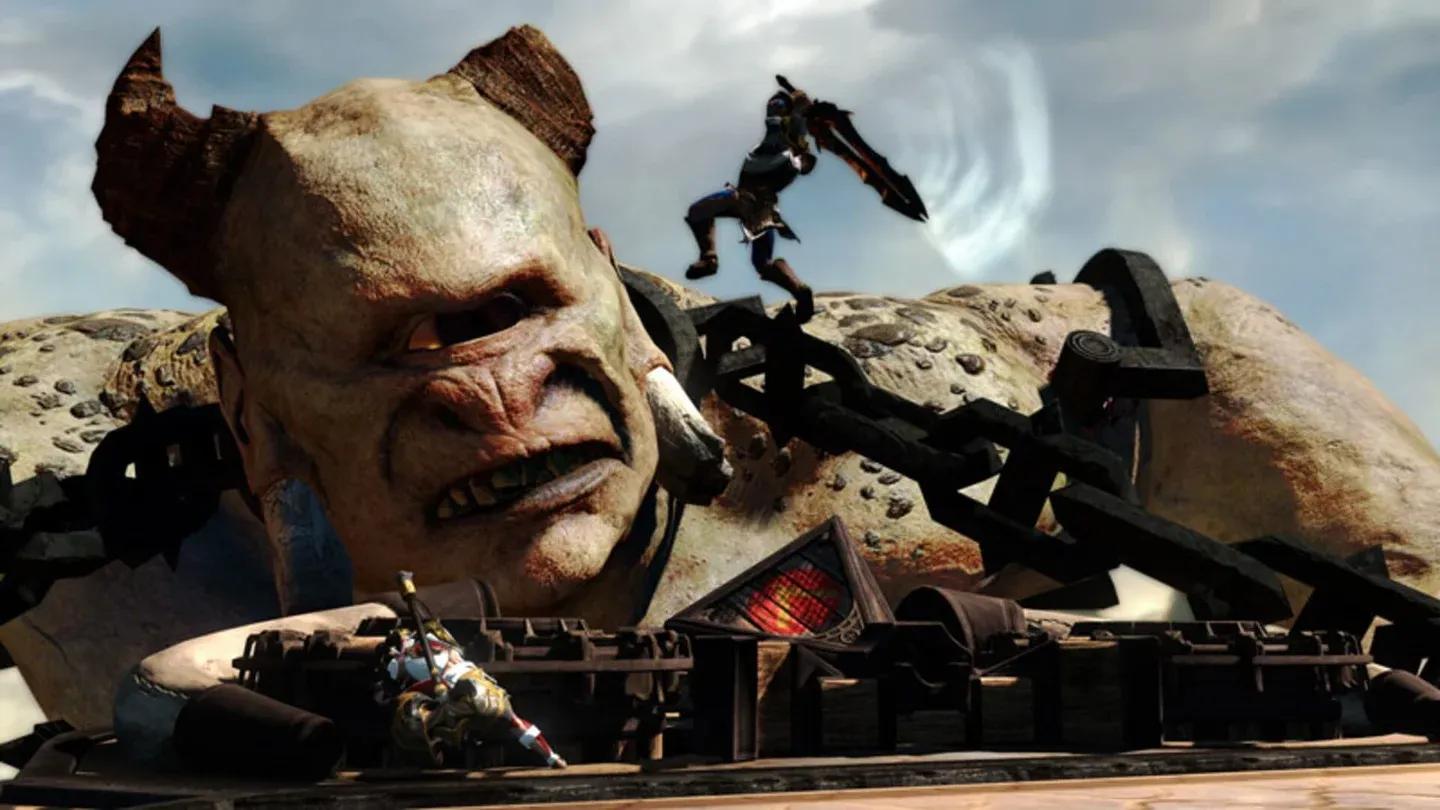
God of War: Ascension is the seventh entry in Sony Santa Monica's long-running series and the first to step back chronologically, placing Kratos months after the murder of his family rather than years. The game opens with Kratos imprisoned inside the body of Aegaeon the Hecatonchires, a colossal stone prison built from the corpse of the first oath-breaker, and the entire story unfolds as he fights his way out. That framing device sets a darker, more personal tone than the series' later world-ending spectacles.
The narrative centers on the Furies, three ancient guardians born from the chaos of primordial war, whose purpose is to punish oath-breakers. Kratos broke his blood bond with Ares, and the Furies want him back. The story is tighter and more mythologically grounded than God of War III, trading apocalyptic scale for something closer to a psychological prison break set against Greek myth.
God of War: Ascension content image
Gameplay and mechanics
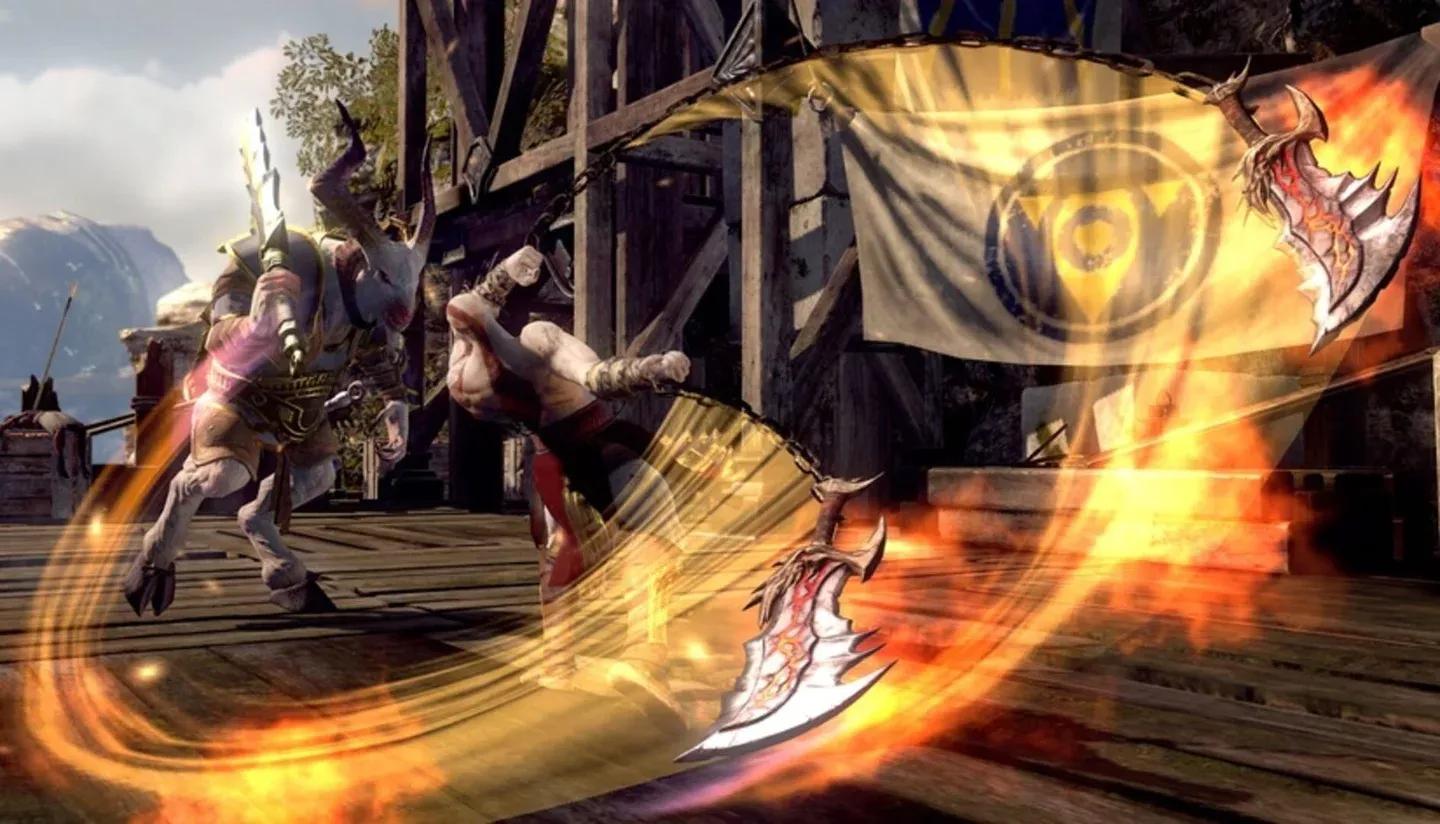
The core combat loop carries over the series' satisfying Blades of Chaos foundation, but Ascension adds meaningful layers on top. The World Weapon system lets Kratos pick up and wield enemy weapons mid-combat, from spears to clubs, before discarding them for something new. These pickups feel distinct rather than cosmetic, each shifting the rhythm of a fight.
God of War: Ascension content image
Key mechanics in Ascension:
- World Weapon system for mid-combat pickups
- Four elemental magic disciplines tied to Greek gods
- Rage meter that auto-depletes on activation
- Three relics for time manipulation, shadow duplication, and illusion dispelling
- Blades of Chaos as the persistent core weapon
The four magical disciplines, Fires of Ares, Ice of Poseidon, Lightning of Zeus, and Soul of Hades, each change how Kratos' weapons behave and open up situational abilities. Ice of Poseidon, for example, allows underwater breathing, which feeds directly into environmental traversal rather than just combat stats. The Rage system also gets reworked; instead of a manual activation, the meter fills through attacks and unleashes automatically, punishing passive play.
God of War: Ascension content image
What does the multiplayer mode offer?
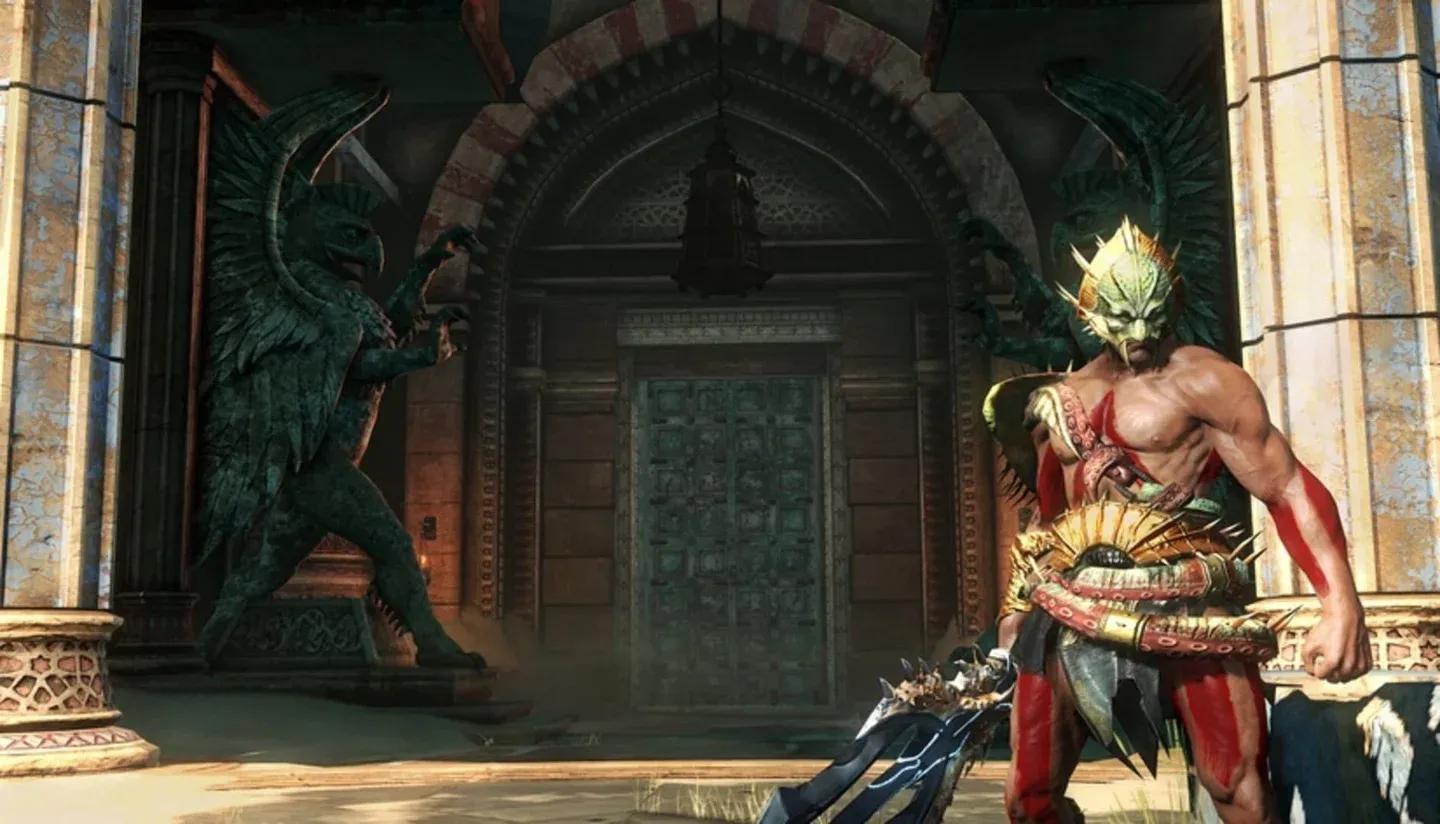
God of War: Ascension is the first game in the series to include online multiplayer, and it builds a surprisingly complete system around the concept. Before queuing up, players pledge allegiance to one of four gods: Ares, Hades, Zeus, or Poseidon. Each alignment shapes the abilities, armor sets, and weapons available as the player levels up their warrior.
The four multiplayer modes cover different competitive structures. Team Favor of the Gods operates as a team-based scoring mode, Match of Champions focuses on individual glory, Trial of the Gods drops players into wave-based combat, and Capture the Flag translates the classic mode into Ascension's arena combat. The progression system ties gear unlocks to experience earned across all modes, giving players consistent reasons to keep playing.
Innovation and unique features
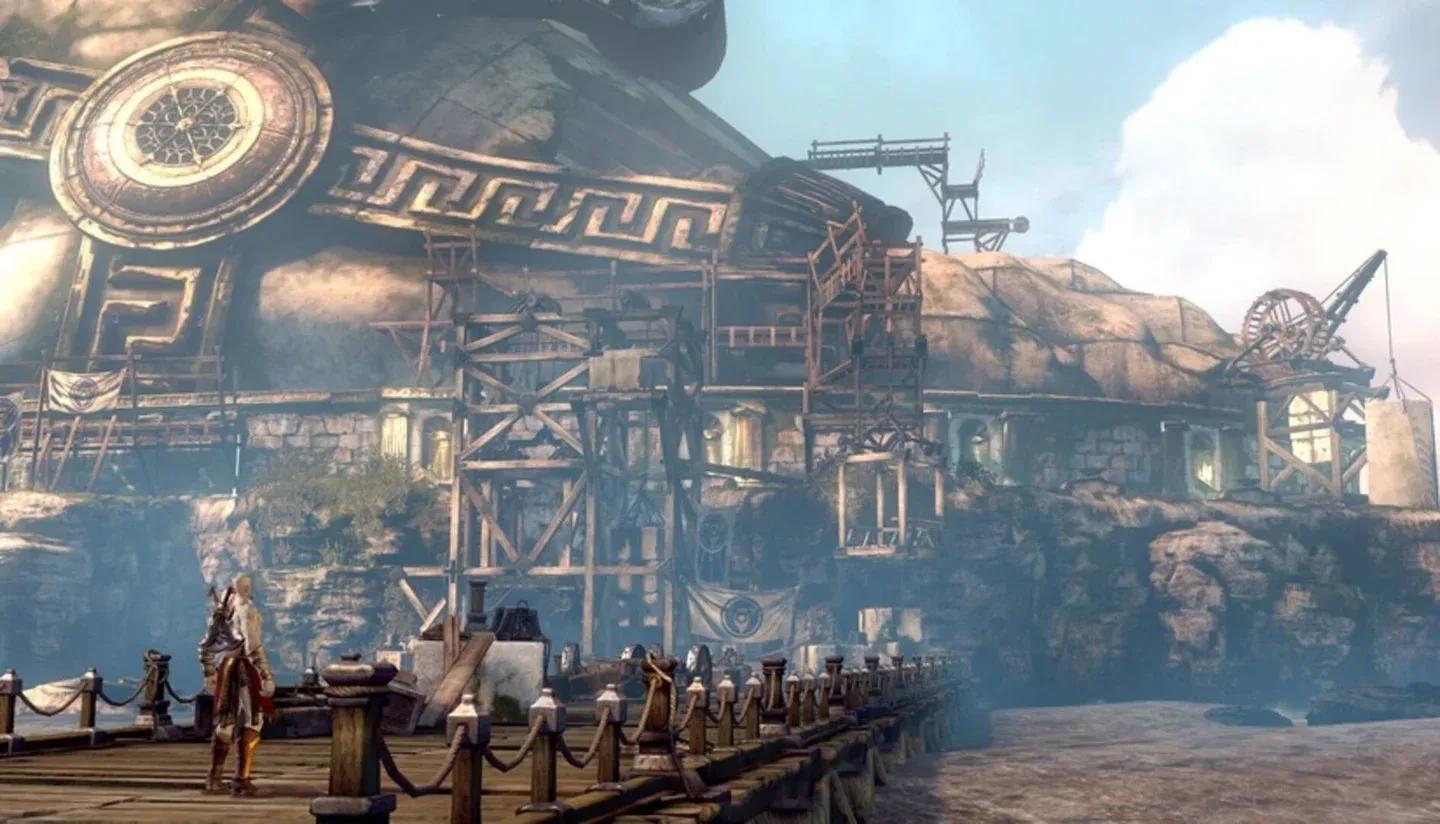
Ascension arrived in March 2013 as a PS3 exclusive, and its technical ambition on that hardware remains notable. The Furies themselves are among the more interesting antagonists in the series, capable of crafting elaborate illusions that blur the line between what Kratos perceives and what is actually happening. The three relics designed to counter these illusions give the game a puzzle-combat hybrid quality that the main series rarely explored.
God of War: Ascension content image
The prequel positioning also allows Ascension to show a Kratos who is angry and dangerous but not yet the fully mythologized destroyer of the later games. That version of the character, still capable of being imprisoned and manipulated, makes the hack-and-slash action feel grounded in a way the sequels never needed to be.