Overview
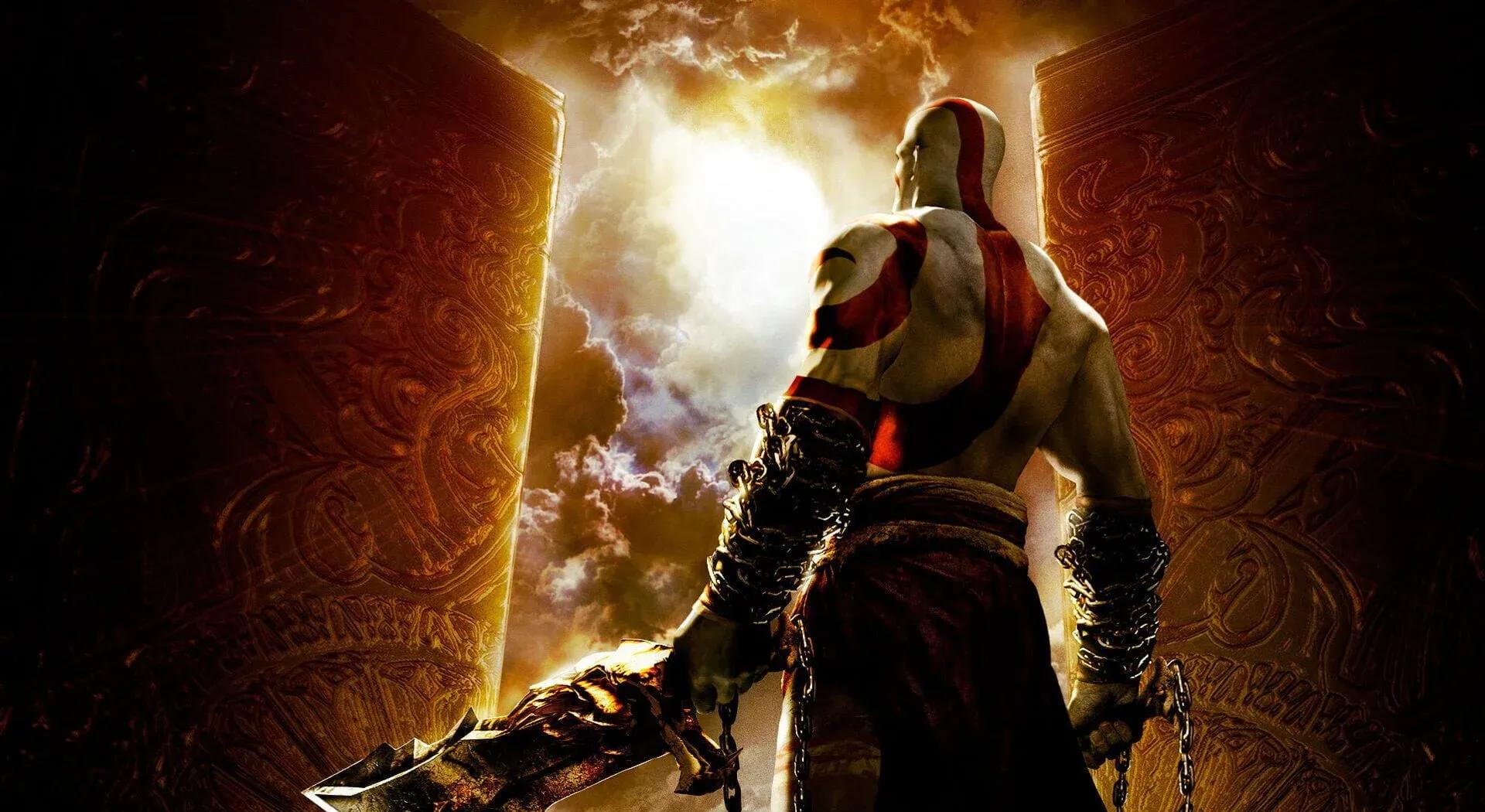
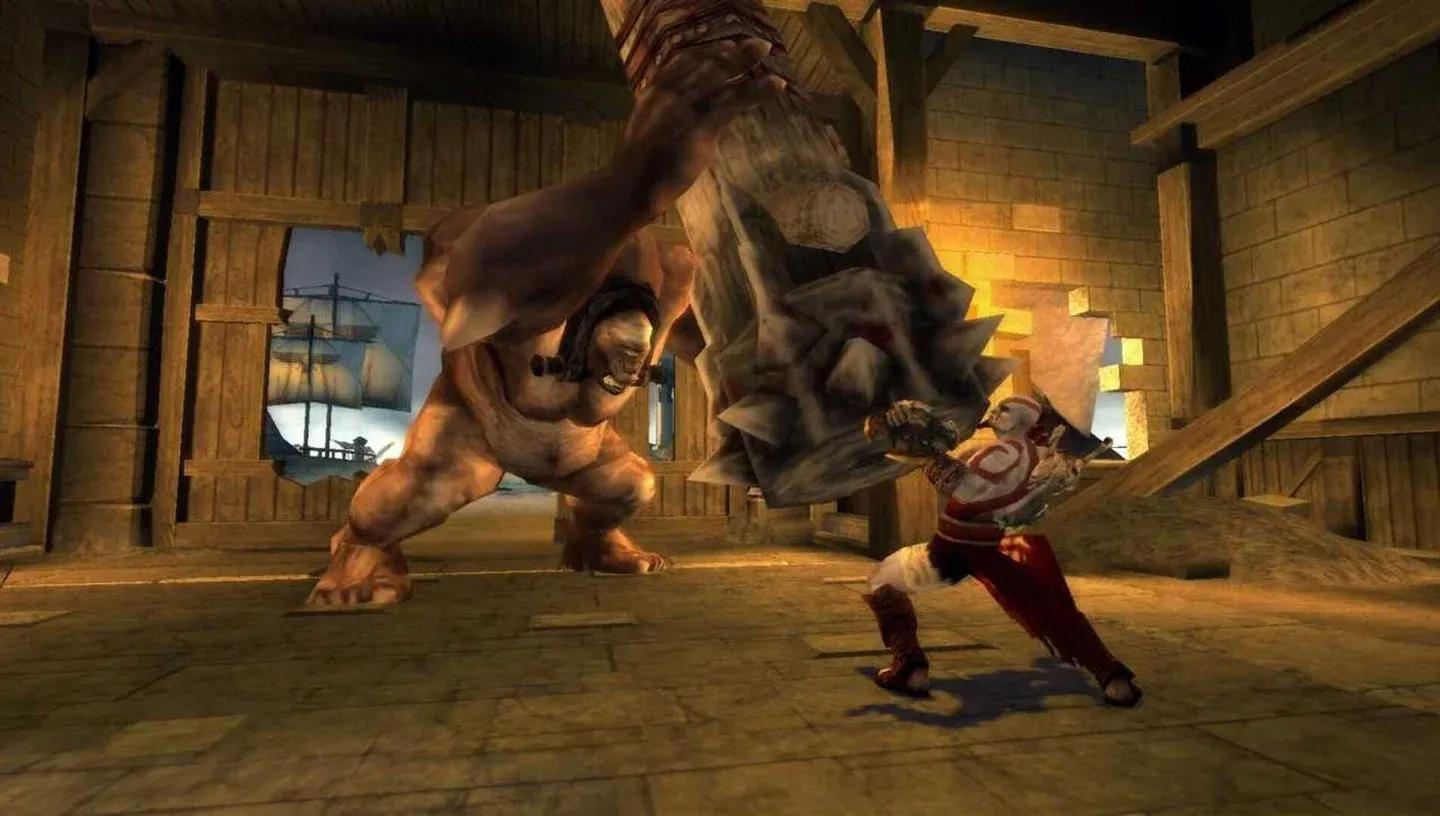
God of War: Chains of Olympus arrived in March 2008 as the third entry in Sony's flagship action series, but the first built specifically for the PlayStation Portable. Ready At Dawn, not Sony Santa Monica, handled development, and the result is a prequel set a decade before the original game. Kratos is still bound in servitude to the Gods of Olympus, and the story picks up mid-contract, sending him to the city of Attica to repel an invading Persian army.
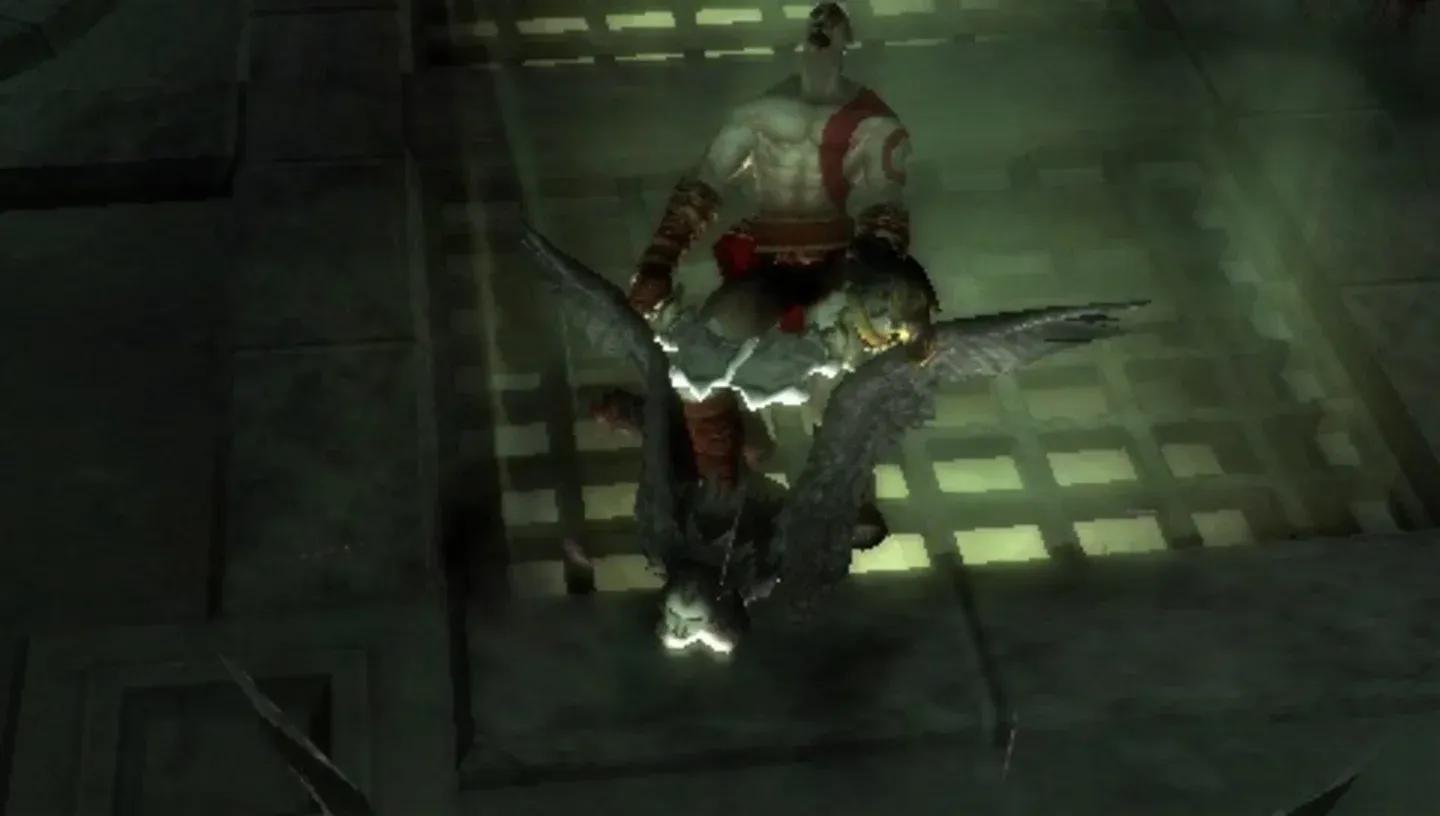
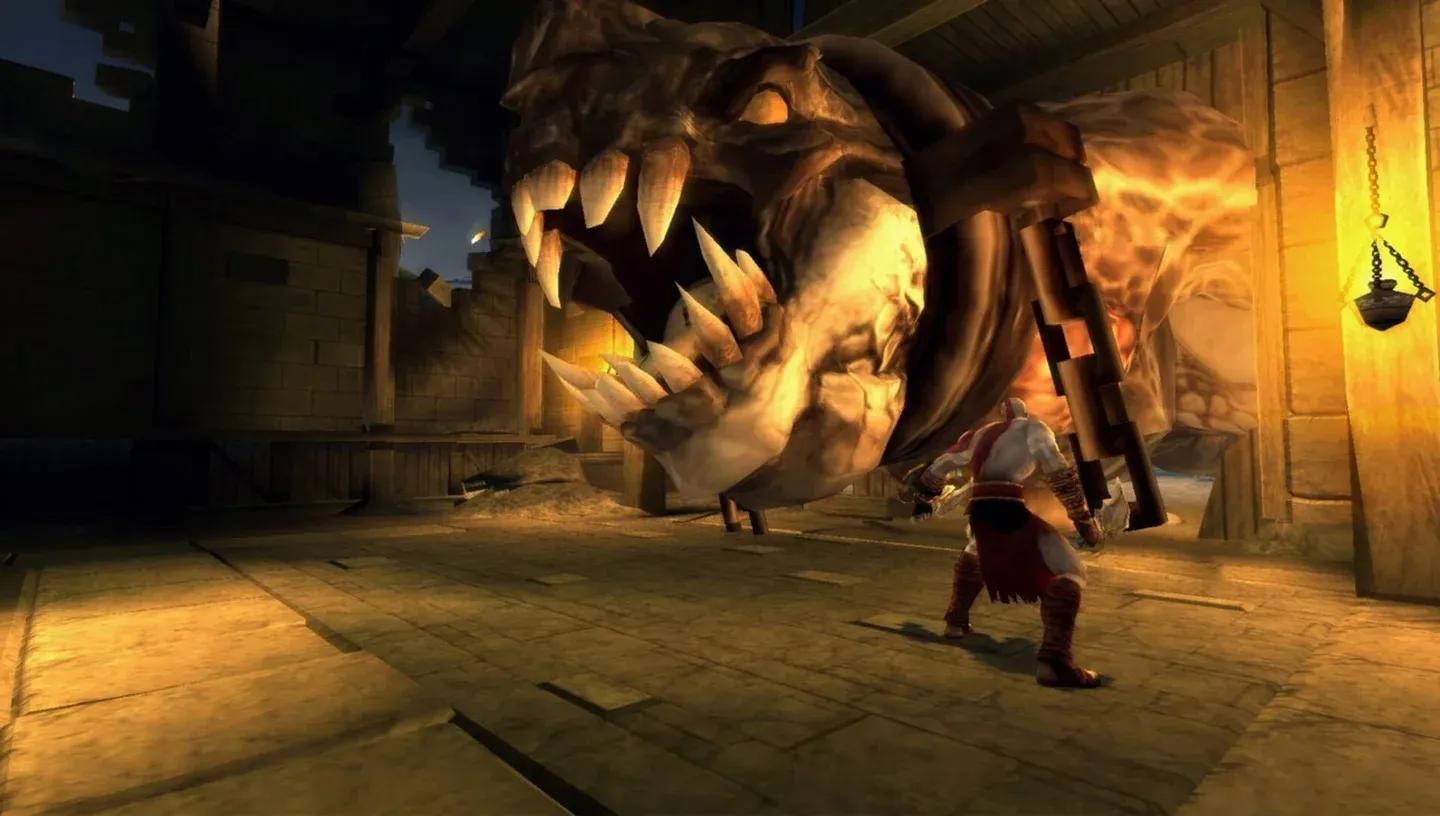
The setup moves fast. Within the opening act, Kratos hunts down a basilisk scaling the city walls, kills the Persian King to claim his Efreet summoning power, and watches the sun physically drop from the sky. Morpheus, the god of dreams, has plunged the world into a black fog, and Kratos is left to push through it. The narrative is tighter than the mainline entries, which suits the portable format well.
God of War: Chains of Olympus content image
Gameplay and mechanics
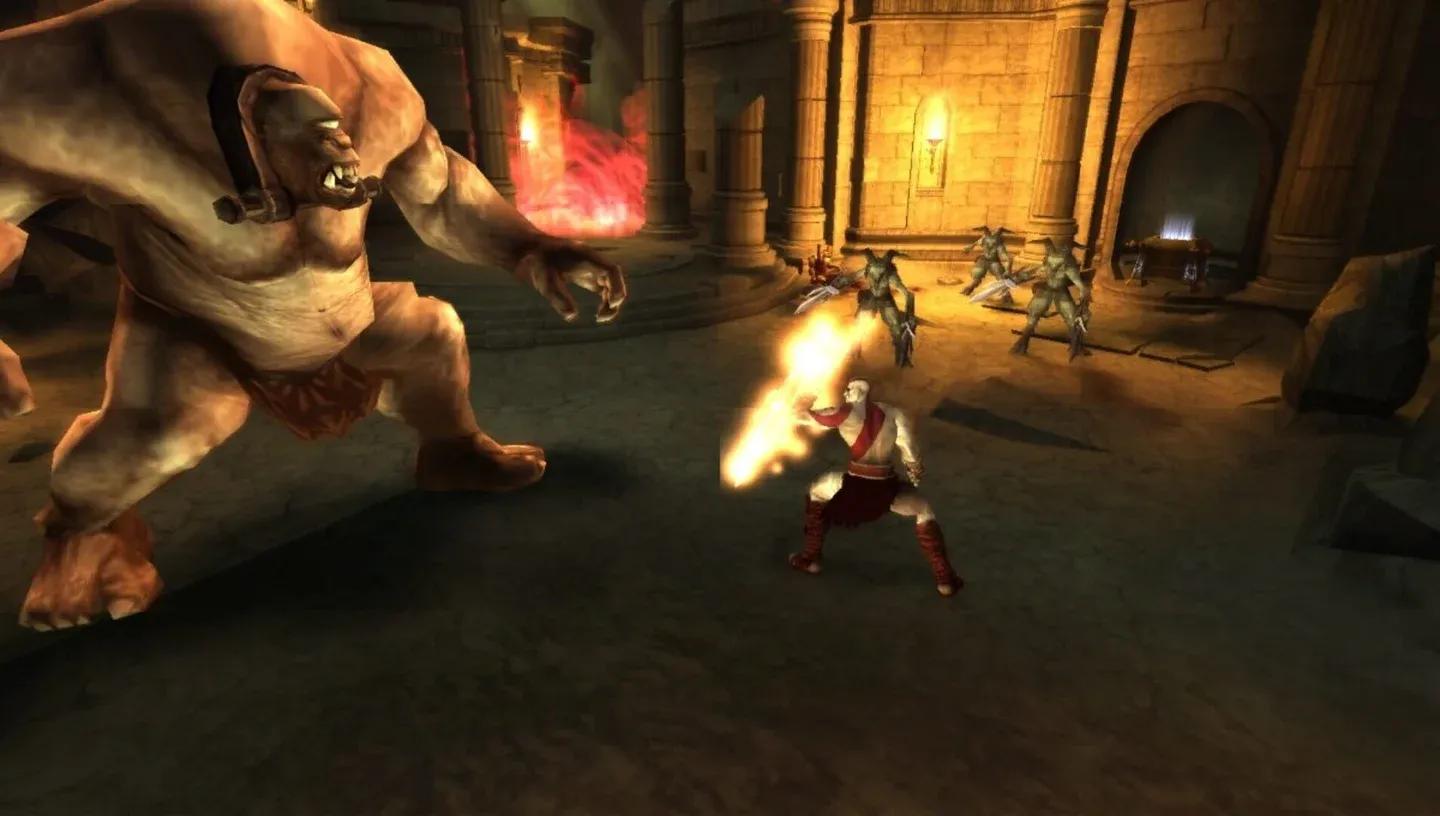
Chains of Olympus preserves the core God of War loop with minimal compromise. Kratos carves through enemies using the Blades of Chaos, solves box-manipulation puzzles scattered across each level, and clears quick-time events during boss encounters. The familiar red orb economy returns, letting players upgrade weapons and abilities over the course of the campaign.
God of War: Chains of Olympus content image
Key mechanics carried over from the mainline series:
- Blades of Chaos combo chains
- Red orb weapon upgrades
- Gorgon Eye health upgrades
- Phoenix Feather magic upgrades
- Quick-time event boss finishers
The PSP's reduced button layout required real design work. Dodging, for instance, now uses both shoulder buttons combined with the analogue stick rather than a dedicated button. Ready At Dawn rebuilt the control scheme from scratch rather than simply remapping the PS2 inputs, and the difference is noticeable. The game handles cleanly for a platform that wasn't designed with this genre in mind.
God of War: Chains of Olympus content image
New weapons and what sets this entry apart
What does Chains of Olympus add that the PS2 games didn't have? The answer is mostly in the new tools and the context around them. The Sun Shield gives Kratos a defensive option that changes how certain encounters play out. The Efreet spell, lifted from the Persian King, functions as a close-range eruption attack. The Light of Dawn rounds out the magical arsenal with a ranged option.
These additions slot into the established God of War rhythm without disrupting it. None of them feel tacked on, and the pacing across the campaign is sharp enough that each new ability arrives at a point where the combat was starting to need it.
World, setting, and story impact
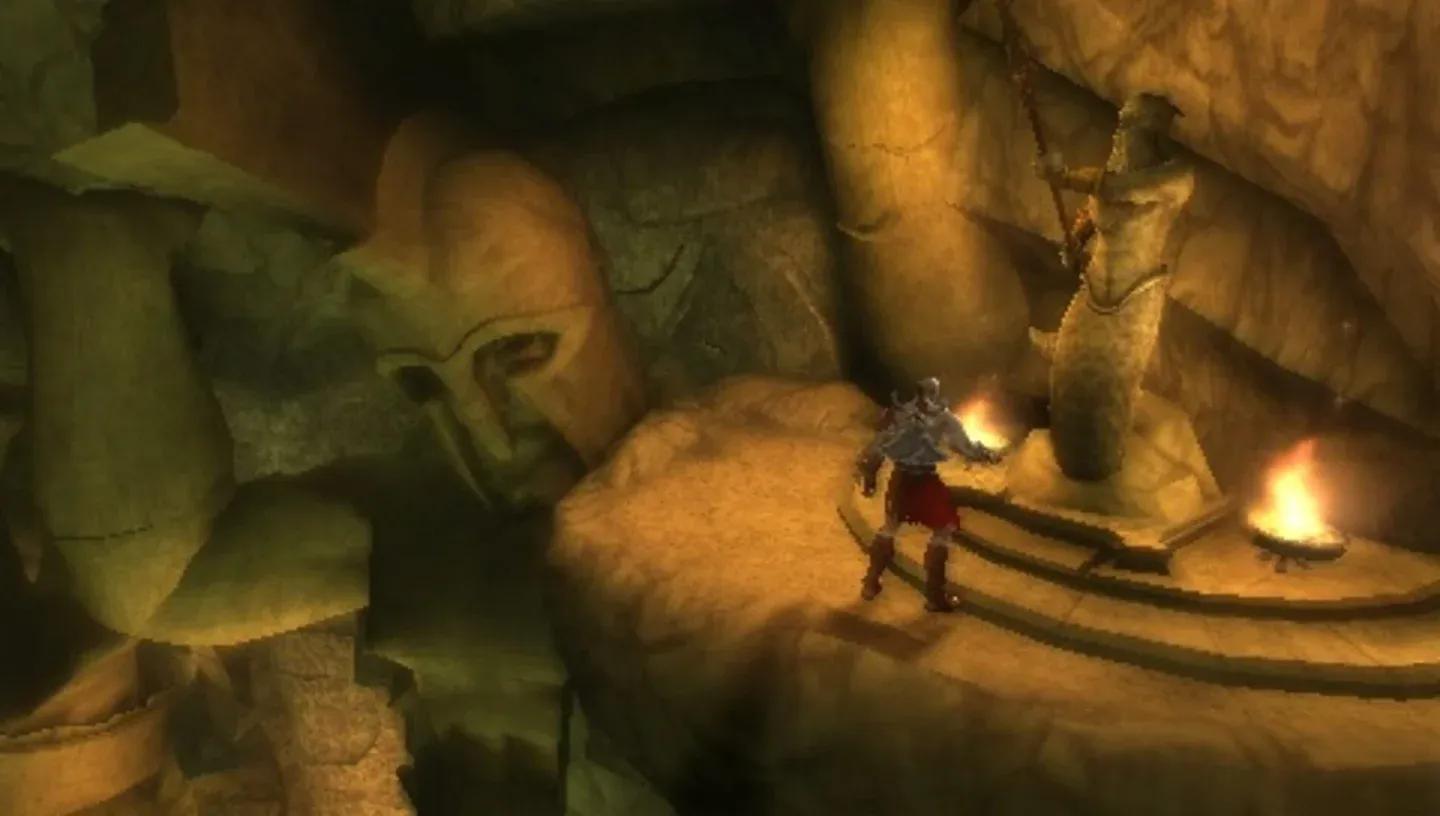
Chains of Olympus draws from Greek mythology with the same confidence as its predecessors. Attica, Marathon, the realm of Tartarus, and the Elysian Fields all feature across the campaign, and the art direction on PSP hardware holds up given the technical constraints of the platform. The environments are varied enough to avoid repetition across the roughly six-hour runtime.
The story carries more weight than it might appear to at first. This is a prequel built to explain something specific about Kratos, and by the end, it delivers on that promise in a way that recontextualizes parts of the original game. For players who came to the series through the PS4 entries, Chains of Olympus is the clearest window into who Kratos was before the Norse saga, and why that version of the character was so consumed by rage.
God of War: Chains of Olympus content image
Technical achievement on portable hardware
Ready At Dawn's work on PSP hardware was technically ambitious for 2008. The studio pushed the platform to render environments and enemy counts that felt closer to PS2 output than what most PSP games managed. The frame rate holds steady during the game's busier combat sequences, and the camera system, which the God of War series has always handled deliberately, translates to the smaller screen without losing clarity. For a hack-and-slash action game on a handheld, Chains of Olympus set a bar that very few contemporaries matched.