Overview
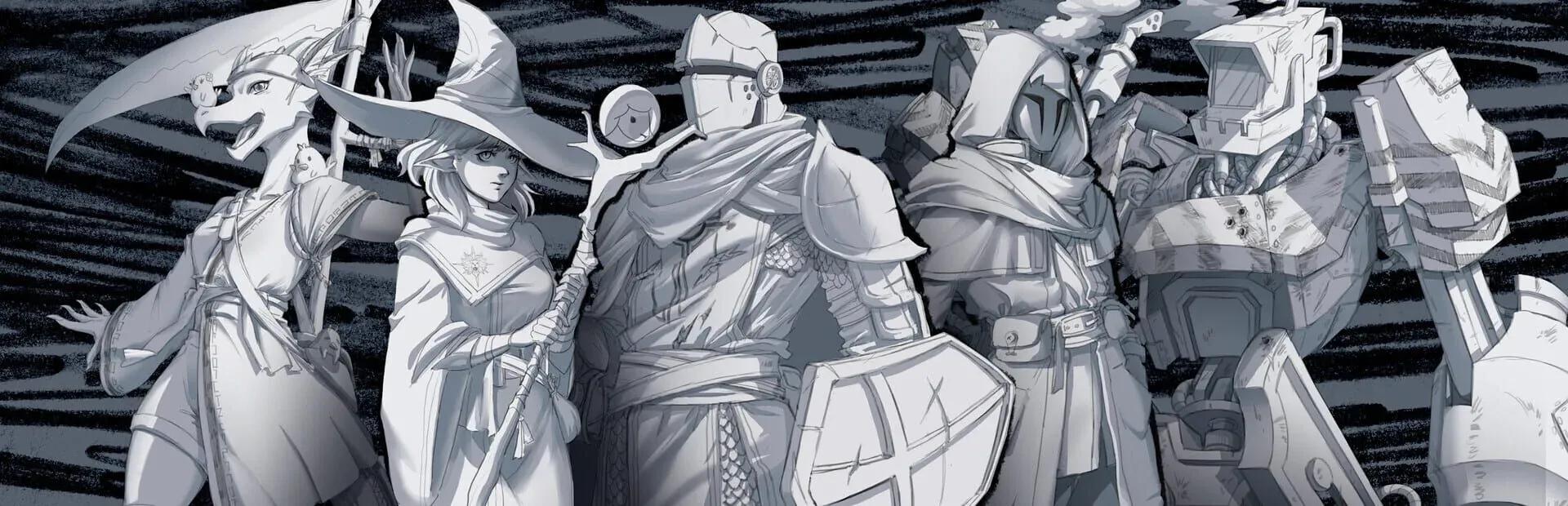
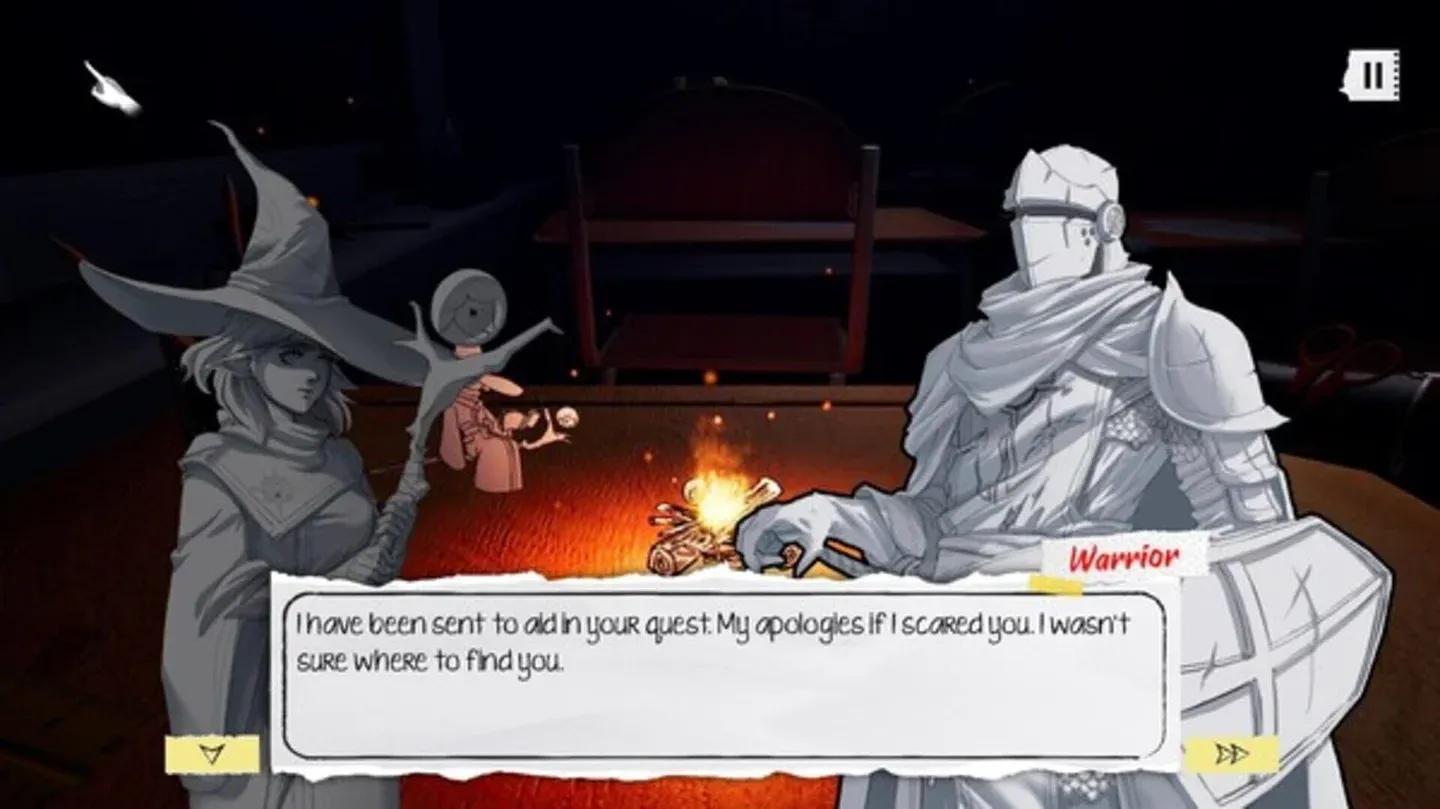
Graphite is a roguelike RPG published by indie.io that builds its entire identity around a single, disarming concept: the heroes in this world are a child's drawings brought to life. They fight, strategize, and struggle through notebook scenarios without any awareness that they exist only on paper. That tension between their conviction and their imaginary nature shapes every decision the game asks you to make.
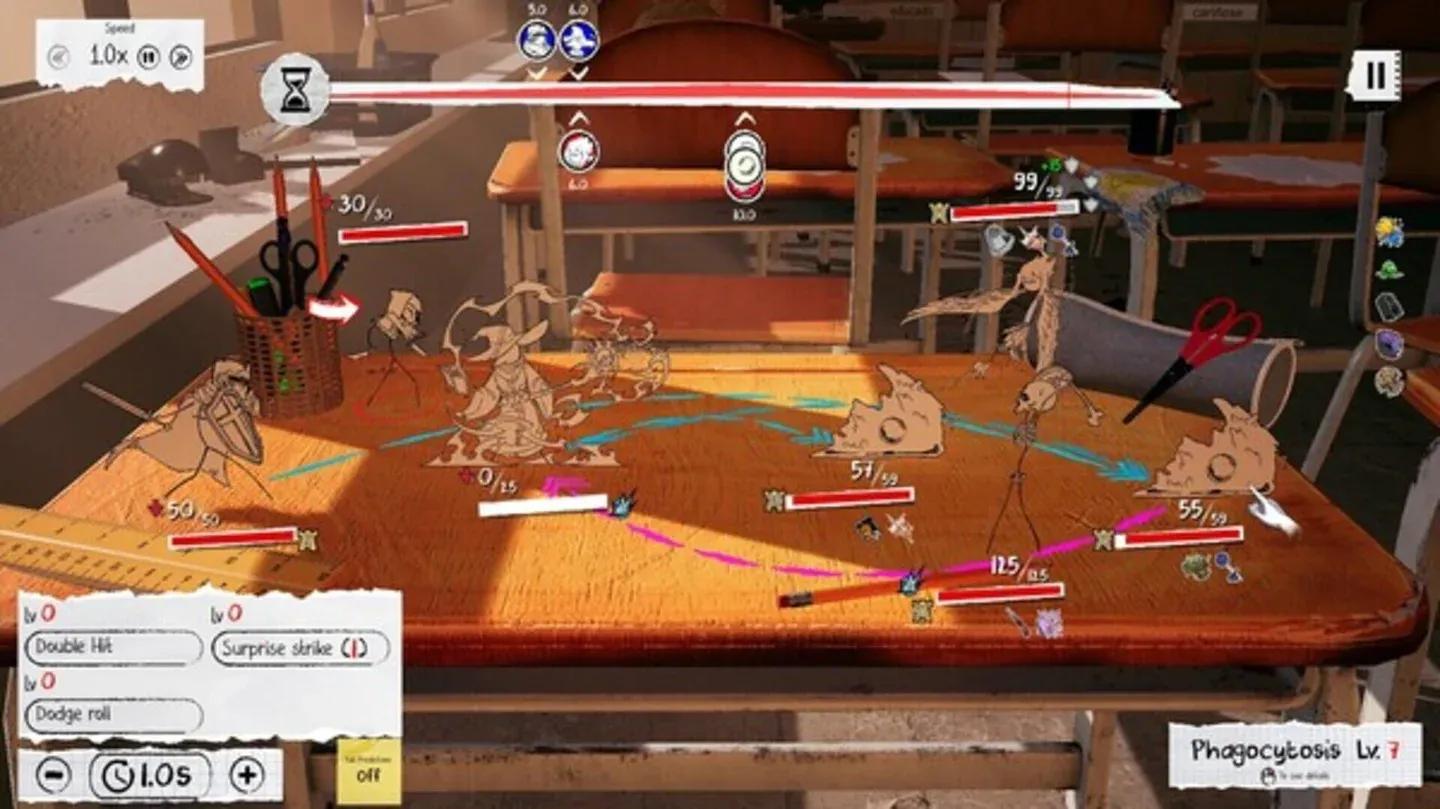
The game blends RPG progression with strategy-layer thinking, asking players to manage not just a party but a dynamic timeline that shifts based on the choices made across each run. Scenarios play out as illustrated notebook pages, grounding the action in a hand-drawn aesthetic that feels both playful and quietly unsettling.
Graphite content image
Gameplay and mechanics
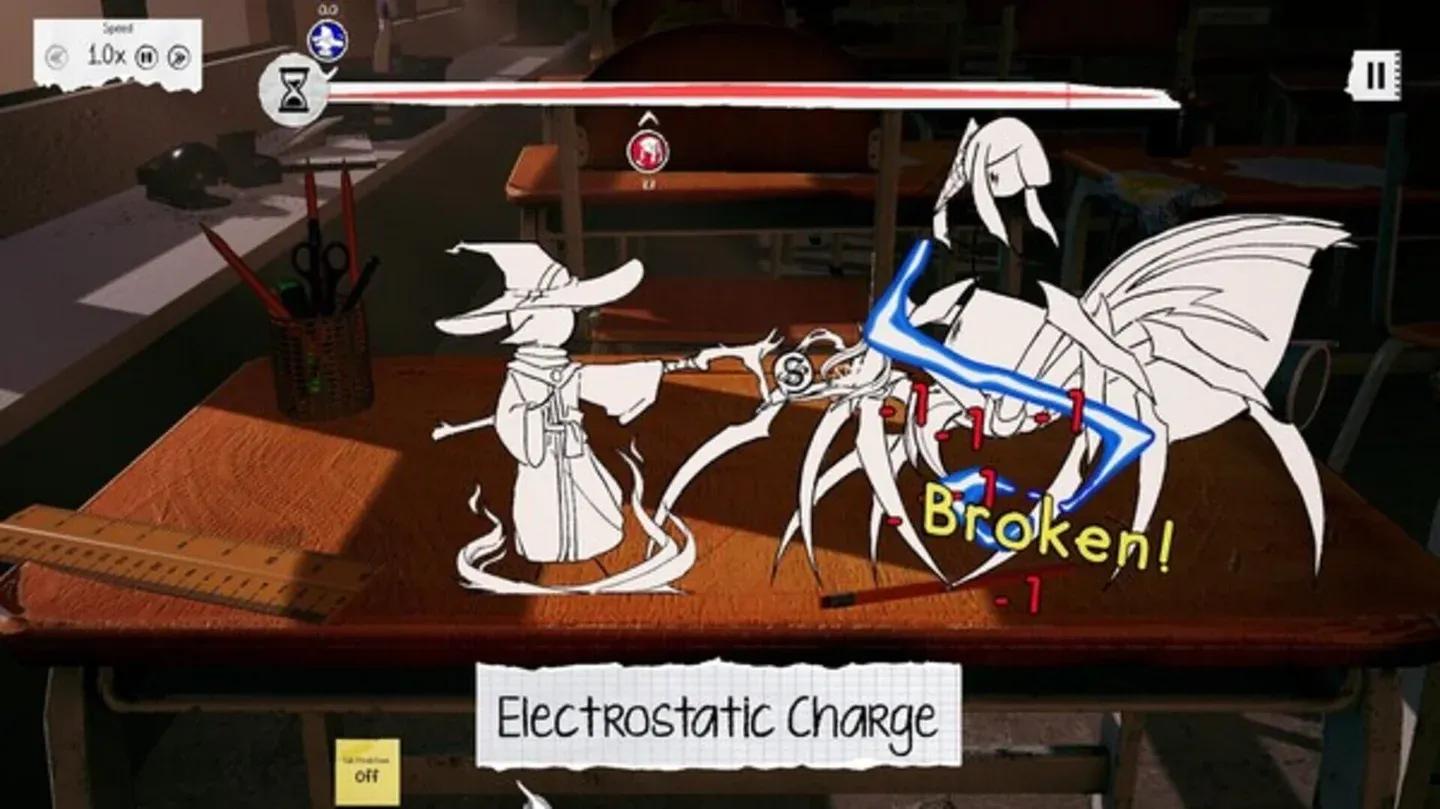
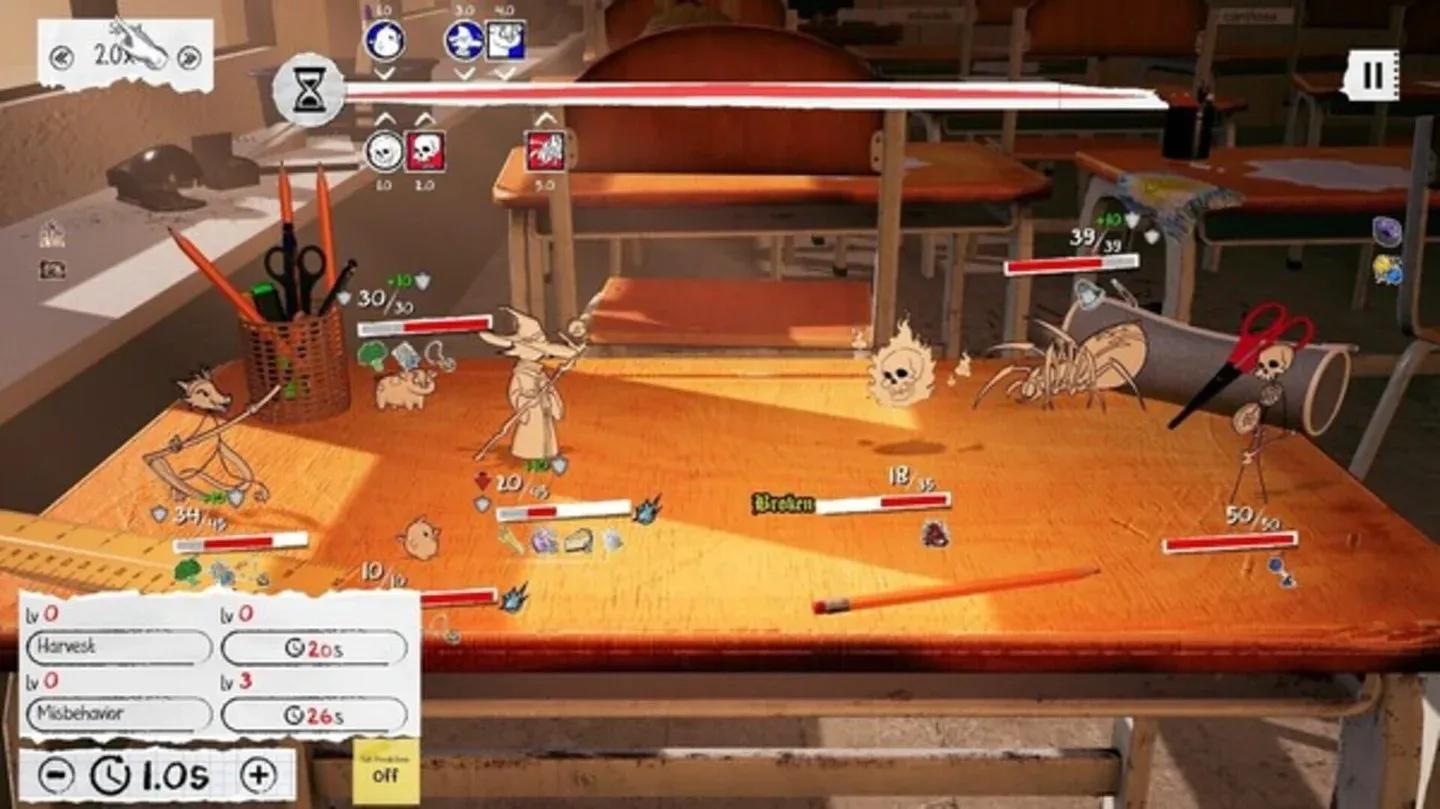
At its core, Graphite is a party-building roguelike with a timeline system that responds to player decisions. Each run presents branching notebook scenarios, and the outcomes ripple forward through the timeline in ways that demand forward-thinking rather than pure reaction.
Graphite content image
Key mechanics include:
- Party composition and role synergy
- Dynamic timeline navigation
- Notebook scenario branching
- Roguelike run structure with persistent consequences
- Creative character builds tied to the drawn-world theme
The roguelike structure means no two runs play out identically. Scenario outcomes shift the timeline, party members carry different strengths depending on how they were built, and the unpredictability of each notebook page keeps the strategic layer from going stale.
Graphite content image
What makes the drawn-world setting work?
The premise that characters don't know they're imaginary isn't just flavor text. It's the mechanism that makes the world feel genuinely strange. The notebook aesthetic extends beyond visuals into the scenario design itself, with each challenge framed as something a kid might dream up: chaotic, high-stakes, and governed by a logic that only makes sense within the rules of that particular page.
This kind of world-building through constraint is rare in indie RPGs. Rather than constructing an elaborate mythology, Graphite builds atmosphere through the gap between how seriously the characters take their situation and how absurd that situation actually is.
Innovation and unique features
The dynamic timeline is the feature that separates Graphite from a standard roguelike RPG. Most games in the genre treat each run as a clean slate. Here, the timeline bends and shifts based on the scenarios you clear and the choices you make, giving the run structure a sense of accumulated consequence that feels closer to a strategy game than a traditional dungeon crawler.
Publisher indie.io has positioned this as a creativity-forward title, and the drawn-world concept delivers on that framing. The characters spring from imagination, the scenarios are notebook pages, and the entire game leans into the idea that the best stories are the ones where the stakes feel real even when nothing is.
Graphite content image
Content and replayability
Roguelike RPGs live or die on run variety, and Graphite's scenario-based structure gives it genuine replay depth. The combination of party-building decisions, timeline branching, and shifting notebook scenarios means the strategic calculus changes with each attempt. Players who enjoy optimizing party composition across multiple runs will find the loop worth revisiting, while the drawn-world setting gives even repeated playthroughs a distinct narrative texture that keeps the experience from feeling mechanical.