Overview
Once a Pawn a King launched on June 25, 2026, developed by Clover Bite and published through indie.io. The premise is disarmingly simple: the evil White King has kidnapped the Black King, and you need to storm his ever-shifting castle to get him back. What makes this more than a chess skin on a standard roguelike is how deeply the chess logic is embedded into every mechanical layer, from how your party moves to how enemies threaten board positions.
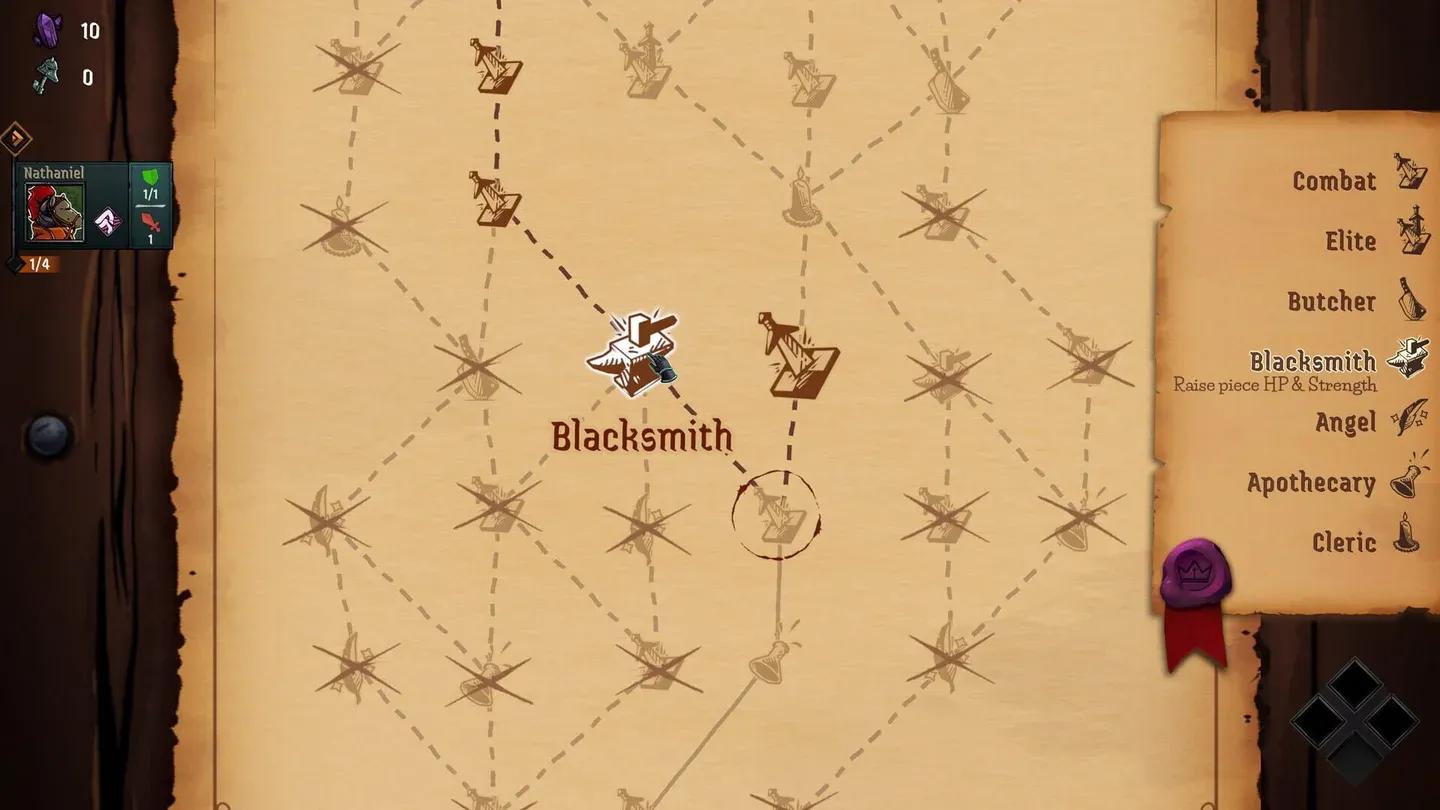
The castle is procedurally generated, meaning no two runs share the same layout. That structural unpredictability is the engine that keeps the roguelike loop alive. You build a party from chess-derived pieces, each carrying the movement patterns and implied role of their board game counterpart, then send them into a gauntlet of turn-based encounters where positioning is everything.
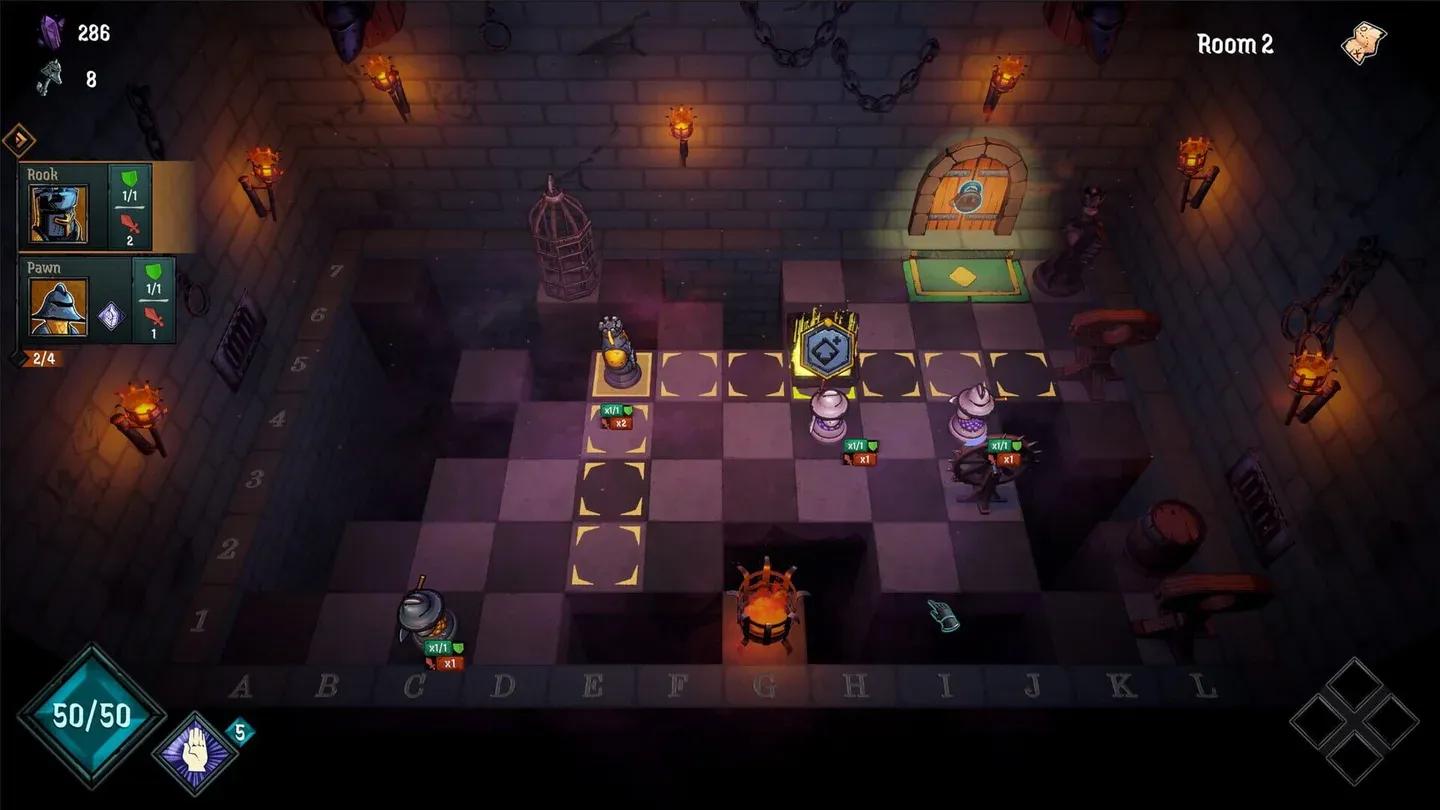
Once a Pawn a King content image
Gameplay and mechanics
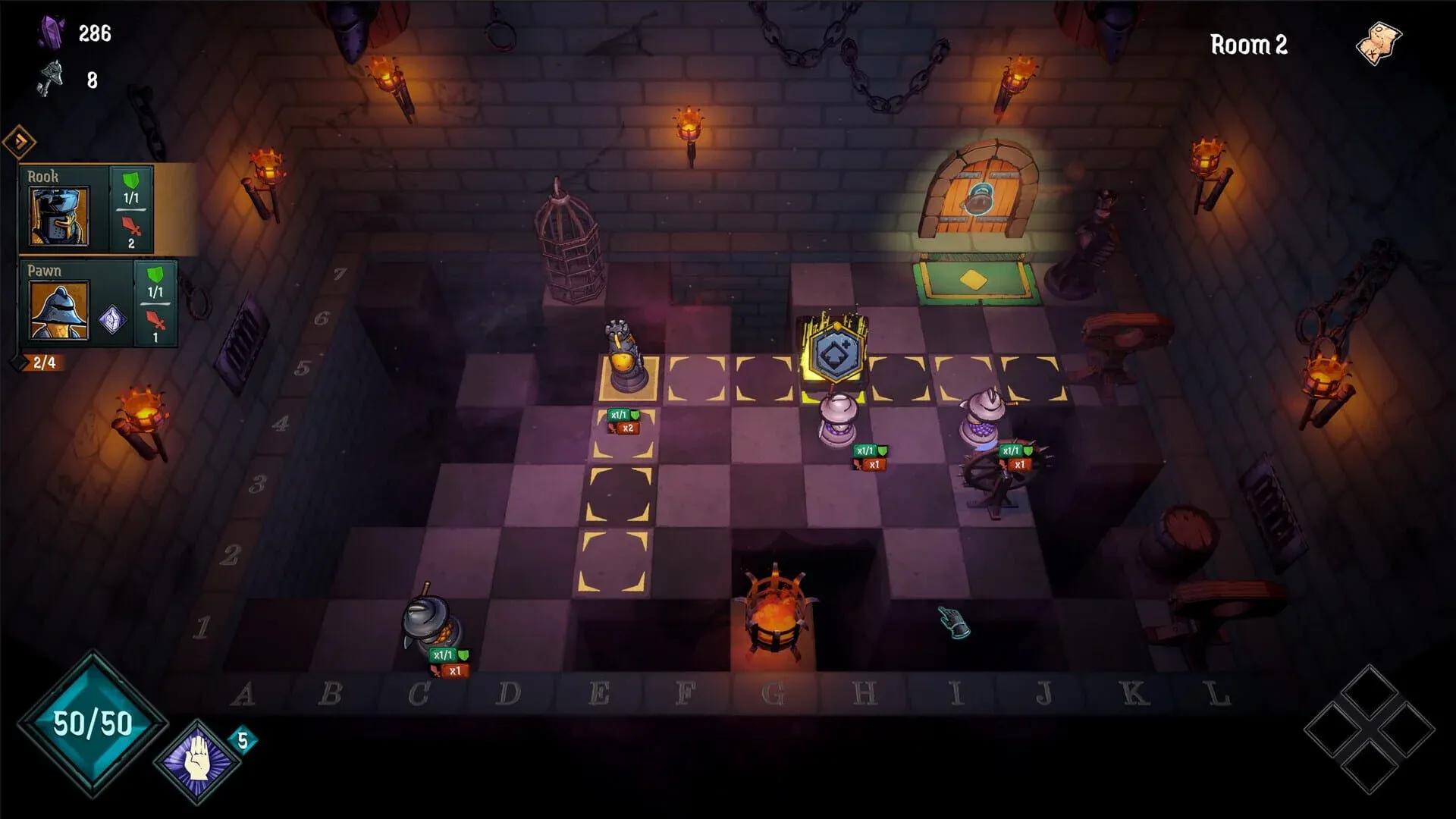
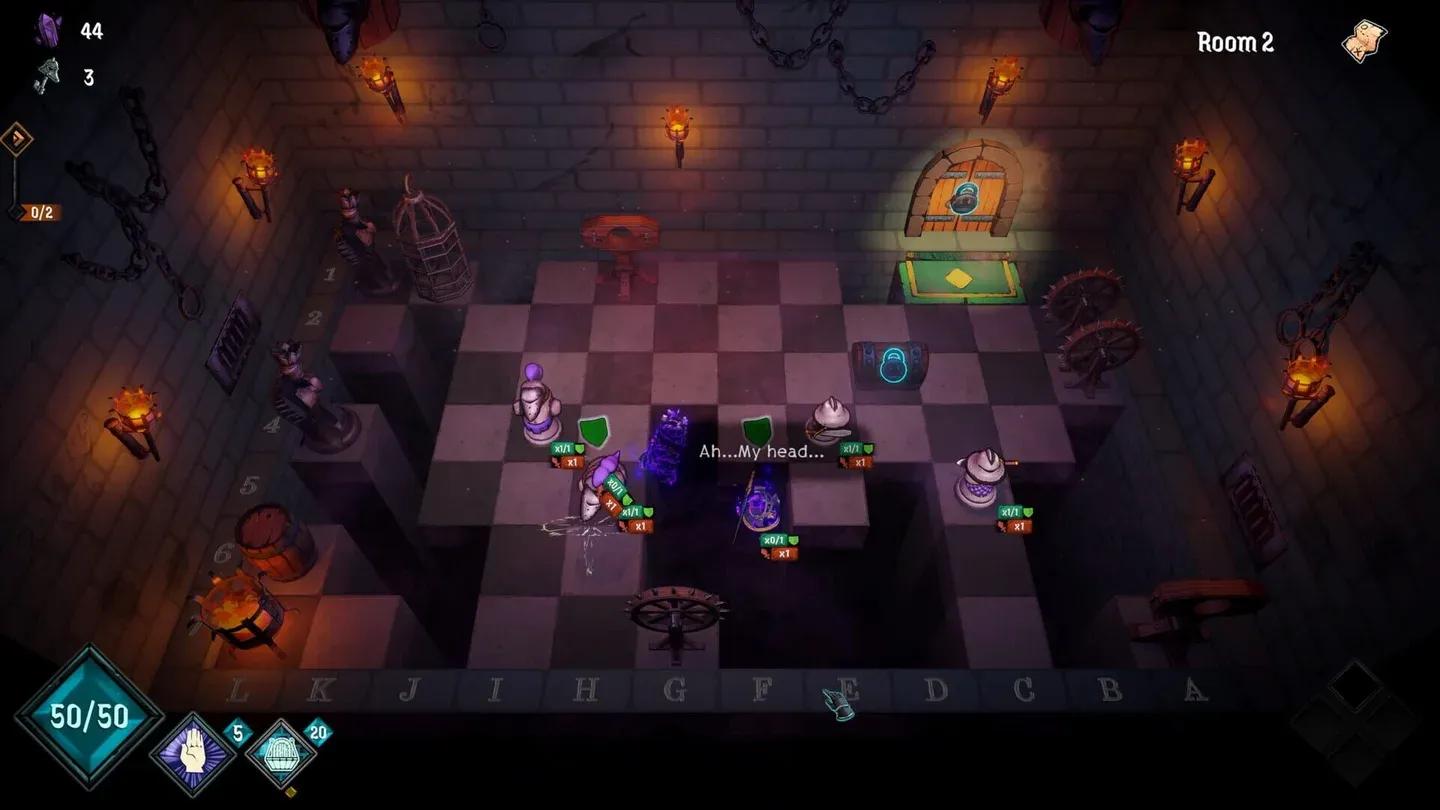
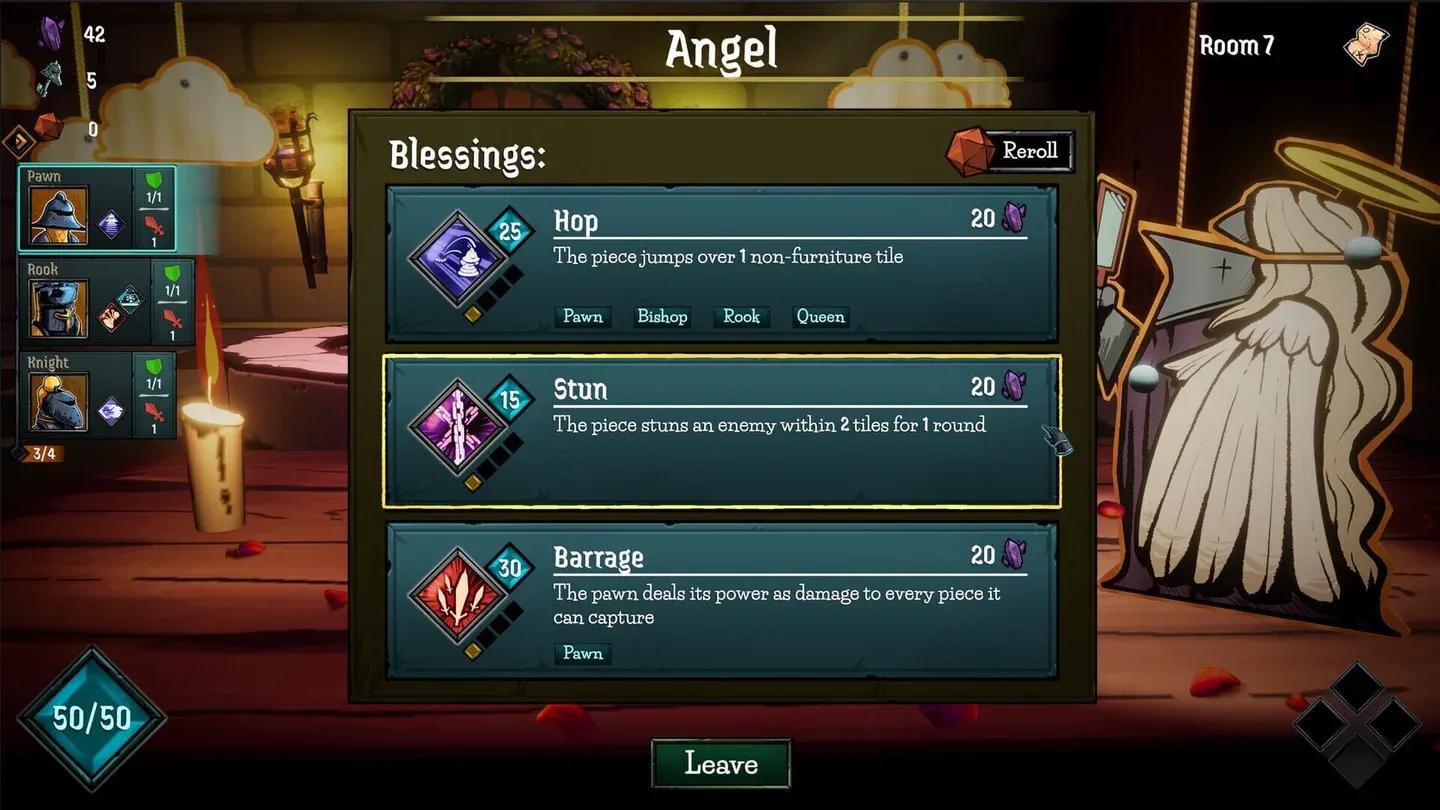
The core loop in Once a Pawn a King centers on party-building and tactical positioning. Each run starts with selecting and assembling a team of pieces, and the choices you make early ripple through every subsequent encounter.
Once a Pawn a King content image
Key mechanics include:
- Chess-based movement rules per piece type
- Turn-based combat on grid-style encounter maps
- Roguelike run structure with permadeath
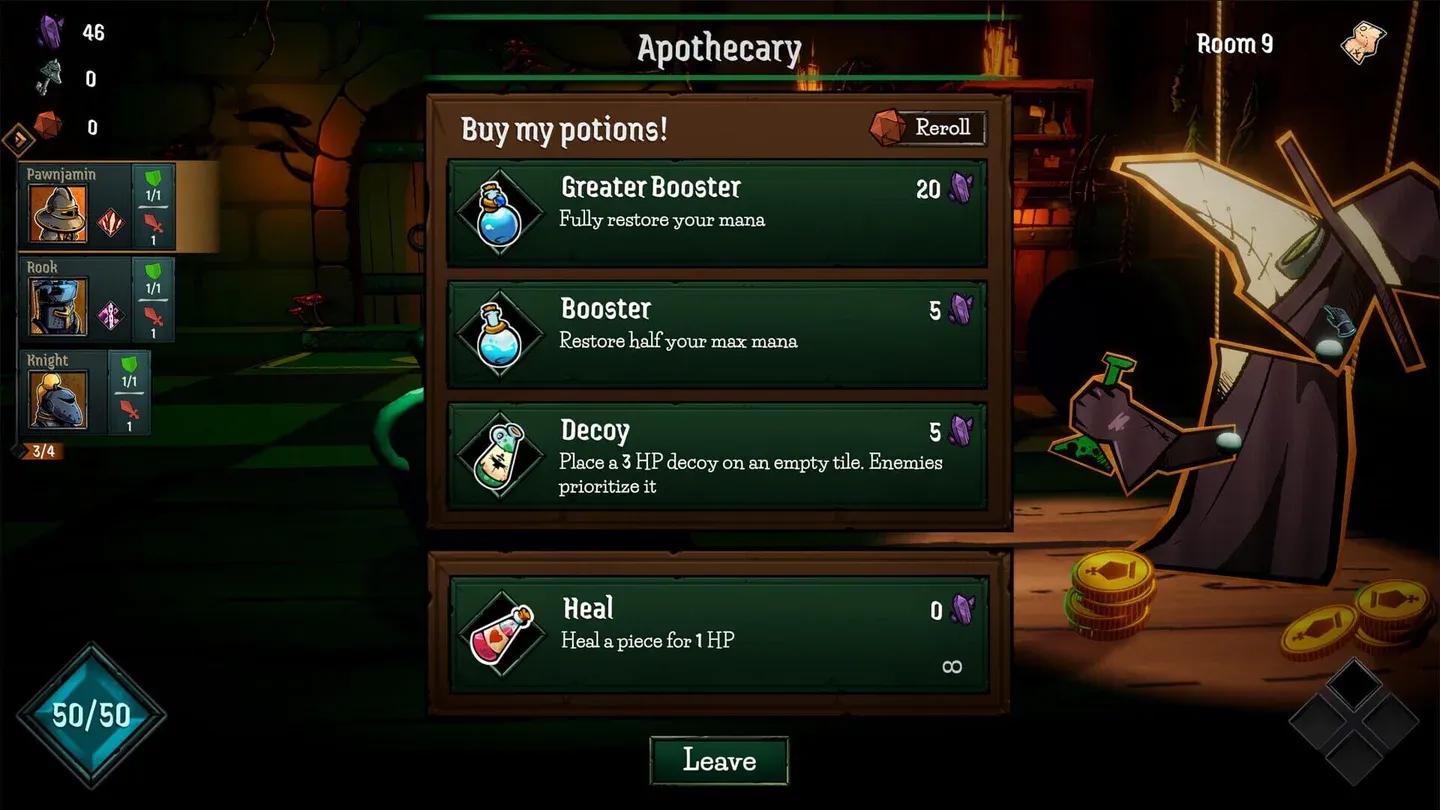
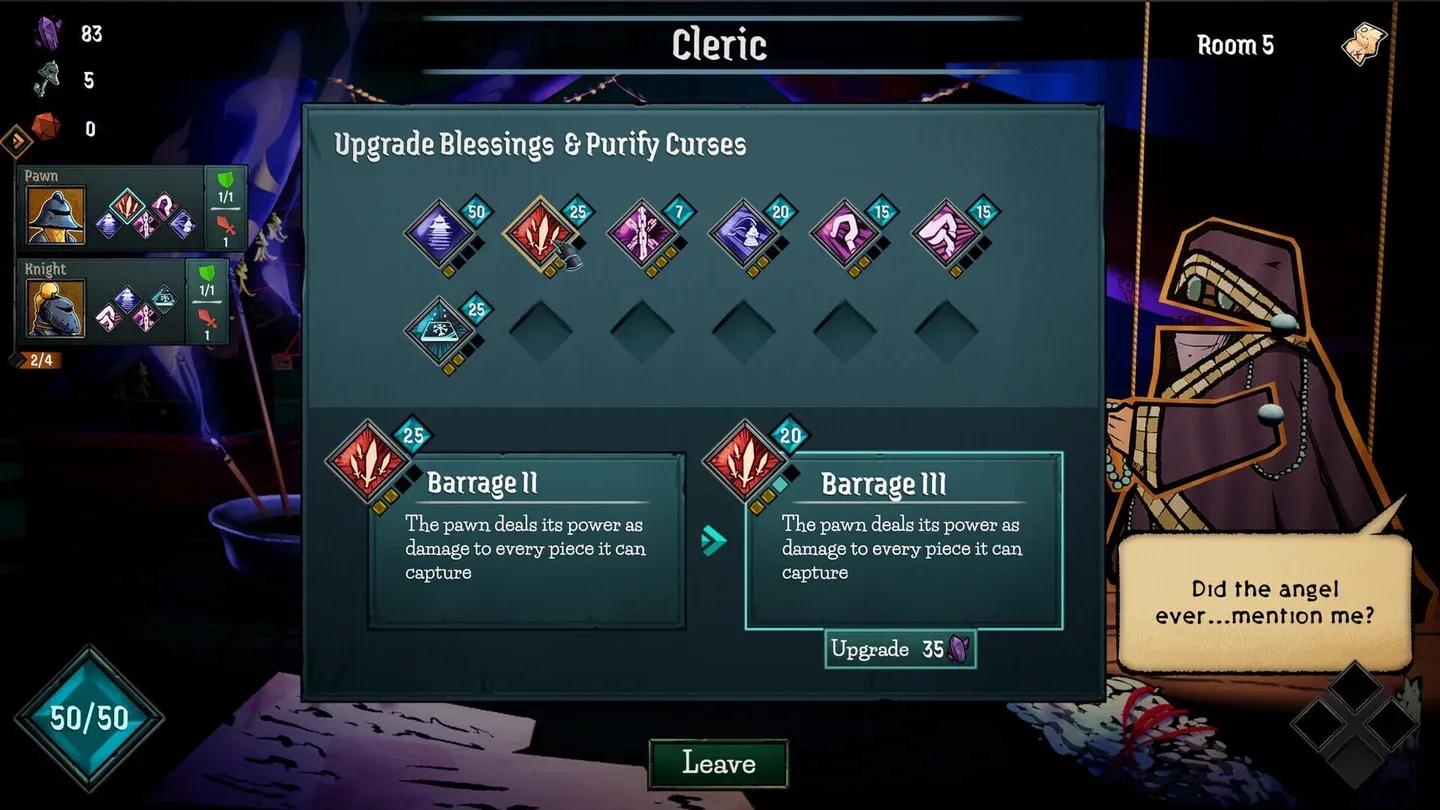
- Party composition choices between rooms
- Escalating difficulty as you push deeper into the castle
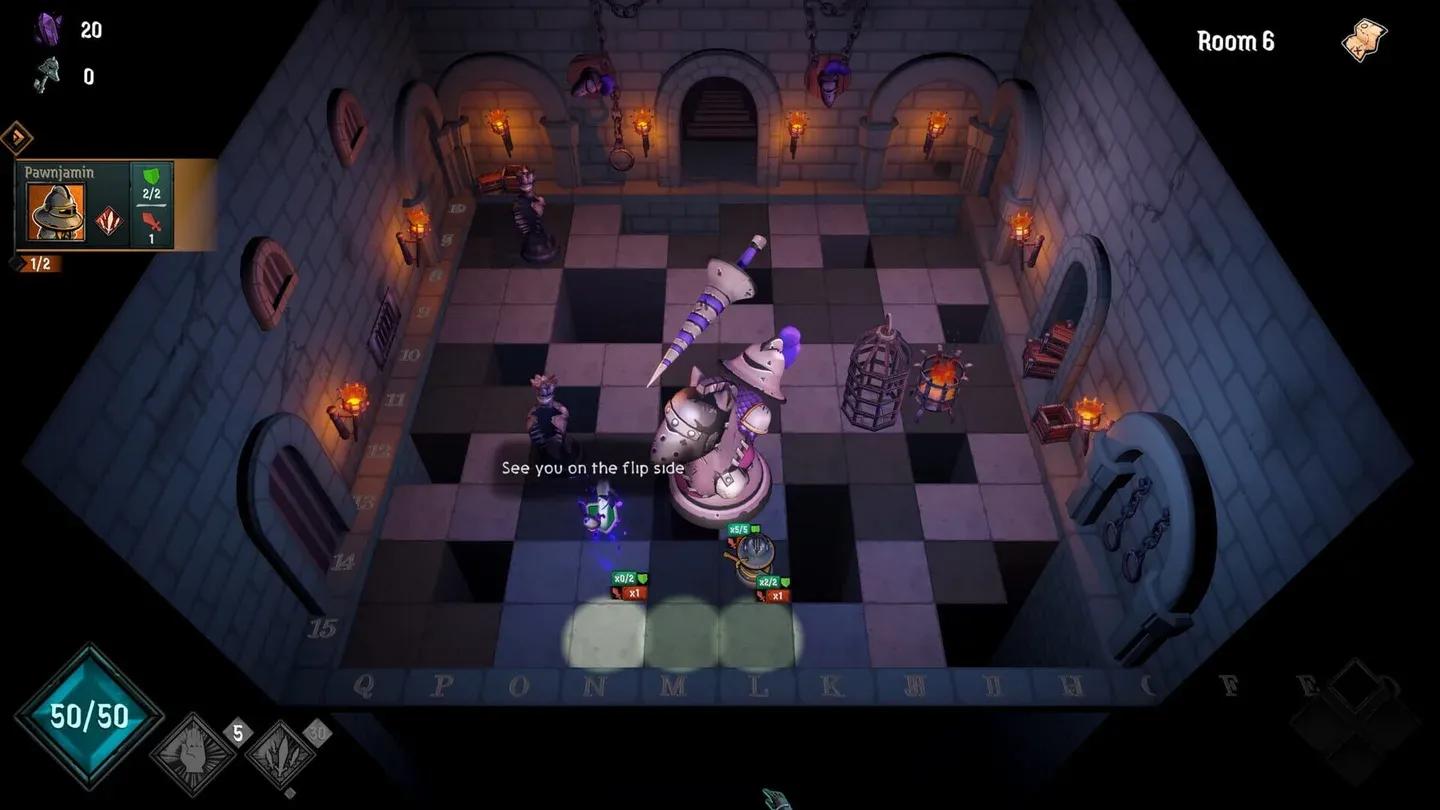
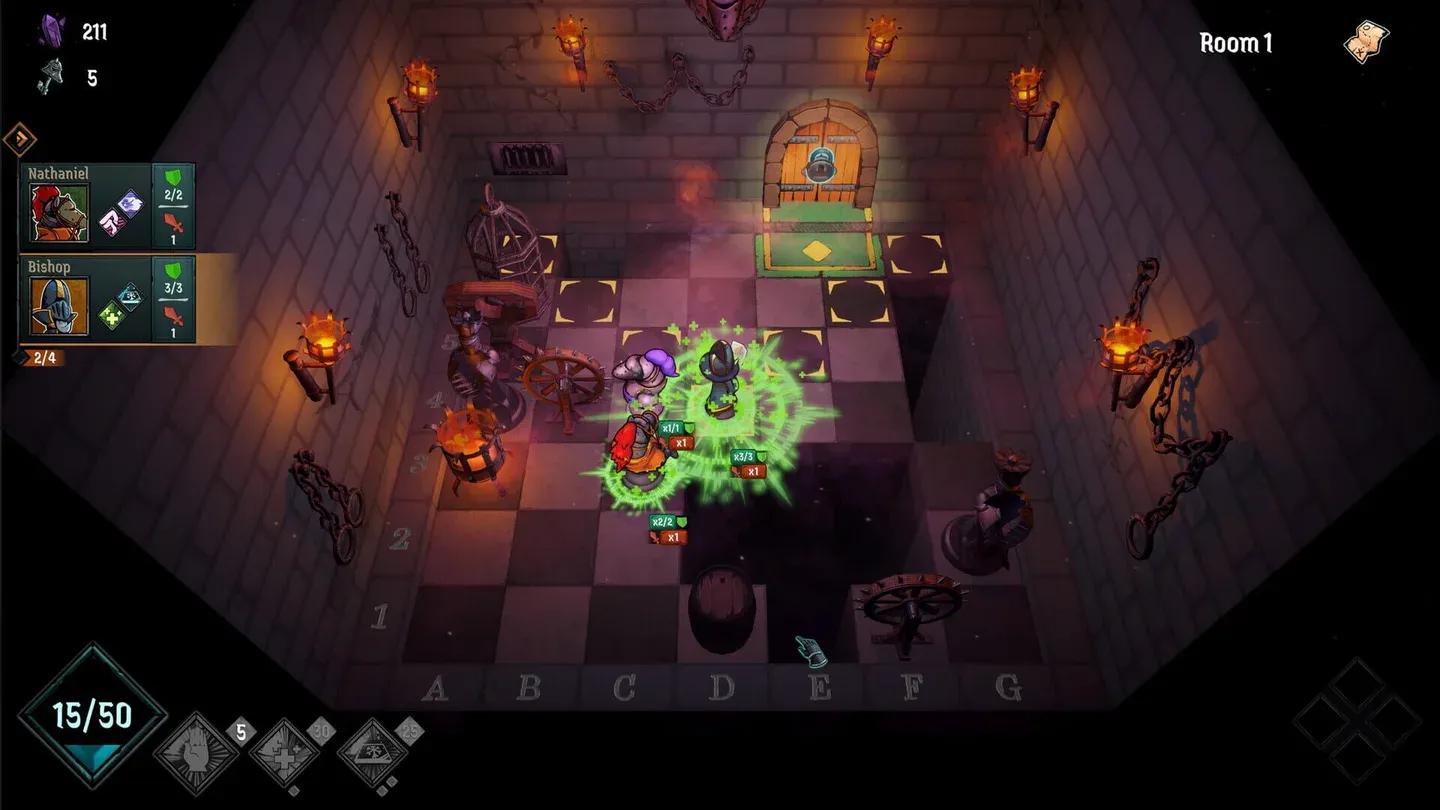
The turn-based system rewards players who think a few moves ahead. Pawns are expendable and positioned accordingly; knights cover angles that other pieces can't reach; rooks bulldoze straight lines. Translating those familiar chess concepts into an active combat context gives the game a shorthand that speeds up learning without dumbing down the strategy.
Once a Pawn a King content image
What sets this game apart from other roguelikes?
Most roguelikes borrow from fantasy RPGs or card games for their mechanical vocabulary. Once a Pawn a King pulls from chess instead, and that distinction matters more than it might initially seem. Chess has centuries of established piece logic that players carry in as prior knowledge. Clover Bite uses that familiarity as a foundation, then builds unpredictability on top of it through the roguelike structure.
The result is a game where the rules feel intuitive almost immediately, but mastery takes genuine time. Knowing how a bishop moves doesn't tell you how to survive three rooms deep in a castle that's actively trying to trap your party. The tension between familiar rules and chaotic dungeon generation is where the game finds its identity.
World and setting
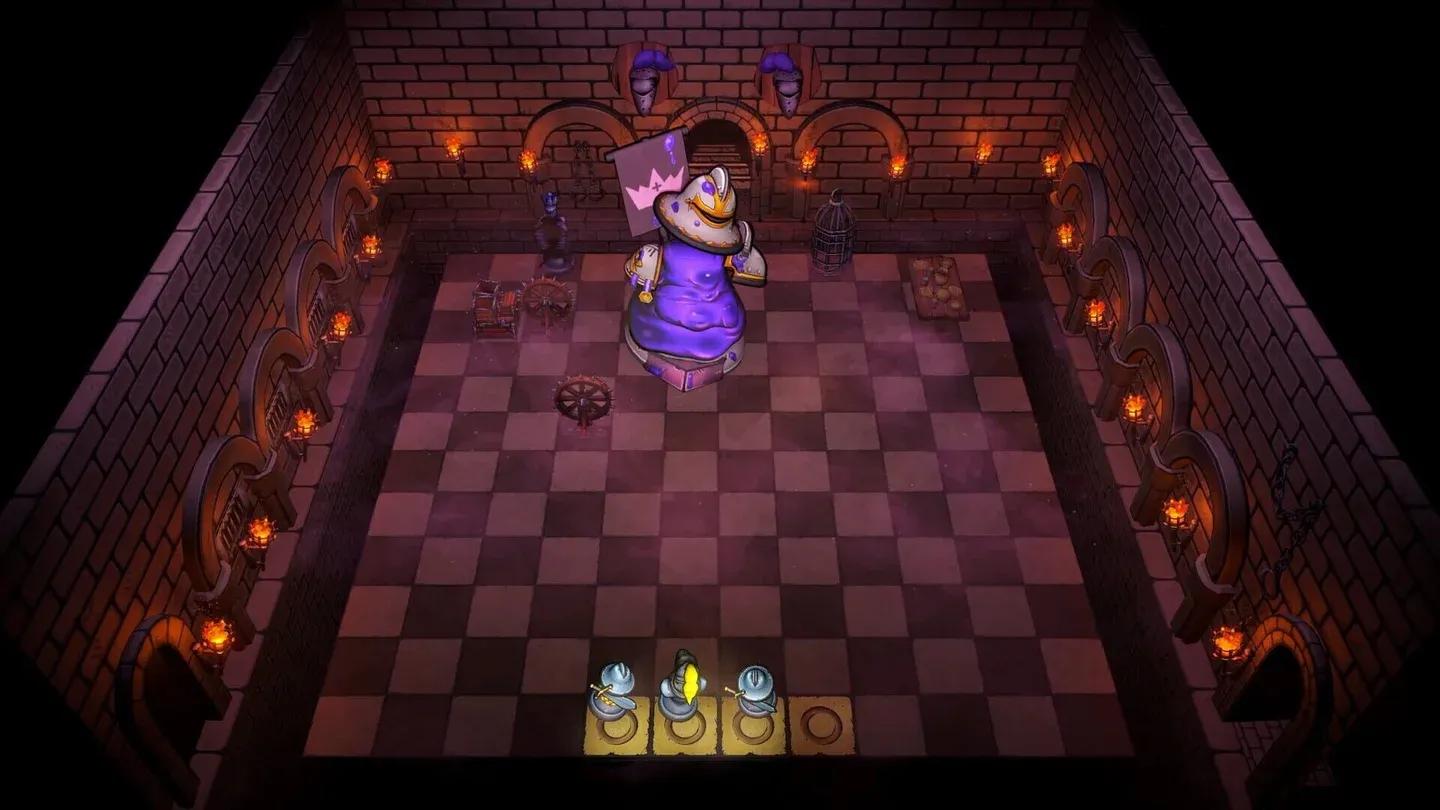
The castle of the White King is the game's primary arena, and its procedural nature keeps it feeling adversarial rather than static. The narrative framing stays light, a rescue mission dressed in chess aesthetics, but the setting does enough to give the runs a sense of purpose beyond pure mechanical exercise.
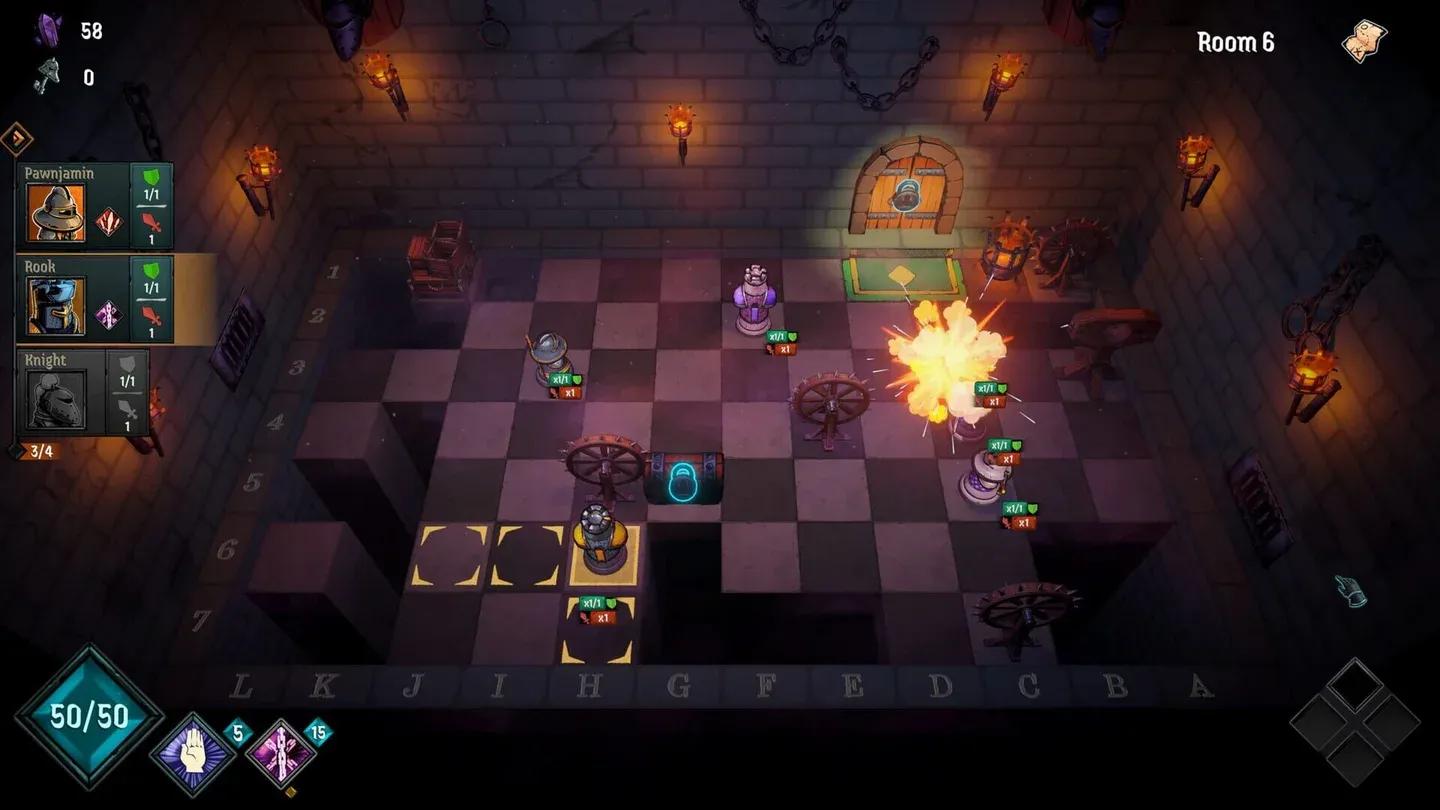
Once a Pawn a King content image
The visual style leans into the chess theme without becoming sterile. Pieces are distinct and readable, which matters in a game where misreading a unit type mid-combat can end a run.
Content and replayability
Roguelikes live or die on replayability, and the combination of procedural castle generation and party-building variation gives Once a Pawn a King a solid foundation for repeat runs. Different piece combinations open different tactical approaches, and the shifting castle layout means players can't fall back on memorized room patterns. The party-building roguelike format rewards experimentation, and with enough piece variety, each run carries the genuine possibility of a strategy you haven't tried before.